 One day
Bellagio in a day, on foot
The village's stepped lanes, the point where the lake divides, the fishermen's harbour on the other shore and the gardens of Villa Melzi: a promontory to walk round.
Public transport
Above Bellagio: the cyclists' sanctuary, the source of the Lambro, the Sormani's village and the car-free ramp the Giro di Lombardia raced from 1960 to 1962.
1day6stops
Between the lake's two branches, above Bellagio, the Lariano Triangle is an upland of passes and woods to tour by car.
In the morning you drive up to the Ghisallo, where Pius XII proclaimed the Madonna patron of cyclists in 1949 and where the museum of their bicycles stands beside the sanctuary, and walk from Magreglio to the Menaresta, the karst spring of the Lambro. The afternoon is for Sormano, with the walls of the castle of the village's lords, and for the Muro, the lane closed to cars that the Giro di Lombardia climbed from 1960 to 1962; in the evening you reach the Colma.
Suited to
Book ahead
The route, stop by stop.
© OpenStreetMap contributors · ODbL
Add to your calendar
One event per day, with the day's plan. Import the file into a calendar app that supports the ICS format.Three passes and a spring, the car between stops and two walks.
Transfer: Car20 min· From Bellagio, ten kilometres of climbing; the C136 bus goes too
Morning
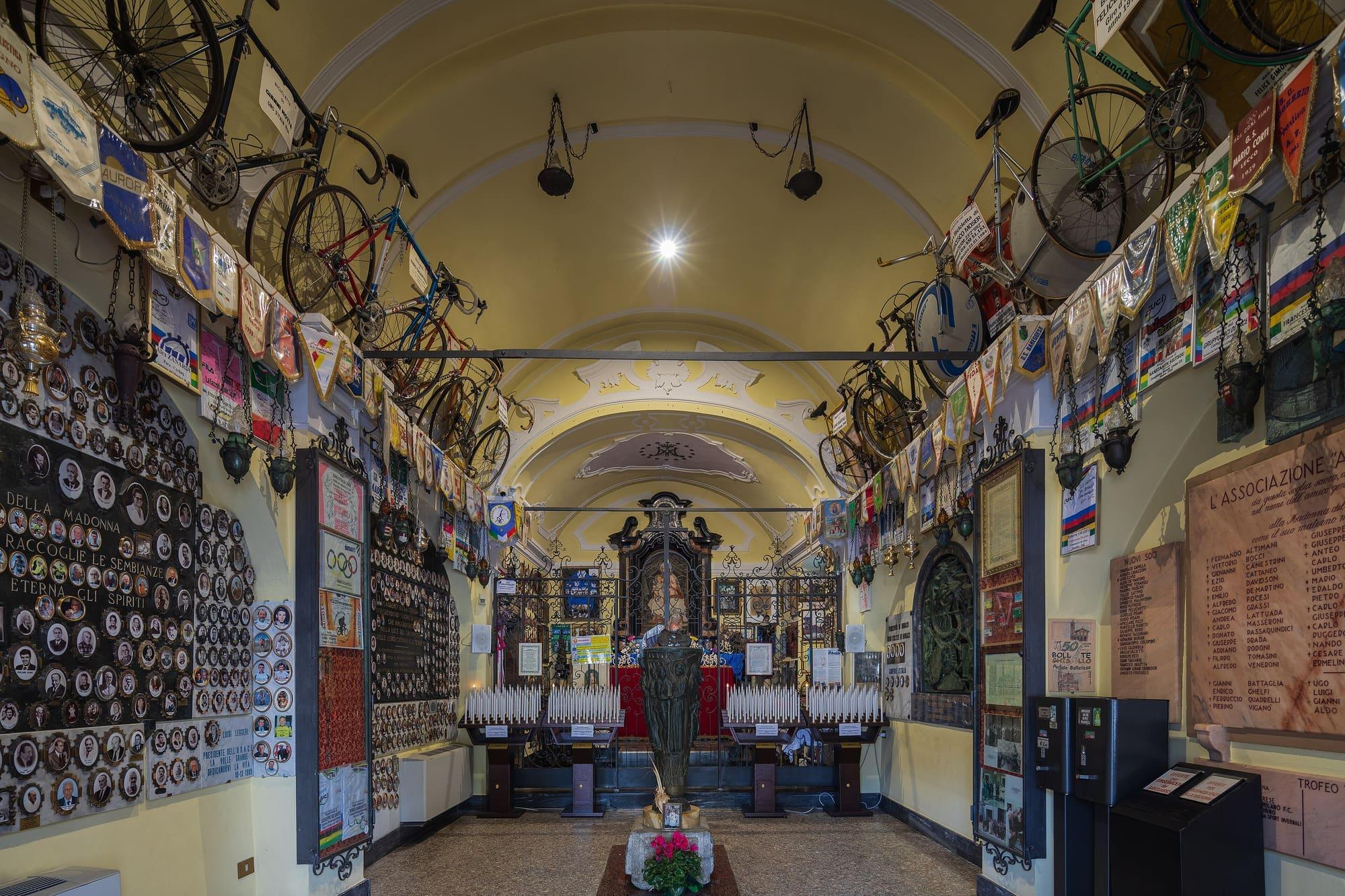
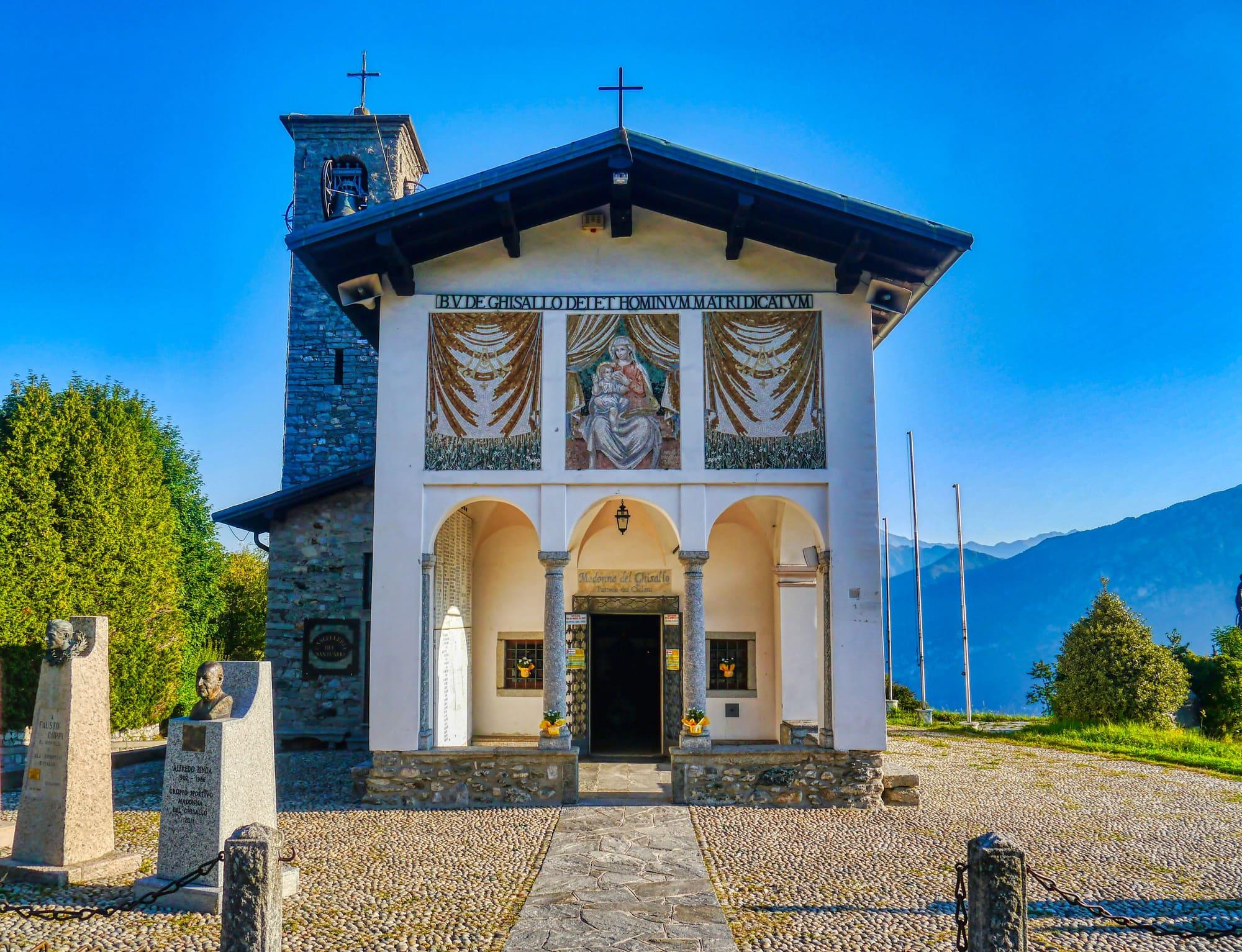
On the pass, at 754 metres, stands the sanctuary of the Madonna del Ghisallo, proclaimed patron of cyclists by Pius XII in 1949: inside, the bicycles, jerseys and photographs left by champions have gathered one at a time, left as votive offerings rather than set out as a display. Next door, the low glazed building of the Cycling Museum tells the history of racing with the champions' bicycles and the Giro's pink jerseys.
Transfer: On foot30 min· From Magreglio, where you leave the car
Morning
From Magreglio, where Santa Marta, a parish since 1613, stands on the square, half an hour on foot by way of Castagneti and up the stream brings you to the Menaresta, at 942 metres: the karst spring of the river that crosses the Brianza, Monza and Milan. Its name says how it works: the water “mena”, flows on, and “resta”, stays. A siphon hidden in the rock fills at intervals until it overflows, then empties.
Transfer: Car20 min
Lunch
Back at the car, the road drops towards the Vallassina and climbs again to Sormano. In the village, Sant'Ambrogio, rebuilt between 1677 and 1715 on an elliptical plan, with a portico in front of its facade.
Transfer: On foot10 min
Afternoon
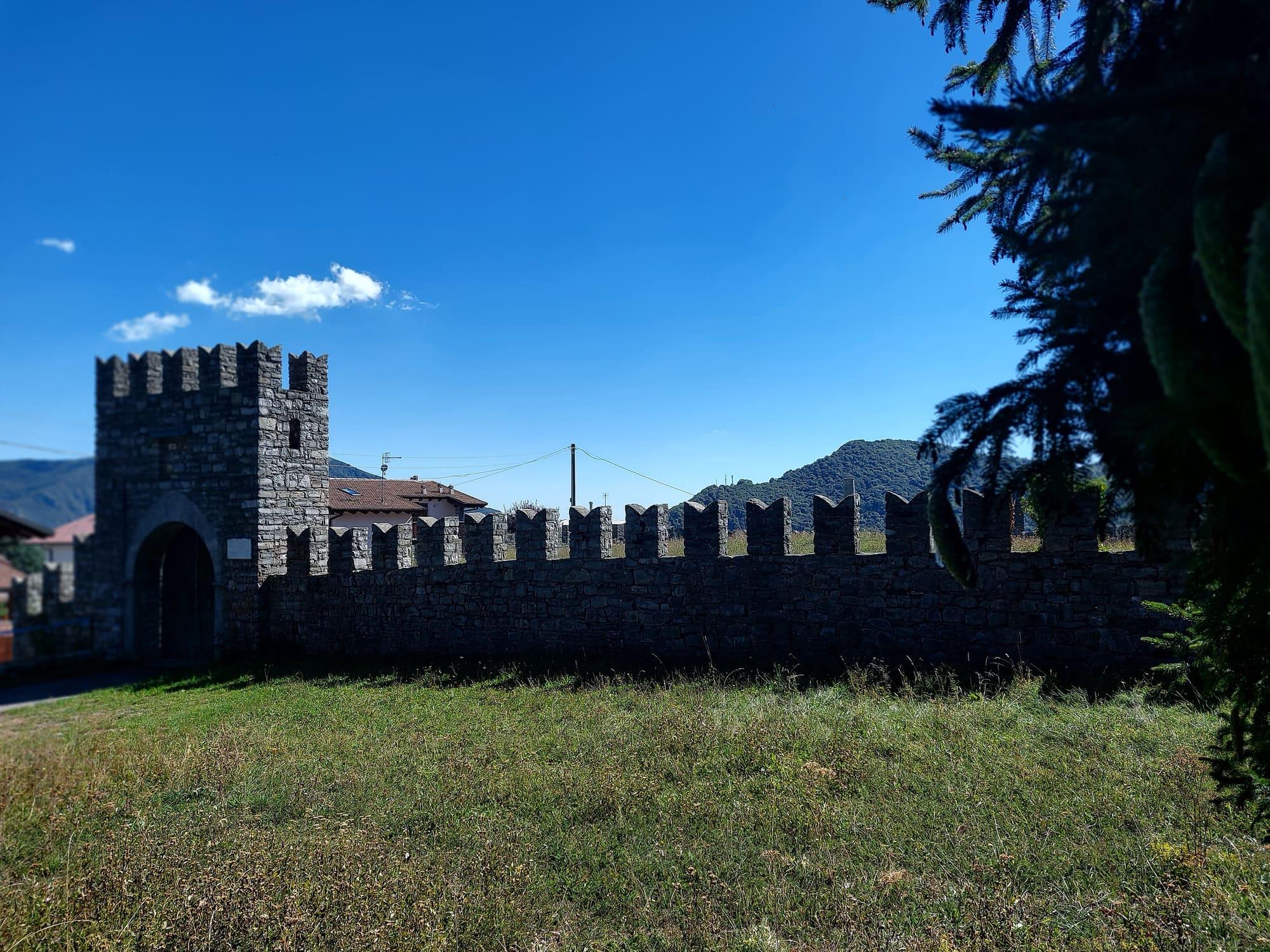
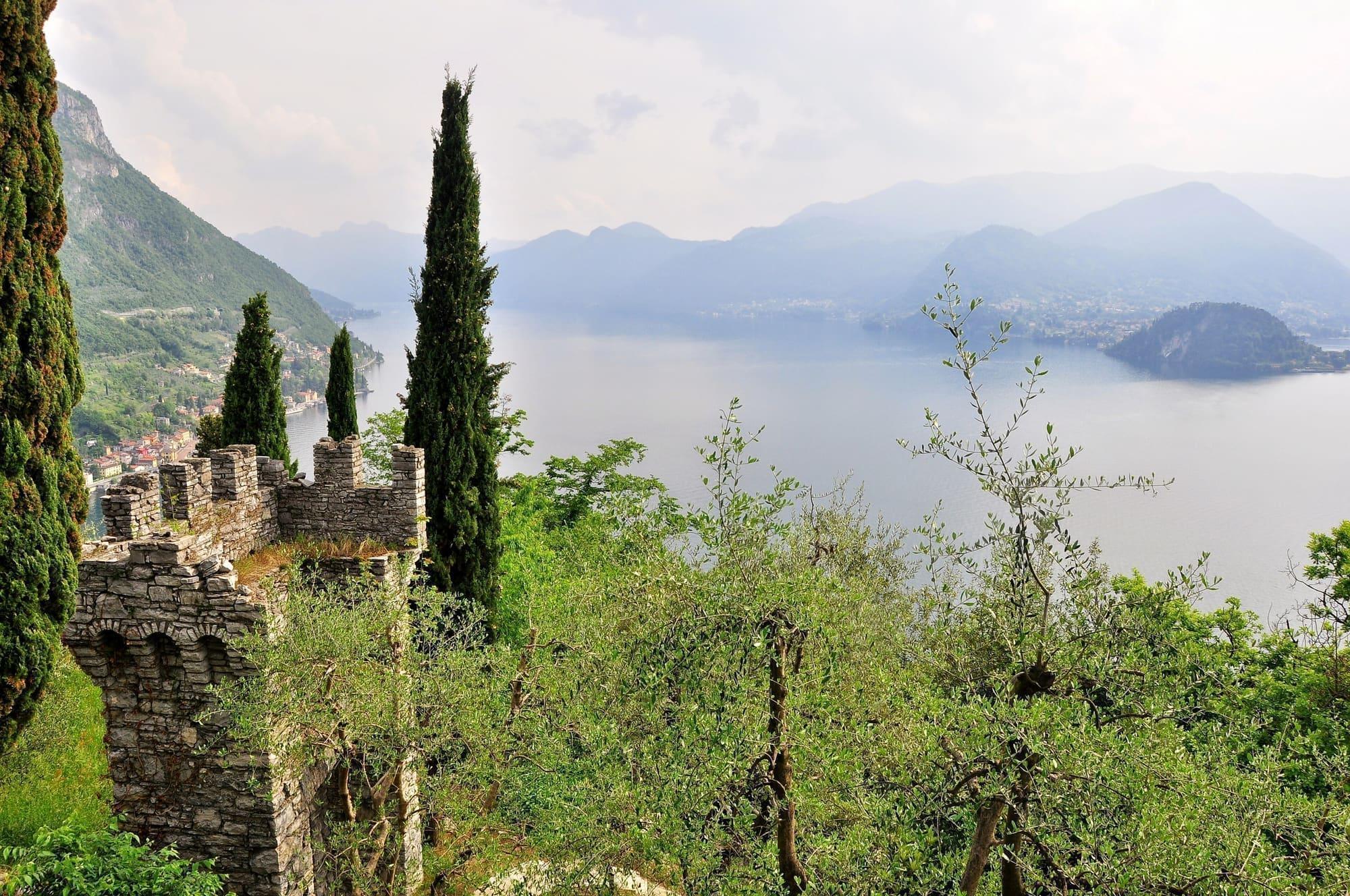
Just south of the centre, a plaque on the gateway says these walls stand on the ruins of the castle of the lords of Sormano, of medieval origin and dismantled in 1555 under the Spanish; its stones went into the church and many of the village's houses. Today's battlements and gate tower come from a twentieth-century restoration.
Transfer: On foot15 min
Afternoon
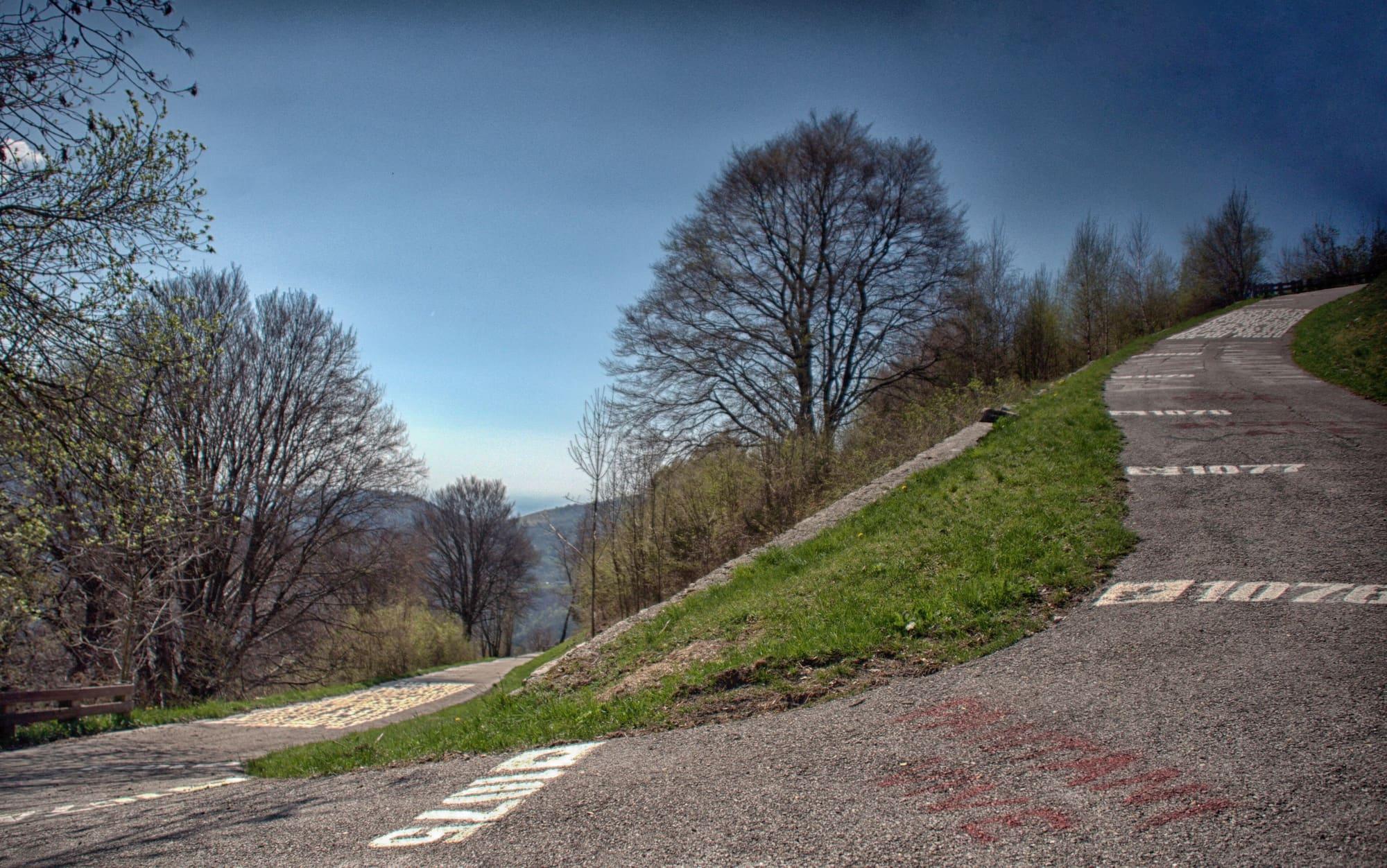
Just above the village, from the sign that tells its story, the lane closed to cars climbs to the Colma in four hairpins: about 1,700 metres for almost three hundred of height, 17 per cent on average and ramps over 25. The Giro di Lombardia raced up it from 1960 to 1962 and then dropped it; the heights are written on the tarmac metre by metre, with sayings of cycling's greats. Walk up as far as you like and come back down.
Transfer: Car15 min
Evening
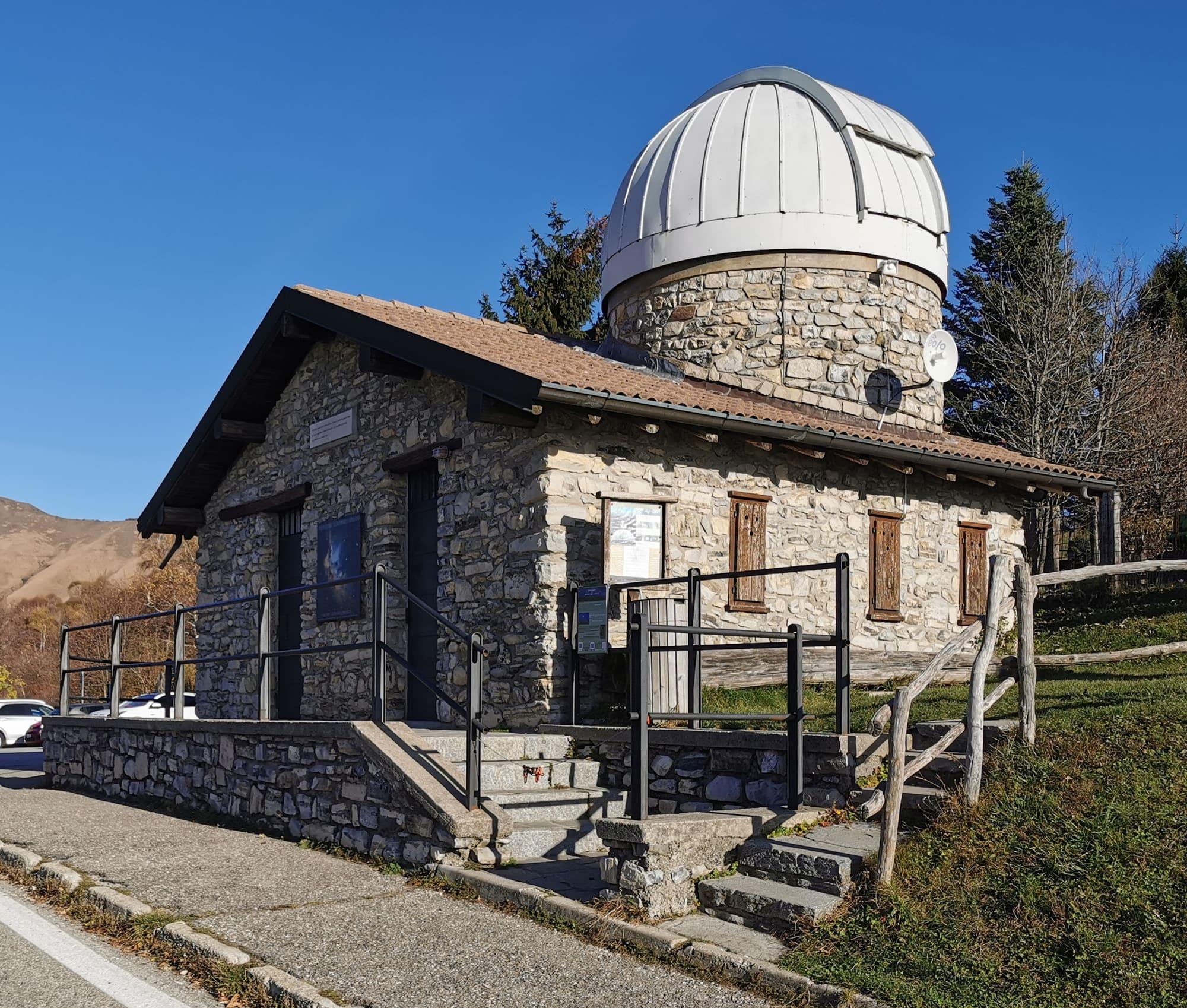
By car, on the ordinary road, you reach the pass at 1,124 metres where the Muro ends. An old stone refuge carries the dome of the astronomical observatory, with the planetarium beside it. During visits, when the sky is clear, celestial bodies can be observed through the telescope. From here Bellagio is three quarters of an hour away.
One dayThe village's stepped lanes, the point where the lake divides, the fishermen's harbour on the other shore and the gardens of Villa Melzi: a promontory to walk round.
Public transport
 One day
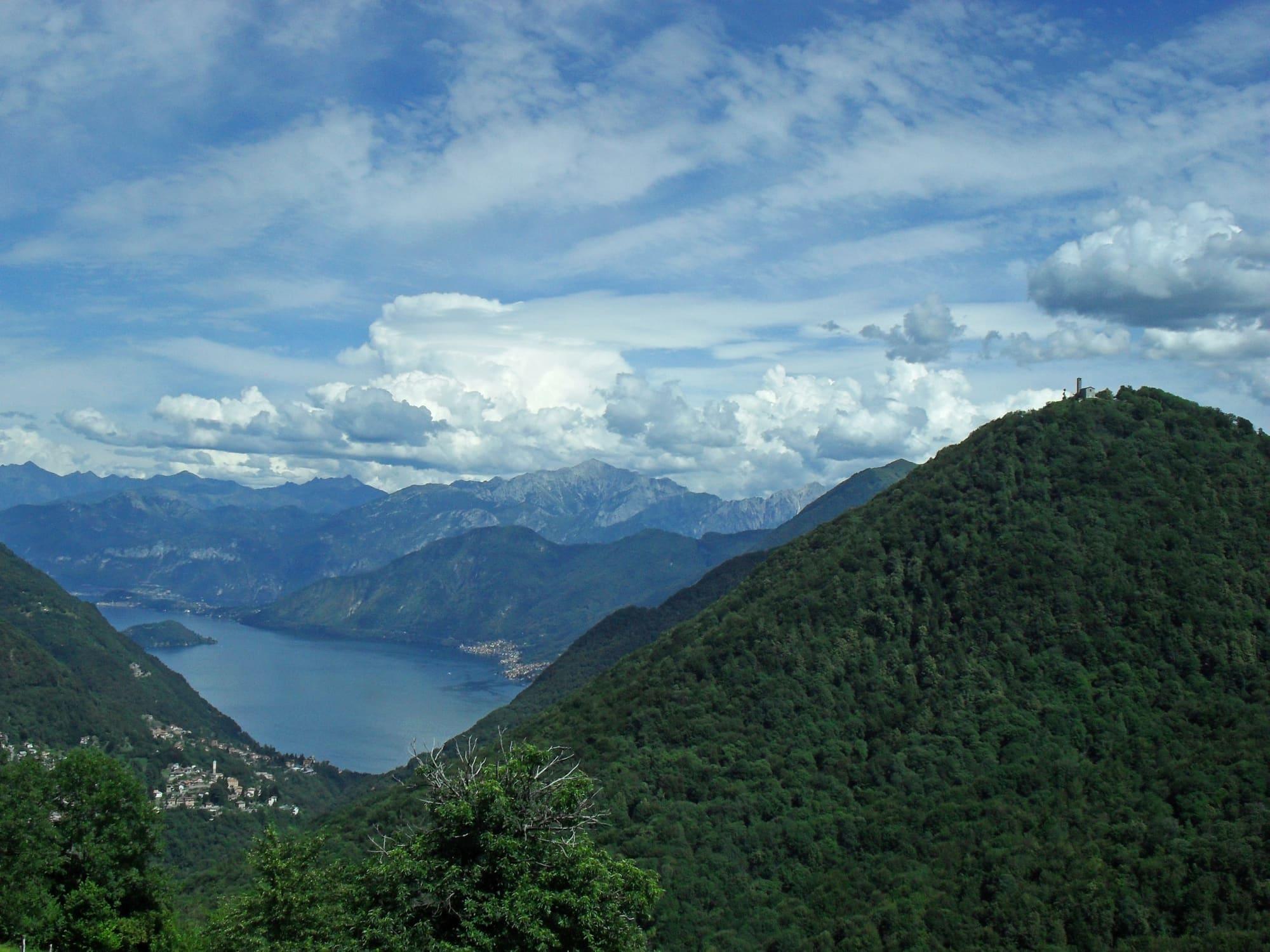
From Lake Como to Lake Lugano: the cable car to Pigra, the churches of the Intelvi masters at Lanzo and Scaria and sunset from the Sighignola.
By car
 One day
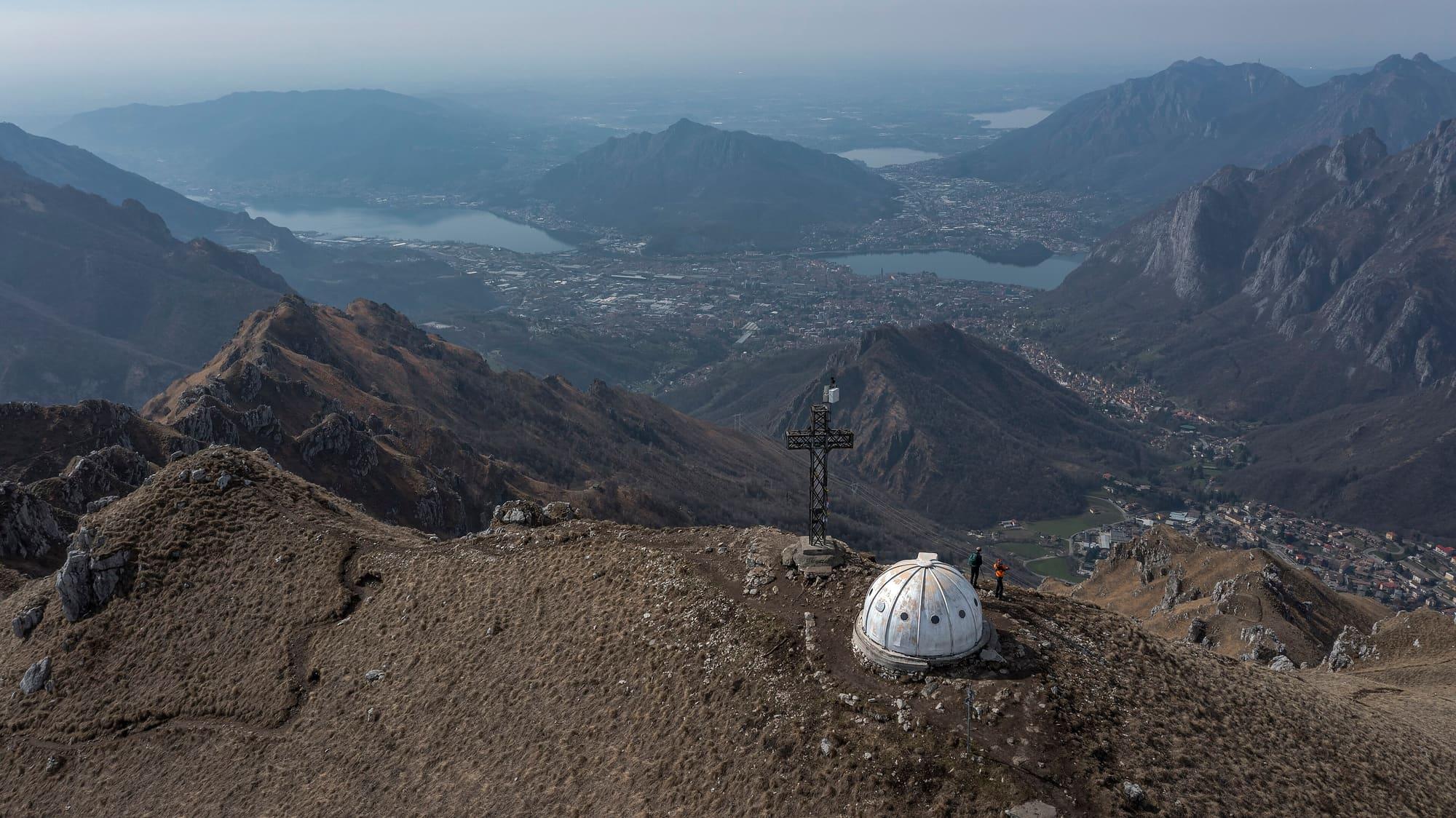
Lecco, the Piani Resinelli and a walk in the Parco Valentino.
Mixed