First Basin
Como
The city of silk and rationalist architecture, with the lake reaching right into the centre.
Como, the funicular to Brunate and the villas along the shore as far as Argegno.
The first basin is the southern part of the Como branch, from the city up to Argegno.
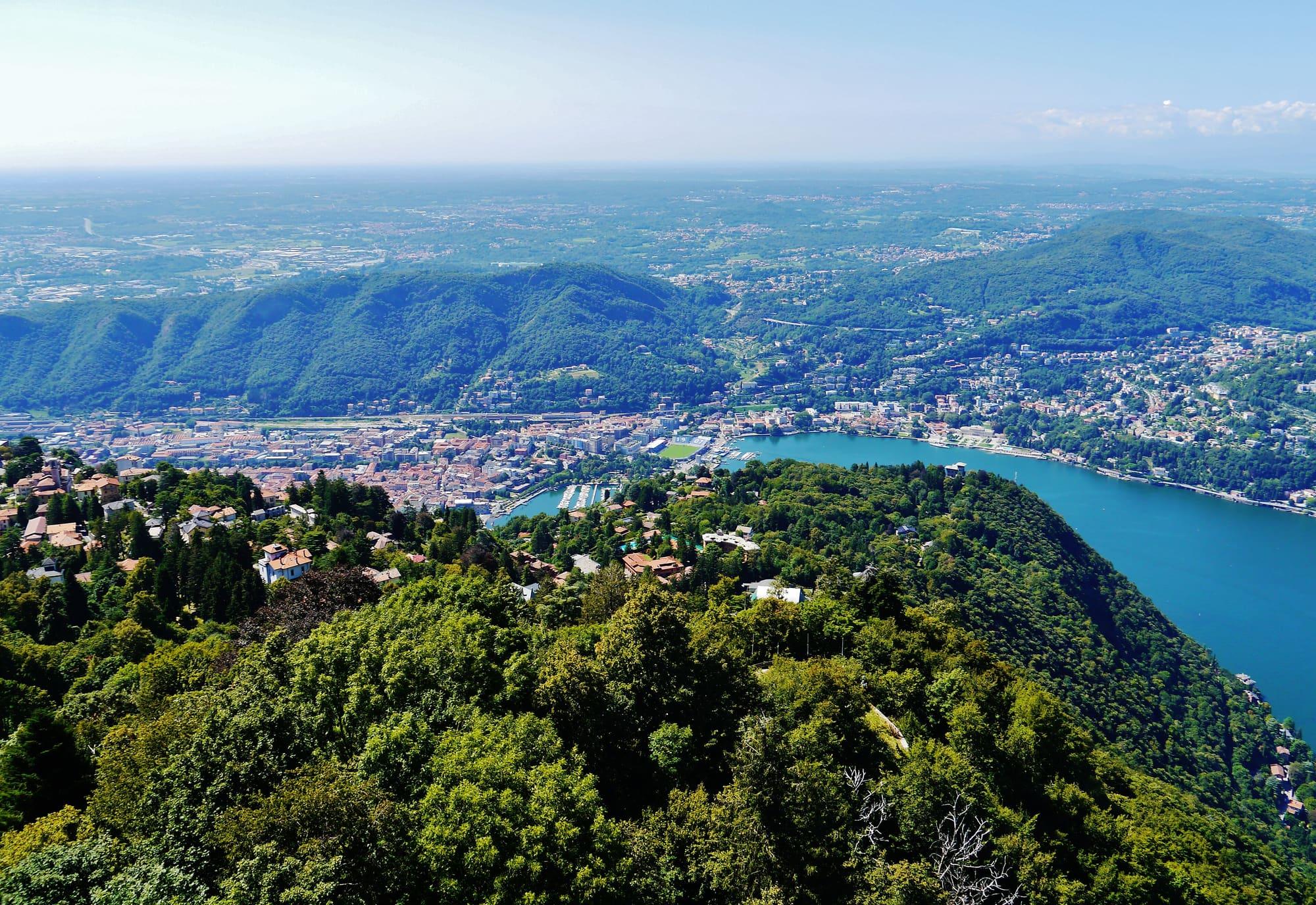
Como, a city of about eighty thousand people, lies at the end of the lake between two ridges that drop steeply to the water; along the shores villas follow one another, many of them from the nineteenth century. From Milan the train takes about forty minutes.
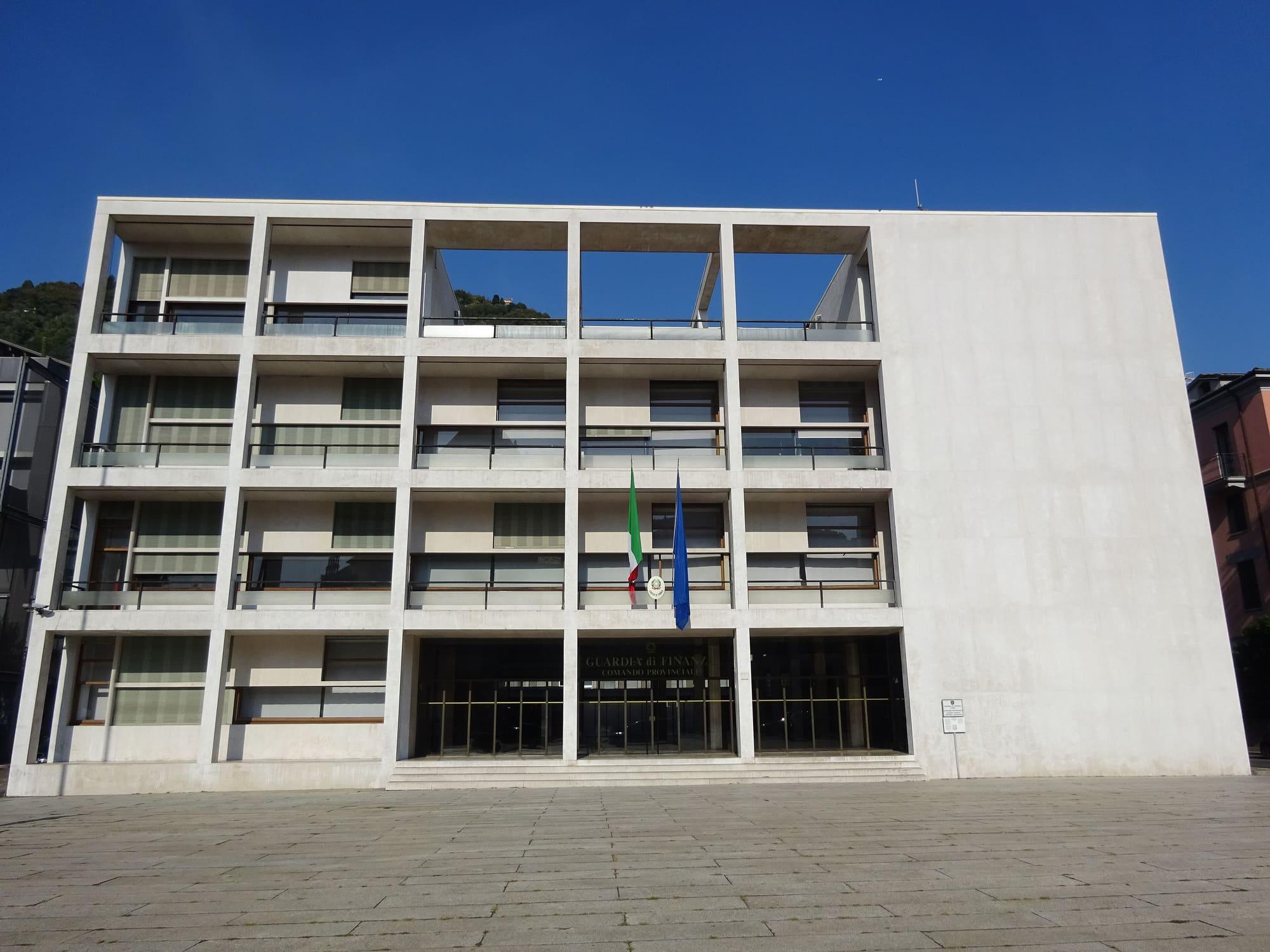
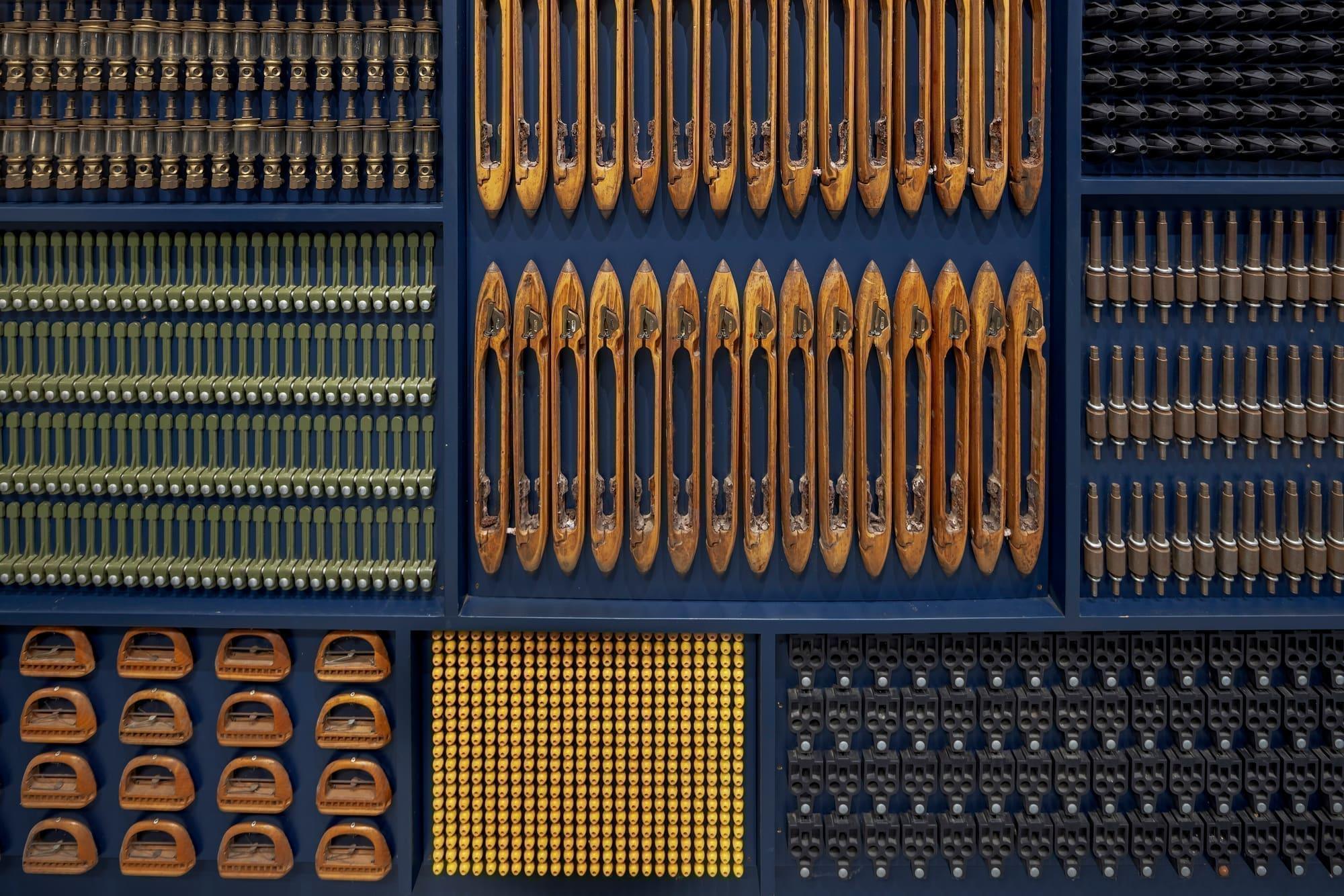
This is the most urban part of the lake. Como has a long tradition in silk, Giuseppe Terragni's rationalist buildings beside the Gothic and Renaissance cathedral, and many commuters who cross the Swiss border every day for work.
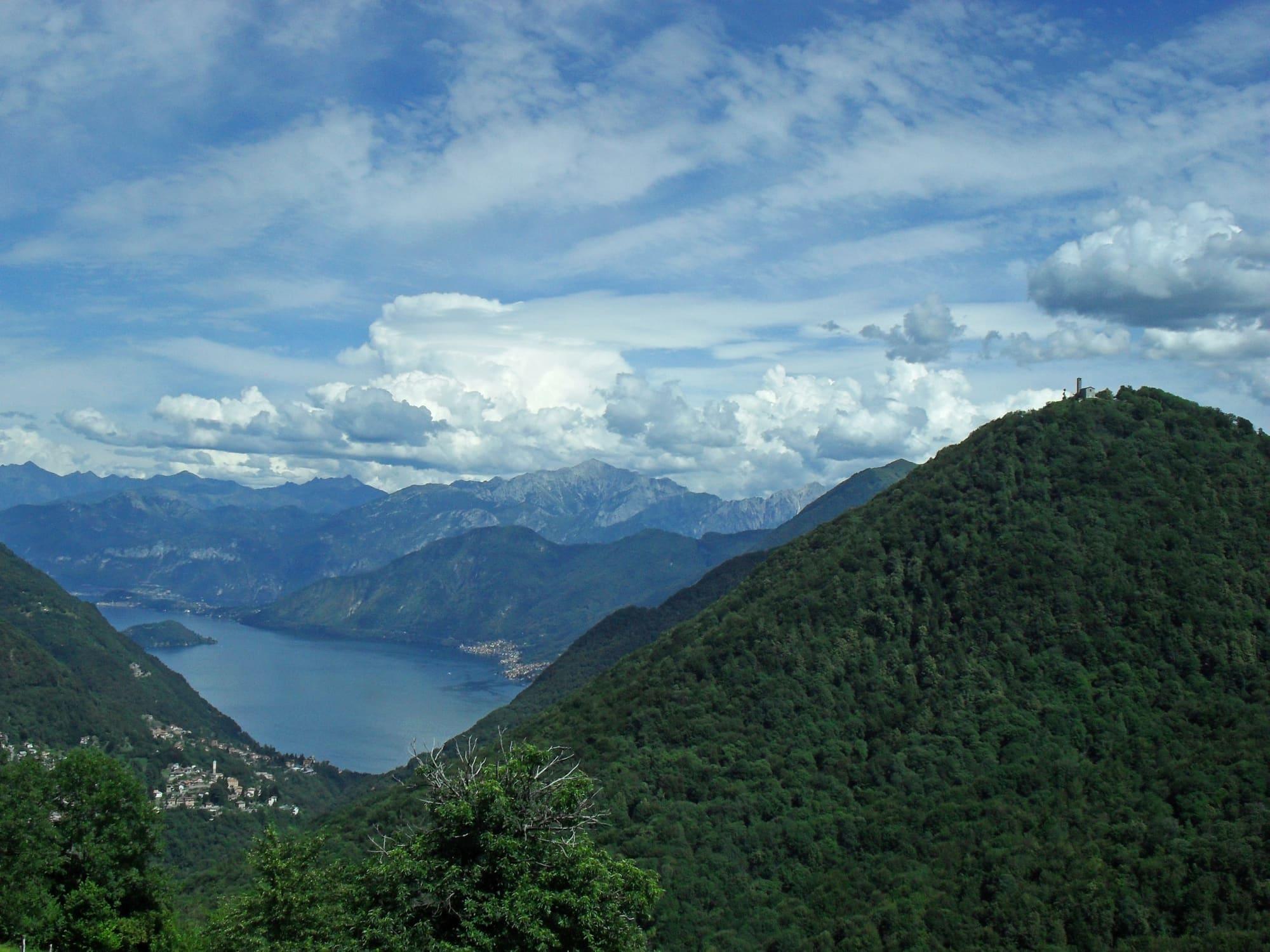
Wooded slopes dropping steeply to the water, wrought-iron gates, private jetties and the funicular climbing straight up to Brunate.
© OpenStreetMap contributors · ODbL
The city of silk and rationalist architecture, with the lake reaching right into the centre.
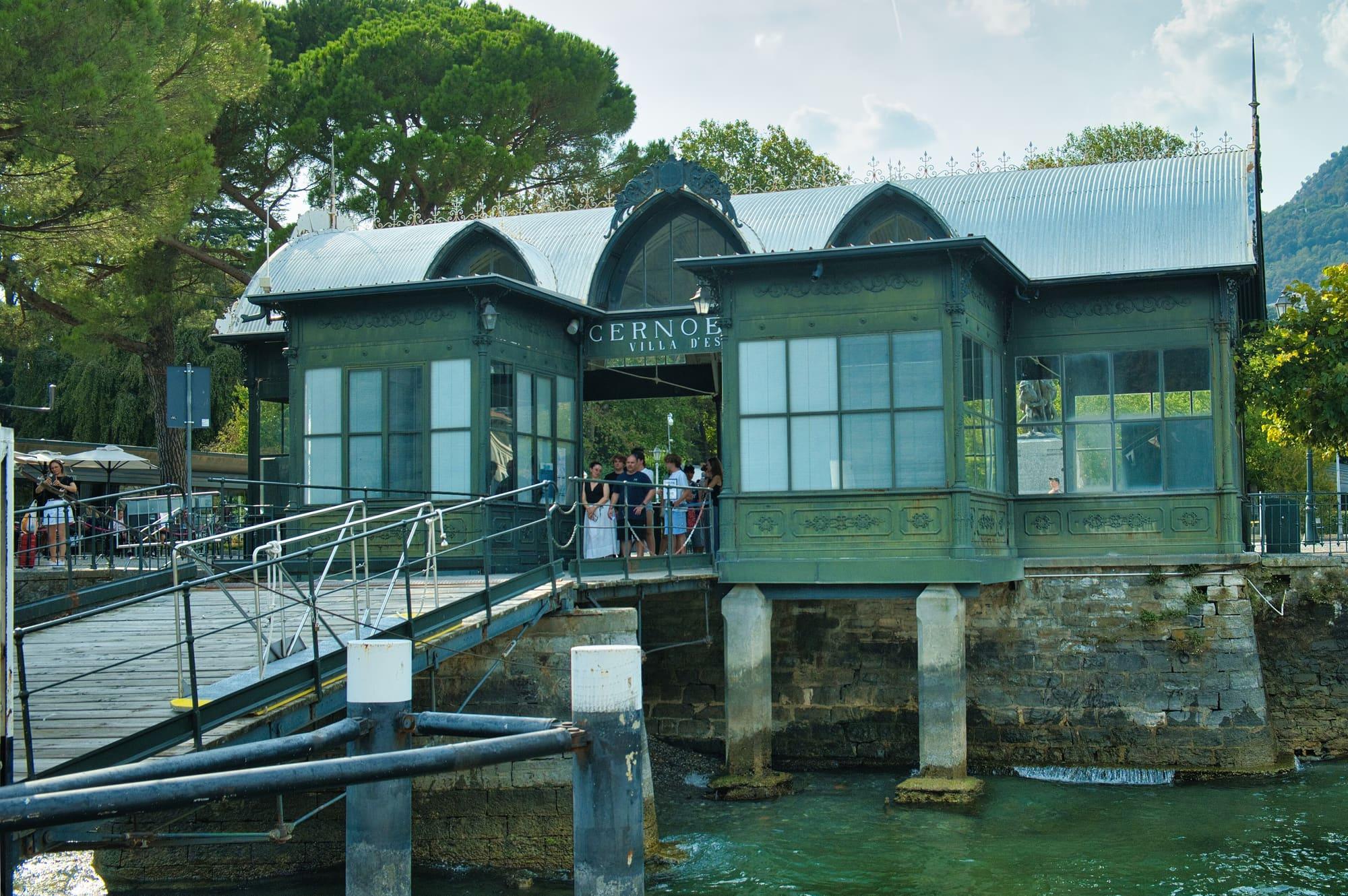
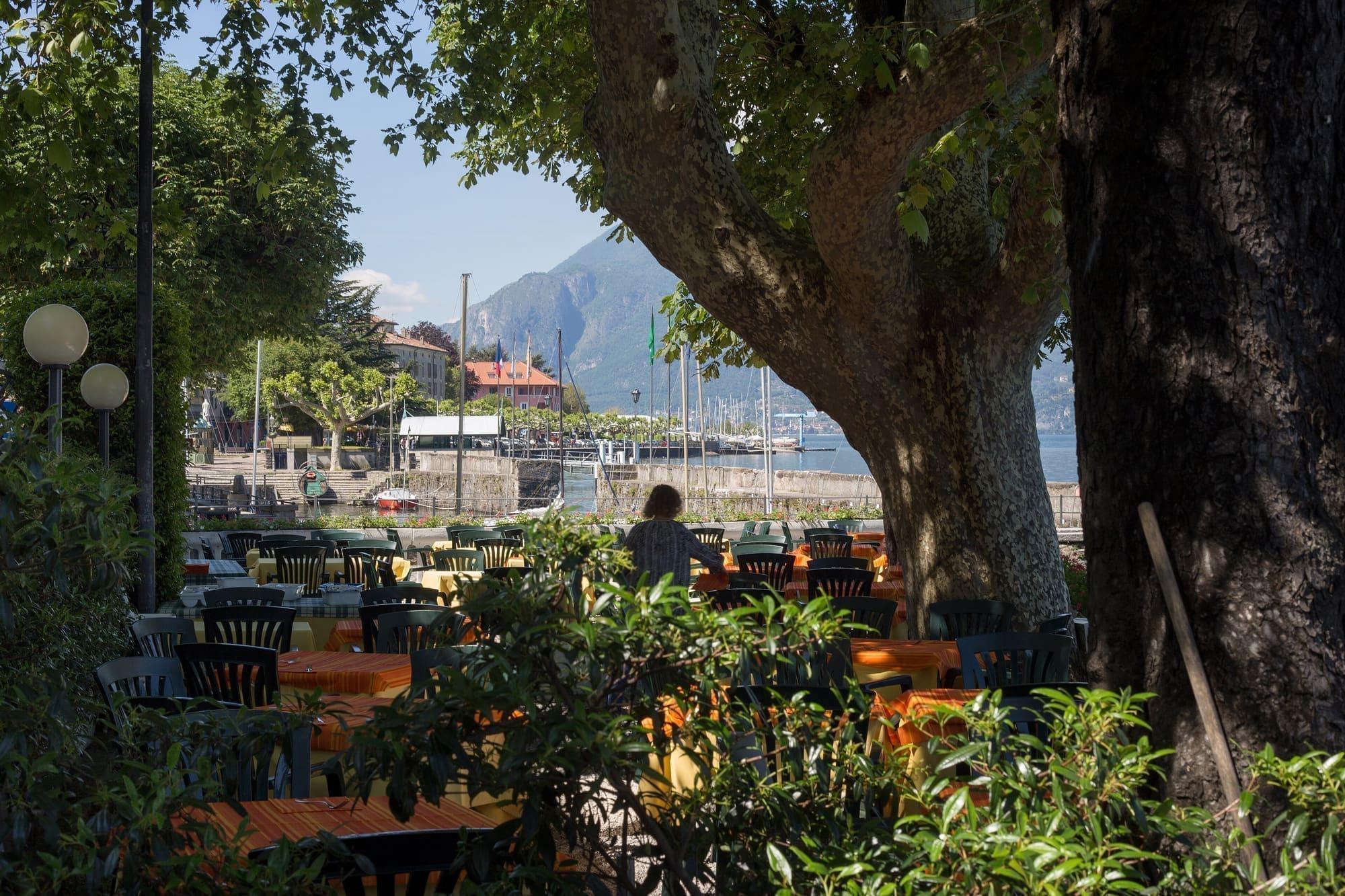
A square on the water ten minutes from Como, and the grand hotel behind the plane trees.
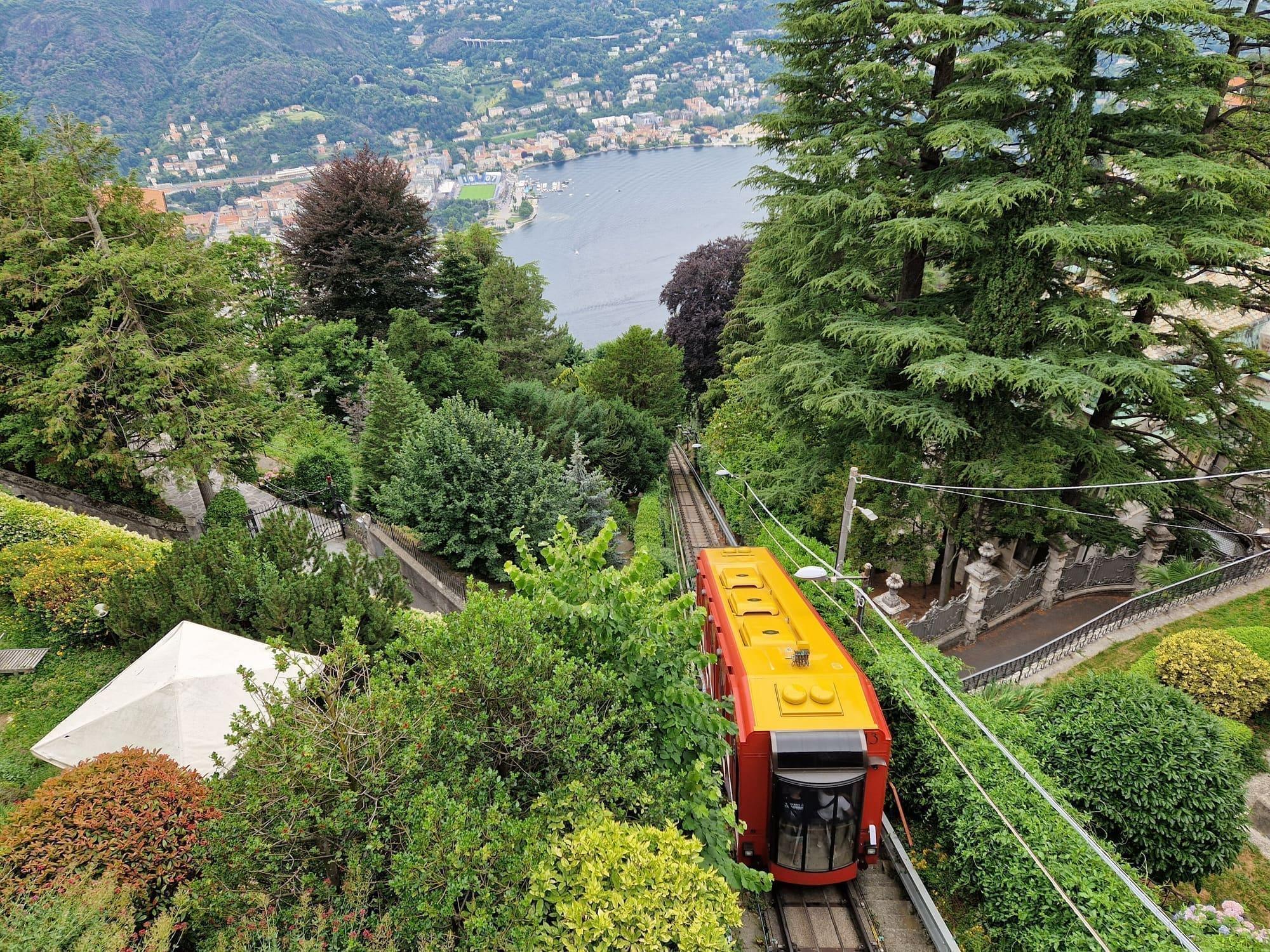
The village above Como, seven minutes by funicular and five hundred metres higher.
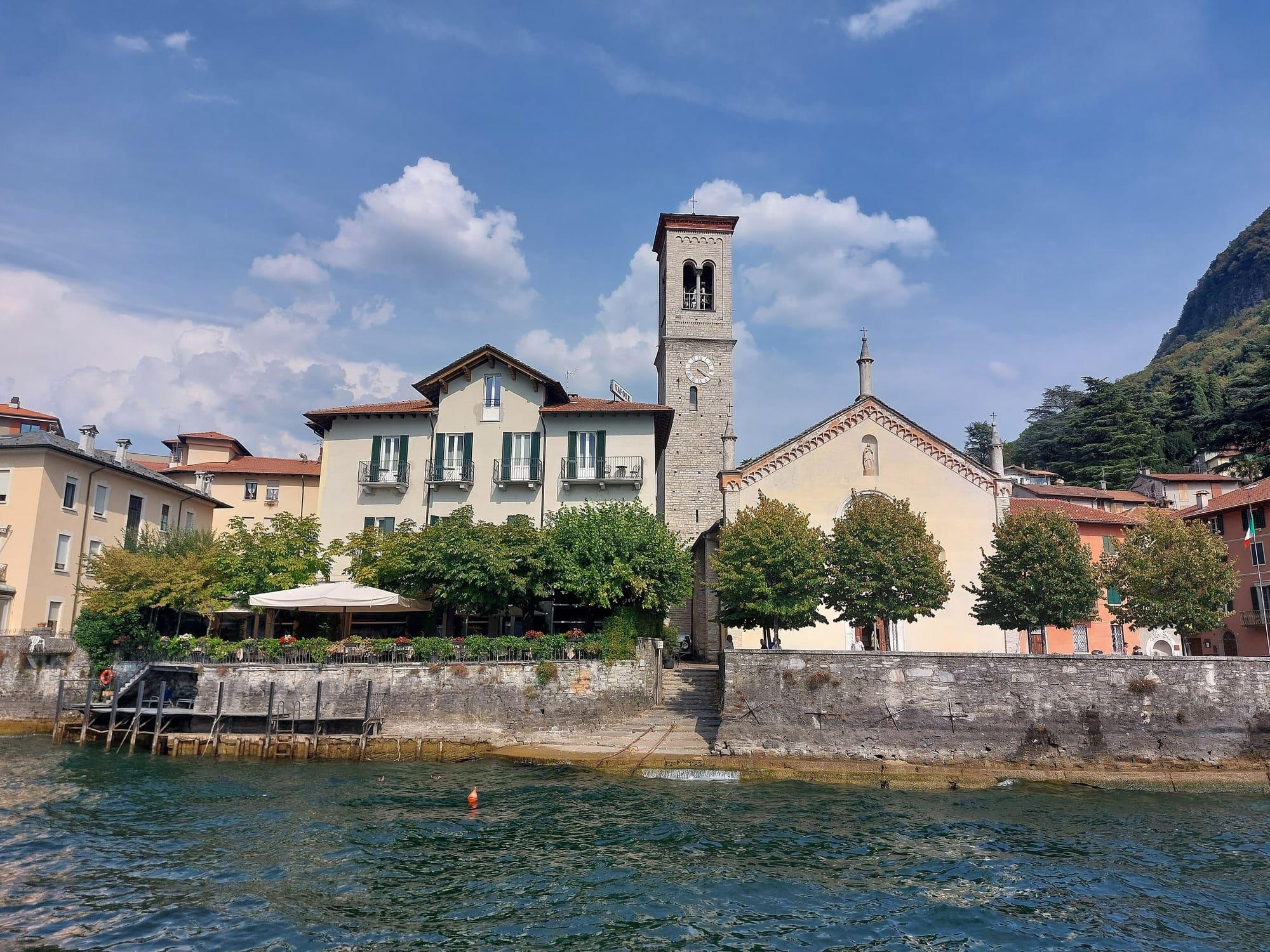
Two small harbours, the church of San Giovanni with its Romanesque bell tower, and Villa Pliniana just outside the village.
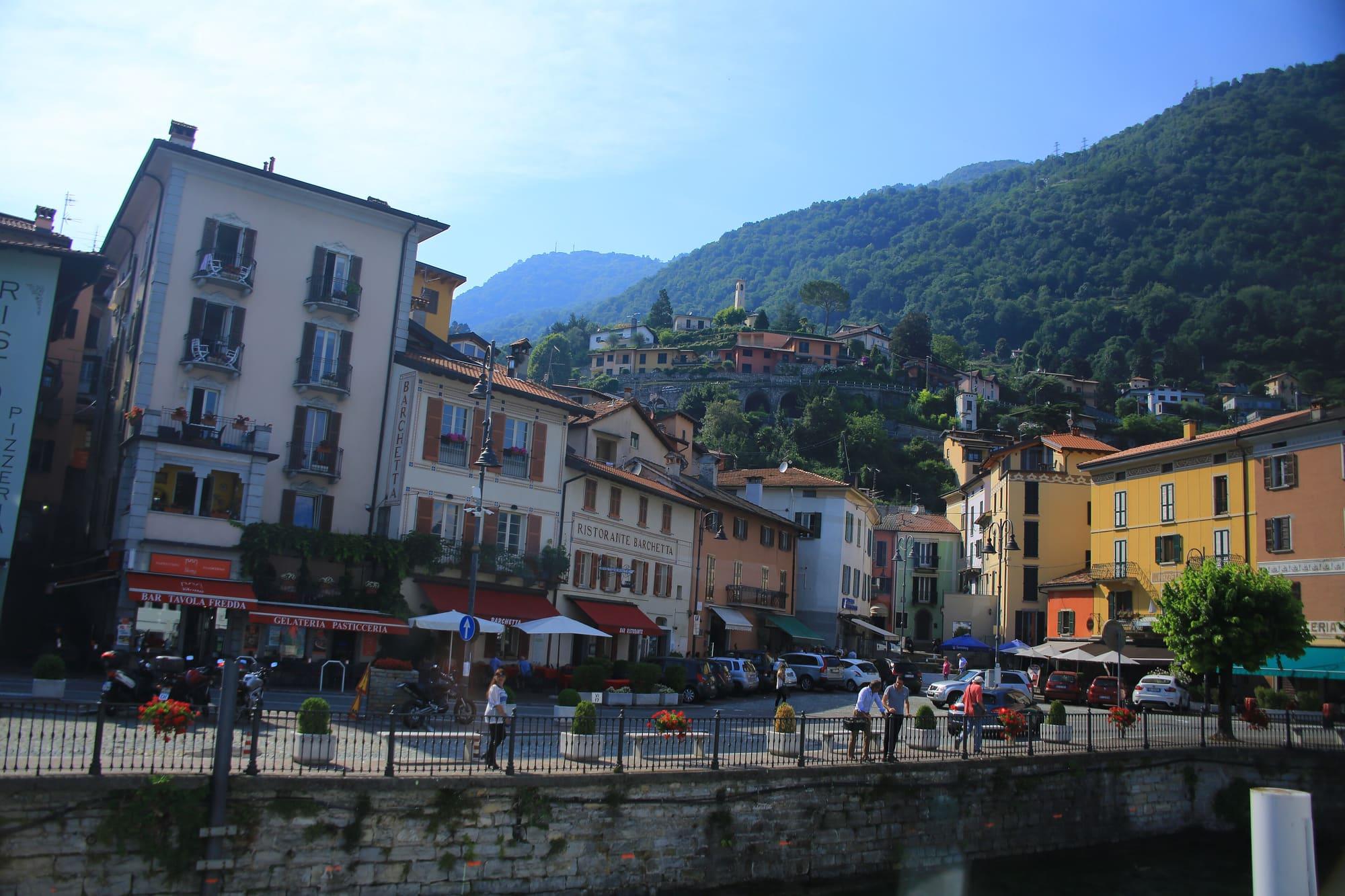
A medieval bridge, a red cable car, and the valley that leads to Switzerland.
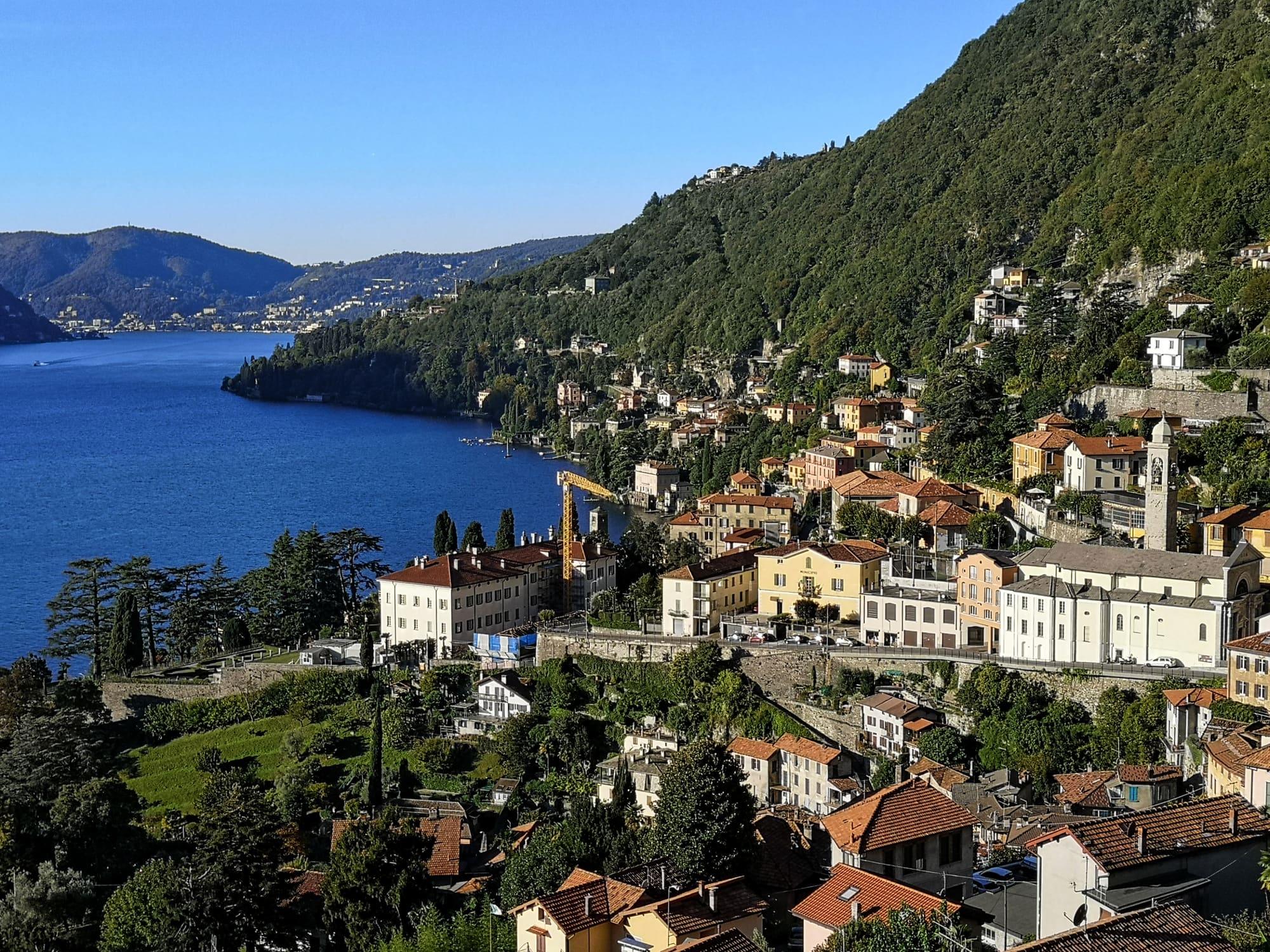
The village of Moltrasio stone, just past Cernobbio: houses stepped above the mill stream, the Scala Santa running down to the lake and the villas where Bellini lived.
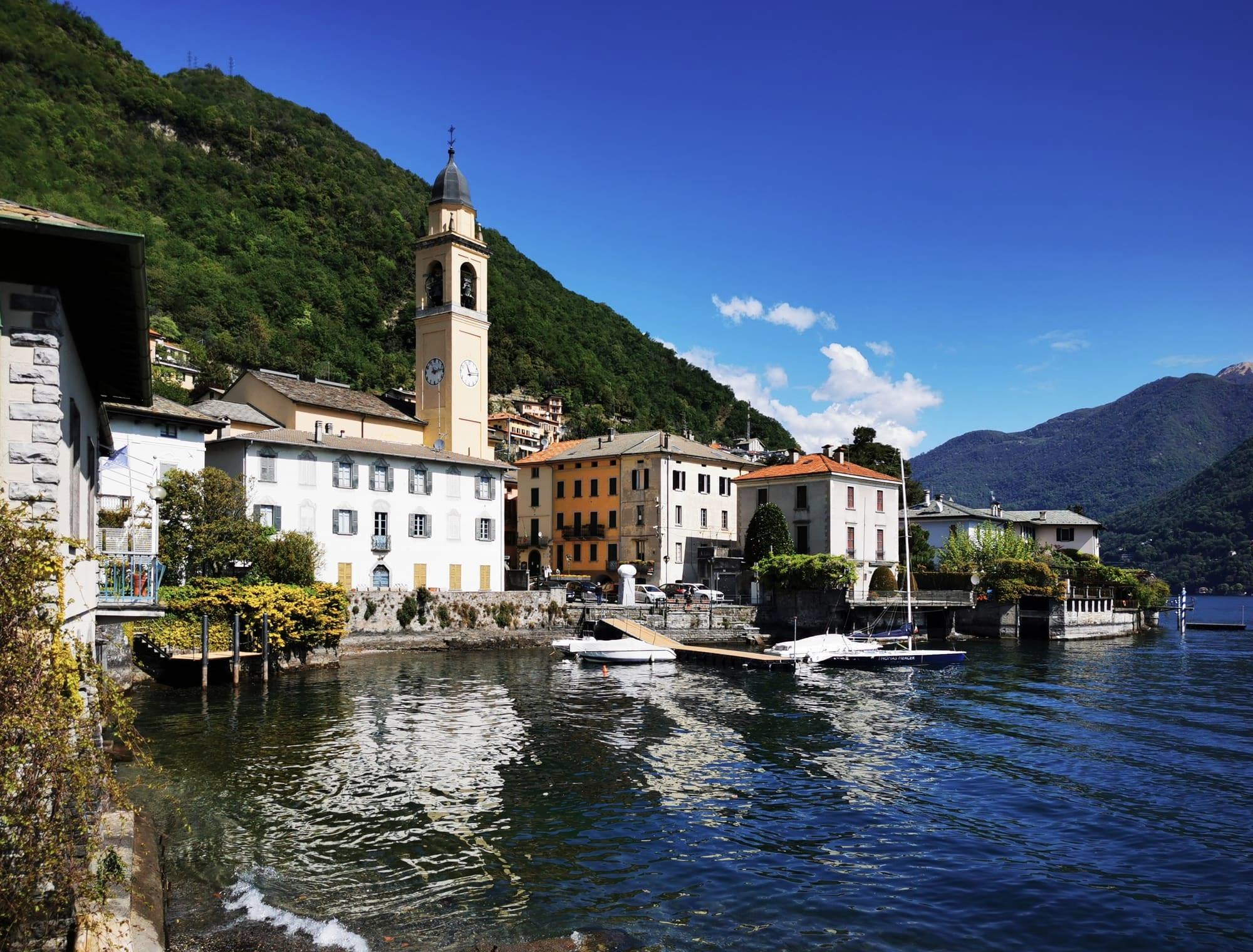
Five hamlets of Moltrasio stone on the western shore, where the lake is at its narrowest and deepest: the waterfront with its sculptures, San Giorgio and the boatwrights' yard.
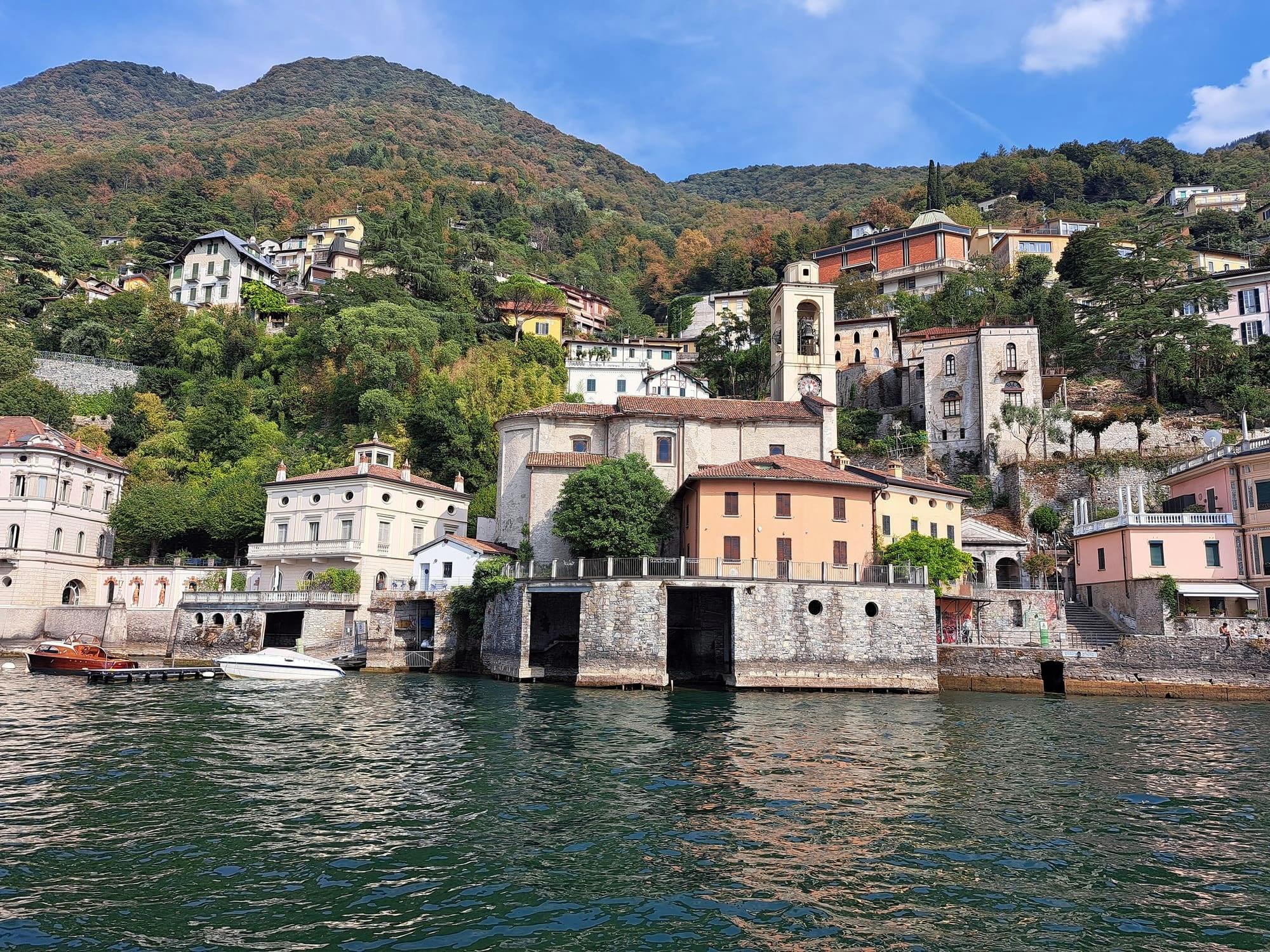
The first village on the eastern shore after Como: seven hamlets on the slope linked by the Strada Regia, and the villas where Giuditta Pasta and Maria Taglioni lived.
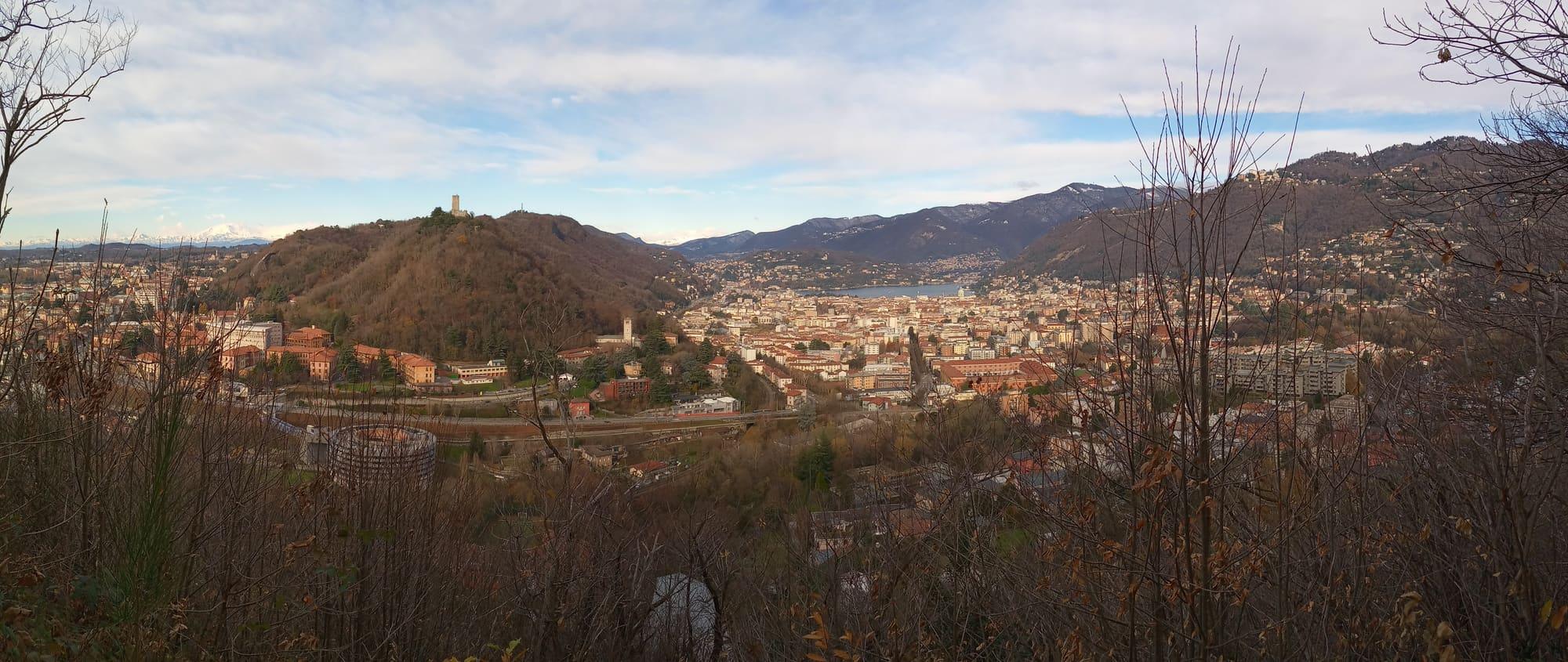
The wooded hill west of Como, a regional park since 1993: thirteen trails of the park authority among Castel Baradello, the remains of proto-historic Como at Pianvalle, the Sant'Eutichio cross and the trenches of the Great War.
45 min – 3 h
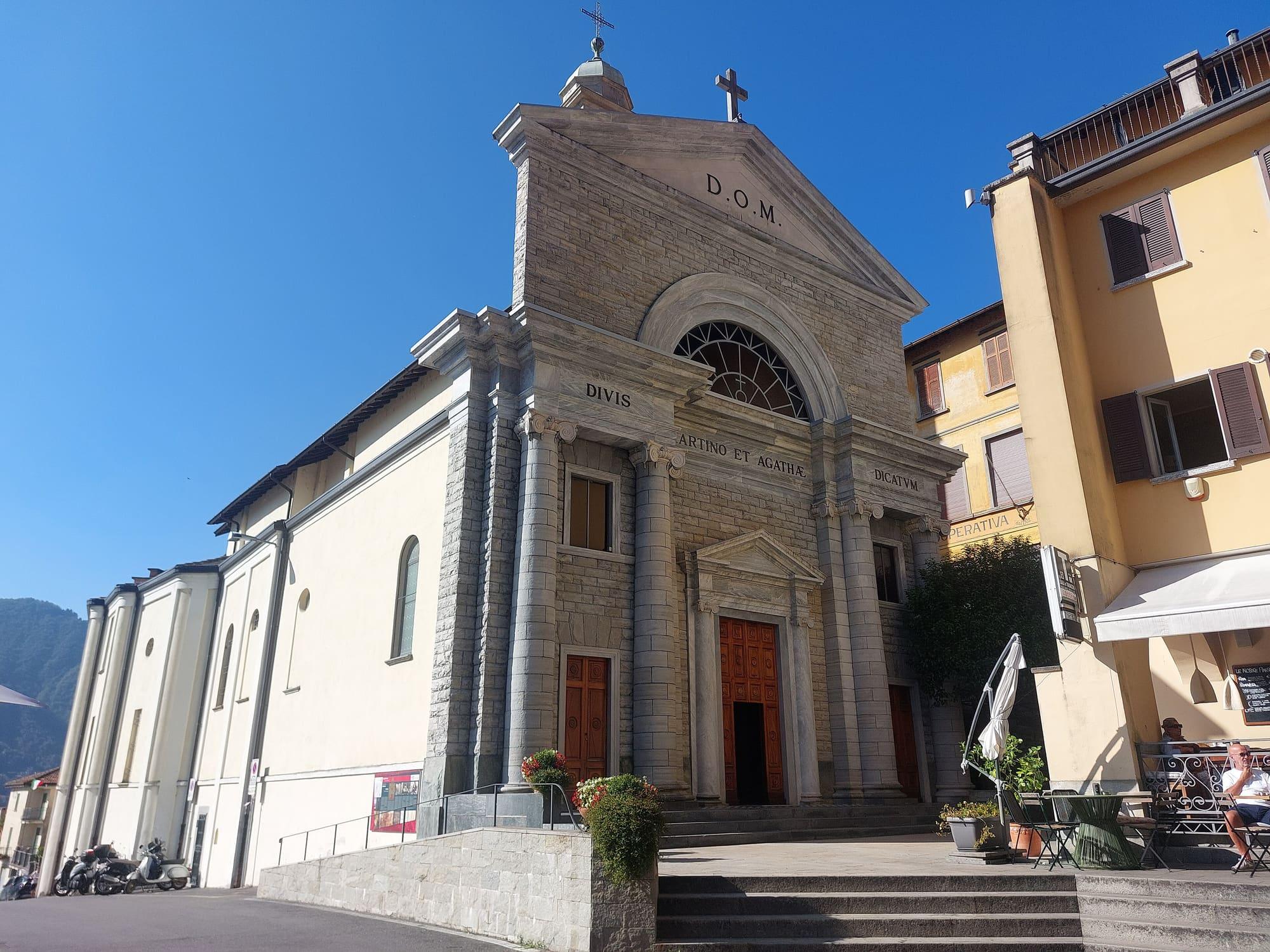
The parish church of Moltrasio's Borgo, recorded as early as 1207 and lengthened in 1935 with its stone front: inside, frescoes by the Recchi brothers, paintings by Fiammenghino and Alvise Donati's altarpiece of 1507.
15–30 min
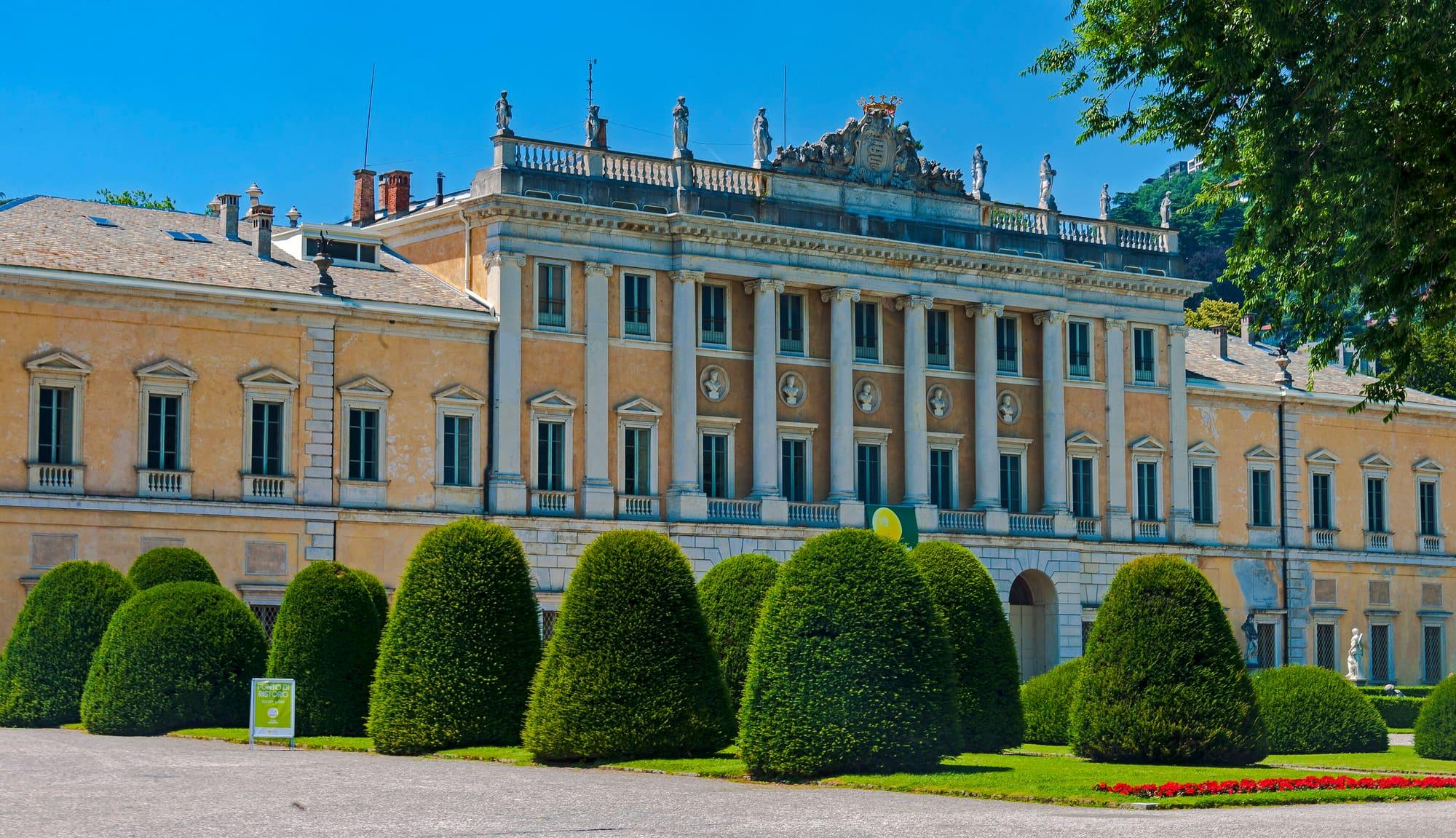
The Odescalchi family's neoclassical villa on the lake at Como, now owned by the city, with a formal Italian garden towards the lake and an English park behind.
45 min – 2 h
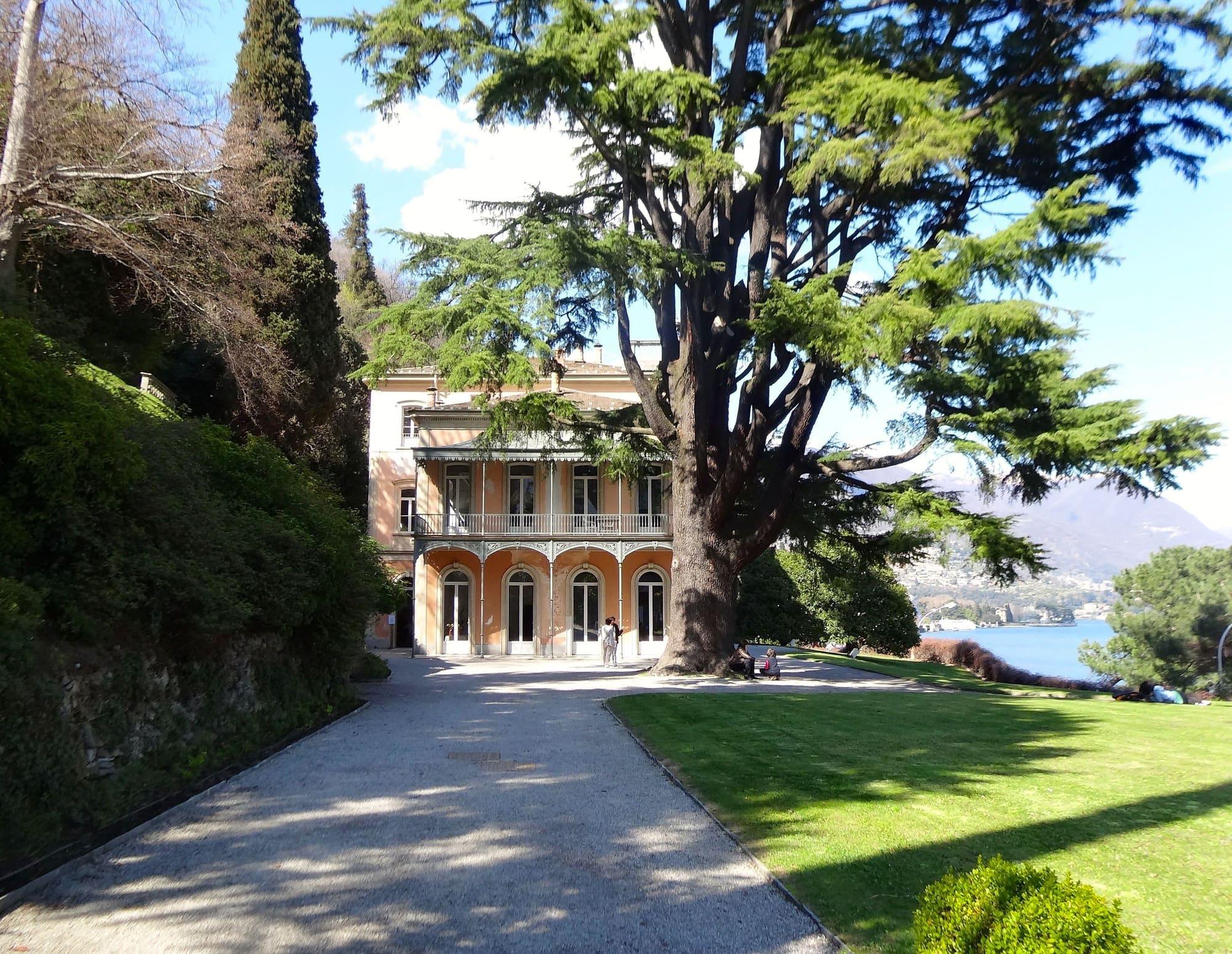
The four-hectare romantic park of a sixteenth-century lakeside villa in Como, at the centre of the Chilometro della Conoscenza; Ugo Foscolo stayed here as a guest of the Giovio family.
45 min – 1 h 30
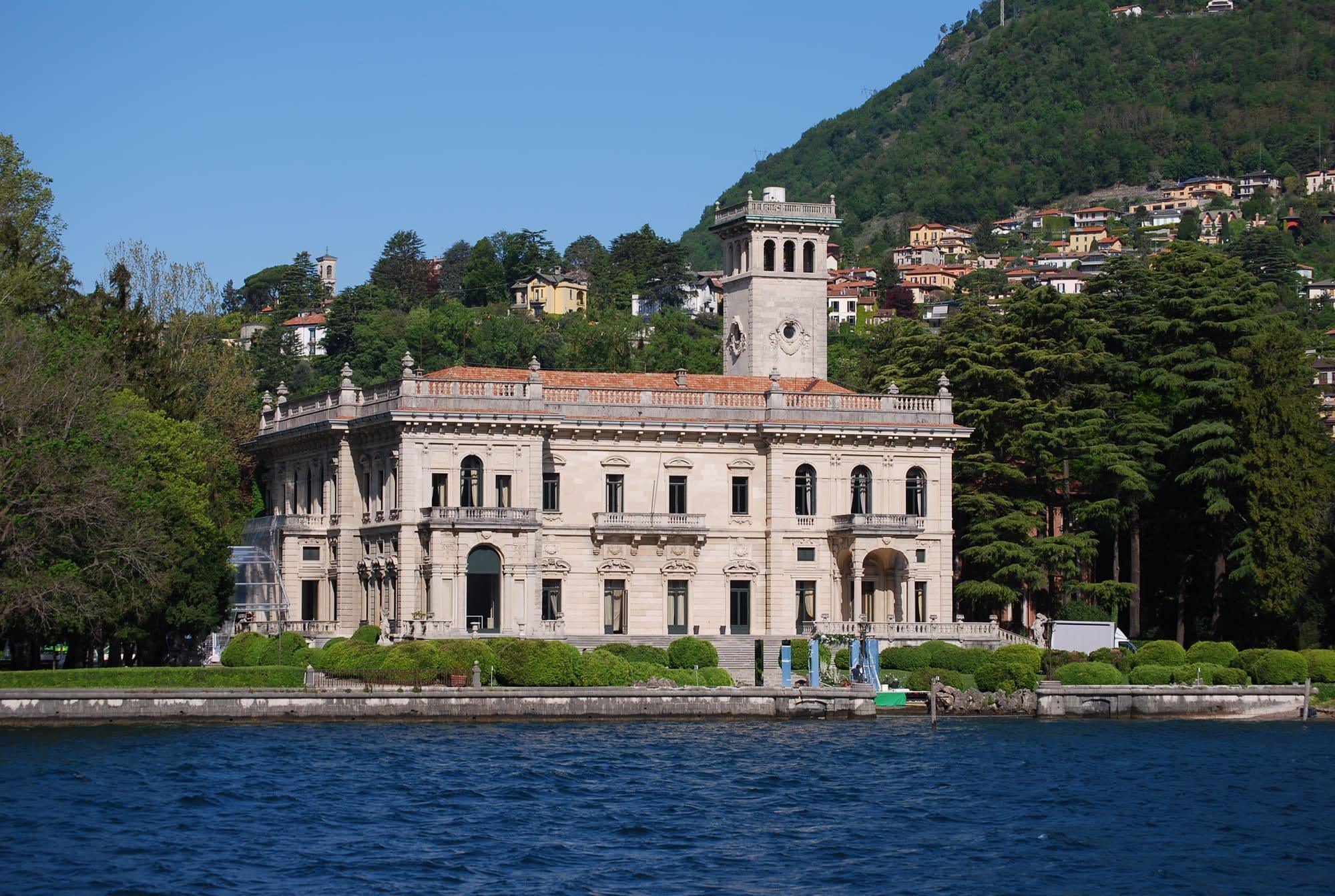
Luchino Visconti's childhood villa, now an exhibition centre.
1 h – 1 h 30
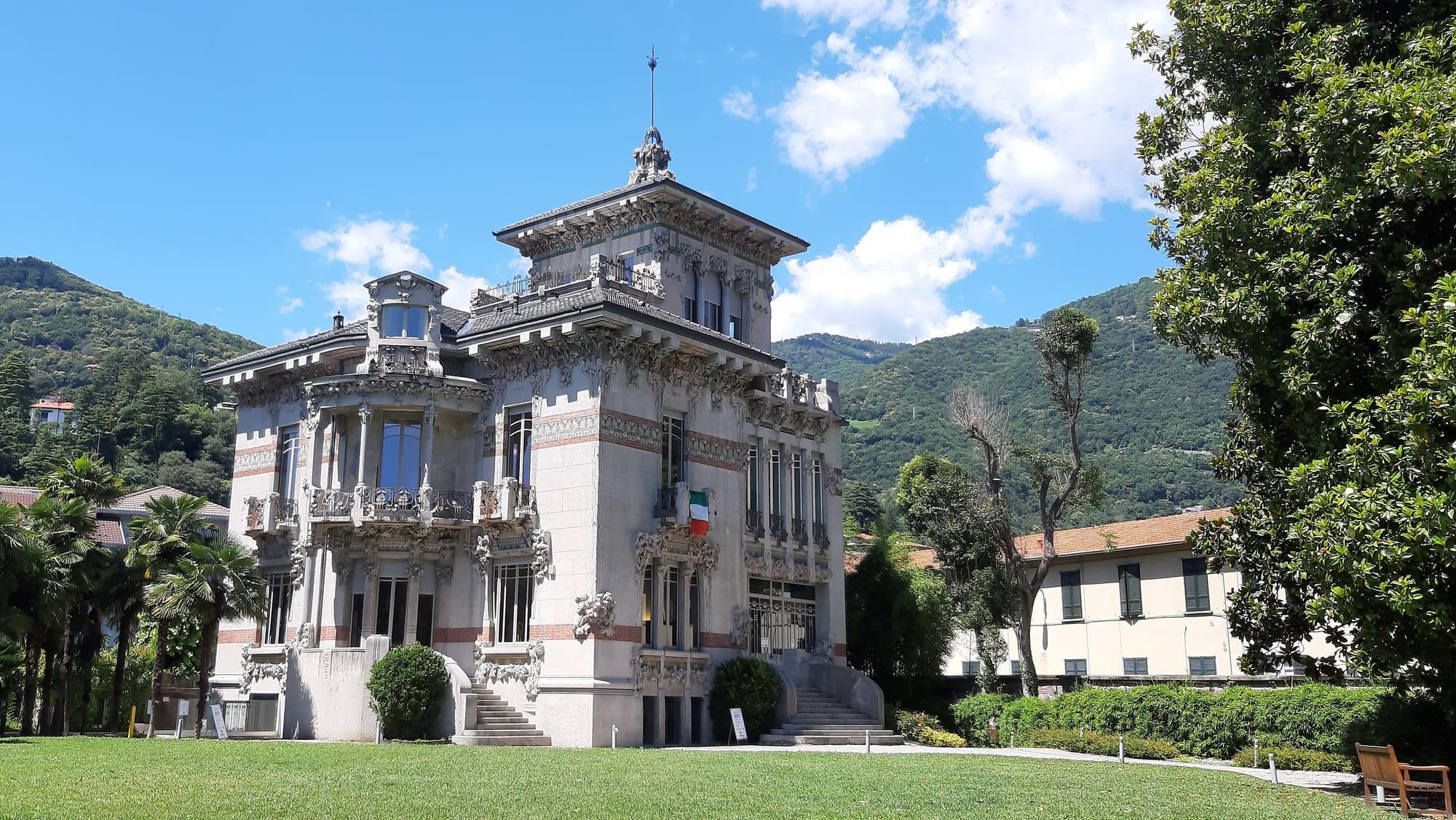
A silk industrialist's Art Nouveau villa in Cernobbio, decorated with silkworms, butterflies and mulberry leaves: today a municipal museum.
45 min – 1 h 15
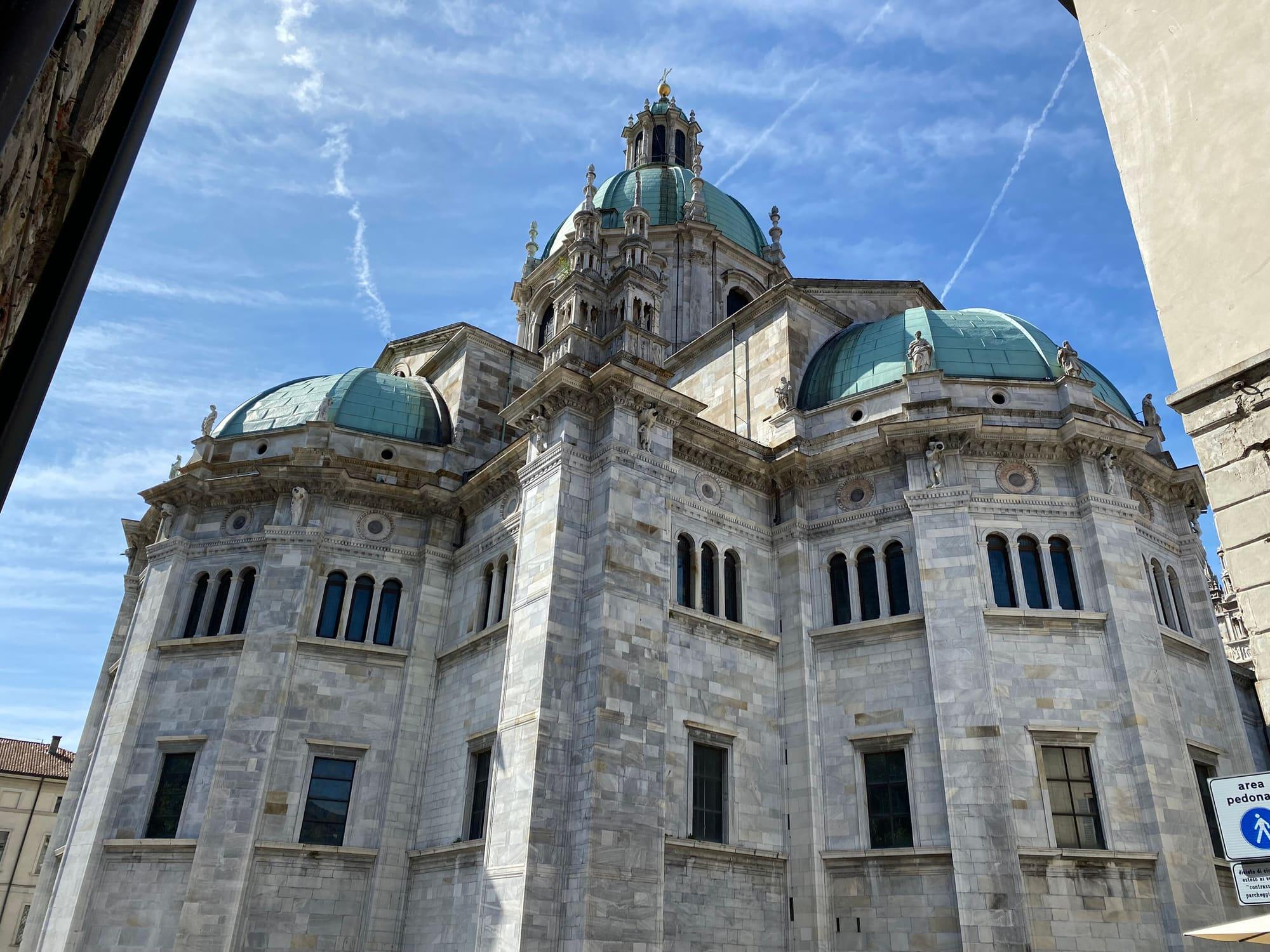
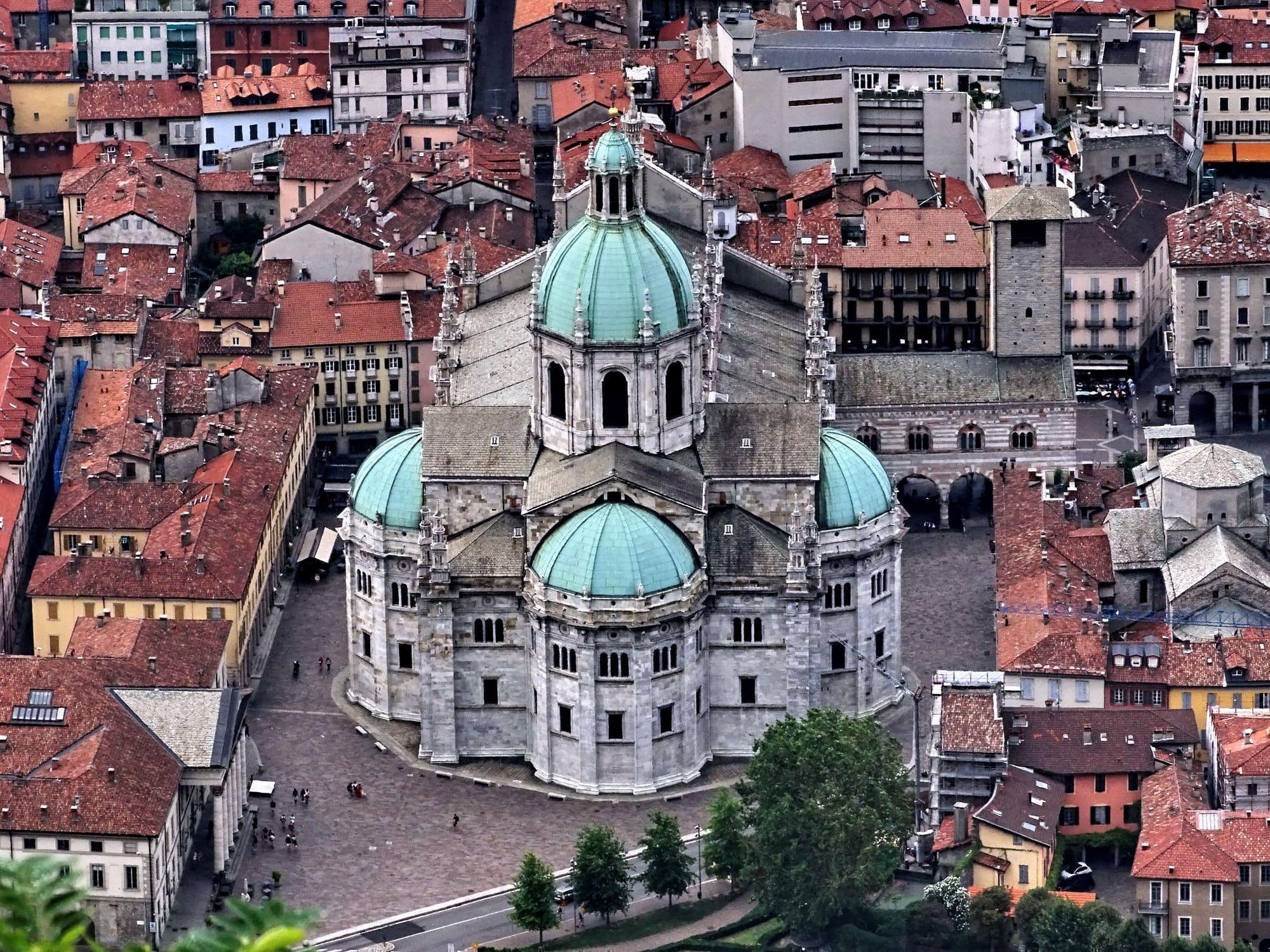
Como's cathedral, built between 1396 and 1740, from the Gothic of its facade to Filippo Juvarra's eighteenth-century dome.
30 min – 1 h
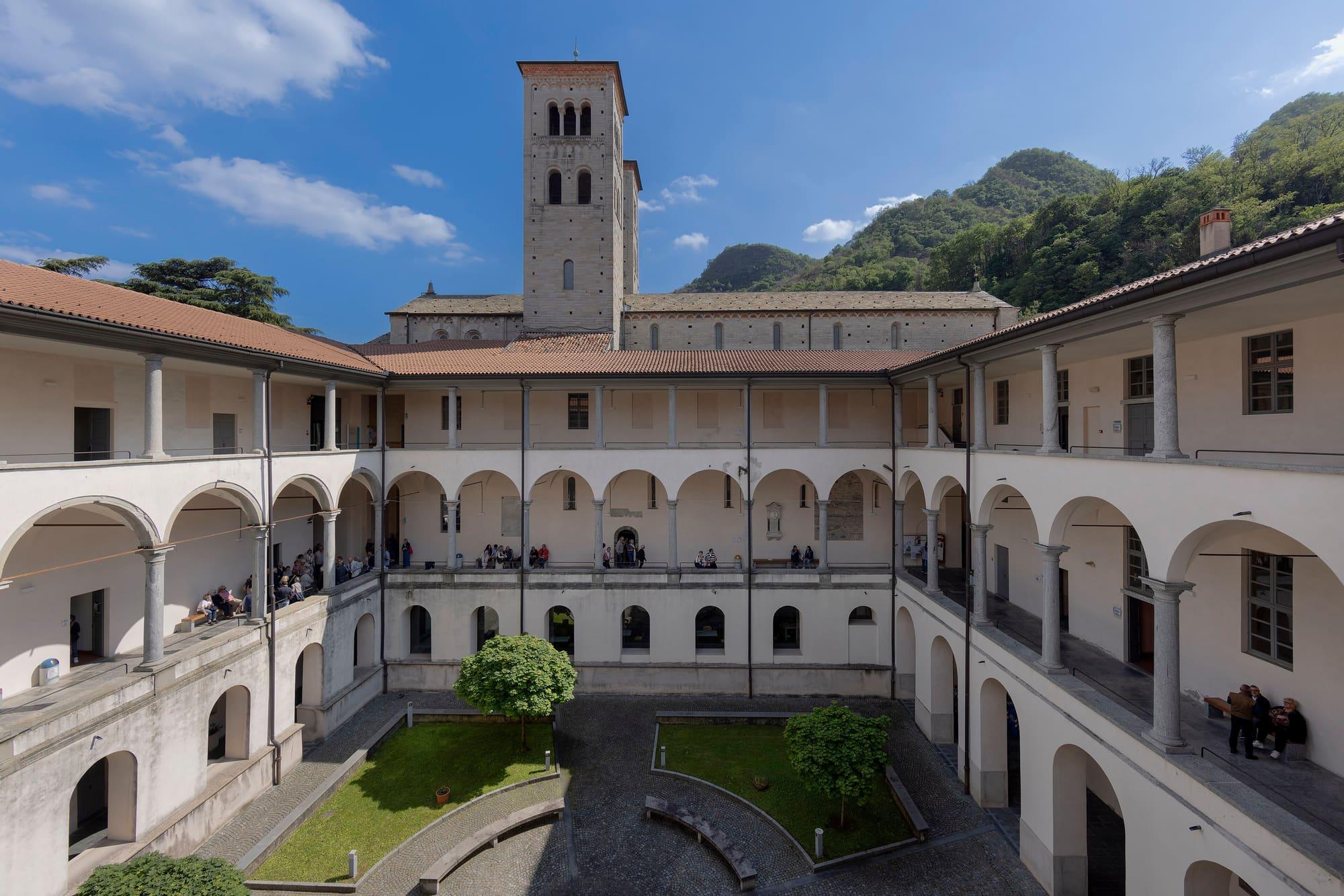
Como's Romanesque basilica, consecrated in 1095, with a nave and four aisles, twin bell towers and an apse frescoed in the fourteenth century.
30–45 min
First Basin
A morning on foot among the buildings of Como's Rationalism.
2 h 30 – 4 hOpen access
First Basin
The Silk Museum, the Fondazione Ratti and the weavers' showrooms.
2 h – 4 h
First Basin
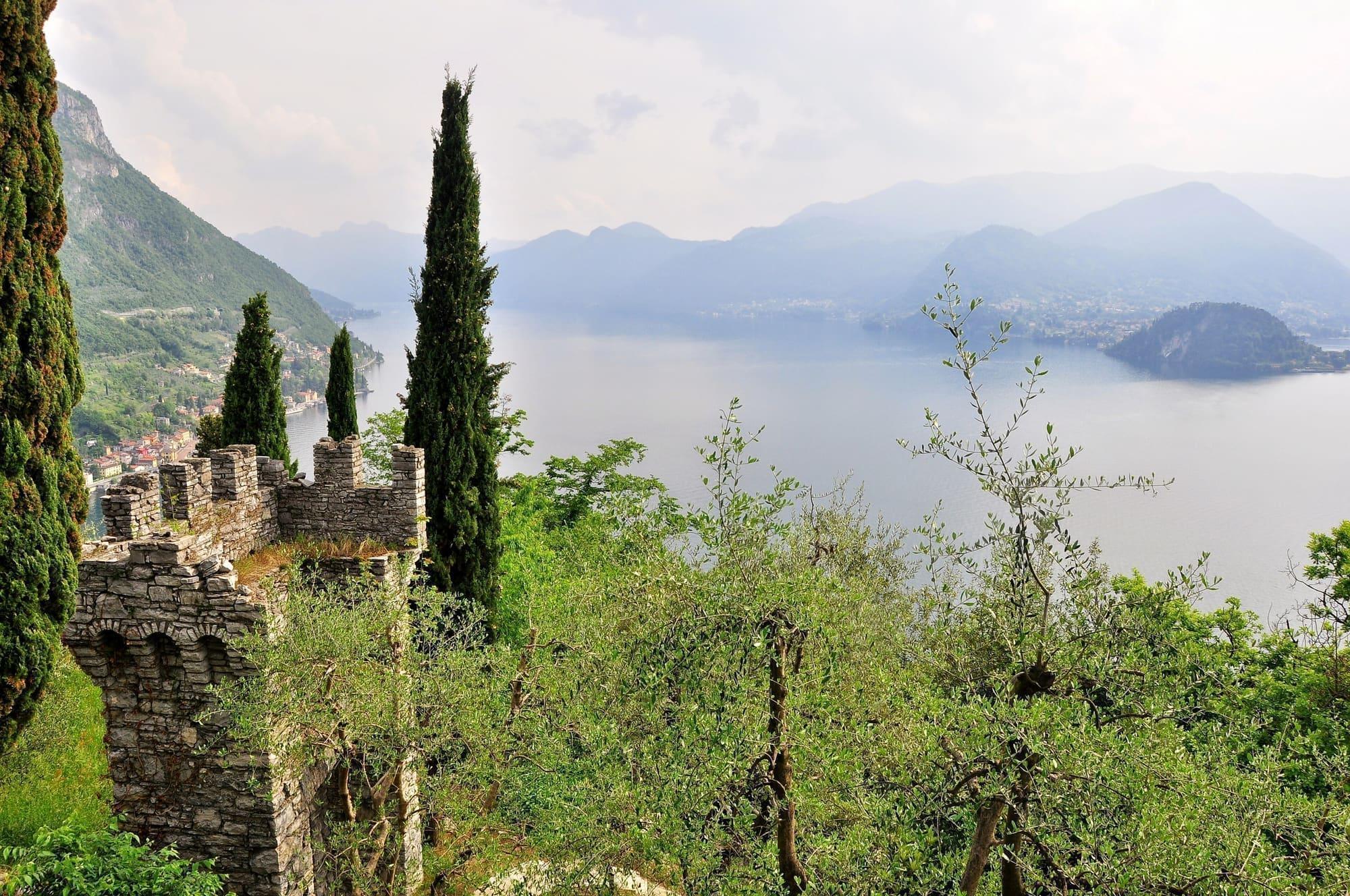
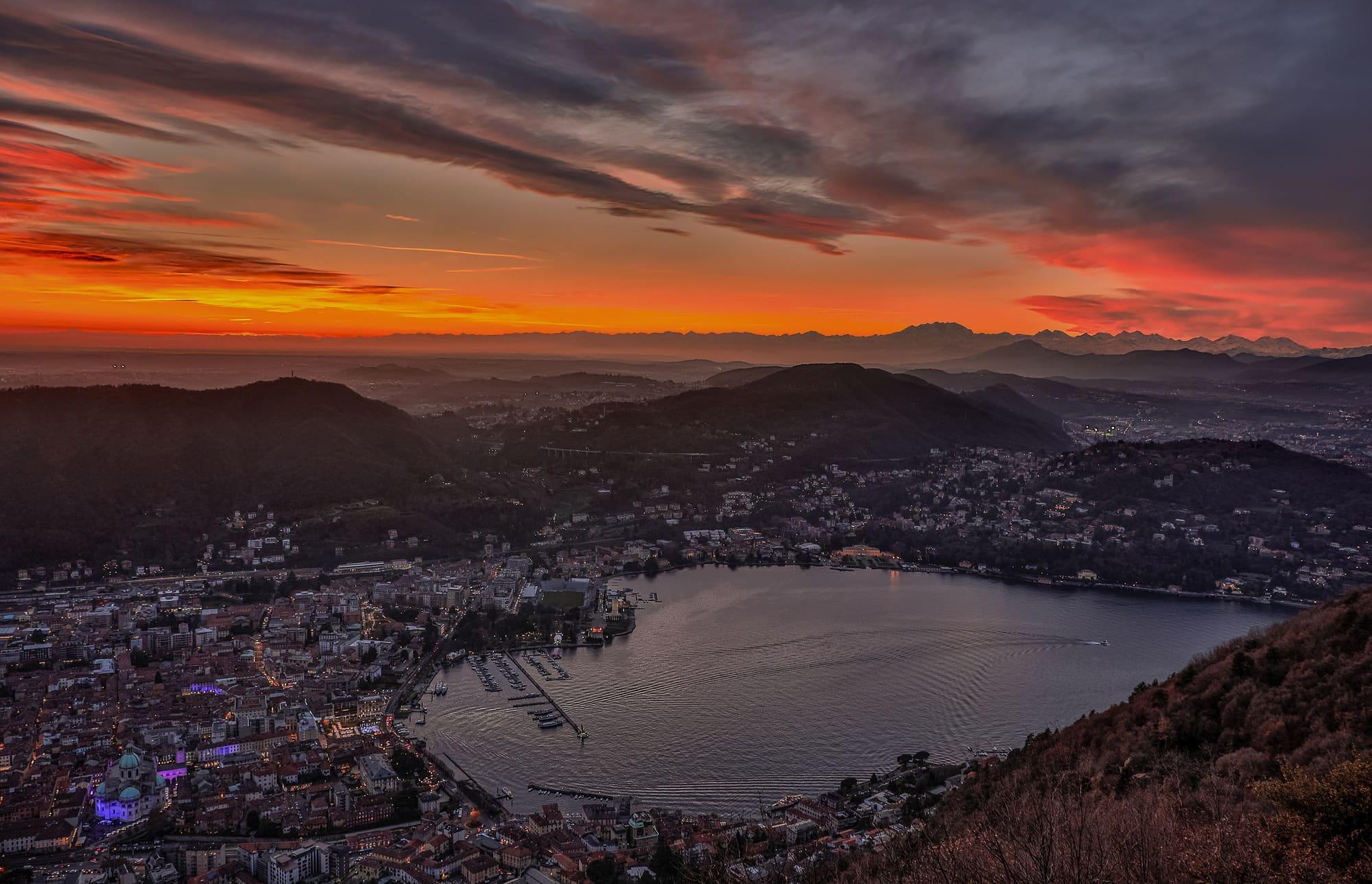
Four places to watch the sunset over the lake: Brunate and Pigra high above the Como branch, the Castello di Vezio above Varenna and Punta Spartivento at Bellagio.
1 h 30 – 2 h 30
First Basin
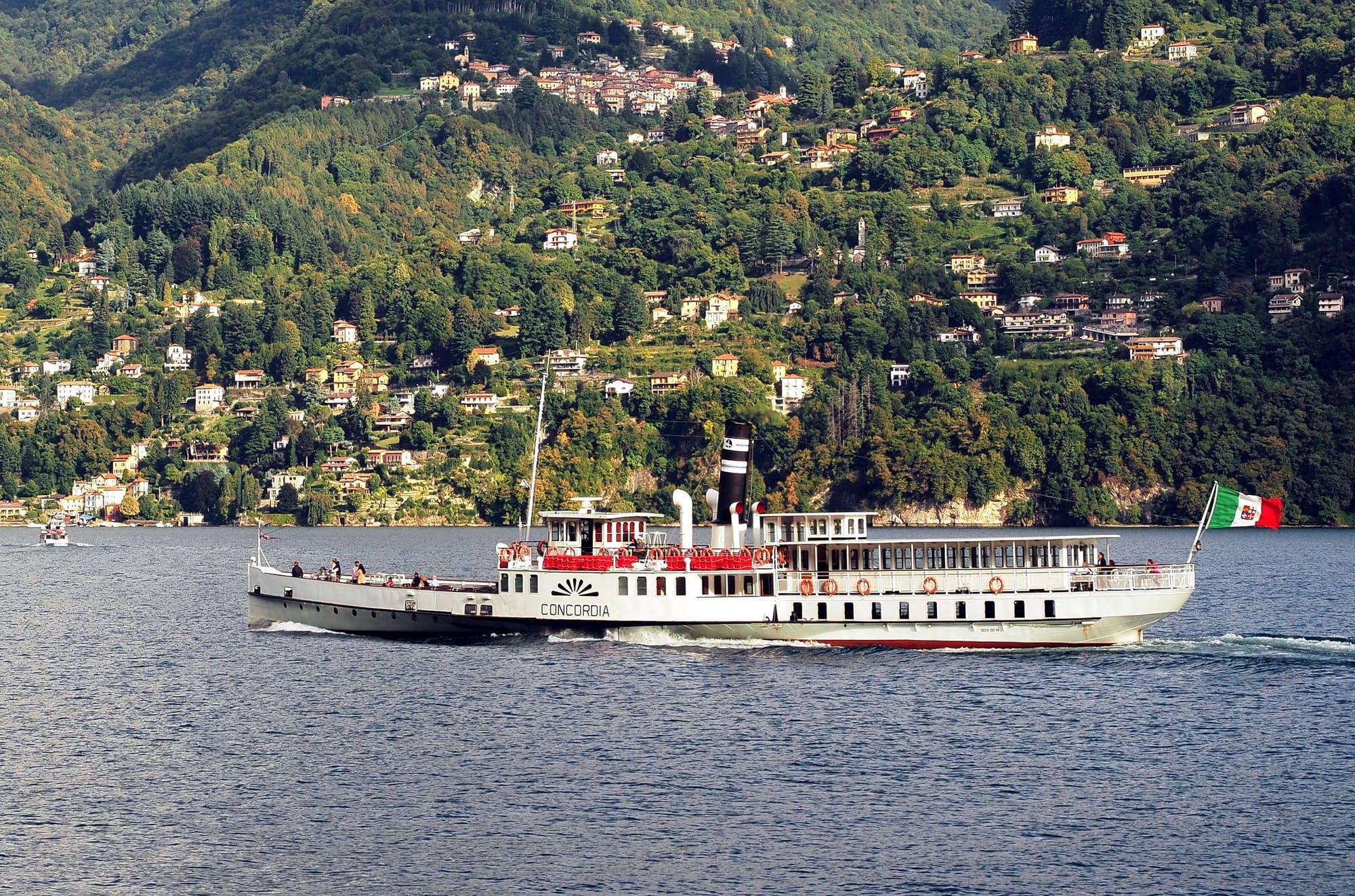
From Como to Colico by boat, from one end of the lake to the other: a little over four hours, with about twenty stops in the villages on both shores.
3 h – 5 h
Until31Dec
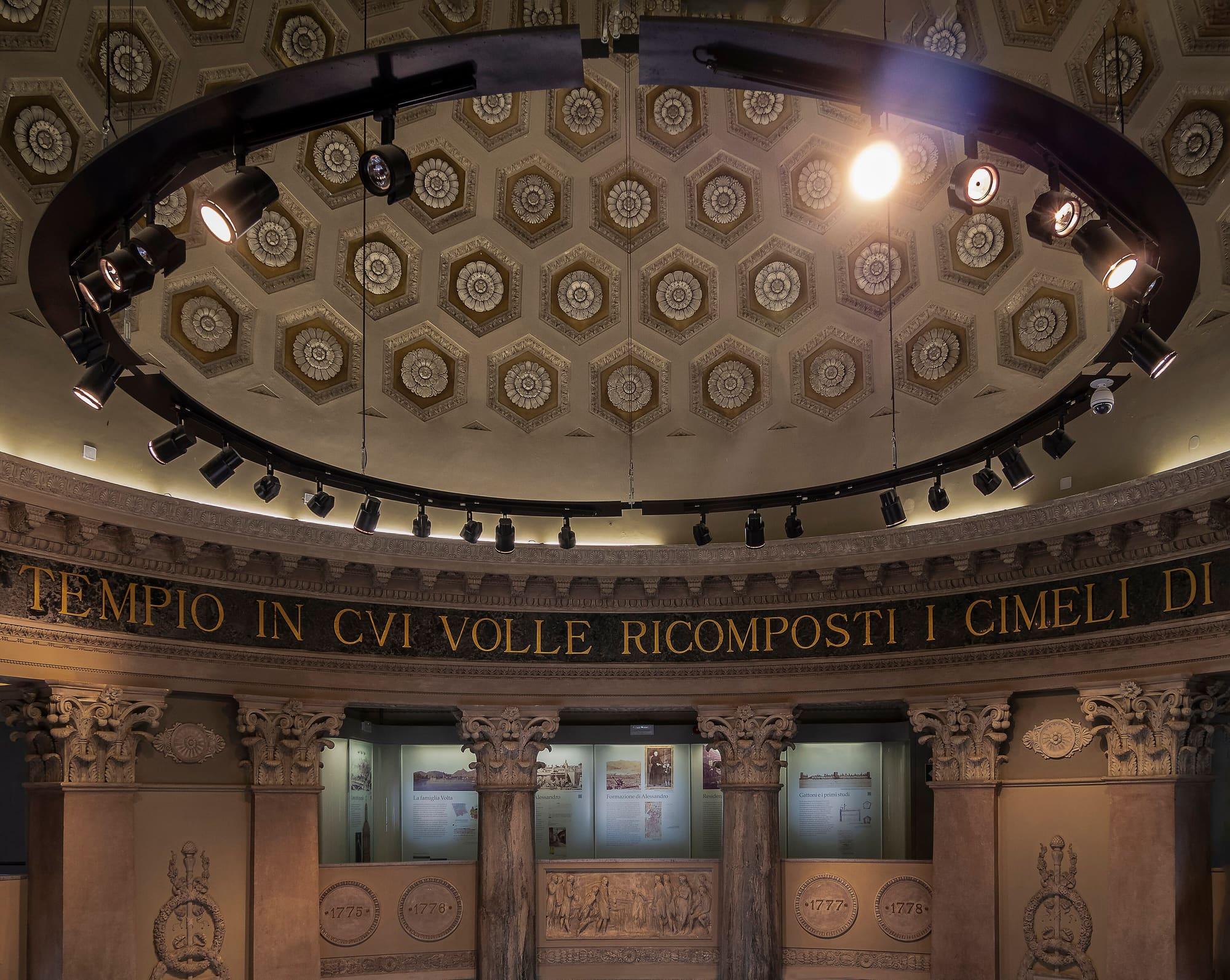
Two hundred years since Volta's death: talks, visits and exhibitions, in Como and beyond.
Until31Dec
Morazzone in Como's cathedral, four hundred years after his death.
Until17Jan 2027
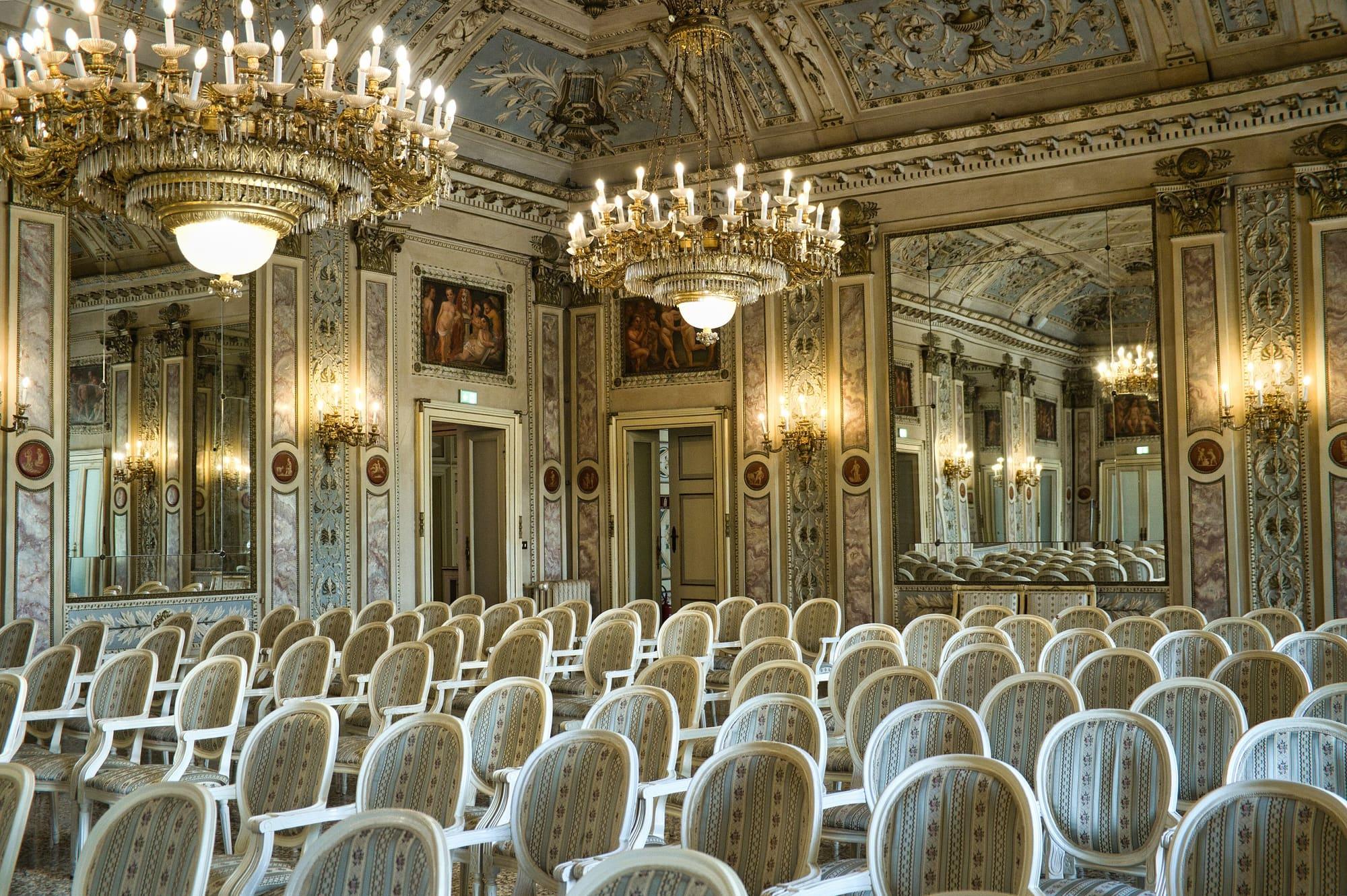
Opera at the Teatro Sociale on Piazza Verdi, with productions from the OperaLombardia network.
Until10Jan 2027
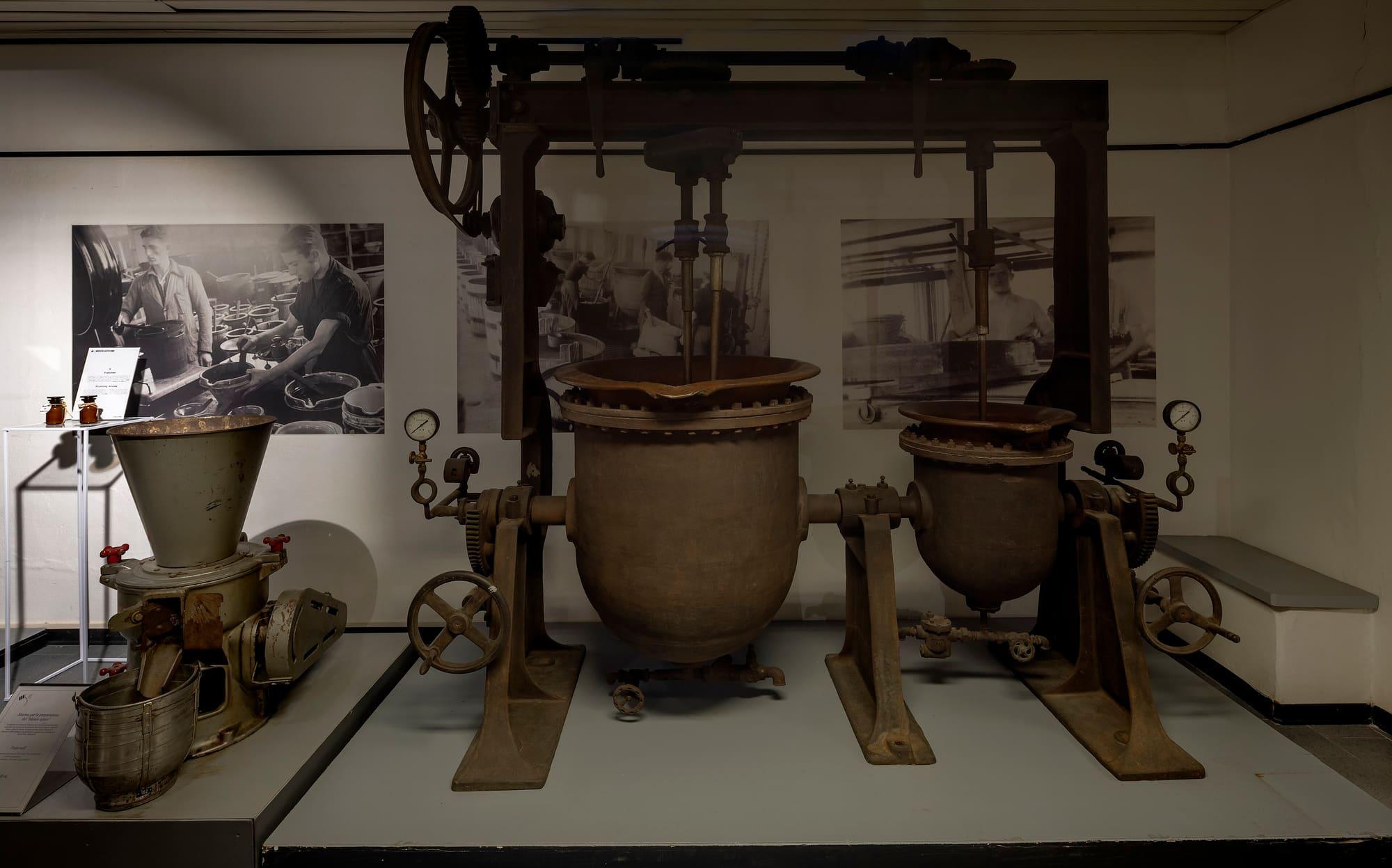
The pleat in cloth, from the making to Capucci's gowns: an autumn and winter exhibition at the Silk Museum.
Indicative dates follow the annual recurrence and should be confirmed with the organiser.