22Aug 2027
First Basin
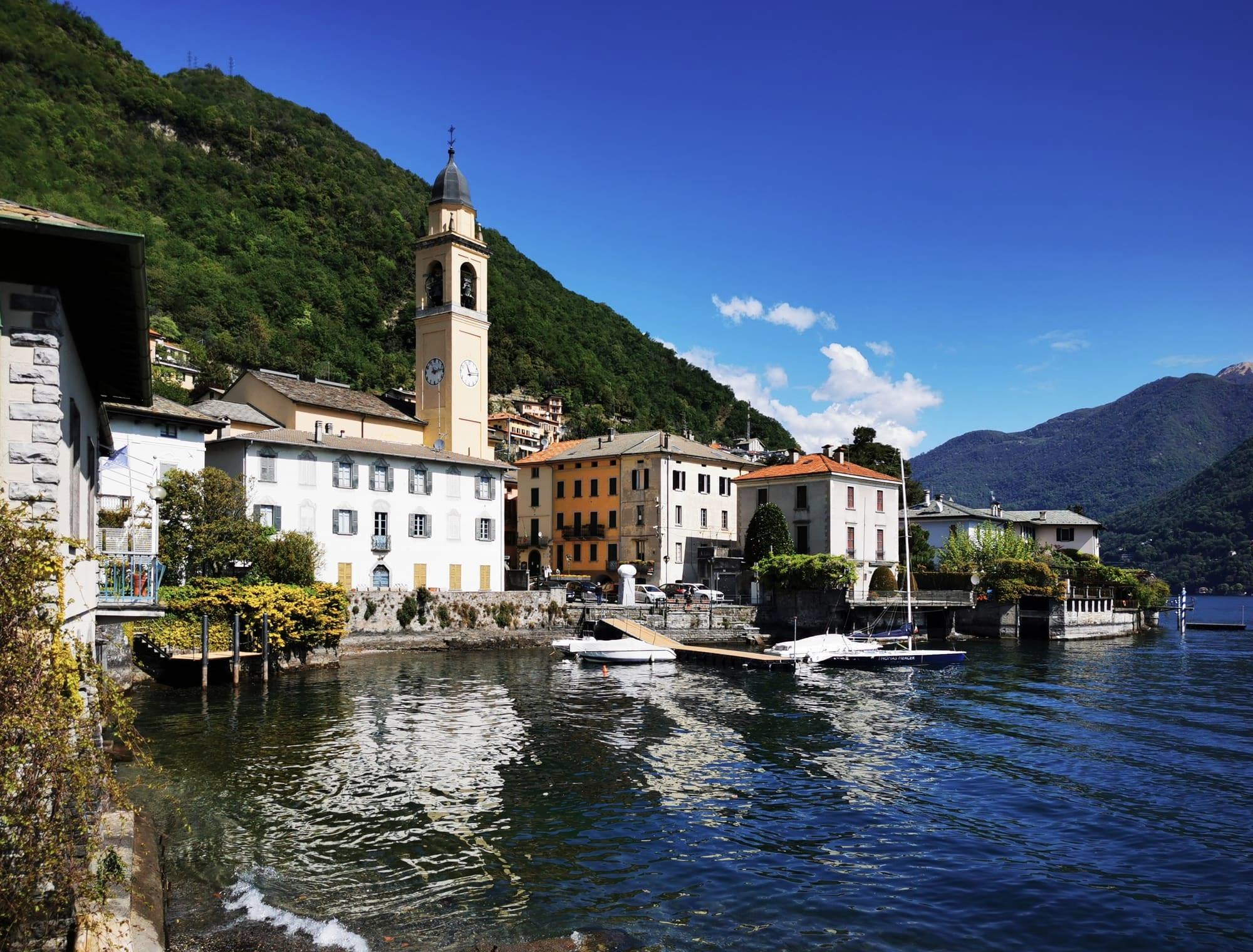
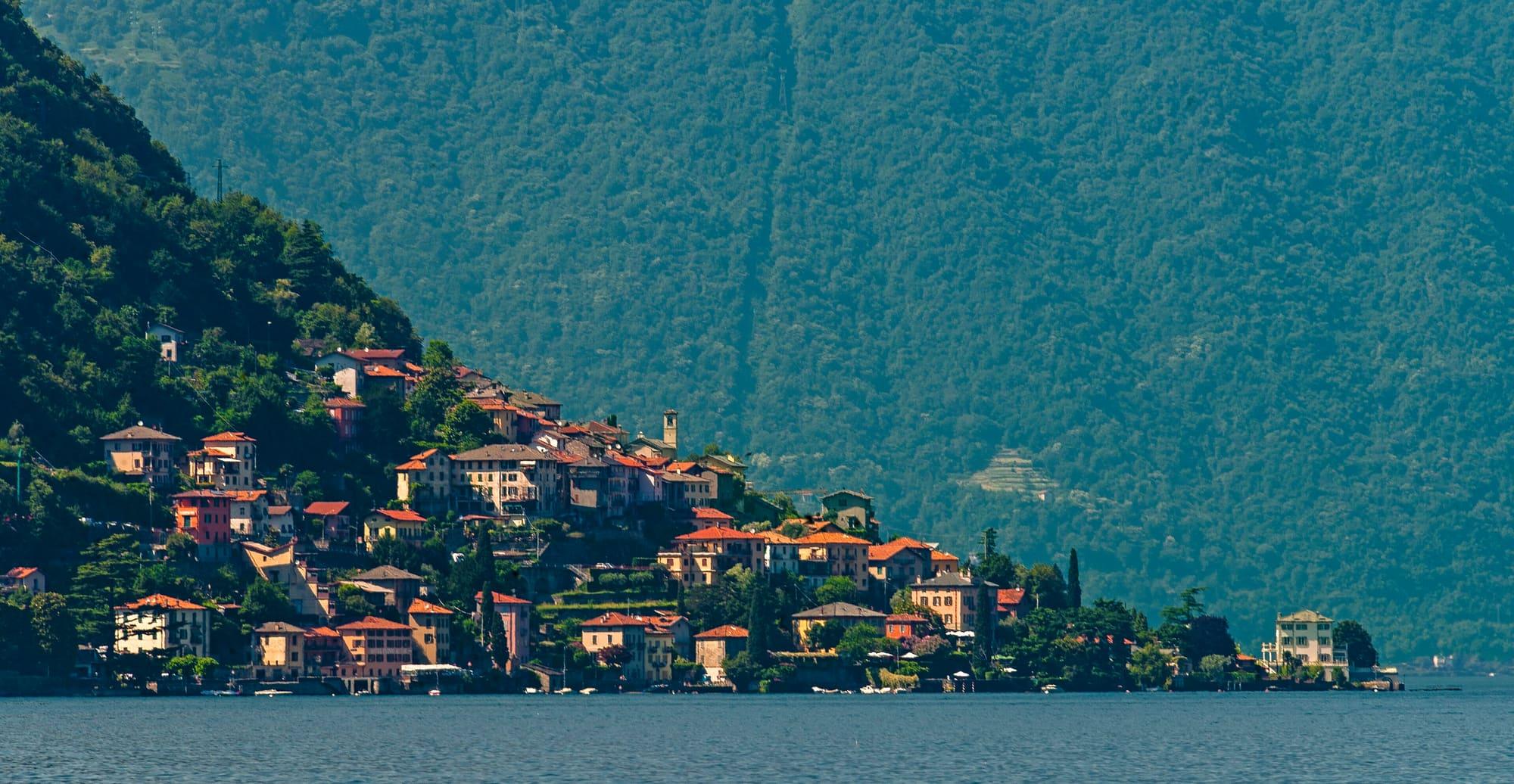
Five hamlets of Moltrasio stone on the western shore, where the lake is at its narrowest and deepest: the waterfront with its sculptures, San Giorgio and the boatwrights' yard.
Laglio is a small, old village on the western shore, part of the Riva Romantica.
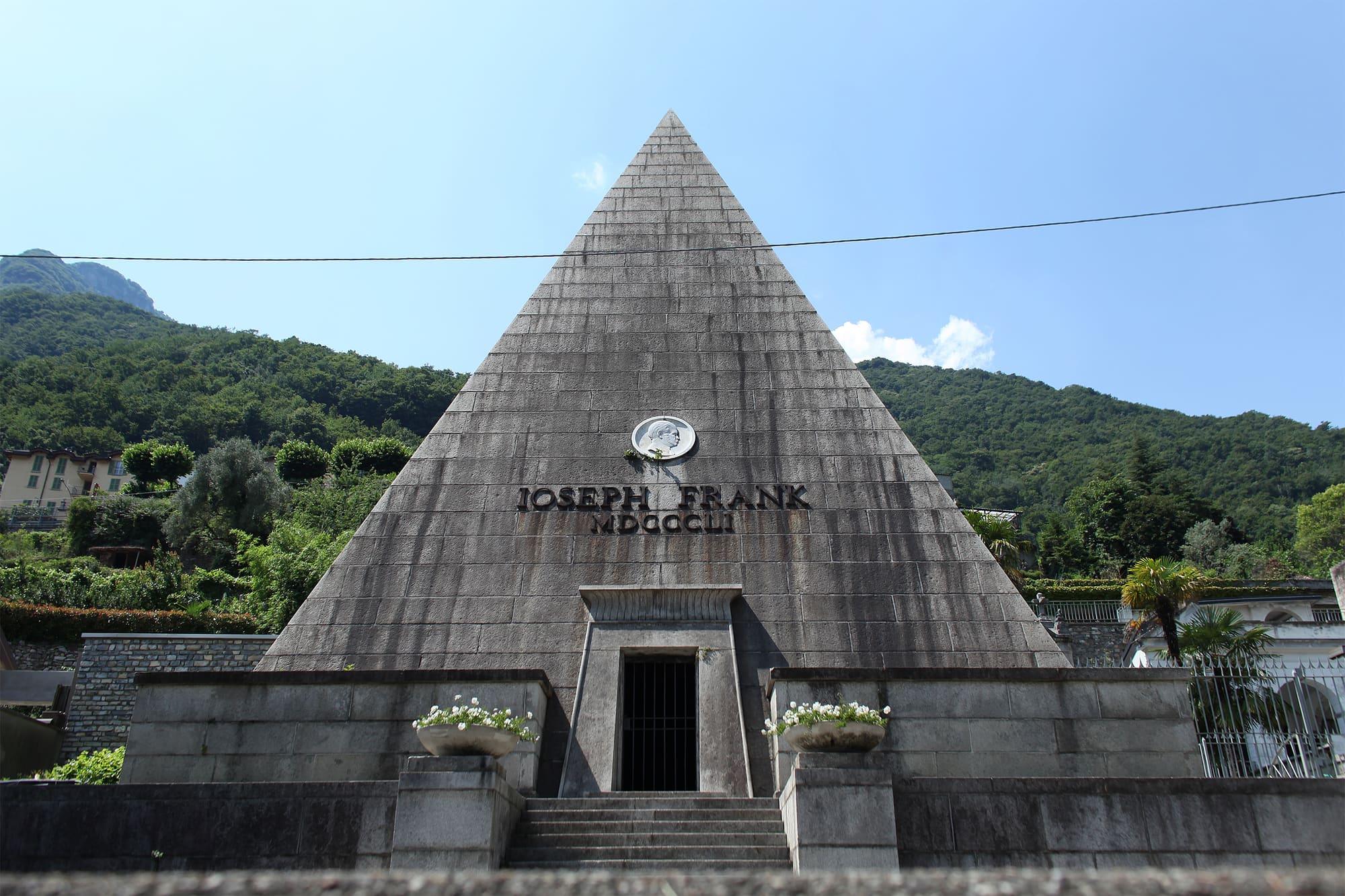
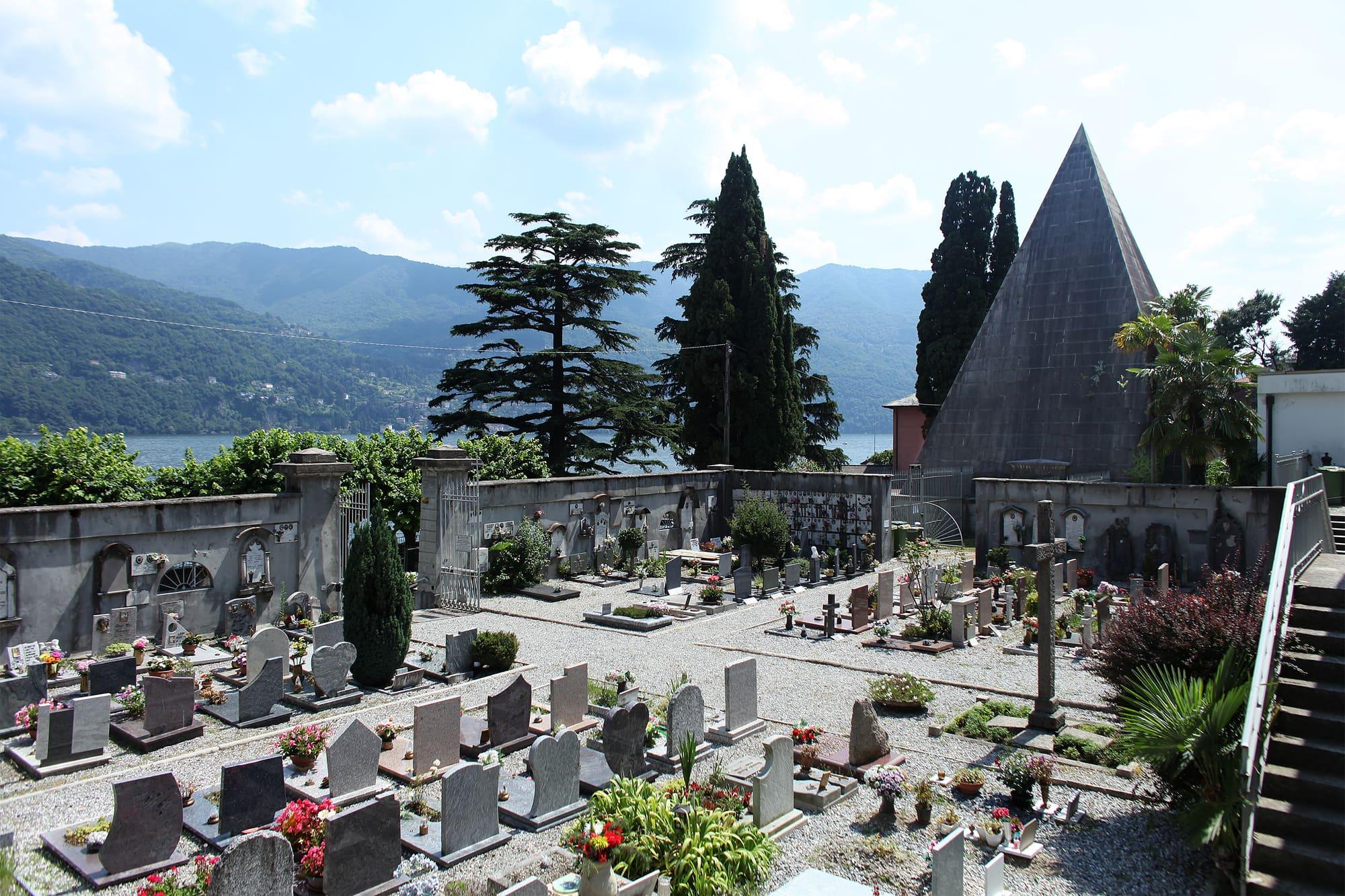
It is of Roman origin, as a funerary stone found early in the twentieth century shows; between 1927 and 1948 it formed a single comune with Brienno, named Laglio-Brienno from 1928, and today it is made up of five old hamlets: Germanello, Ossana, Soldino, Torriggia and Ticee. Torriggia stands where the lake is at its narrowest, 650 metres, and its deepest, more than 400 metres. The houses are almost all of Moltrasio stone, and the tradition of the maestri d'ascia, the boatbuilders, is still alive. From the Buco dell'Orso, a karst cave above the village where the parish priest Vincenzo Barelli found the bones of the cave bear in the mid-nineteenth century, comes the water that runs from the village taps. In the cemetery stands the twenty-metre pyramid of the physician Joseph Frank, and along the shore the villas, Villa Oleandra among them.
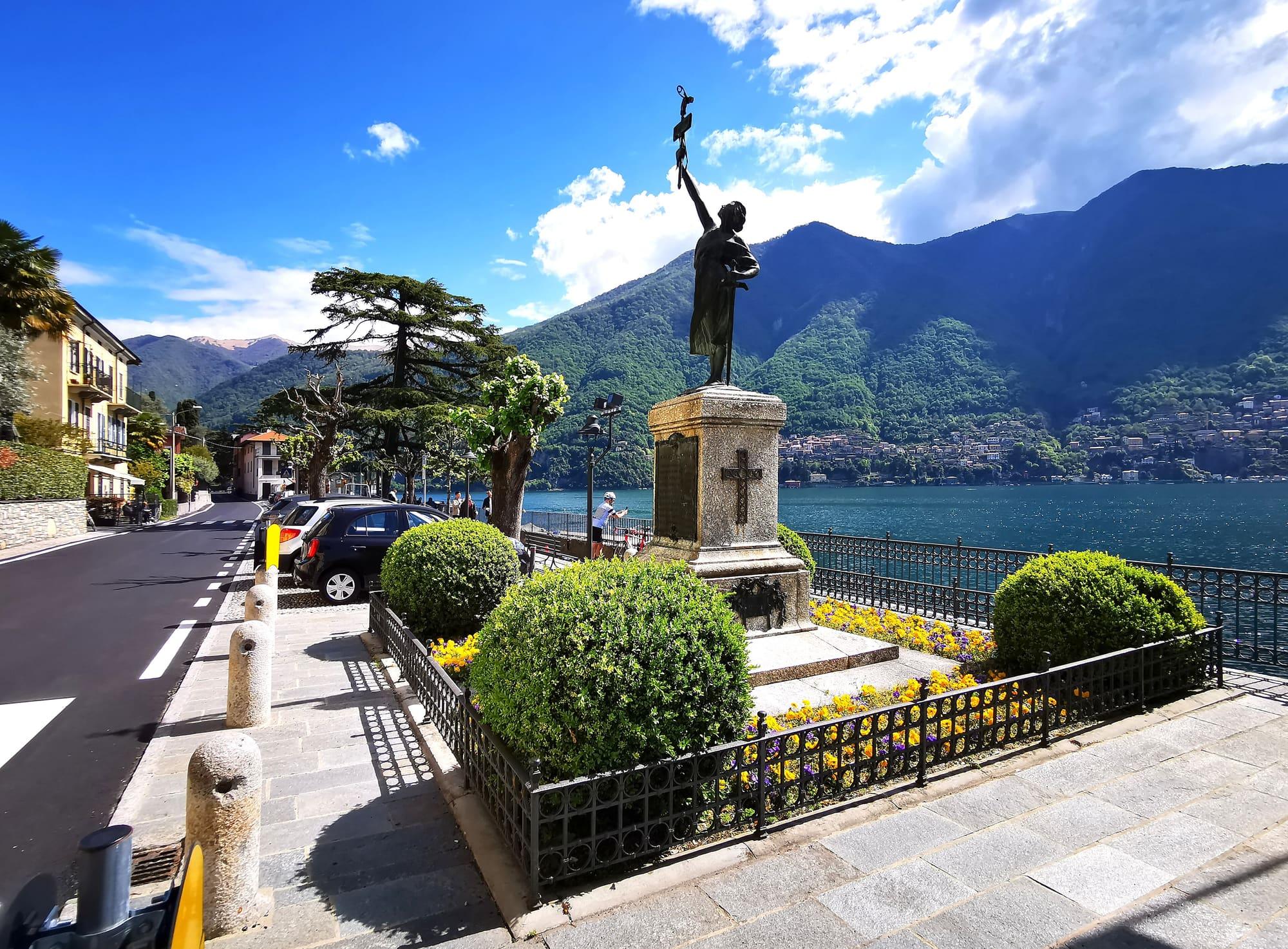
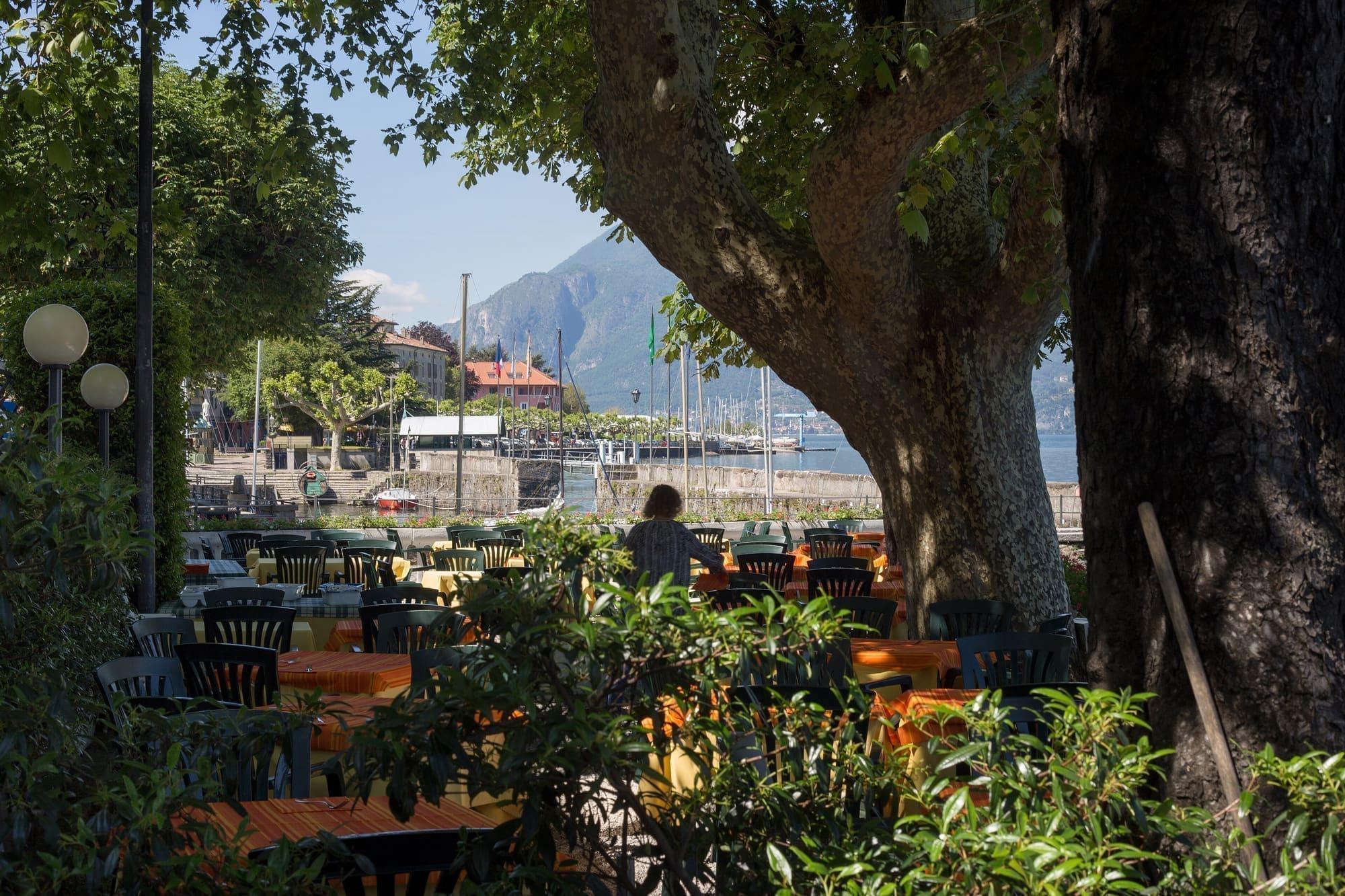
The Via Vecchia Regina, the provincial road built on the remains of the ancient Via Regina, runs through the village along the water. It is also an art walk: in 2021 five sculptors, Bruno Luzzani, Fabio Ceschina, Vito Valentino Cimarosti, Massimo Clerici and Alcide Gallani, worked for fifteen days in the Parco delle Rimembranze on five marble pieces that stayed with the Comune and now stand along the waterfront, visible from the lake too.
The same route takes in the pyramid finished in 1851 and inaugurated in 1852, the tomb of the physician Joseph Frank, a pupil and later a friend of Alessandro Volta; in the cemetery behind it, the Pini tomb designed in 1945 by the architect Franco Albini, with two angels hovering between its two portals; and in front of the town hall the 1922 war memorial, with the Milanese sculptor Michele Vedani's bronze woman raising a Roman standard.
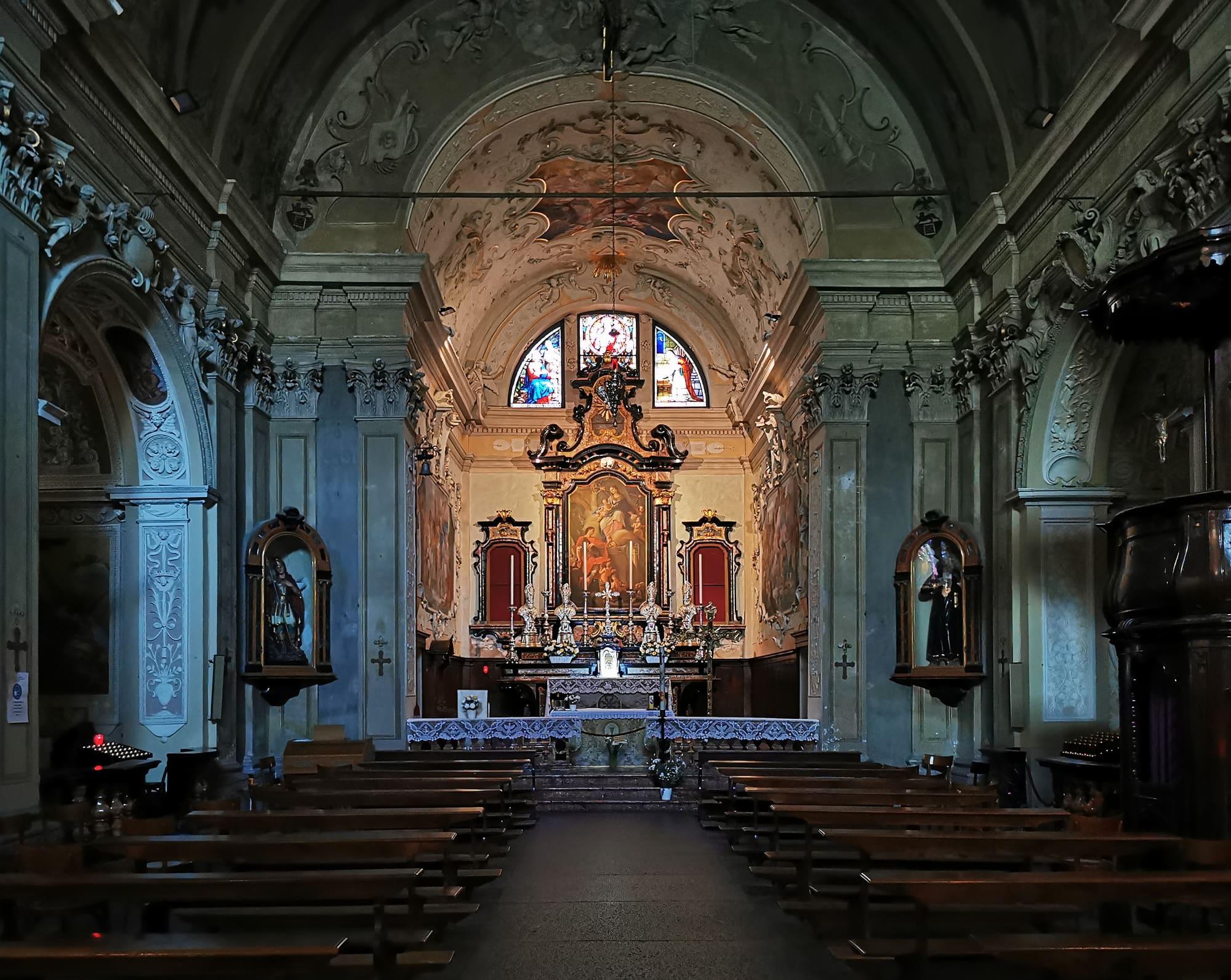
The parish church of San Giorgio, on the square of the Borgo, was built in the seventeenth century on the foundations of an older church; it has eighteenth-century stucco and friezes by Stefano Salterio, born in Laglio, and next to it stands the oratory of the Confraternity of the Blessed Sacrament, with Carlo Innocenzo Carloni's altarpiece of the Madonna of the Rosary. At Torriggia the church of San Bartolomeo was rebuilt larger in 1756; at Germanello stands the little church of San Gerolamo.
In 1771 the Riva family's “sciostra” in Laglio, the workshop from which the Ernesto Riva boatyard grew, was already building boats, launches and lucie for fishermen and traders. Along the shore stand Villa La Punta, Villa Deleuse, Villa Ortensia, Villa Marco, Villa Regina, Villa Castiglioni and Villa Oleandra; all of them are private.
The name Laglio is said to come from that of a Roman commander, Lallius, and Torriggia's from the Latin turris, “tower”. In the Middle Ages Laglio was a commune of the pieve, the old church district, of Nesso. Como's statutes of 1335 made it responsible for maintaining the Via Regina as far as the small valley on the boundary with Brienno. In the sixteenth century Carate was part of it too, and the two communities were still joined in 1644.
In 1497 Ludovico il Moro gave the whole pieve of Nesso, and Laglio with it, to Lucrezia Crivelli. On 1 June 1647 the pieve was granted as a fief to Francesco Gallio, Duke of Alvito. In 1751 Laglio had 406 inhabitants. In 1807 a Napoleonic decree joined the municipalities of Brienno and Carate to Laglio, and in 1809 the enlarged comune had 994 inhabitants. With the Restoration, Brienno and Carate became independent again.
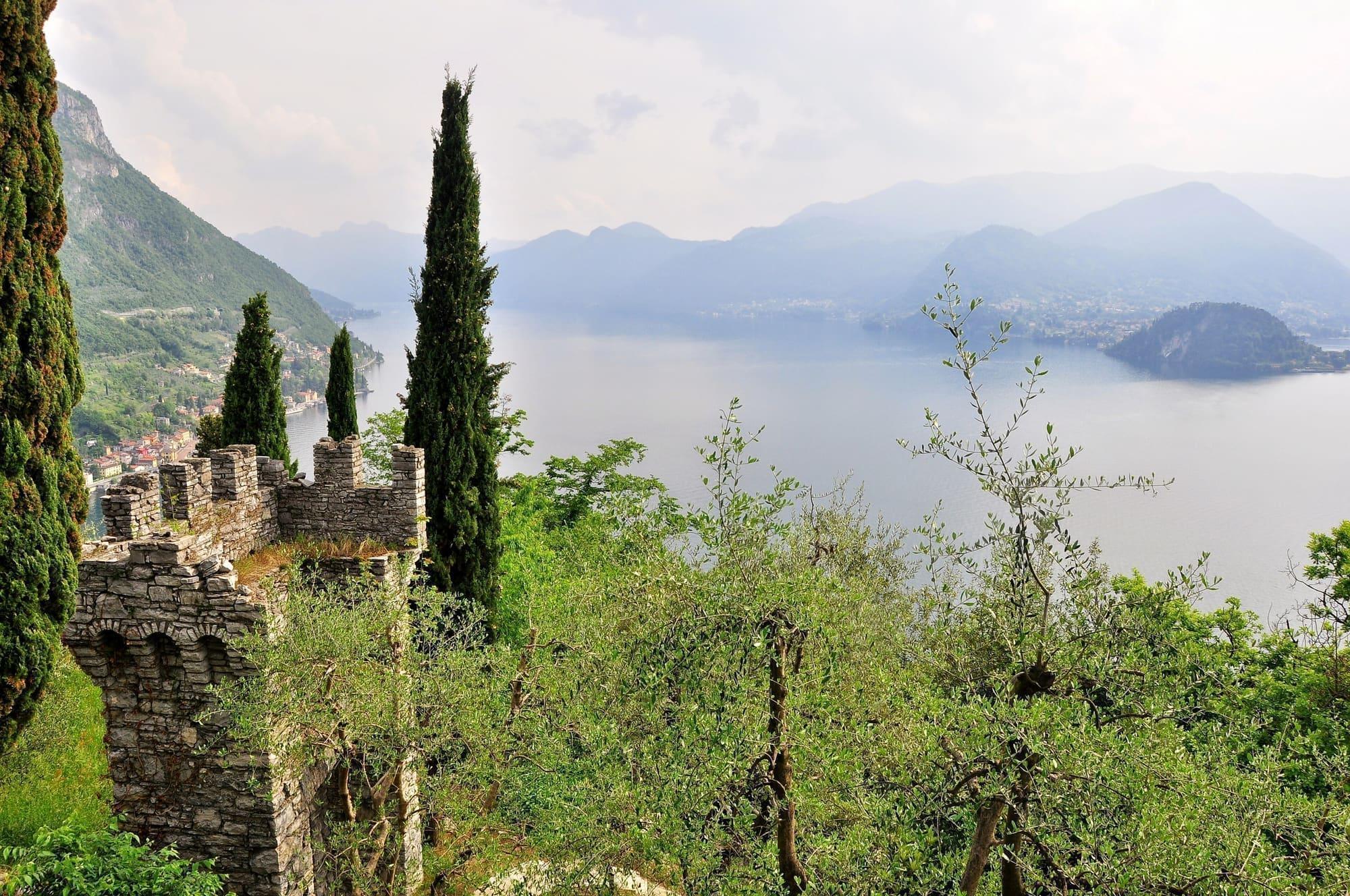
Vines and olives were grown on the terraced slopes above the lake. In the mid-eighteenth century Laglio and Carate paid their feudal lord, the Duke of Alvito, two staia of olive oil every year, the staio being an old measure.
Laurel grew alongside the olive. Boiling its berries, the “rubaghe”, gave an oil used as a remedy for people and animals. The lake's berries were also sold in Germany and Switzerland. In the land survey of 1721–1722 Laglio declared fifty staia of berries a year, almost a thousand litres, and one staio of berries gave one and a half libbre of oil.
The Via delle Frazioni comes down in steps from the upper part of the village to the lake, over small bridges and through covered passages. The Way of the Cross also starts from the lake: fourteen chapels climb to the little church of San Gerolamo at Germanello, built in 1782 and topped by a dome.
Towards Como an almost level path, some thirty metres above the water, leads to Carate past villas of the early nineteenth century, with views of Pognana Lario on the opposite shore. It carries on by way of Santa Marta, Cavadino and Urio to Moltrasio, about an hour and a half on foot.
How long it takes
Typical door-to-door times by public transport, changes included. From Milan, counted from Centrale station.
Webcams
Updated 26 October 2026
By bus: ASF Autolinee's C110, Como–Argegno–Menaggio, stops at Laglio San Marino–Moscantino, Ticee, Germanello–Bersagliere and Torriggia, about twenty minutes from Como bus station; the C120 to Lanzo uses the same stops. Navigazione Laghi's boats do not call at Laglio: the nearest piers are Brienno and Urio. By car, the Statale 340 Regina leads here, and coming from Milan or Switzerland you leave the motorway at Como Nord and follow the signs for Menaggio.
No. For some years now the rules protecting springs, for the sake of those who drink the water, have ruled out visits to the cave: the Buco dell'Orso gives the spring that feeds Laglio's water supply and that of the neighbouring villages. The cave lies at the northern end of the comune, above Torriggia, up a steep mountain path; it is famous for the fossil bones Vincenzo Barelli found from 1849 on, and a reconstructed skeleton of the cave bear stands in Milan's Natural History Museum.
The mountains around the village hide the sun before astronomical sunset: sunrise and sunset are worked out on the village's own horizon.
Today, 1 November, estimated sunlight at the reference point: first at 08:22 and last at 15:33, giving 7 h 12 of direct sun, out of 10 h 06 of daylight.
Today the sun leaves between 15:27 and 16:22, depending on the street.
Watch the shadow reach Laglio today
See from Laglio where the sun goes, in 3D
The sun at an exact spot in Laglio: your hotel, a beach, a street
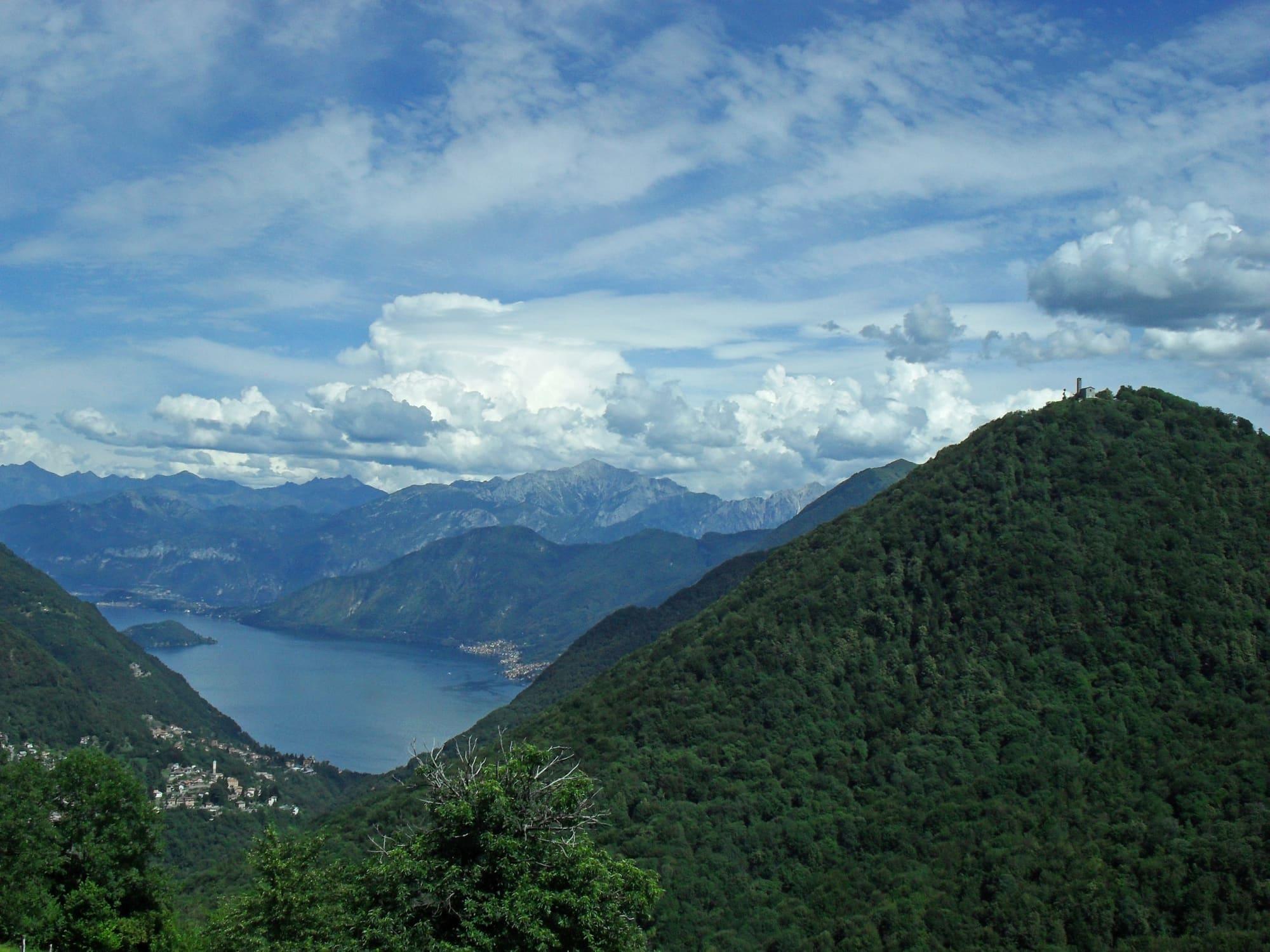
The highest summit in view from here is Costa San Primo - Cima Sud, 1598 m, 6 kilometres away.
The ochre line follows today's sun path and marks the estimated times of its first and last appearance above the mountains. Drag the panorama to see all of it.
Official bathing sites nearby, with their water quality classifications.
On the waterfront, along the Via Vecchia Regina, facing the small harbour. It is an eighteenth-century villa standing on an ancient Roman settlement, which with three neighbouring buildings forms a single property linked by suspended walkways. Since 2002 it has been George Clooney's summer home, and for his privacy the Comune adopted a rule against stopping in front of its entrance, from the water too. It is a private house, seen only from outside.
What is around, and how far.
© OpenStreetMap contributors · ODbL
Typical door-to-door times.
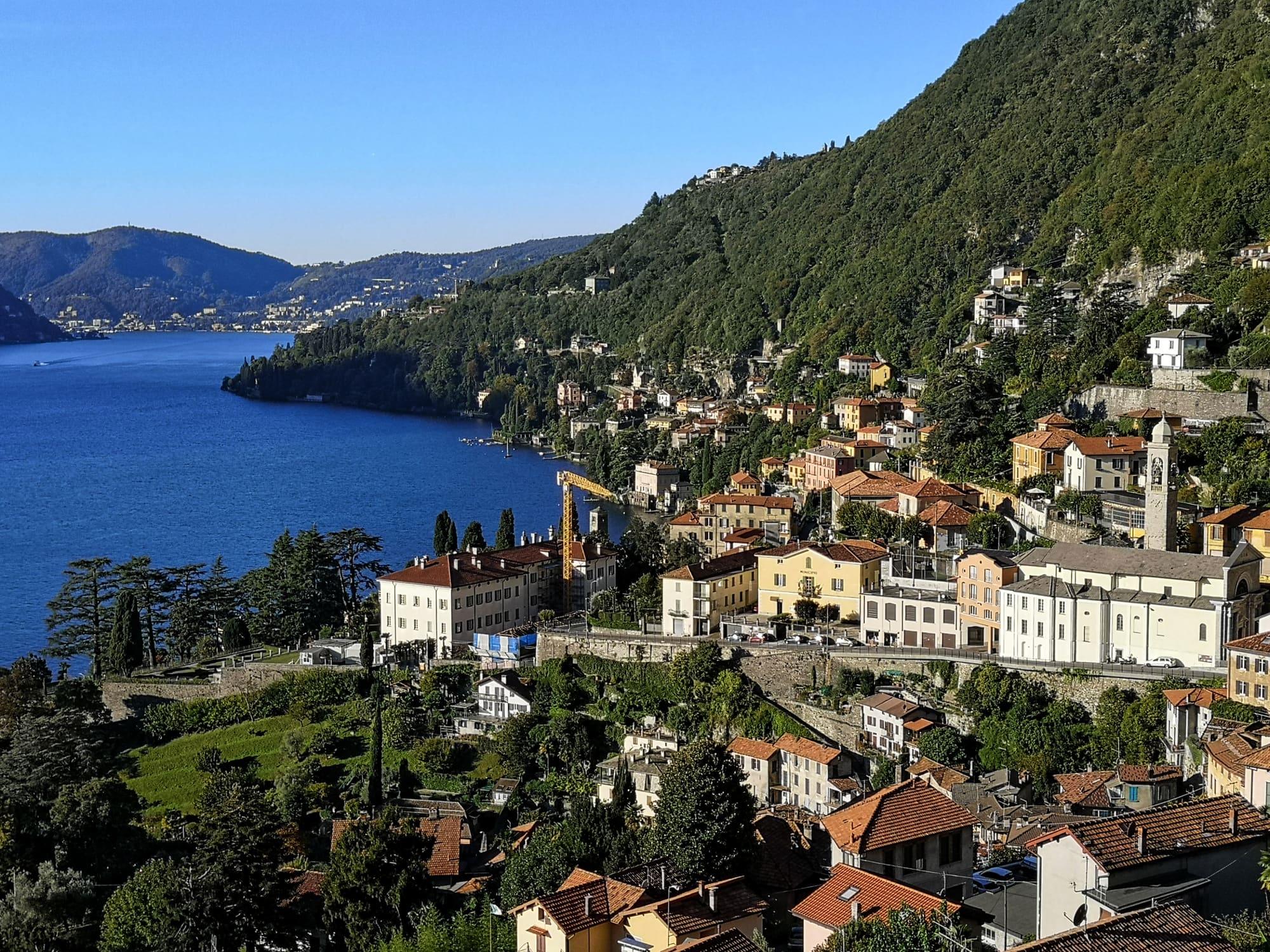
The village of Moltrasio stone, just past Cernobbio: houses stepped above the mill stream, the Scala Santa running down to the lake and the villas where Bellini lived.
6 min
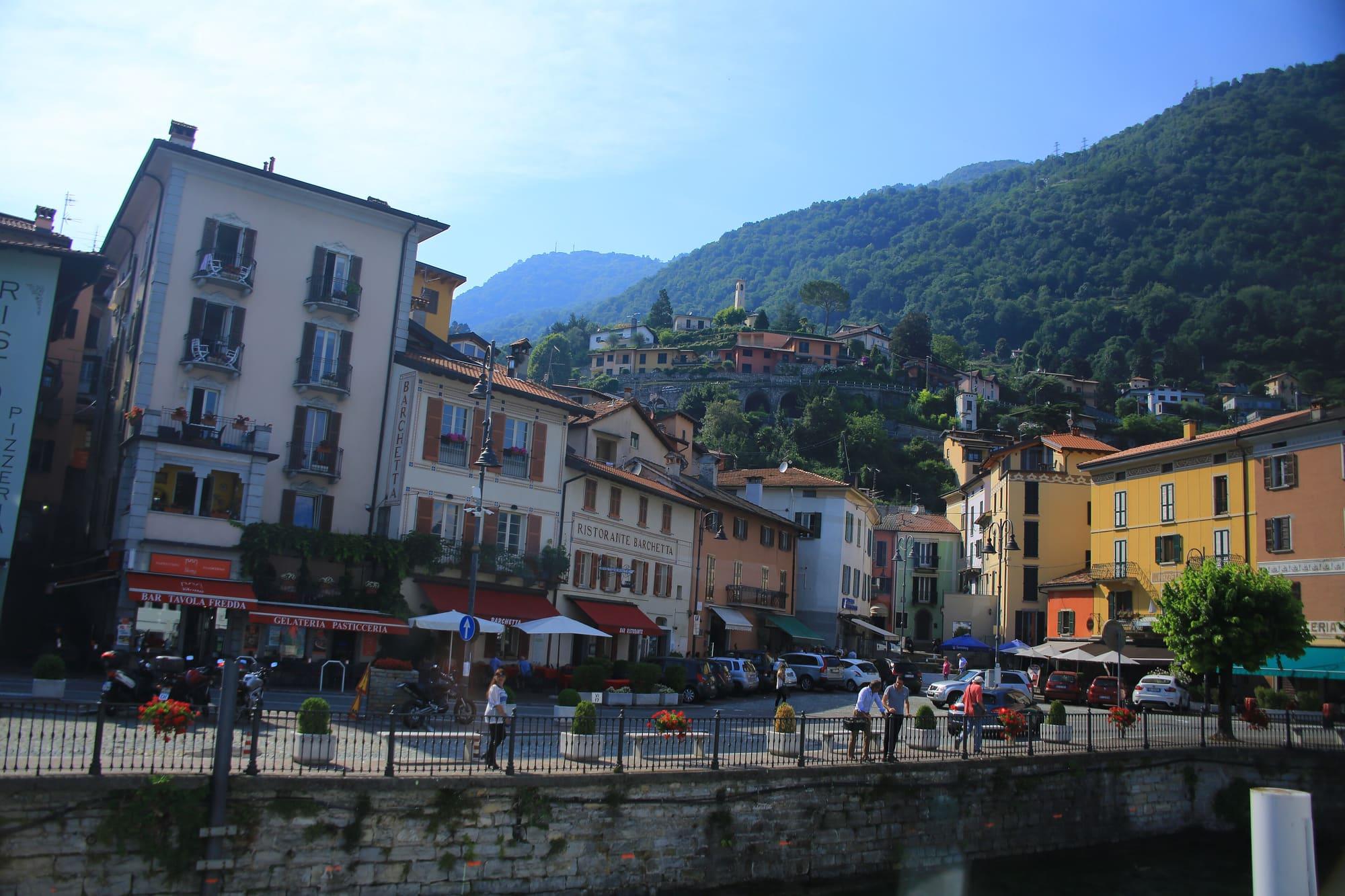
A medieval bridge, a red cable car, and the valley that leads to Switzerland.
7 min
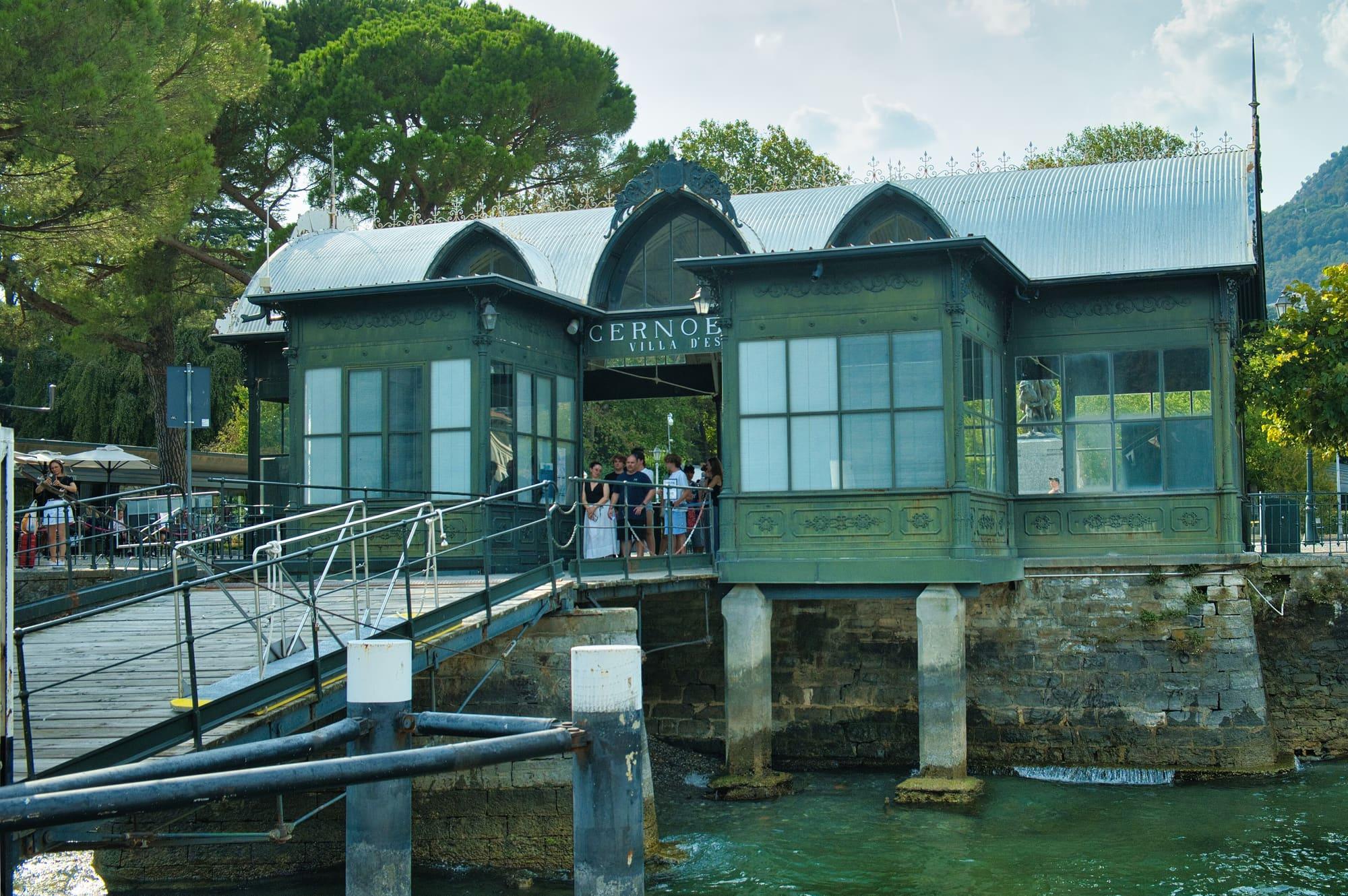
A square on the water ten minutes from Como, and the grand hotel behind the plane trees.
11 min