Until6Dec
Centro Lago
Bellagio
On the point that splits the lake in two, with staircases instead of streets.
- Ideal for
- A first visit, car-free trips, villas and gardens
- Time needed
- A full day; 2–3 nights as a base
- Best season
- Spring to autumn, while the villa gardens are open
- What to see
- Punta Spartivento, where the lake divides
- Best reached by
- Ferry from Varenna and Menaggio (15 min), bus from Como
- Albertomos · CC BY-SA 3.0
- Davide Mauro · CC BY-SA 4.0
- Archivio Pietro Pensa · CC BY-SA 3.0
The place
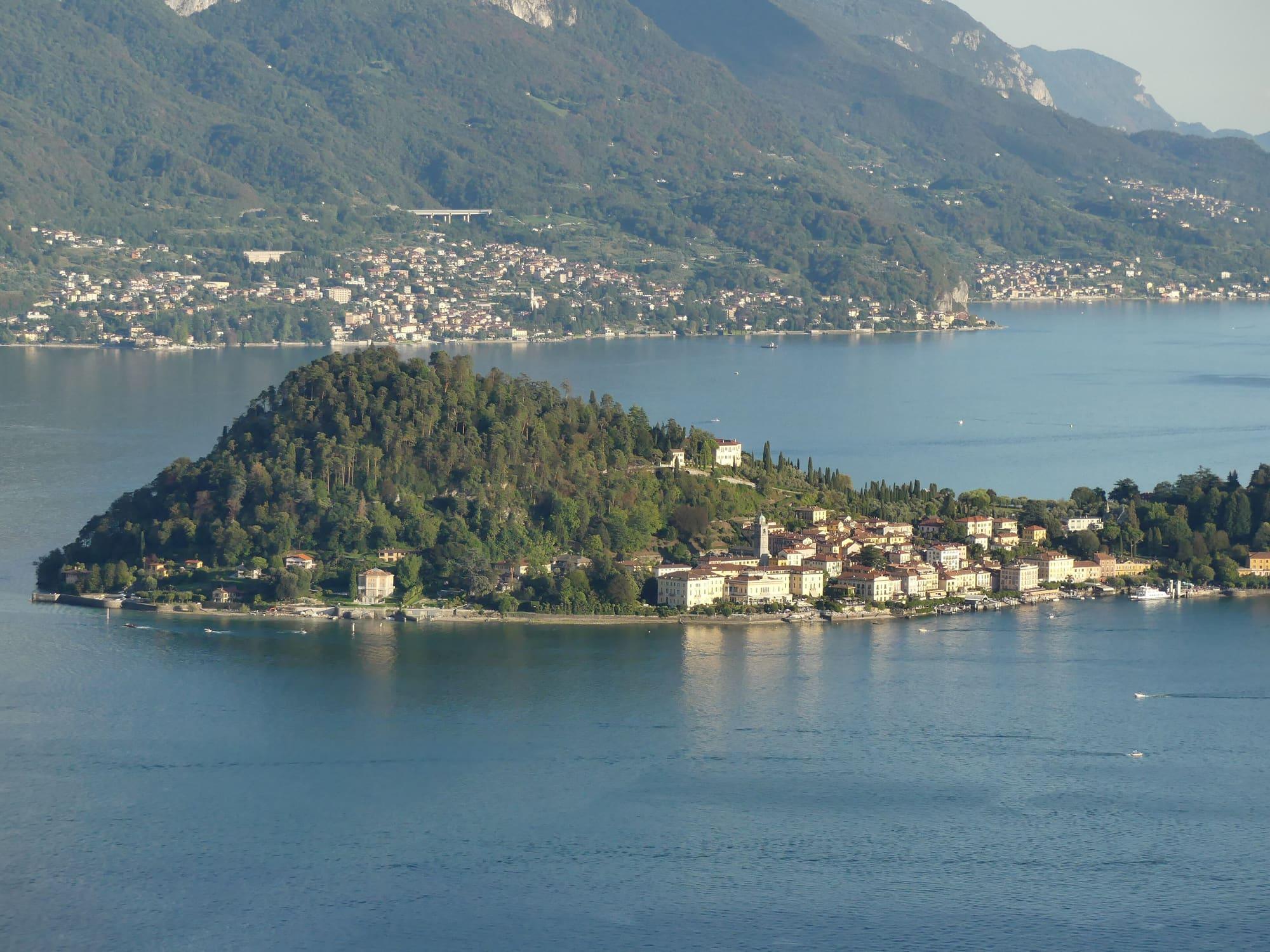
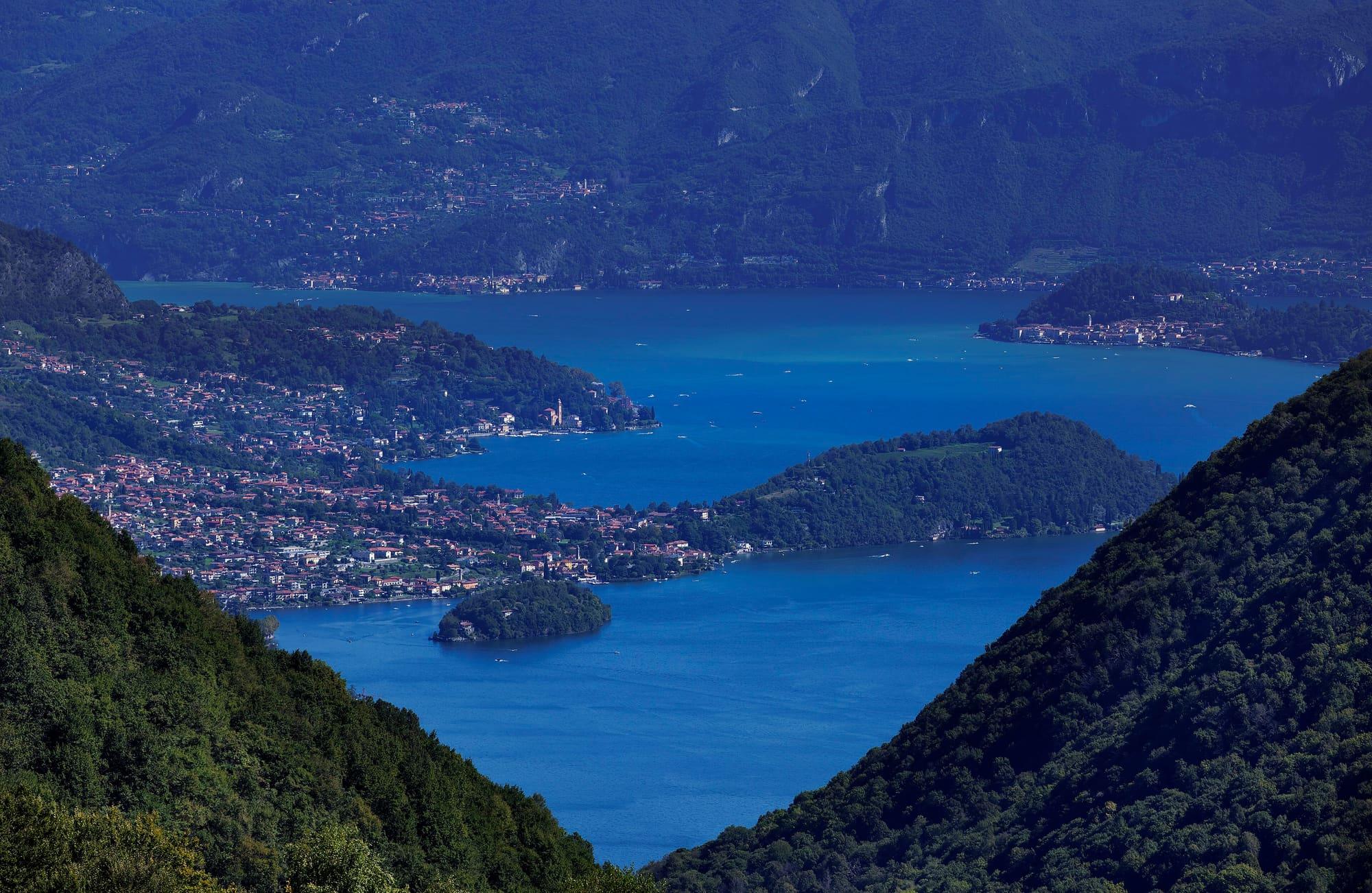
Bellagio sits exactly where the two branches part, and it owes its villas and gardens to that position.
Behind the arcades, six stepped lanes climb steeply from the shore, with stone walls and workshops, and twenty minutes on foot brings you to Pescallo, a tiny harbour on the other side of the point, on the Lecco branch.
Bellagio sits exactly where the two branches part, and it owes its villas and gardens to that position.
Read on
Behind the arcades, six stepped lanes climb steeply from the shore, with stone walls and workshops, and twenty minutes on foot brings you to Pescallo, a tiny harbour on the other side of the point, on the Lecco branch.
The point and the old village
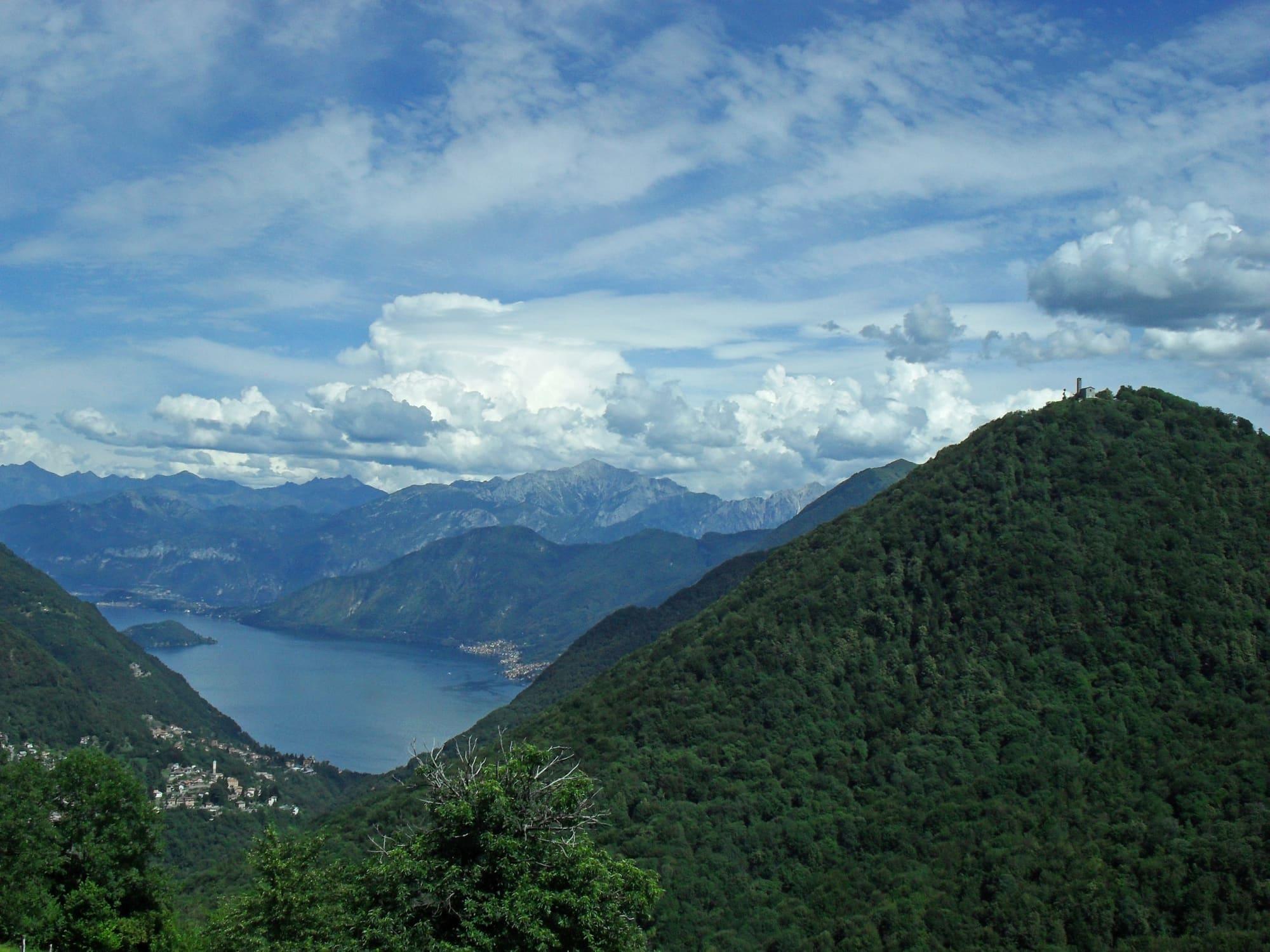
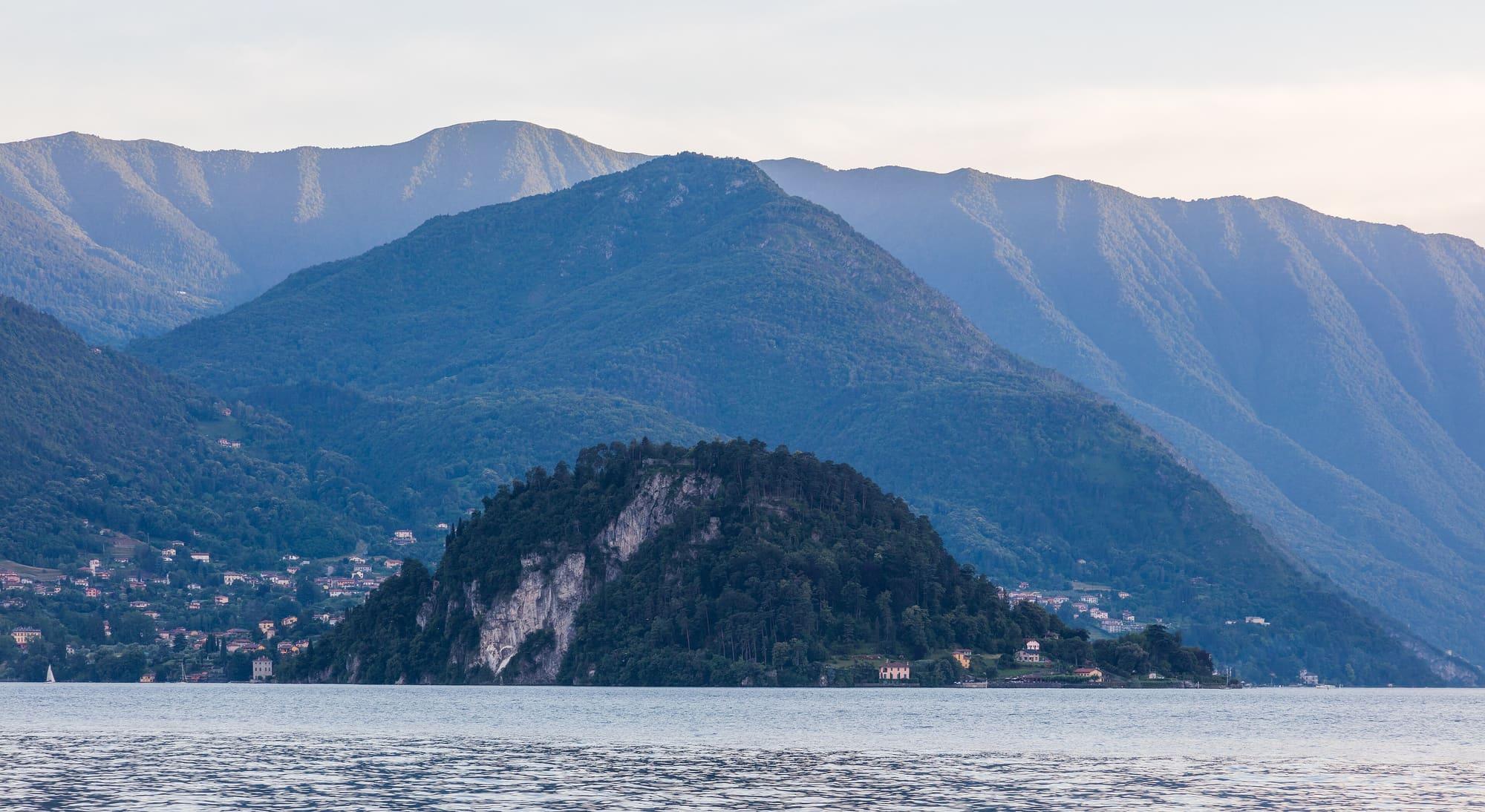
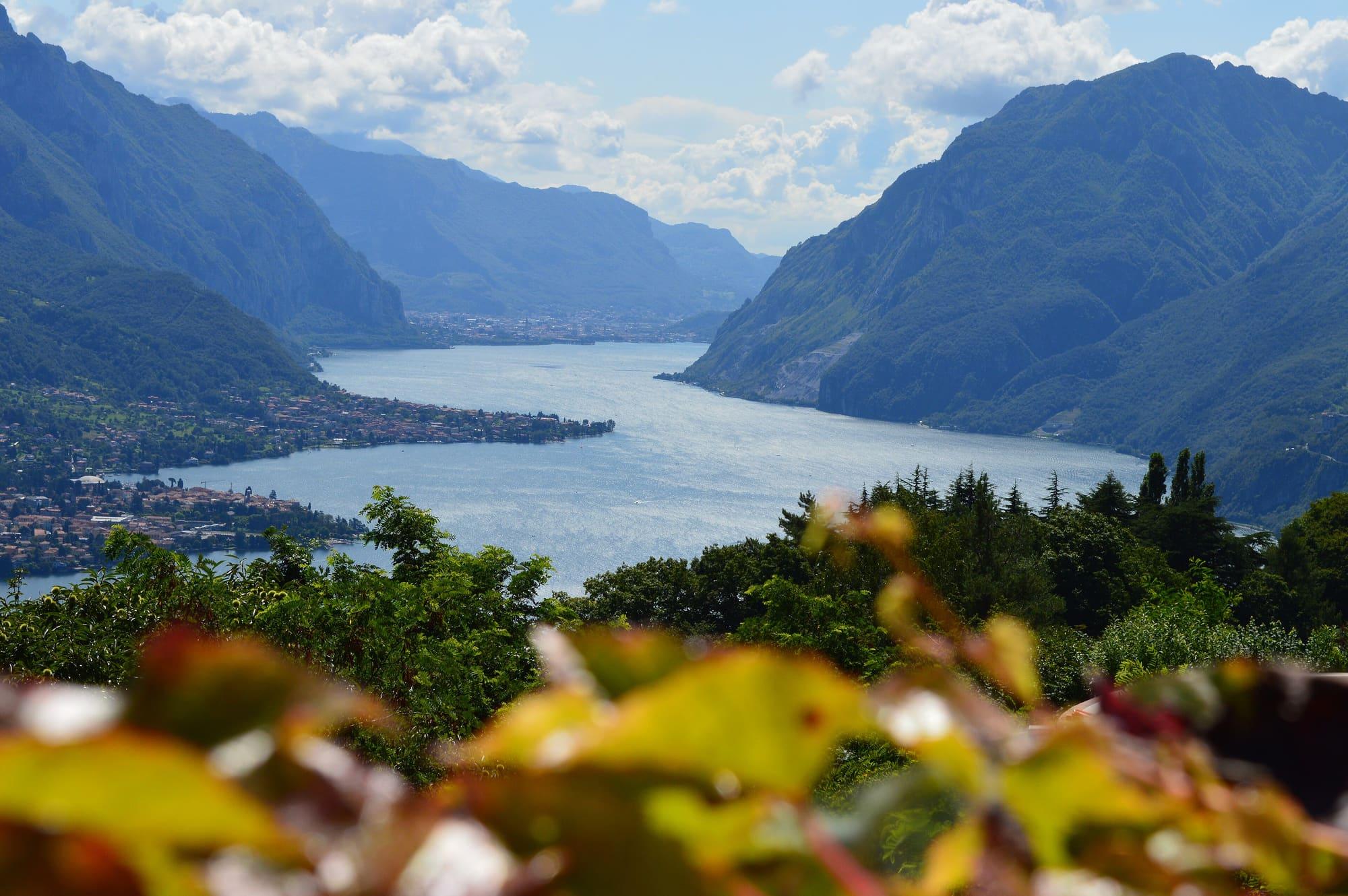
Bellagio occupies the tip of the promontory that divides the lake into the Como and Lecco branches. From Punta Spartivento, whose name means “wind-divider”, looking north, you see the Como branch to the left, the Lecco branch to the right and, ahead, the upper lake widening towards the Alps, all at once. It is a ten-minute walk from the centre.
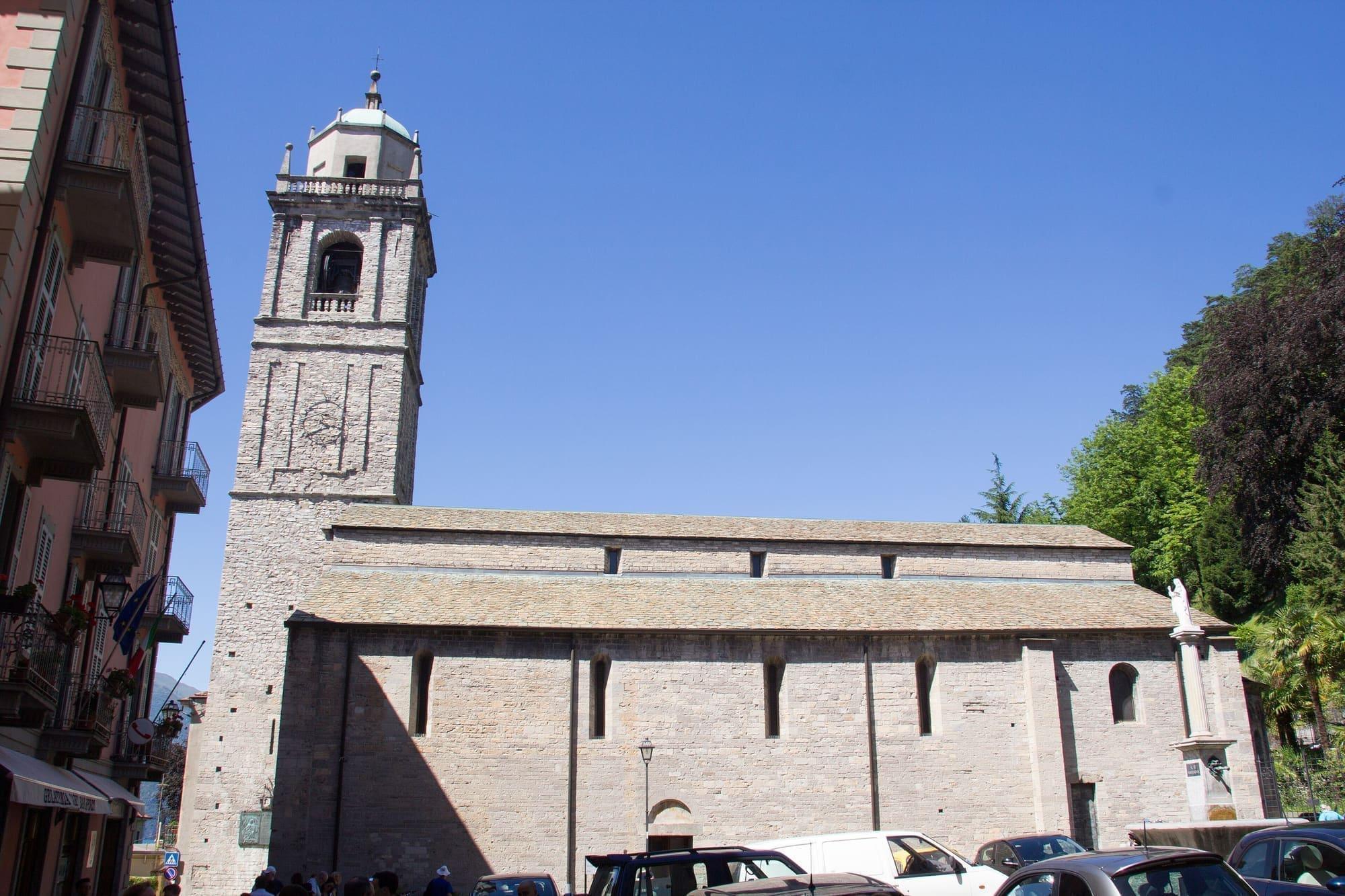
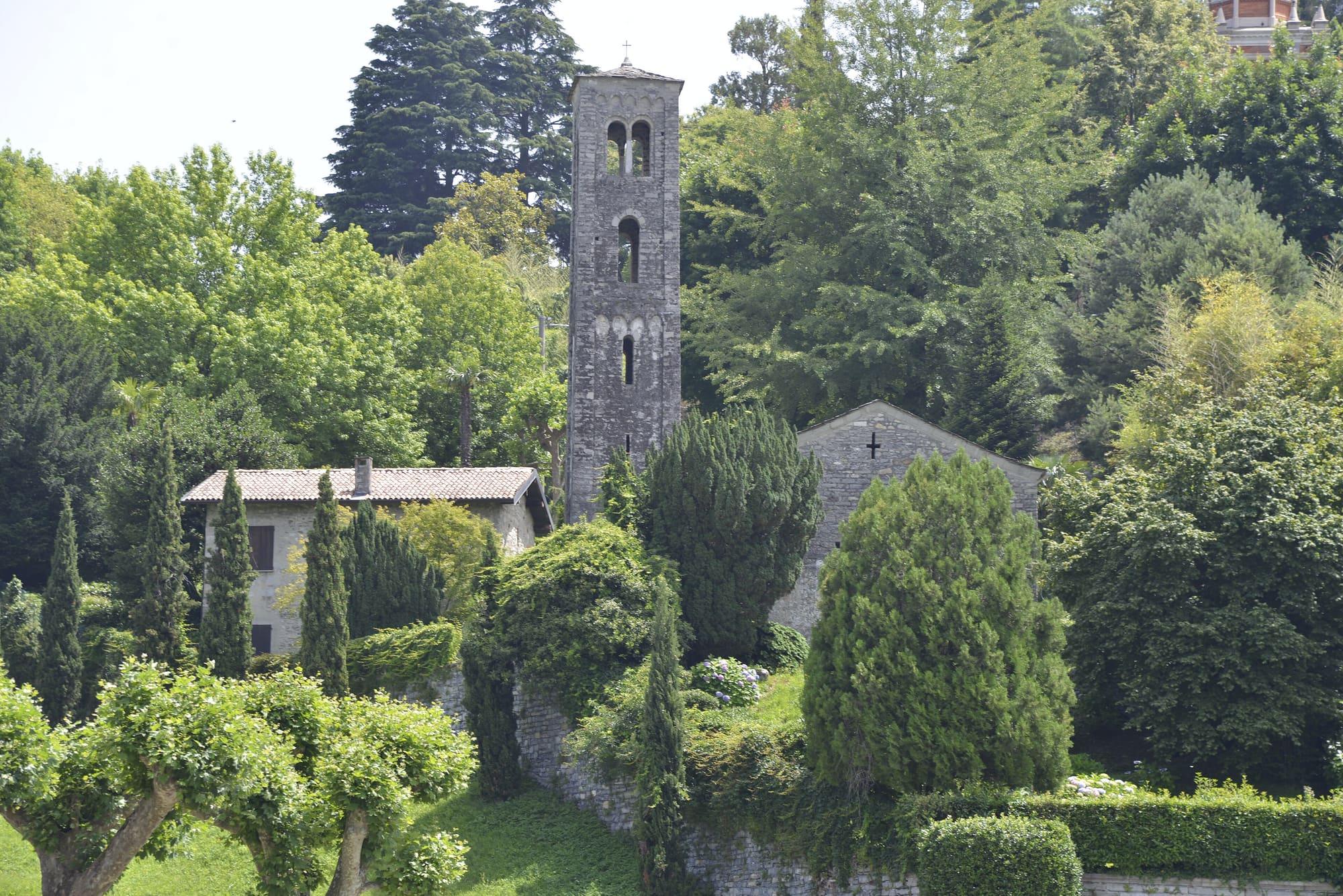
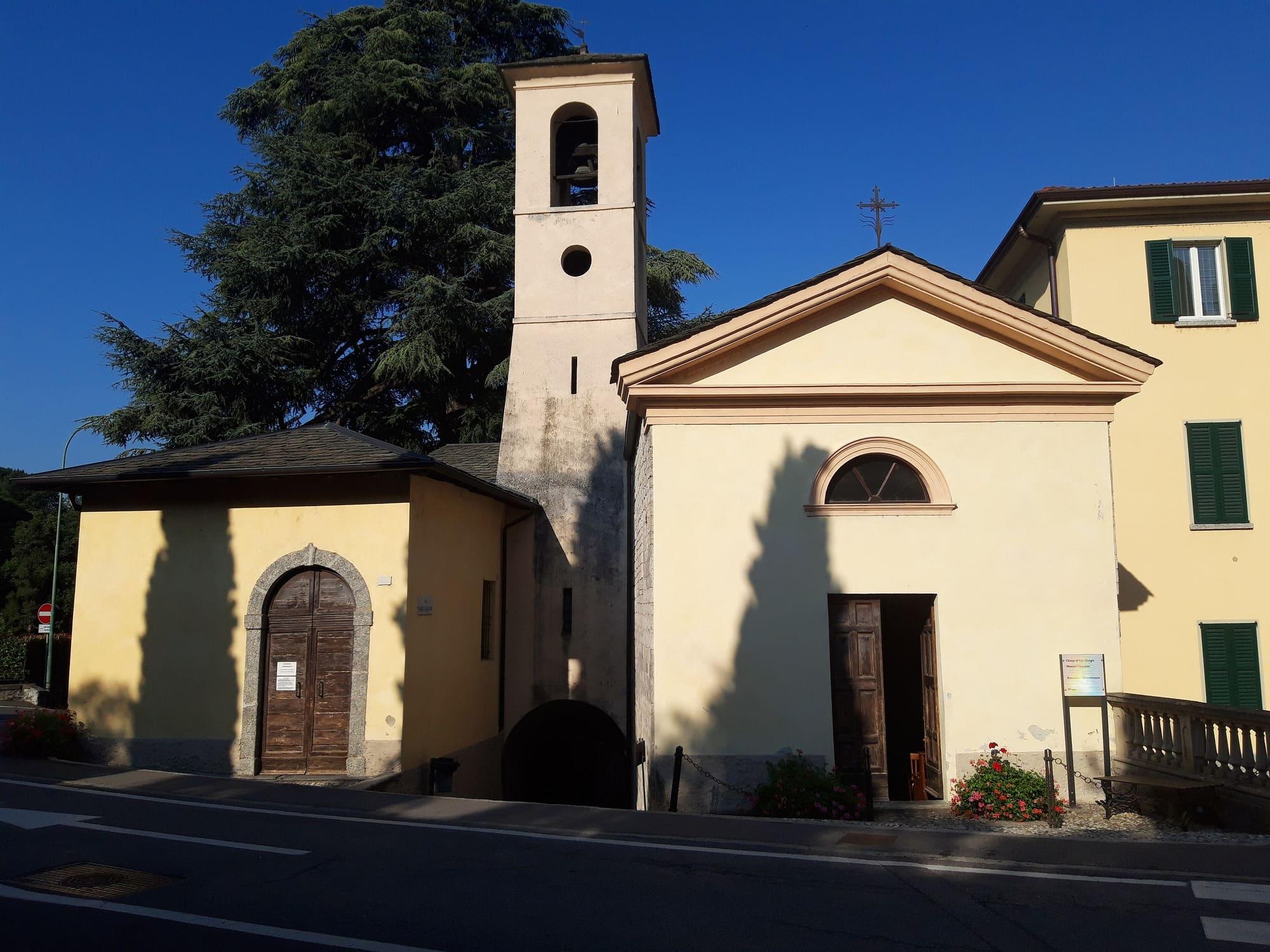
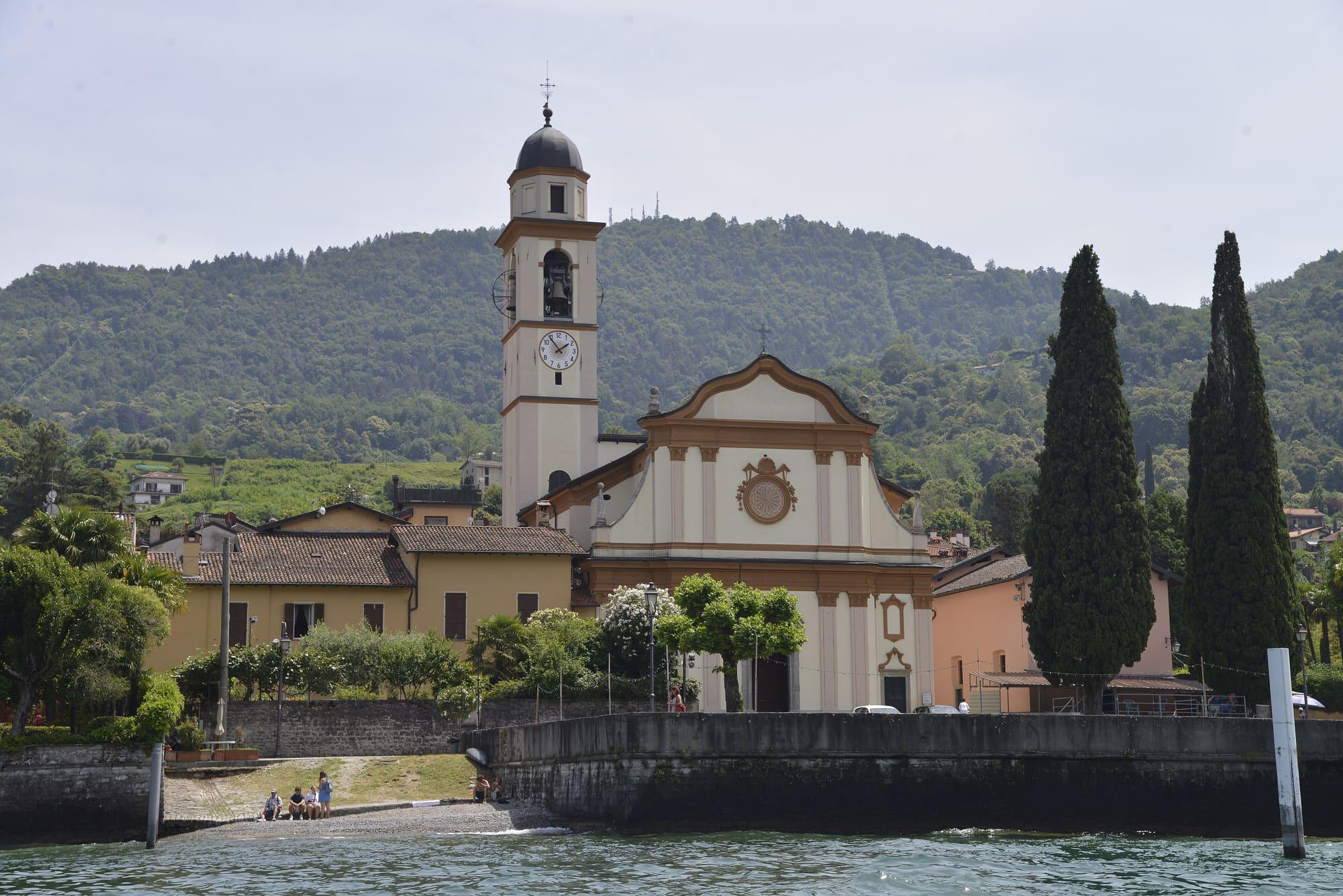
The old centre, the Borgo, climbs from the arcaded lakefront by stairways and stepped lanes to Piazza della Chiesa and the Romanesque basilica of San Giacomo, built between the late eleventh and the early twelfth century. Beside the town hall, the small Romanesque church of San Giorgio has its bell tower over the porch that closed the first ring of walls.
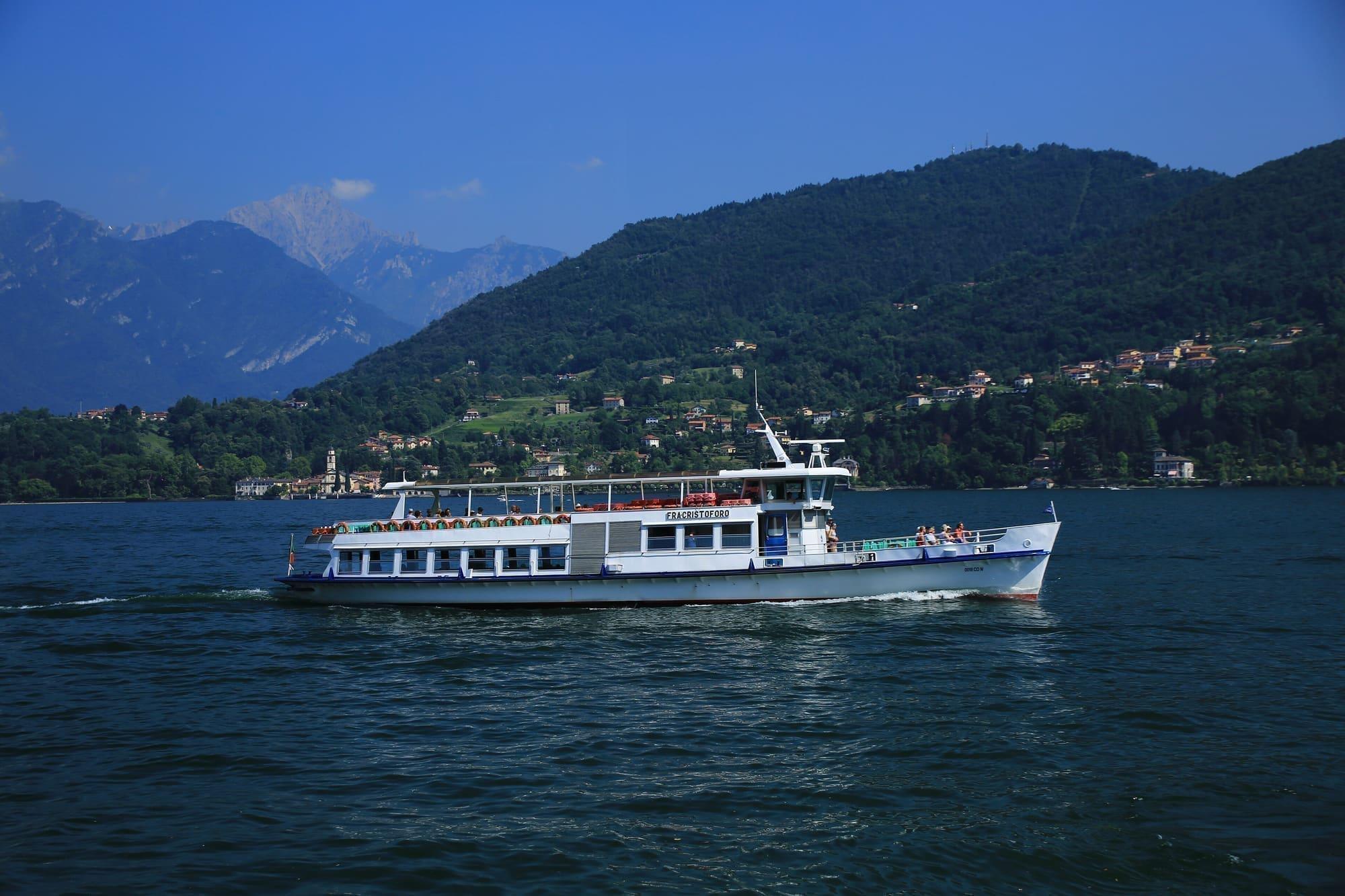
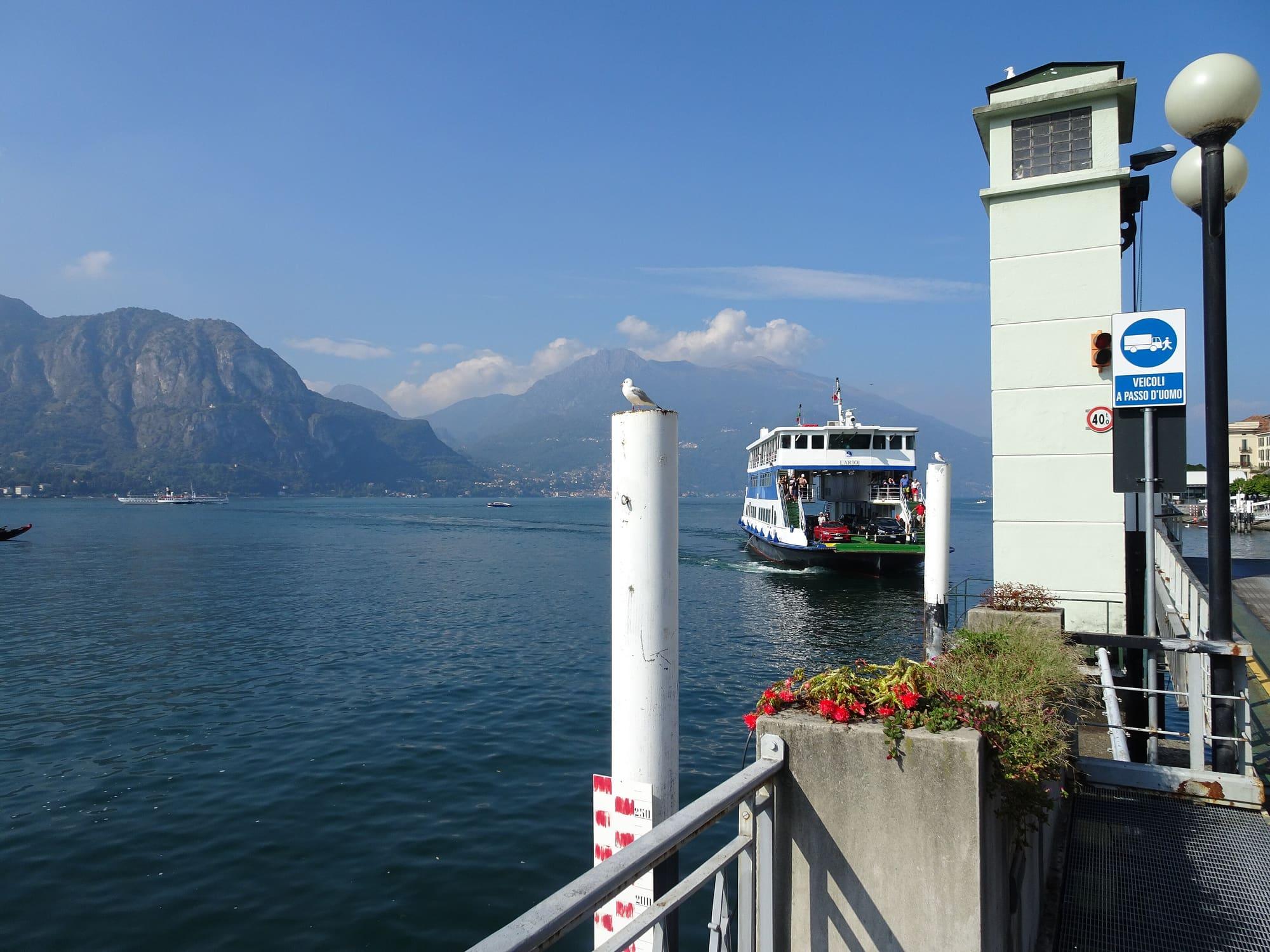
That same position makes Bellagio the ferry hub of the central lake. Varenna and Menaggio are a quarter of an hour away, Tremezzo and Villa Carlotta twelve minutes, and the car ferry crosses the lake without the long drive round.
History
Pliny the Younger, born in Como, describes two of his villas on the lake in a letter, calling them 'Tragedy' and 'Comedy'; tradition places Tragedy on the promontory of Bellagio. In the Middle Ages a castle stood at the top of the promontory. In the twelfth-century wars between Como and Milan the village sided with Milan, until in 1154 Frederick Barbarossa forced it to swear loyalty to Como once more.
In the fourteenth century the Visconti, lords of Milan, had the castle pulled down and made Bellagio the seat of the Captain of the Lake, whose armed boats hunted pirates and smugglers. At the end of the fifteenth century the promontory passed to Marchesino Stanga, a friend of Ludovico il Moro, who built his residence there. In the sixteenth century the fief was bought by the Counts Sfondrati, the family of Pope Gregory XIV, who held it until 1788. Their estate was then inherited by Alessandro Serbelloni.
Villas and gardens
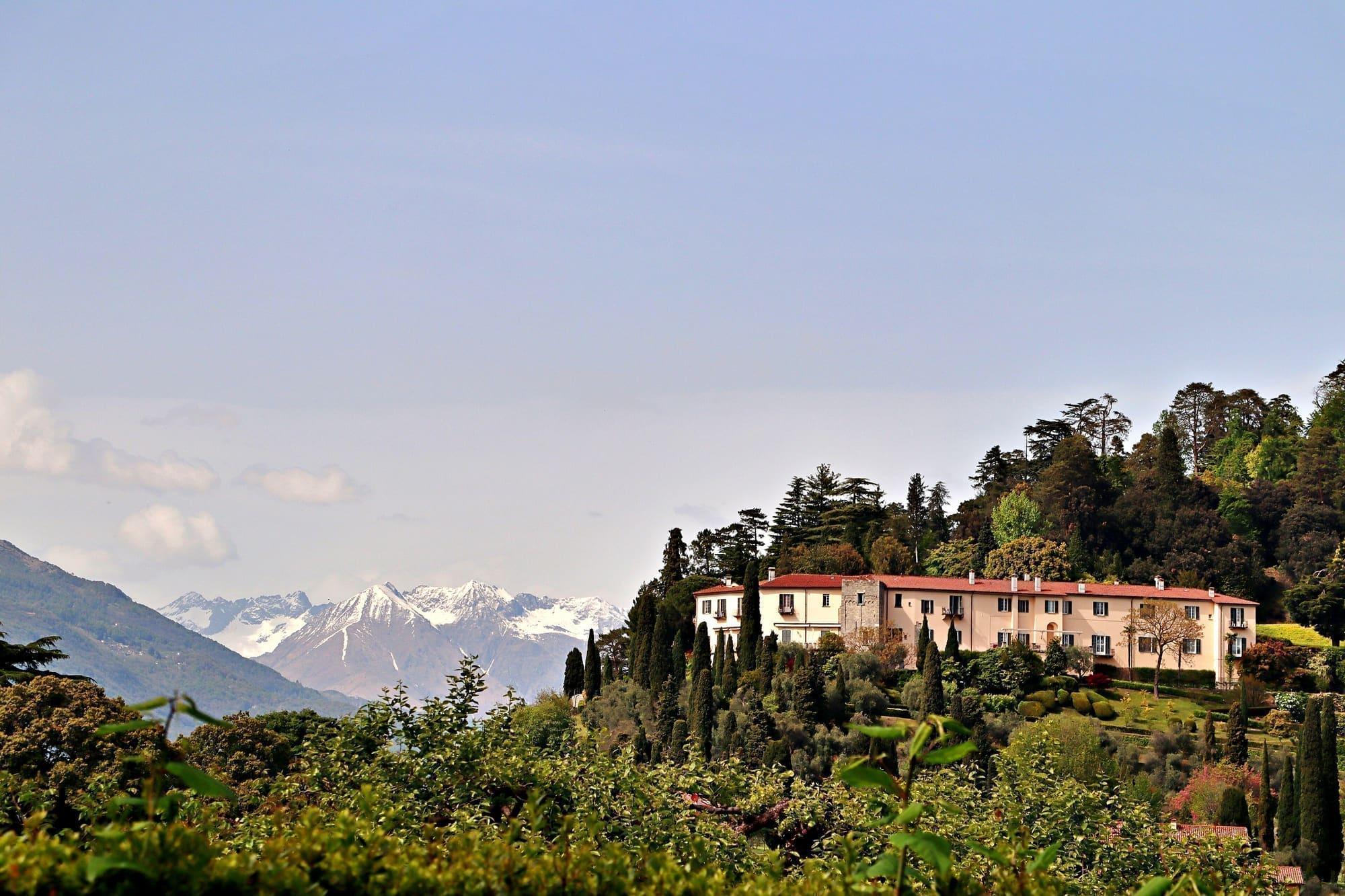
The park of Villa Serbelloni covers almost the whole promontory above the village, where the castle once stood. It was laid out by Alessandro Serbelloni, owner from 1788, with paths, terraces and woodland looking over both branches of the lake. The villa is not open; the park can be seen only on a guided tour, at set times with limited places, booked in advance.
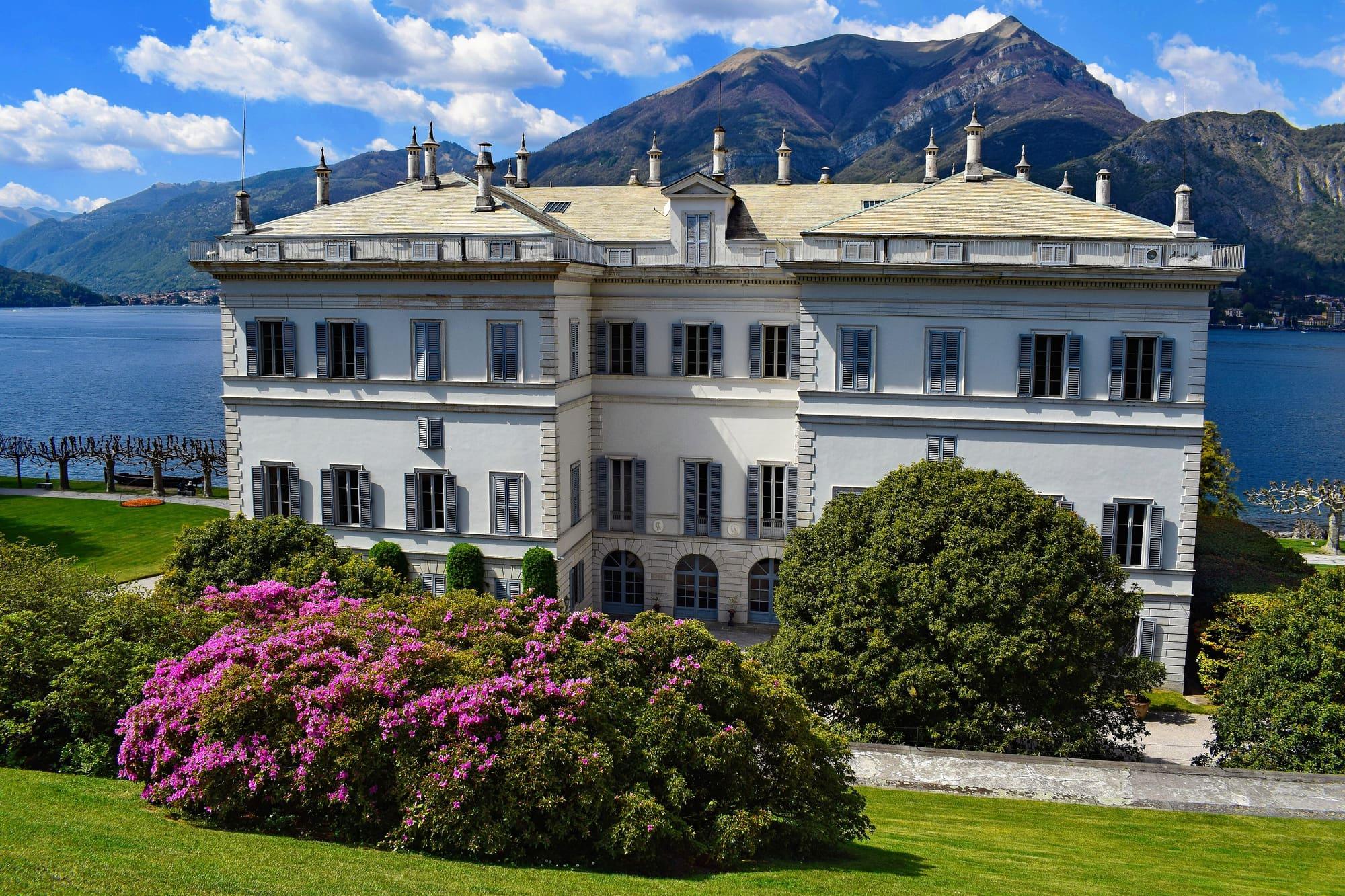
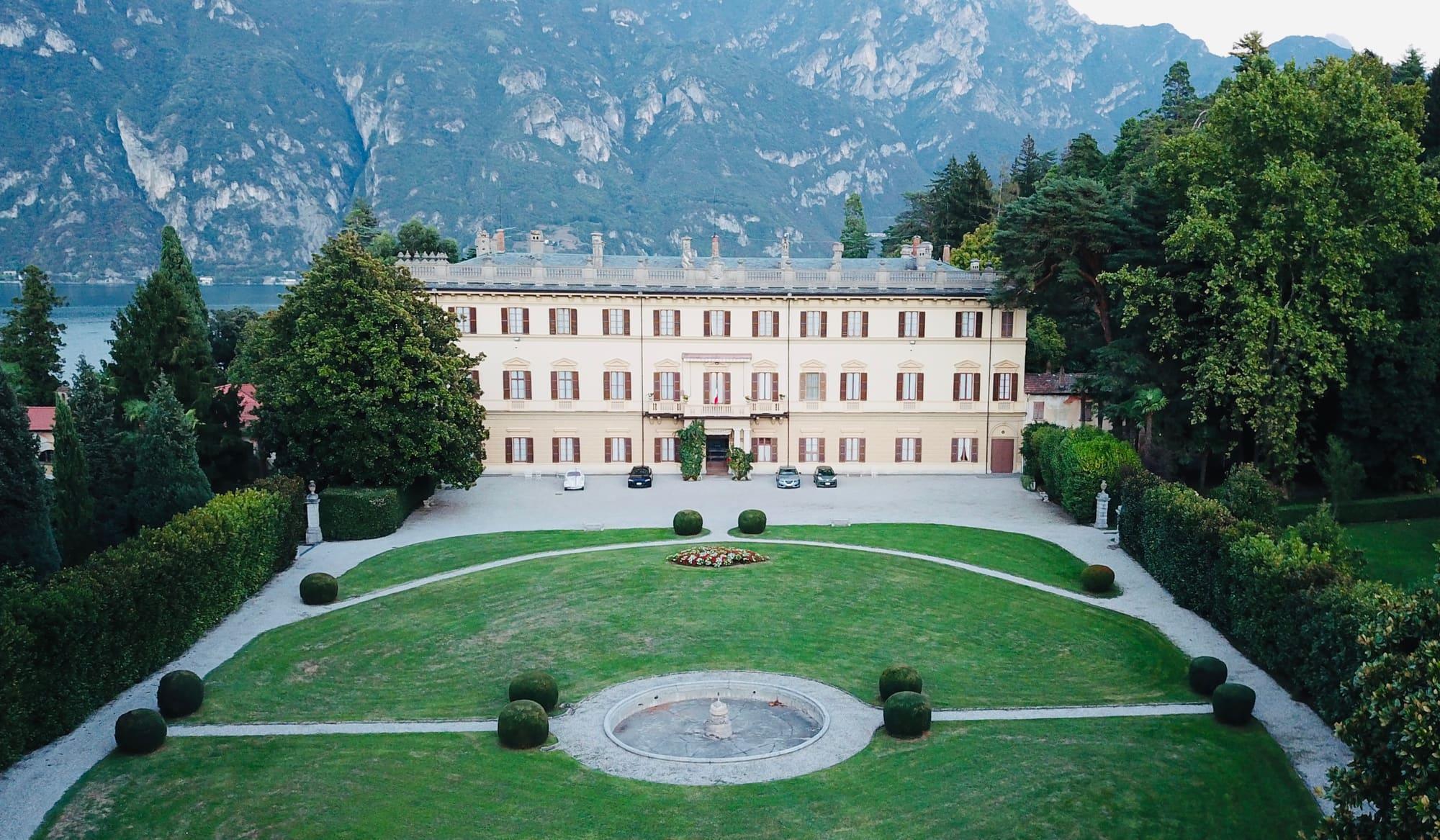
Villa Melzi, on the shore towards Loppia, was built between 1808 and 1810 for Francesco Melzi d'Eril, vice-president of Napoleon's Italian Republic, to a design by Giocondo Albertolli. Luigi Canonica and Luigi Villoresi laid out the English garden, with lawns running to the water, plane trees and a Moorish pavilion. The Japanese pond was added in the second half of the nineteenth century. The visit takes an hour, almost all on the level. Franz Liszt, who was living in the village in 1837, came here to walk the avenue of plane trees and read Dante.
The nineteenth and twentieth centuries
In the nineteenth century Bellagio became a holiday resort. Around 1825 Abbondio Genazzini's inn on the lakefront was turned into the village's first hotel, and in 1837 Franz Liszt stayed there with Marie d'Agoult. In 1873 the Grand Hotel Bellagio opened in the villa the Frizzoni family had built on the shore.
In the early twentieth century the hotel also bought Villa Serbelloni, on the hill, and took its name: Grand Hotel Villa Serbelloni. It kept the villa for more than twenty years. The American Ella Walker, Princess of Thurn and Taxis, then bought it, and in 1959 the villa passed to the Rockefeller Foundation, which hosts scholars and conferences there. Teresio Olivelli was born in Bellagio in 1916; a partisan, he died in the Hersbruck concentration camp in 1945 and was beatified in 2018.
Hamlets and walks
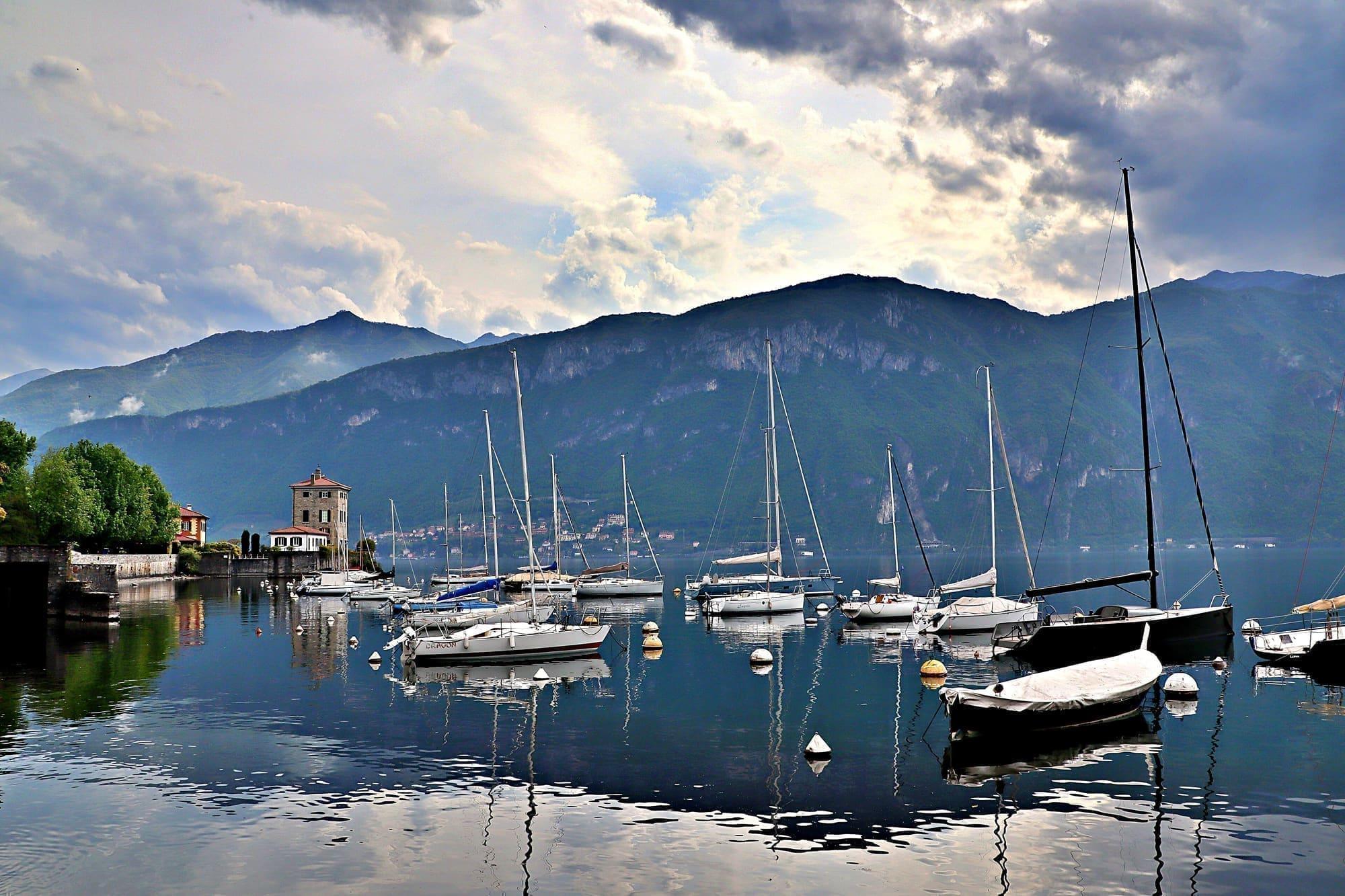
Twenty minutes on foot across the promontory, between vegetable plots and dry-stone walls, bring you down to Pescallo, the fishermen's harbour on the Lecco branch; in the fifteenth and sixteenth centuries a convent of Benedictine nuns stood here. Southwards, past Villa Melzi, you reach Loppia, with the eleventh-century bell tower of Santa Maria and the stone stairway that once led up to Villa Giulia, the villa Count Pietro Venini completed in 1806. Further along the shore, half an hour from the centre, the hamlet of San Giovanni has a church with an altarpiece by Gaudenzio Ferrari and the Museum of Navigation Instruments.
The bus climbs to Civenna, merged with Bellagio in 2014, and to the Ghisallo pass, where the Madonna venerated in the sanctuary has been the patroness of cyclists since 1949. The highest point of the comune is the summit of Monte San Primo.
Things to see
Experiences
Centro Lago
The ferry triangle
Bellagio, Varenna, Menaggio: three shores of the central lake, ten minutes to half an hour apart by ferry.
4 h – 8 h
Centro Lago
The villa and garden circuit
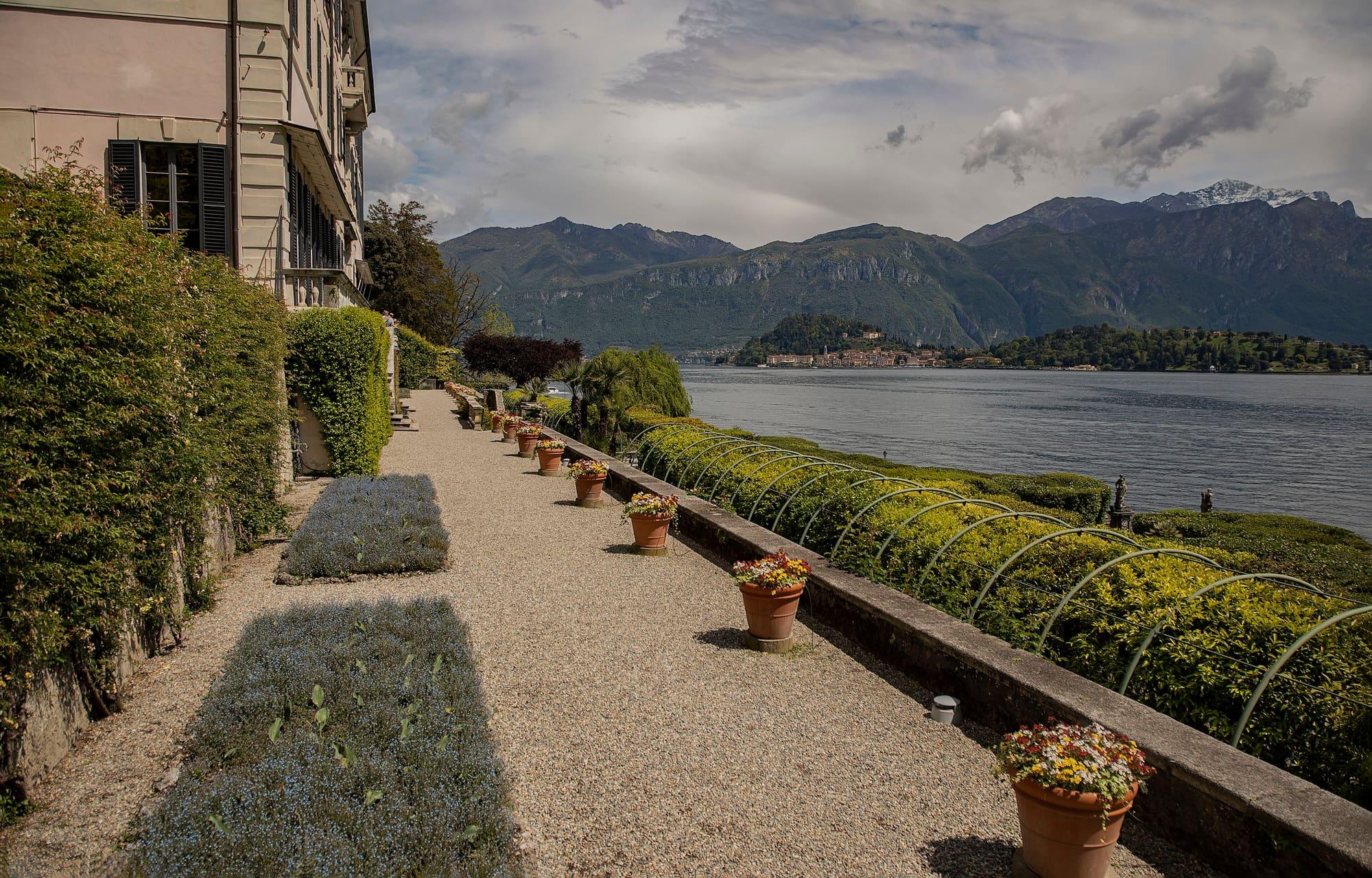
Five great gardens within twenty minutes' sailing of one another.
5 h – 12 h
Centro Lago
On the water at sunset
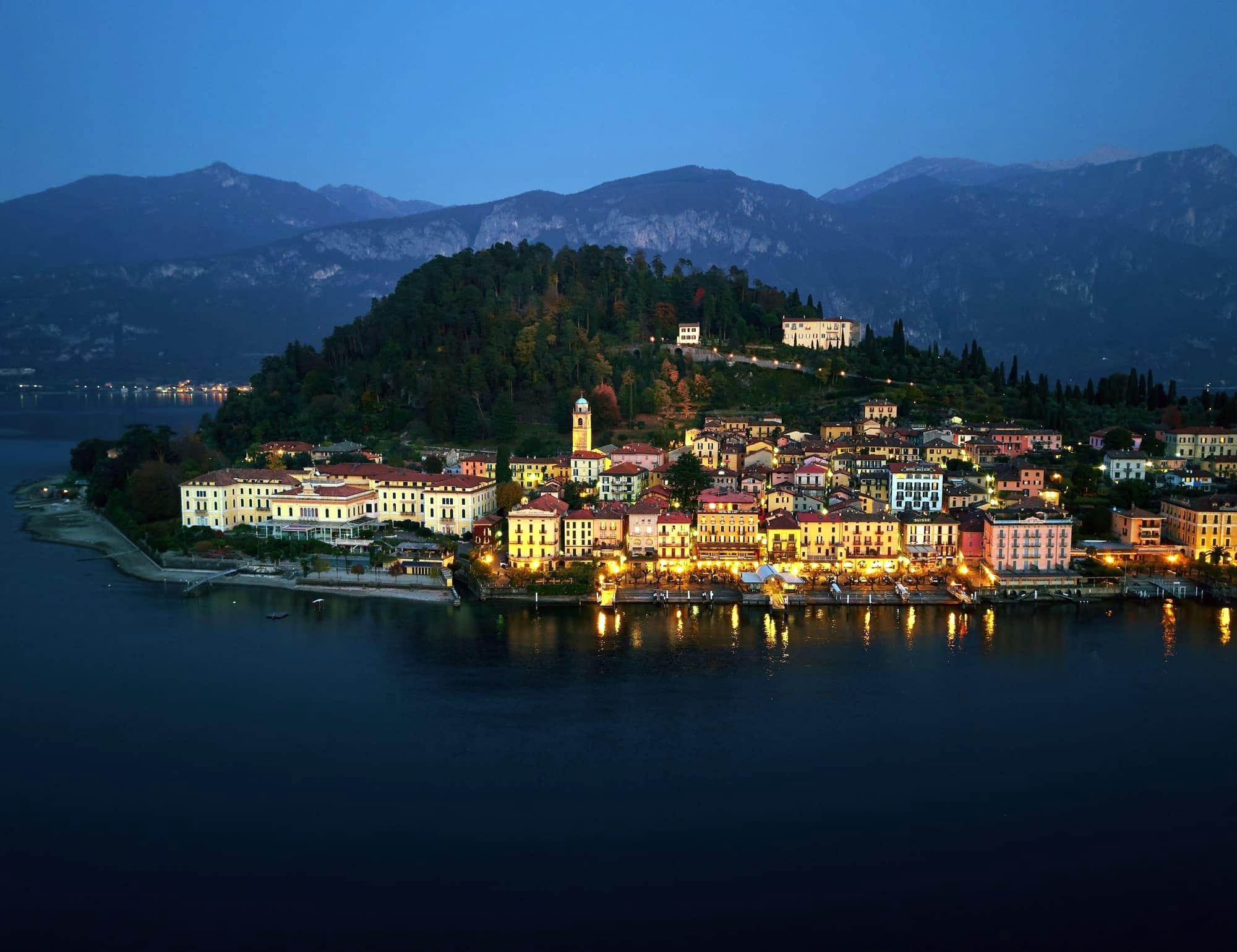
An hour by taxi boat before sunset, to see the villas of the central lake from the water.
1 h – 2 h
The Triangle
The climb to the Ghisallo
Ten kilometres from Bellagio up to the cyclists' chapel.
2 h – 5 h12.7 km · +664 m
Events
Until6Dec
Sunday markets
Local craft stalls on Lungolago Europa.
Lungolago Europa, BellagioFree entry
6Dec
Nativity scenes by the people of Bellagio
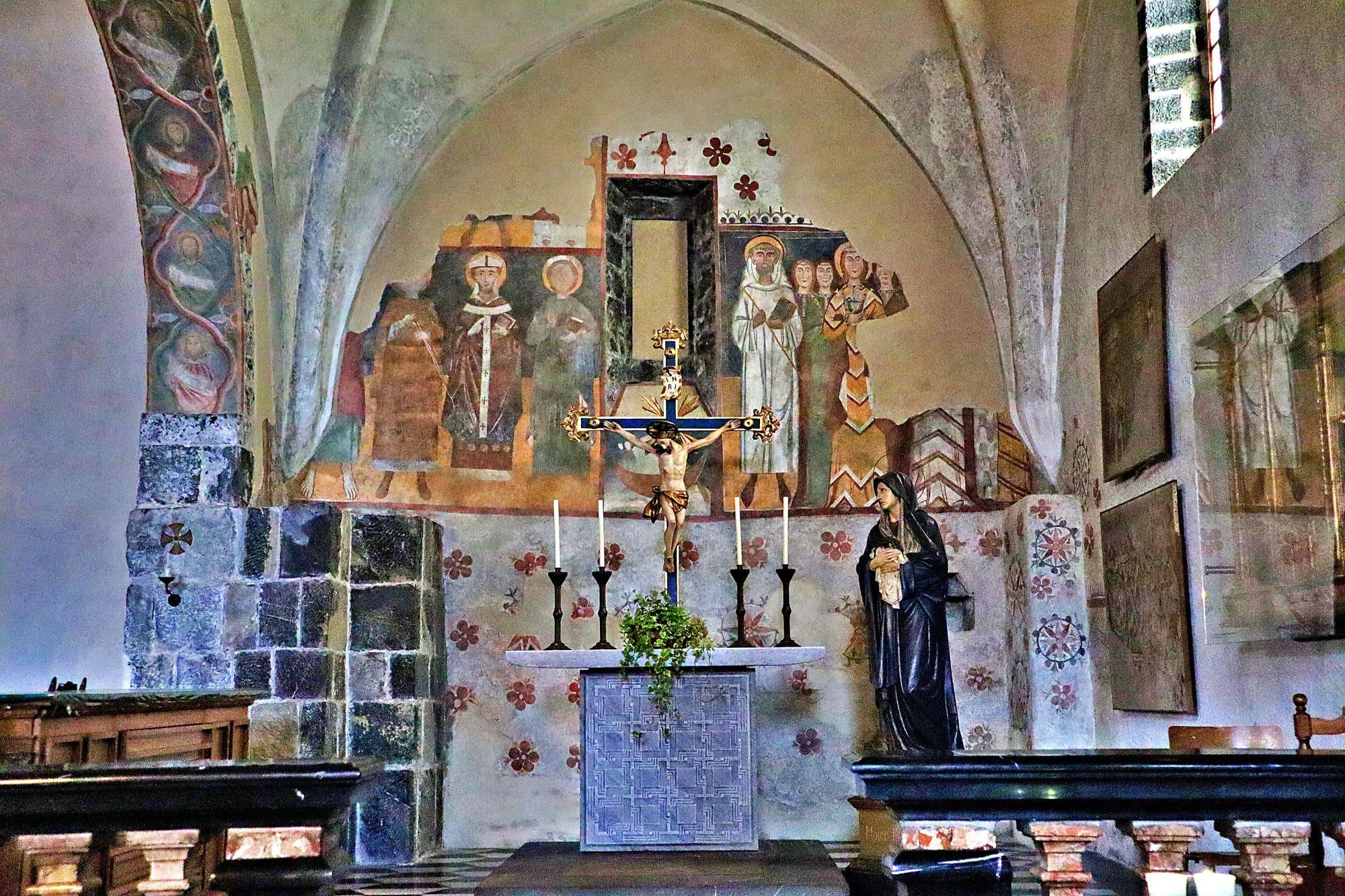
At weekends between December and Epiphany, nativity scenes made in Bellagio in the church of San Giorgio, and the children's ones at the Torre delle Arti.
The church of San Giorgio on Via Carlo Bellosio and the Torre delle Arti, Bellagiountil 4 January 2027Indicative dates
Before you go
How long it takes
- from Milan1 h 25Train, then boat
- from Como50 minFast service · by car 51 min
- from Lecco47 minBus · by car 43 min
Typical door-to-door times by public transport, changes included. From Milan, counted from Centrale station.
Tourist office
Infopoint Bellagio Lake Como
Piazza della Chiesa 14, 22021 Bellagio
Updated: 1 Oct 2026 · PromoBellagio — Bellagio Lake Como.
Parking and services
- Parcheggio Cimiterosurface · 13 spaces · paid
- Parcheggio Bussurface · 5 spaces · free
- Parcheggio Lidosurface · paid
- Parcheggio del Parcosurface · paid
5 public toilets17 drinking fountains1 pharmacy9 cash machines3 defibrillators
Car parks and services on the map
Within two and a half kilometres of the centre; check car park spaces and fees on arrival.
How do I get to Bellagio without a car?
Train from Milano Centrale to Varenna (just over an hour) and the ferry in fifteen minutes. Otherwise the C130 bus from Como, a little over an hour, or the boat from Como: the fast service takes around fifty minutes in season. Bellagio has no railway station.
How long do I need for Bellagio?
A full day for the village, Villa Melzi and Punta Spartivento; with one more morning, San Giovanni, half an hour on foot or one boat stop away, with Gaudenzio Ferrari's altarpiece and the museum of navigation instruments. Two or three nights if you use it as a base for the centre of the lake, with ferries to Varenna, Menaggio and the Tremezzina.
Webcams
- Bellagio, the lakefrontLive video · Skyline Webcams
- Tremezzo, the terrace at La DarsenaUpdated image · Hotel Ristorante La Darsena
The light
From Varenna in the morning, from Menaggio in the afternoon: the ferry brings you in from the lit side. Fifteen minutes' crossing, the photograph in the last three.
- Faces
- south
- Best light
- sunrise and sunset
- Full moon
- Tue 24 Nov · 17:36 · north-east
JuneDecember
- Population
- 3,800
- Elevation
- 229 m
Updated 26 October 2026
The mountains around the village hide the sun before astronomical sunset: sunrise and sunset are worked out on the village's own horizon.
Today, 1 November, estimated sunlight at the reference point: first at 08:27 and last at 16:46, giving 8 h 20 of direct sun, out of 10 h 06 of daylight.
Today the sun arrives between 08:07 and 10:11, depending on the street.
JuneDecembertoday
Watch the shadow reach Bellagio today
See from Bellagio where the sun goes, in 3D
The sun at an exact spot in Bellagio: your hotel, a beach, a street
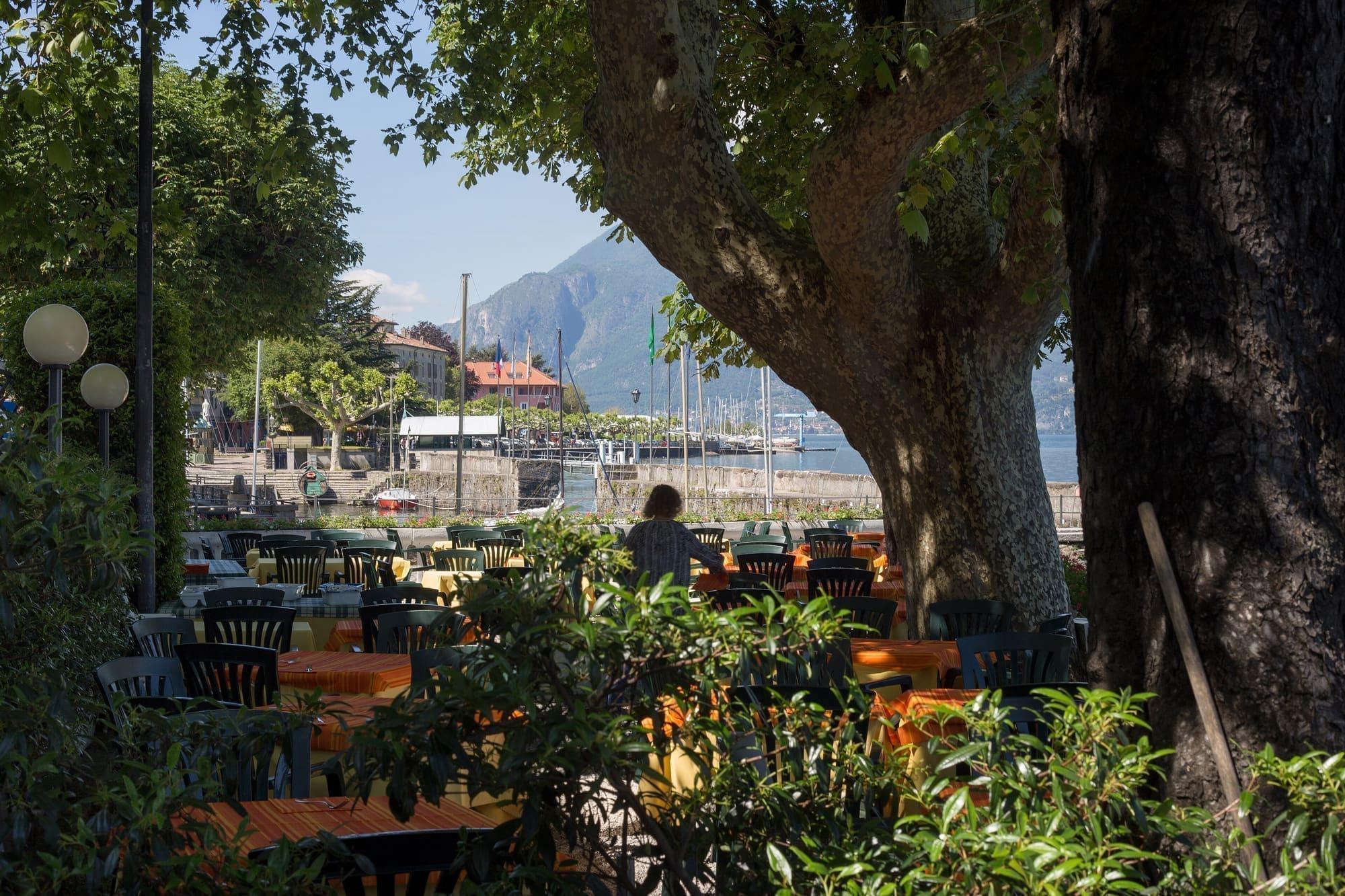
A table in the sun in Bellagio
Places near the shore with outdoor seating, with today's estimated first and last sun at the marked point. Those with the latest sun come first. Clouds and shade from buildings, trees or awnings can change the light on the tables; check opening hours with the venue.
- Salita Serbellonirestaurant08:38–16:47
- Piazza Giuseppe Mazzinicafé08:14–16:46
- Salita Mellarestaurant08:31–16:46
The highest summit in view from here is Monte Galleggione, 3107 m, 46 kilometres away.
- Pizzo Cavregasco, 2535 m, 28 km
- Pizzo Ledù, 2505 m, 28 km
- Sasso Canale, 2411 m, 27 km
- Monte Galleggione, 3107 m, 46 km
- Monte Legnoncino, 1711 m, 14 km
- Corno di Canzo Occidentale, 1373 m, 15 km
- Monte Castel di Leves, 966 m, 9 km
- Monte Ponciv, 1452 m, 8 km
- Cima del Costone, 1611 m, 9 km
- Costa San Primo - Cima di Mezzo, 1541 m, 9 km
- Costa San Primo - Cima Nord, 1492 m, 9 km
- Monte Colmenacco, 1281 m, 10 km
- Monte di Binate, 1271 m, 15 km
- Sasso Gordona, 1410 m, 16 km
- Monte San Zeno, 1025 m, 15 km
- Monte Generoso, 1701 m, 20 km
- Monte Pasquella, 1331 m, 12 km
- Cima della Duaria, 1446 m, 9 km
- Monte di Tremezzo, 1699 m, 6 km
- Monte Crocione, 1641 m, 6 km
- Il Dossone, 903 m, 4 km
- Sasso San Martino, 862 m, 4 km
- Monte Pidaggia, 1528 m, 11 km
- Mottone della Tappa, 2130 m, 20 km
- Pizzo di Gino, 2245 m, 18 km
- Monte Grona, 1736 m, 9 km
- Monte Bregagnino, 1905 m, 11 km
- Pizzo Campanile, 2459 m, 27 km
The ochre line follows today's sun path and marks the estimated times of its first and last appearance above the mountains. Drag the panorama to see all of it.
How it is drawn
Paler ridges are farther away; heights are stretched two and a half times. Houses are not drawn, nor are trees within half a kilometre. Terrain © Regione Lombardia (CC BY 4.0); summits © OpenStreetMap contributors.
Official bathing sites nearby, with their water quality classifications.
- Punta Spartivento0.6 kmExcellent · for 11 seasons · in July, sun estimated until 19:40 at the marked point3D — see from the beach at Punta Spartivento where the sun goes
- Rivetto1.5 kmExcellent · for 11 seasons · in July, sun estimated until 19:47 at the marked point3D — see from the beach at Rivetto where the sun goes
Where do you park in Bellagio?
Car access to the Borgo, Loppia and Pescallo is controlled by restricted traffic zones. Choose a car park before reaching the centre and check the signs at the entry points. If your accommodation is within a restricted zone, arrange any access permit with it. You can also reach the village by boat or ferry.
What to see in Bellagio in half a day?
The gardens of Villa Melzi, level along the shore; Punta Spartivento, ten minutes from the centre, where the lake divides; the village's stairways and the basilica of San Giacomo. With an extra hour, Pescallo on the other side of the promontory. For a whole day there is the itinerary “Bellagio in a day, on foot”.
On the map
What is around, and how far.
© OpenStreetMap contributors · ODbL
Nearby
Typical door-to-door times.
Varenna
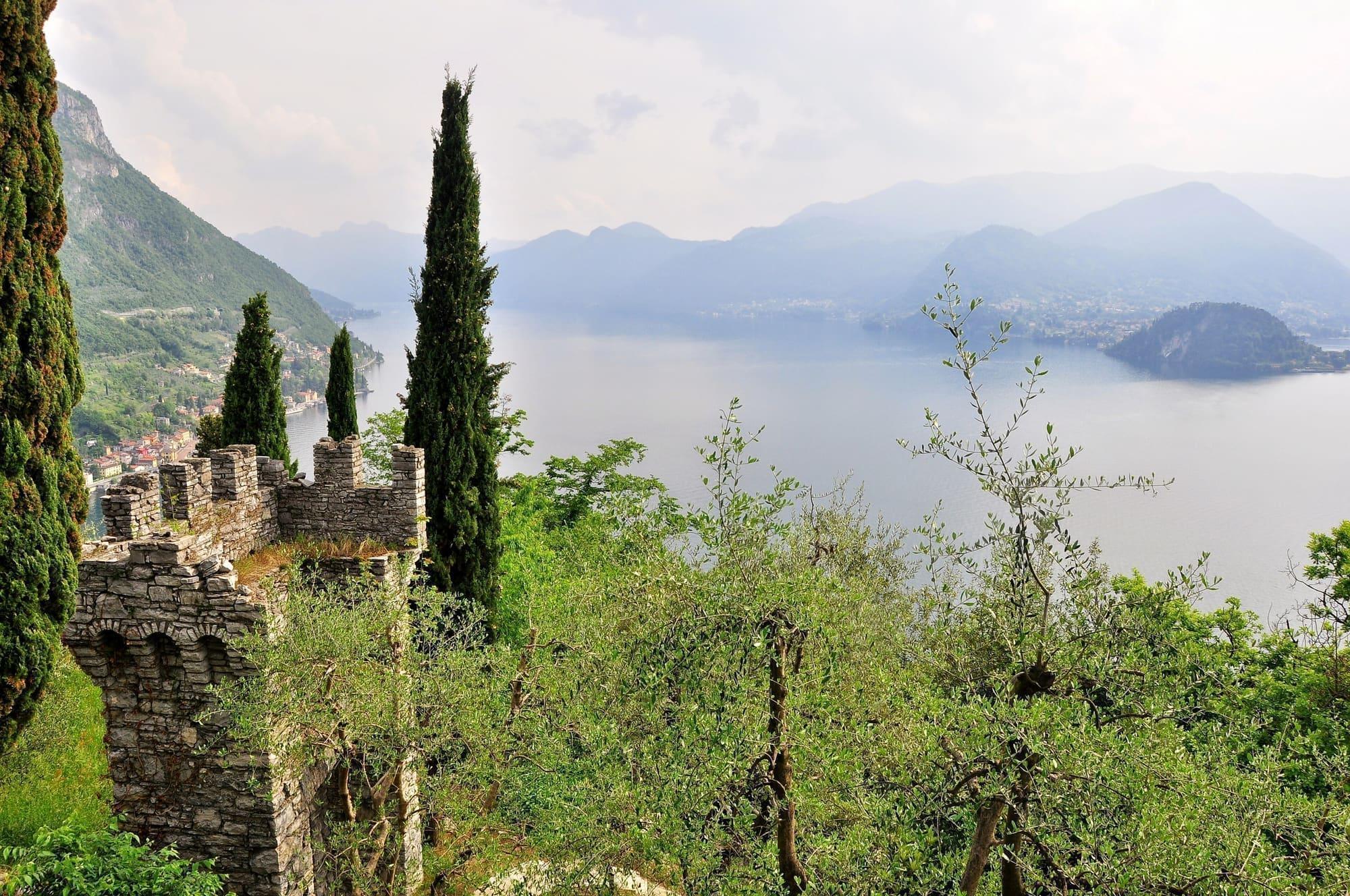
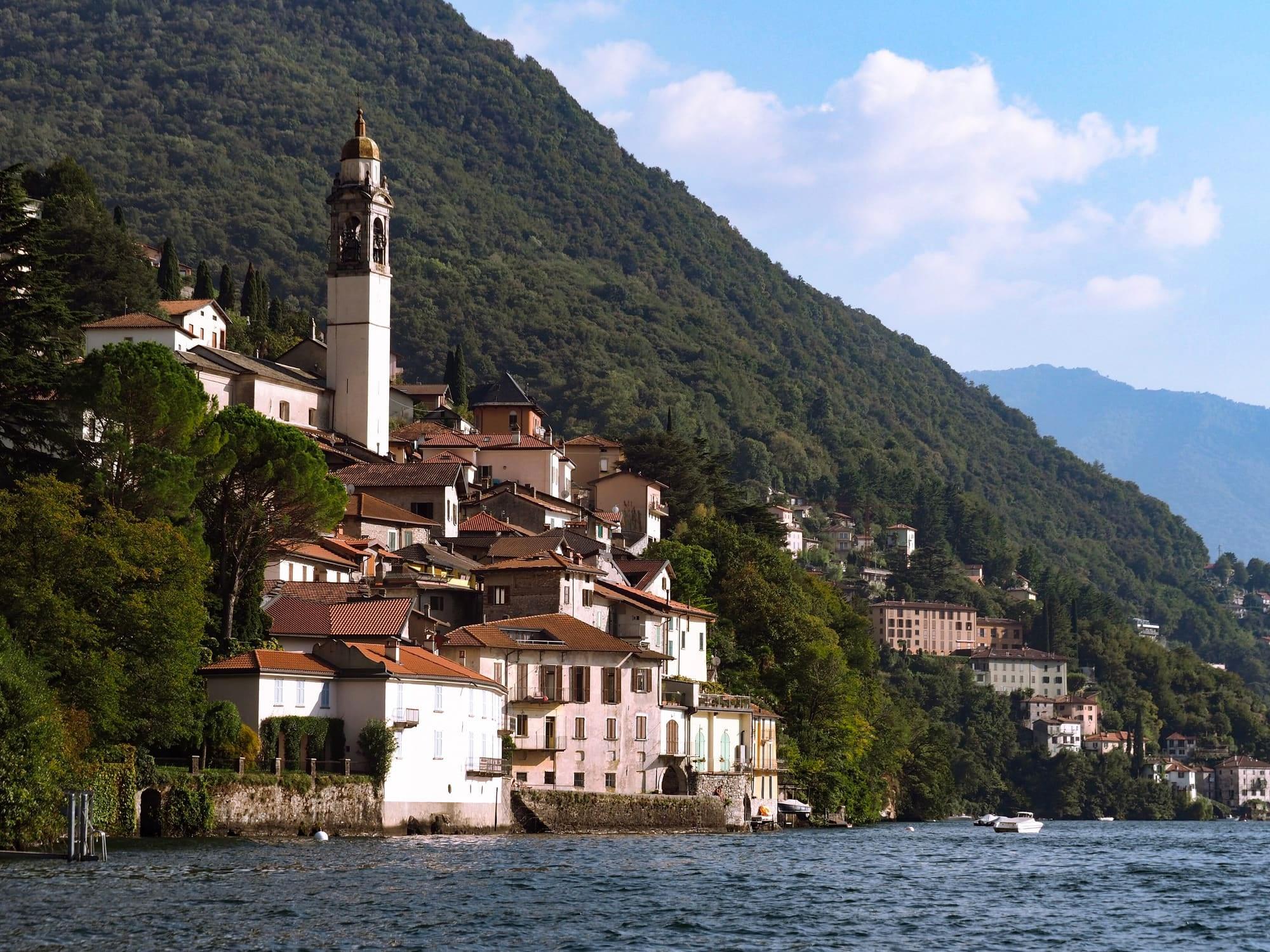
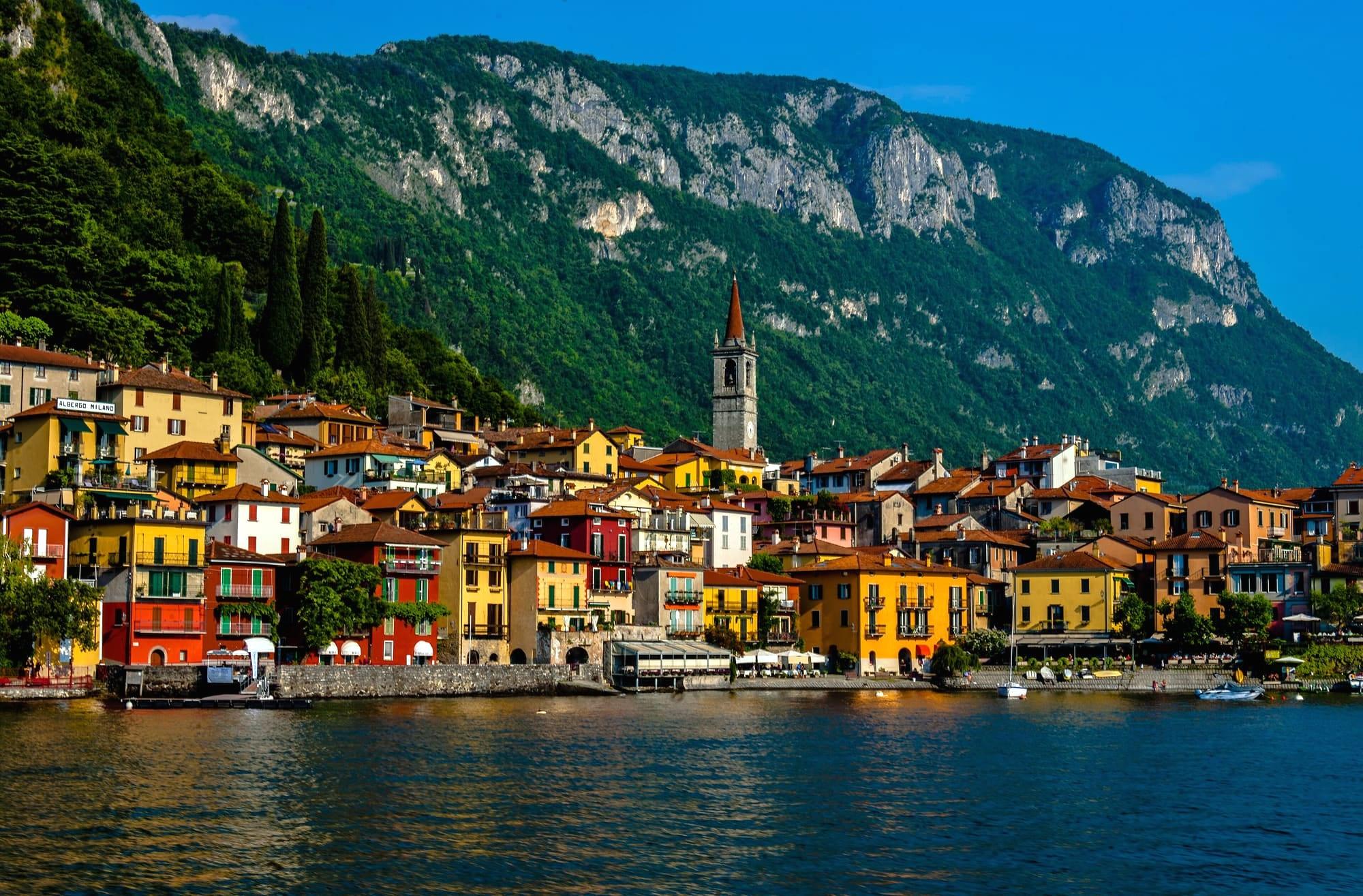
Ochre houses on the water, two botanical gardens on the shore and Vezio castle above the village. In winter the timetable thins out: fewer runs and a much earlier last departure.
15 min
Menaggio
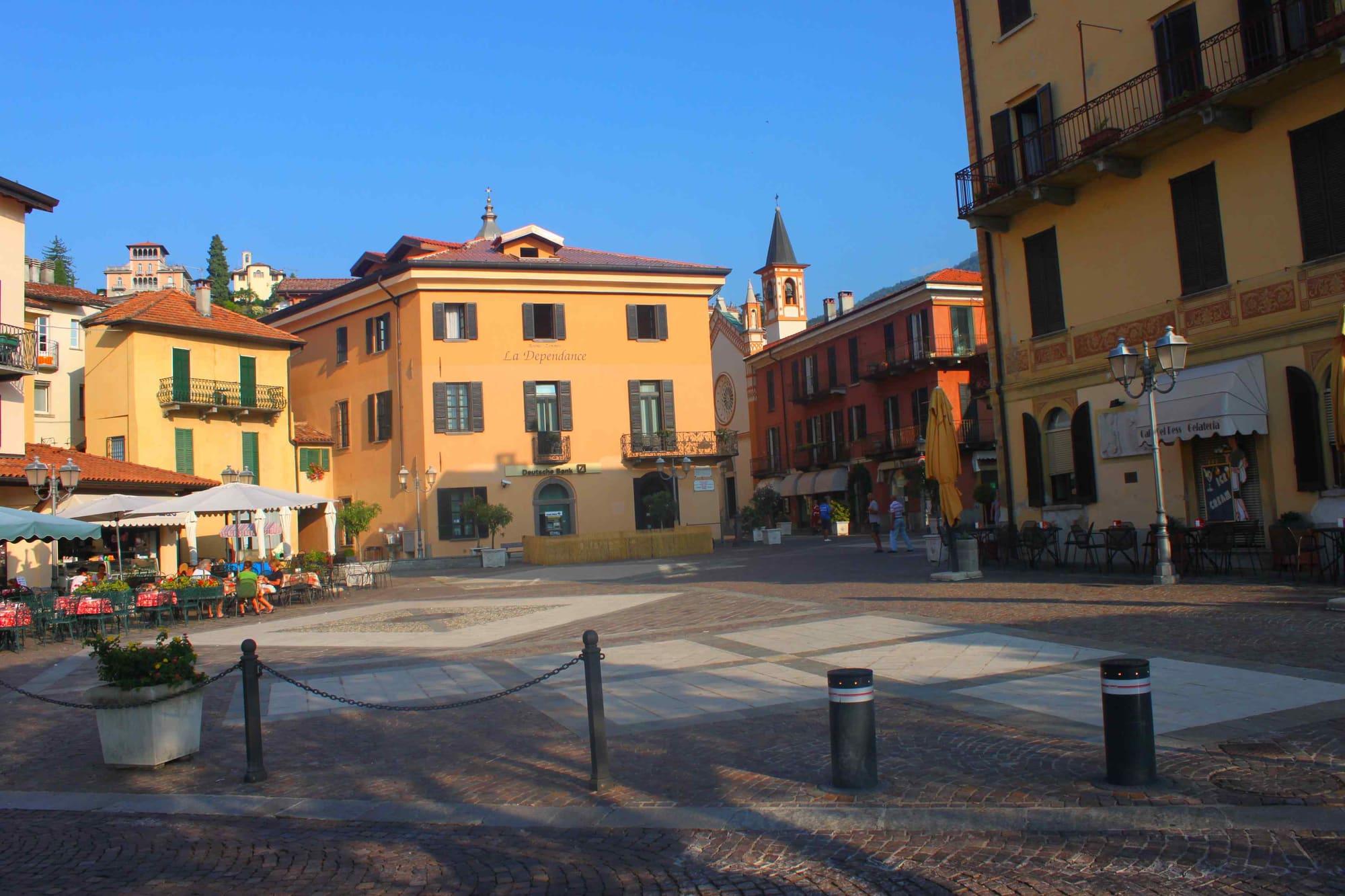
In the middle of the lake, between the ferry, the Regina road and the bus to Lugano. In winter the timetable thins out: fewer runs and a much earlier last departure.
15 min
Tremezzina
Four villages in a row on the lake's western shore, facing Bellagio. In winter the timetable thins out: fewer runs and a much earlier last departure.
12 min
Sources and credits
- Maps, parking, services and distances: © OpenStreetMap contributors (ODbL).
- Freely licensed photographs: authors and licences under Photograph credits.
Sources and credits
- Maps, parking, services and distances: © OpenStreetMap contributors (ODbL).
- Freely licensed photographs: authors and licences under Photograph credits.