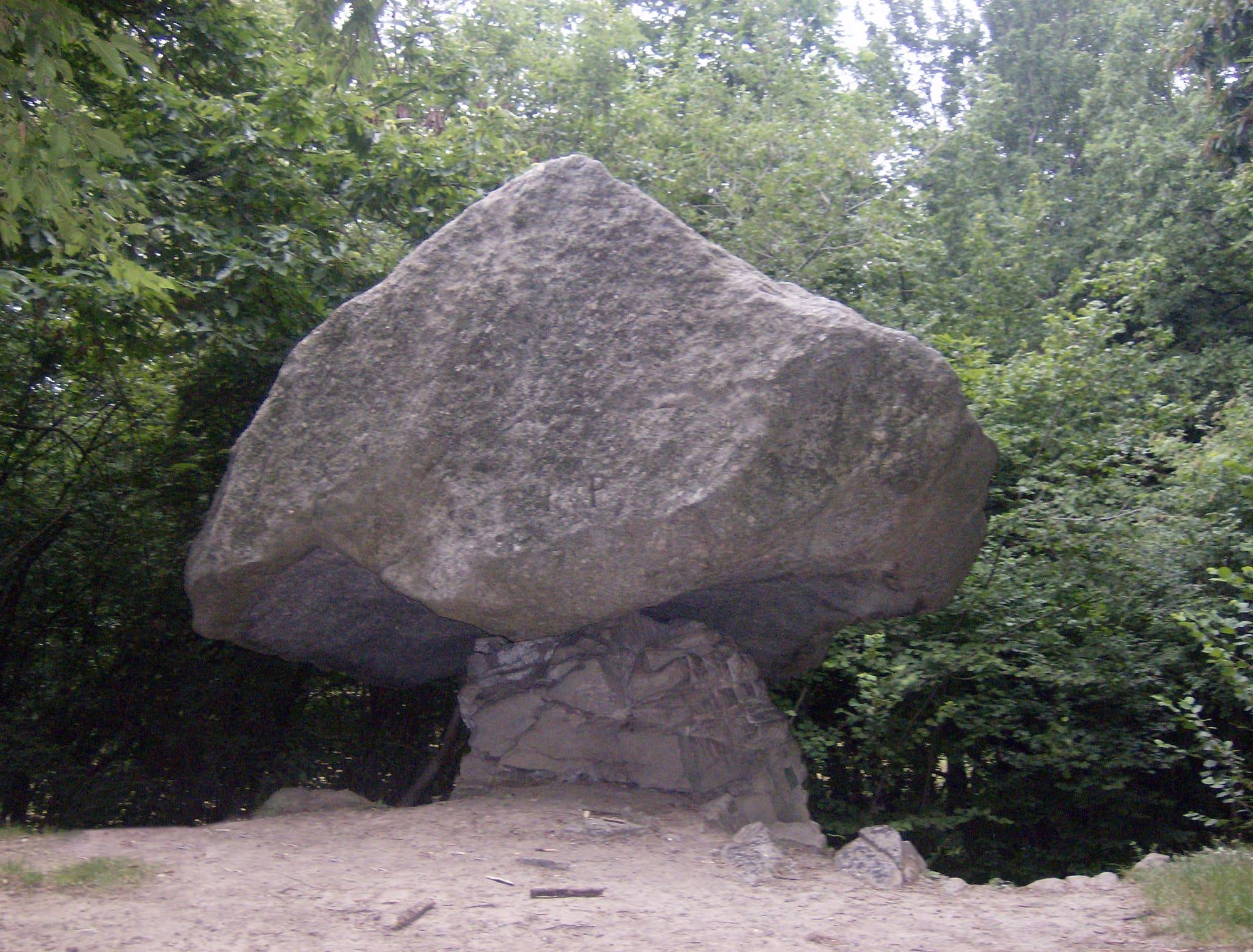
Pietra Pendula
A granite erratic balanced on a stem of rock, in the woods above Torno.
2 h – 3 h
First Basin
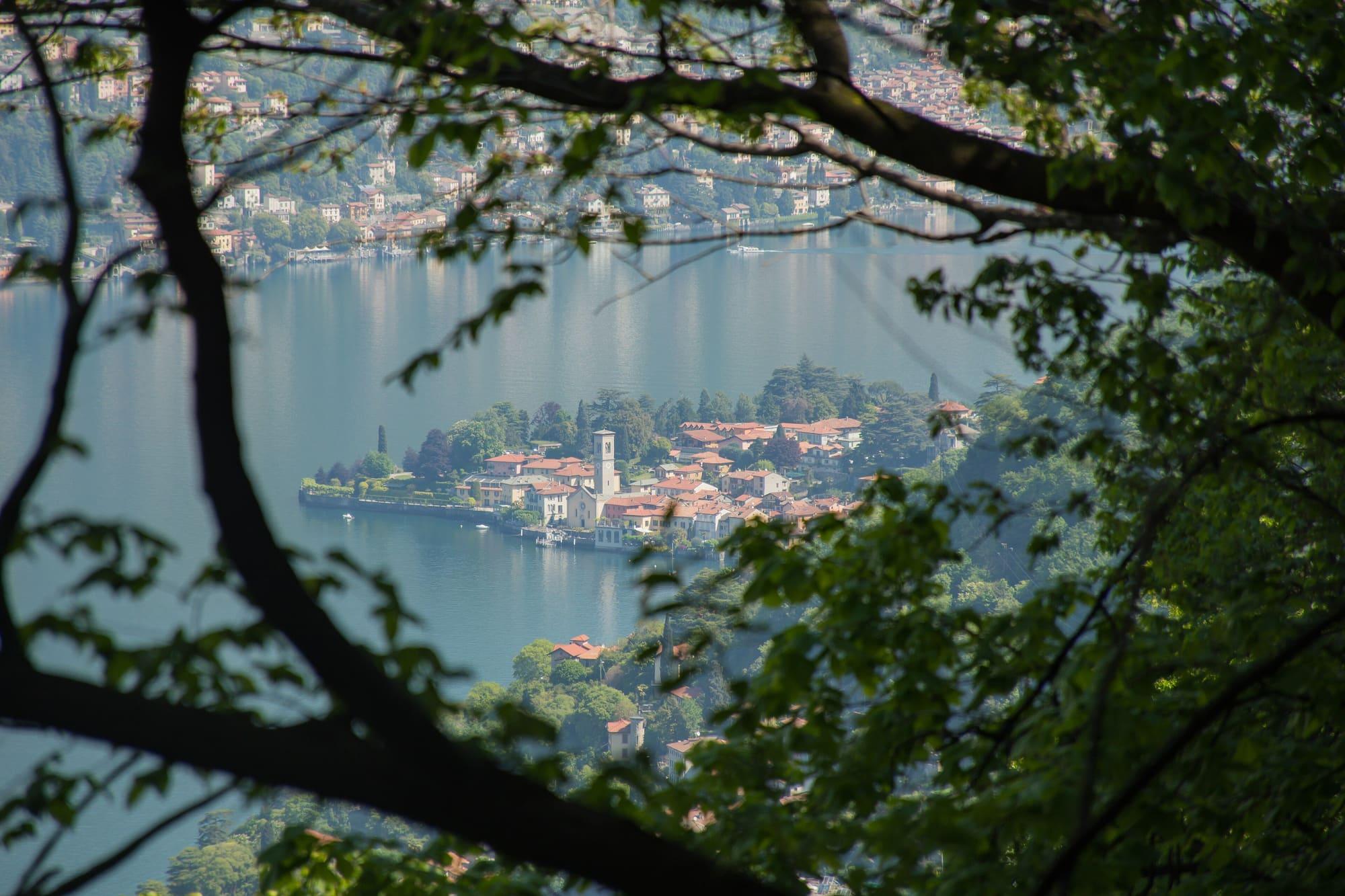
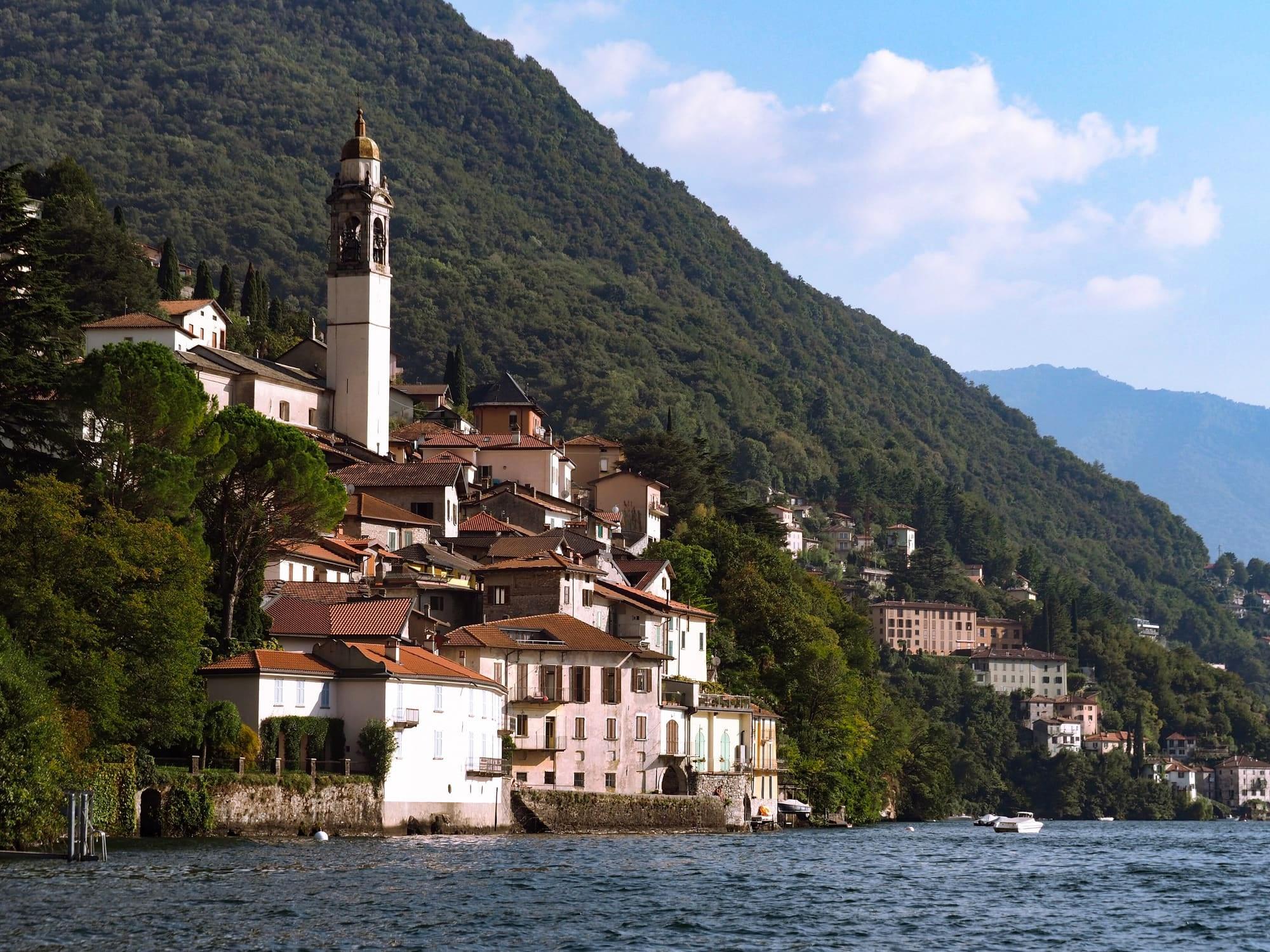
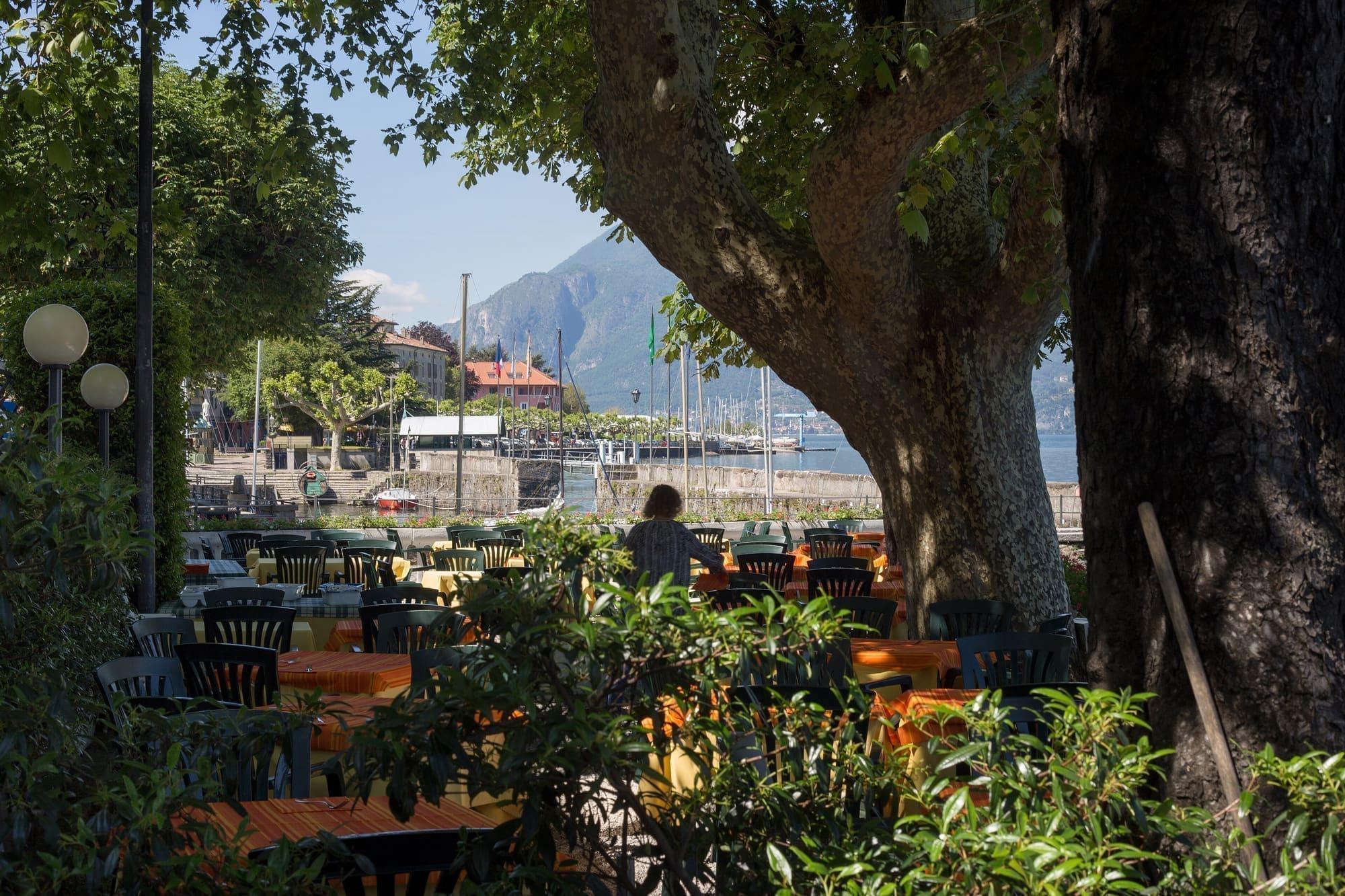
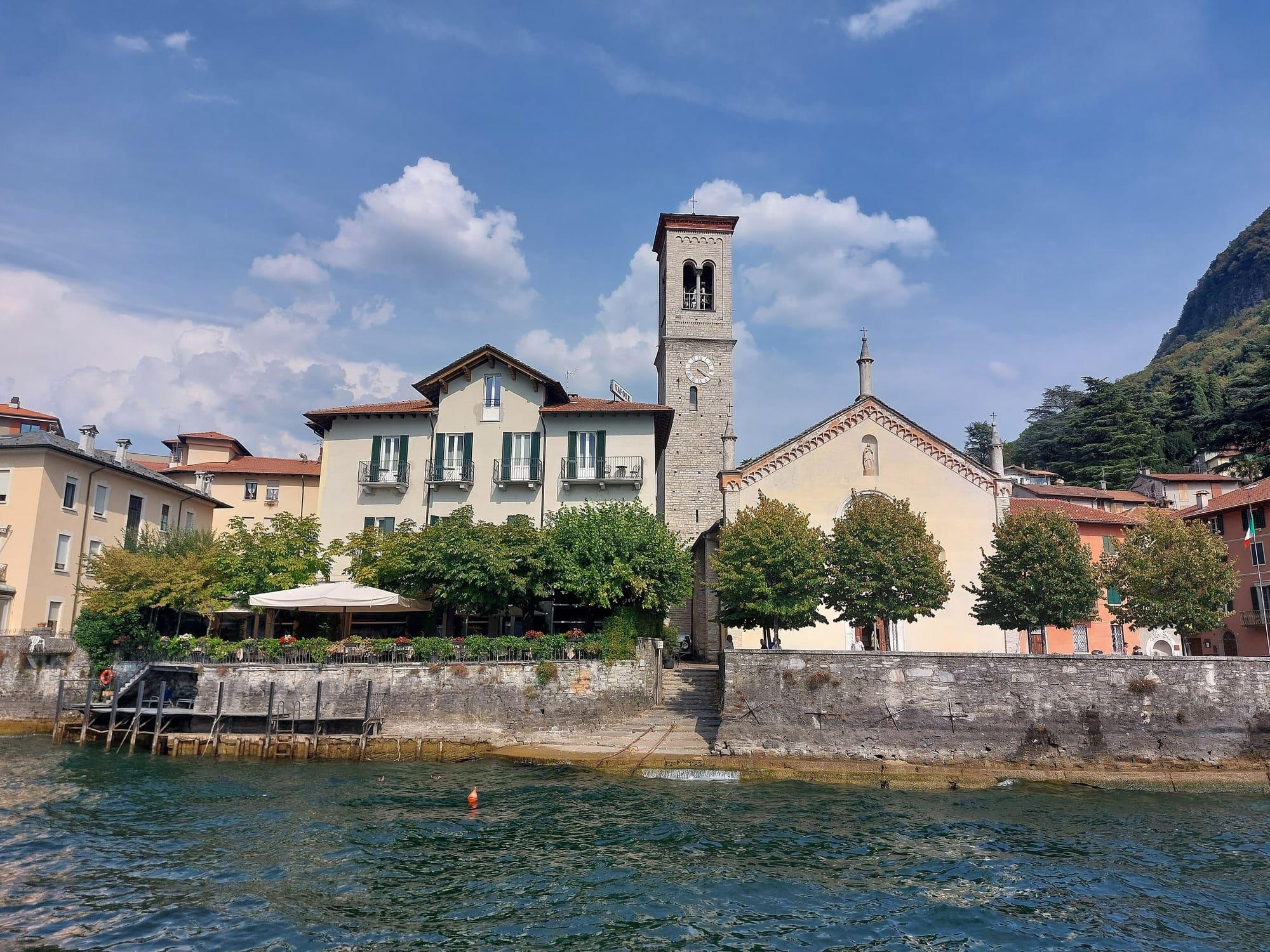
Two small harbours, the church of San Giovanni with its Romanesque bell tower, and Villa Pliniana just outside the village.
Half an hour by boat from Como, Torno is a village of staircases and archways, with two tiny harbours and the church of San Giovanni with its Renaissance doorway.
People swim from the rocks and platforms along the shore.
Half an hour by boat from Como, Torno is a village of staircases and archways, with two tiny harbours and the church of San Giovanni with its Renaissance doorway.
People swim from the rocks and platforms along the shore.
Torno lies on the eastern shore of the first basin, between Blevio and Faggeto Lario. The boat ties up at the harbour square, beside Santa Tecla, the parish church. The village is steep: you go up and down by staircases and alleys between the houses, and the two small harbours are a few minutes' walk apart.
Half an hour is enough to see Torno on foot. The church of San Giovanni, with its marble doorway, stands in the upper part of the village. Mule tracks climb from the village to Montepiatto and to Piazzaga. To the north, along the shore, are Villa Plinianina and, a little further on, Villa Pliniana.
The area was inhabited before the Romans. Between the thirteenth and sixteenth centuries Torno was a centre of woollen cloth making and trade, helped by the Humiliati, and its population reached about five thousand. The town's growth fed a rivalry with Como.
In the Italian Wars Torno sided with France, while Como stood with the Sforza and Spain. On 7 September 1515 Sforza and Swiss troops sacked the town, and on 11 June 1522 soldiers from Como and Spain destroyed it almost entirely. The wool trade came to an end and many inhabitants emigrated, first to the upper lake, the Lugano area and the Bergamo area, then, in the seventeenth century, mainly to France and Germany. In the eighteenth and nineteenth centuries new villas went up along the shore.
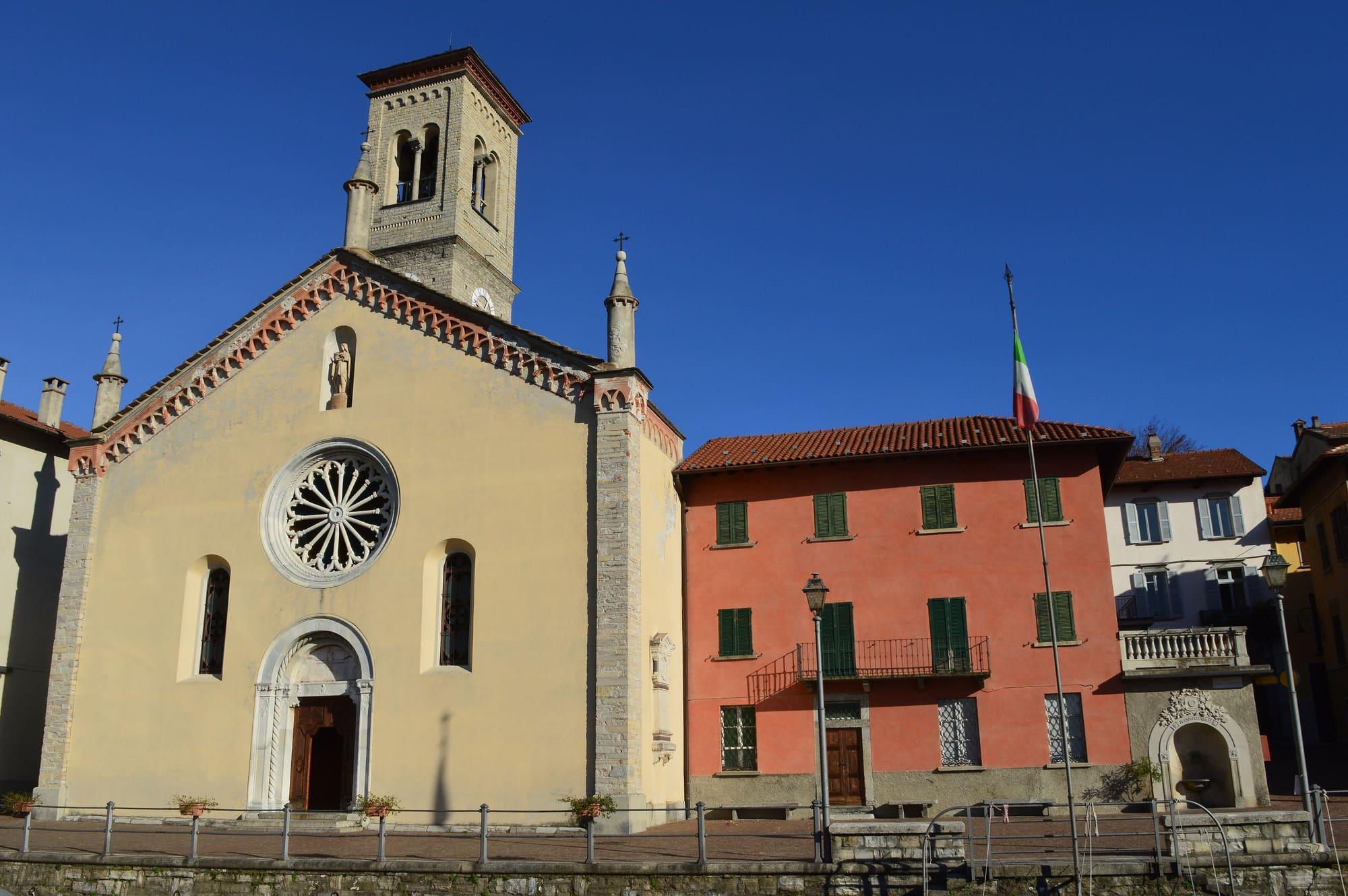
Santa Tecla, the parish church, is documented from 1208 and was rebuilt in the seventeenth century; the bell tower dates from 1893. The doorway, dated 1480, has two twisted columns. Inside are the remains of a Passion painted in fresco in 1502 by Bartolomeo de Benzi, a painter from Torno, and a group of early sixteenth-century wooden statues around the dead Christ.
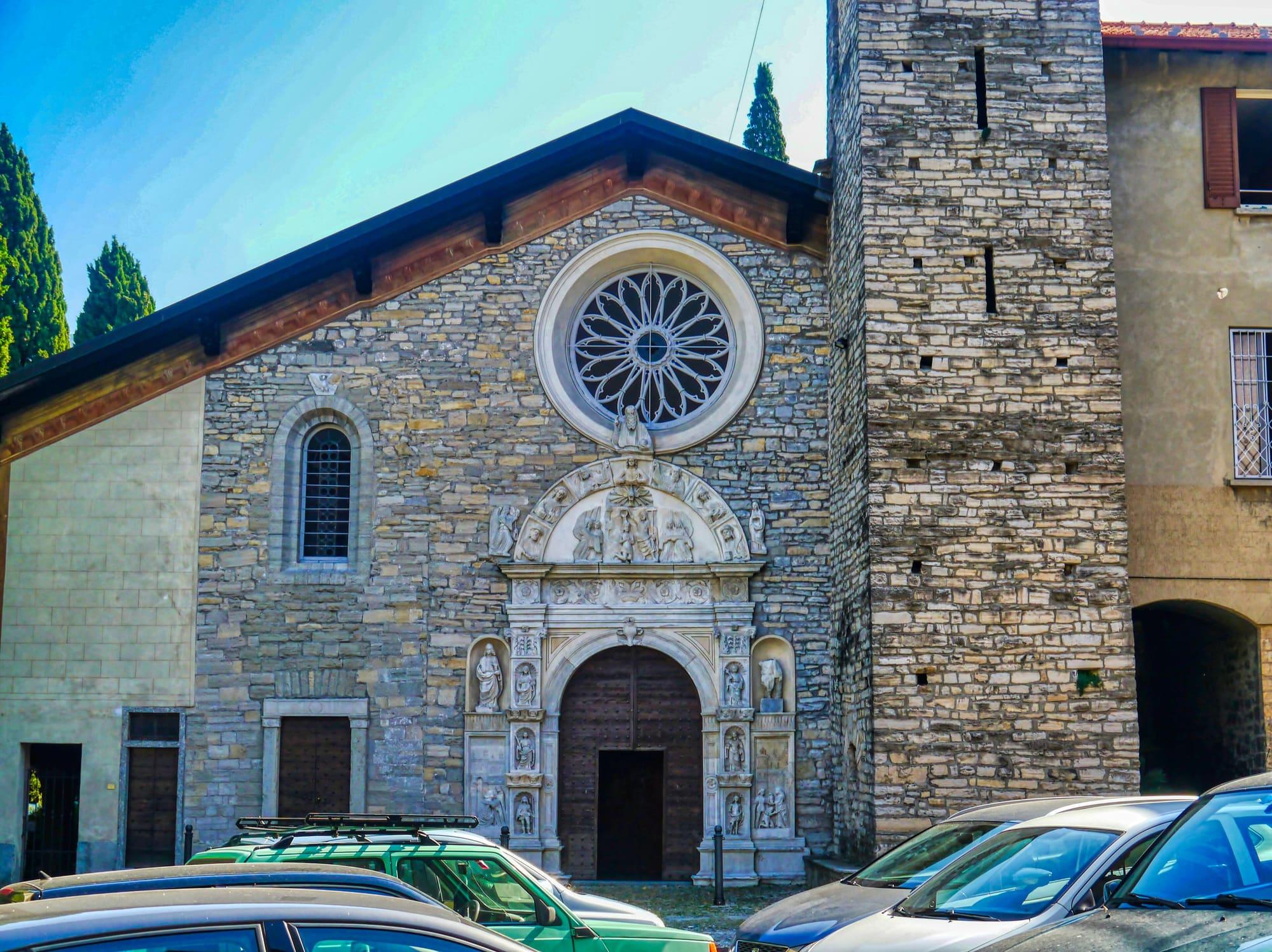
San Giovanni stands in the upper part of the village, beside a large horse chestnut tree. This church too is documented from 1208; the present building comes from a late fifteenth-century reconstruction, and the bell tower survives from the Romanesque church. The marble doorway, attributed to the Rodari workshop, is crowded with figures: saints, prophets, sibyls and the Baptism of Christ. By tradition the church has kept since 1099 a nail from the Cross, left by a German archbishop returning from the First Crusade.
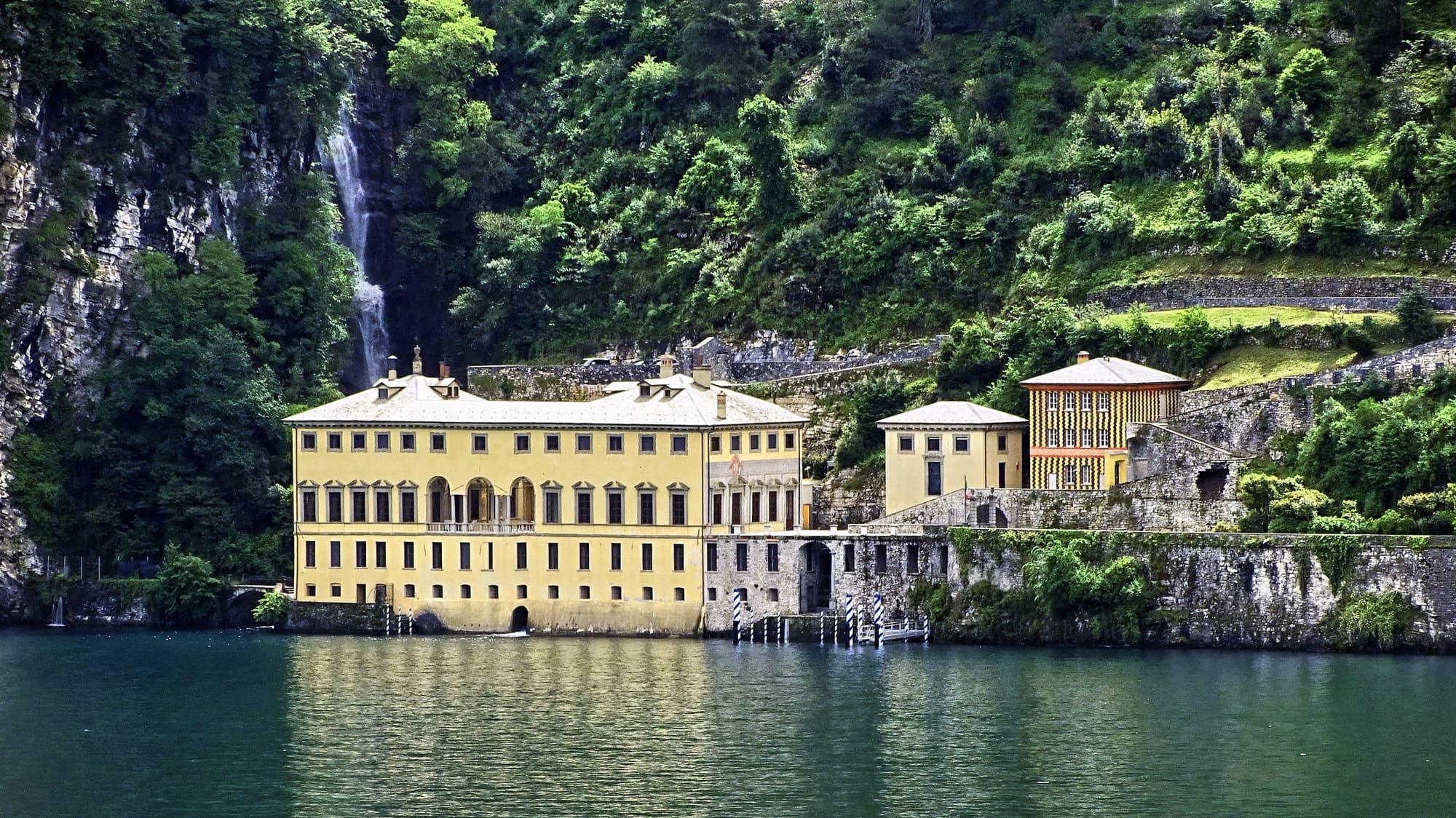
Villa Pliniana stands just north of the village, below a cliff, beside an intermittent spring that rises and falls several times a day. Pliny the Younger described the spring in the first century, and Leonardo da Vinci studied it in his notebooks. The villa was built from 1573 for Count Giovanni Anguissola. Shelley tried to rent it in 1818, and tradition counts Napoleon, Byron, Stendhal and Rossini among its guests. It is private and cannot be visited: you see it from the lake.
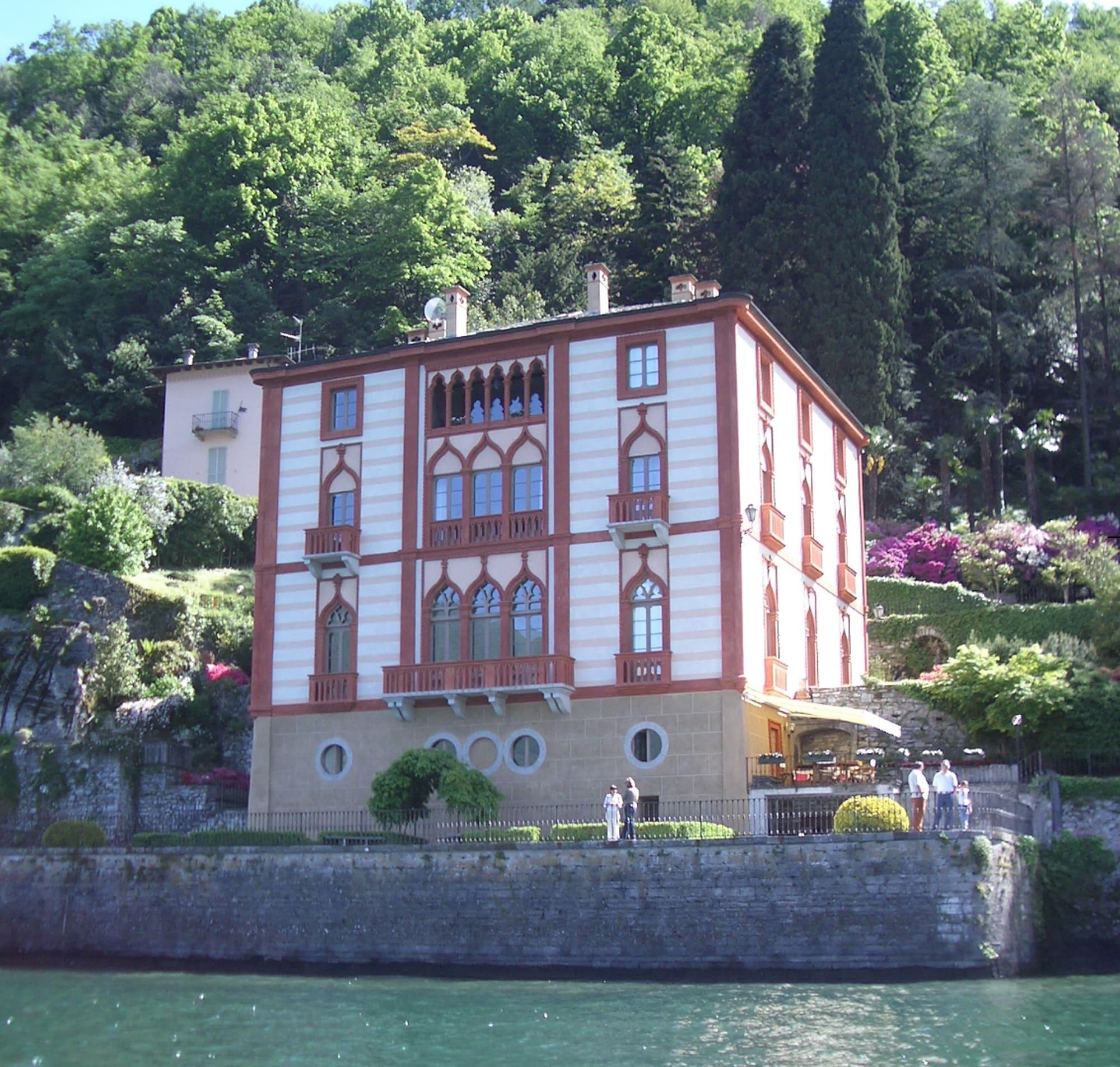
Between the Pliniana and the village is Villa Plinianina, built from 1855 for the railway engineer Canzio Canzi on the model of the Gothic palaces of Venice, with pink and grey bands. Villa Taverna, on Via Roma, was built in 1787 by the Tanzi counts of Milan; in 1835 it passed to the Taverna counts and later to the Borromeo princes. Its English-style park of about four hectares drops sheer to the lake. These two villas are private as well.
The Strada Regia passes through Torno: the mule track by which people went from Como to Bellagio before there was a road along the shore. The stage from Brunate ends at Torno and the next one leaves for Nesso, so walkers can drop down to the boat instead of turning back.
From the village a stepped mule track climbs to Montepiatto, where the church of Santa Elisabetta stands at about 600 metres; in the sixteenth century a convent of nuns stood beside it. In the woods nearby is the Pietra Pendula, a granite erratic boulder balanced on a narrow pedestal of limestone and a natural monument since 1984. From Montepiatto you carry on to Piazzaga and come down to Torno by another mule track, which passes under the Porta di Travaina, a stone arch protected since 1912. Close by are the massi avelli, tombs carved into large erratic boulders.
Lecco Branch
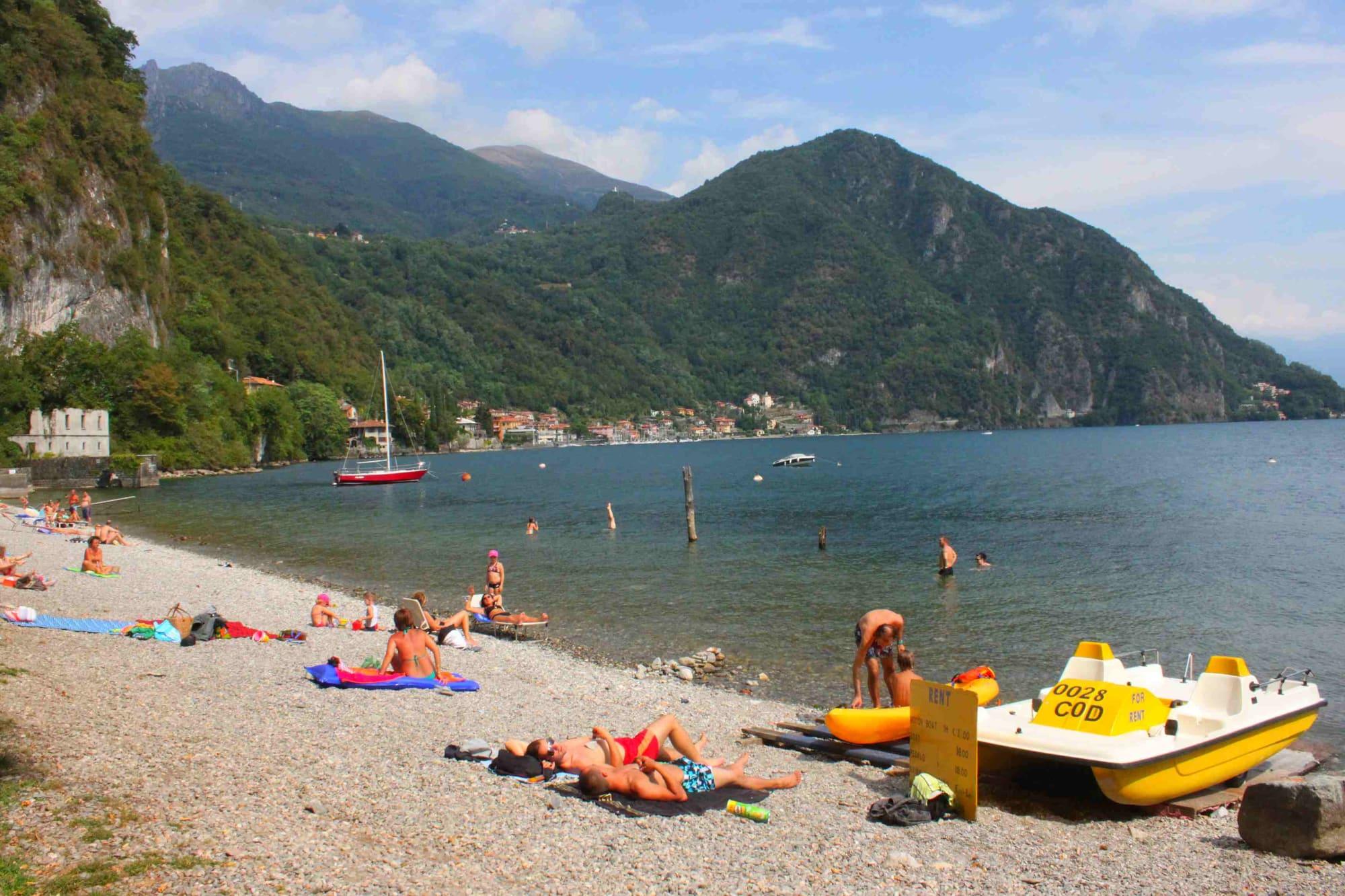
The monitored bathing spots, the class of their water and where you can get into the water from the shore.
3 h – 8 hOpen access
Centro Lago
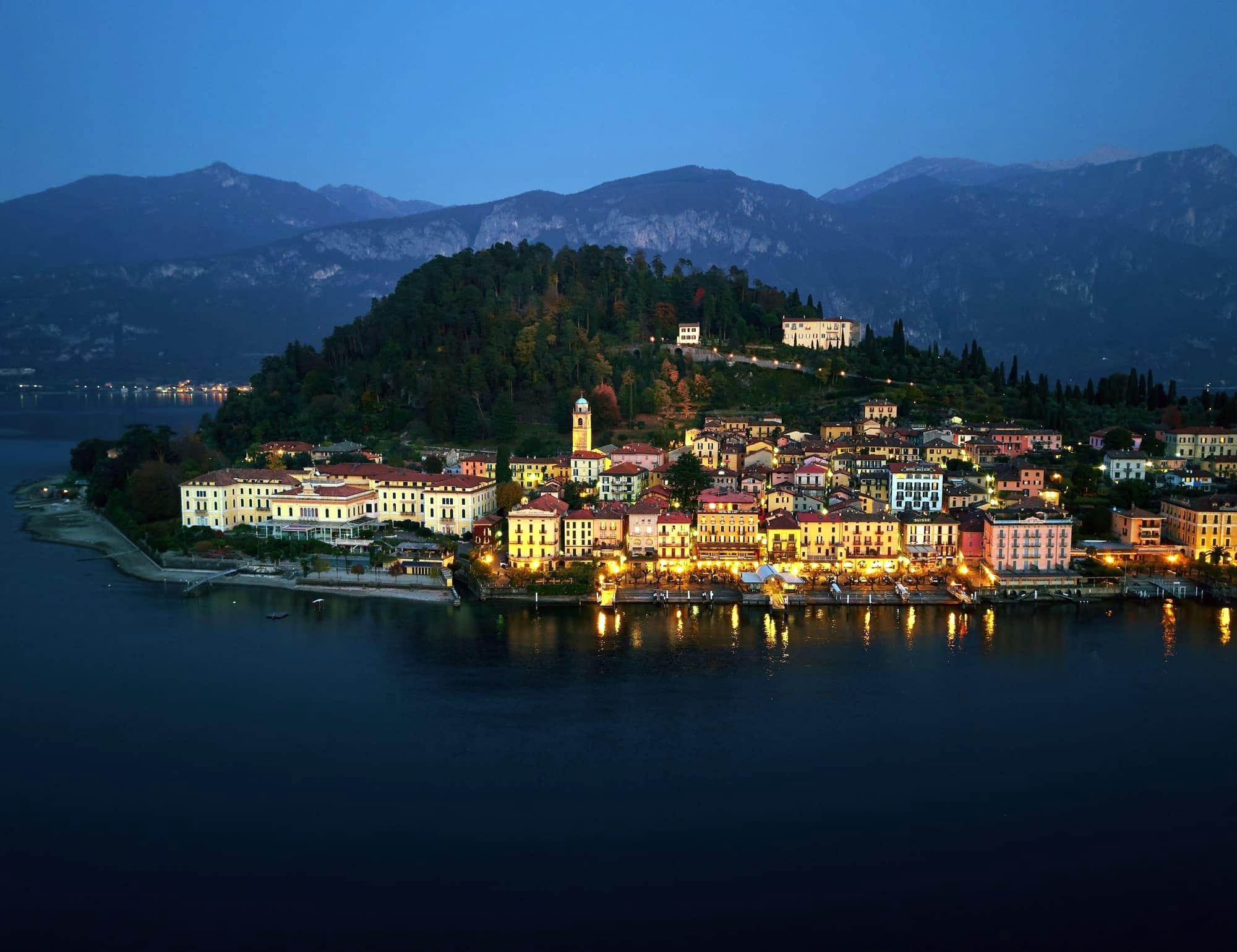
An hour by taxi boat before sunset, to see the villas of the central lake from the water.
1 h – 2 h
Centro Lago
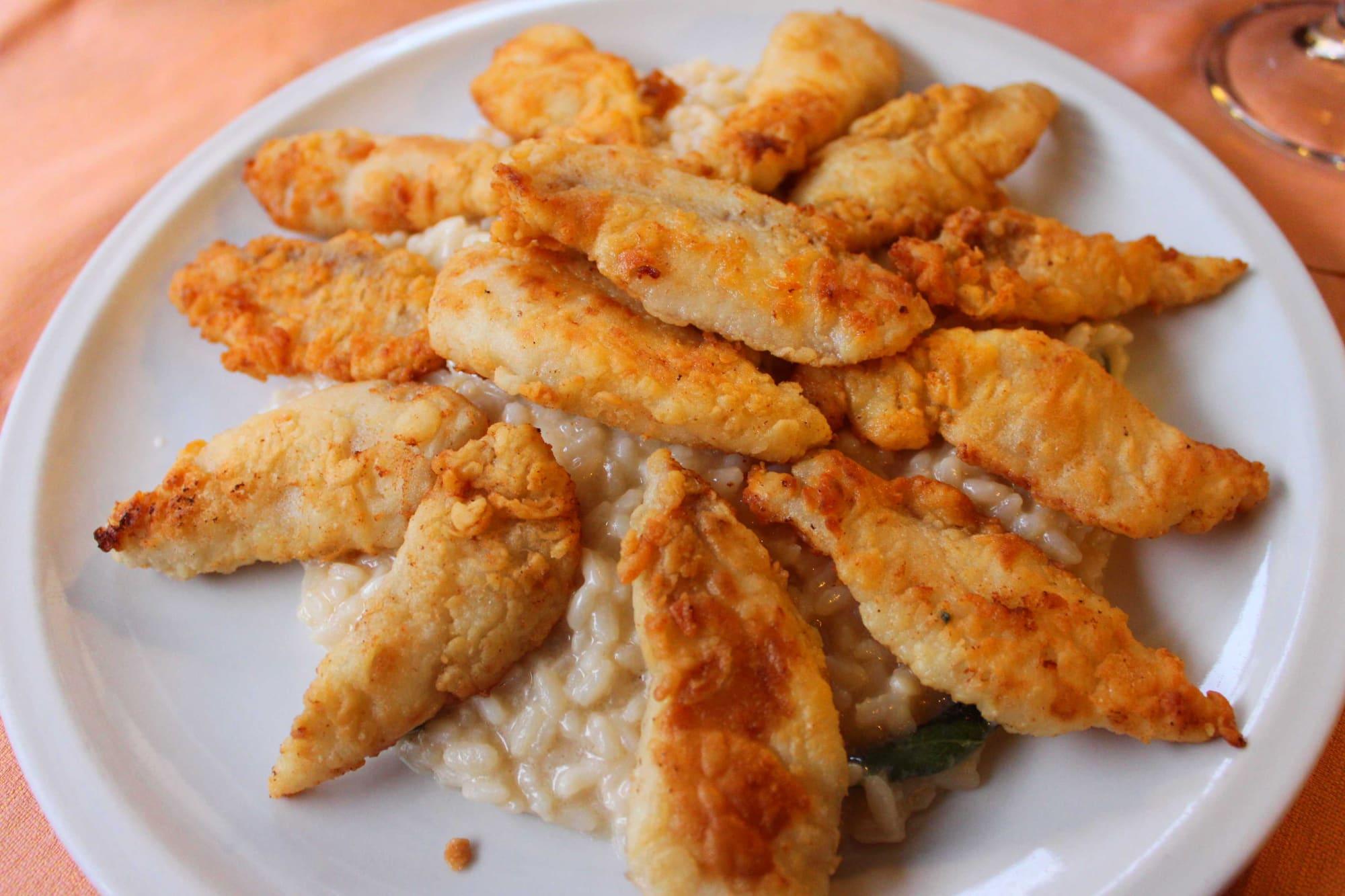
Missoltini with polenta, whitefish and perch: how the lake cooks its fish.
1 h 30 – 2 h 30
Centro Lago
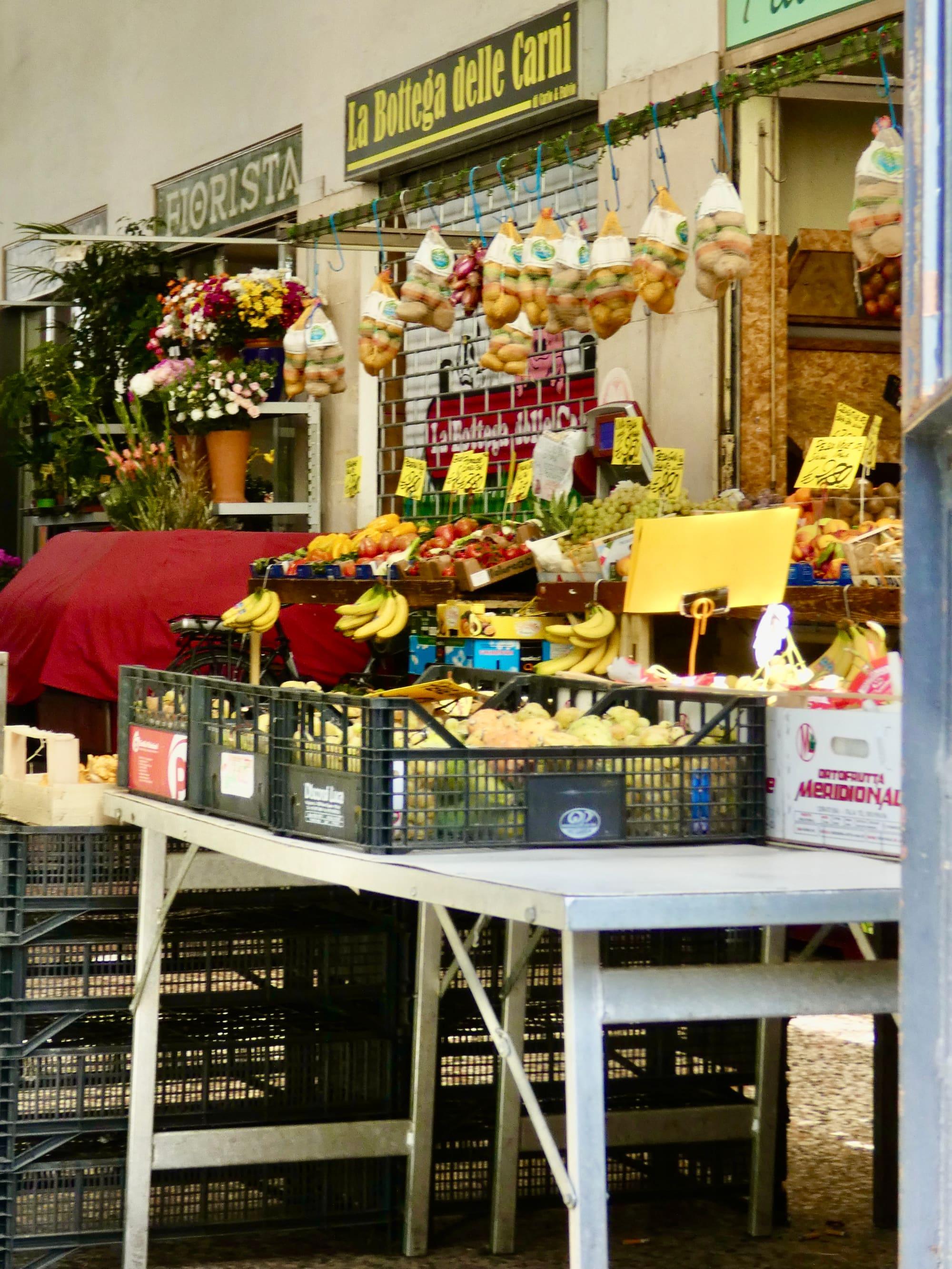
The weekly markets of Como, Lecco and the lake villages: days and squares.
1 h – 2 h 30Open access
How long it takes
Typical door-to-door times by public transport, changes included. From Milan, counted from Centrale station.
Parking and services
2 public toilets52 drinking fountains4 pharmacies2 cash machines3 charging points
Car parks and services on the map
Within two and a half kilometres of the centre; check car park spaces and fees on arrival.
Webcams
By boat, half an hour or a little more depending on the stops, and from the boat you see Villa Pliniana along the shore. Or by the C130 bus in twenty minutes. By car you come along the Lariana, which is narrow.
There is no real beach: you swim from the rocks and platforms along the lakeside walk, or use the small paid lido open in season.
Updated 22 October 2026
The mountains around the village hide the sun before astronomical sunset: sunrise and sunset are worked out on the village's own horizon.
Today, 1 November, estimated sunlight at the reference point: first at 10:50 and last at 16:50, giving 6 h 01 of direct sun, out of 10 h 06 of daylight.
Today the sun arrives between 10:17 and 11:43 and leaves between 16:41 and 16:59, depending on the street.
Watch the shadow reach Torno today
See from Torno where the sun goes, in 3D
The sun at an exact spot in Torno: your hotel, a beach, a street
The highest summit in view from here is Monte San Primo, 1682 m, 10 kilometres away.
The ochre line follows today's sun path and marks the estimated times of its first and last appearance above the mountains. Drag the panorama to see all of it.
No: it is a private residence used for stays and events, with no public visits. You see it from the water, passing by boat, or from the path northwards. The intermittent spring that made it famous, described by Pliny, is in its courtyard.
The market is on Fridays, except public holidays, in Piazza Tomaso Bianchi: a few stalls of food and household goods.
What is around, and how far.
© OpenStreetMap contributors · ODbL
Typical door-to-door times.