Stories from the lake
Lake timeline
Two thousand years of the lake in order of date: from the Roman road along the western shore to the first steamboat, from the fall of the Isola Comacina to the Olginate dam. Each date leads to the story that tells it and to the place where it happened.
- Dates
- 82
- Stories
- 27
- Periods
- 6
Only the dates from the story ‘The fall of the Isola Comacina'All dates
4dates
Middle Ages
6th century to 1449 · 3 dates
Sant'Eufemia on the Isola Comacina
Bishop Litigerius founds the canonry of Sant'Eufemia on the island, a basilica with a nave and two aisles, more than forty metres long. The walled island is the centre of the pieve, the parish district that gathers the churches of the western shore between the Camoggia valley and the Perlana stream.
1118–1127
The Ten Years' War between Como and Milan
The Isola Comacina and the lake's parish districts side with Milan against Como, and the lake becomes a battlefield. In 1124 the people of Como occupy and burn the island, but Milan wins the war: in August 1127 Como is taken and has to accept the demolition of the town, its churches excepted.
Como razes the Isola Comacina
Strong again with Frederick Barbarossa on its side, Como destroys the island down to its foundations and scatters its stones in the lake so that it cannot be rebuilt. The islanders flee to Varenna, where the quarter that takes them in is called Insula nova, the new island; in 1175 a decree of Barbarossa confirms the ban on rebuilding.
Twentieth century
1900–1999 · 1 date
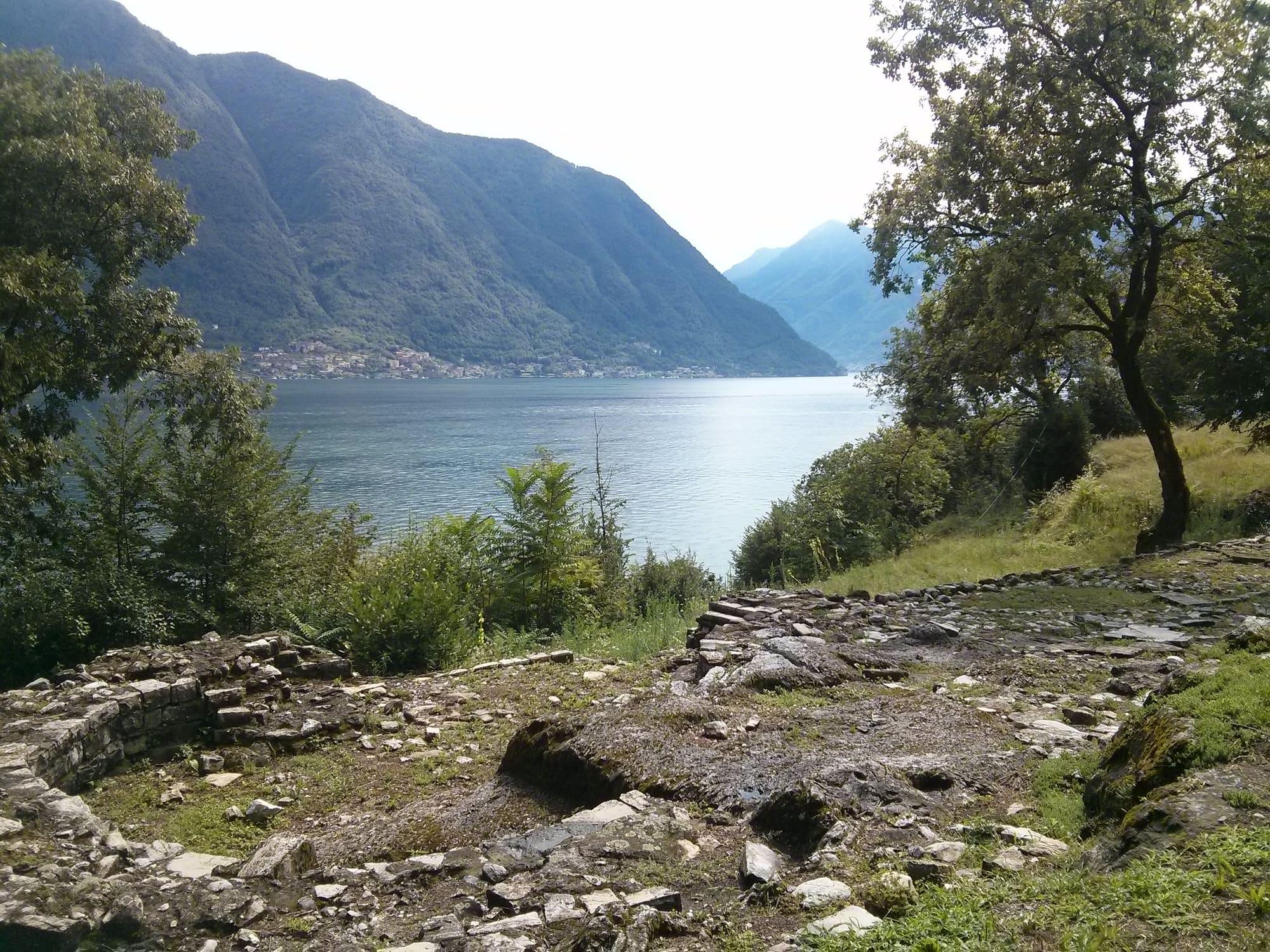
Excavations uncover Sant'Eufemia
Ugo Monneret de Villard begins digging on the Isola Comacina and finds, under five metres of rubble and earth, the basilica of Sant'Eufemia, until then unknown. Its destruction in 1169 had spared it the alterations of the centuries that followed.