Stories from the lake
Lake timeline
Two thousand years of the lake in order of date: from the Roman road along the western shore to the first steamboat, from the fall of the Isola Comacina to the Olginate dam. Each date leads to the story that tells it and to the place where it happened.
- Dates
- 82
- Stories
- 27
- Periods
- 6
29dates
Antiquity
To the 5th century · 1 date
5th century
A baptistery on the Isola Comacina
A hall for baptism, decorated with mosaics and frescoes, stands on the island. Its remains came to light in the twentieth-century excavations around the small church of San Giovanni.
Middle Ages
6th century to 1449 · 5 dates
Sant'Eufemia on the Isola Comacina
Bishop Litigerius founds the canonry of Sant'Eufemia on the island, a basilica with a nave and two aisles, more than forty metres long. The walled island is the centre of the pieve, the parish district that gathers the churches of the western shore between the Camoggia valley and the Perlana stream.
The first lands of the abbey of San Benedetto
Rainaldus, Bishop of Como, climbs into the Val Perlana to settle a quarrel between the men of Isola and those of Lenno over the church of San Benedetto. He obtains a gift of land and grazing rights: it is the oldest document of the abbey.
1118–1127
The Ten Years' War between Como and Milan
The Isola Comacina and the lake's parish districts side with Milan against Como, and the lake becomes a battlefield. In 1124 the people of Como occupy and burn the island, but Milan wins the war: in August 1127 Como is taken and has to accept the demolition of the town, its churches excepted.
The Cistercians at Acquafredda
Azzo, known as Pellegrino, gives the Cistercians of Morimondo land above Lenno for a monastery to keep the relics of Saints Agrippinus and Domenica, brought from the Isola Comacina. The name, ‘cold water', comes from a nearby spring; the church of Santa Maria dell'Uliveto is consecrated in 1193.
Como razes the Isola Comacina
Strong again with Frederick Barbarossa on its side, Como destroys the island down to its foundations and scatters its stones in the lake so that it cannot be rebuilt. The islanders flee to Varenna, where the quarter that takes them in is called Insula nova, the new island; in 1175 a decree of Barbarossa confirms the ban on rebuilding.
Renaissance and foreign rule
1450–1699 · 2 dates
c. 1490
Leonardo takes notes on the lake
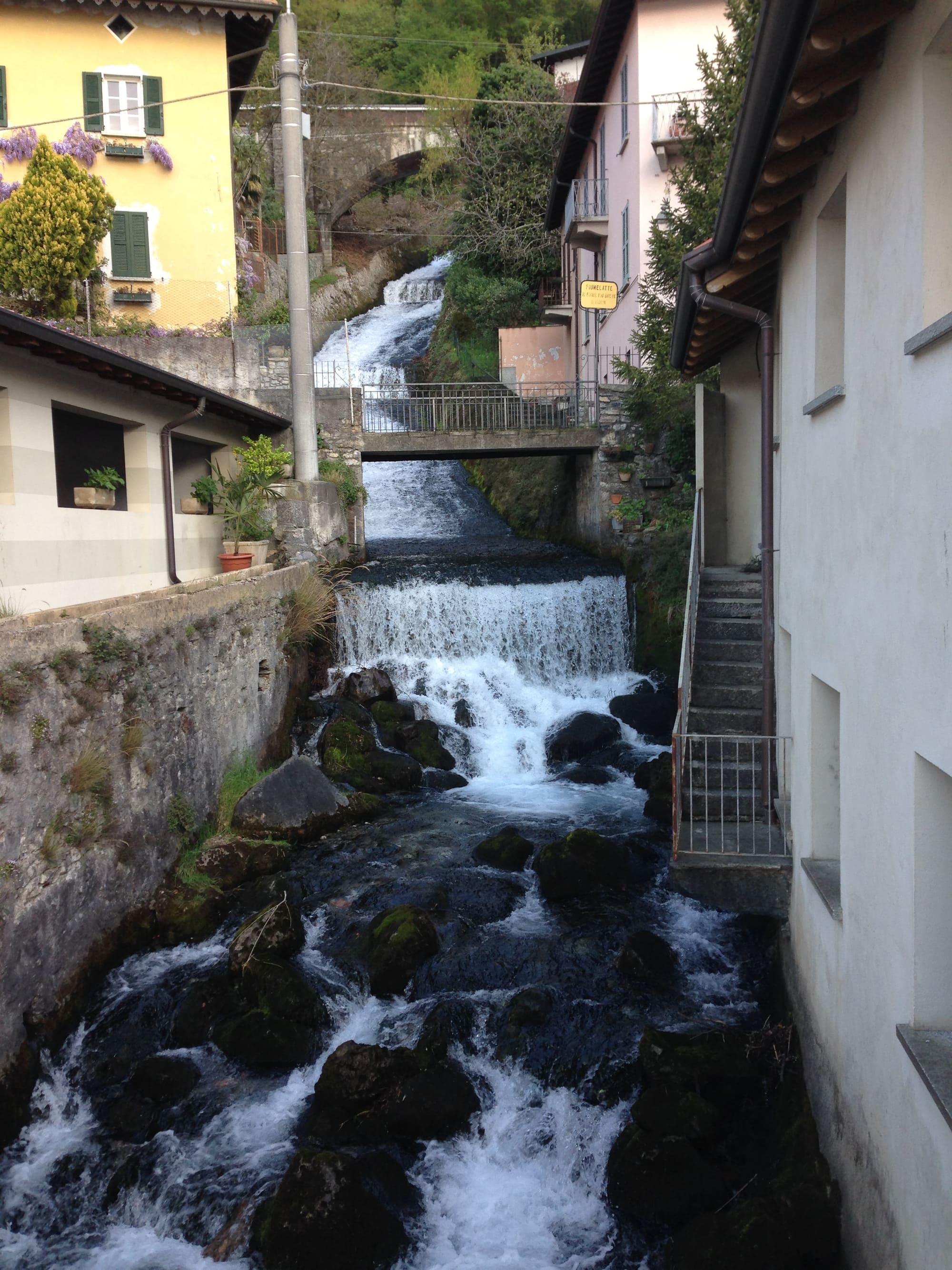
On a sheet of the Codex Atlanticus, Leonardo da Vinci lists the lake's valleys, rivers, waterfalls and mines, and advises making these trips in May. Of the Fiumelatte, which he calls Fiumelaccio, he writes that it falls sheer into the lake with an immense din and roar.
The convent at Varenna becomes a house
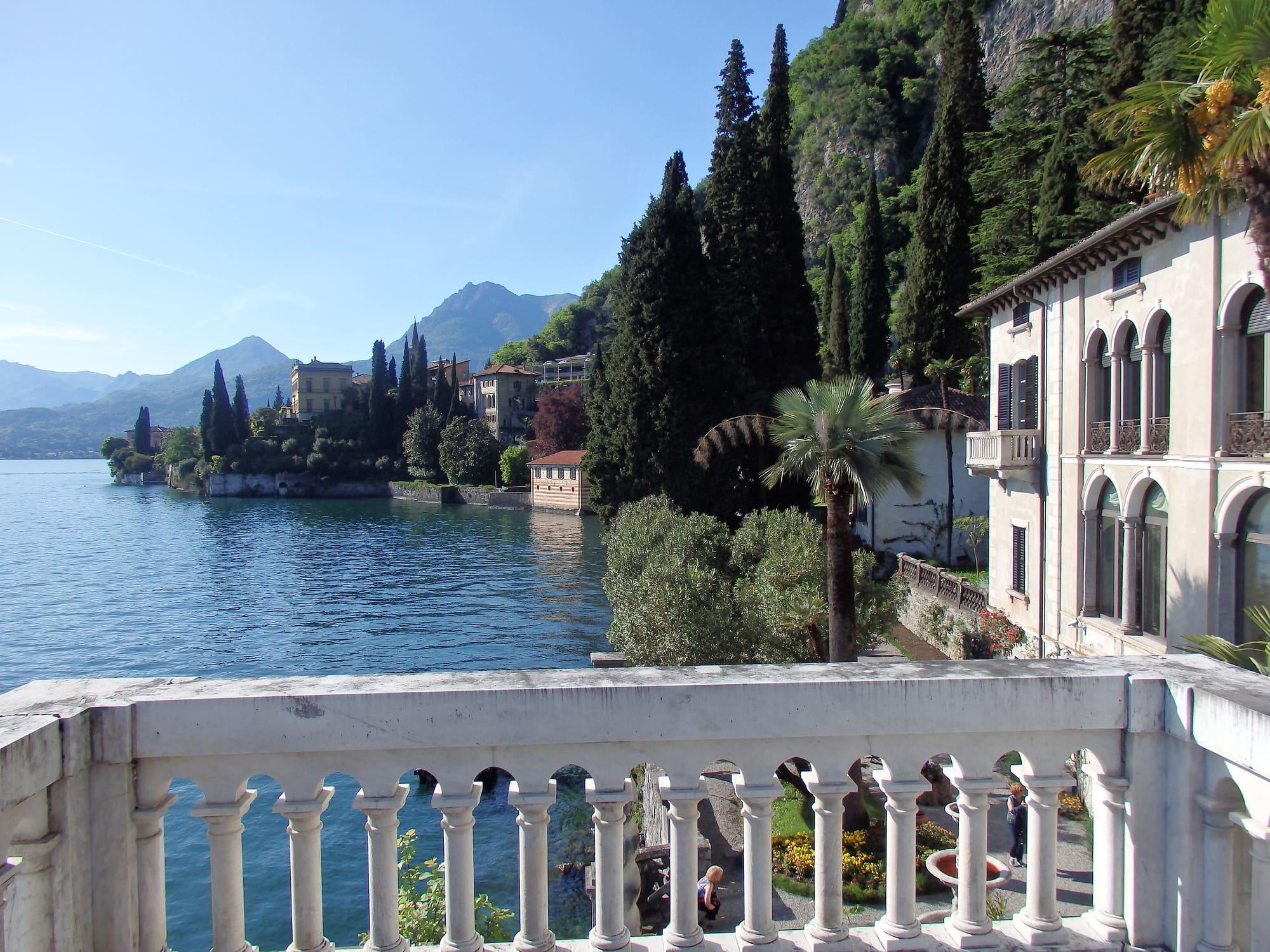
Carlo Borromeo, Archbishop of Milan, suppresses the Cistercian convent at Varenna, where too few nuns remain. In 1569 Paolo Mornico buys it and makes it a house: this is the origin of Villa Monastero.
Eighteenth century
1700–1799 · 1 date
Villa del Balbianello on the Lavedo point
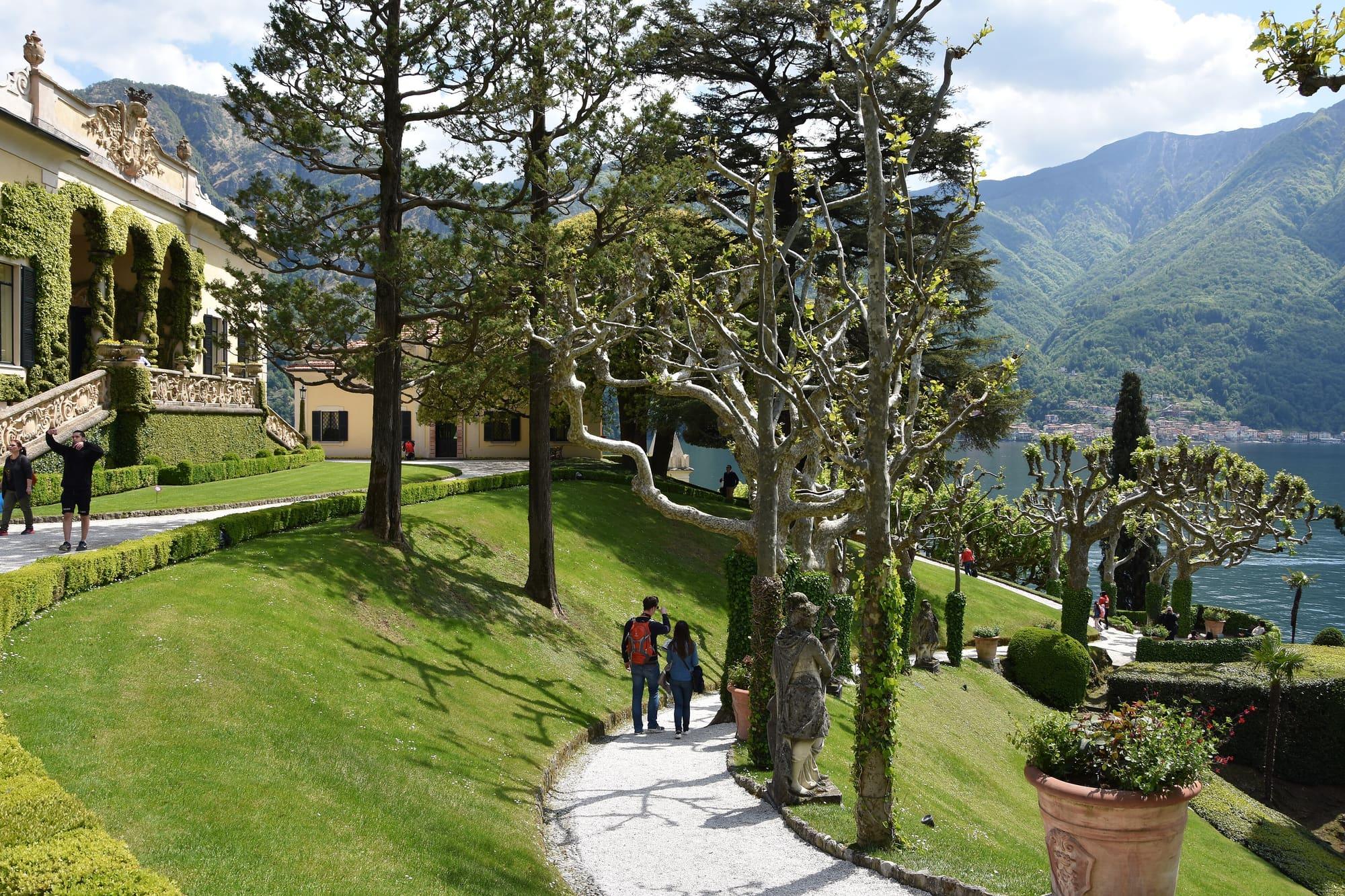
Villa del Balbianello is built on the remains of a Franciscan convent at the tip of the Dosso di Lavedo. As the Milanese aristocracy takes to summering on the lake, the shore fills with residences that face the water, because guests arrive by boat.
Place: Villa del BalbianelloStory: The villas and the microclimate
Nineteenth century
1800–1899 · 11 dates
1808–1810
Villa Melzi at Bellagio
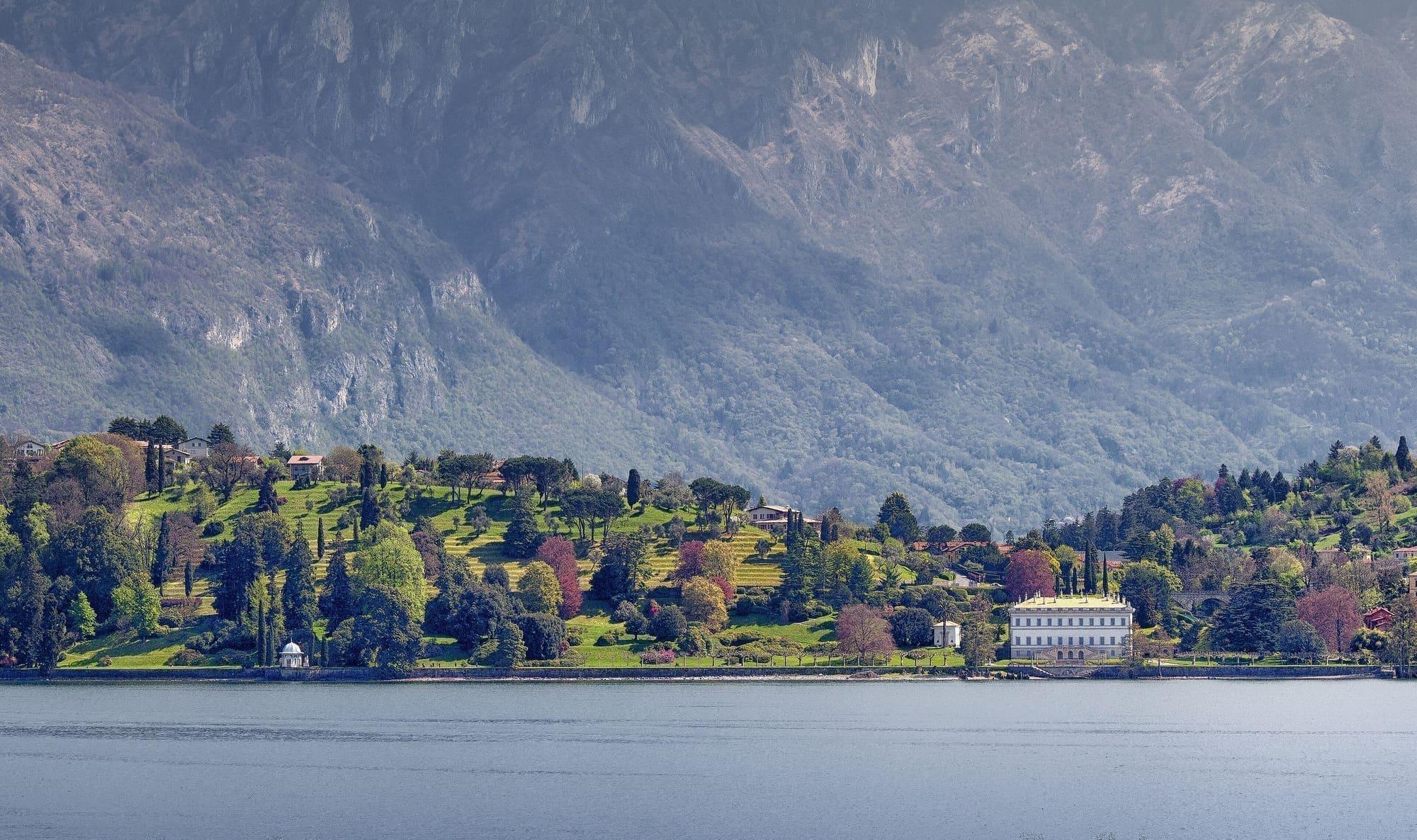
Francesco Melzi d'Eril, vice-president of Napoleon's Italian Republic, has a neoclassical villa built at Bellagio, with an English-style park that runs level along the water for hundreds of metres.
Place: Villa Melzi GardensStory: The villas and the microclimate
A hotel at Villa Cipressi
The Venini family opens a hotel at Villa Cipressi, in Varenna, and runs it until 1864. In the same years, around 1825, Abbondio Genazzini's inn on the shore at Bellagio becomes a proper hotel.
Place: Villa Cipressi GardensStory: The century of the grand hotels
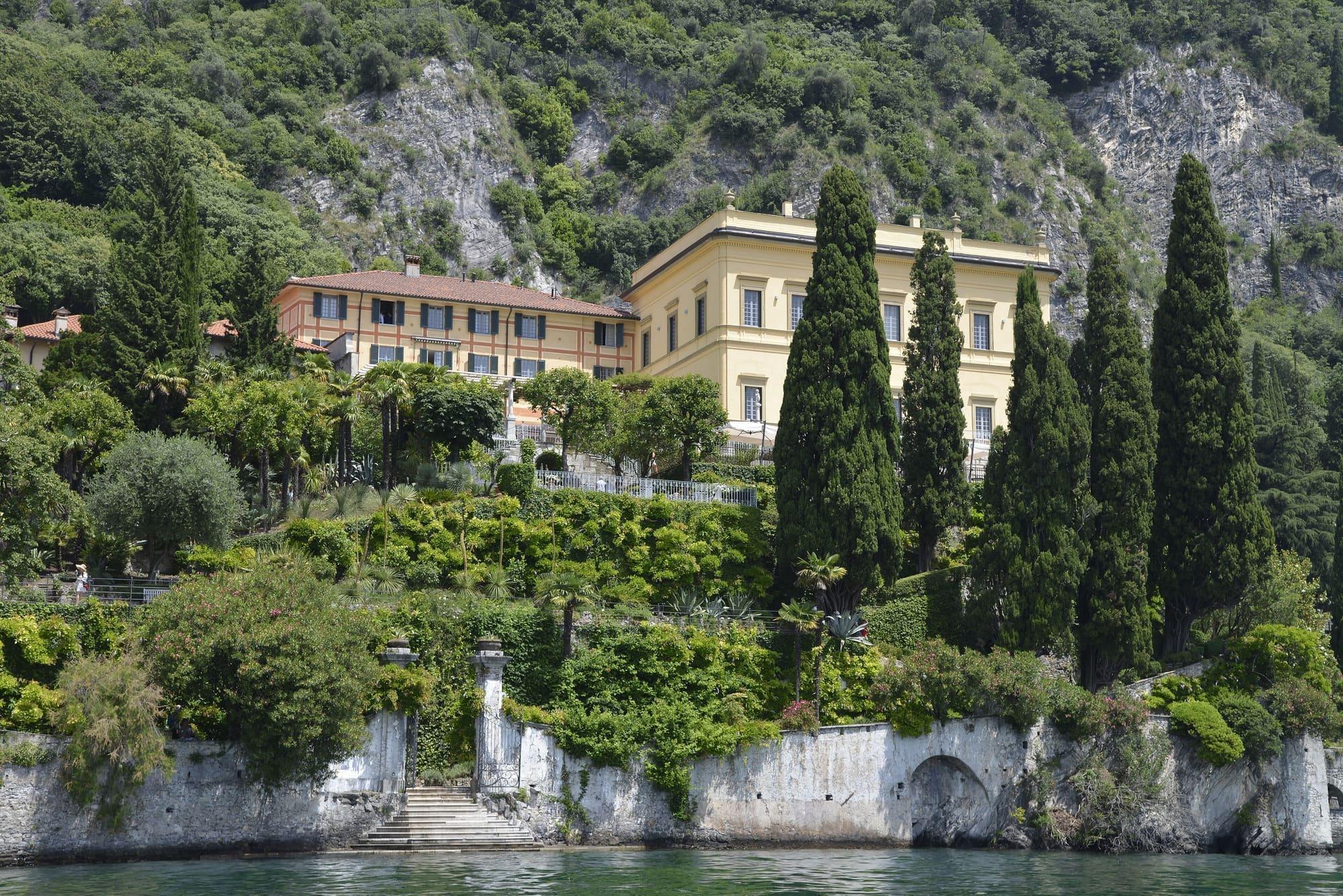
Liszt at Bellagio
Franz Liszt arrives with Marie d'Agoult and stays at the Genazzini hotel. On the lake he writes the twelve Grandes études for piano; on Christmas Eve, at the Albergo dell'Angelo in Como, his daughter Cosima is born, who will marry Wagner.
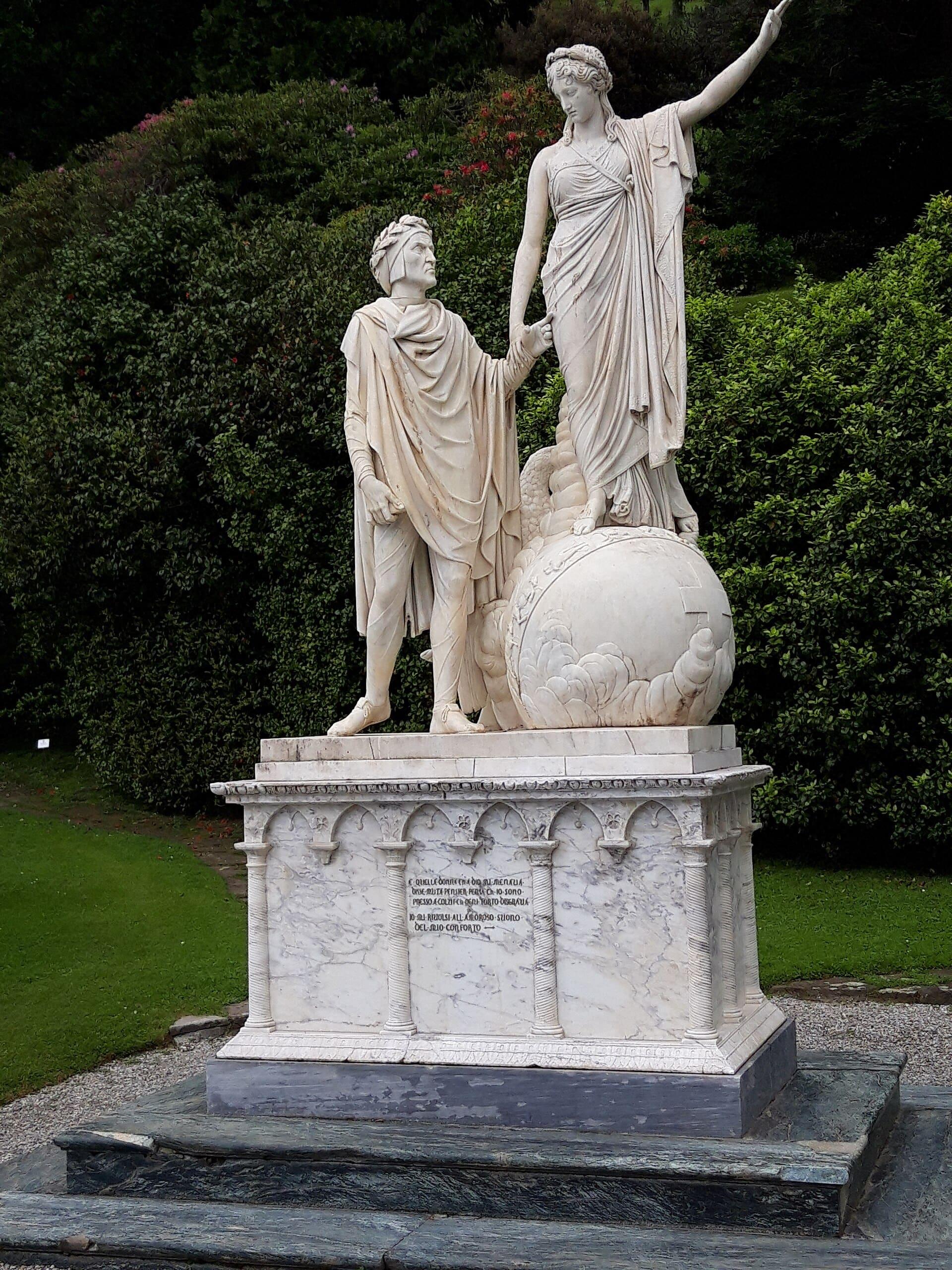
The lake in ‘The Charterhouse of Parma'
Stendhal's novel is published. Fabrice del Dongo grows up in the family castle at Grianta, on the western shore opposite Bellagio; the second chapter shows Villa Melzi and the headland that divides the two branches, the voluptuous branch of Como and the stern branch of Lecco.
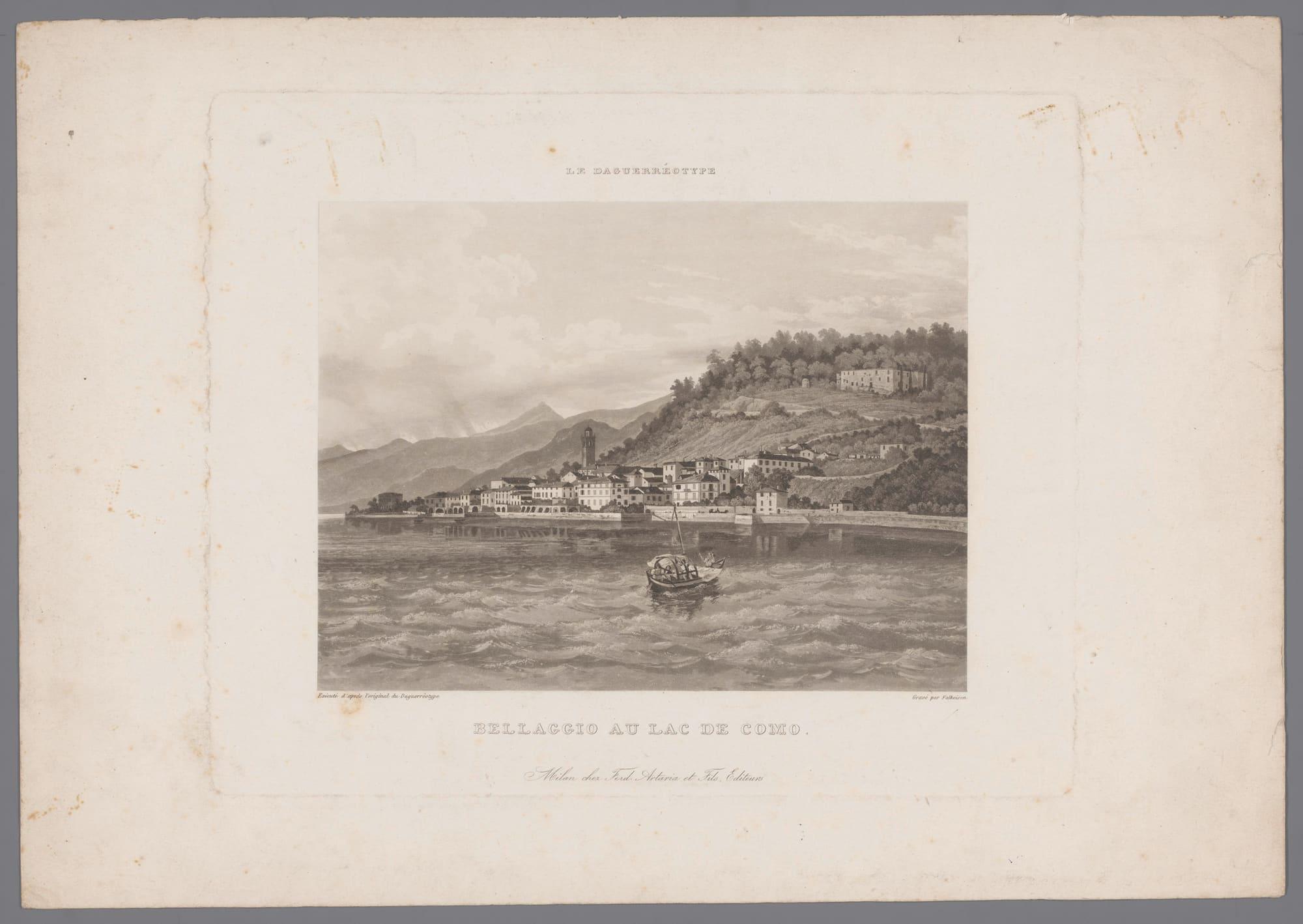
The lake in two lithographs from daguerreotypes
A year after the daguerreotype was presented in Paris, the lake is already among the subjects of the first photographers. Two lithographs copied from daguerreotypes show Bellagio from the lake, signed Falkeisen, and Villa Pliniana, signed Louis Cherbuin.
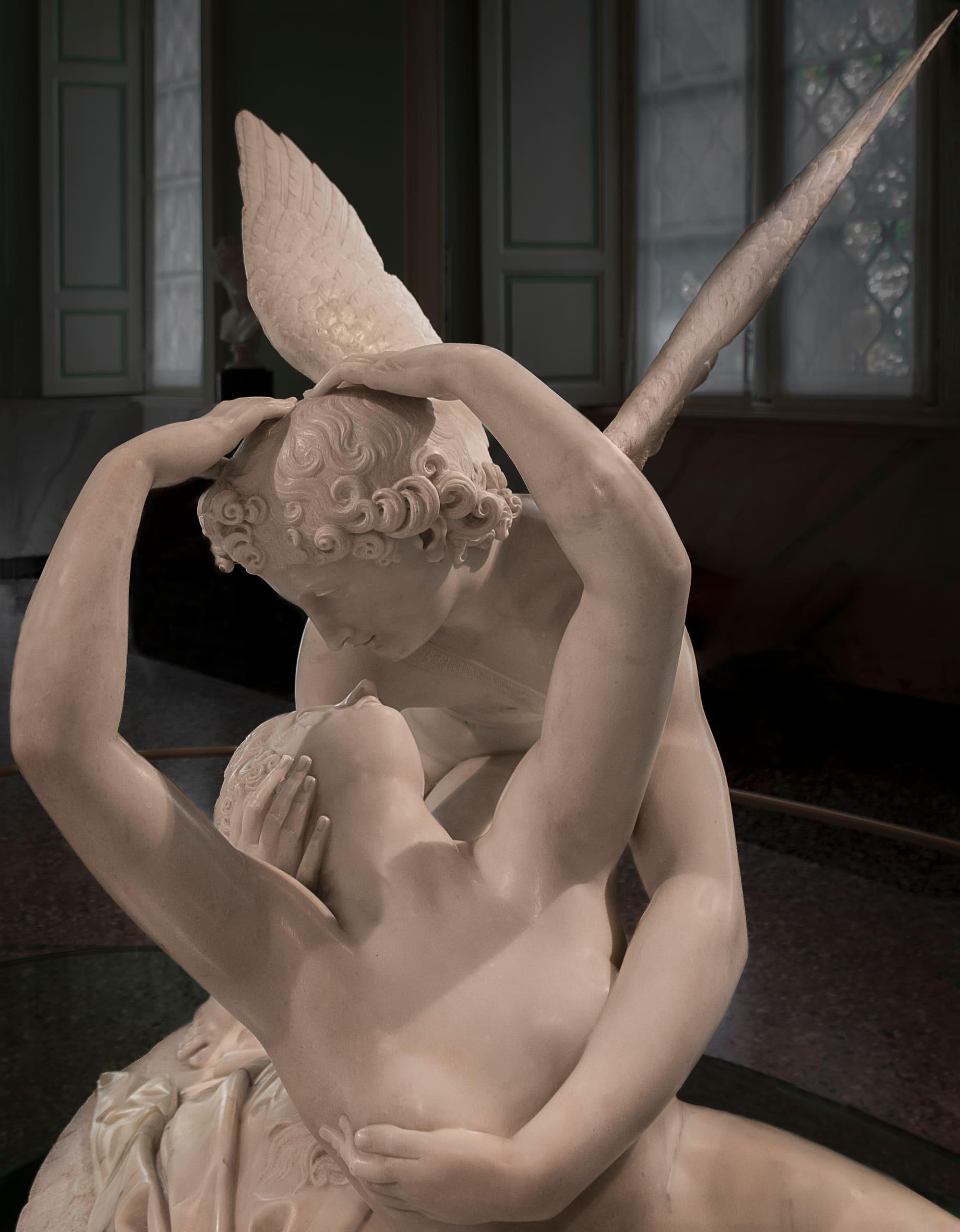
Flaubert at Villa Sommariva
Gustave Flaubert visits the villa at Tremezzo that will later be called Carlotta. He goes back several times to look at the Cupid and Psyche, which he believes to be by Canova, and on his last visit kisses the statue; the group is attributed to Adamo Tadolini, Canova's pupil.
Villa Carlotta gets its name
Marianne, who had bought the villa at Tremezzo in 1843, gives it to her daughter Charlotte on her marriage to Georg II of Saxe-Meiningen, and the villa takes its name from her. Its slope has acid soil, which is why the garden can grow azaleas, rhododendrons and camellias.
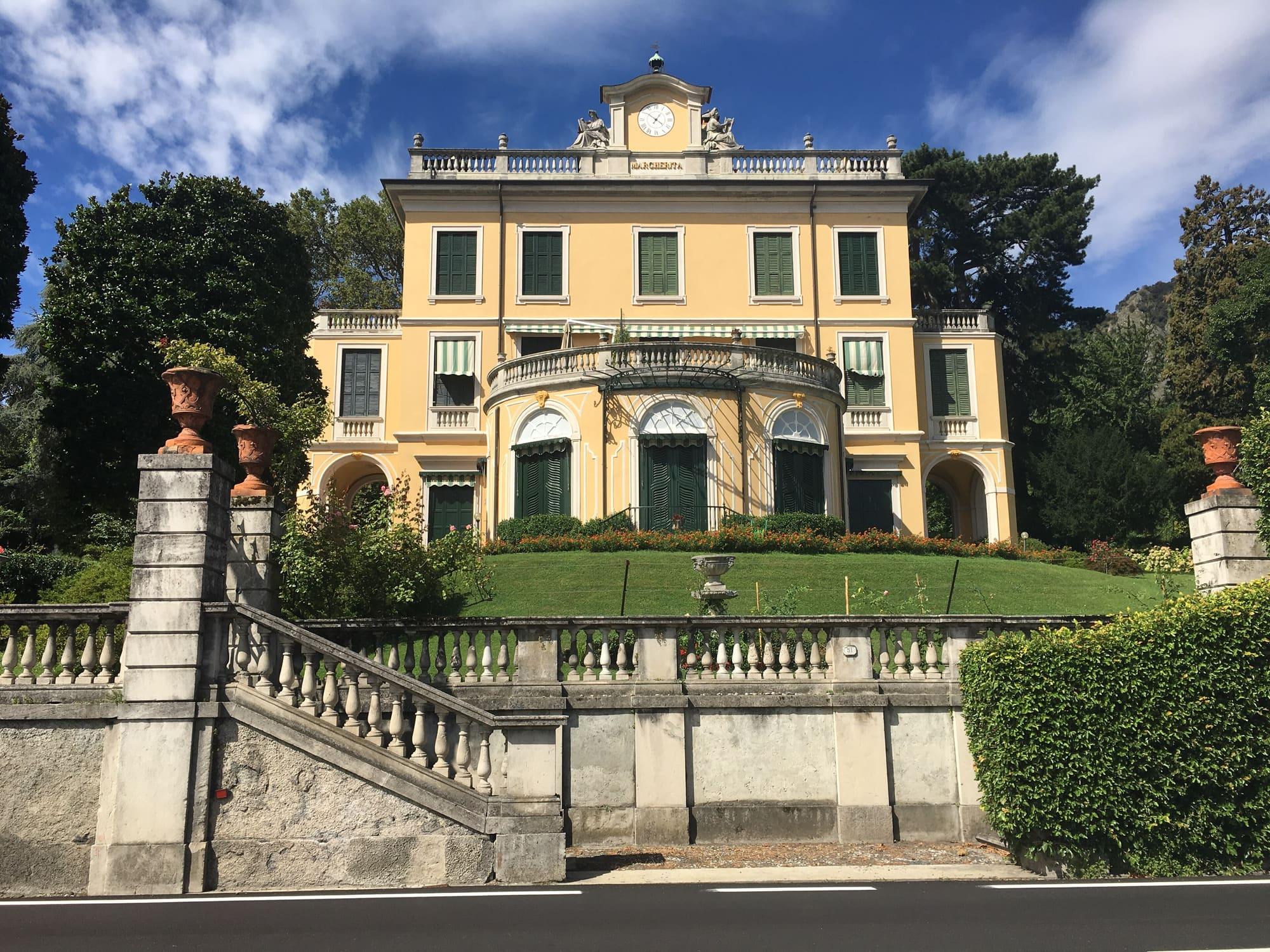
The publisher Ricordi's villa at Cadenabbia
Villa Margherita is built at Cadenabbia for the music publisher Ricordi, reportedly with the proceeds of Il trovatore. Giuseppe Verdi is often a guest, and Amilcare Ponchielli starts work there on I Lituani, staged at La Scala in 1874.
Place: Villa Margherita Ricordi, CadenabbiaStory: The musicians' lake
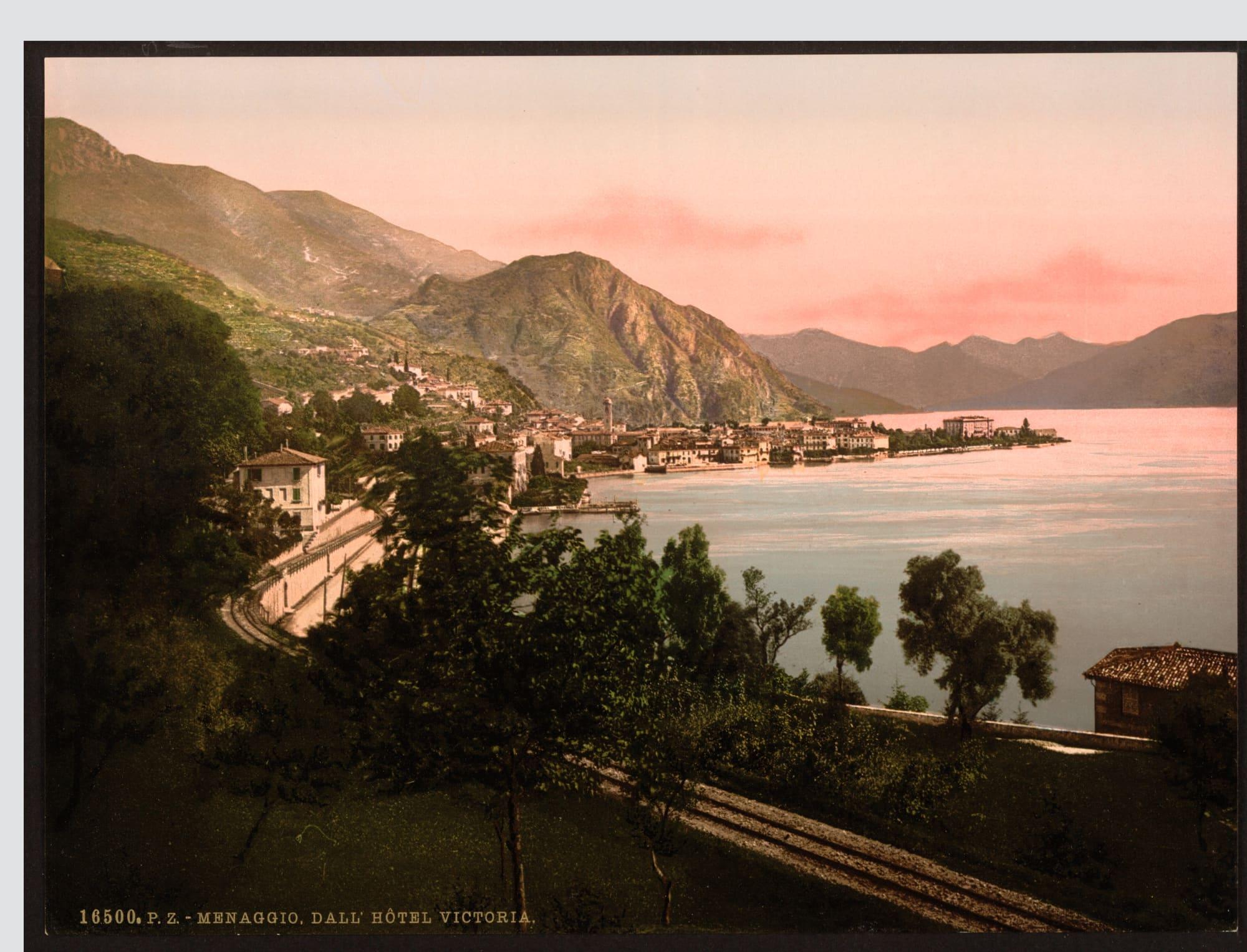
The little railway from Menaggio to Porlezza
The narrow-gauge railway linking Lake Como with Lake Lugano is inaugurated on 8 October and opened to the public on 17 November. To climb above Menaggio the train reverses in a manoeuvre called the regresso; the service ends in 1939.
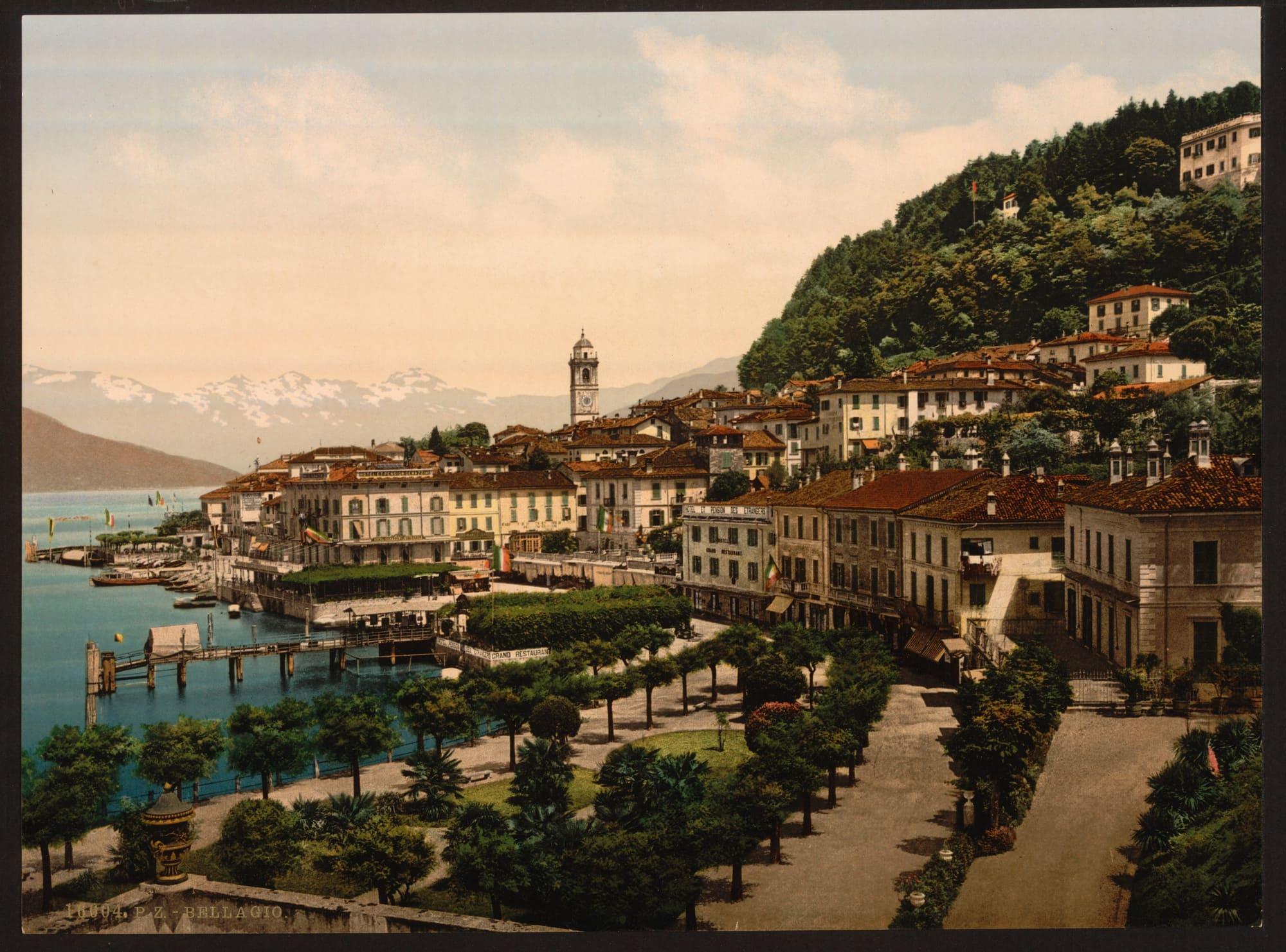
c. 1895
The lake printed in colour
A Zurich firm prints views of the lake by the photochrom process: Bellagio, the Tremezzina, Cadenabbia, Menaggio and Como. Each print starts from a black-and-white negative, and the colours noted by the photographer are transferred to a series of lithographic stones, one for each tint.
1896–1897
Cinema comes to the lake
The Lumière brothers, touring Italy to make the cinematograph known, film scenes of a boat race at Bellagio. The footage is kept at the Cineteca Nazionale in Rome.
Twentieth century
1900–1999 · 9 dates
The Grand Hotel Tremezzo
Enea Gandola opens a long Art Nouveau hotel on the shore at Tremezzo, with lifts and electric signs from the start.
Place: Grand Hotel TremezzoStory: The century of the grand hotels
Excavations uncover Sant'Eufemia
Ugo Monneret de Villard begins digging on the Isola Comacina and finds, under five metres of rubble and earth, the basilica of Sant'Eufemia, until then unknown. Its destruction in 1169 had spared it the alterations of the centuries that followed.
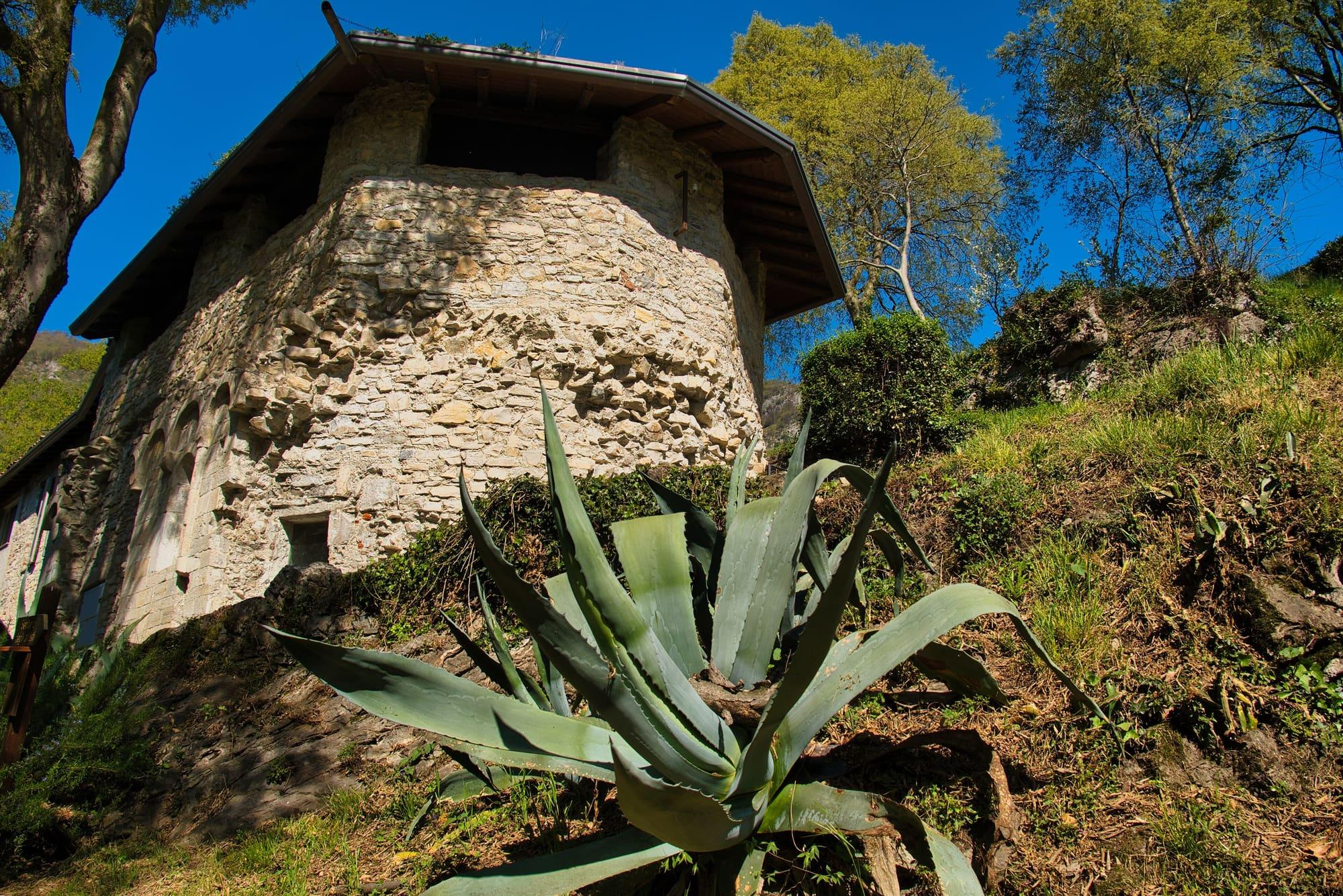
The fortified line on the northern border
Warned of a possible German invasion of Switzerland, Luigi Cadorna orders a fortified line from the Ossola valleys to the passes of the Orobie. In the province of Como it runs from Monte Bisbino to the Crocetta above Menaggio, with trenches, tunnels and gun positions that will never see a battle.
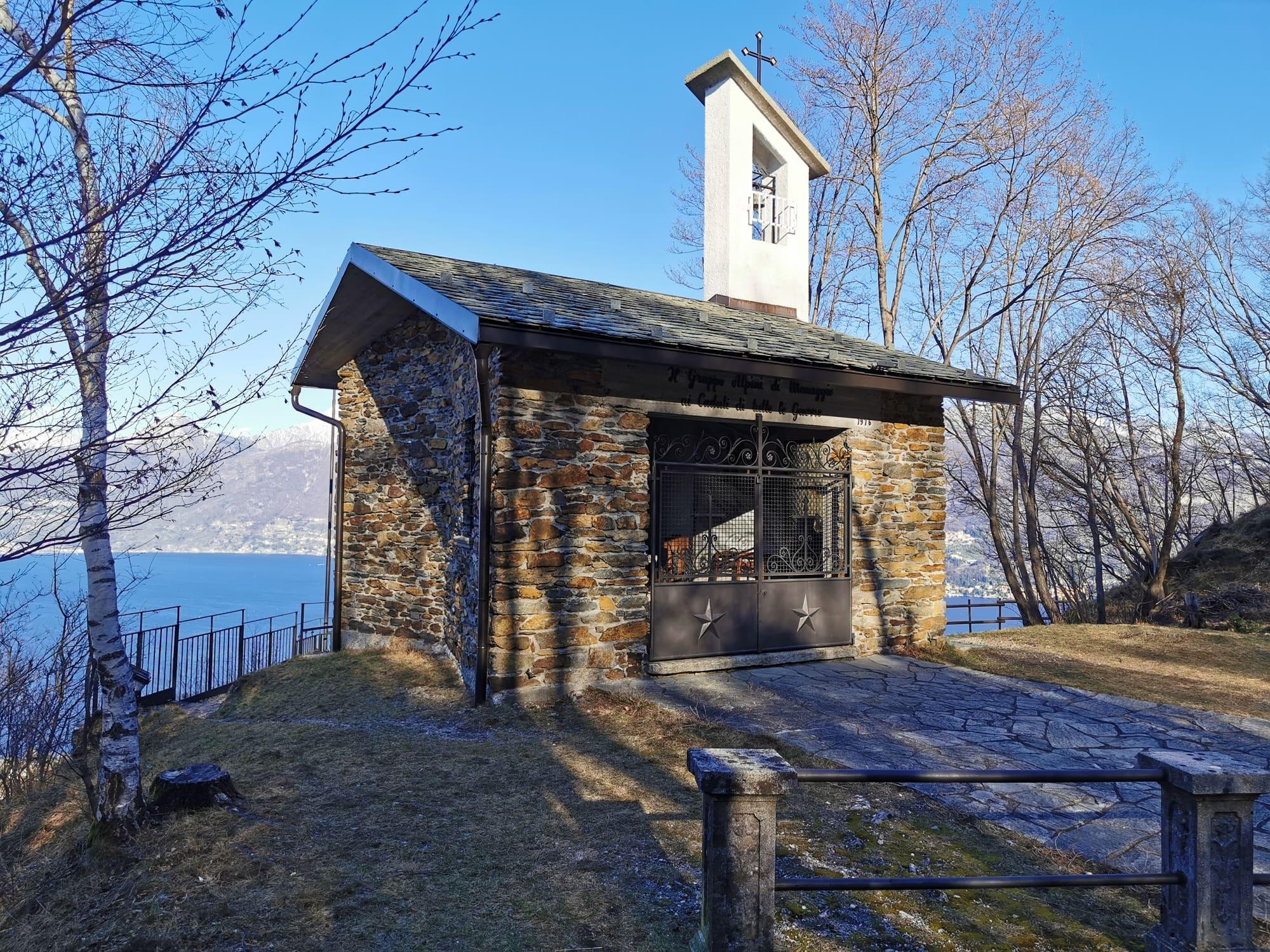
The car ferry
The first autochiatta, the car ferry, goes into service. Since then Bellagio, Varenna, Menaggio and Cadenabbia have been linked by the centre-lake crossings, the only way to take a car to the other shore without driving round the branch.
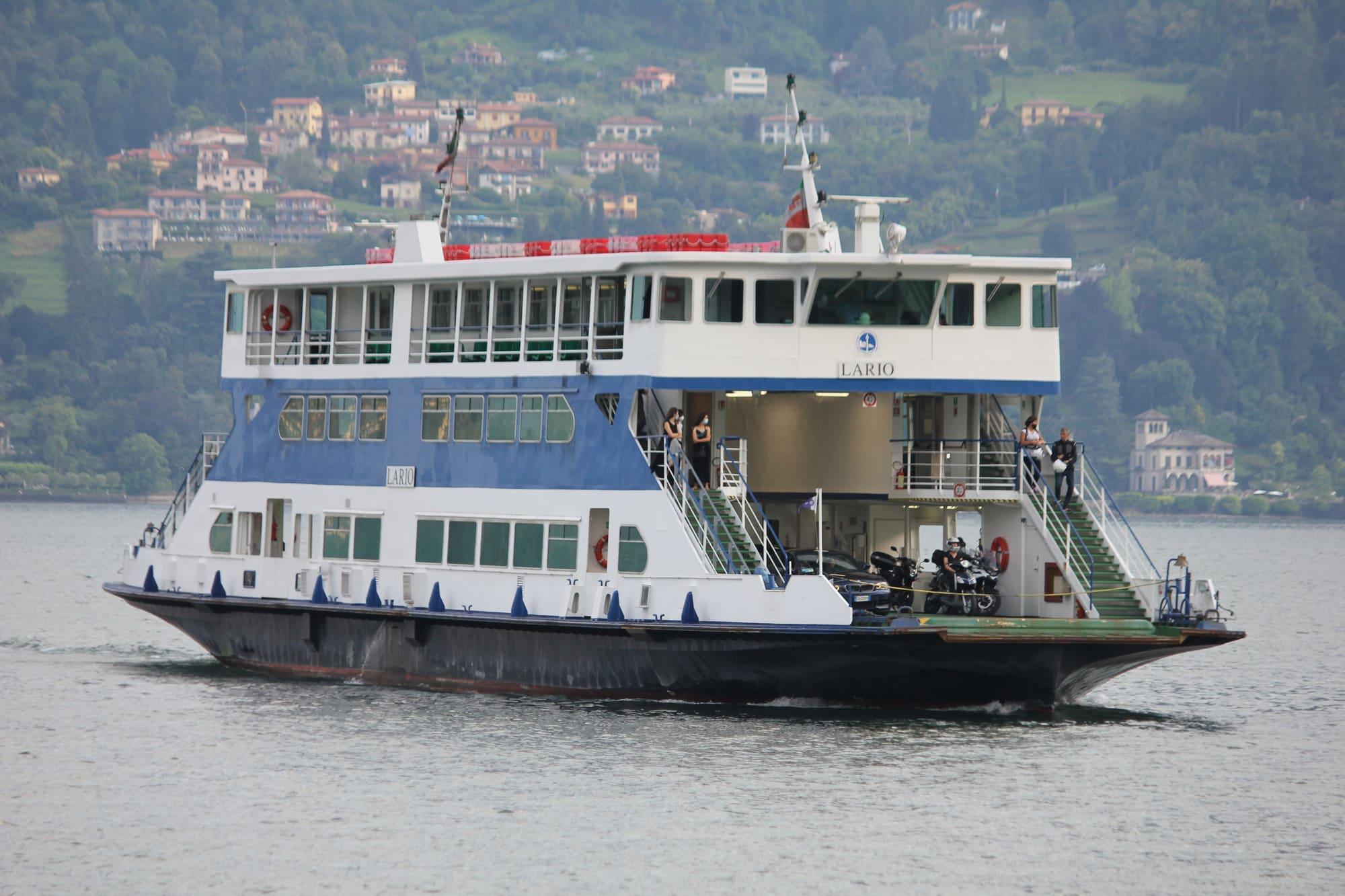
Enrico Fermi at Villa Monastero
At Villa Monastero in Varenna, Enrico Fermi gives his last course. The villa, which grew out of a Cistercian convent, hosts physics schools, and its conference hall bears his name.
Place: Villa MonasteroStory: The villas and the microclimate
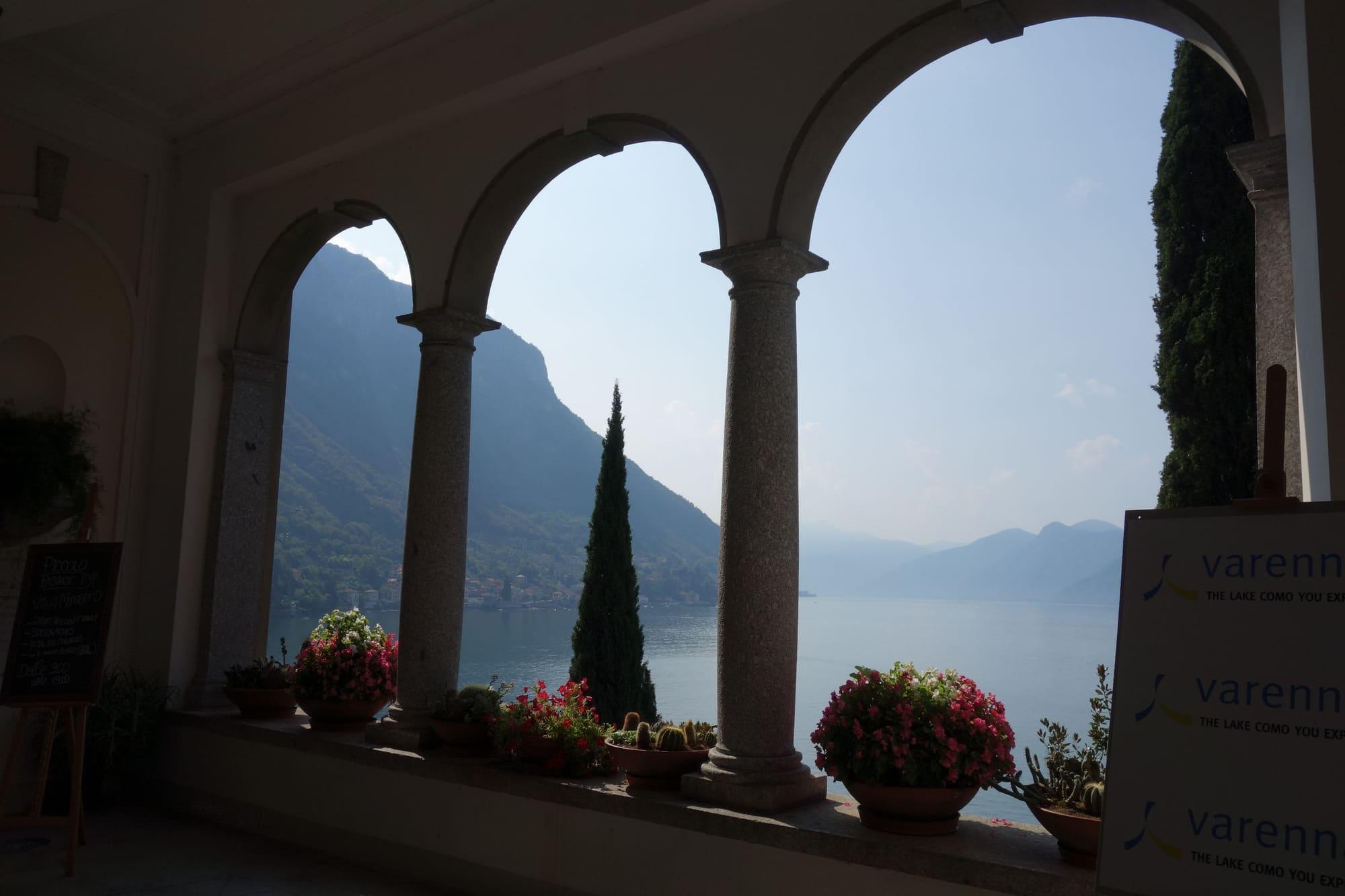
Adenauer comes to Cadenabbia
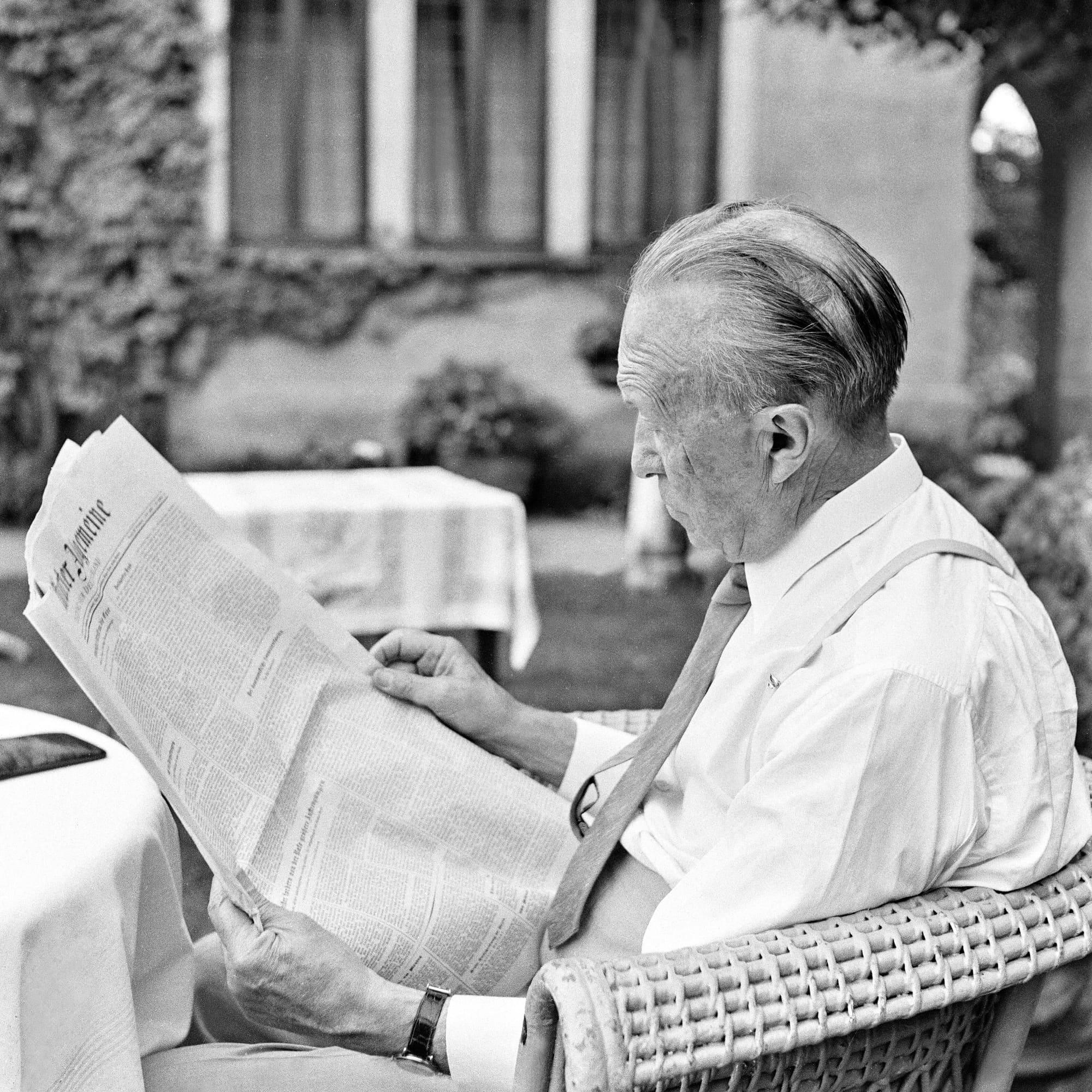
On the advice of his foreign minister, Heinrich von Brentano di Tremezzo, the German chancellor Konrad Adenauer spends a holiday at Cadenabbia, and Griante makes him an honorary citizen. He will spend eighteen holidays there until 1966, from 1959 at Villa La Collina.
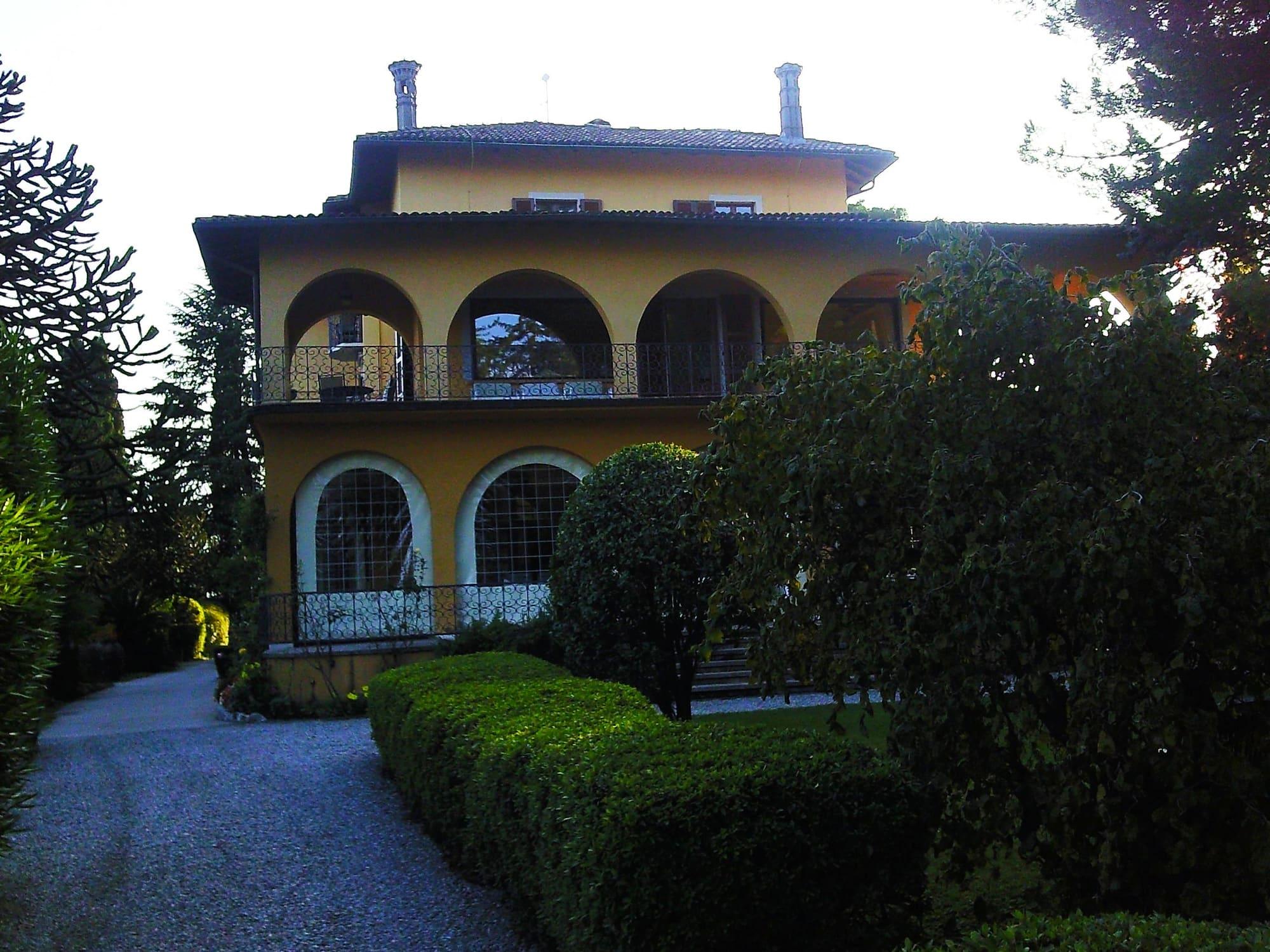
The Élysée Treaty is saved at Cadenabbia
At Cadenabbia, where Adenauer spends his holidays at Villa La Collina, the leaders of the German governing coalition meet, because ratification of the treaty with France is in danger of failing in the Bundestag. The chancellor agrees to add a preamble on the Atlantic alliance, and the treaty is saved.
Place: Villa La Collina, CadenabbiaStory: The chancellor on the lake
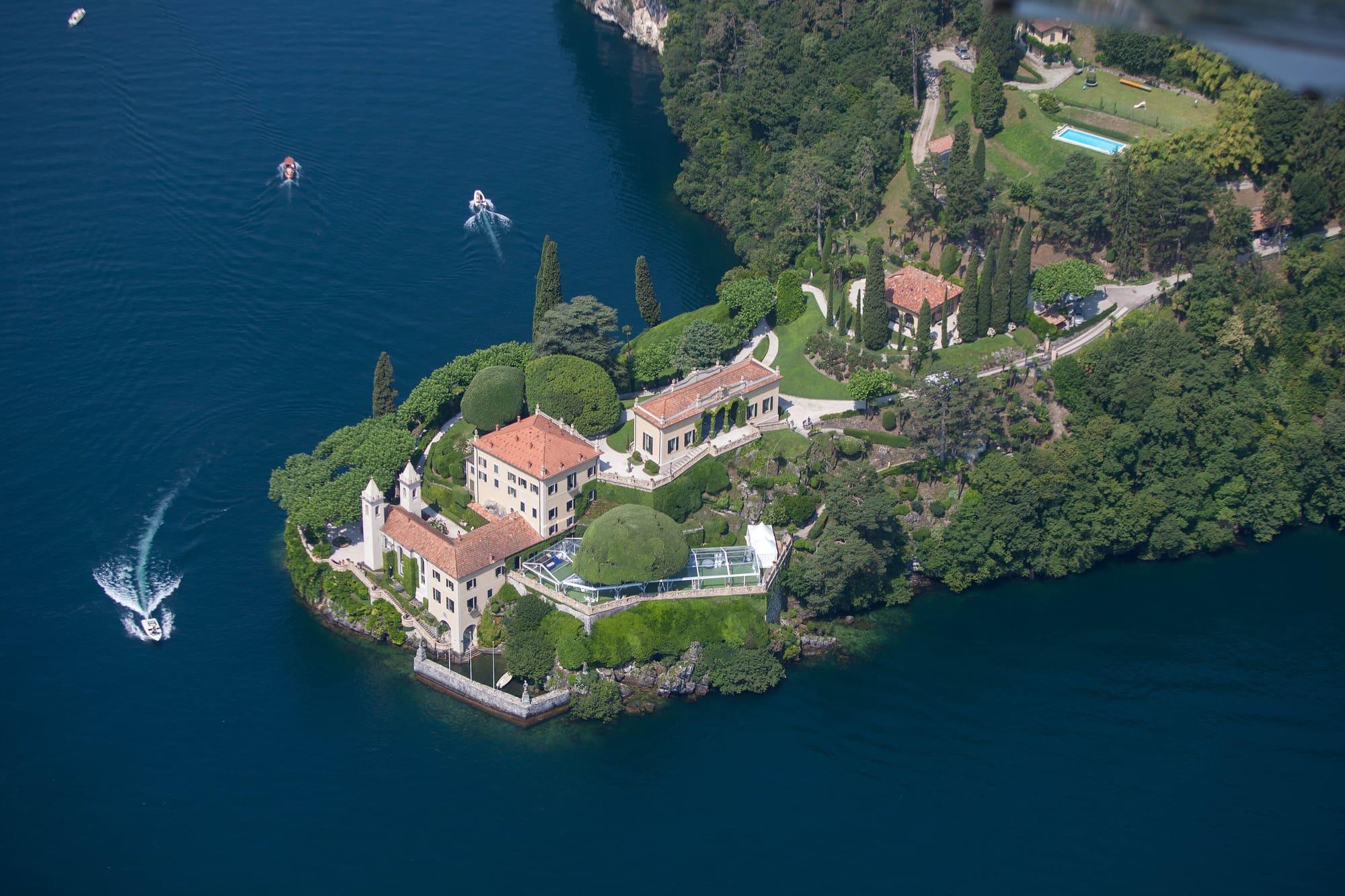
Villa del Balbianello passes to the FAI
The explorer Guido Monzino leaves the villa on the Lavedo point to the FAI, Italy's national trust, with his collections and the relics of his Everest and North Pole expeditions. The Balbianello is also a film location: ‘A Month by the Lake', ‘Star Wars: Episode II' and ‘Casino Royale' were among the films shot there.
Where the Fiumelatte comes from
A dye poured into the caves of the Moncodeno, on the north side of the Grignone, shows that the Fiumelatte is the outlet of a karst system inside the mountain. It usually flows from March to October; Leonardo had written that it ran only in August and September.