Stories from the lake
Lake timeline
Two thousand years of the lake in order of date: from the Roman road along the western shore to the first steamboat, from the fall of the Isola Comacina to the Olginate dam. Each date leads to the story that tells it and to the place where it happened.
- Dates
- 82
- Stories
- 27
- Periods
- 6
31dates
Antiquity
To the 5th century · 2 dates
1st century
The Roman road along the western shore
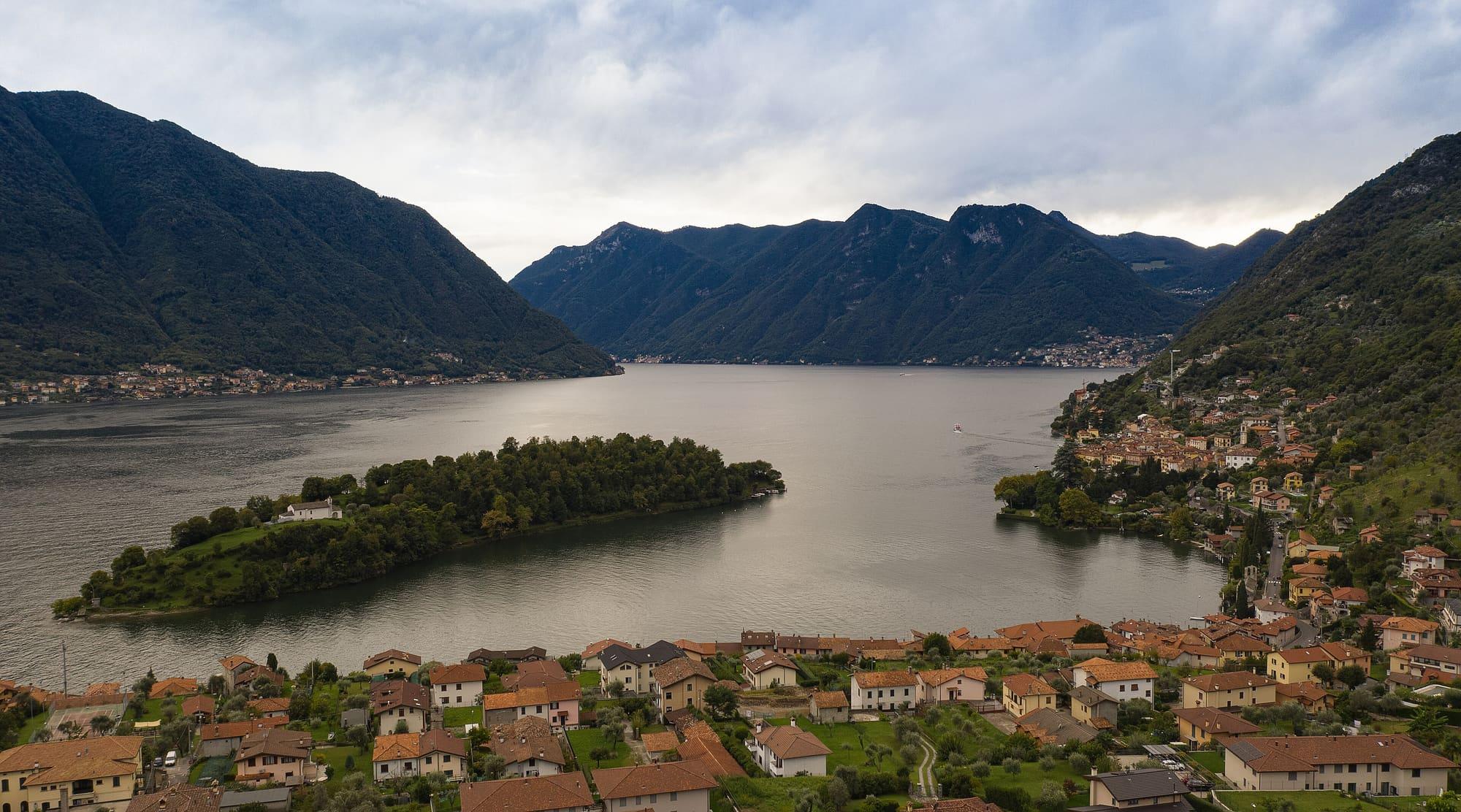
A Roman road links the river port of Cremona with Chiavenna by way of Milan and Como, running up the western shore of the lake towards Raetia, the province beyond the Alps. Its line is that of the Regina road, which remains a paved mule track for fifteen centuries.
AD 61 or 62
Pliny the Younger is born
The nephew of Pliny the Elder, who later adopts him, is born at Novum Comum, ancient Como. In his letters he describes the spring that rises and falls several times a day, the one at the Pliniana, and two villas of his on the shore of the Lario, which he calls Tragedy and Comedy.
Middle Ages
6th century to 1449 · 4 dates
643
Rothari's Edict names the Comacine masters
Two chapters of the law of the Lombard king Rothari deal with the magister commacinus and settle who must pay for the damage if a house built by a master collapses. The name most probably means builders and stonecutters from the Como area, but its meaning is not settled.
Urban II consecrates Sant'Abbondio
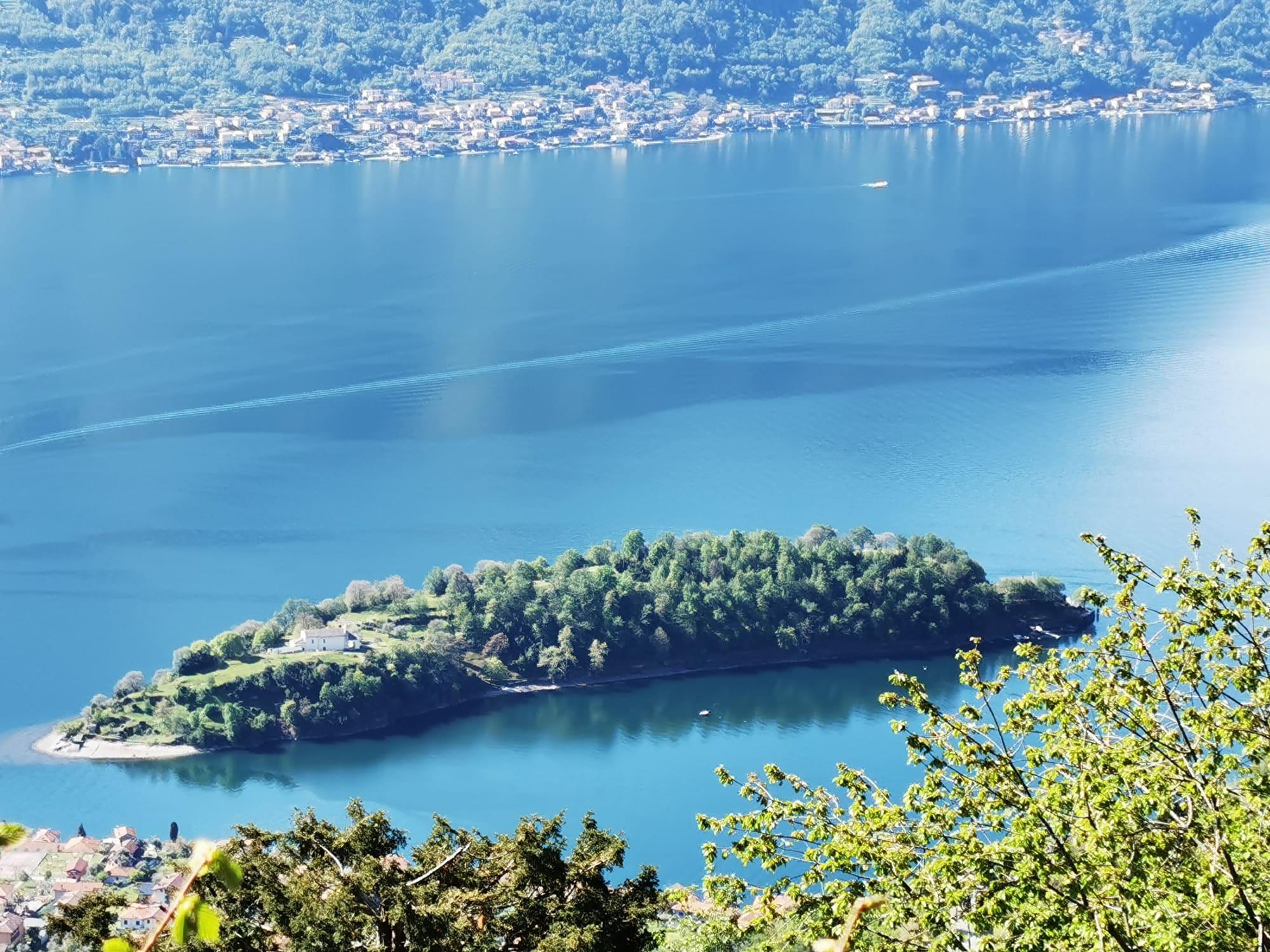
Outside the walls of Como, along the old Via Regina, the Benedictines have been rebuilding the church of Sant'Abbondio since 1010: a nave and four aisles and twin bell towers beside the apse. Pope Urban II, passing through Como, consecrates it.
The comballo, the lake's cargo boat
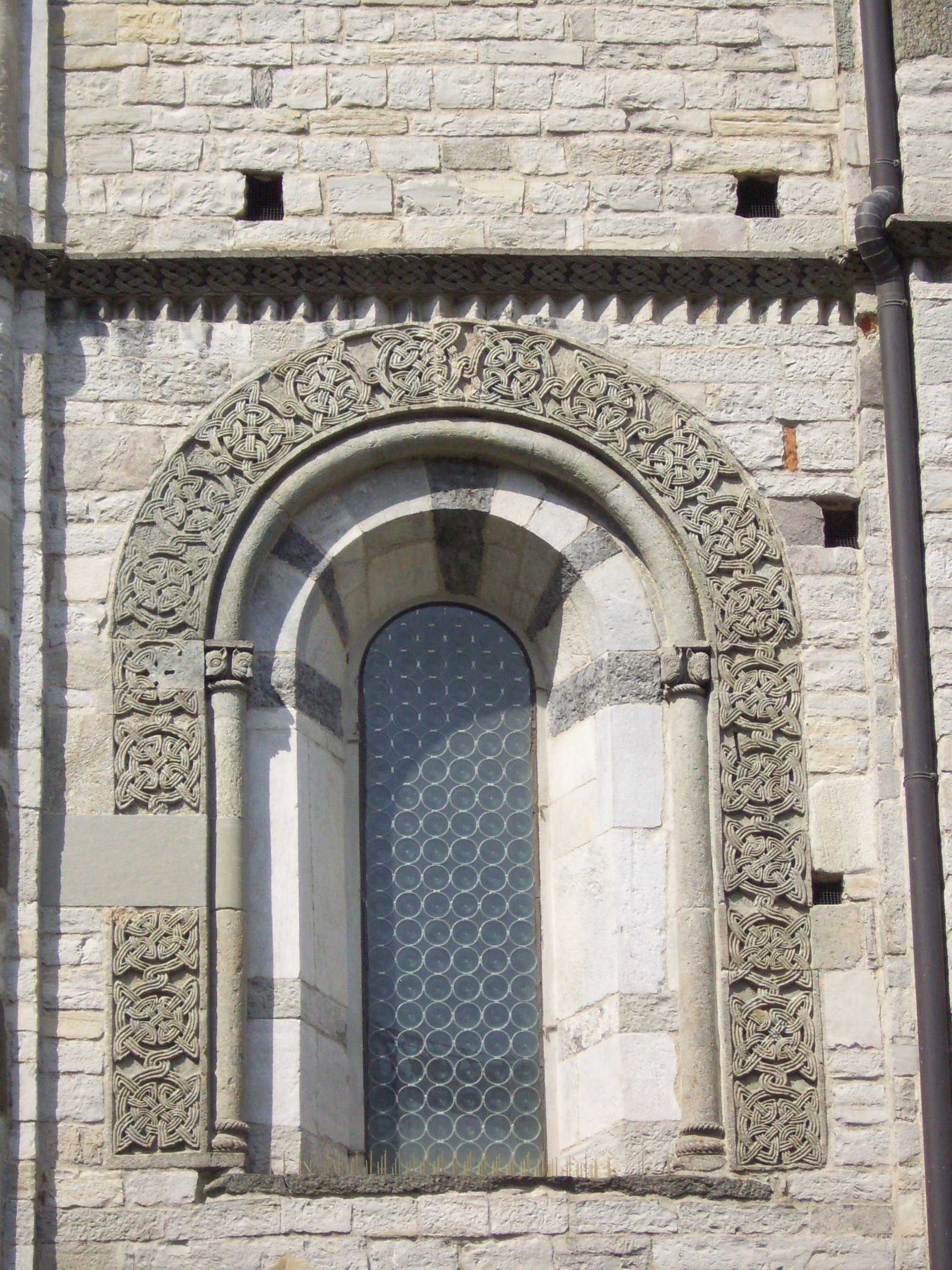
The comballo already appears in a document that forbids the boatmen of Lake Como to go into partnership with one another. Twenty to thirty metres long, flat-bottomed and with a single square sail, it carries Moltrasio stone, sand, lime and wood for the kilns.
The first recorded flood in Como
The lake comes into the town: it is the first flood on record, in a ducal letter of 20 September. After it the bridge at Lecco is given a tenth arch, in 1434, to let more water out of the lake.
Renaissance and foreign rule
1450–1699 · 6 dates
1457–1486
The façade of Como Cathedral
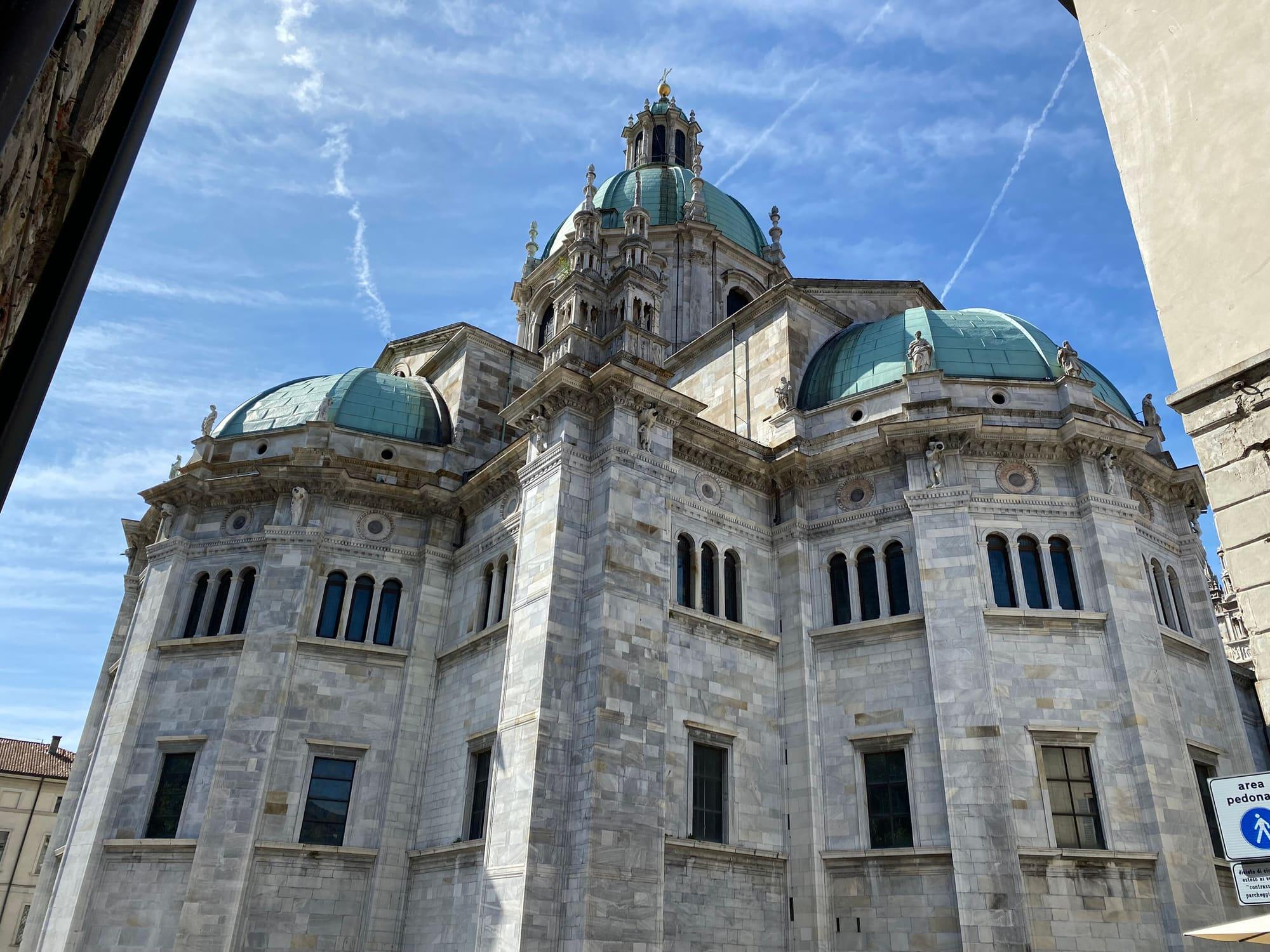
From 1452 the cathedral works use white marble from Musso, which becomes their main material. The façade, begun in 1457, is completed in 1486 with the rose window.
By 1498
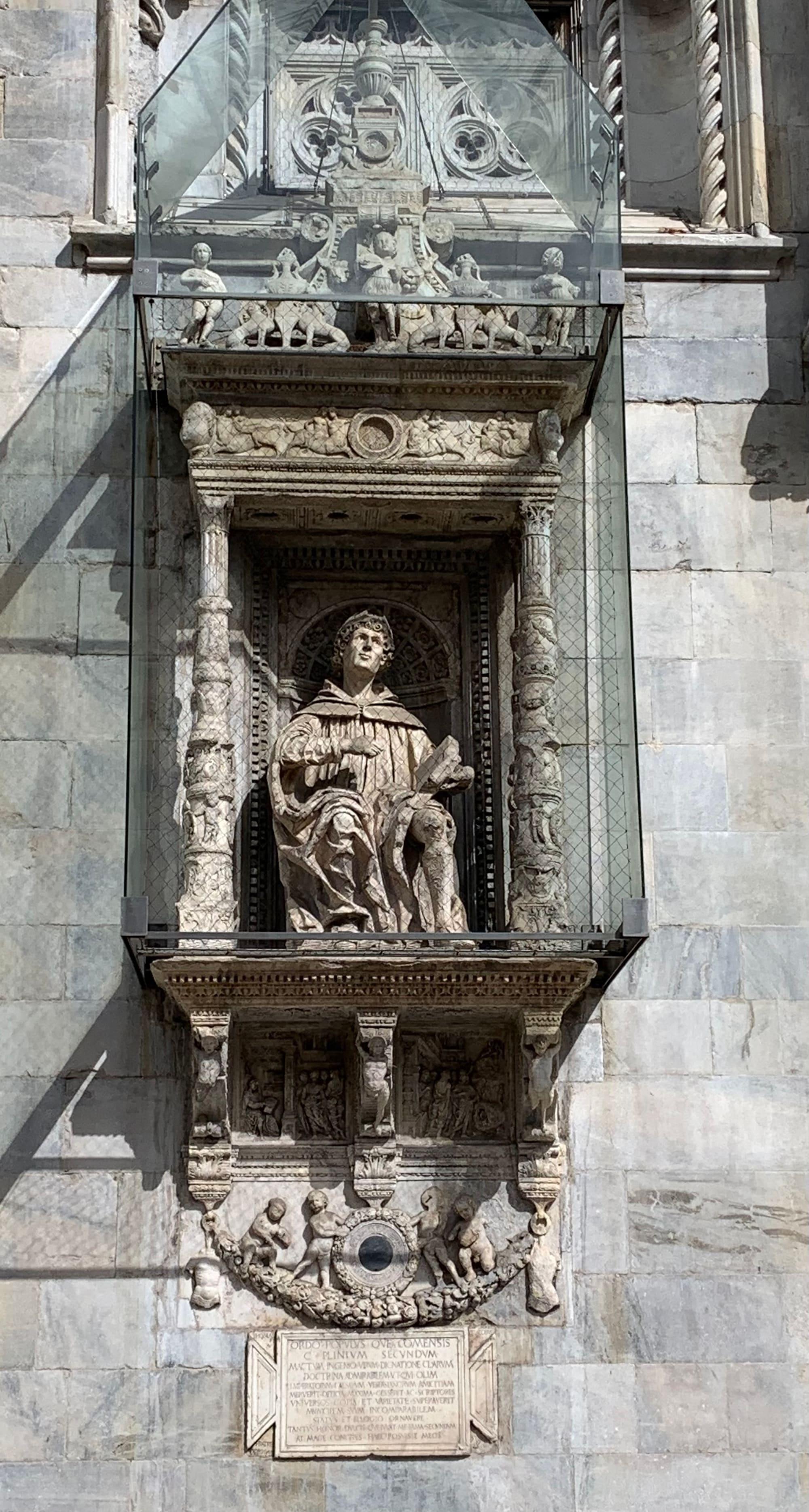
The two Plinys on the cathedral façade
The brothers Giacomo and Tommaso Rodari complete the two aedicules on either side of the main doorway: Pliny the Elder sits on the left, Pliny the Younger on the right. In 1578, at the height of the Counter-Reformation, the statues survive an attempt to remove them.
The castle of Nesso is destroyed
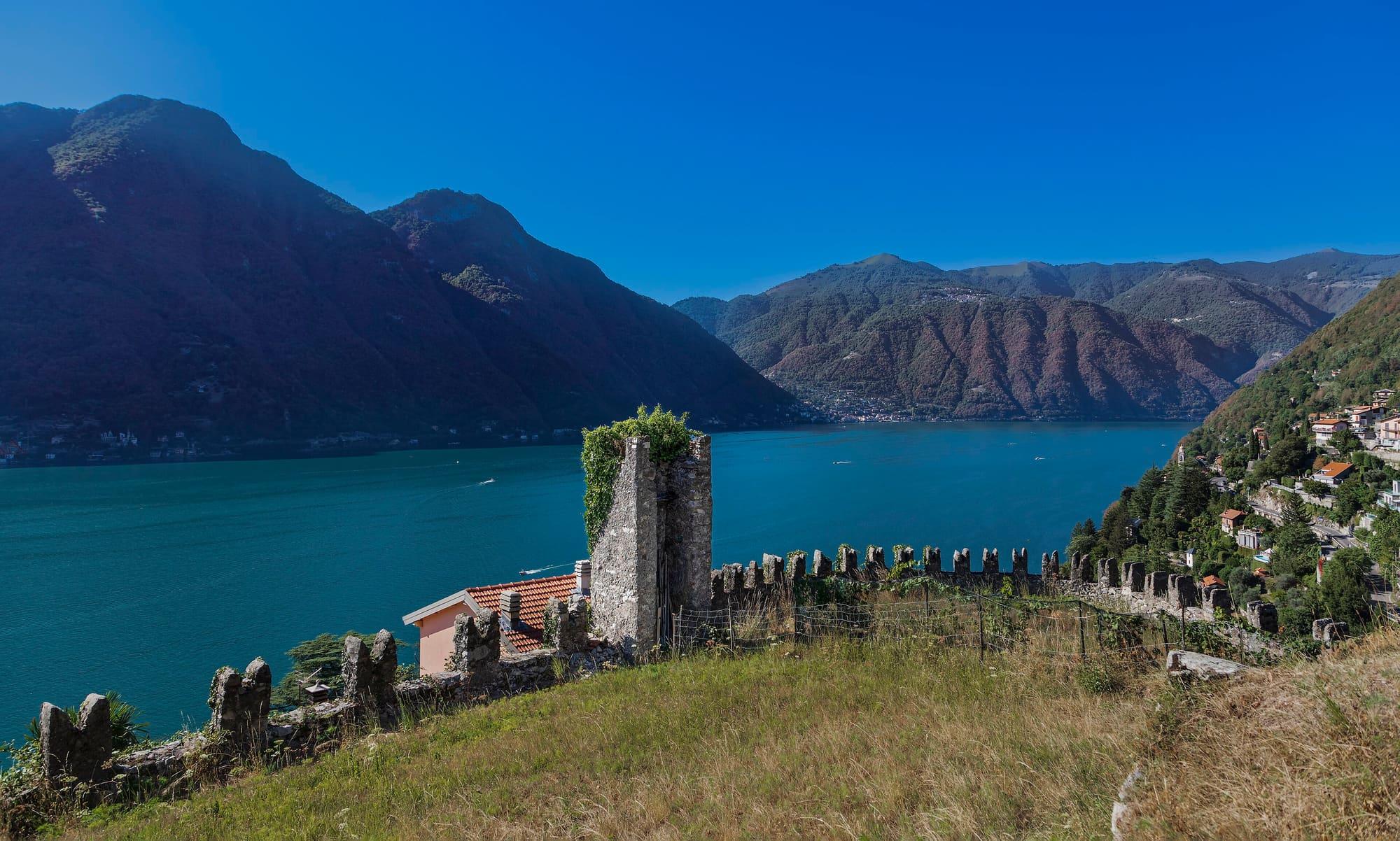
In the war against the Medeghino, the castle that Como had built in 1449 above the gorge of Nesso is destroyed. What remains is a wall up to fifteen metres high.
Place: San Lorenzo Castle, NessoStory: The Medeghino, lord of the lake
1565–1570
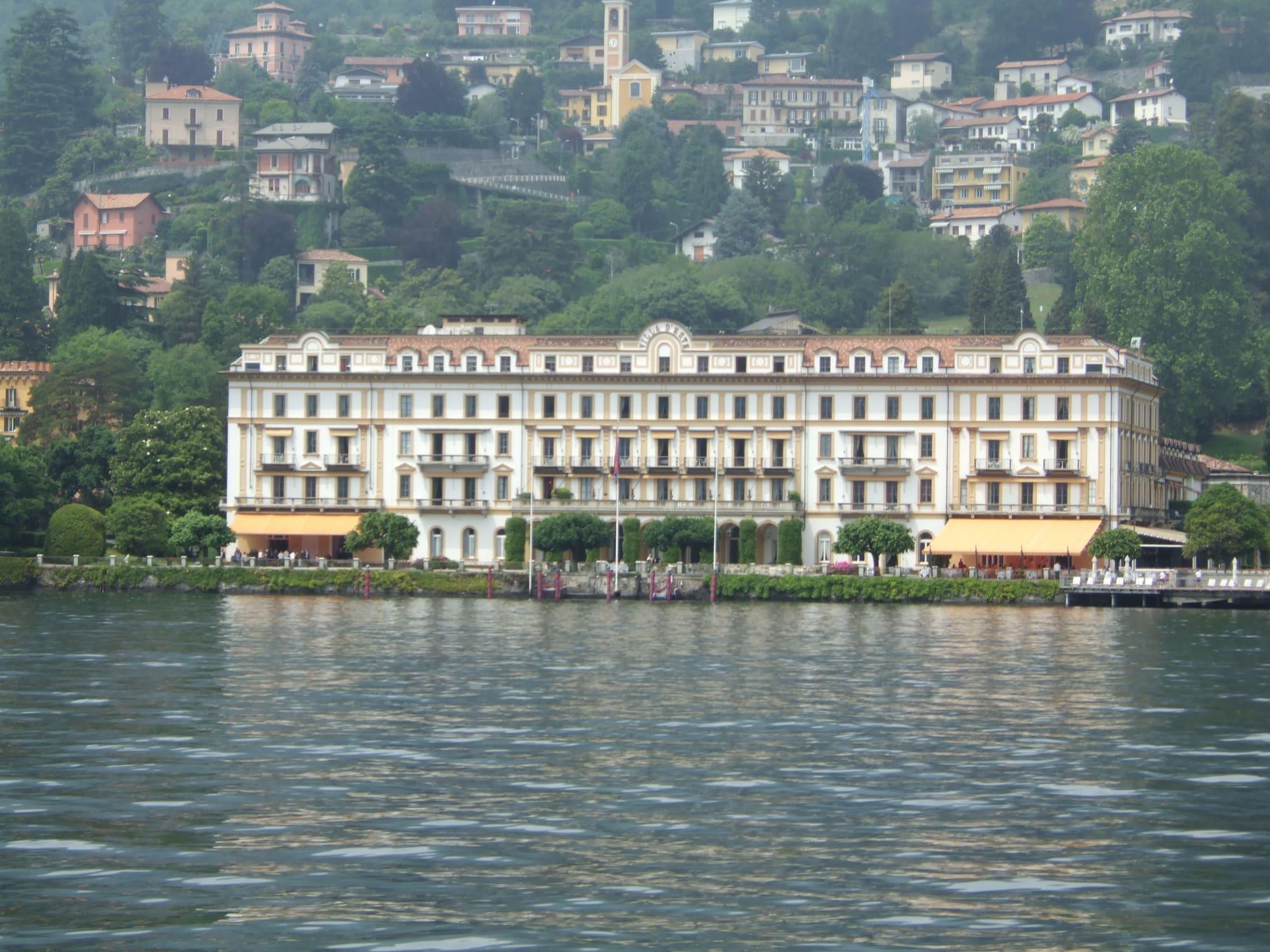
Cardinal Gallio's villa at Cernobbio
Cardinal Tolomeo Gallio, born at Cernobbio, has a summer residence built on the lake to a design by Pellegrino Tibaldi. In 1815 it is bought by Caroline of Brunswick, who names it Villa d'Este.
Place: Villa d'Este, CernobbioStory: The century of the grand hotels
A villa around the Pliniana spring
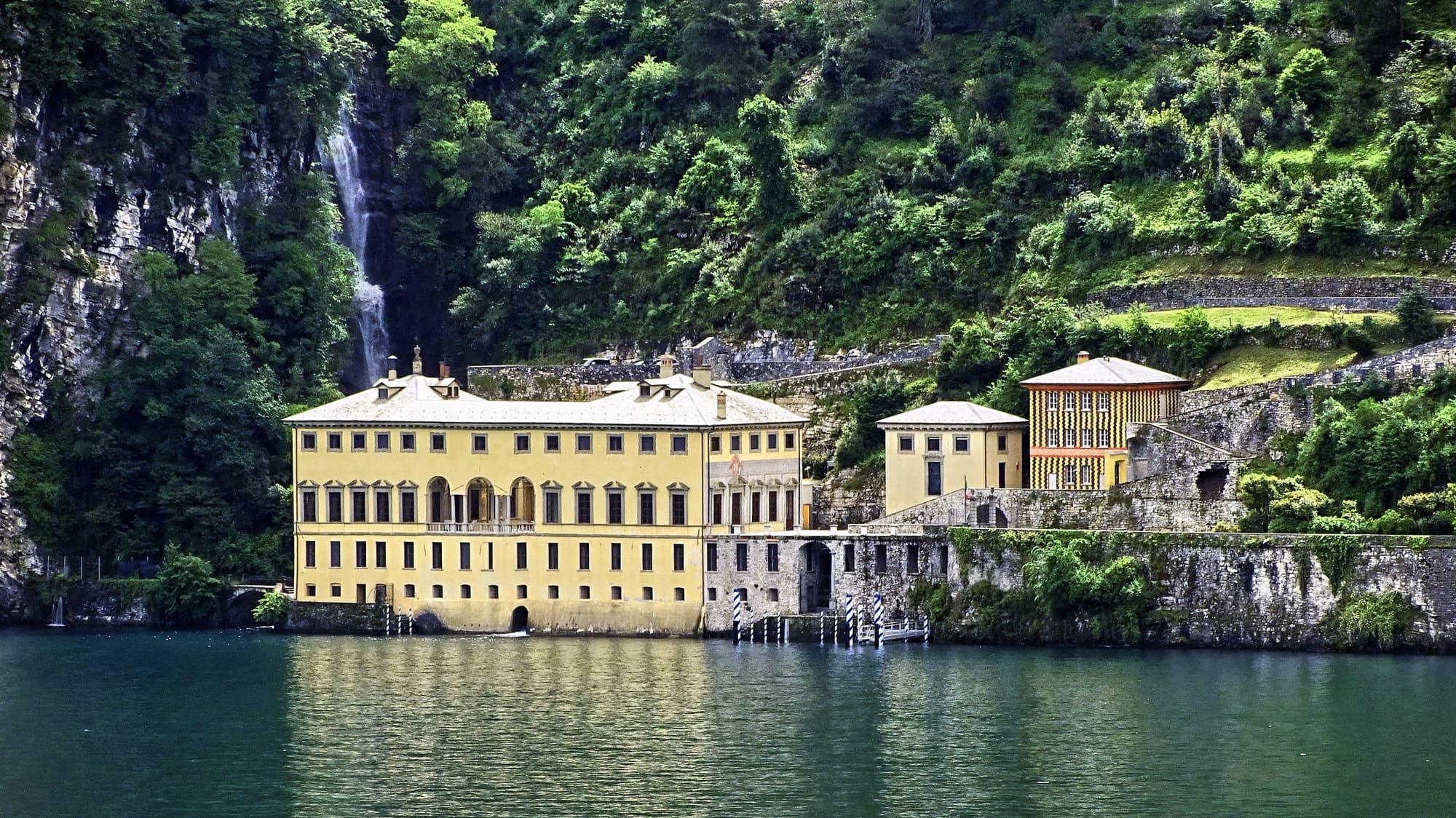
Count Giovanni Anguissola, governor of Como, buys the land at Torno where the spring described by Pliny the Younger rises, and builds the villa there in three years. In the loggia two inscribed slabs carry Pliny's letter, in Latin and in Italian.
Place: Villa Pliniana, TornoStory: The two Plinys of Lake Como
The lake enters Como Cathedral
During the flood the water reaches the steps of the high altar inside the cathedral. Two plaques, in Via Volta and Via Diaz, record it; in 1703 the lake reaches the cathedral again, as far as the organ piers.
Eighteenth century
1700–1799 · 4 dates
1711–1753
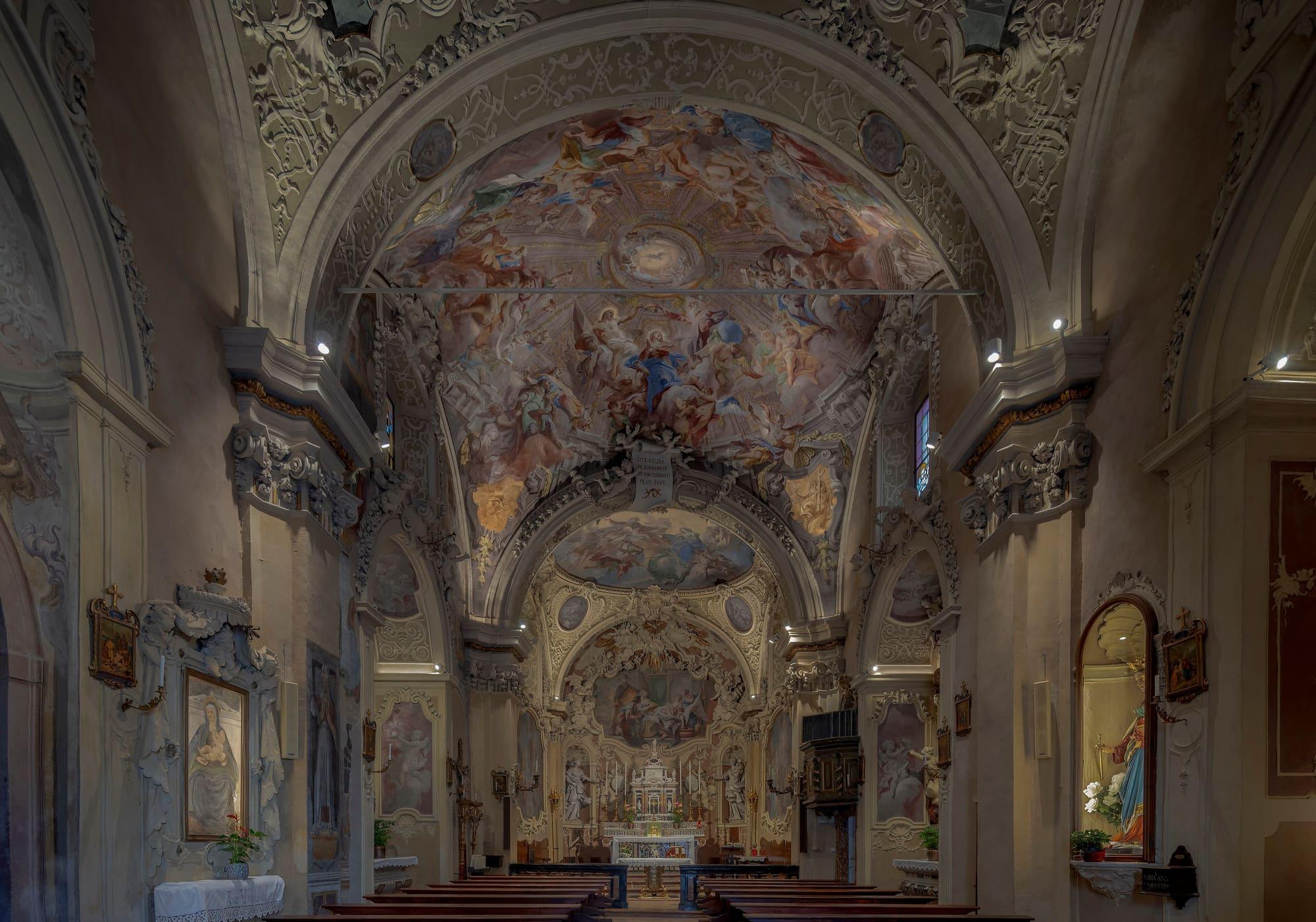
The Carloni brothers remake the church at Scaria
The brothers Diego and Carlo Innocenzo Carloni remake the church of Santa Maria for Scaria, their home village, with stucco and frescoes. They are among the artists of the Val d'Intelvi who work all over Europe: Carlo Innocenzo also paints in Ljubljana Cathedral and in the palaces of Vienna.
Place: Santa Maria and Museum of Sacred Art, ScariaStory: The Comacine masters
Alessandro Volta is born
Volta is born in Como, in the house in Via Volta where he will die in 1827. As a young man he does his first experiments in Canon Gattoni's laboratory, in a tower of the town walls; in 1778 he takes the chair of experimental physics at the University of Pavia.
Joseph II shelters at Blevio
Caught by a storm on the lake, the Emperor Joseph II takes shelter in a house on the shore at Blevio. In the second half of the nineteenth century the ballerina Maria Taglioni retires there, and the villa takes her name.
Late 18th century
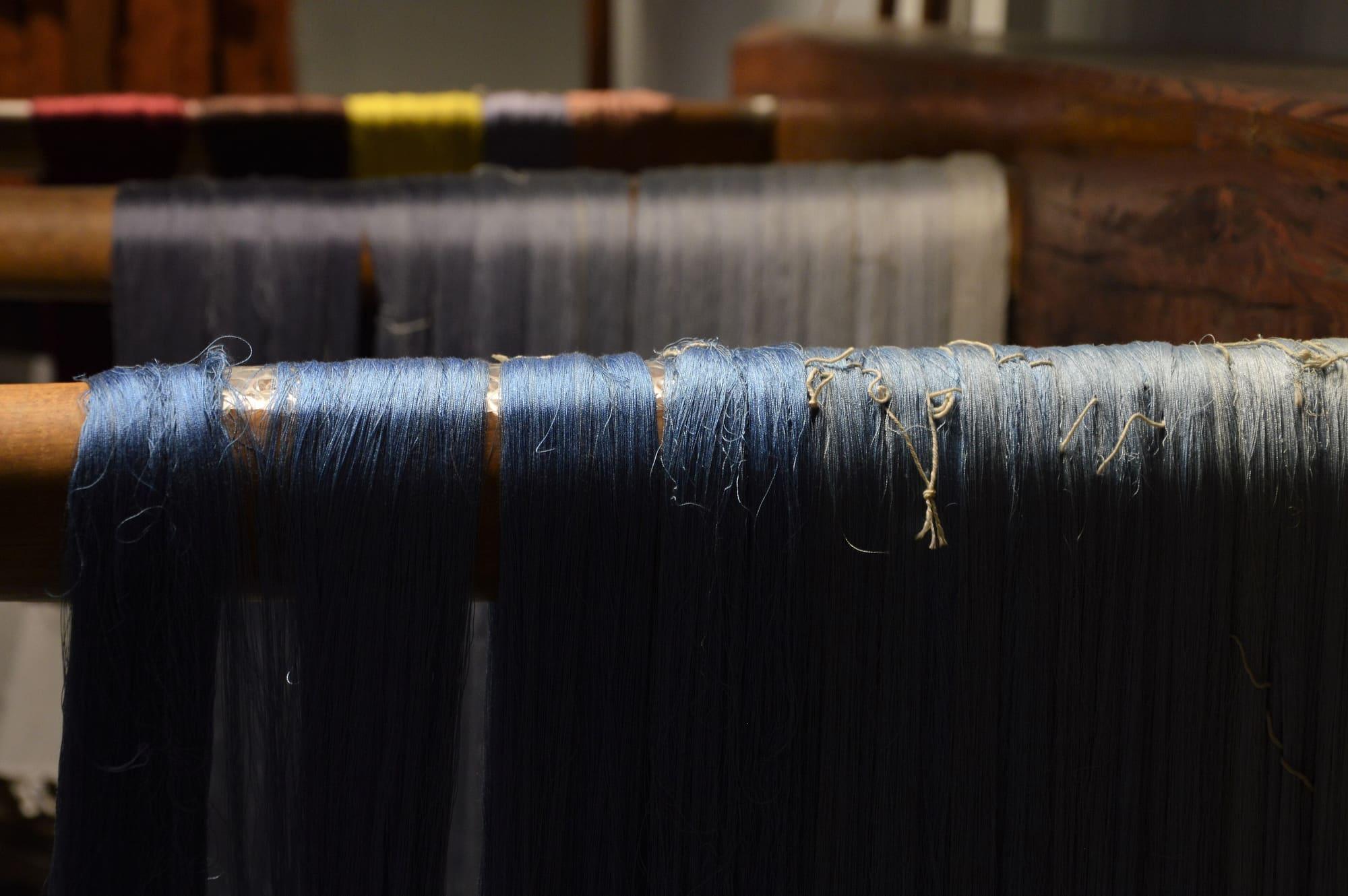
Silk leaves the home
After three centuries as cottage work, with silkworms reared at home and thread spun in winter, silk processing moves into mills along the streams, which provide the power. In the nineteenth century Como becomes one of Europe's leading silk centres.
Nineteenth century
1800–1899 · 9 dates
Volta announces the battery
In a letter to Joseph Banks, President of the Royal Society in London, Volta announces a new device: a column of discs of different metals, separated by pieces of card soaked in salt water. He had built it in Como at the end of 1799; from its shape it is called a pila, a pile.
Place: Tempio VoltianoStory: The battery, the fire and the Tempio
Shelley looks for a house at the Pliniana
From Milan, Percy Bysshe Shelley writes to his friend Thomas Love Peacock that he has been to Como to look for a house. The landscape he likes best is that of Villa Pliniana, half in ruins, which he and Mary hope to obtain; the negotiations come to nothing.
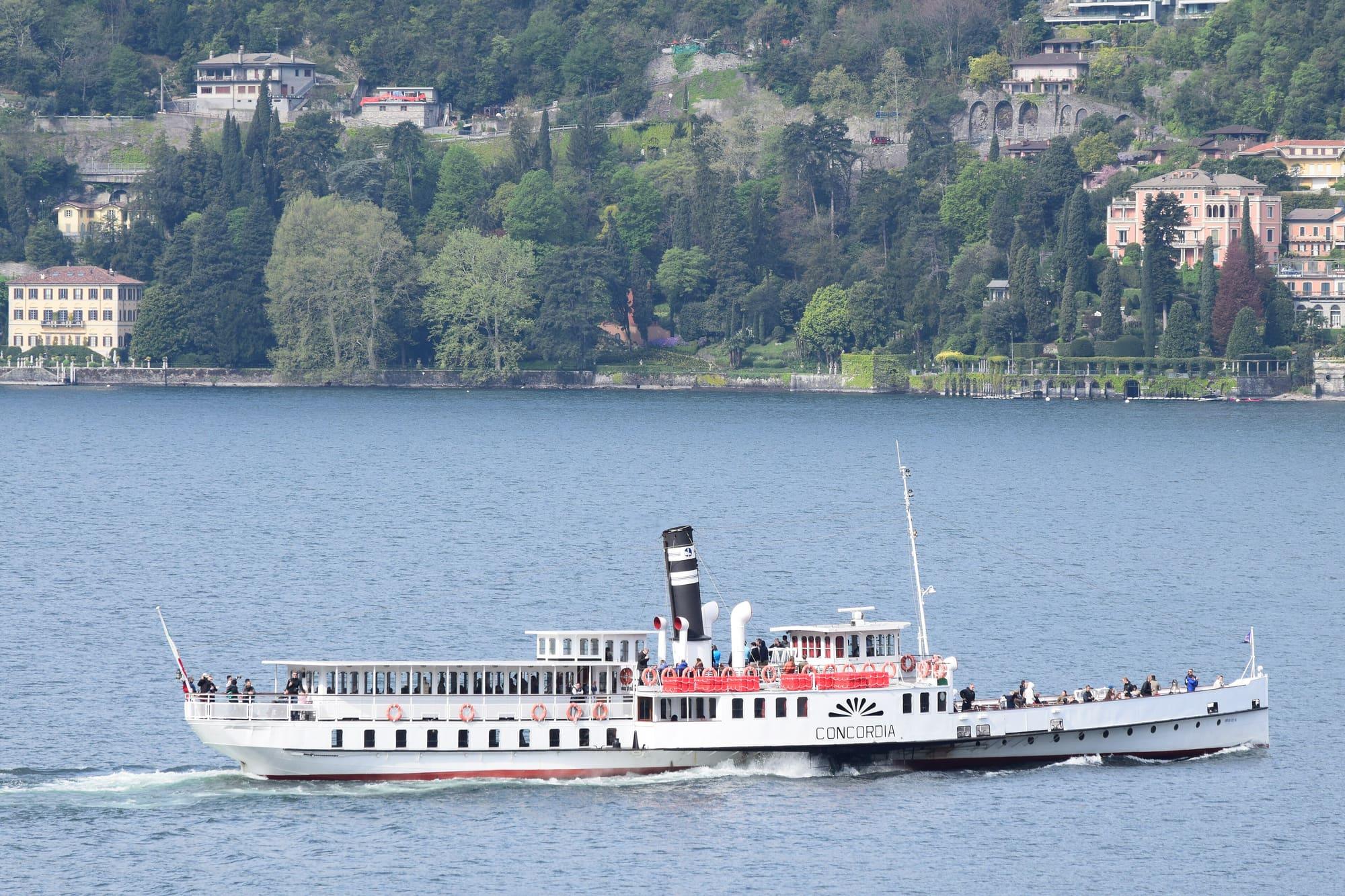
The first steamboat
The Lario, a wooden paddle steamer launched on 29 July from the Olmo beach at Borgo Vico, begins daily runs between Como and Domaso. A journey from Como to Colico, which under sail and oar could take a day or two, now takes a few hours and keeps to a timetable.
Bellini at Moltrasio
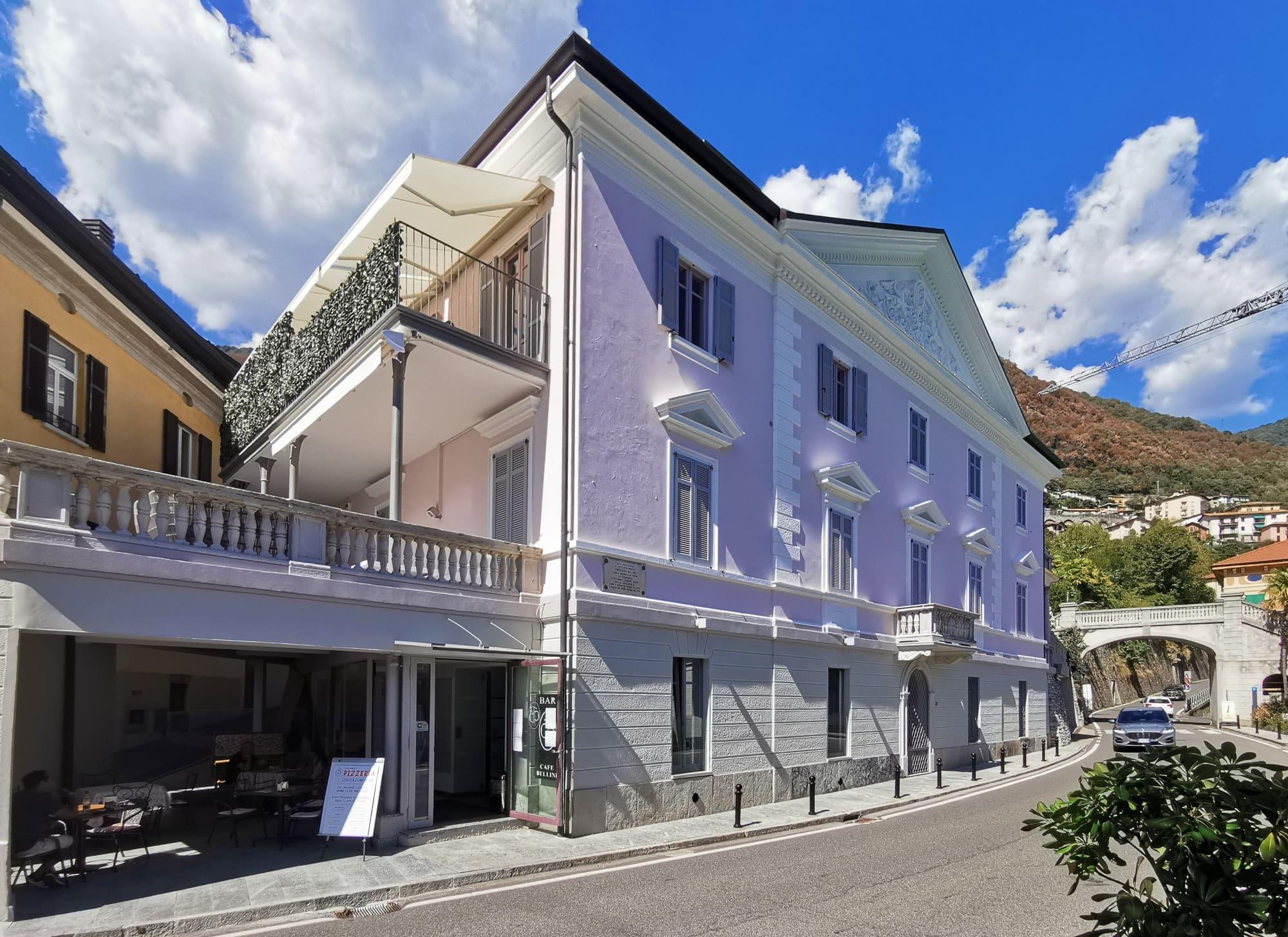
The Cantù and Turina families rent Villa Salterio at Moltrasio, where Giuditta Cantù carries on her affair with Vincenzo Bellini. These are the years in which the composer writes La straniera and La sonnambula; a plaque on the villa's façade records it.
Place: Villa Salterio Erker, MoltrasioStory: The musicians' lake
The highest level on record
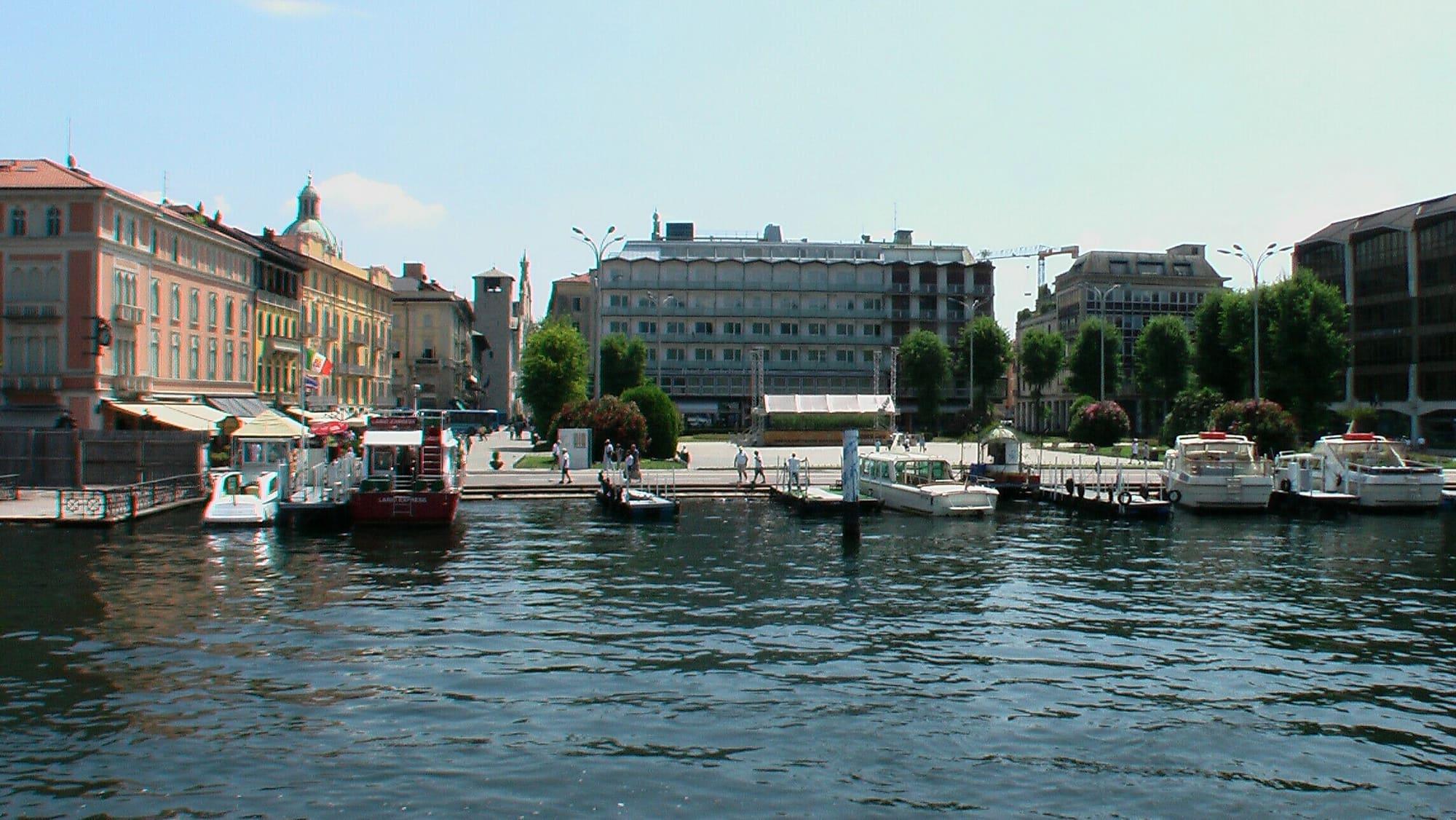
The lake rises to 3.97 metres above the zero of the Malgrate gauge, the highest level ever recorded, and about a third of Como ends up under water, including the whole area around the walls.
The year of the grand hotels
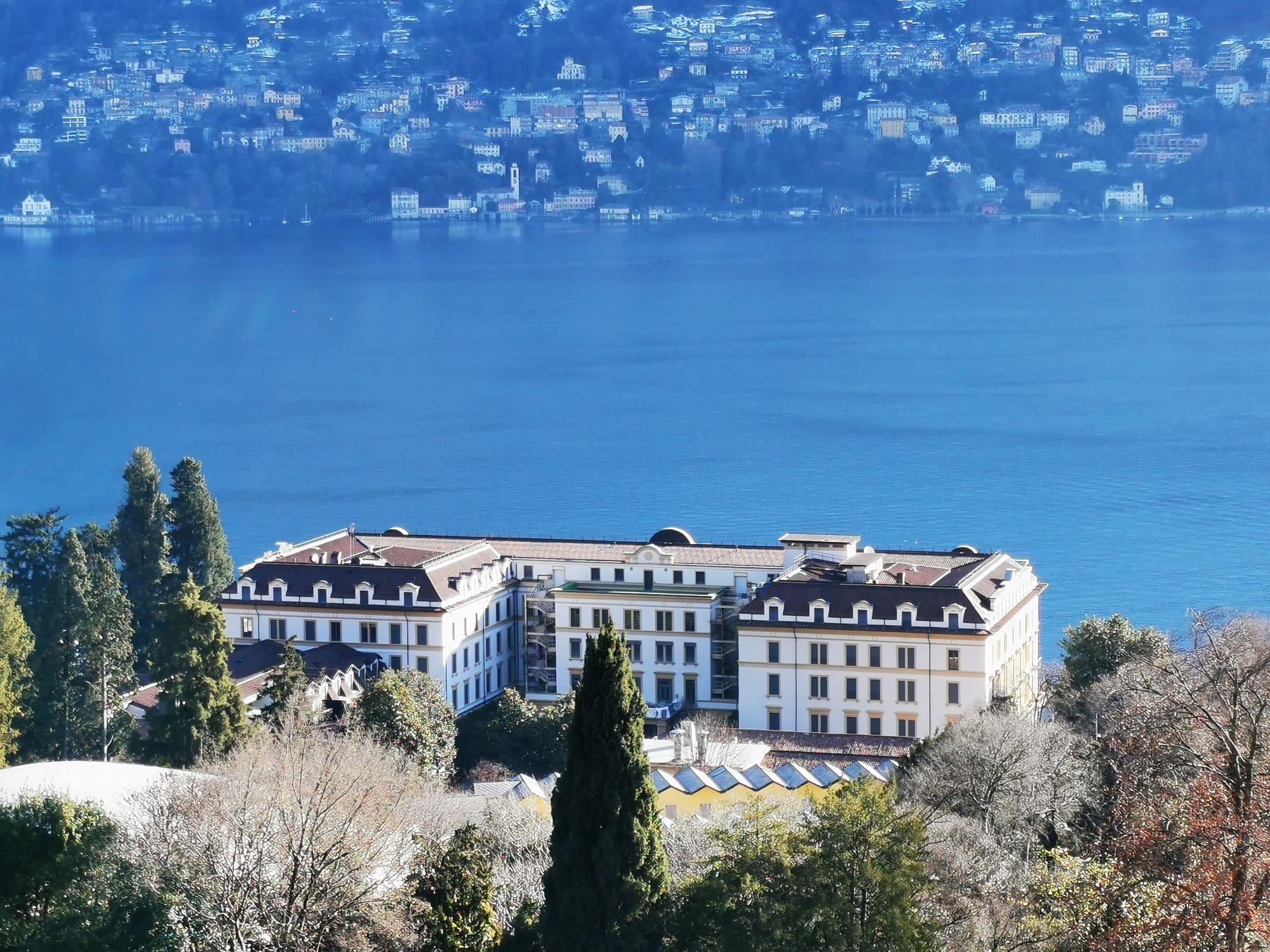
Villa d'Este, at Cernobbio, becomes a hotel. In the same year the Frizzoni family's neoclassical villa at Bellagio opens as the Grand Hotel Bellagio, and Antonio Mella opens the Hotel Grande Bretagne on the Bellagio lakefront.
Place: Villa d'Este, CernobbioStory: The century of the grand hotels
1880s
The fence against smuggling
The Guardia di Finanza builds a long wire fence along the Swiss border, the ramina, with an alarm of bells fixed on springs. Smugglers cross the border in secret with the bricolla, a jute sack holding up to thirty-five or forty kilos of cigarettes, salt or coffee.
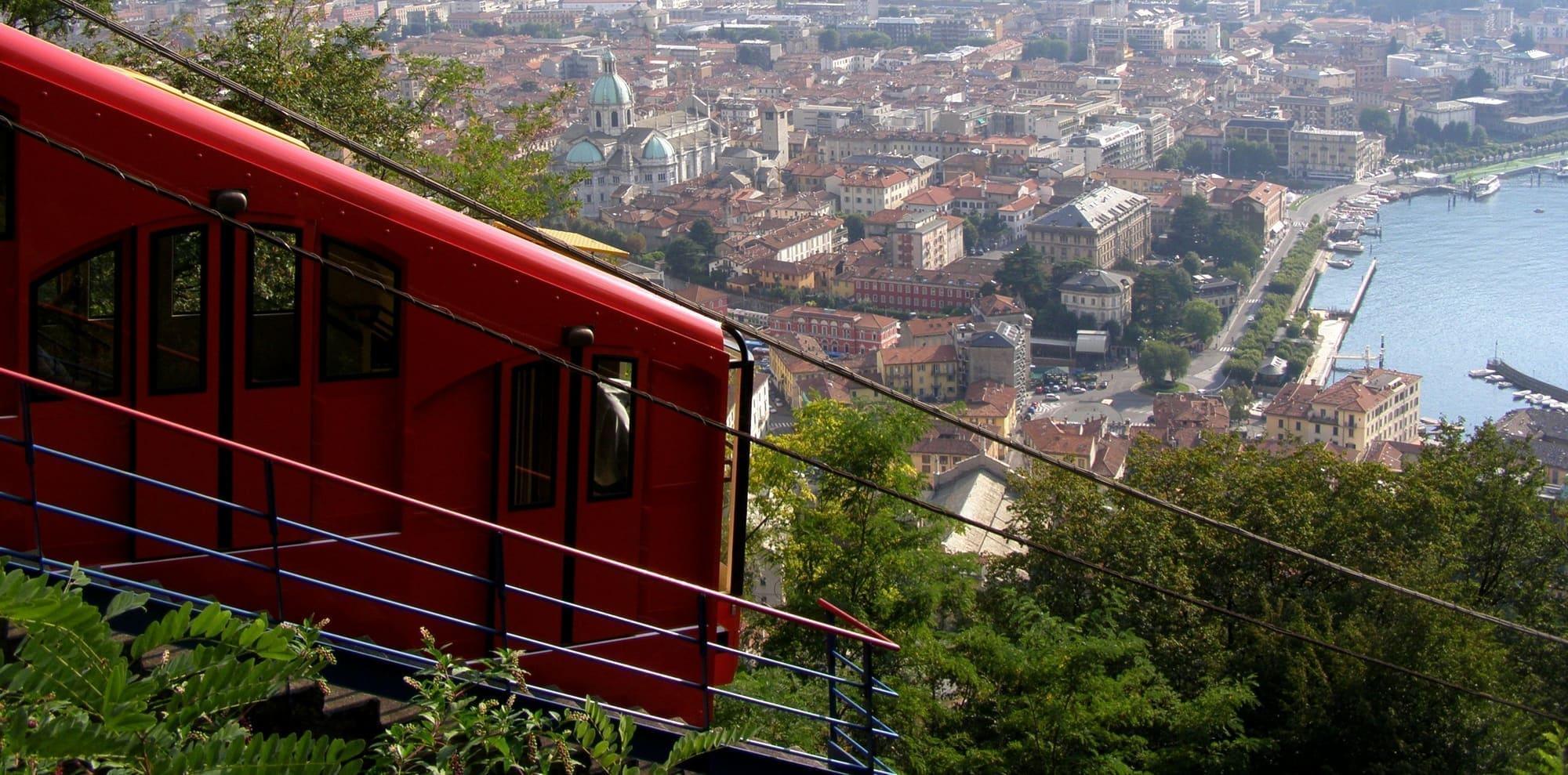
The Brunate funicular
The funicular between Como and Brunate, designed by the engineer brothers Villoresi, opens to the public. Planned to run on water, by gravity, it works instead with a steam winch because there is not enough water; in 1911 it switches to electric motors.
Place: Como–Brunate FunicularStory: When the railway reached the lake
The Volta Exhibition burns
A spark from two electric wires sets fire to the wooden pavilions of the exhibition built on the lakeshore for the centenary of the battery: they burn in less than an hour, with many of Volta's relics. Within a month the engineer Eugenio Linati rebuilds them, and the exhibition reopens on 20 August.
Twentieth century
1900–1999 · 6 dates
Hitchcock shoots his first film on the lake
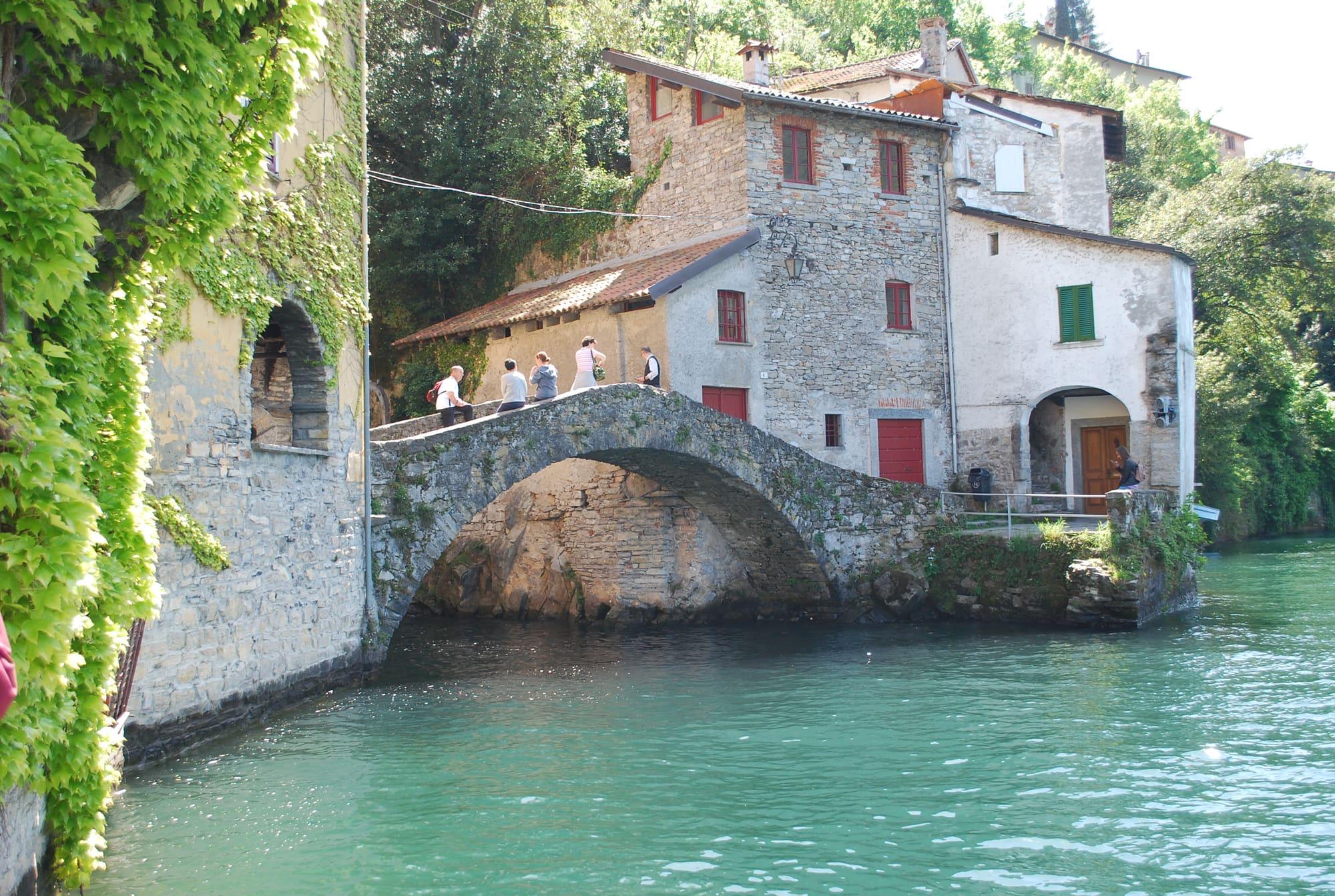
For ‘The Pleasure Garden', his debut as a director, Alfred Hitchcock sets the heroine's honeymoon on the lake. The Villa d'Este hotel, the Isola Comacina and the Civera bridge at Nesso can all be recognised.
The physicists' congress for the Volta centenary
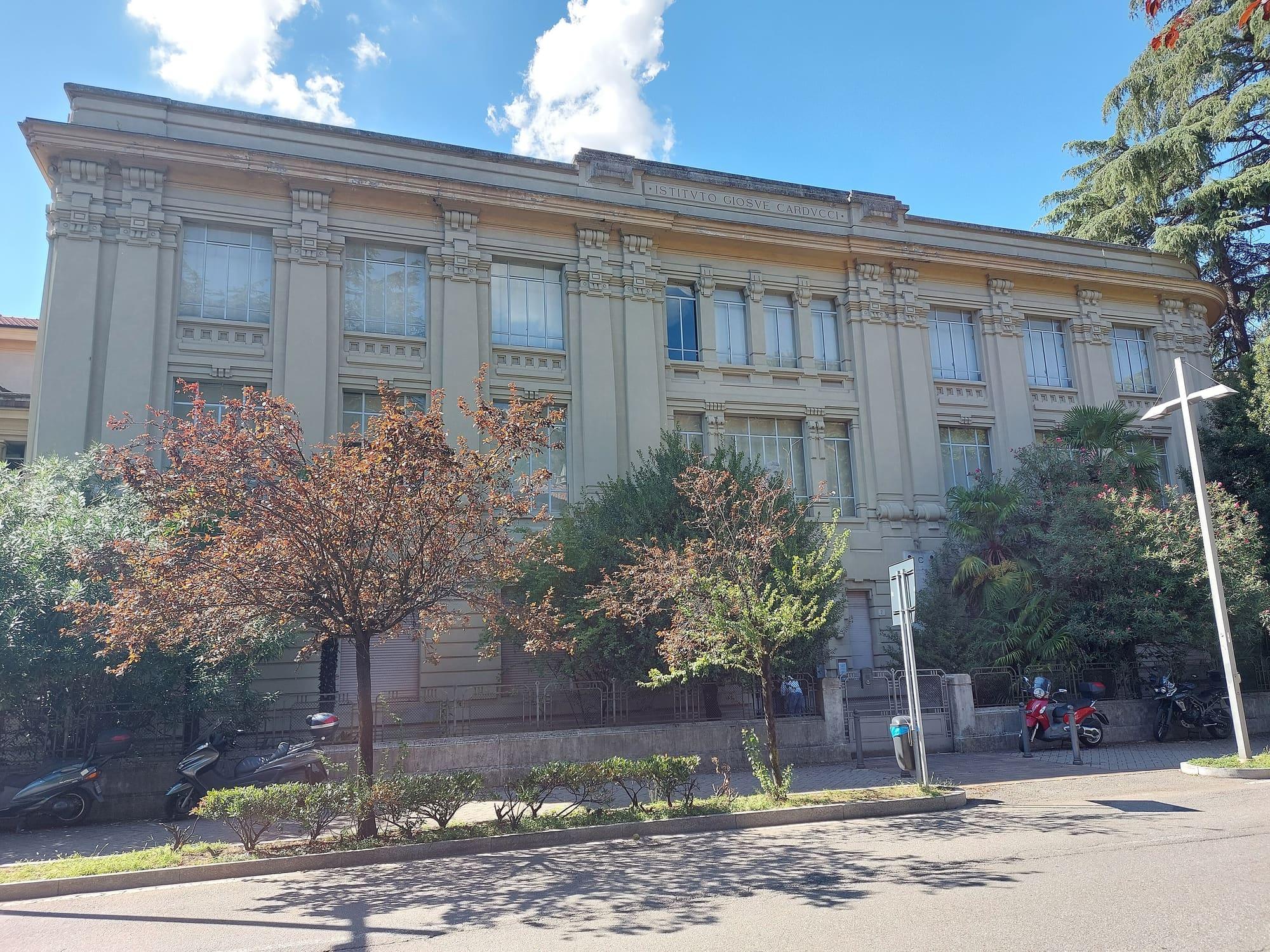
Sixty-one physicists meet in Como, Pavia and Rome, among them the young quantum physicists: Pauli, Heisenberg, Fermi, Dirac. At the congress Niels Bohr first sets out the principle of complementarity; the Como sessions are held in the science room of the Istituto Carducci, later called the Nobel room.
Place: Istituto Carducci and the Nobel RoomStory: The battery, the fire and the Tempio
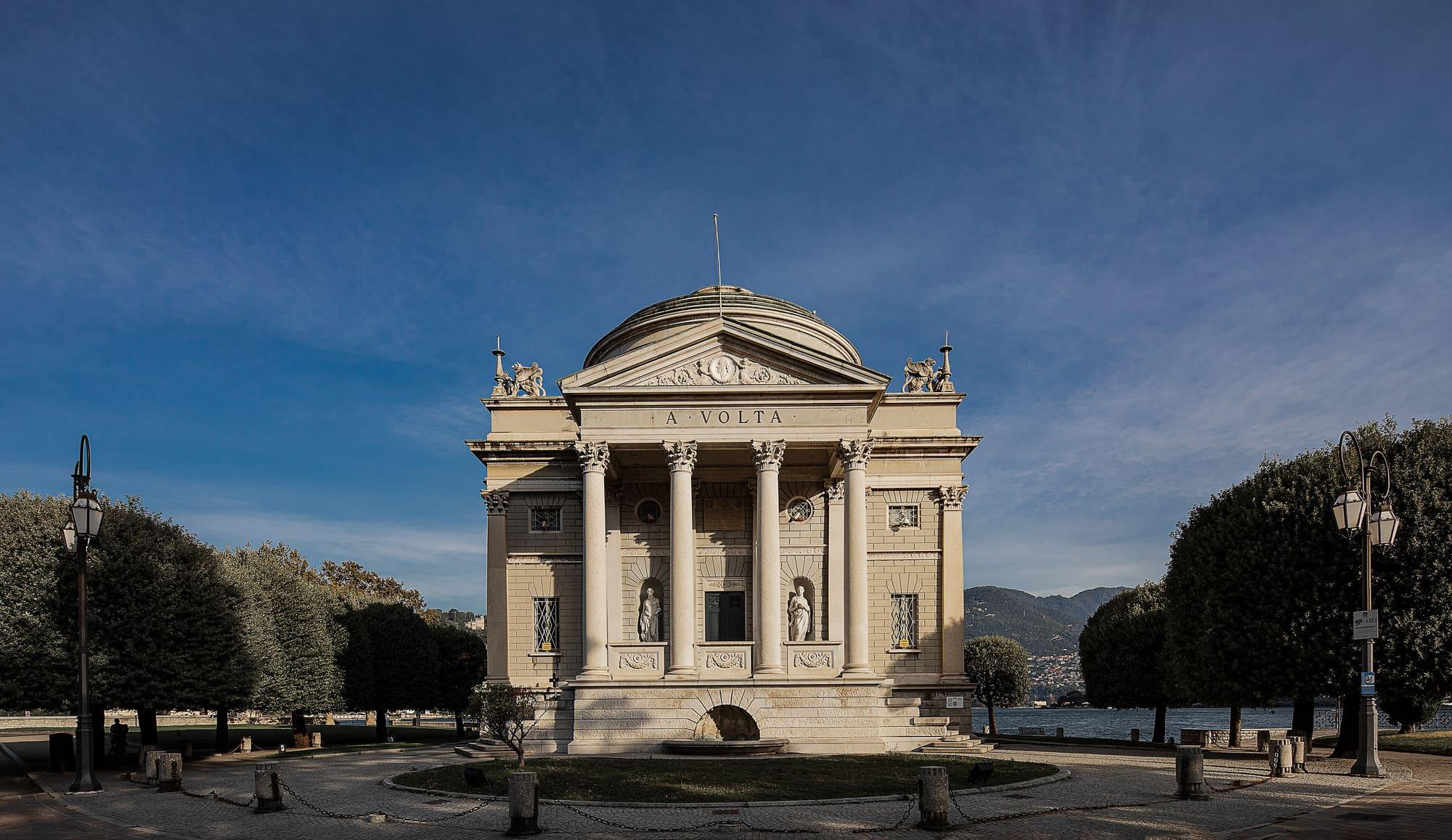
The Tempio Voltiano opens
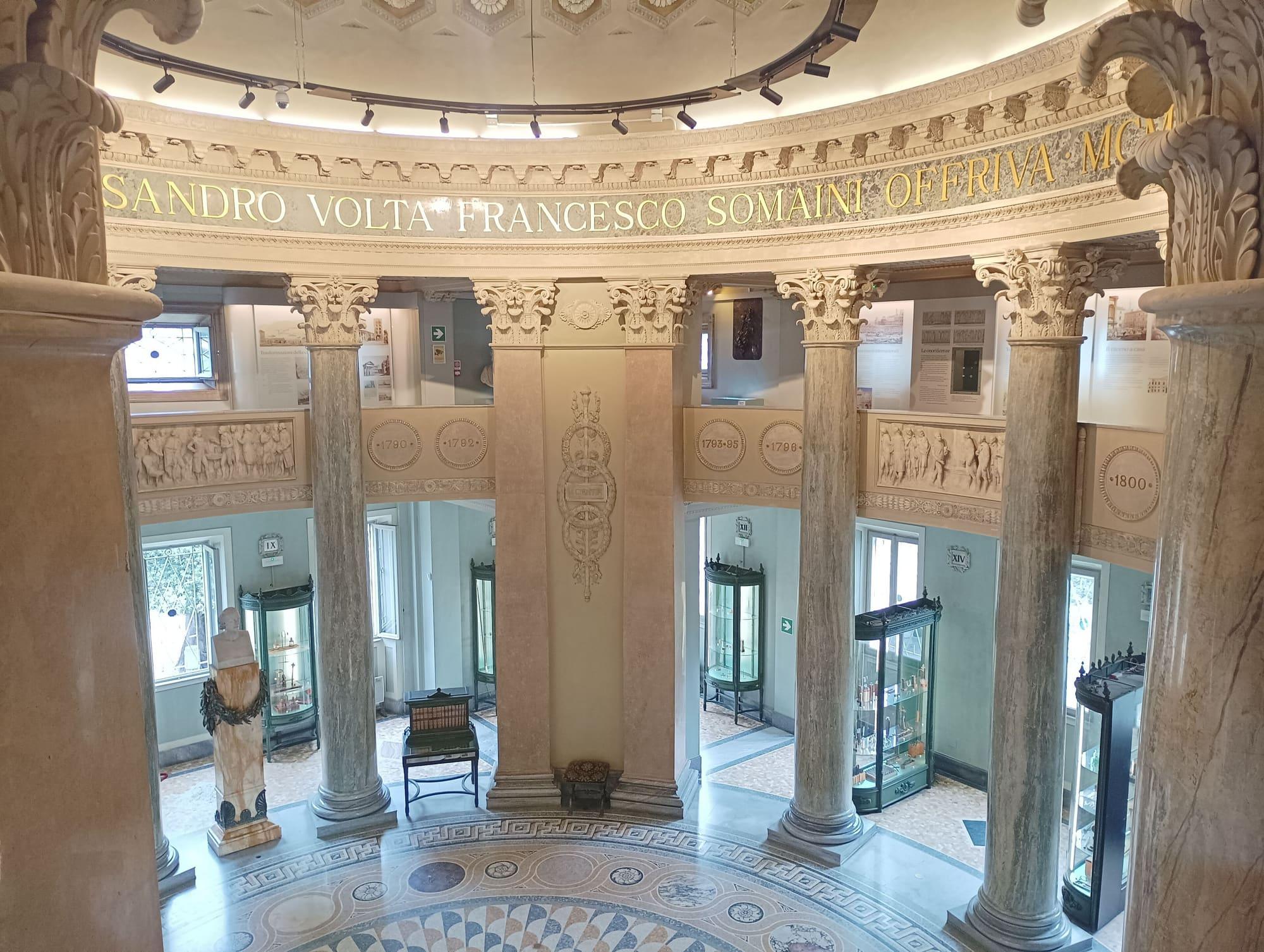
The industrialist Francesco Somaini gives the city the Volta museum on the lakefront, designed by Federico Frigerio with an explicit nod to the Pantheon. A plinth more than two metres high protects it from floods; inside are original instruments of Volta's.
Place: Tempio VoltianoStory: The battery, the fire and the Tempio
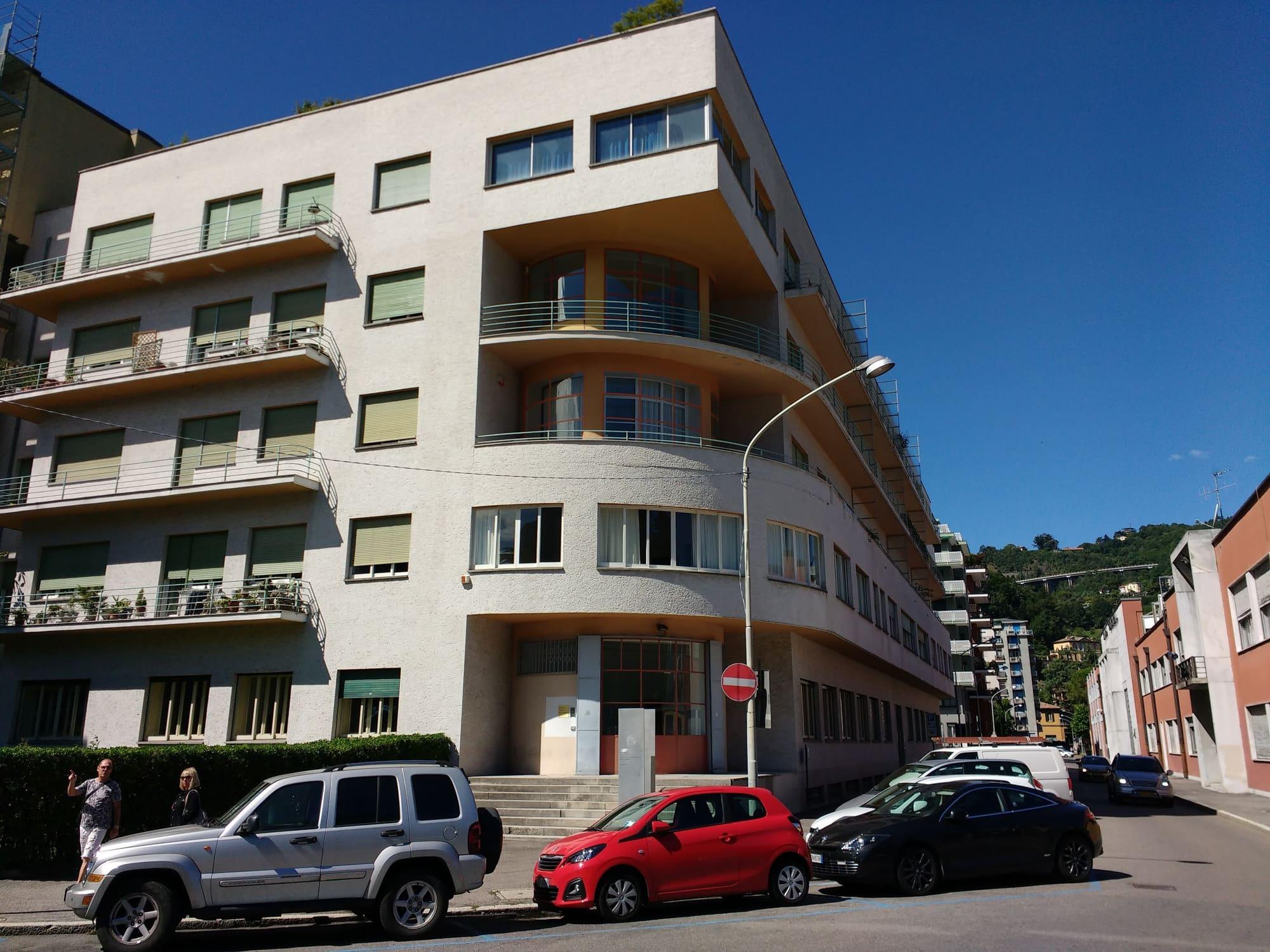
The Novocomum, Como's first rationalist building
Giuseppe Terragni completes the Novocomum, an apartment building with a curved volume on the corner that the people of Como nickname ‘the Ocean Liner'. Between the wars Como becomes one of the centres of Italian rationalism.
Place: NovocomumStory: Palazzo Terragni, rationalism beside the cathedral
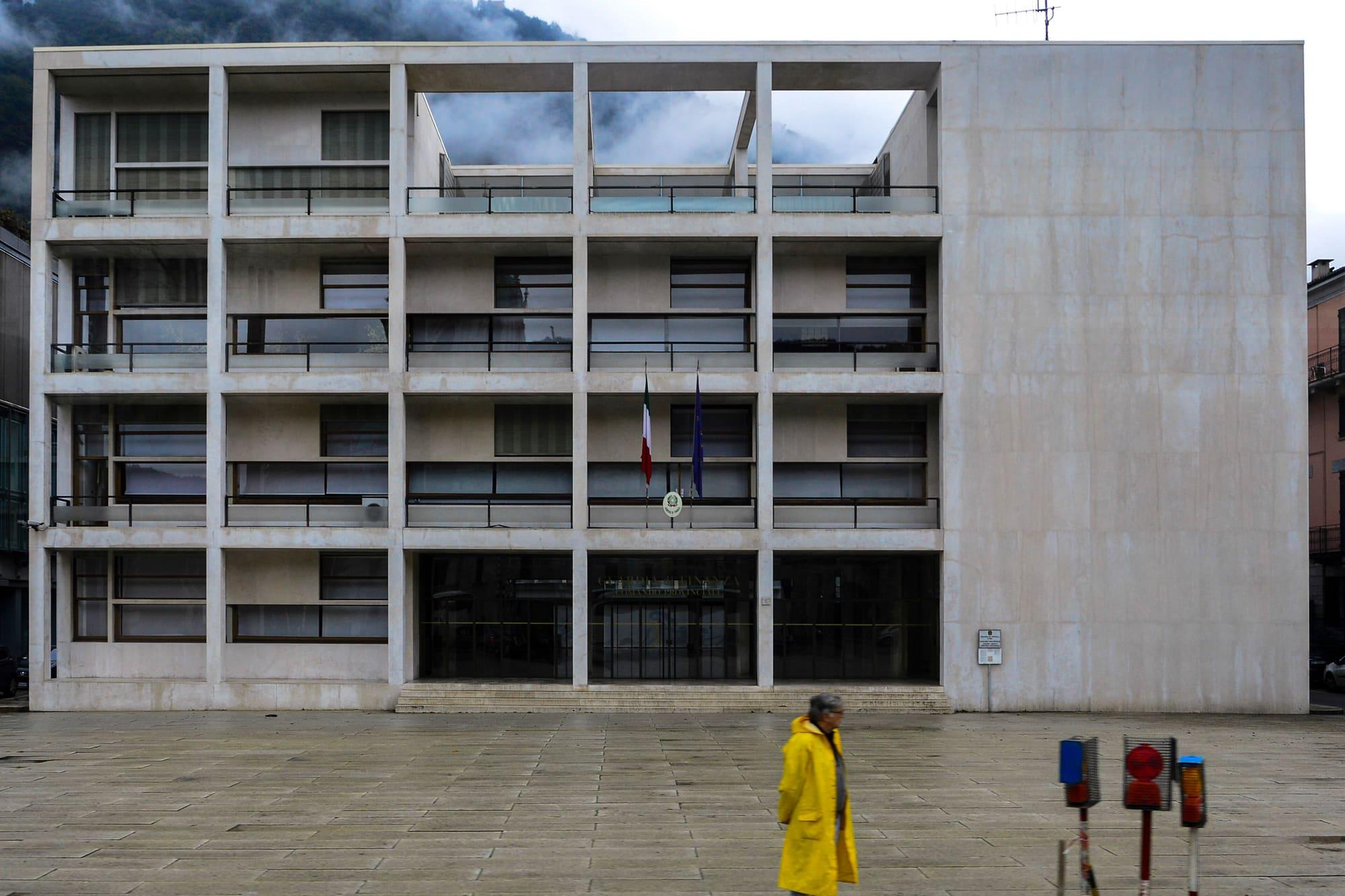
Terragni completes the Casa del Fascio
Fifty metres from the apse of the cathedral, Giuseppe Terragni completes the Como headquarters of the National Fascist Party, designed in 1932: a square of about thirty-three metres a side, faced in white marble, with no cornices or decoration. The building has since taken the name Palazzo Terragni.
Place: Palazzo Terragni (former Casa del Fascio)Story: Palazzo Terragni, rationalism beside the cathedral
The flood of the year of the Valtellina disaster
The lake reaches 2.64 metres above the Malgrate zero, the highest level since it has been regulated, reached again on 15 October 1993. With the dam Piazza Cavour stays flooded for 30 days; without it, it would have been 85.