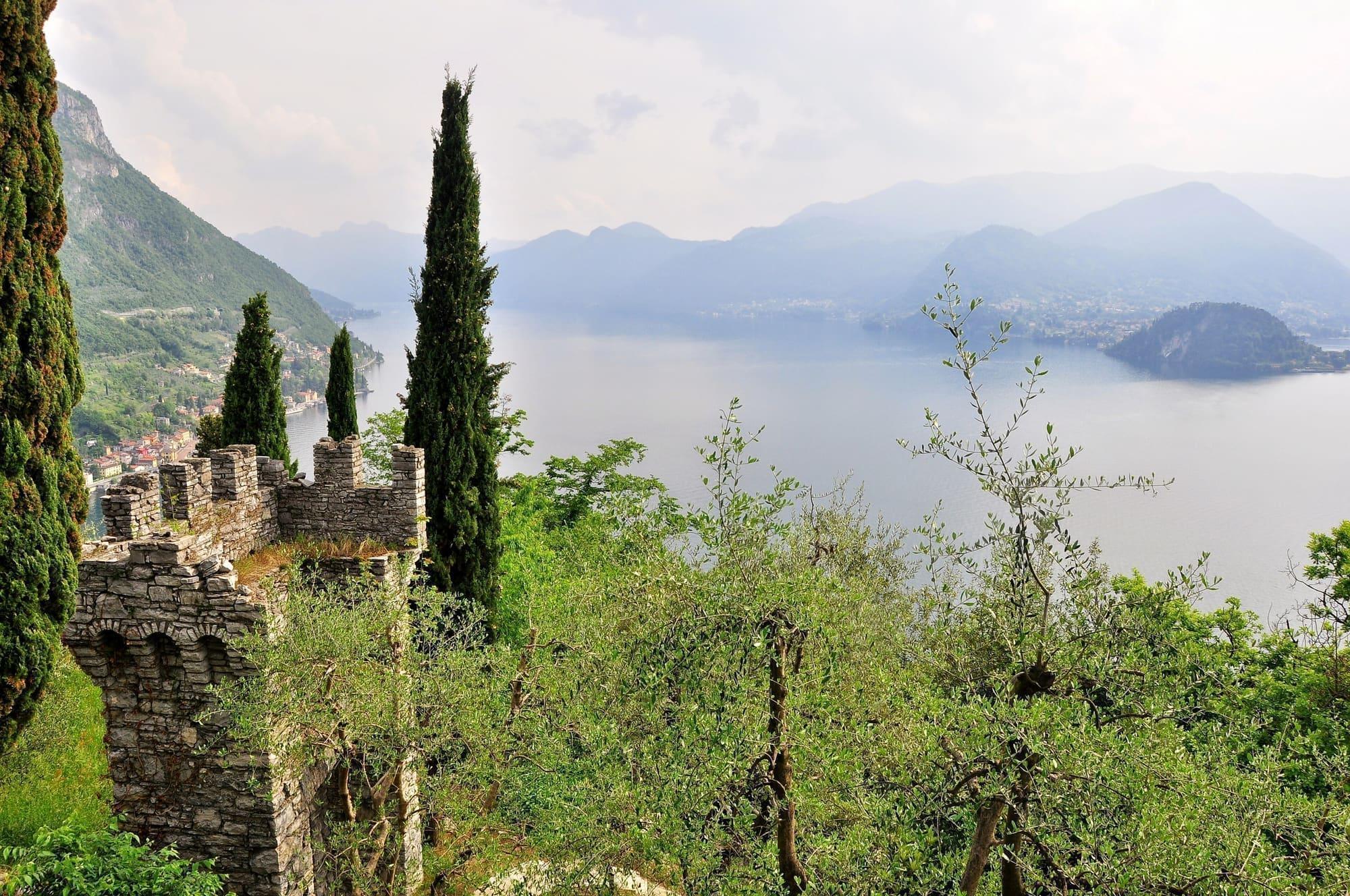
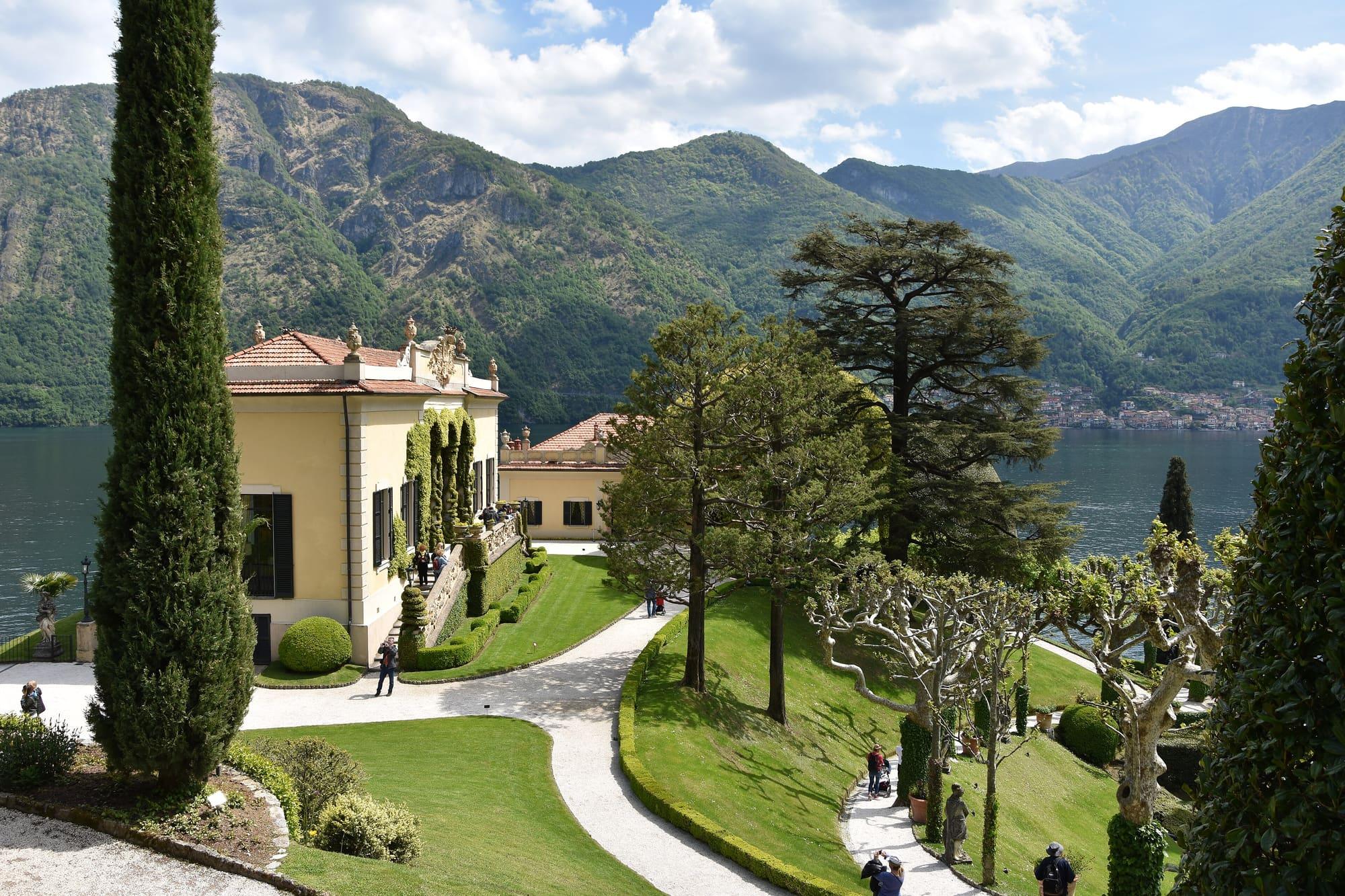
Many films shot on the lake do not say where they were shot.
From the Lumière brothers' first footage to “House of Gucci”, the places can be found one by one: villas, squares, landing stages and villages of the Lario that on screen have stood in for Lake Geneva, for the planet Naboo or for a hotel that never existed.
Cinema came early to the lake. Between 1896 and 1897, while the Lumière brothers were travelling Italy to introduce the cinematograph, they also filmed scenes of a boat race at Bellagio, now kept with other unreleased footage at the Cineteca nazionale in Rome. Since then the lake has appeared in many films, often without being named: its villas, squares and landing stages have served as the backdrop for stories set elsewhere or in imaginary places.
Hitchcock's honeymoon
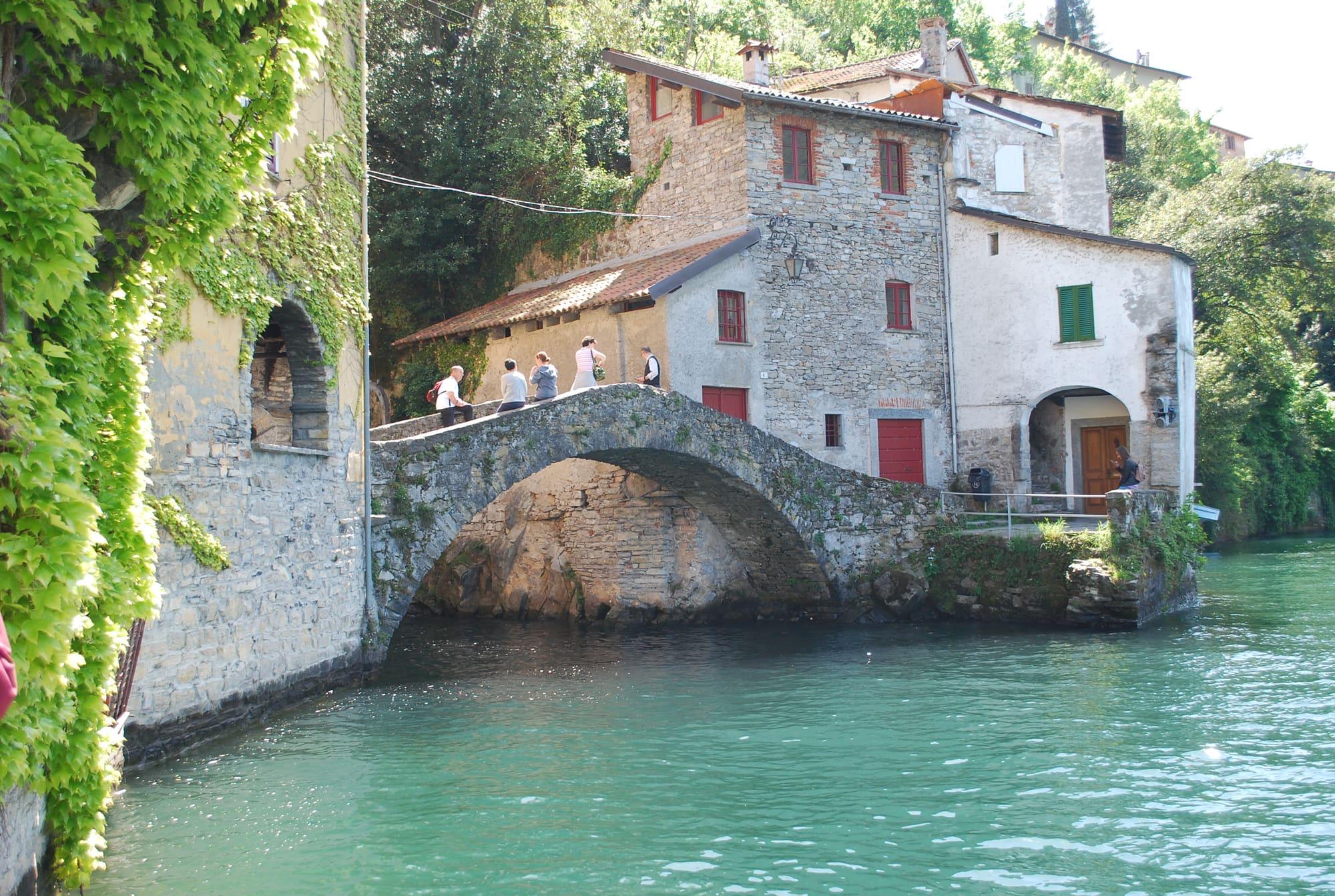
In 1925 Alfred Hitchcock, making his debut as a director, shot part of “The Pleasure Garden” in Italy, at Alassio, Genoa and on Lake Como. The cameraman failed to declare the film stock at customs, and the crew had to pay fines and buy new film. The film sets the heroine's honeymoon on the lake, and the places can be recognised: the Villa d'Este hotel at Cernobbio and its park; the Isola Comacina, where the couple lie on the grass with the Dosso di Lavedo behind them; the village of Nesso and the Ponte della Civera, beside which the heroine is moved by a local child; and a view of the lake crossed by a lucia, the lake's traditional sailing boat. Hitchcock himself, interviewed by François Truffaut, recalled that those scenes were planned on Lake Como, at the Villa d'Este hotel.
Soldati, Fogazzaro and the betrothed
Between 1940 and 1942 the lake was the set for three films based on novels. The screenplay of Mario Soldati's “Piccolo mondo antico” (1941), from Fogazzaro, was partly written at Volesio, on Lake Como, and the exteriors were shot at Oria and San Mamete, in the Valsolda, on the Italian shore of Lake Lugano. The Balbianello appears in the film too: the villa at Lenno is the house of the Marchesa Maironi, the grandmother, while the villa at Oria that belonged to Fogazzaro is the young couple's home. For Mario Camerini's “I promessi sposi” (1941) the first idea was to shoot the exteriors around Lecco, but it was dropped because the novel's places had become too modern, and the Como side was chosen instead: Limonta and Vassena, hamlets of Oliveto Lario, Rezzonico for the descent of the Landsknechts, Brienno, Laino and Sant'Anna, a hamlet of Argegno, where fifteen hundred extras were found among the inhabitants for the crowd running to meet Cardinal Borromeo. Many scenes set outdoors, however, were shot at Cinecittà.
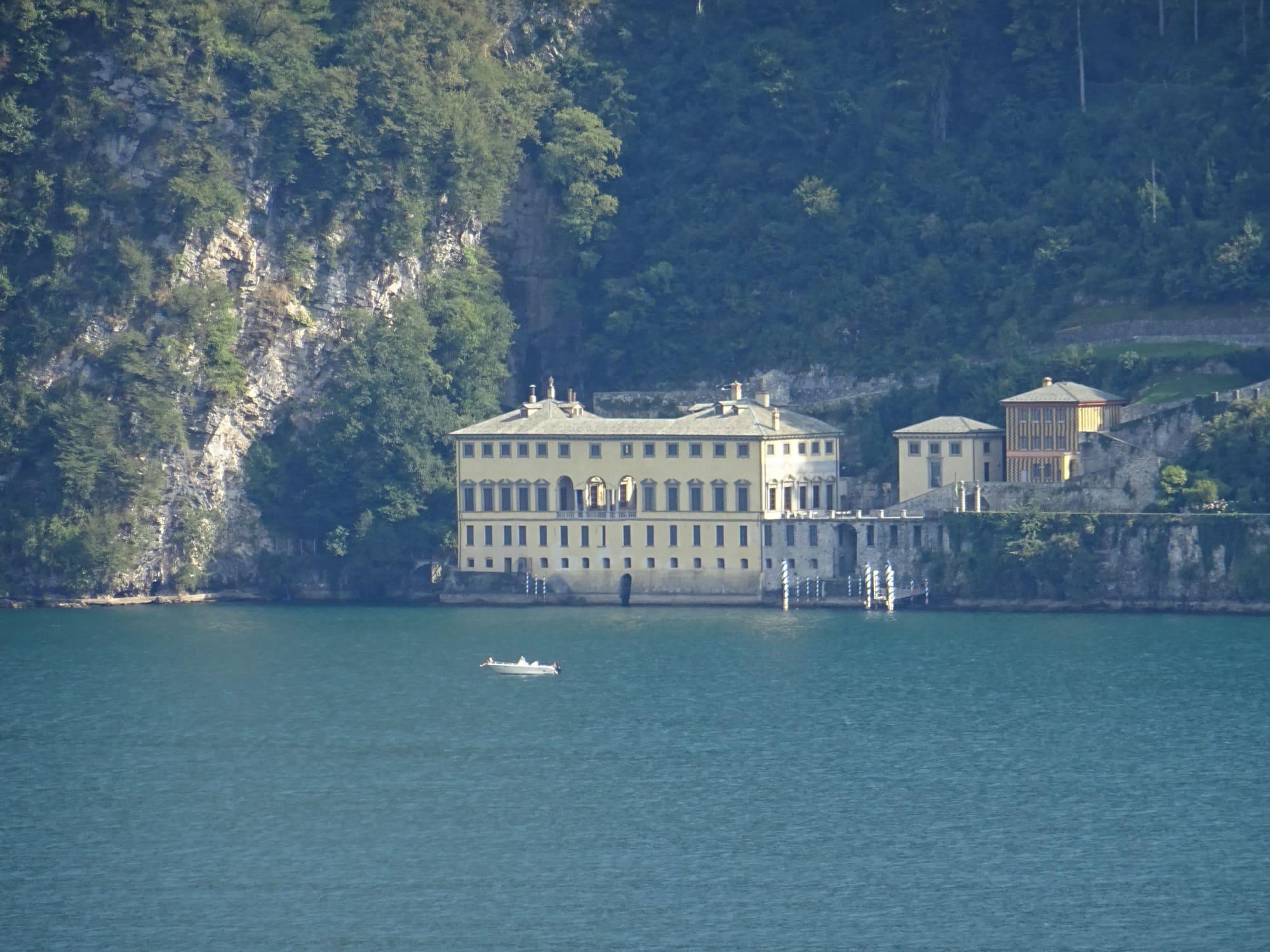
The third is “Malombra” (1942), again by Soldati and again from Fogazzaro. Shooting began on 7 April 1942 at Villa Pliniana, in Torno, and went on through the spring and summer. The exteriors were filmed on Lake Como, on the Italian shore of Lake Lugano and in the Valsolda, and for the scenes in the narrow gorge at Osteno the Como fire brigade had to be called in to build supporting structures. The interiors were shot at the Pliniana and then in Rome, where the villa's rooms were rebuilt. On Lake Como the villa is almost the film's only location: from its private landing the heroine, in the final scene, sets off alone by boat towards a gorge “on the other side of the lake”, which is in fact the one at Osteno.
Visconti and Risi
In 1960, in “Rocco and His Brothers”, Luchino Visconti sends Simone and Nadia away from Milan for a few days' holiday. Some scenes were shot on the lake between Lierna and Bellagio: at Bellagio on the lakefront, today the Lungolago Europa, between the landing stage and the Hotel Grande Bretagne, still open at the time. For Visconti the lake was family: Villa Erba, at Cernobbio, belonged to his family, he spent every summer there until 1929, and in his last years he turned its former stables into an editing room to finish “Ludwig” (1973). In 1961 Dino Risi made “A Difficult Life” with Alberto Sordi, between Lenno, Lierna and Varenna. The film opens on the beach of the Golfo di Venere, at Lenno: Sordi crosses Piazza XI Febbraio, passes the Romanesque baptistery of San Giovanni and walks into a hotel that never existed, because only a façade was put up on the square. Later, now a journalist, he is sent to Dongo, to Piazza Paracchini.
As early as 1948, when Christian-Jaque shot “La Chartreuse de Parme” with exteriors in Milan and Como, the castle of Grianta in Stendhal's novel was no longer there: its towers had been absorbed into Casa Riva in 1858, and Fabrizio del Dongo's home became the Balbianello. Then came the foreign productions. In Sydney Pollack's “Bobby Deerfield” (1977), Al Pacino and Marthe Keller drive down from the Valsolda towards the lake with the tip of Bellagio in the background, take the ferry at Tremezzo and stop at the Grand Hotel Villa Serbelloni; other scenes were shot between Lierna and Varenna. Roger Corman, for “Frankenstein Unbound” (1990), was looking for a lake that could pass for Lake Geneva in the nineteenth century: at Villa Melzi, in Bellagio, he shot the home of Percy and Mary Shelley, on the piano nobile and in the garden.
“A Month by the Lake” (1995) by John Irvin, with Vanessa Redgrave, takes place entirely on Lake Como: mostly in the gardens of the Balbianello, where the director placed the hotel of the story, and then at the Bellagio lido, at Villa Olmo, at Rezzonico, on the Varenna lakeside walk, on the landing stages at Tremezzo and Cernobbio and at Villa Sola Cabiati, known as La Quiete, at Bolvedro. In “The Luzhin Defence” (2000) by Marleen Gorris, with John Turturro and Emily Watson, the hotel where the story unfolds is Villa Erba, although the chess hall was filmed in Budapest; the train in the first scene pulls into the station at Brenna, in Brianza.
Naboo and 007
For “Star Wars: Episode II – Attack of the Clones” (2002) George Lucas filmed in only two places in Italy: the royal palace at Caserta and the Balbianello. In the film the villa is Varykino, Padmé Amidala's retreat in the lake country of the planet Naboo. The loggia frames the newly-weds' final kiss; the picnic was filmed on the Rogaro meadow, between Tremezzo and Griante, and a scene later cut at the landing stage of the Parco Teresio Olivelli in Tremezzo. The landscape was retouched by computer: two islands in the middle of the lake, domes on the villa's roofs, waterfalls. In 2006, in “Casino Royale”, the villa became the clinic where James Bond recovers from torture; filming took place between late May and early June, and further exteriors were shot at Villa La Gaeta, near Menaggio. The FAI, which received the Balbianello as a bequest from Guido Monzino in 1988, announced a screening of the film in Milan in February 2007 in aid of the restoration of its properties. Finally, for Steven Soderbergh's “Ocean's Twelve” (2004), the rival thief's villa on Lake Como is Villa Erba, where the characters played by George Clooney and Vincent Cassel meet.
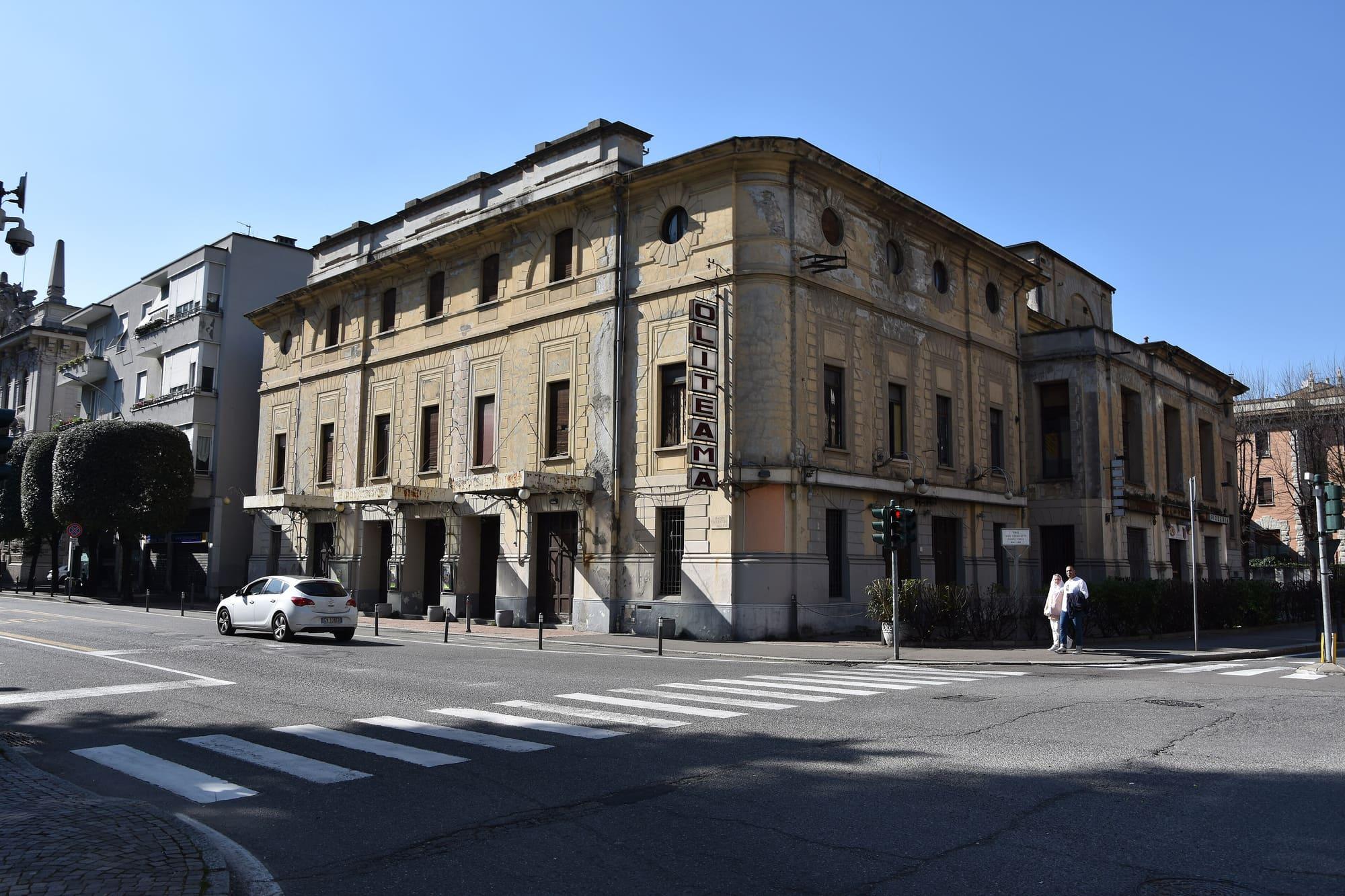
In 2013 and 2021 the lake returned in other roles. Paolo Virzì's “Human Capital” (2013), shot in Varese, Lecco and Pavia, also gives a part to the Politeama in Como, a disused theatre: the director chose it on purpose, as a symbol, he said, of decline. Villa del Balbiano, on Lake Como, is among the locations of Ridley Scott's “House of Gucci” (2021).
Historical events linked to this story are collected in the Lake timeline.