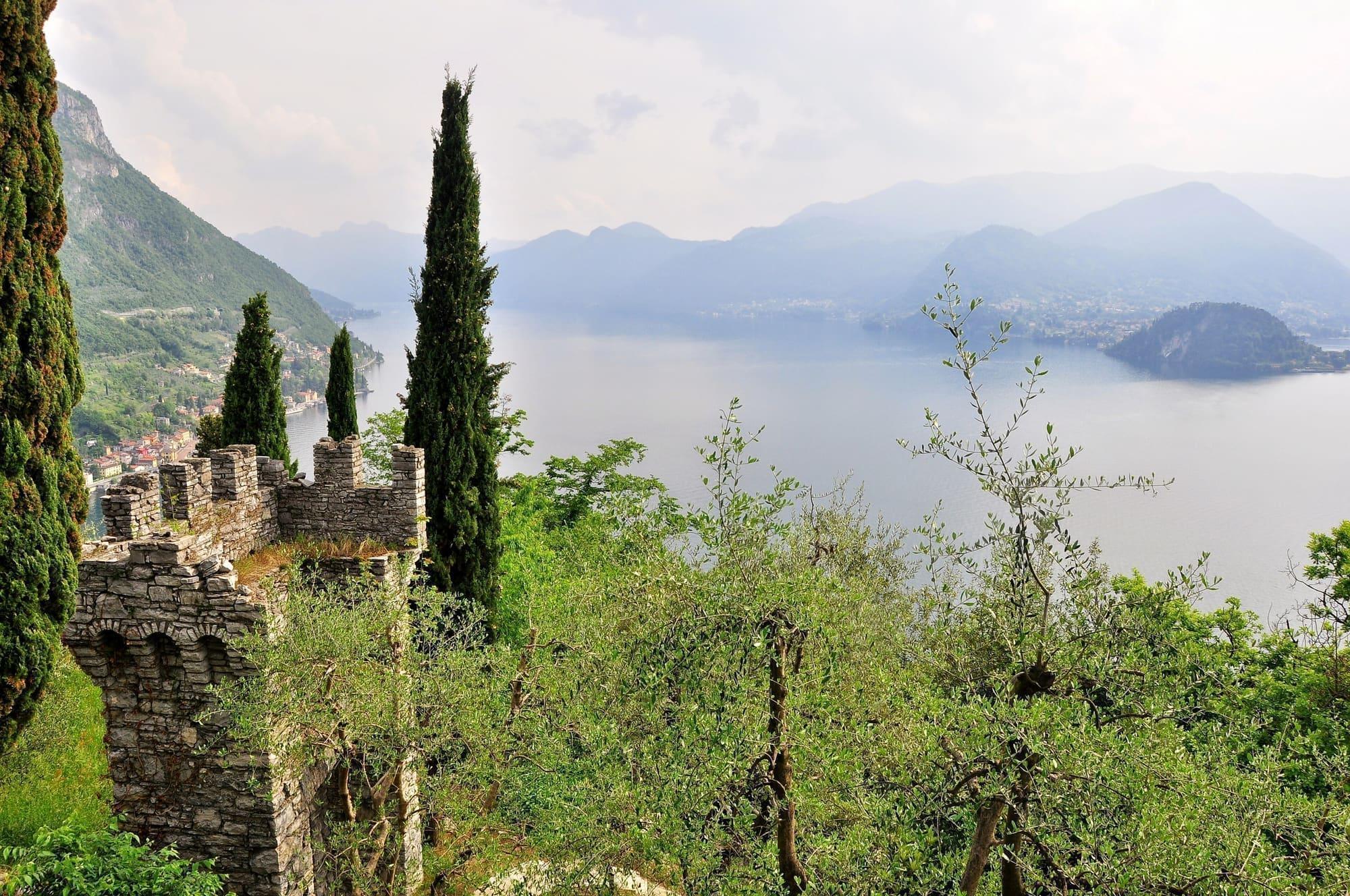
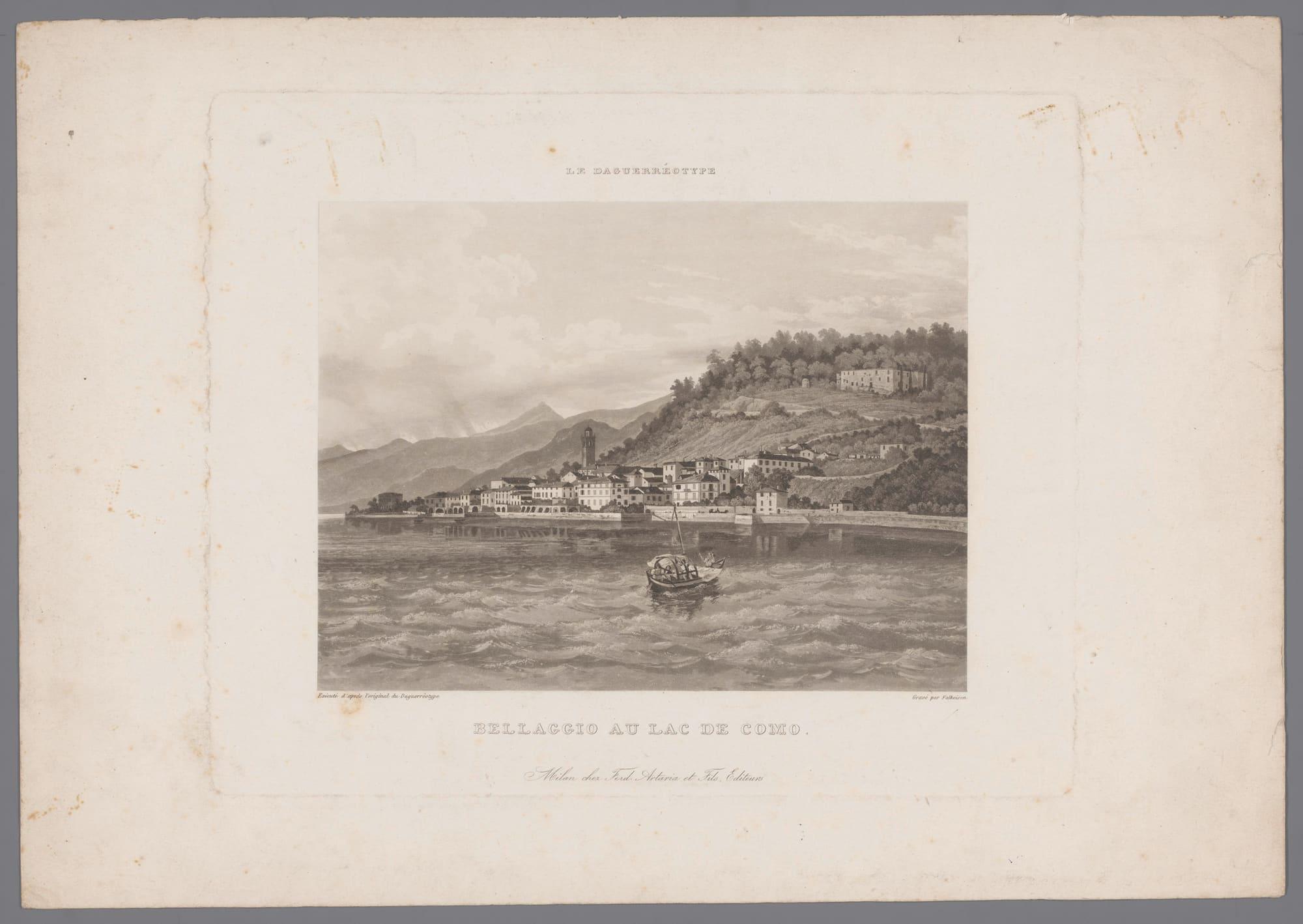
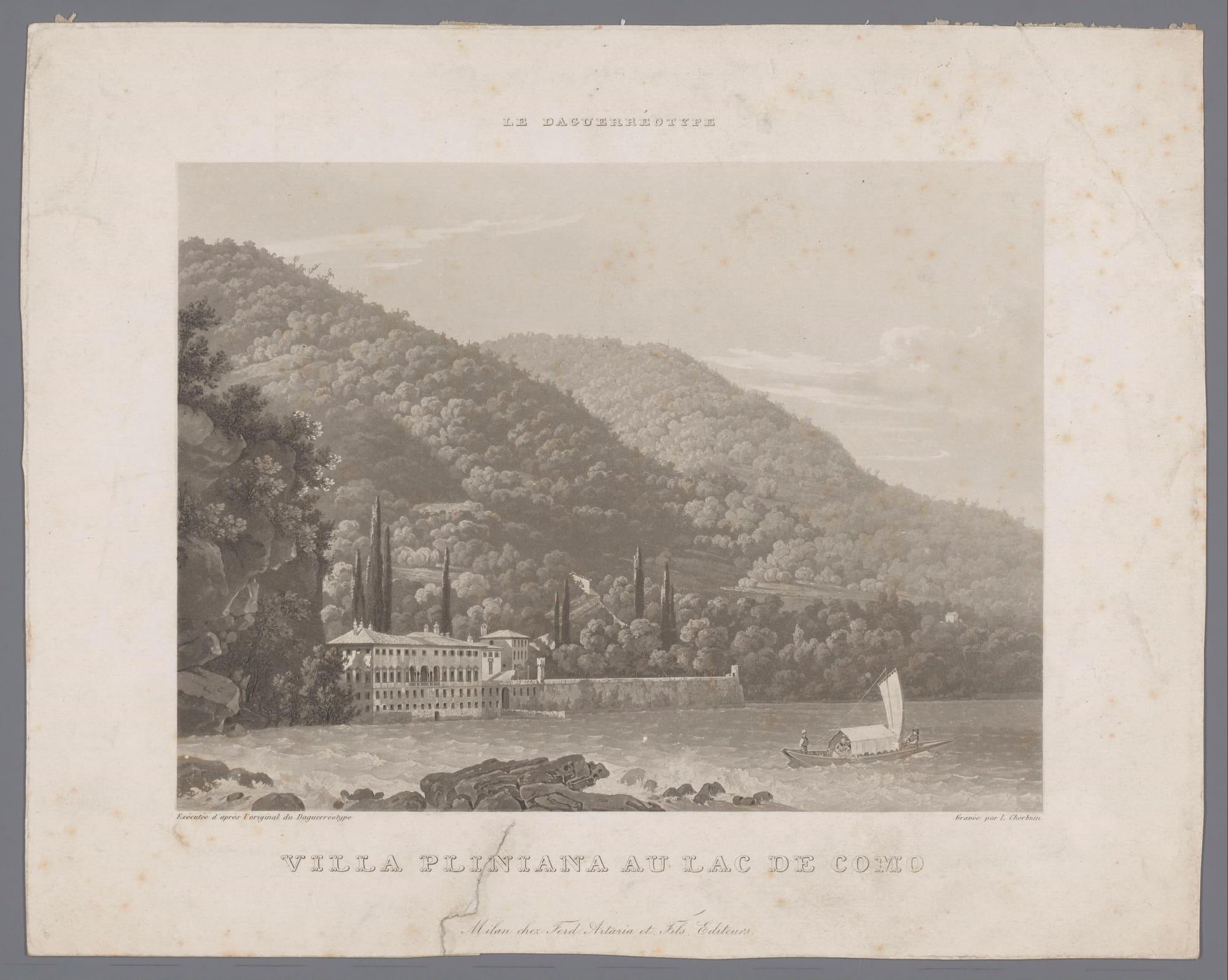
The first photographic images of the lake are the 1840 lithographs made from daguerreotypes.
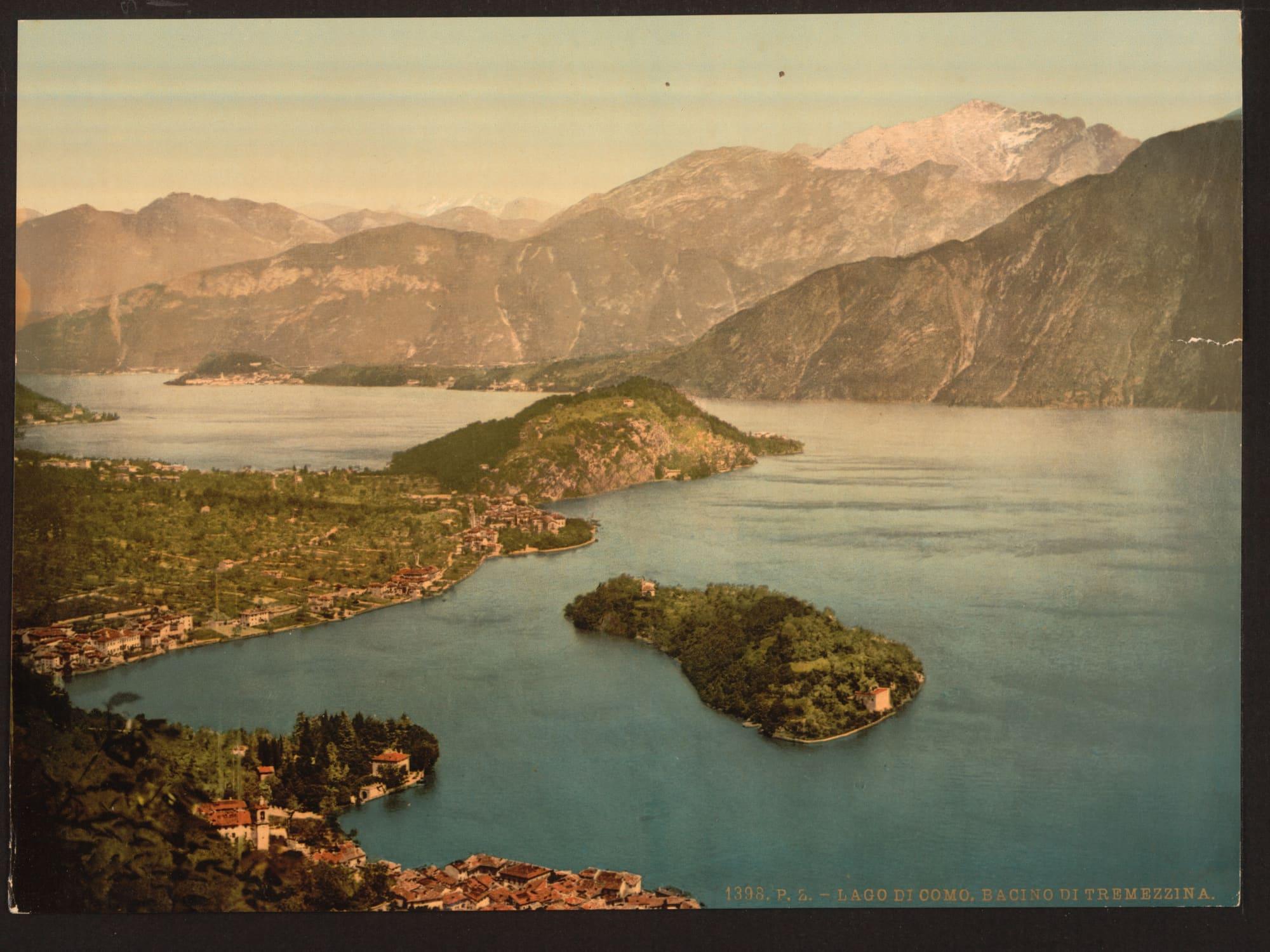
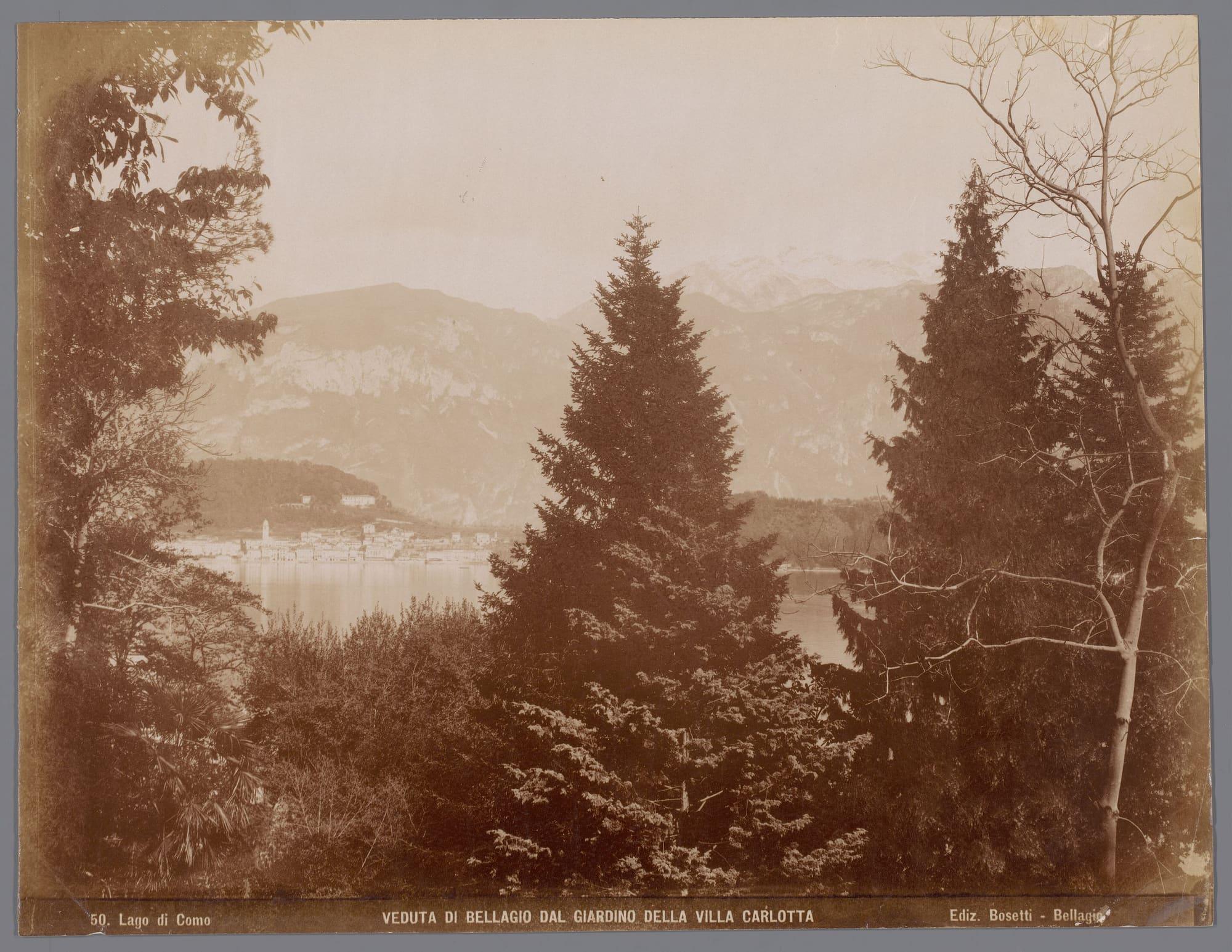
In the later nineteenth century came the albumen prints, then Carlo Bosetti's views of Bellagio and his album of 1898.
The daguerreotype was presented in Paris in 1839, and the following year Lake Como was already among the subjects of the first photographers. Two of the oldest images are lithographs of 1840 made from daguerreotypes: Bellagio seen from the lake, signed Falkeisen, and Villa Pliniana at Torno, signed Louis Cherbuin. A daguerreotype was a single plate that could not be reproduced: to print it, it was copied by hand onto a lithographic stone.
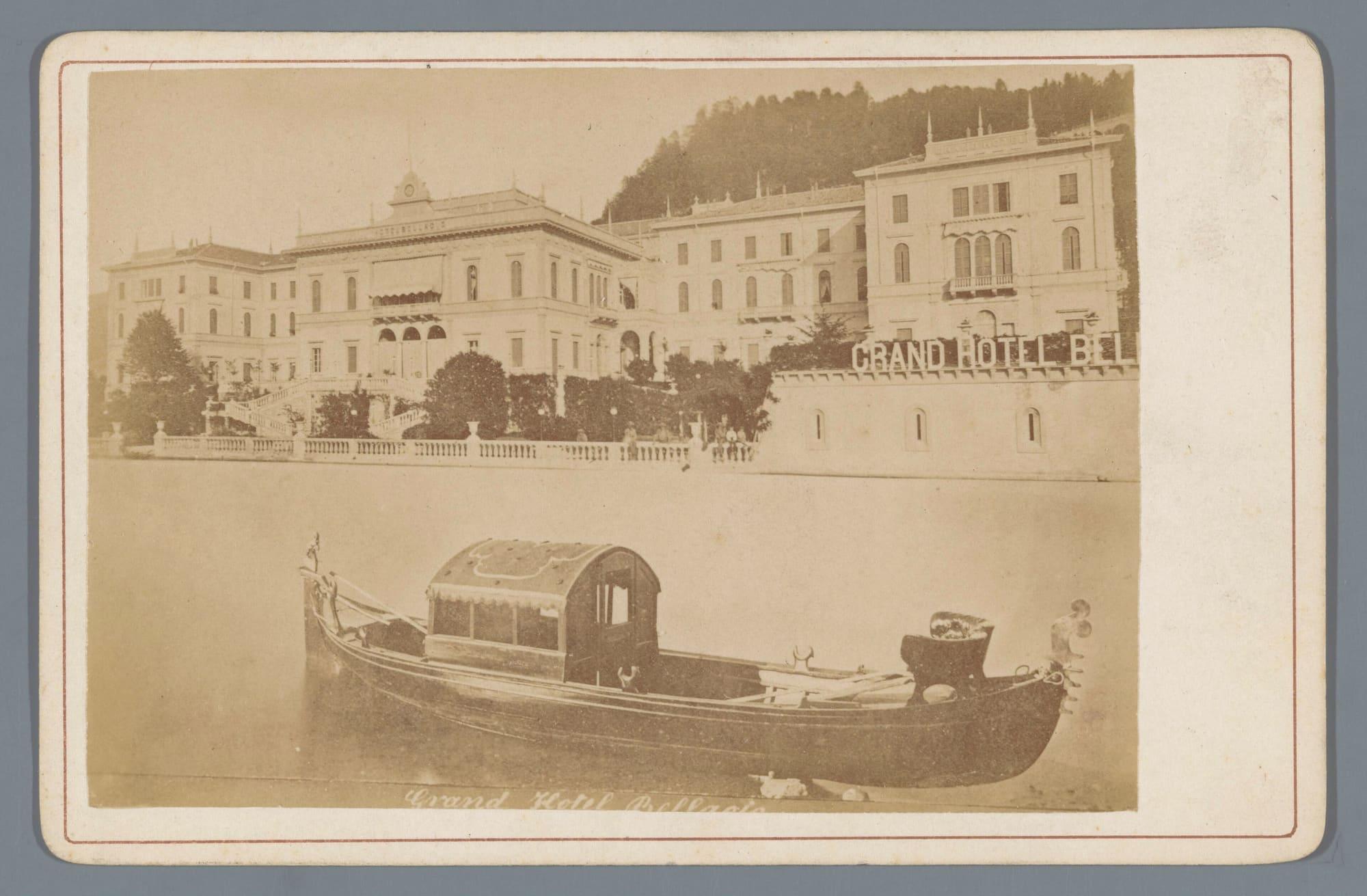
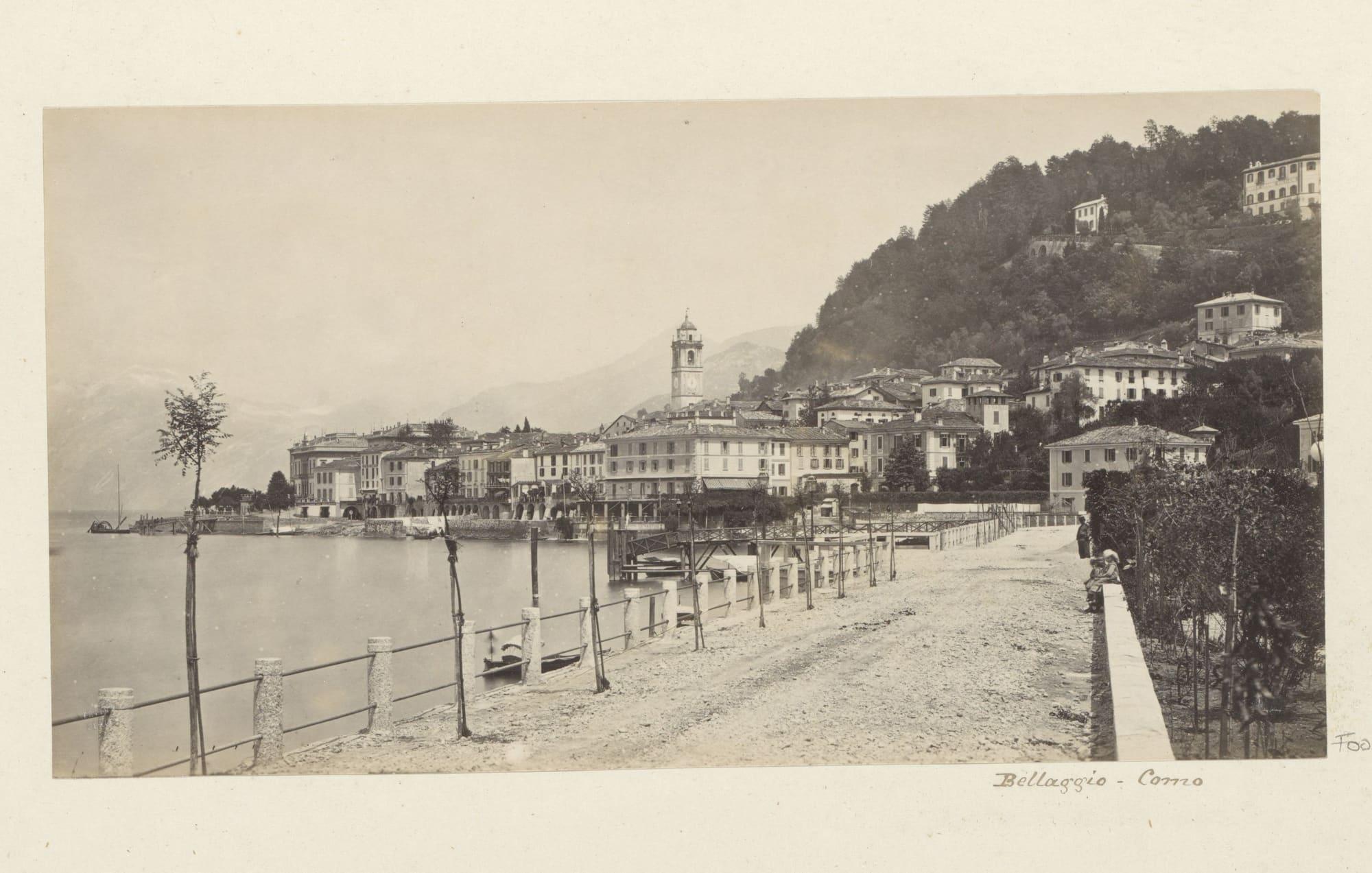
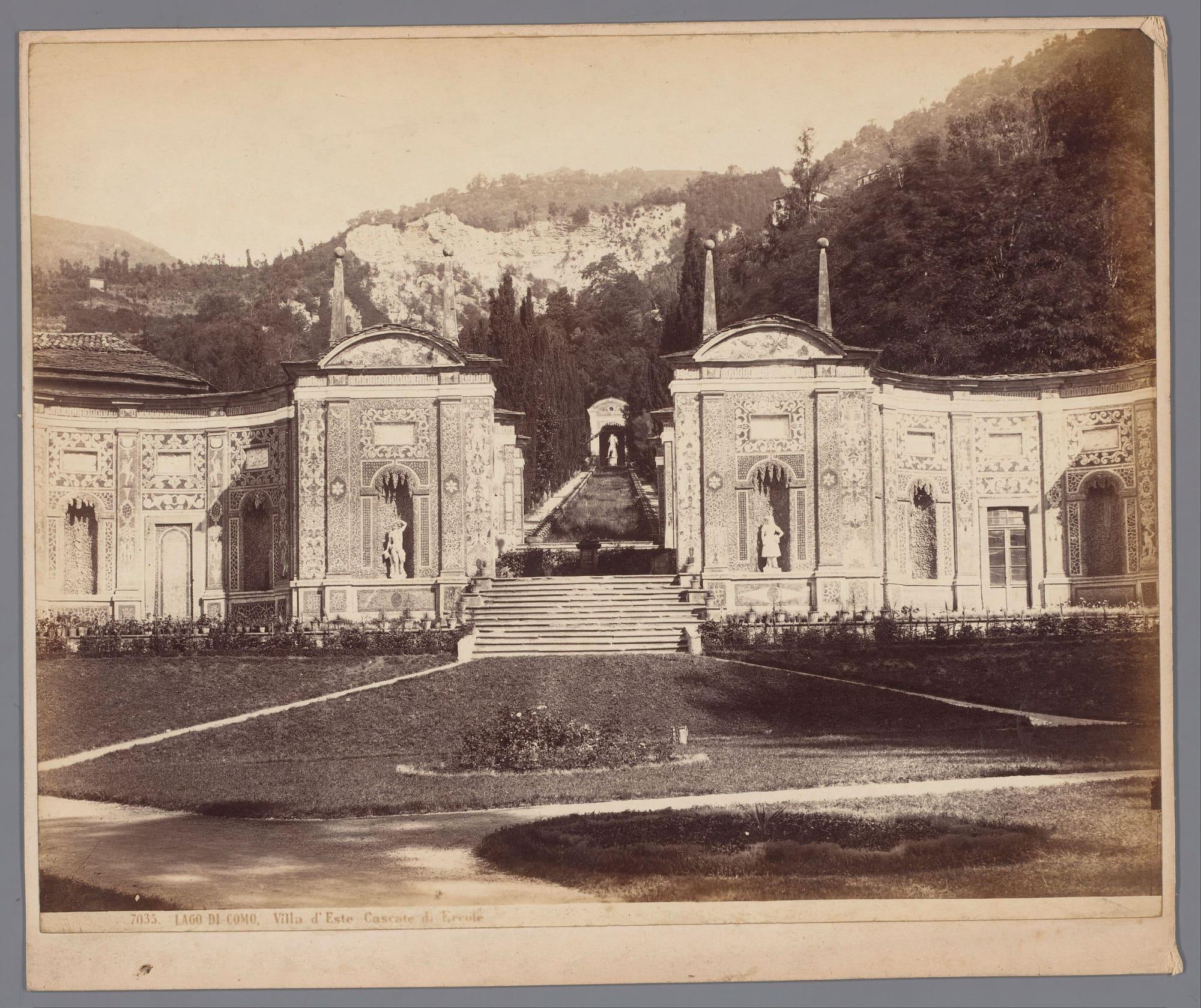
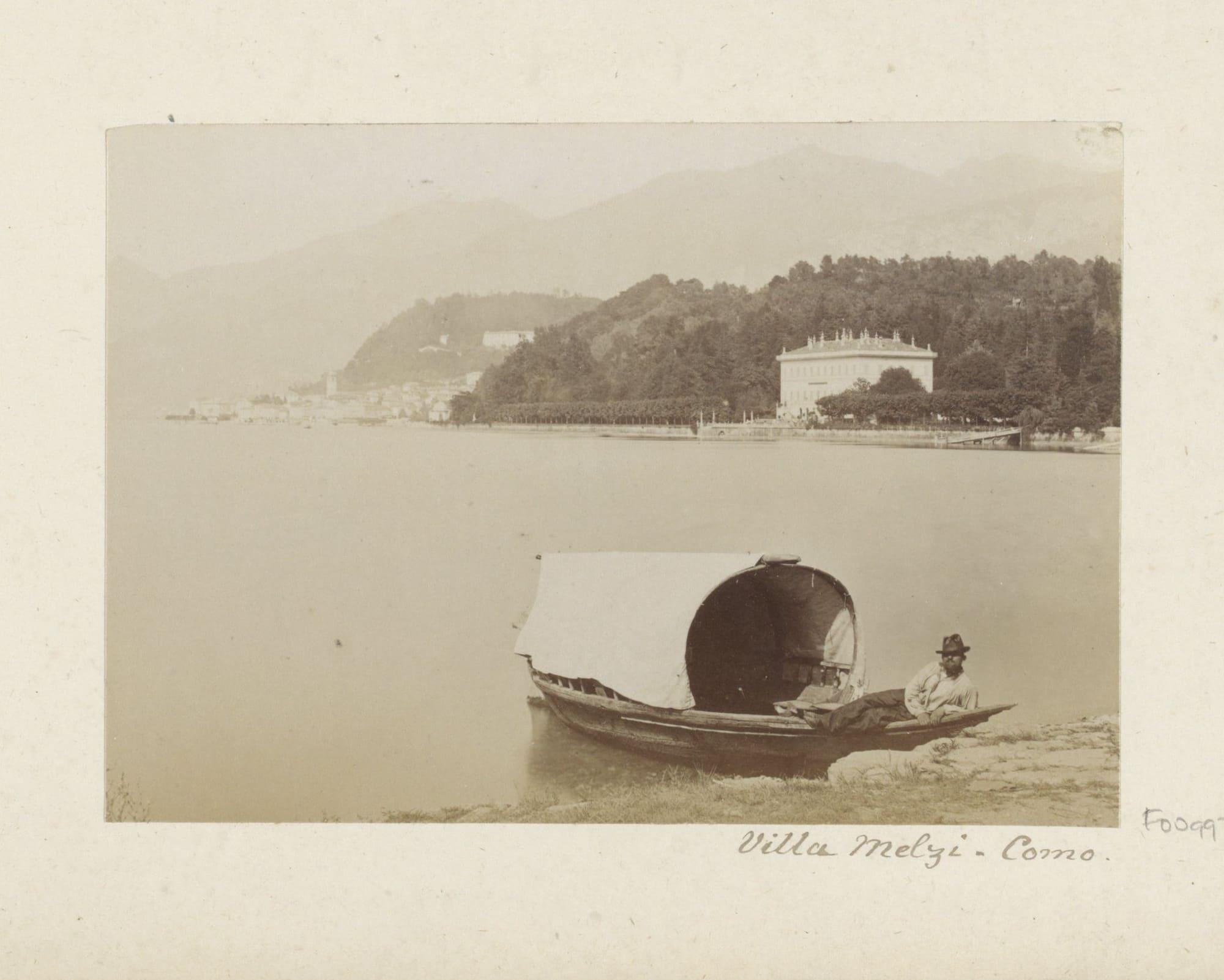
In the second half of the nineteenth century the albumen print made it possible to pull many copies from one negative, and views of the lake were sold to travellers. Francis Frith, an English publisher of travel photographs, published a view of the Bellagio lakefront; a view of the Hercules cascades in the park of Villa d'Este is attributed to Giorgio Sommer, a photographer working in Naples. Many prints of those years are anonymous, like the one of Villa Melzi with a lucia, the boat with hoops for its awning, in the foreground.
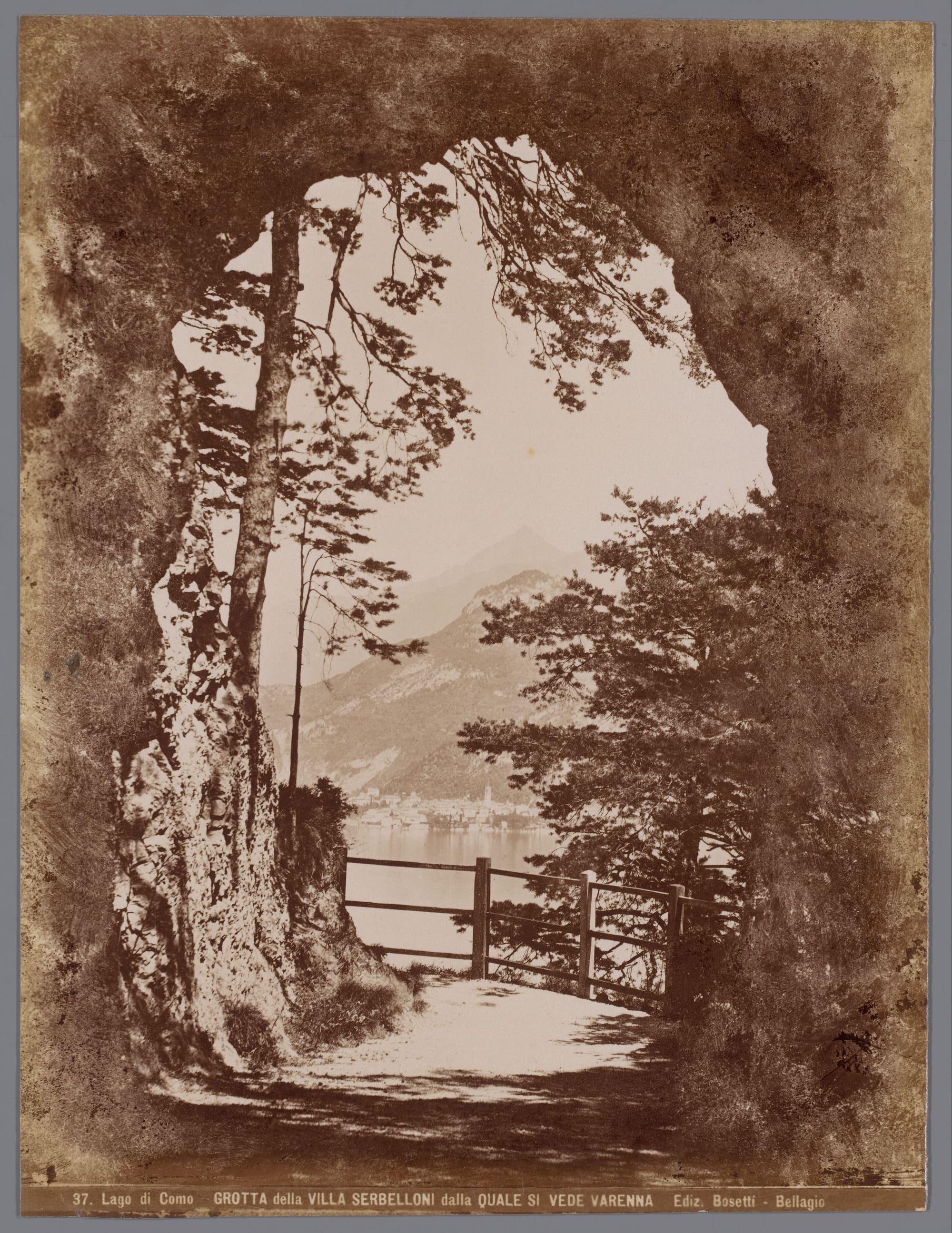
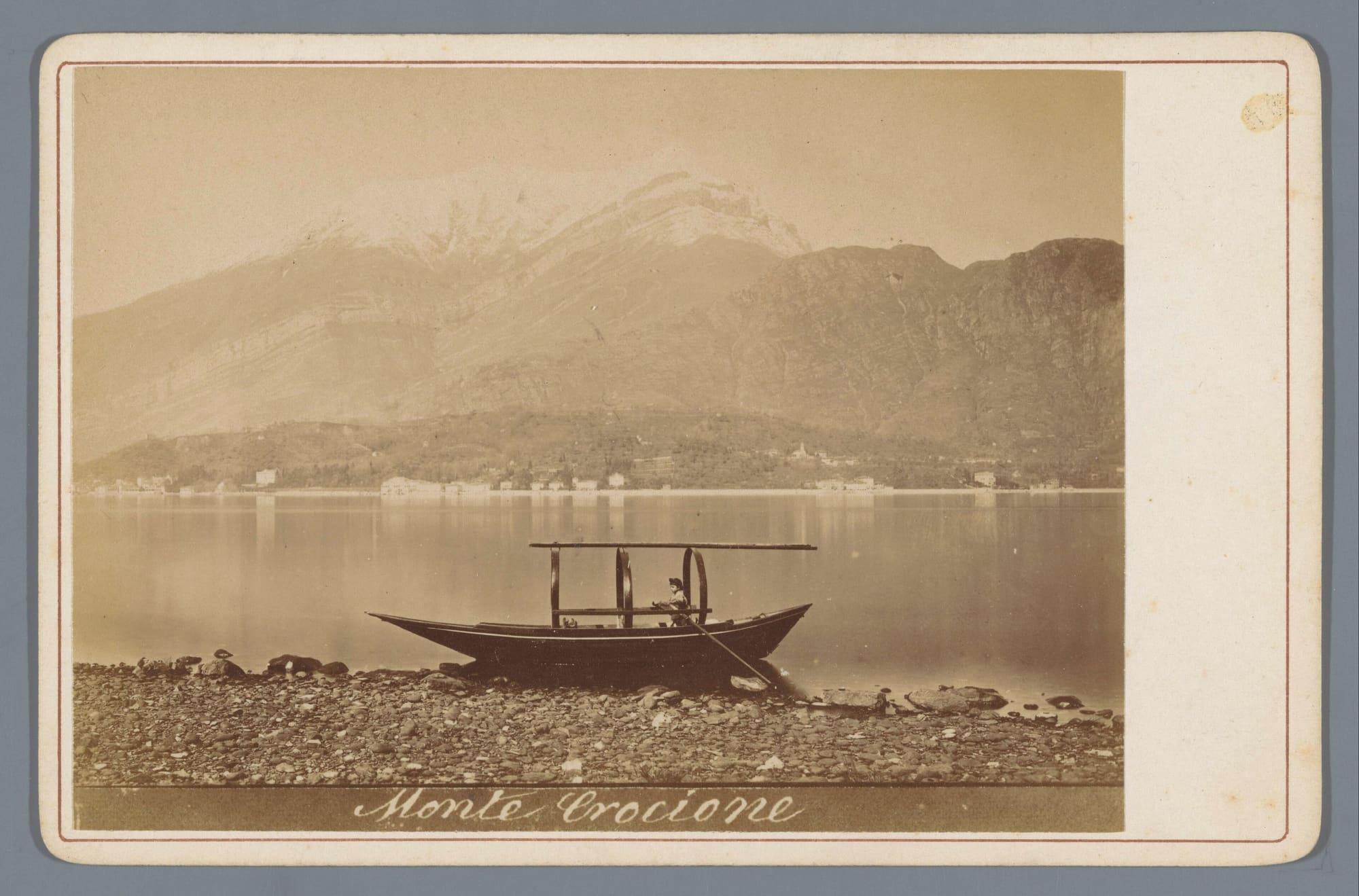
Carlo Bosetti worked in Bellagio, photographing the lake and publishing his views in numbered series. In the 1870s he photographed the village from the garden of Villa Carlotta, on the other shore, and the lake towards Varenna from inside a grotto in the park of Villa Serbelloni; another of his prints shows Monte Crocione beyond the lake, with a boat drawn up on the beach.
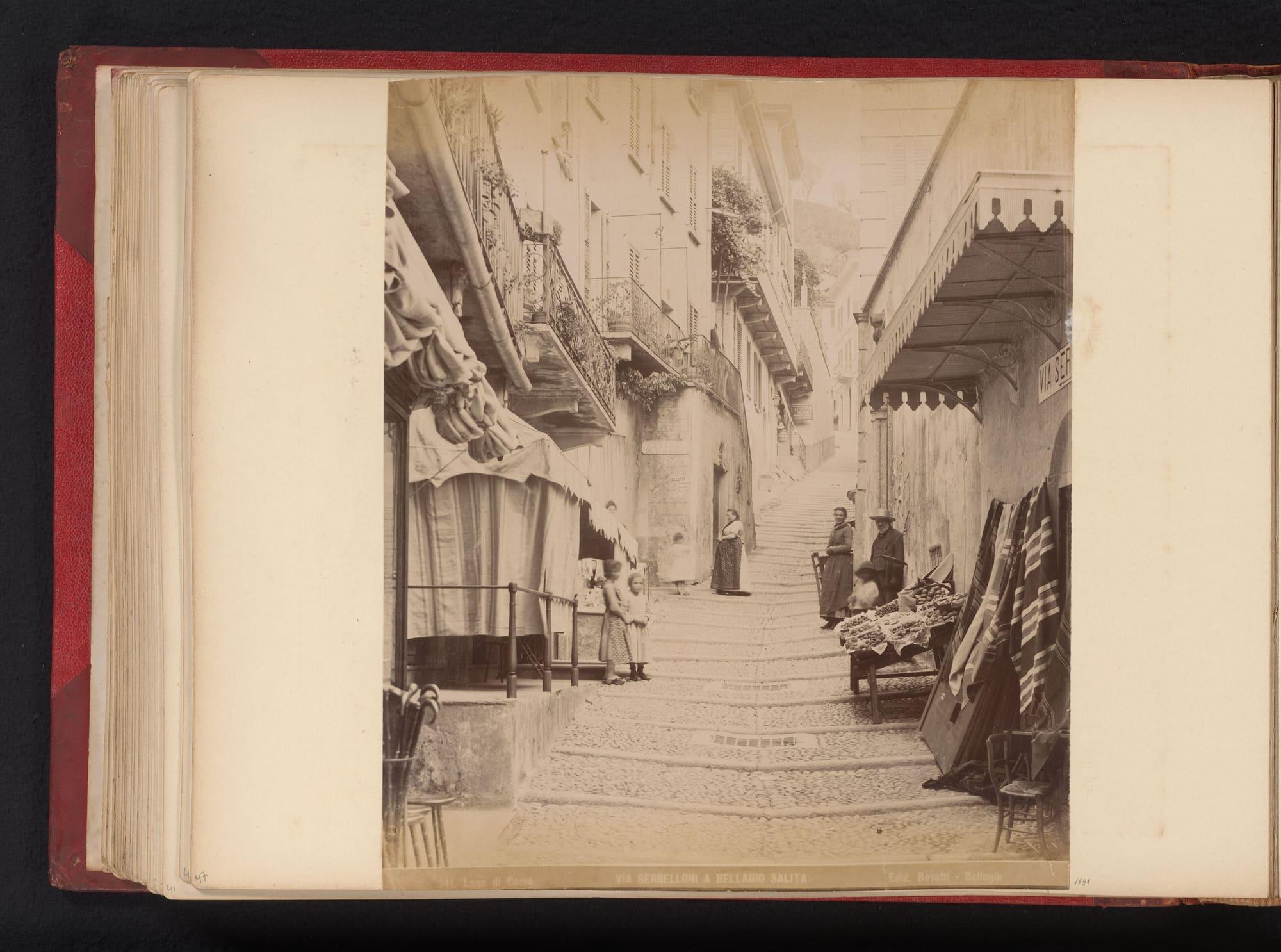
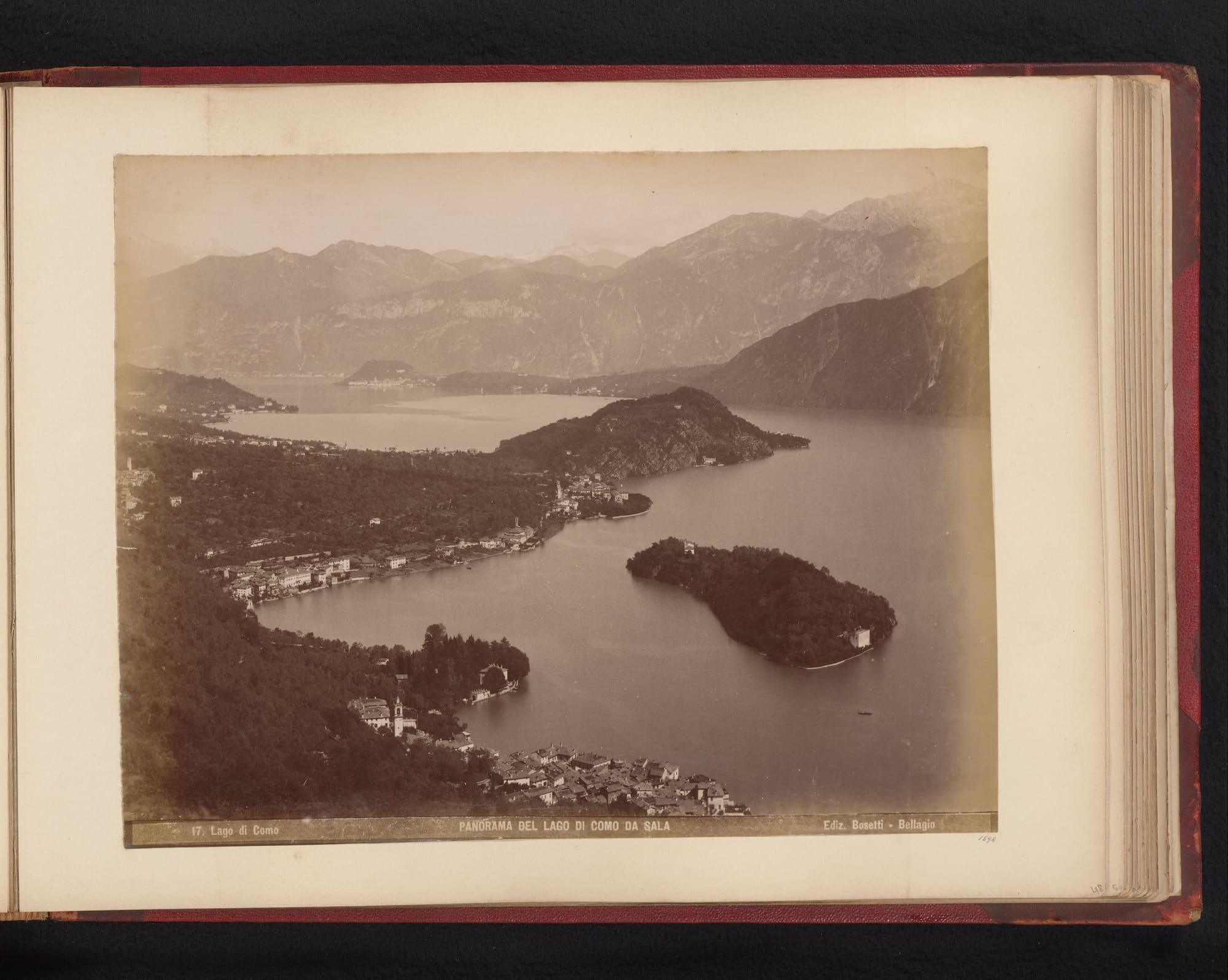
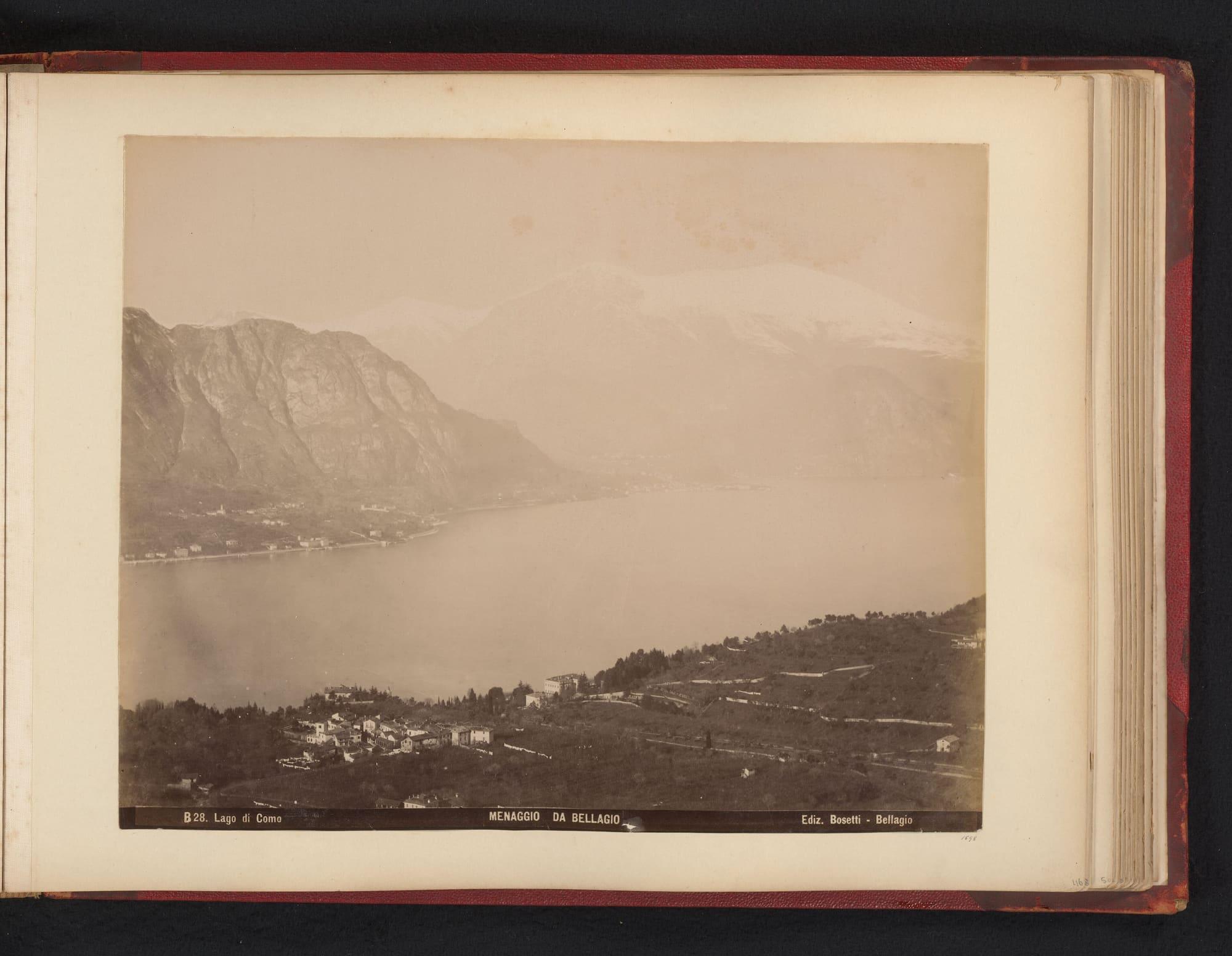
An album of 1898 with views published by Bosetti shows the Salita Serbelloni with its shop awnings, the bay with the Isola Comacina, Sala Comacina and Ossuccio, and Menaggio seen from Bellagio, on the shore opposite.
Compare historical views with recent photographs in Then and now.
Historical events linked to this story are collected in the Lake timeline.