How the traditional boat of Lake Como is built, where its name comes from and where to see it on the water.
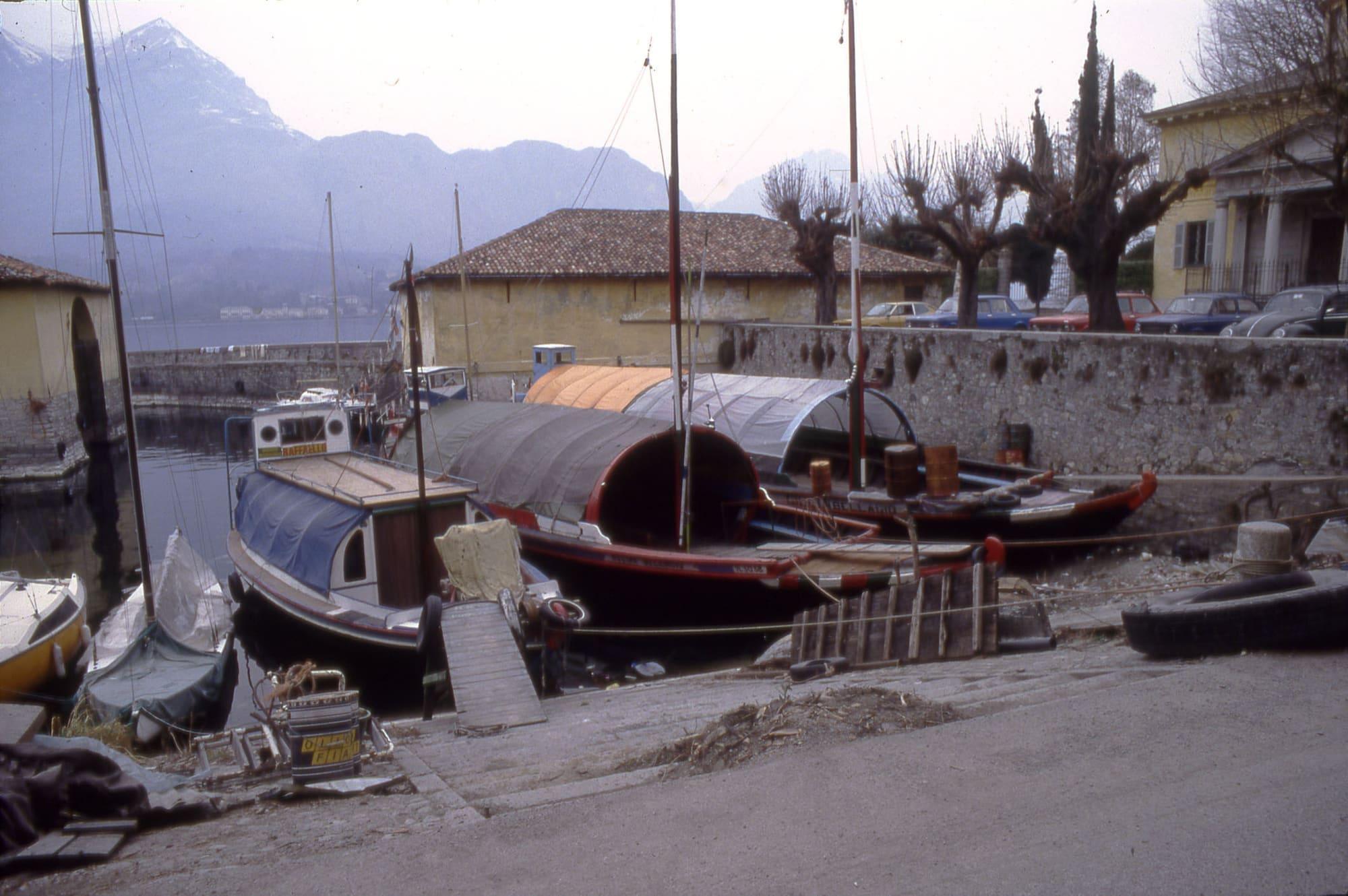
They are the boats with the hoops. Three of them, usually, in bent wood, arched across the hull: they held a cloth that sheltered the cargo and the passengers from rain and sun, and came down when they were not needed. Below, the hull is flat and broad, made for inland water and for carrying weight: fish, firewood, lime, sand, people.
They were working boats, for communities that for centuries travelled mainly by water, because there were no roads along the steep shores. Until well into the nineteenth century, going from one village to another on the lake meant rowing.
The name comes from a novel
In The Betrothed Lucia crosses the lake at night in a boat of this kind, in the passage beginning “Farewell, mountains rising from the waters and lifted to the sky”, which is studied in Italian schools. The heroine's name passed to the boat.
The boat had existed for centuries under other local names. After the novel, first published in 1827, it took the name Lucia, even among people who had never read the book.
How they are built
A flat bottom, to draw little water and be hauled out on a pebble shore without a slipway or a crane. Low, broad sides, for stability under load. Bow and stern lifted a little. You row standing, facing forward, pushing rather than pulling, with the oars against wooden thole pins: this is Lombard rowing, the same family of movements as the Venetian kind, and the reason a rower can see where he is going.
A Lucia is rowed standing, facing the bow.
The hoops protected the cargo: lime, for instance, is ruined by rain. They are also how a Lucia is recognised from a distance, in the small harbours, among the fibreglass boats.
The Palio Remiero
The rowing tradition did not end with the outboard motor. Every summer the Lucie race in the Palio Remiero del Lario, a series of regattas hosted in turn by the lakeside villages, with crews representing their own comune.
The Palio is a sporting competition, with standings and training, between crews representing their villages.
Before the roads and the railway, the materials for the villas, villages, harbours and stepped lanes of the shores mostly arrived on boats like these.
Historical events linked to this story are collected in the Lake timeline.