24Dec
Lecco Branch
Mandello del Lario
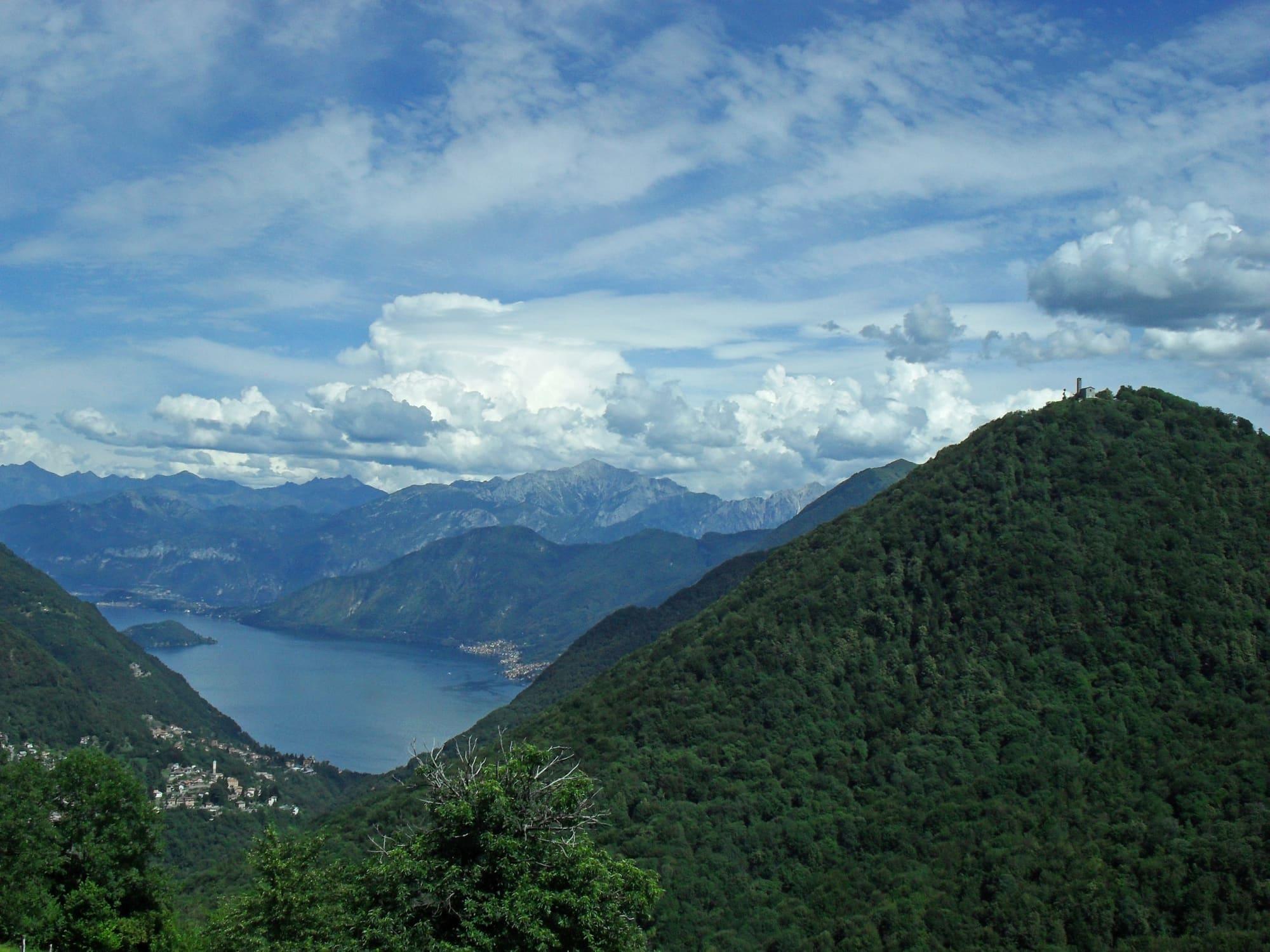
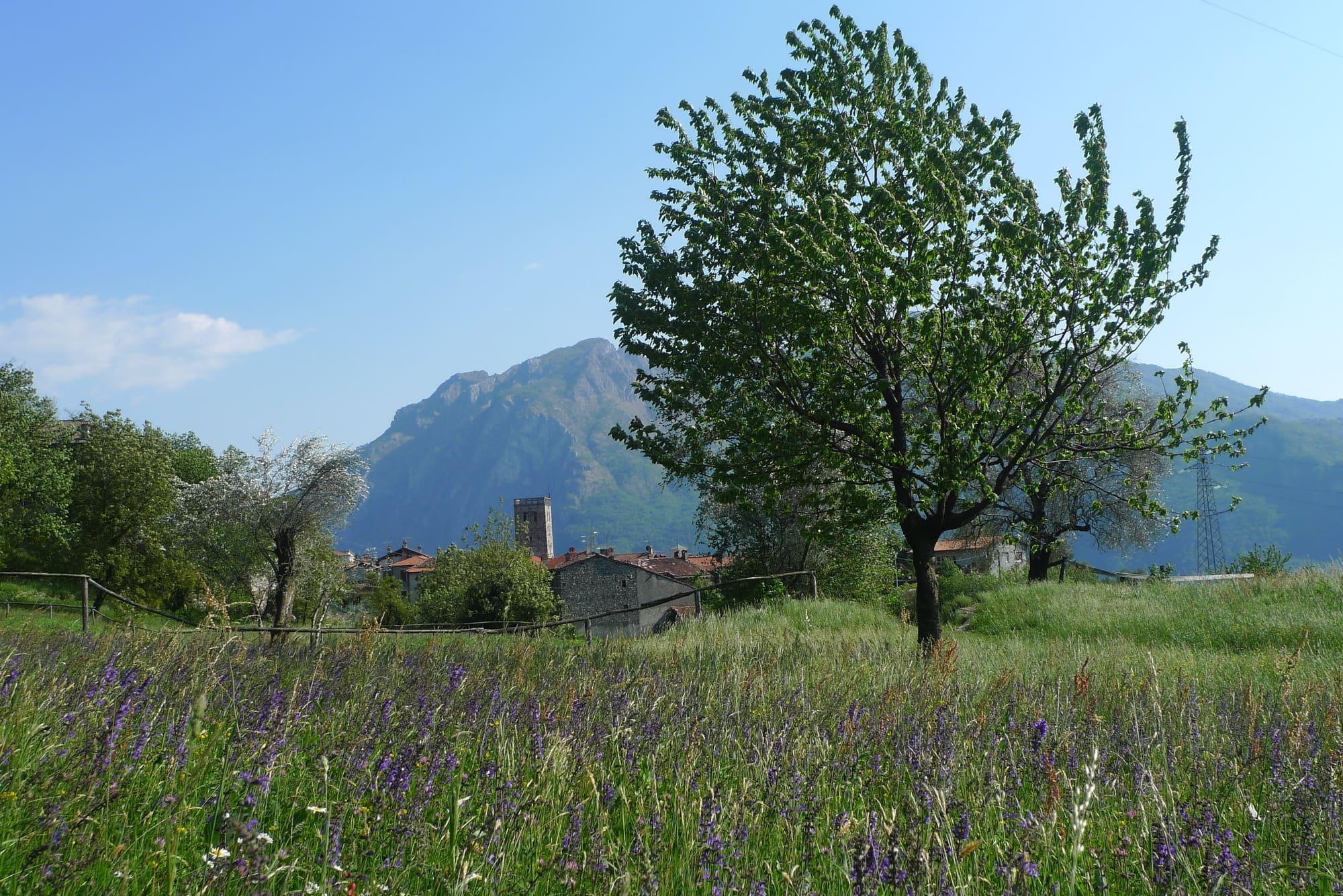
Motorcycles have been built here since 1921, under the wall of the Grigna.
- Ideal for
- Engines, walking on the Grigna, rainy days
- Time needed
- Two hours for the museum, a full day with the mountain
- Best season
- All year for the museum; June–October for the mountain
- What to see
- The Moto Guzzi museum inside the works
- Best reached by
- Milan–Lecco–Sondrio–Tirano train, Mandello stop
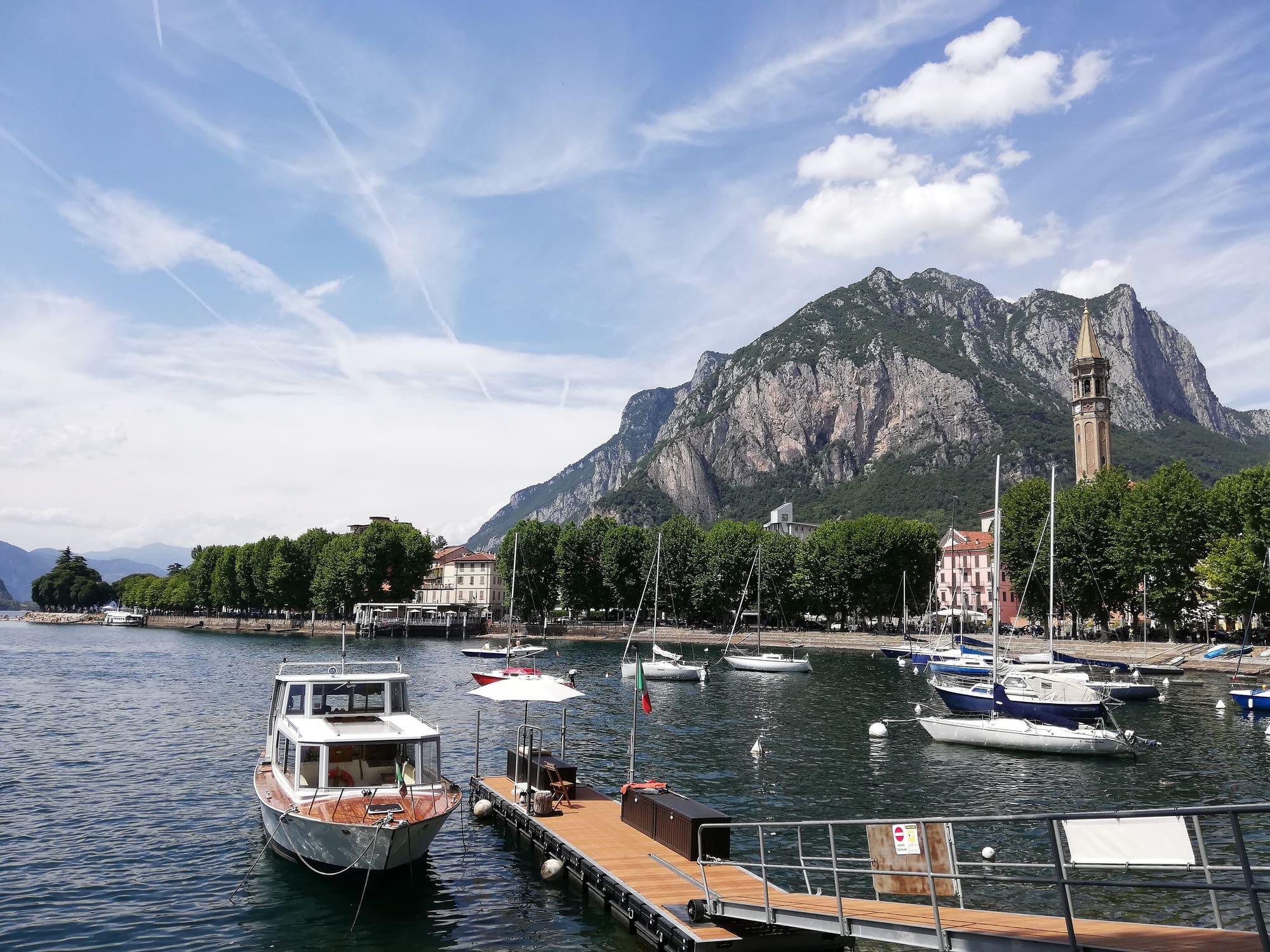
- Giorgio Galeotti · CC BY 4.0
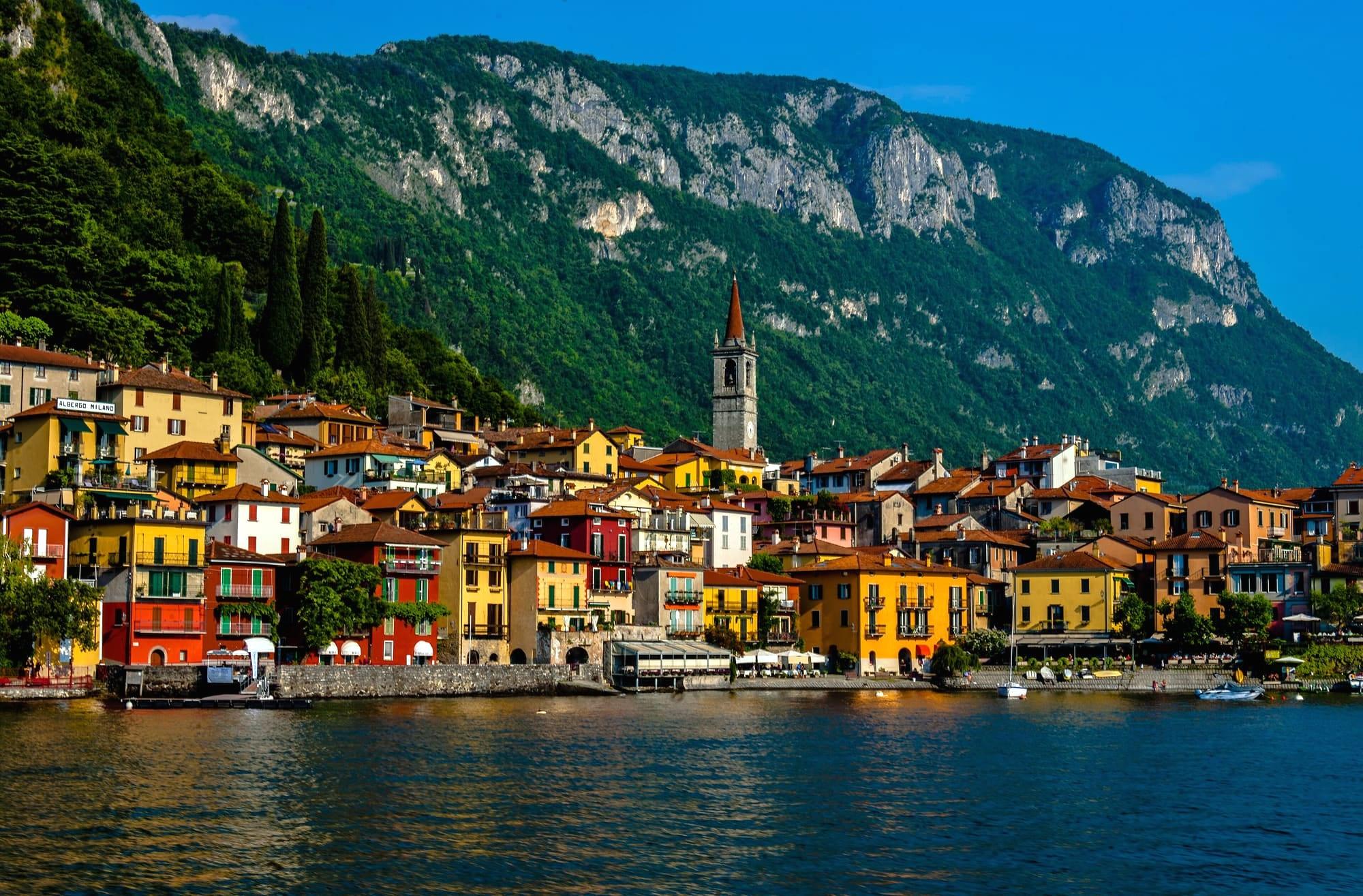
- Andrzej Otrębski · CC BY-SA 3.0
The place
Mandello del Lario is the home of Moto Guzzi, which has built motorcycles here since 1921: the factory is in the middle of town, the museum is inside the factory, and every year there is the riders' rally.
The town is also the starting point for the southern Grigna.
Mandello del Lario is the home of Moto Guzzi, which has built motorcycles here since 1921: the factory is in the middle of town, the museum is inside the factory, and every year there is the riders' rally.
Read on
The town is also the starting point for the southern Grigna.
Moto Guzzi
Carlo Guzzi and Giorgio Parodi founded Moto Guzzi in 1921; they had met in military aviation during the First World War. The eagle in the badge honours their friend Giovanni Ravelli, a pilot killed in a flying accident in 1919. Since then motorcycles have been built without interruption in the factory on Via Parodi, in the middle of town. In 1950 Guzzi built the first wind tunnel for motorcycles here.
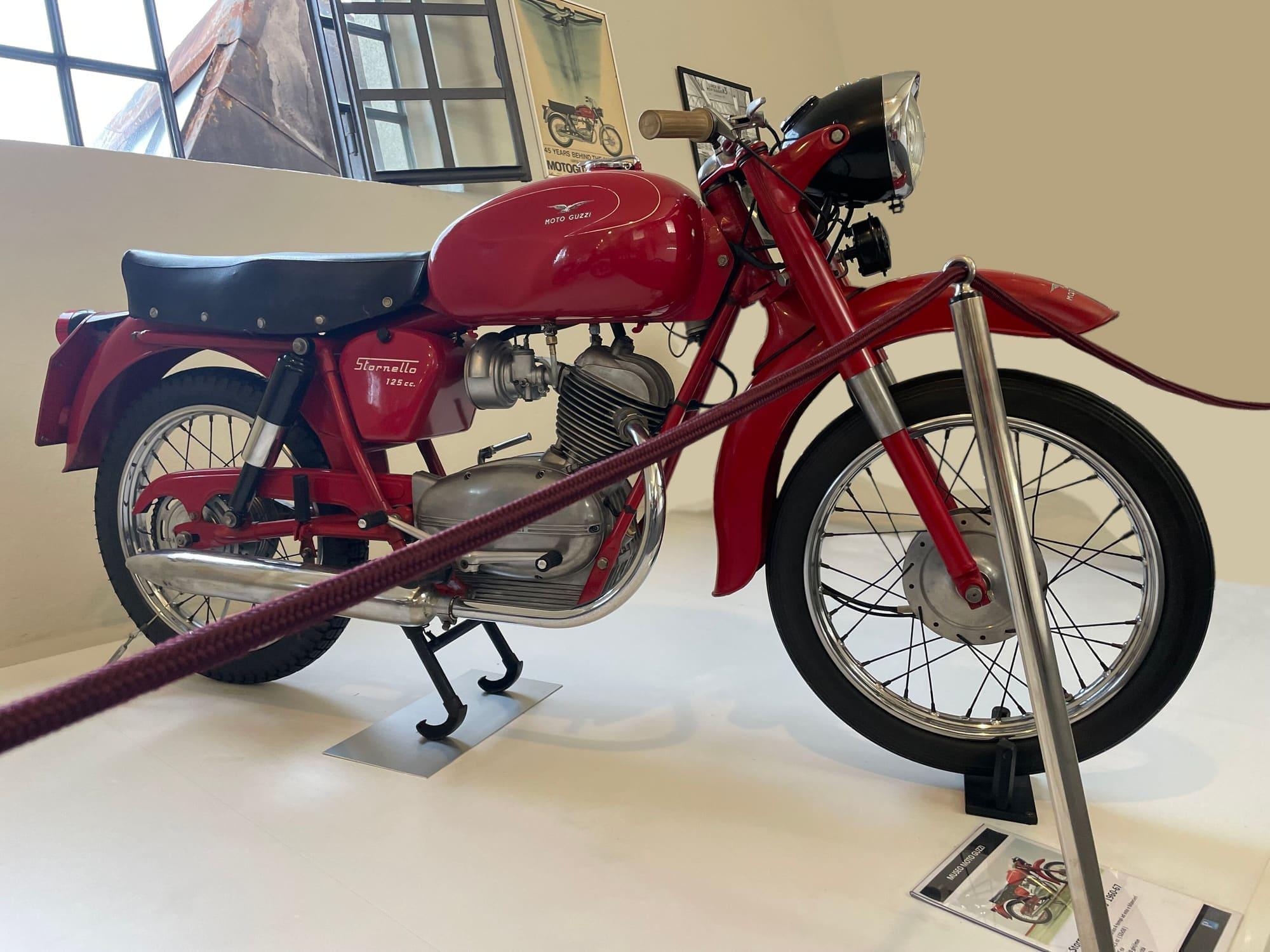
The museum is inside the works. Rebuilt together with the factory, it reopened in September 2026 in a new building with views of the assembly lines. It shows more than 160 motorcycles, from the 1919 G.P., the first built by Carlo Guzzi, to the 1921 Normale and the racing machines, among them the 1955 Otto Cilindri. Every September Mandello hosts the Motoraduno Internazionale Città della Moto Guzzi, a rally that brings riders from Italy and abroad.
History
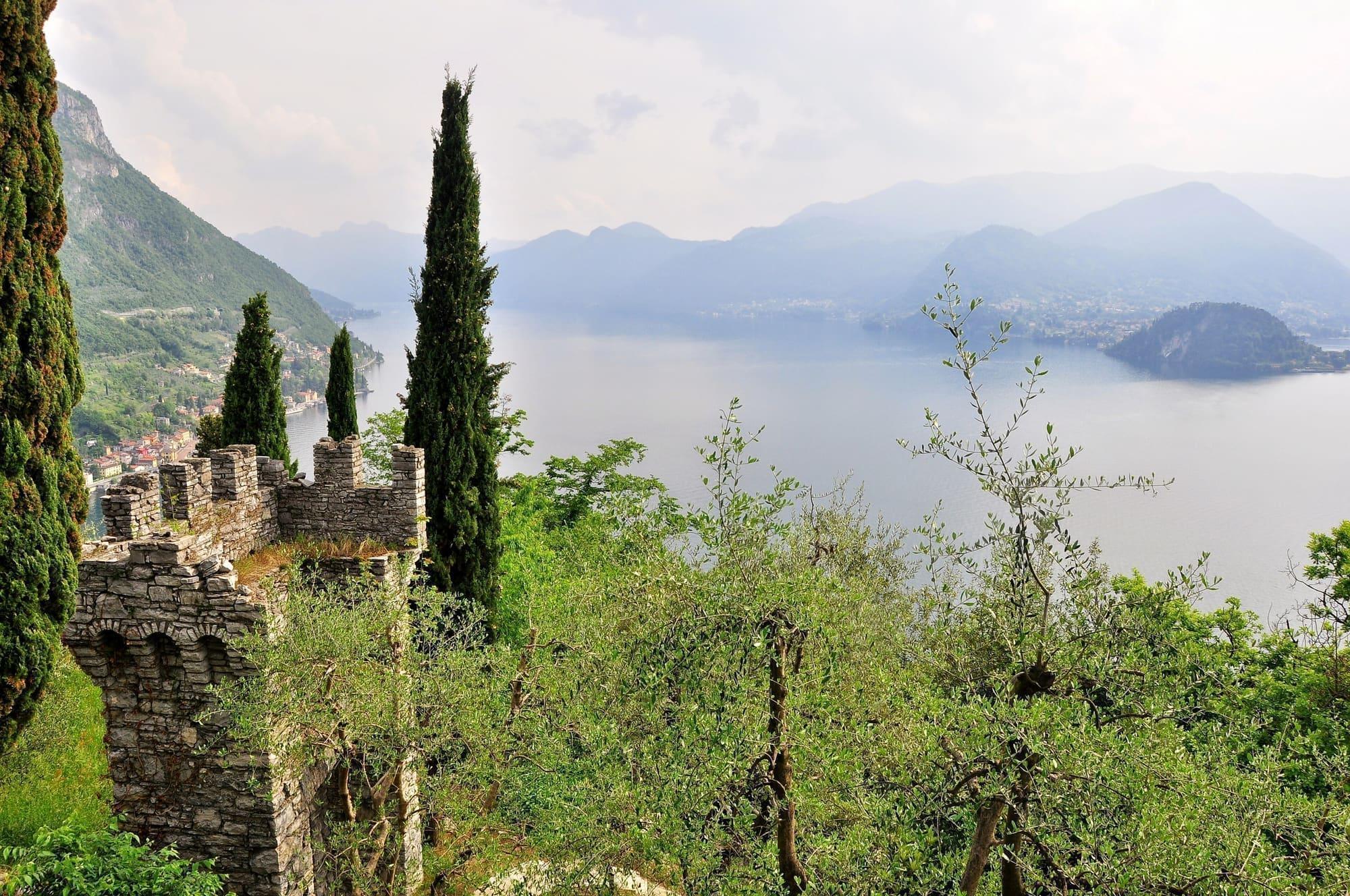
The lakeside village has a rectangular plan like that of a Roman camp. A Benedictine monastery already existed here in 833, and the counts of Mandello took their surname from the place. In the Ten Years' War between Como and Milan, Mandello sided with Como, and in 1126 troops from Lecco and Milan sacked it. In 1160 it became a self-governing commune. Rubaconte da Mandello, podestà of Florence in 1237, had the Rubaconte bridge built over the Arno there; Dante mentions it in the Purgatorio, and the Ponte alle Grazie stands in its place.
In 1480 Mandello joined Bellano and Varenna in the Contado della Riviera. In 1495 Ludovico il Moro granted the fief to Gaspare di San Severino. In 1532, between Mandello and Onno, Sforza troops ambushed the Medeghino, lord of Musso, and his brother Gabriele was killed. From 1533 to 1788 the fief belonged to the Sfondrati. The coast road opened in 1832, and the railway arrived in 1892.
The old village and its churches
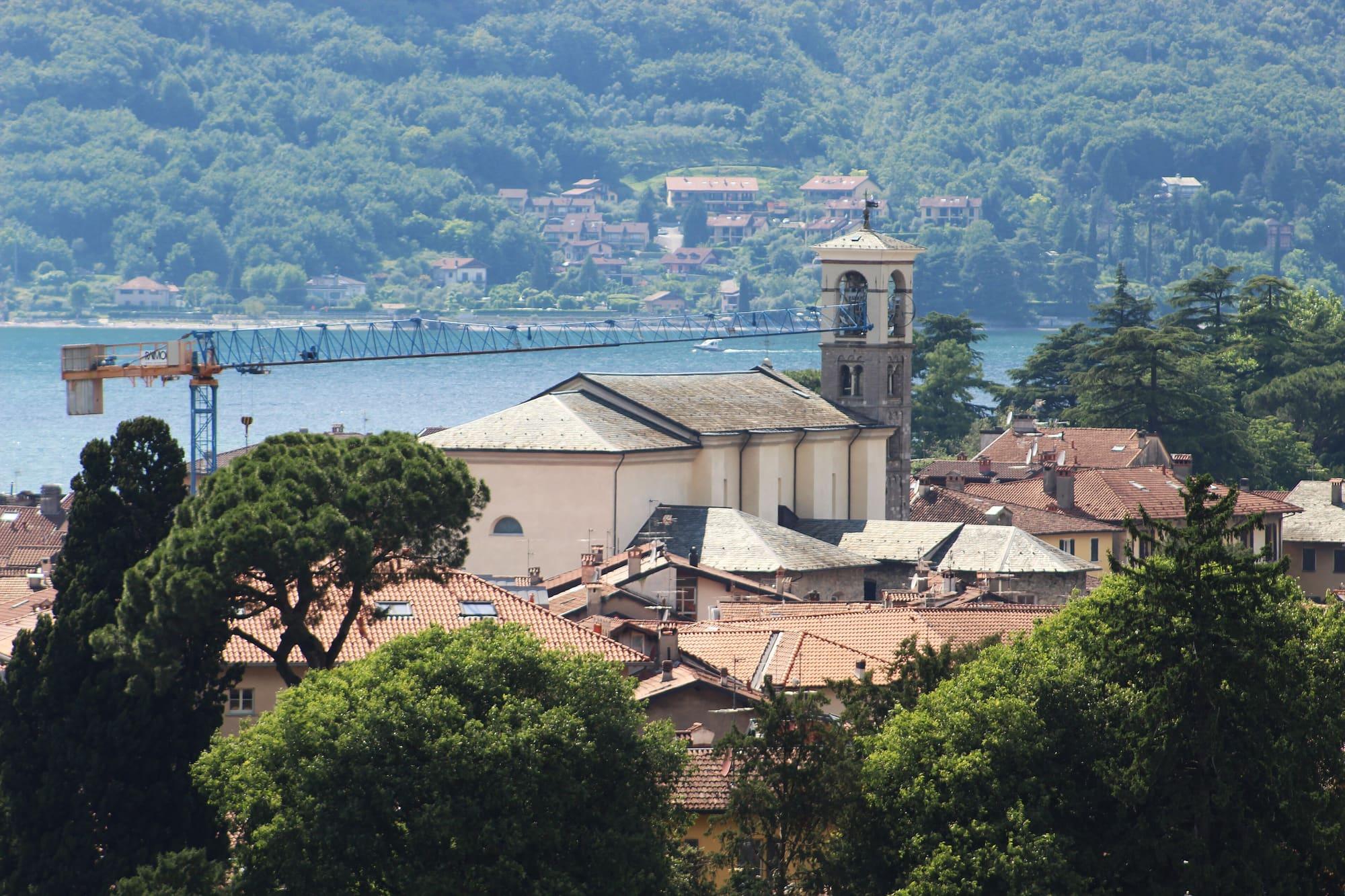
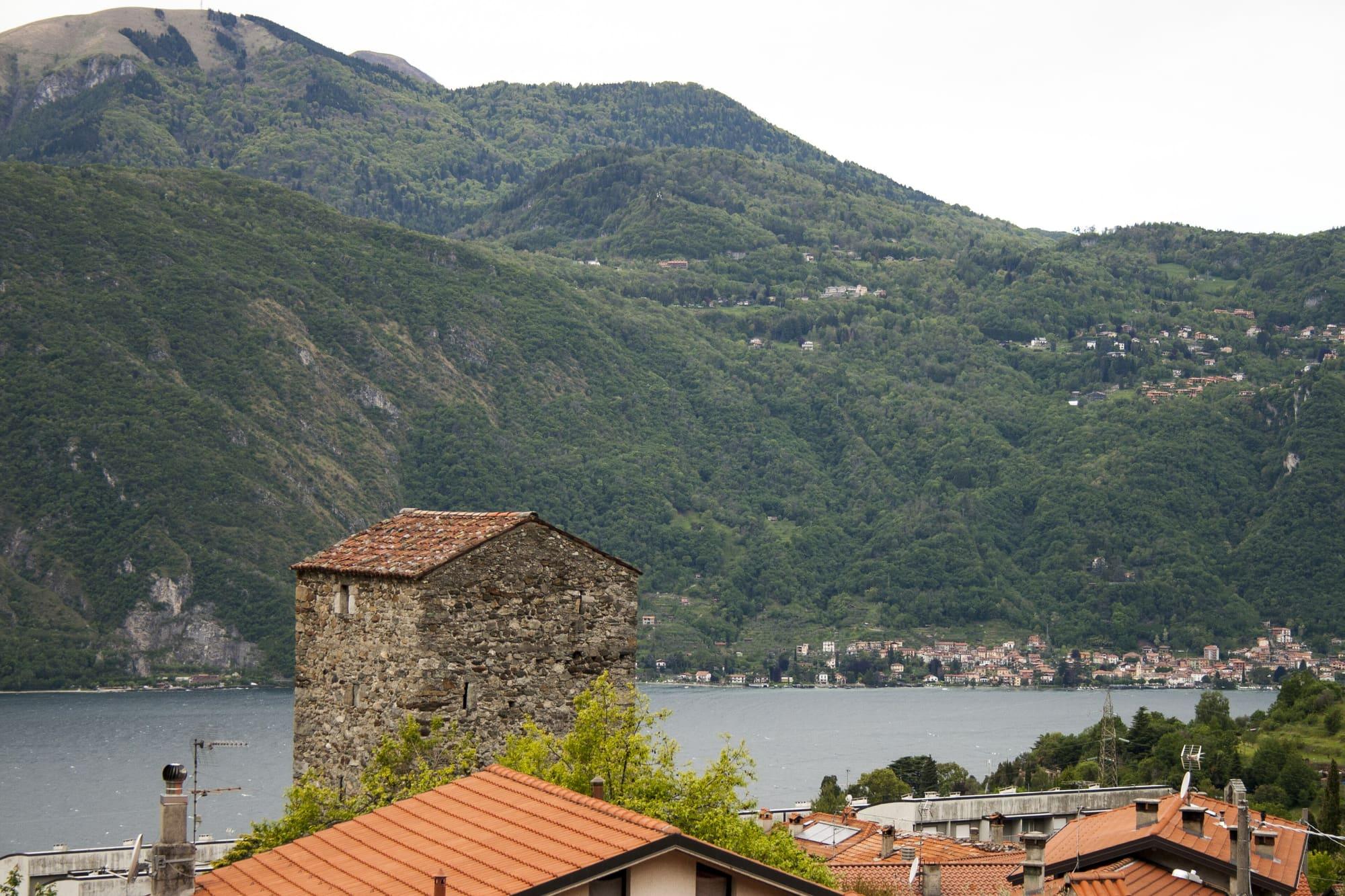
In the Middle Ages the lakeside area was split between the castrum, the fortified enclosure where people took refuge when attacked, and the borgo, divided into quarters and closed by walls and gates. A moat fed by the lake ran round the walls; it was filled in 1775, and Via del Fosso follows its line. What survives is the Torre Pretoria and the Romanesque bell tower of San Lorenzo, from the twelfth century, once one of the towers of the castrum.
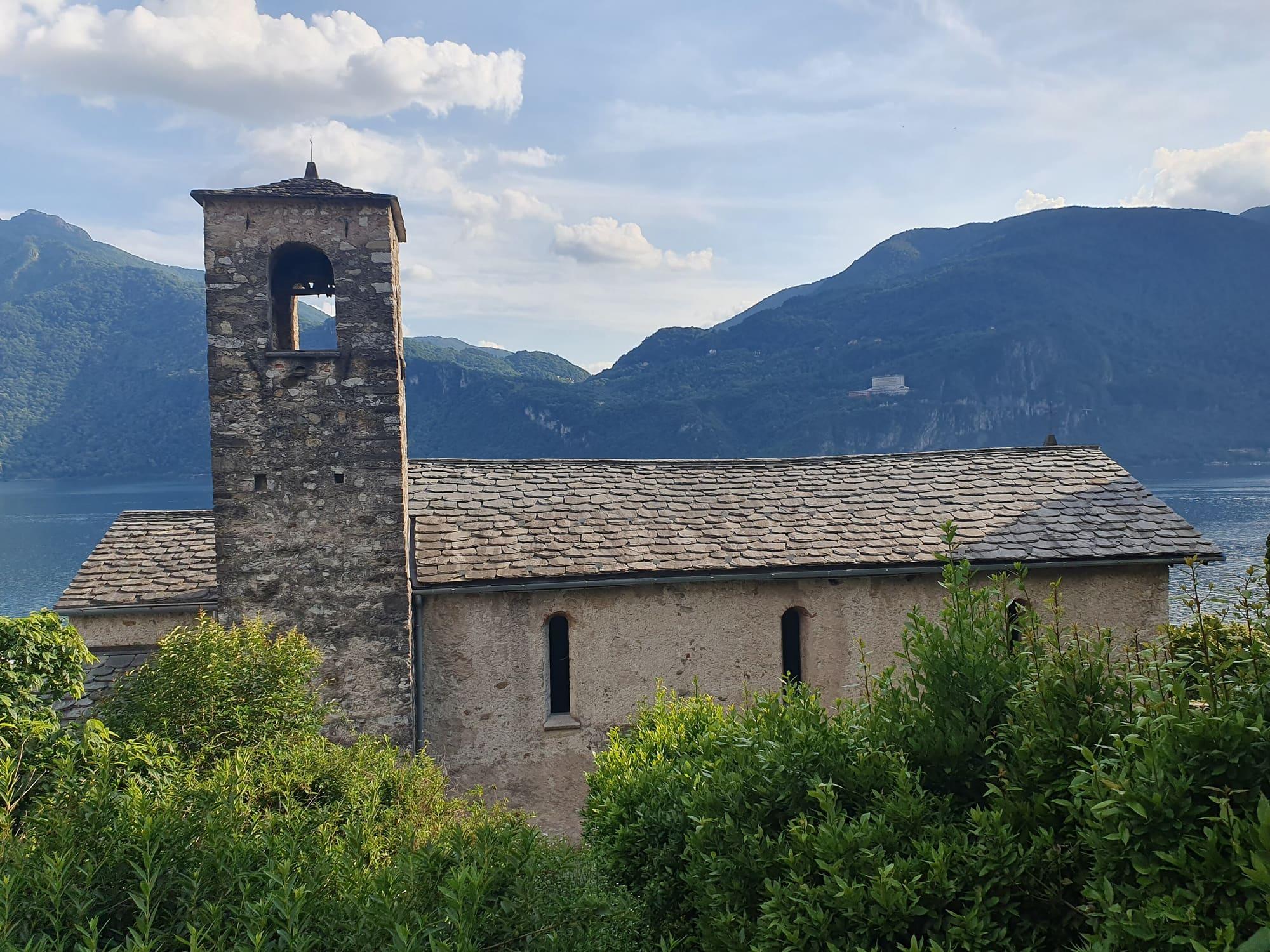
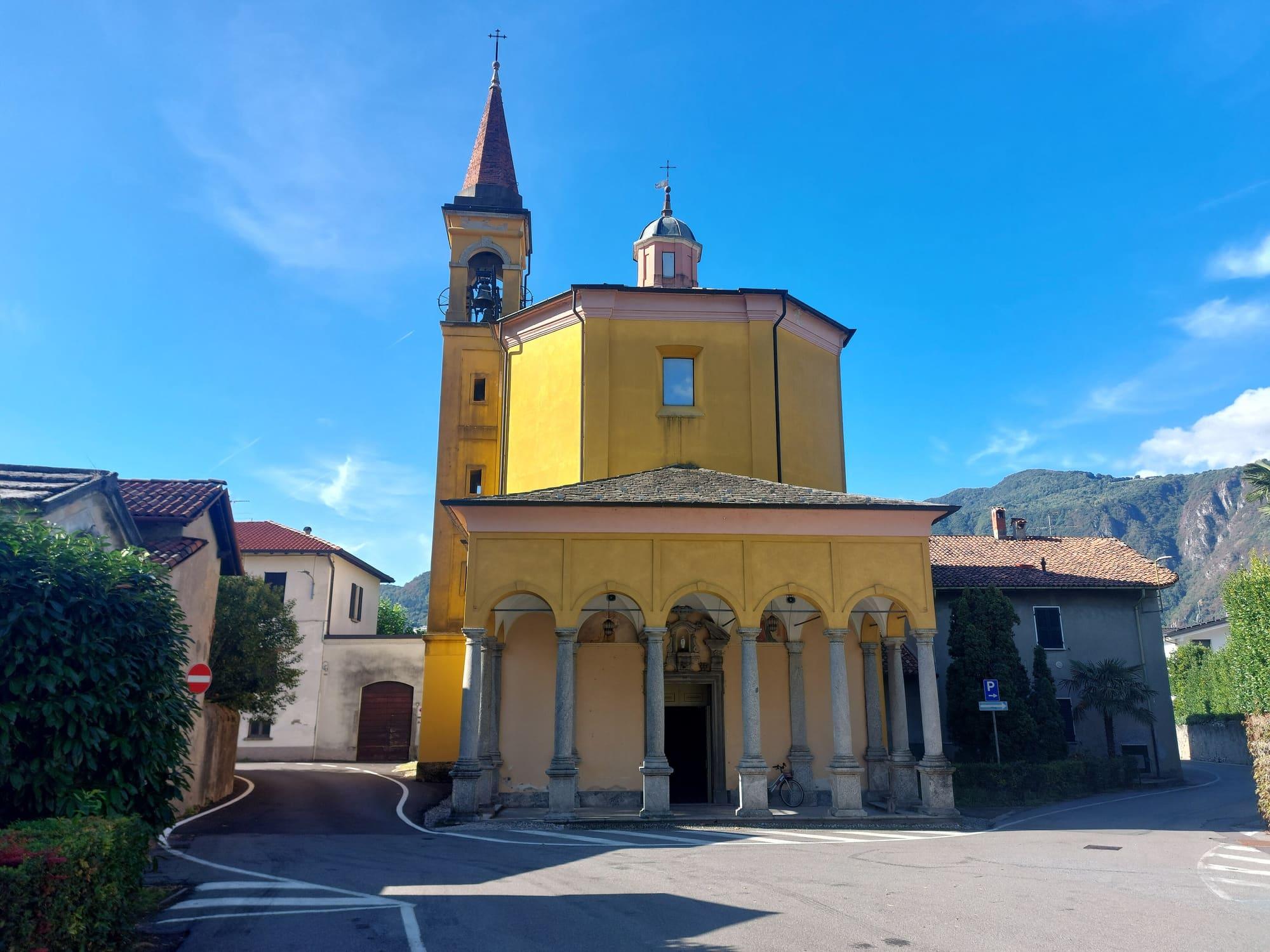
San Lorenzo was rebuilt in the seventeenth century and is Baroque inside, with a Serassi organ of 1764; next to it is the Museo d'Arte Sacra. The sanctuary of the Beata Vergine del Fiume grew out of a seventeenth-century miracle linked to a flood of the Meria. Above the village, San Giorgio keeps a Last Judgement frescoed in the fifteenth century. The feast of the patron saint, Saint Lawrence, is on 10 August, and in mid-June the Sagra della Tradizione Lariana brings costume parades to the old centre.
Industry and rowing
For centuries the Meria torrent and the roggia, a man-made channel, gave the village its work. In 1629 Roberto Rusca described the mill wheels, the hammers beating iron and copper and the machines for fulling woollen cloth: the names of the Molina quarter and of the Fula come from those trades. Around the middle of the nineteenth century Mandello had the Badoni ironworks and a factory making spindles for twisting yarn, opened in 1850; a velvet mill came later.
With Moto Guzzi, from 1921, the village became an industrial centre, and more industries were founded after the Second World War. The factory's workers' club had sports teams and groups of mountaineers. At the 1948 London Olympics the coxless four of the Canottieri Moto Guzzi rowing club won the gold medal. Viale Medaglie Olimpiche Mandellesi is named after the town's Olympic medallists.
The Grigne and the paths
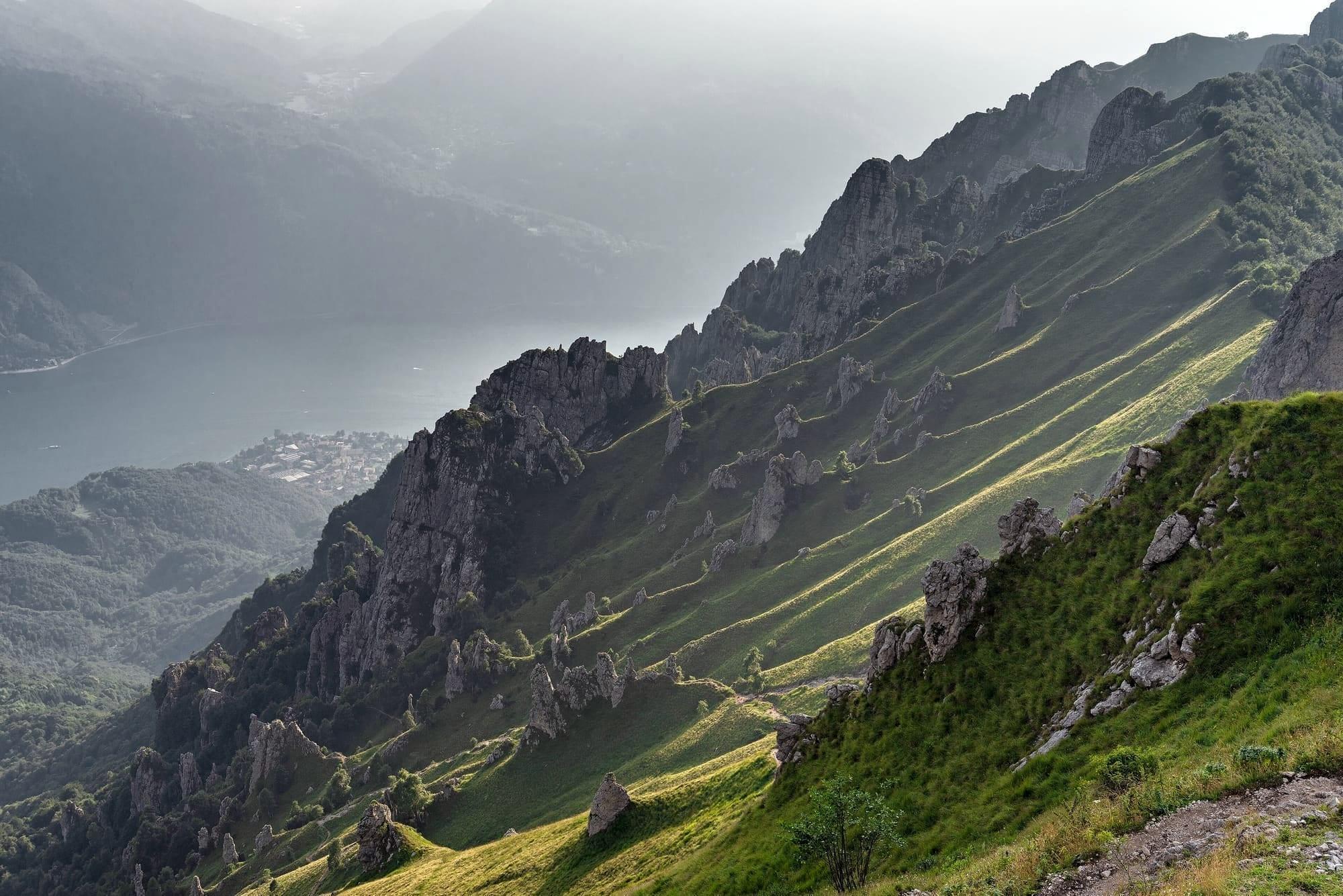
Behind Mandello rise the two Grigne: the southern one, or Grignetta, at about 2,180 metres, and the northern one, or Grignone, at 2,410. Their walls can be seen from the lakefront and are historic ground for Lombard mountaineering. The women climbers of the Guzzi family, pioneers of women's climbing, also opened new routes here.
From Rongio a path climbs the Val Meria to the Rifugio Elisa, at 1,515 metres, in about three hours. A shorter climb leads from the station to the church of San Giorgio and the hamlet of Maggiana, with its tower, along the Sentiero del Viandante, which continues along the slope above the town towards Lierna and Varenna. The Piani Resinelli, at the foot of the Grignetta, lie partly within the municipality of Mandello; by car you reach them by following the signs for the Valsassina.
Events
See allThings to see
Experiences
Lecco Branch
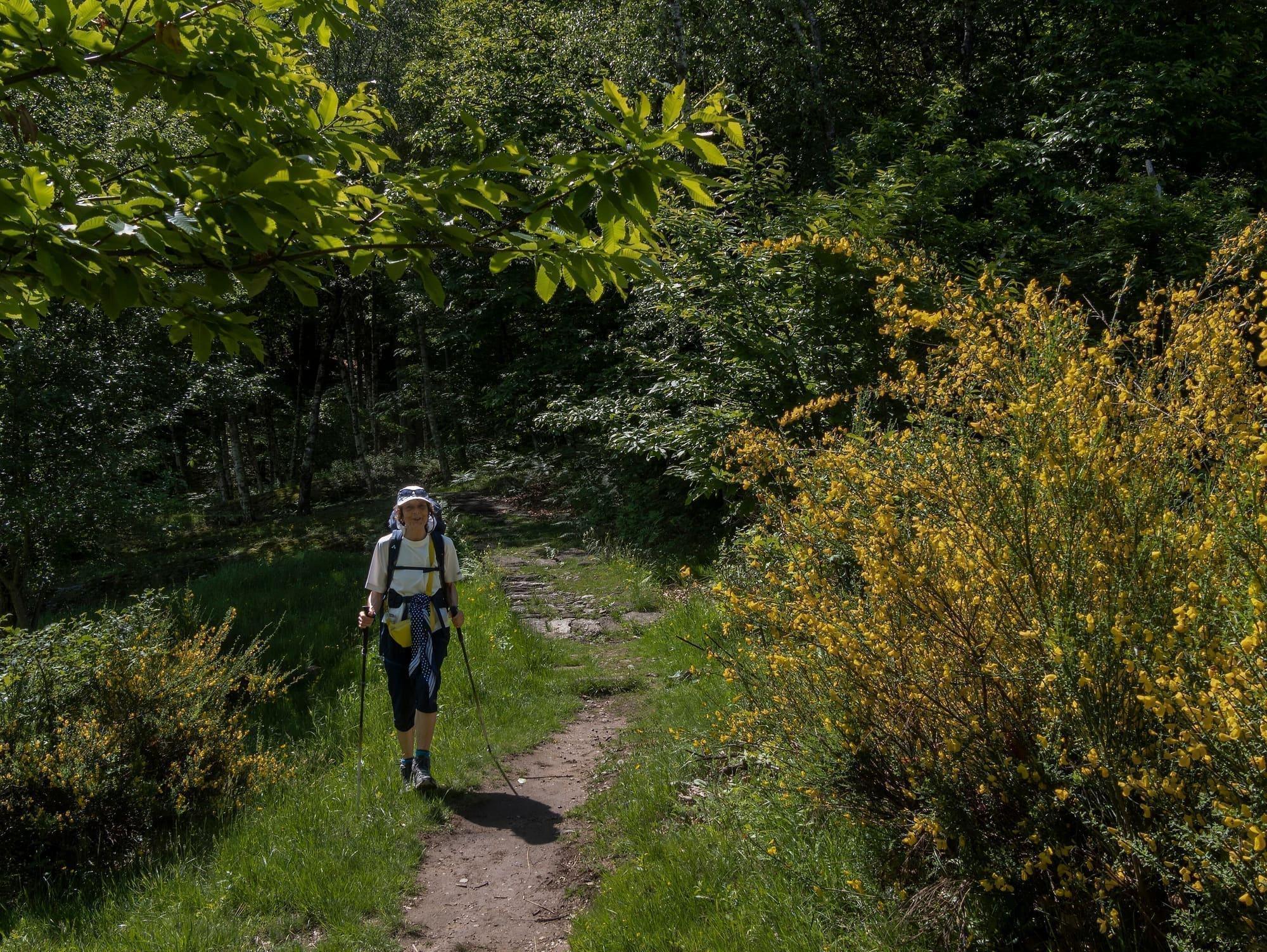
One stage of the Sentiero del Viandante
Start at one station, walk above the lake, come back from another.
3 h – 5 hOpen access
Lecco Branch
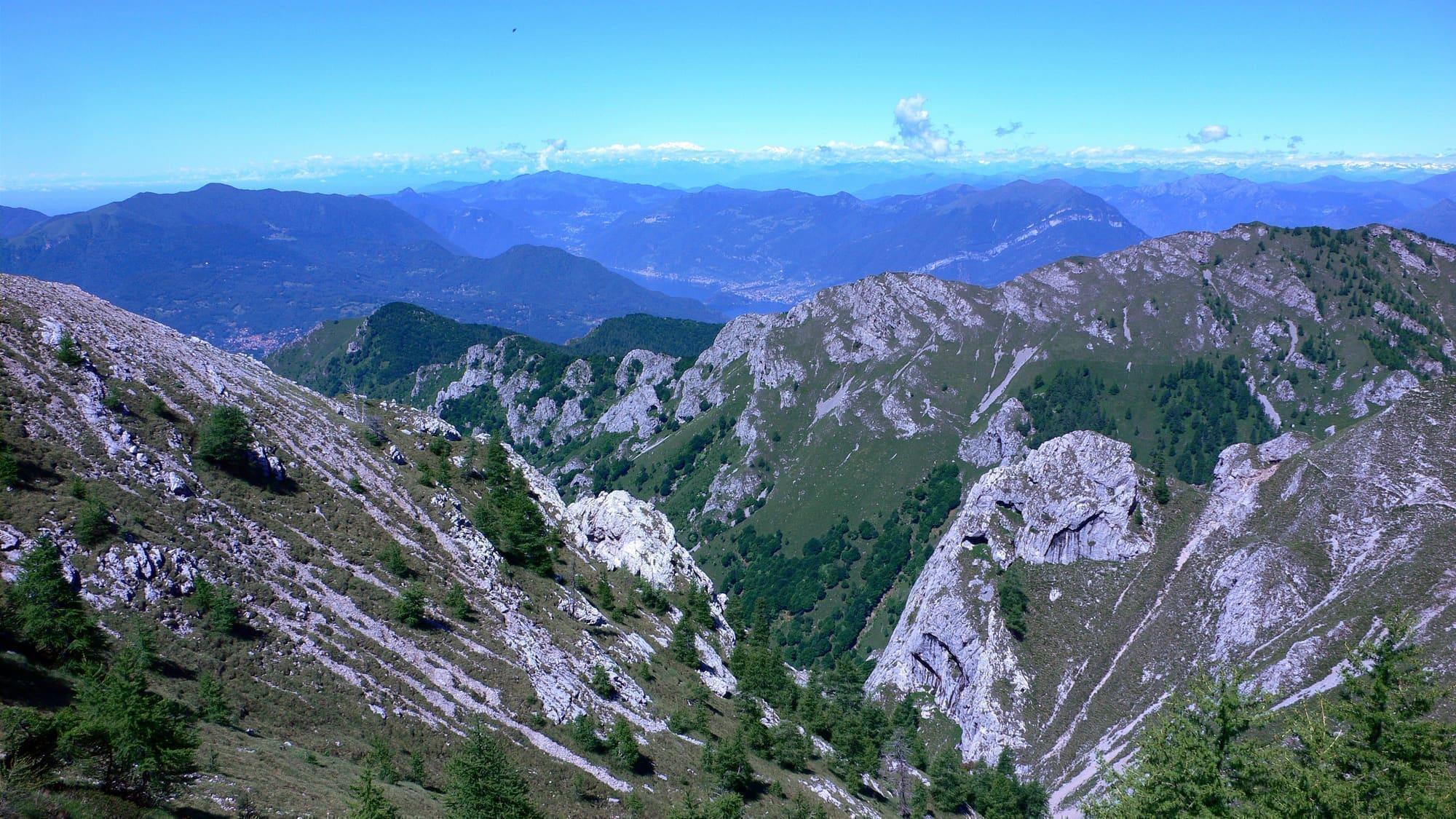
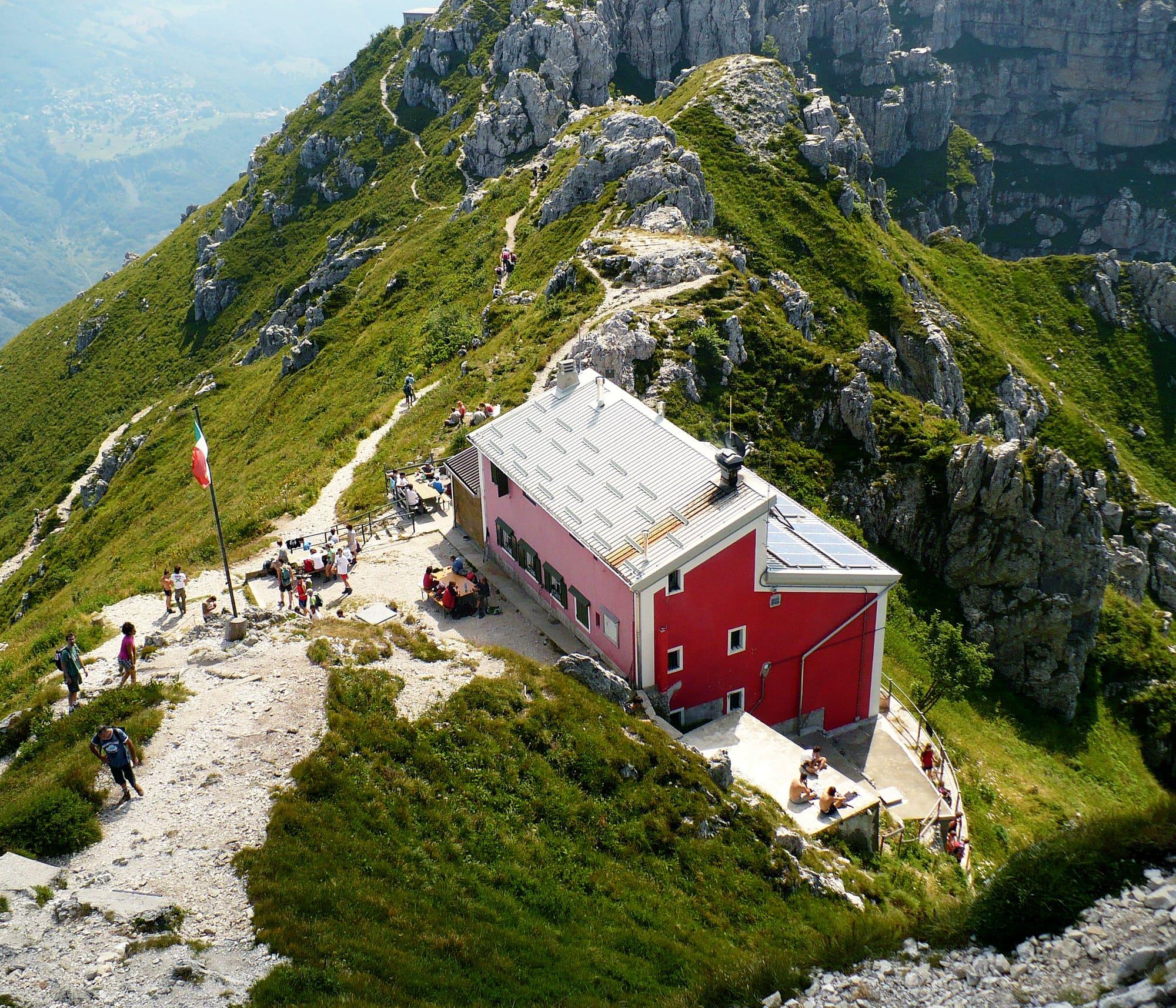
Grigna and the Piani Resinelli
The Grignetta and the Piani Resinelli above Lecco: walks, via ferrata and climbing.
5 h – 9 h5.5 km · +1014 mCar needed
Centro Lago
Refuges and ridges
Refuges that cook, above the lake: the Rifugio Menaggio, at 1,383 metres, is an hour and three quarters' walk from Breglia.
4 h – 7 hCar needed
Centro Lago
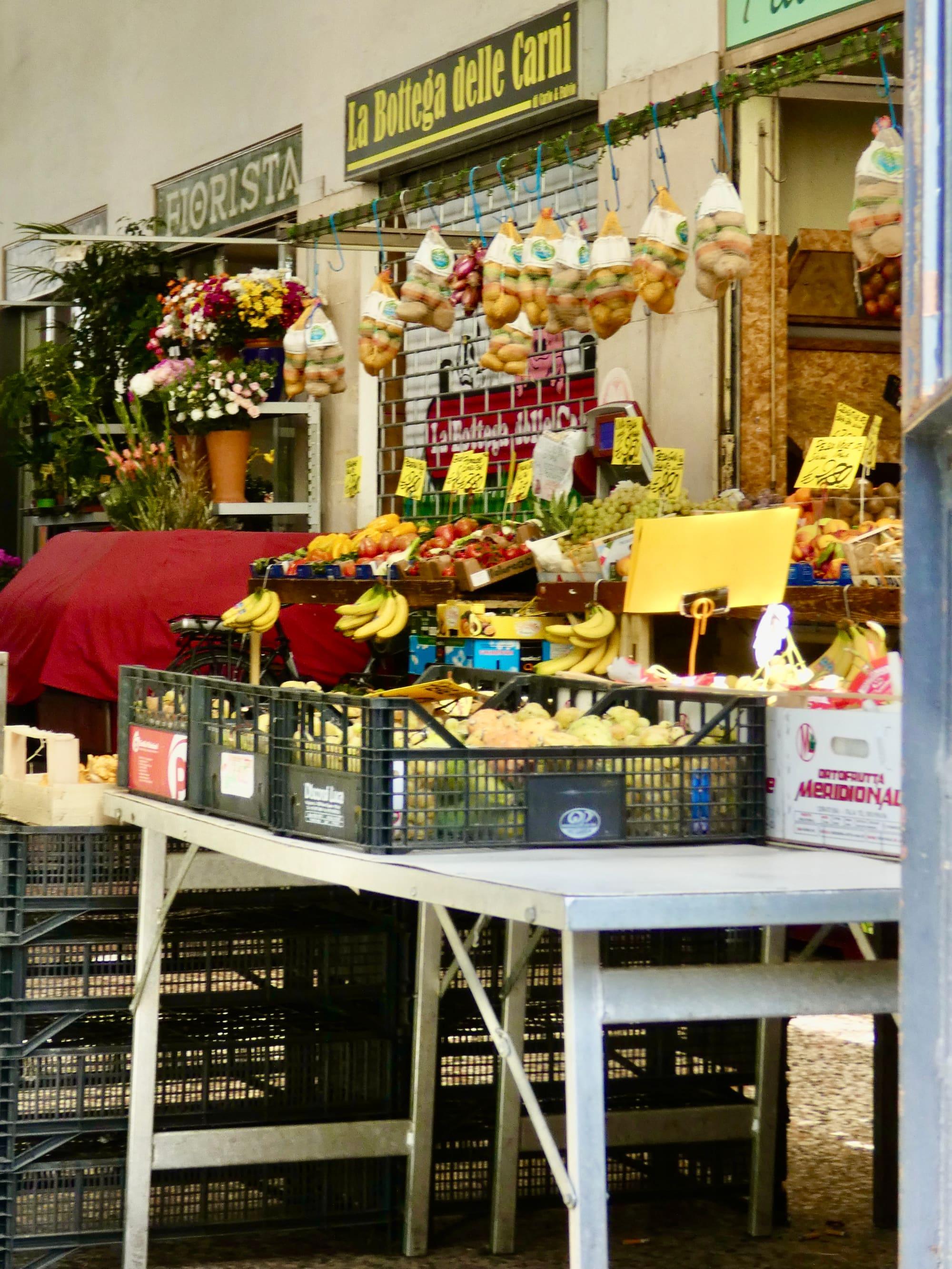
The lake markets
The weekly markets of Como, Lecco and the lake villages: days and squares.
1 h – 2 h 30Open access
Events
Before you go
How long it takes
- from Milan50 minTrain
- from Como1 h 15Train · by car 1 h
- from Lecco10 minTrain · by car 15 min
Typical door-to-door times by public transport, changes included. From Milan, counted from Centrale station.
Tourist office
Infopoint Mandello del Lario
Giardini pubblici, viale dei Giardini, 23826 Mandello del Lario
April to October, at the start of the central avenue of the public gardens. In April, May and October Monday to Thursday 14:00 to 18:00, Friday to Sunday and holidays 9:30 to 13:30 and 14:00 to 18:00; June to August every day 10:00 to 13:30 and 14:00 to 17:30; in September 10:00 to 13:30 and 14:00 to 17:00
Updated: 8 Oct 2026 · Visit Mandello — Comune di Mandello del Lario.
Parking and services
- Parcheggiosurface · free
- Piazza del Mercatosurface · paid
- Piazza Matilde Carcanosurface · free
- Car parksurface · 24 spaces · free
1 public toilet19 drinking fountains3 pharmacies2 cash machines1 charging point6 defibrillators
Car parks and services on the map
Within two and a half kilometres of the centre; check car park spaces and fees on arrival.
Can I visit the Moto Guzzi museum? When?
Yes, the museum is inside the Via Parodi factory and tells the history of the motorcycles built in Mandello.
How do I climb the Grigna from Mandello?
From the station you go up by car or on foot to the Piani Resinelli, the balcony at 1,200 metres where the paths for the Grigna Meridionale start: the summit, at about 2,180 metres, is a good three hours from the Resinelli on a marked path, with cabled stretches on the more direct routes. You need mountain boots and water; in summer, start early, before the afternoon storms.
Webcams
- Mandello, the GrignaUpdated image · GrignaCam
- Rifugio Rosalba, on the GrignettaUpdated image · Rifugio Rosalba · CAI Milano, su Rifugi di Lombardia
- Area
- The Lecco Branch
- Population
- 10,300
- Elevation
- 214 m
Updated 27 October 2026
The mountains around the village hide the sun before astronomical sunset: sunrise and sunset are worked out on the village's own horizon.
Today, 1 November, estimated sunlight at the reference point: first at 08:18 and last at 15:49, giving 7 h 32 of direct sun, out of 10 h 06 of daylight.
JuneDecembertoday
Watch the shadow reach Mandello del Lario today
See from Mandello del Lario where the sun goes, in 3D
The sun at an exact spot in Mandello del Lario: your hotel, a beach, a street
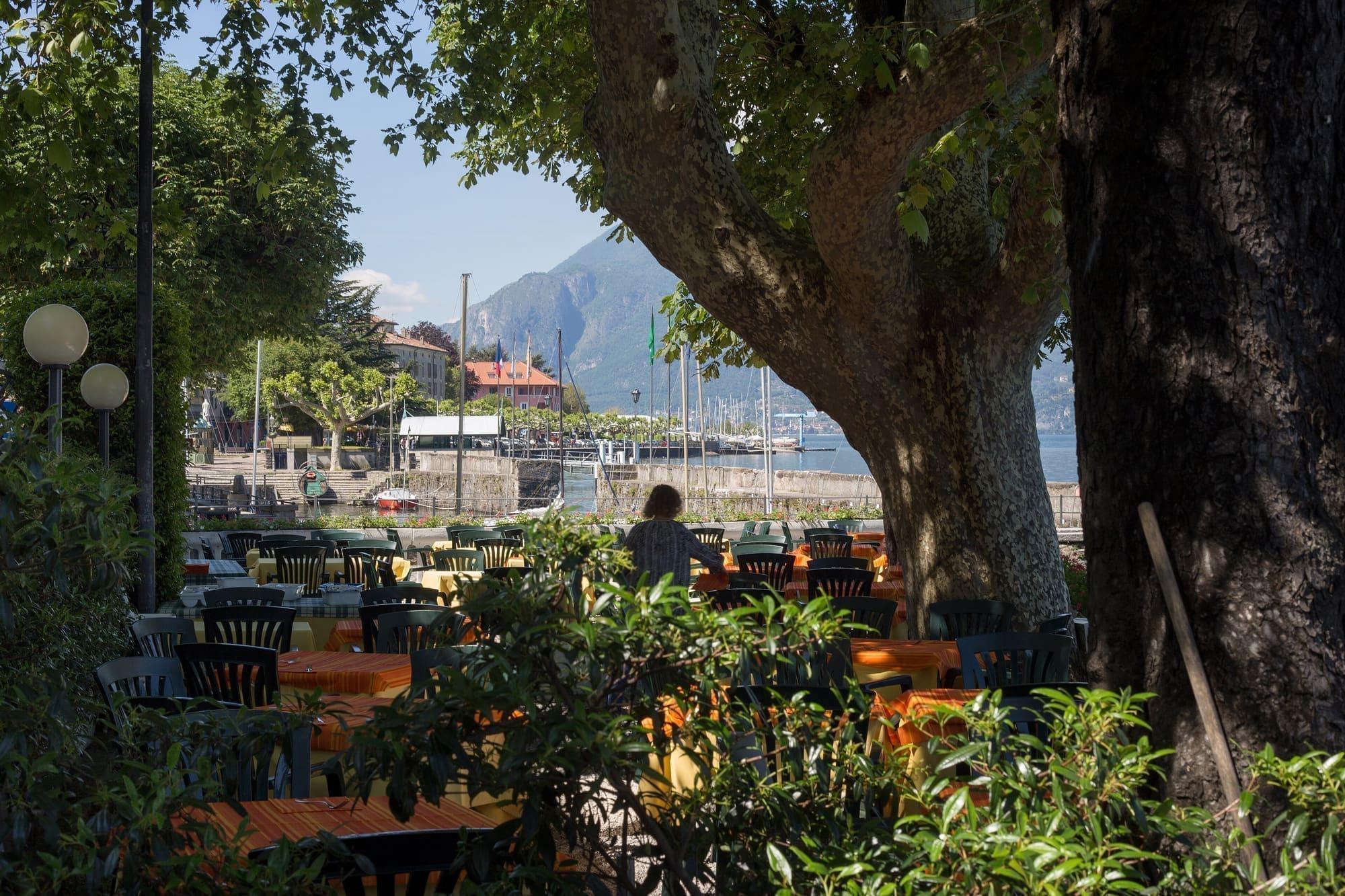
A table in the sun in Mandello del Lario
Places near the shore with outdoor seating, with today's estimated first and last sun at the marked point. Those with the latest sun come first. Clouds and shade from buildings, trees or awnings can change the light on the tables; check opening hours with the venue.
- Lakefrontrestaurant08:38–16:01
- Piazza Romacafé08:09–15:34
- Piazza XXV Aprilecafé08:10–15:33
The highest summit in view from here is Grigna Settentrionale, 2410 m, 7 kilometres away.
- Monte Parolo, 1203 m, 7 km
- Monte Cucco, 1432 m, 5 km
- Zucco Sileggio, 1373 m, 3 km
- Zucco di Belloeuria, 1153 m, 3 km
- Cima di Piancaformia, 2106 m, 6 km
- Grigna Settentrionale, 2410 m, 7 km
- Zucco dei Chignoli, 2163 m, 6 km
- Zucco di Manavello, 1120 m, 2 km
- Zucco di Portorella, 1530 m, 3 km
- Zucco della Rocca, 855 m, 3 km
- Cima di Calolden, 1455 m, 6 km
- Punta Forcellino, 1280 m, 6 km
- Monte San Martino, 1046 m, 7 km
- Monte di Borbino, 463 m, 3 km
- Monte Moregallo, 1276 m, 6 km
- Corno di Canzo Orientale, 1239 m, 7 km
- Corno di Canzo Occidentale, 1373 m, 6 km
- Sasso della Cassina, 647 m, 4 km
- Monte Pesora, 1195 m, 10 km
- Monte Colla, 1097 m, 4 km
- Monte Castel di Leves, 966 m, 3 km
- Monte Ponciv, 1452 m, 6 km
- Monte Forcella, 1322 m, 6 km
- Monte di Tremezzo, 1699 m, 14 km
- Camoghè, 2228 m, 31 km
- Pizzo di Gino, 2245 m, 27 km
- Monte Tabor, 2080 m, 24 km
- Monte Bregagno, 2107 m, 21 km
The ochre line follows today's sun path and marks the estimated times of its first and last appearance above the mountains. Drag the panorama to see all of it.
How it is drawn
Paler ridges are farther away; heights are stretched two and a half times. Houses are not drawn, nor are trees within half a kilometre. Terrain © Regione Lombardia (CC BY 4.0); summits © OpenStreetMap contributors.
Official bathing sites nearby, with their water quality classifications.
- Camping Mandello0.6 kmExcellent · for 11 seasons · in July, sun estimated until 20:11 at the marked point3D — see from the beach at Camping Mandello where the sun goes
- Lido di Mandello0.6 kmExcellent · for 6 seasons · in July, sun estimated until 20:12 at the marked point3D — see from the beach at Lido di Mandello where the sun goes
- Olcio - Lc 182.1 kmExcellent · for 5 seasons · in July, sun estimated until 20:33 at the marked point3D — see from the beach at Olcio - Lc 18 where the sun goes
Is Mandello a good base without a car?
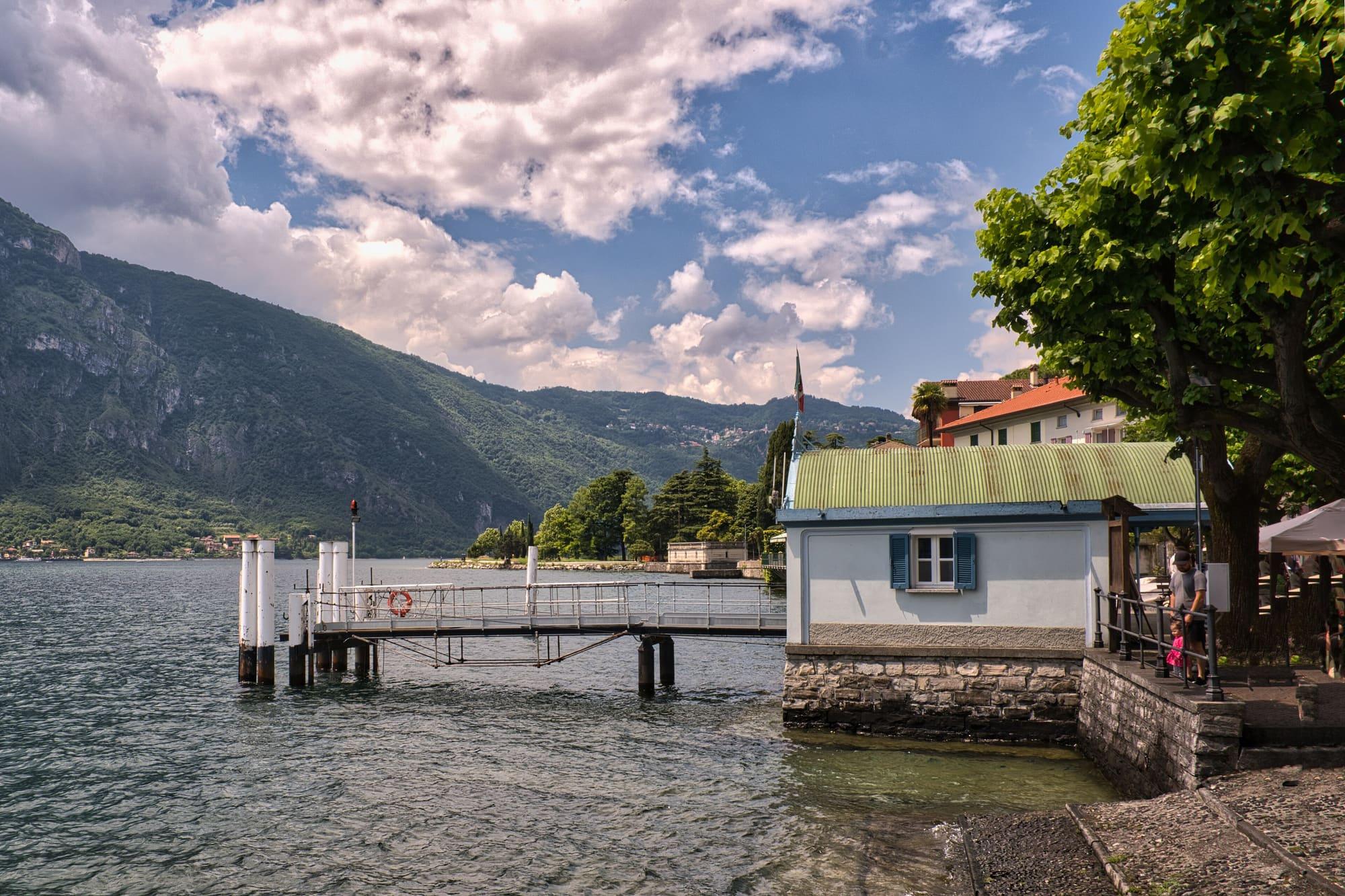
Yes: it has a station on the Milan–Lecco–Sondrio–Tirano line, so Lecco is ten minutes away and, on the RegioExpress, Varenna twelve and Milano Centrale under an hour; in summer the boat calls at the pier. For Bellagio and Menaggio, though, you take the train to Varenna and then the ferry.
When is the weekly market?
The weekly market is on Mondays, except public holidays, from 7:30 to 14:00, across Piazza del Mercato, Viale Medaglie Olimpiche Mandellesi, Piazza Garibaldi and Via Marinai d'Italia.
On the map
What is around, and how far.
© OpenStreetMap contributors · ODbL
Nearby
Typical door-to-door times.
Sources and credits
- Maps, parking, services and distances: © OpenStreetMap contributors (ODbL).
- Train times: open data of the Lombardy Region, as of 1 October 2026.
- Freely licensed photographs: authors and licences under Photograph credits.
Sources and credits
- Maps, parking, services and distances: © OpenStreetMap contributors (ODbL).
- Train times: open data of the Lombardy Region, as of 1 October 2026.
- Freely licensed photographs: authors and licences under Photograph credits.