5Jun 2027
Lecco Branch
Lierna
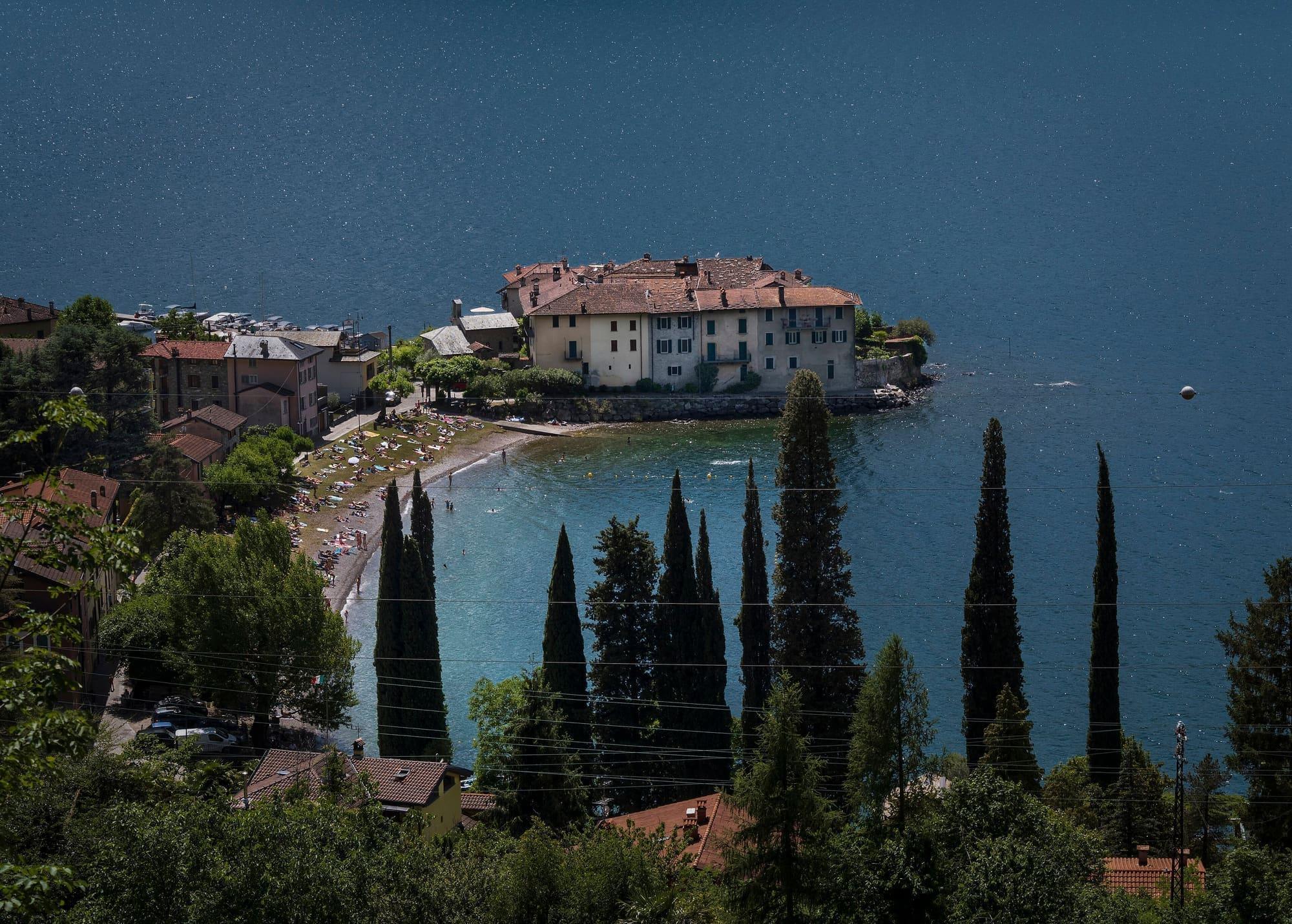
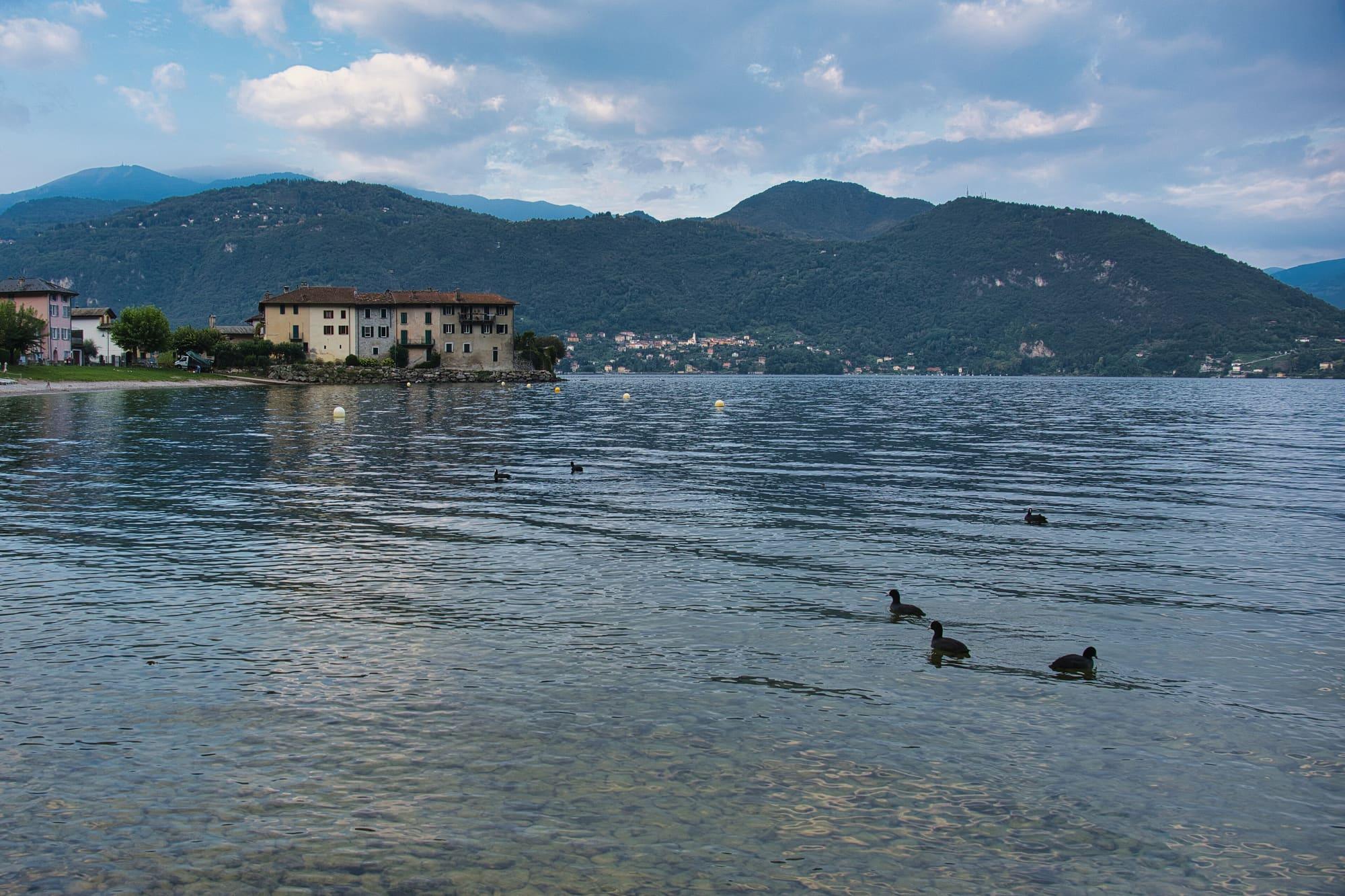
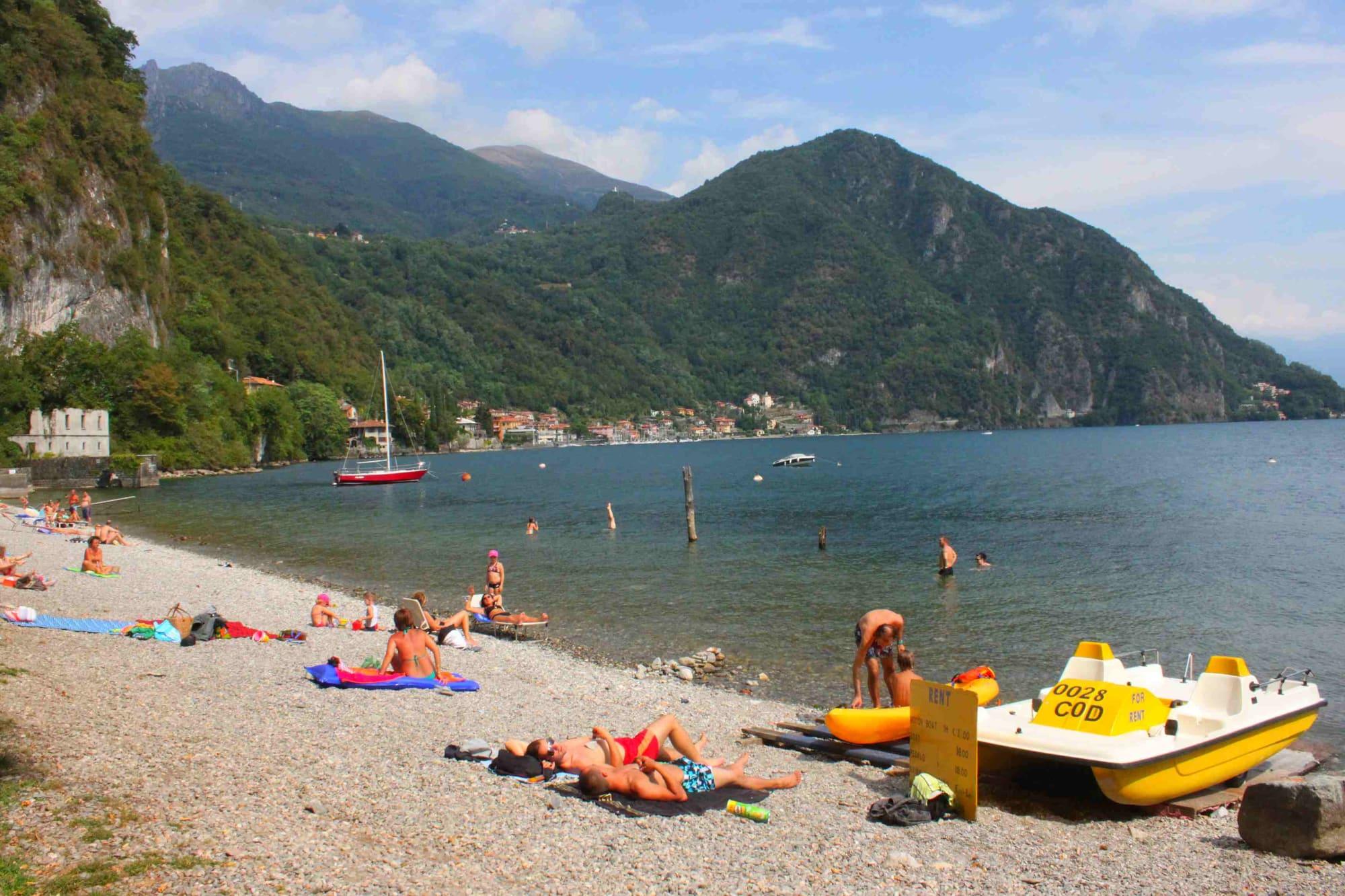
The pale pebble beach of Riva Bianca and a station on the Milan–Lecco–Sondrio–Tirano line.
- Ideal for
- Swimming, families, days in the water
- Time needed
- Half a day or a full day
- Best season
- June–September
- What to see
- The Castello hamlet behind the beach
- Best reached by
- Milan–Lecco–Sondrio–Tirano train, Lierna stop
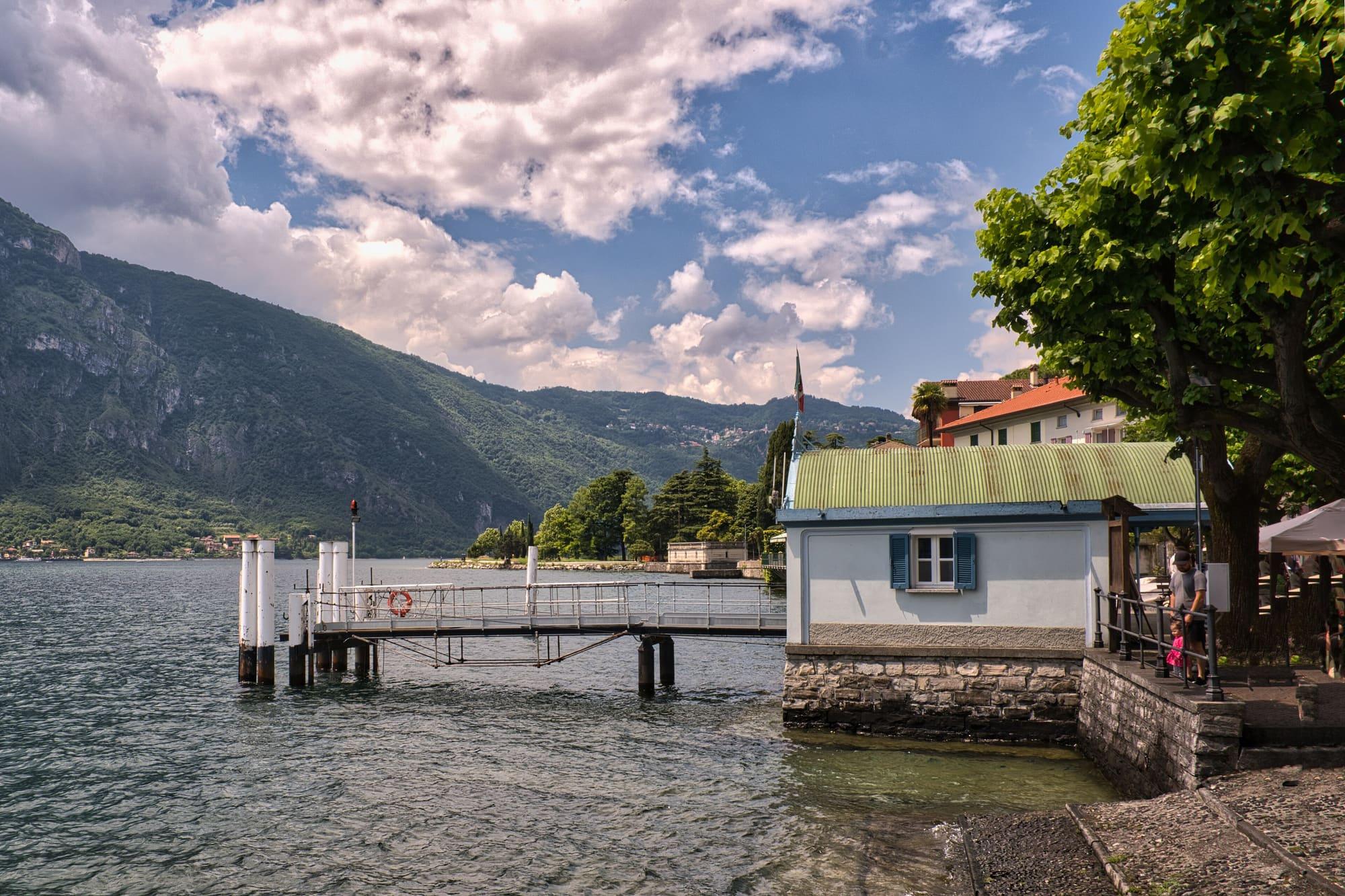
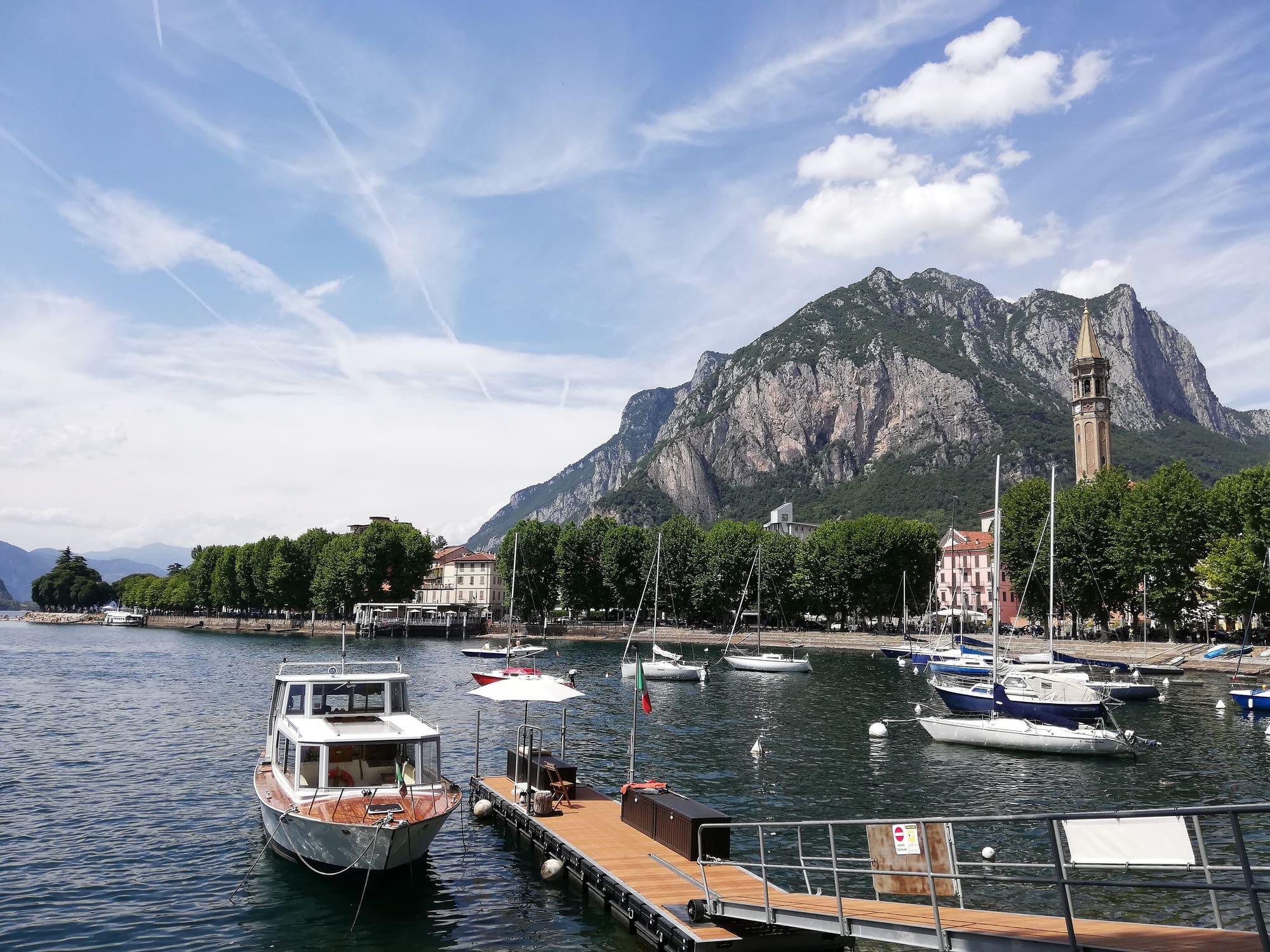
- Ivo Kruusamägi · CC BY-SA 4.0
- Vivimás · CC BY-SA 4.0
The place
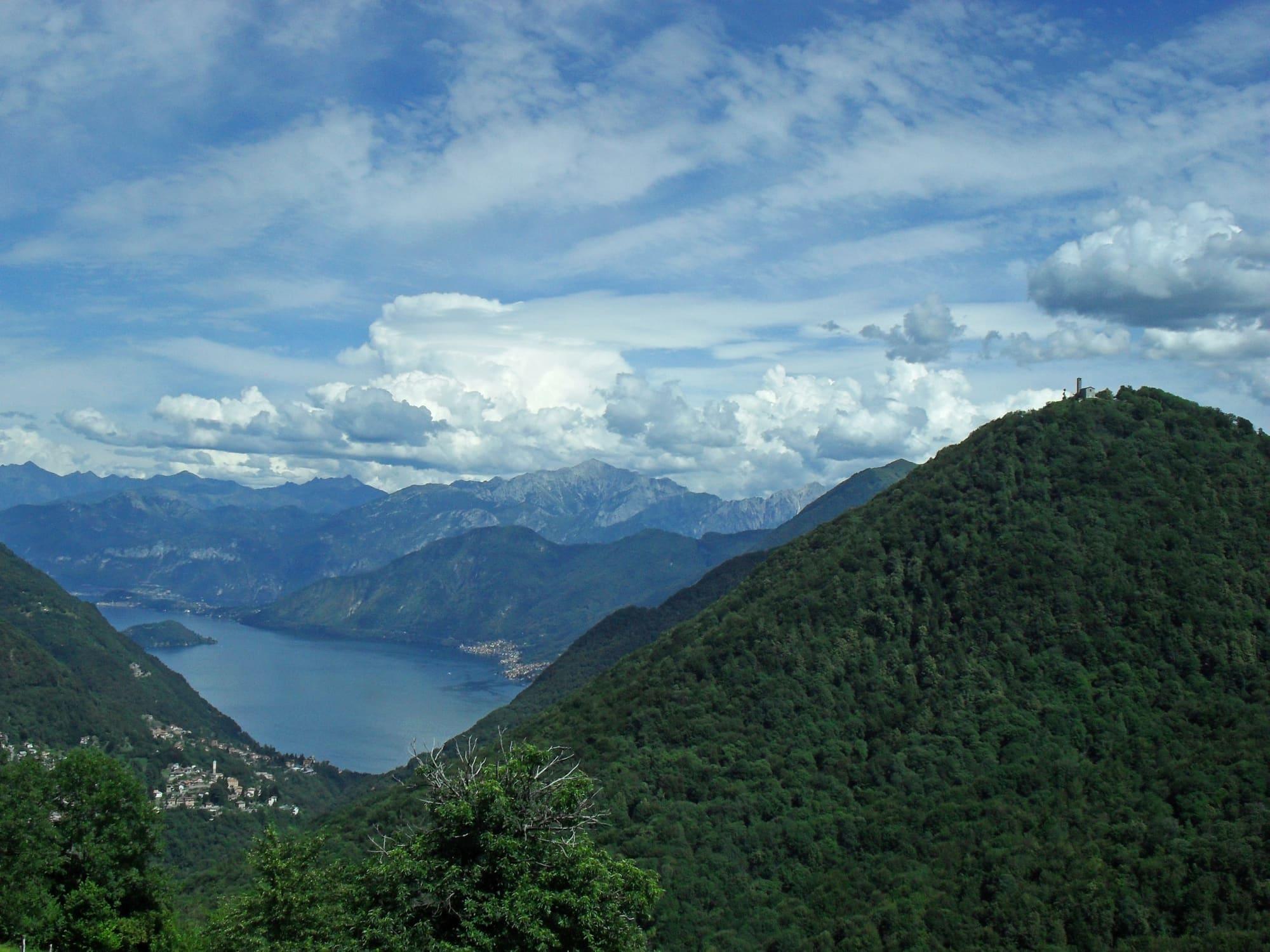
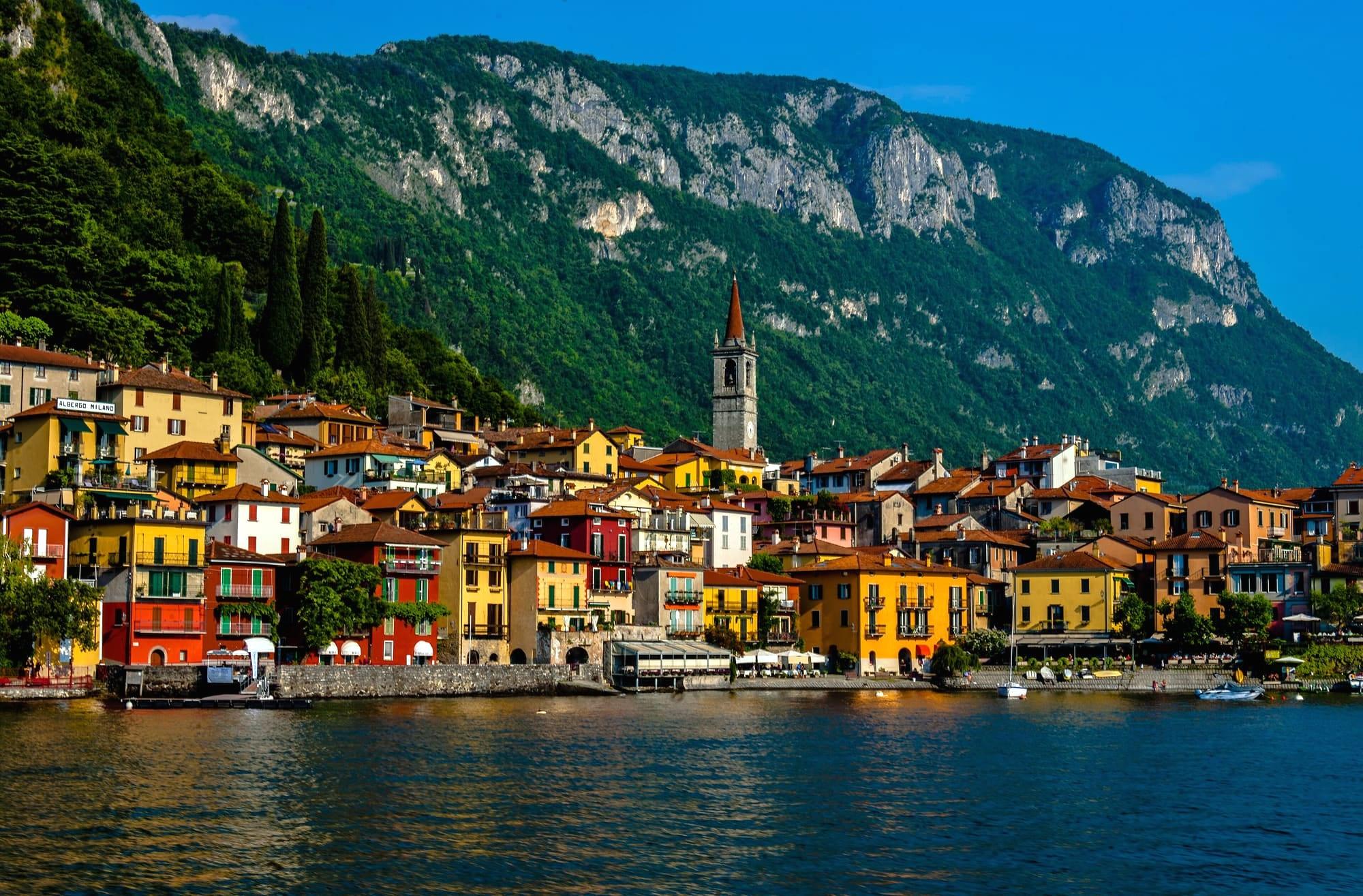
Lierna is a village on the eastern shore of the Lecco branch, between Mandello and Varenna.
Below the Castello hamlet lies Riva Bianca, a crescent of pale pebbles, and the village has a station on the Milan–Lecco–Sondrio–Tirano line: you can get there without a car.
Lierna is a village on the eastern shore of the Lecco branch, between Mandello and Varenna.
Read on
Below the Castello hamlet lies Riva Bianca, a crescent of pale pebbles, and the village has a station on the Milan–Lecco–Sondrio–Tirano line: you can get there without a car.
Riva Bianca and the Castello hamlet
Riva Bianca is Lierna's beach: a crescent of pale pebbles, public and partly serviced, where the water deepens gradually. The lake itself is deep, though, and Alpine: even in August the temperature drops quickly below two metres, and lifeguards are not on duty everywhere.
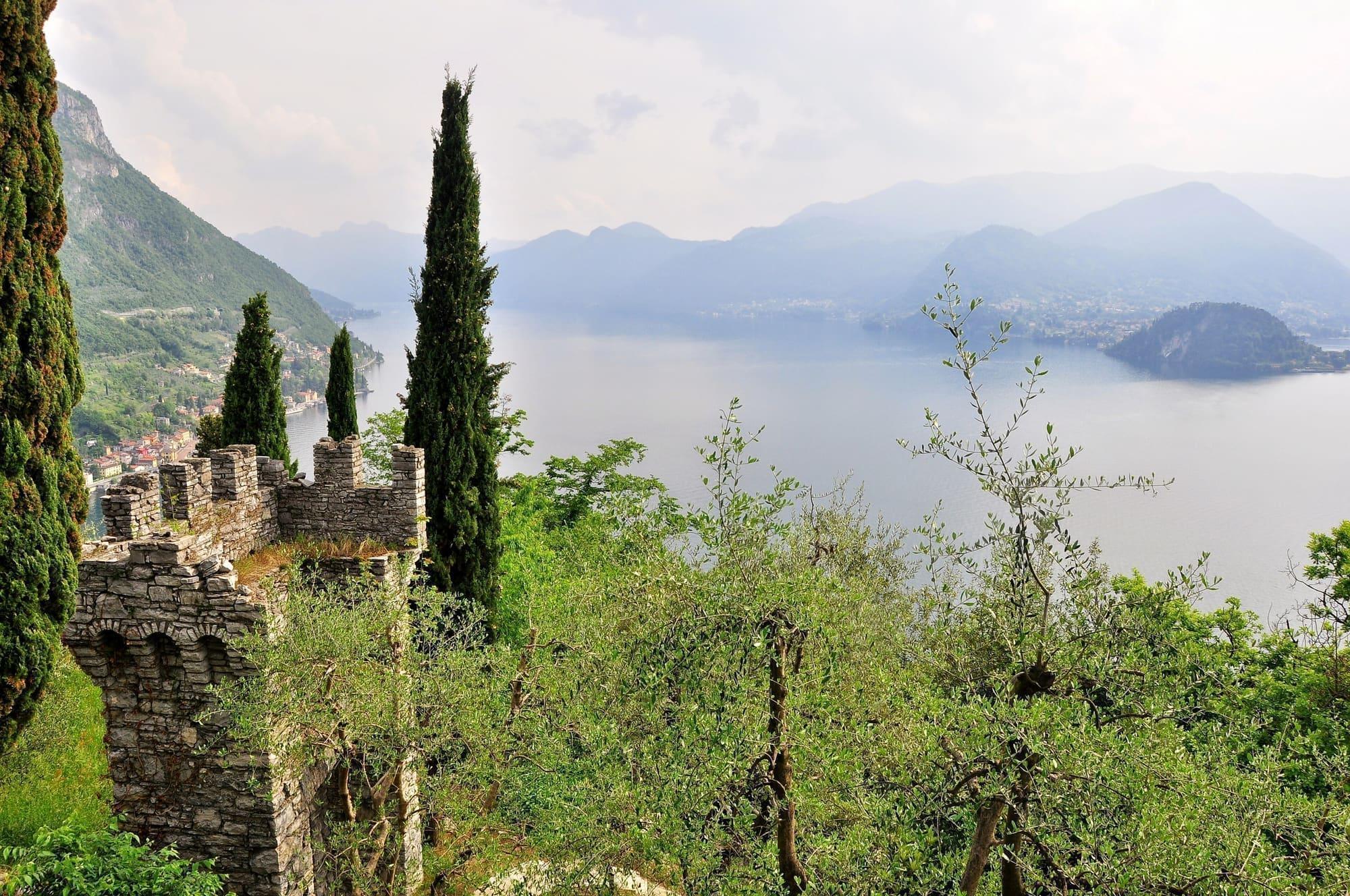
To the north the beach is closed off by a small peninsula, where the castle walls were built in the first quarter of the twelfth century. Their remains are built into the houses of the Castello hamlet, a small medieval cluster of houses packed together, with covered lanes, which you cross in ten minutes. At the entrance to the hamlet stands the Romanesque church of Santi Maurizio e Lazzaro, which in 1147 belonged to the Milanese monastery of San Dionigi. The two saints are painted as warriors on its front, and fragments of fifteenth-century frescoes survive inside.
History
Lierna was already inhabited in Roman times: in 1876 a black-and-white floor mosaic of the first century AD was found here, and it is kept in the archaeological museum of Lecco. In 1045 Aribert, Archbishop of Milan, left the court of Lierna to the Milanese monastery of San Dionigi. The monks held it until 1202, when the villagers bought it back.
During the Ten Years' War between Milan and Como, in 1124, ships from Como started a fire that destroyed part of the castle and its walls. From the sixteenth to the eighteenth century Lierna answered to the podestà of Mandello. In the eighteenth century it was a fief of the Sfondrati, counts of the Riviera, and in 1730 a court ruling separated it from the community of Mandello.
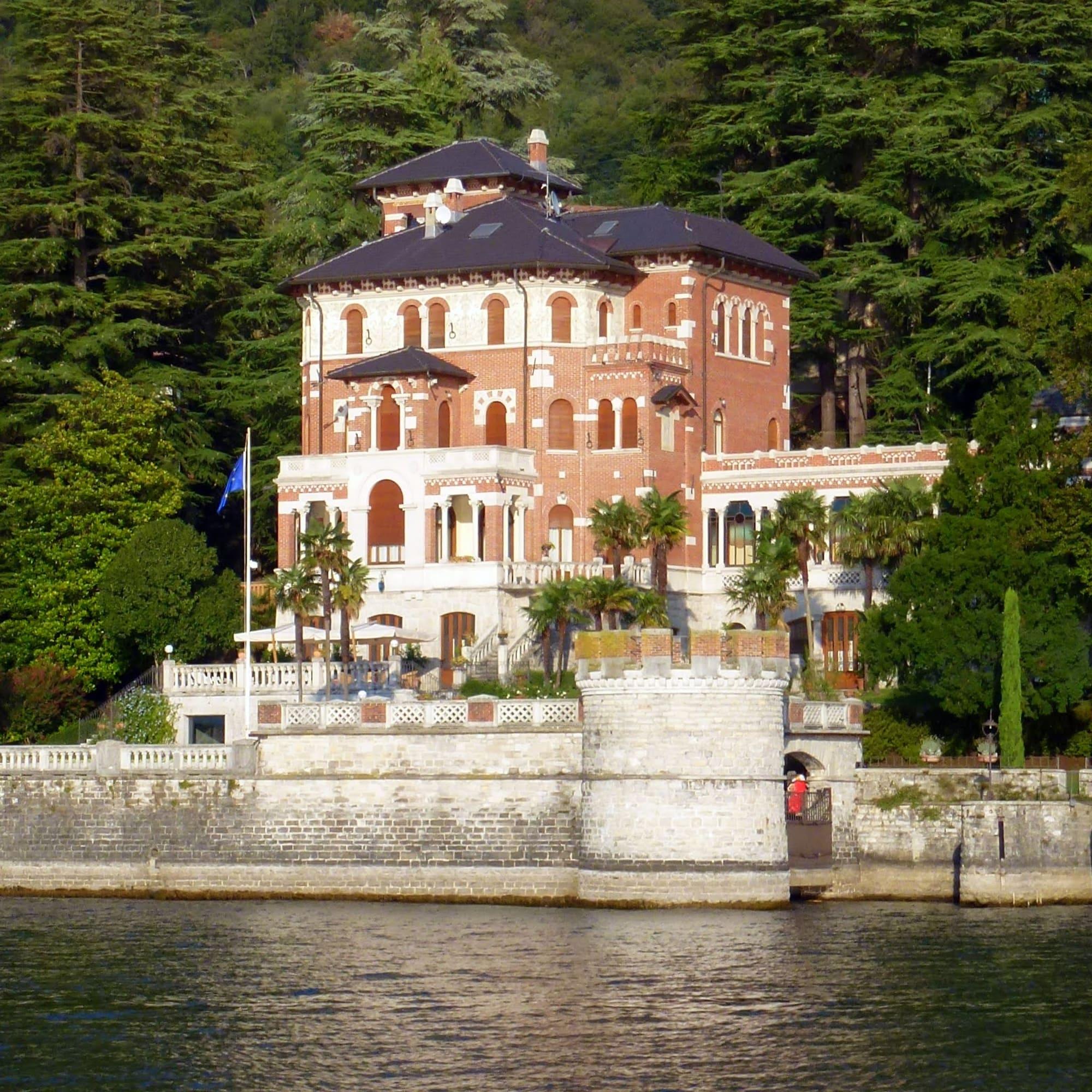
The station opened in 1892, on the new railway between Lecco and Bellano. In the 1920s there was a great deal of building in Lierna: villas such as Villa Aurelia, on Via Roma, which is private, date from that time.
Sant'Ambrogio and Giannino Castiglioni
In the centre of the village, on a rise, stands the parish church of Sant'Ambrogio. Its Romanesque bell tower dates from the first half of the eleventh century. The church was rebuilt in 1626–27 and enlarged between 1778 and 1785. Inside are Gian Battista Macolino's Rosary canvas of 1628 and a painting of Saint Anthony by an unknown artist. Beside it begins the Way of the Cross: fourteen chapels painted in 1879 by Luigi Tagliaferri.
The Milanese sculptor Giannino Castiglioni, who made the Lecco war memorial, kept a lakeside studio at Lierna from 1927 to 1971, and died here in 1971. Many of his works remain in the village: the layout of the cemetery, of 1922, several funerary chapels and the fountain in Piazza IV Novembre, of 1929. The church of Santi Maurizio e Lazzaro, at Castello, was also restored to his design. Since 2015 a museum spread through the village has shown his restored plaster models in the town hall and the Casa delle Associazioni.
The hamlets and the Sentiero del Viandante
Lierna has about 2,200 inhabitants, spread over ten hamlets between the shore and the slope. Villa is the centre, with the town hall and the parish church. Castello lies on the lake. Higher up are clusters such as Genico, Mugiasco, Olcianico and Sornico. Every year at the start of June the cellars of Mugiasco and Sornico open for tastings.
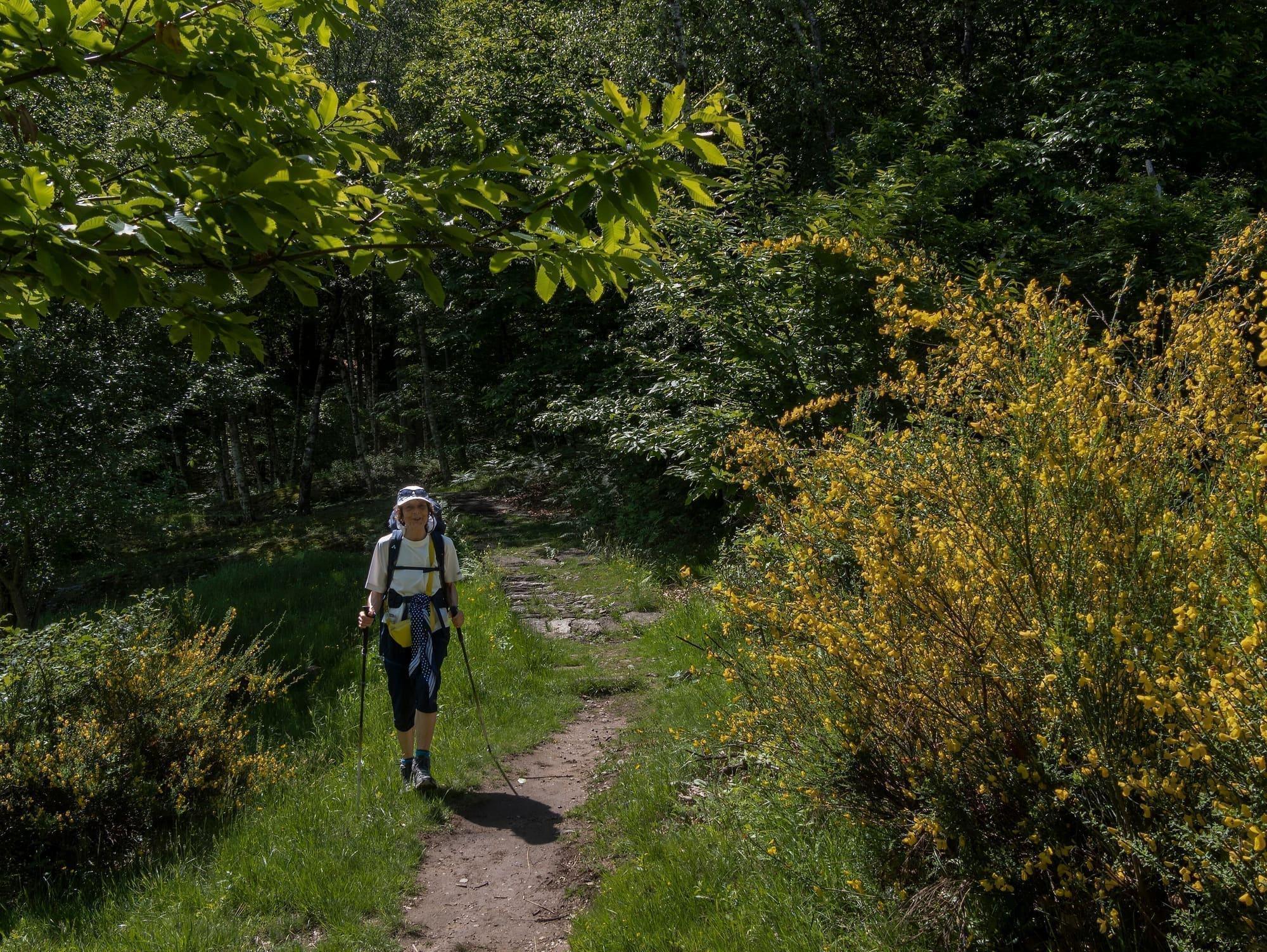
The Sentiero del Viandante passes above the village. Southwards it leads to Mandello and Abbadia Lariana. Northwards it reaches Varenna in about three and a half hours' walking, with the lake below and the Grigna behind. The station lets you start and finish by train.
Things to see
Experiences
Events
Before you go
How long it takes
- from Milan1 hTrain
- from Como1 h 25Train · by car 1 h 10
- from Lecco20 minTrain · by car 25 min
Typical door-to-door times by public transport, changes included. From Milan, counted from Centrale station.
Tourist office
Proloco di Lierna
Via Parodi, Lierna
Open the siteopens in a new tabOn the map
Updated: 14 Sept 2026 · OpenStreetMap.
Parking and services
- Car parksurface · 7 spaces · free
1 public toilet17 drinking fountains1 pharmacy1 cash machine1 charging point1 defibrillator
Car parks and services on the map
Within two and a half kilometres of the centre; check car park spaces and fees on arrival.
Can I reach Riva Bianca without a car?
Yes. Lierna has a station served by regional trains on the Lecco–Colico–Sondrio line. From Milan, choose a service that calls at Lierna, either direct or with a change at Lecco. From the station it is a ten- to fifteen-minute walk down towards the Castello hamlet and Riva Bianca.
Is the beach free? Can you swim?
Riva Bianca is a public beach of pale pebbles below the Castello hamlet, with little shade: bring water shoes and sun protection. Water quality is assessed throughout the bathing season. Before swimming, check local notices and the latest assessment for Riva Bianca on the Ministry of Health's Portale Acque.
- Area
- The Lecco Branch
- Population
- 2,200
- Elevation
- 202 m
Updated 26 October 2026
The mountains around the village hide the sun before astronomical sunset: sunrise and sunset are worked out on the village's own horizon.
Today, 1 November, estimated sunlight at the reference point: first at 08:58 and last at 16:00, giving 7 h 03 of direct sun, out of 10 h 06 of daylight.
Today the sun arrives between 08:51 and 09:07, depending on the street.
JuneDecembertoday
Watch the shadow reach Lierna today
See from Lierna where the sun goes, in 3D
The sun at an exact spot in Lierna: your hotel, a beach, a street
A table in the sun in Lierna
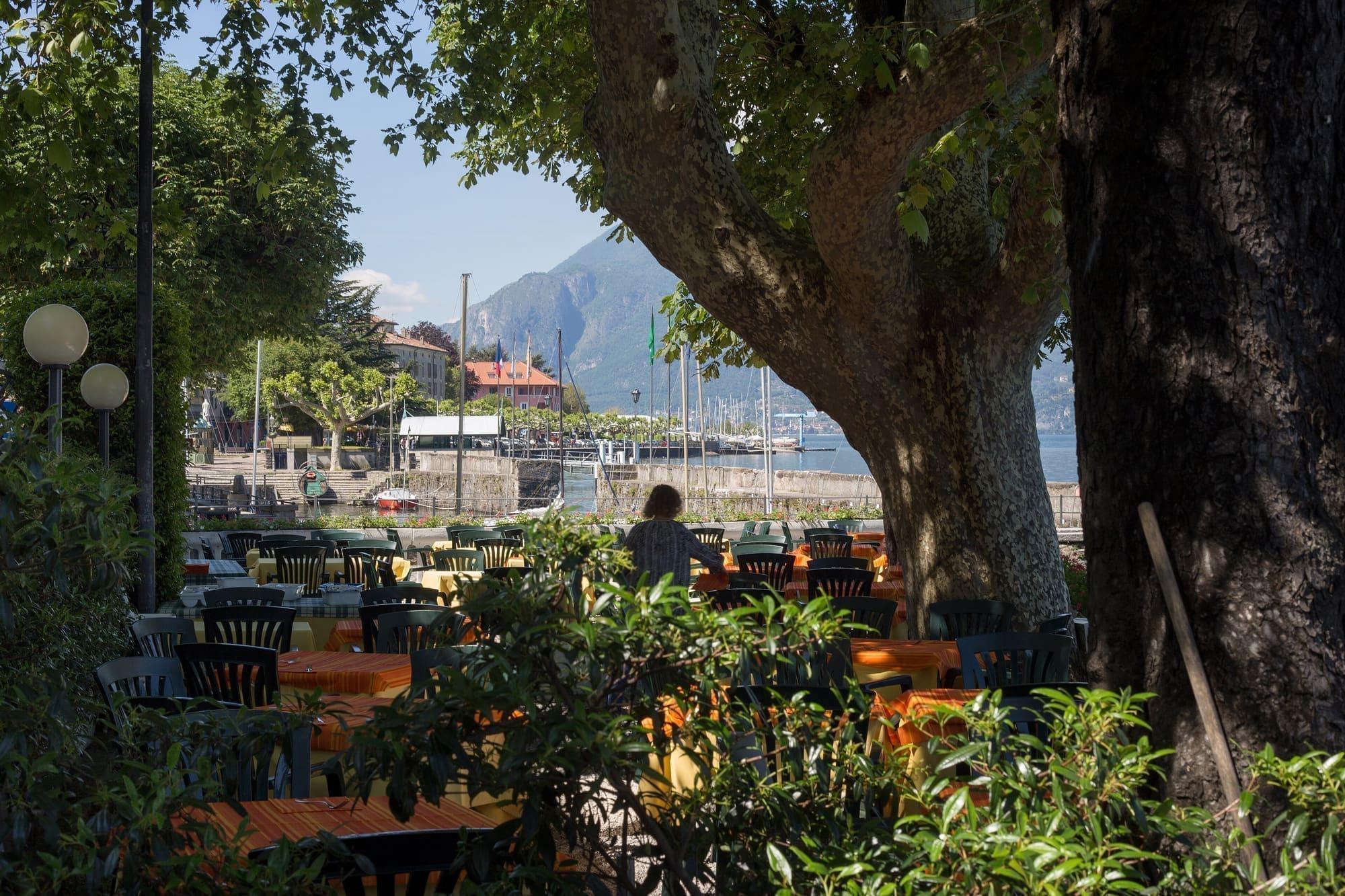
Places near the shore with outdoor seating, with today's estimated first and last sun at the marked point. Those with the latest sun come first. Clouds and shade from buildings, trees or awnings can change the light on the tables; check opening hours with the venue.
- Via Romarestaurant08:55–15:58
- Via Imbarcaderoice-cream shop08:53–15:58
The highest summit in view from here is Pizzo Paglia, 2593 m, 31 kilometres away.
- Sasso del Monte Cucco, 1347 m, 2 km
- Monte Cucco, 1432 m, 2 km
- Monte Palagia, 1549 m, 3 km
- Cima dei Pianchini, 1397 m, 3 km
- Zucco Sileggio, 1373 m, 3 km
- Corno di Canzo Occidentale, 1373 m, 11 km
- Monte Cornizzolo, 1241 m, 14 km
- Monte Megna, 1049 m, 9 km
- Monte Castel di Leves, 966 m, 6 km
- Monte Cornet / Gerbal, 1316 m, 7 km
- Monte Ponciv, 1452 m, 7 km
- Cima del Costone, 1611 m, 8 km
- Monte Nuvolone, 1092 m, 6 km
- Monte Garnasca, 694 m, 4 km
- Cima della Duaria, 1446 m, 12 km
- Monte di Lenno, 1588 m, 13 km
- Monte di Tremezzo, 1699 m, 10 km
- Monte Crocione, 1641 m, 10 km
- Il Dossone, 903 m, 8 km
- Camoghè, 2228 m, 27 km
- Mottone della Tappa, 2130 m, 25 km
- Monte Grona, 1736 m, 13 km
- Monte Bregagno, 2107 m, 17 km
- Pizzo Paglia, 2593 m, 31 km
The ochre line follows today's sun path and marks the estimated times of its first and last appearance above the mountains. Drag the panorama to see all of it.
How it is drawn
Paler ridges are farther away; heights are stretched two and a half times. Houses are not drawn, nor are trees within half a kilometre. Terrain © Regione Lombardia (CC BY 4.0); summits © OpenStreetMap contributors.
Official bathing sites nearby, with their water quality classifications.
- Riva Bianca0.8 kmExcellent · for 11 seasons · in July, sun estimated until 20:13 at the marked point3D — see from the beach at Riva Bianca where the sun goes
What is there to do in Lierna besides the beach?
The hamlet of Castello, just behind the beach, can be walked round among its stone houses. Lierna is a stage on the Sentiero del Viandante: northwards you walk to Varenna in about three and a half hours, southwards to Mandello. In season some boats call at the pier, and Varenna is one train stop away.
On the map
What is around, and how far.
© OpenStreetMap contributors · ODbL
Nearby
Typical door-to-door times.
Sources and credits
- Maps, parking, services and distances: © OpenStreetMap contributors (ODbL).
- Train times: open data of the Lombardy Region, as of 1 October 2026.
- Freely licensed photographs: authors and licences under Photograph credits.
Sources and credits
- Maps, parking, services and distances: © OpenStreetMap contributors (ODbL).
- Train times: open data of the Lombardy Region, as of 1 October 2026.
- Freely licensed photographs: authors and licences under Photograph credits.