Last day1Nov
Lecco Branch
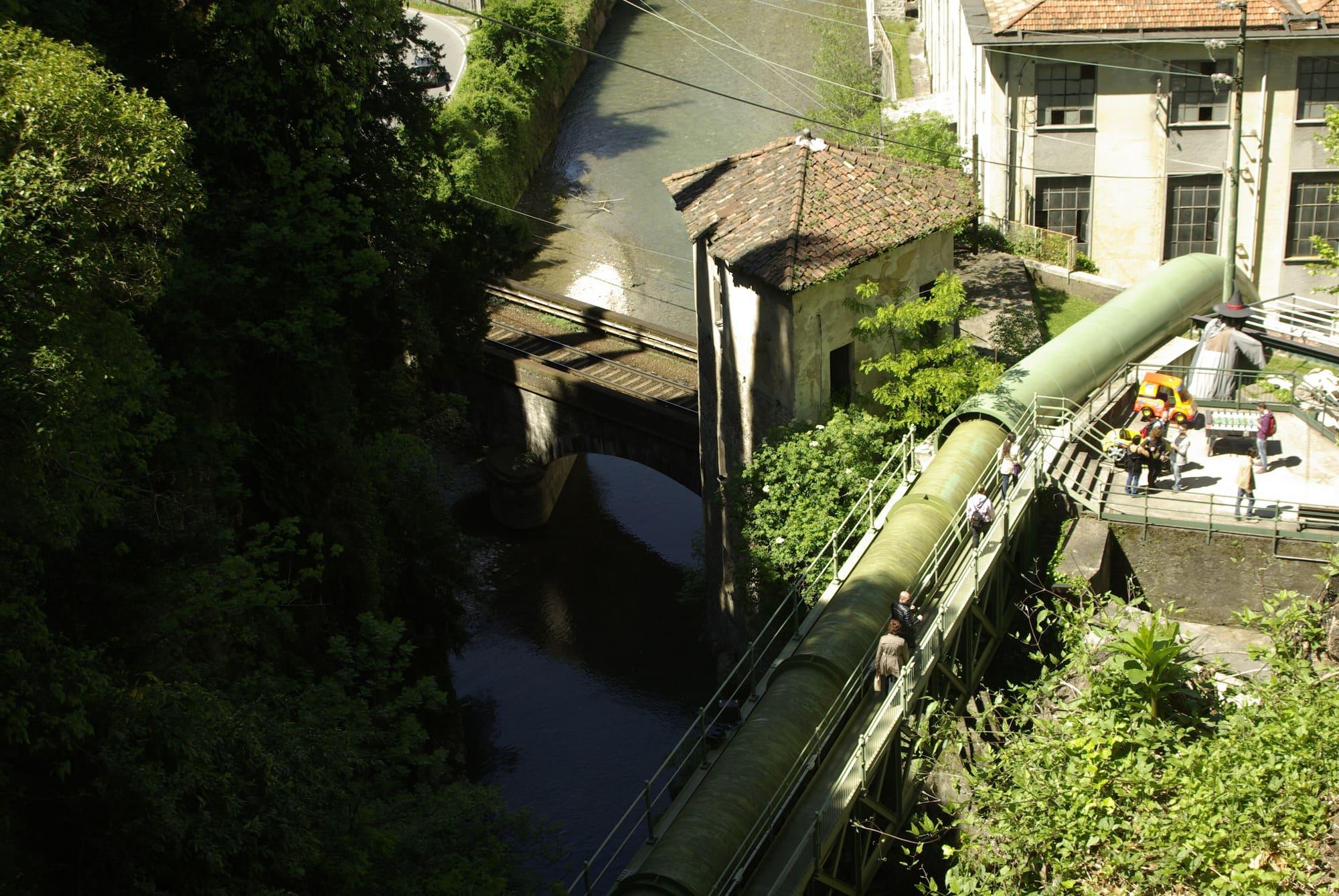
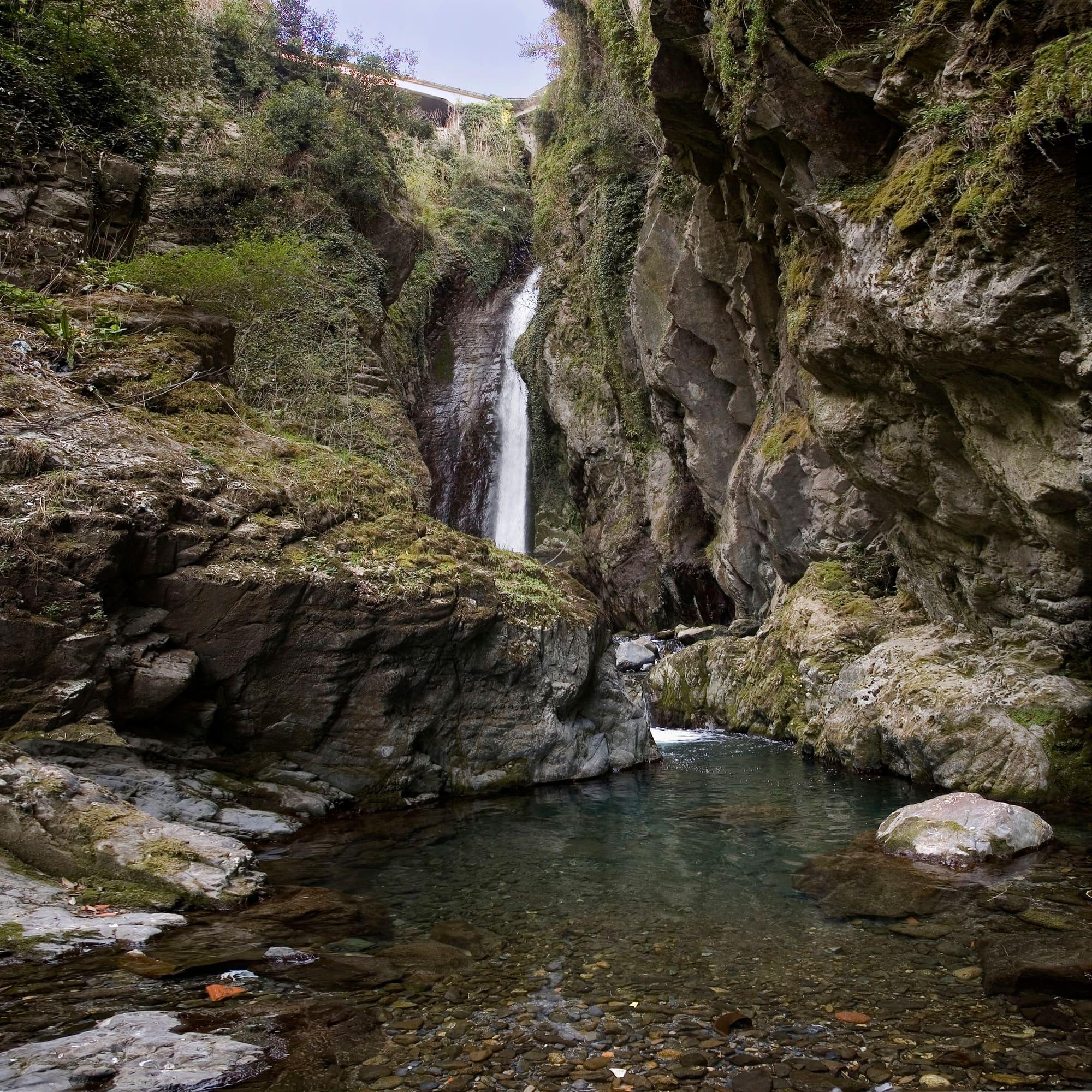
A walkway suspended inside a gorge carved out by the Pioverna.
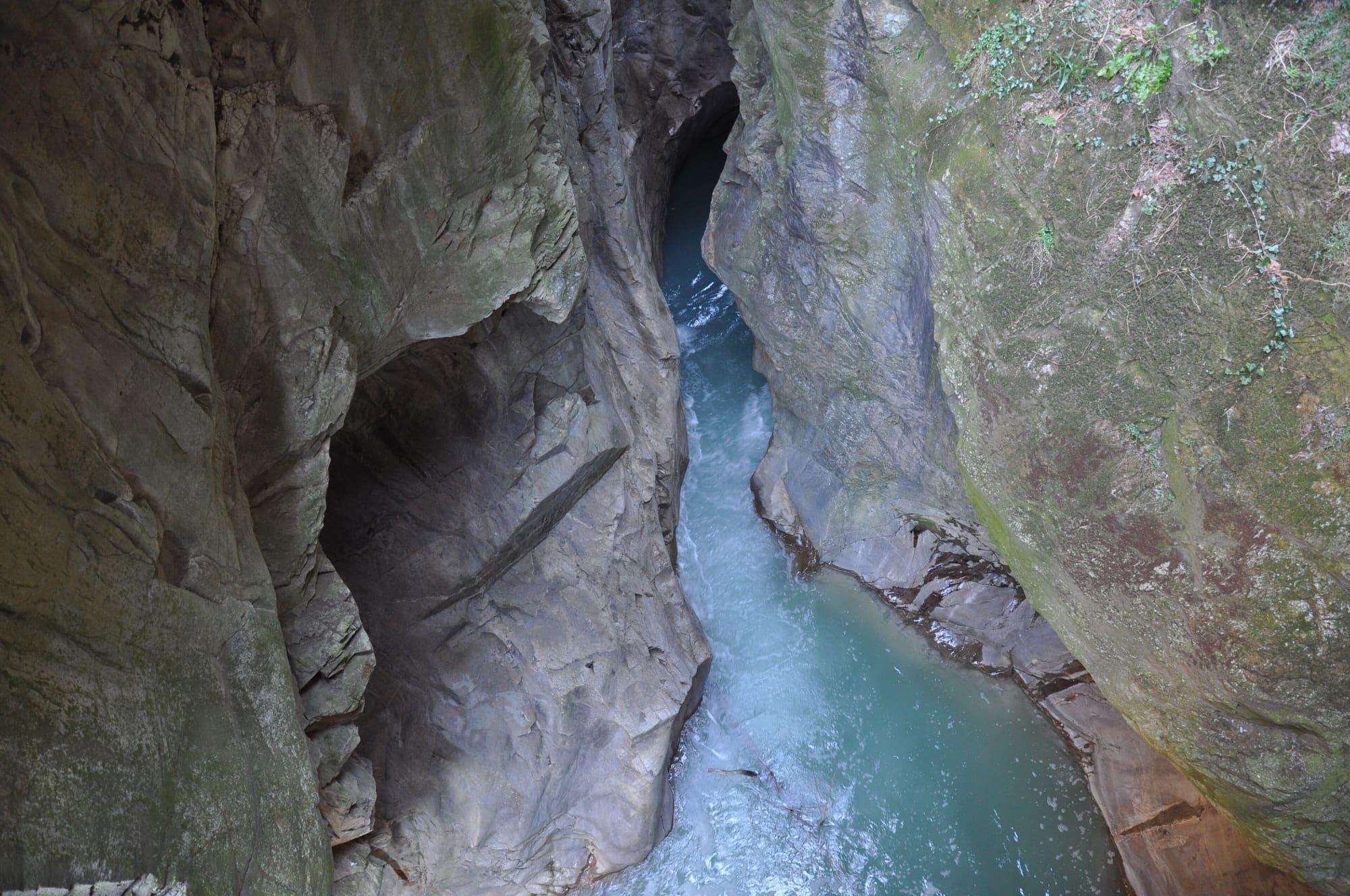
Bellano has the Orrido, a deep ravine you walk through on steel walkways fixed to the rock above the torrent.
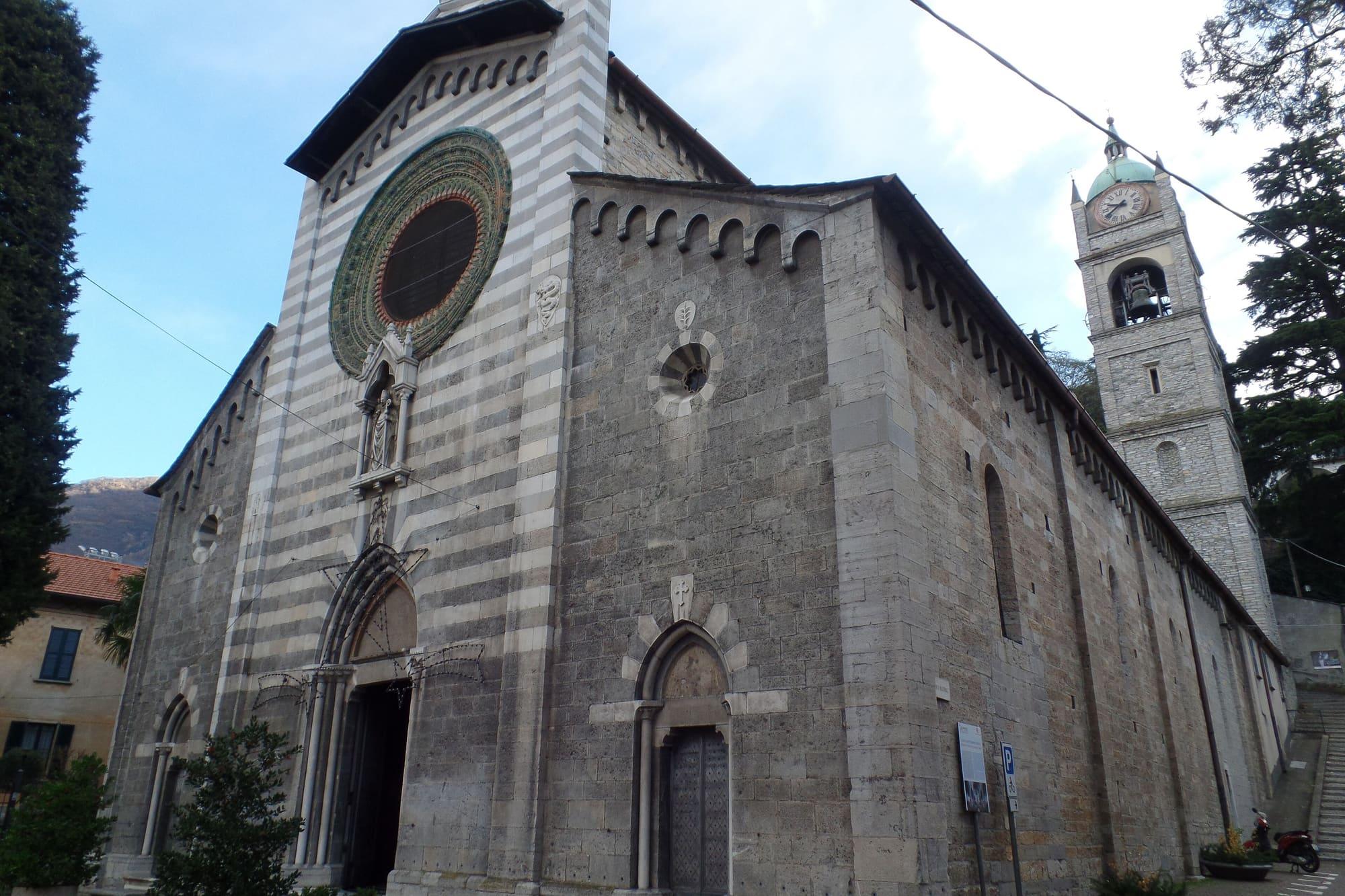
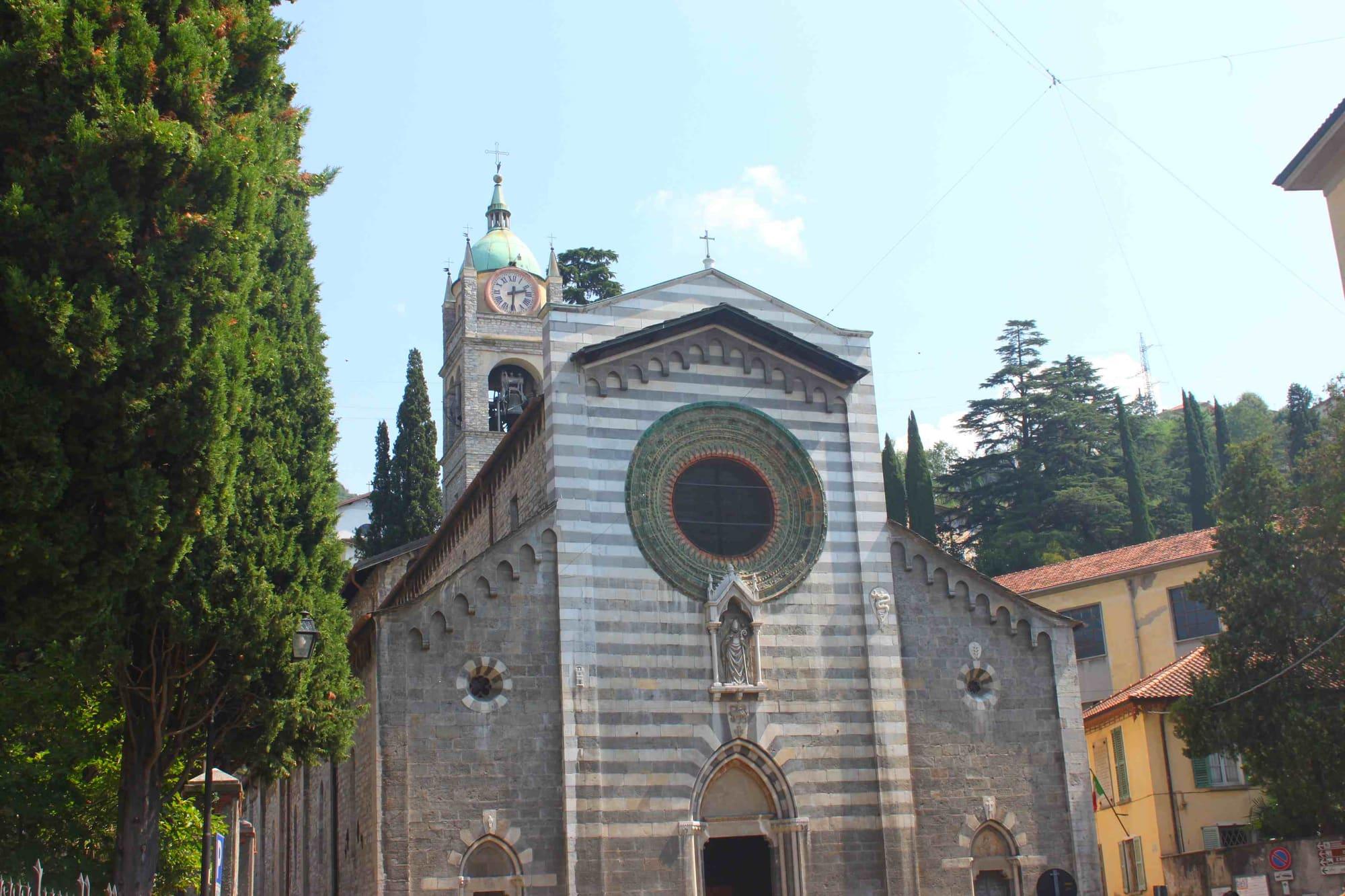
The village also has a long manufacturing tradition, a square on the lake and a fourteenth-century church banded in white and black.
Bellano has the Orrido, a deep ravine you walk through on steel walkways fixed to the rock above the torrent.
The village also has a long manufacturing tradition, a square on the lake and a fourteenth-century church banded in white and black.
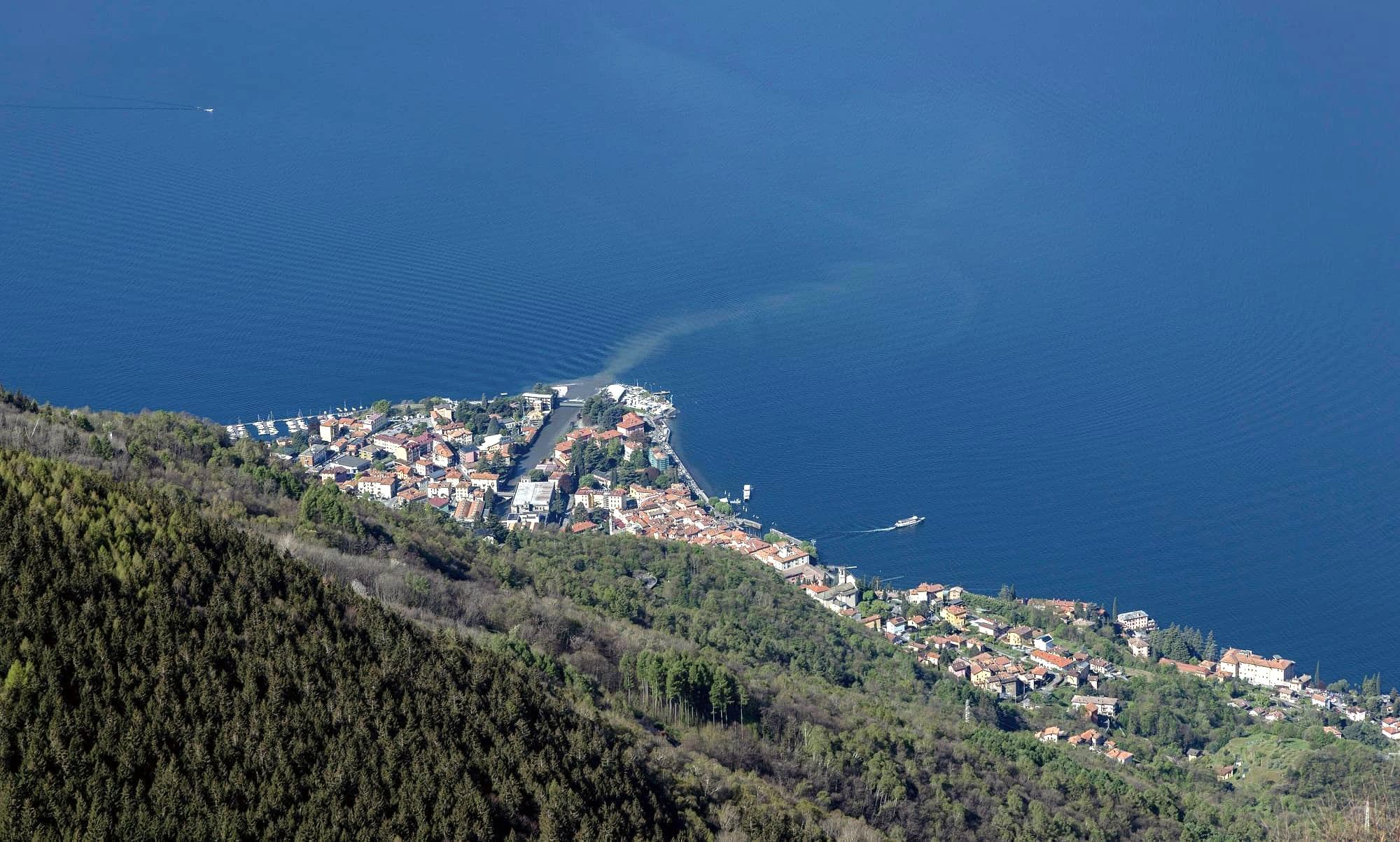
Bellano stands on the alluvial fan that the Pioverna torrent has built up where it enters the lake. The old centre, largely medieval in appearance, lies on the right bank. On the left bank is Coltogno, the newer part, with the station on the Lecco–Colico line, about half an hour by train from Lecco.
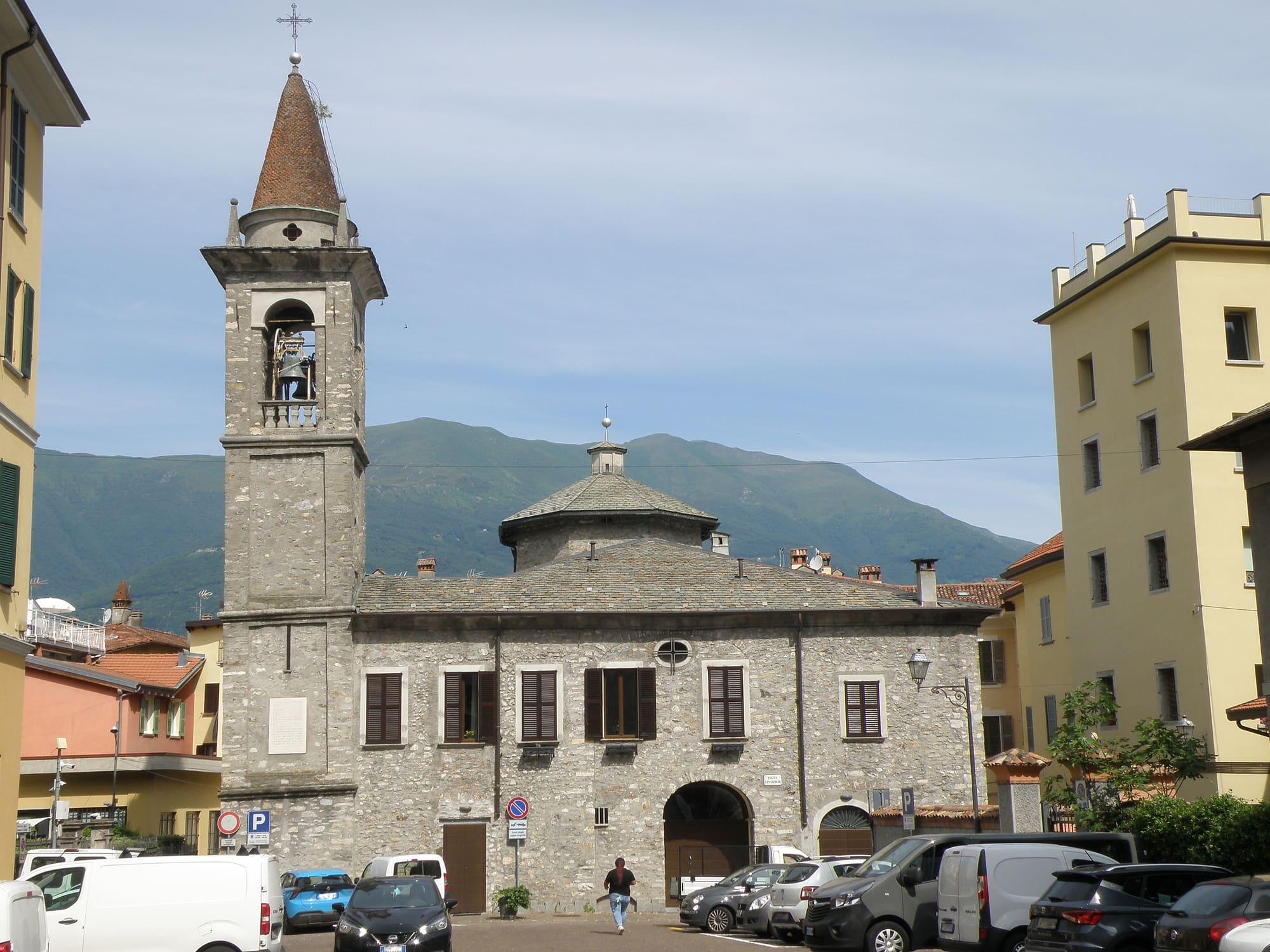
Behind the centre opens the Orrido, the gorge cut by the Pioverna, which you walk through on walkways fixed to the rock; the first were built in 1868. At the entrance stands the Ca' del Diavol, a three-storey pentagonal turret of uncertain origin, named after the frescoes of the devil on its top floor. Behind the apse of Santi Nazaro e Celso stands San Rocco, built in the late fifteenth century, beside a small Roman bridge over the gorge. The Sentiero del Viandante crosses the bridge and passes under the church's porch on its way to Varenna and Corenno Plinio.
In the Middle Ages Bellano was the seat of a pieve, the church district centred on Santi Nazaro e Celso. In the early twelfth century, in the Ten Years' War between Como and Milan, it sided with Milan, and from the late thirteenth century it passed to the Visconti. On 9 September 1341 a flood of the Pioverna partly destroyed the church, which was rebuilt in the mid-fourteenth century at the wish of Archbishop Giovanni Visconti. Its facade, banded in white and black, bears the coats of arms of the Visconti and the Torriani.
In 1480 the town joined Varenna and Mandello in the Contado della Riviera, a fief granted to Pietro Dal Verme. In 1531 the Medeghino, lord of Musso, had the walls pulled down, and from 1533 to 1788 the fief belonged to the Sfondrati. Since 1 January 2020 the municipality has also included Vendrogno and the Muggiasca, up to the summit of Monte Muggio at 1,799 metres.
For centuries the force of the Pioverna drove Bellano's machines. The works stood at the mouth of the Orrido, where the water drops in a natural fall, and received it through channels and tunnels. In the sixteenth and seventeenth centuries it powered ironworks, then came the silk mills: San Nicolao, the old church of the Umiliati, became a warehouse for the Gavazzi silk works.
In 1859 the Badoni family of Lecco set up a rolling mill at the foot of the Orrido. Eugenio Cantoni then leased the works and started a cotton spinning mill, which already had 8,600 spindles in 1868. The railway from Lecco arrived in 1892. In 1898, after a fire, the cotton mill was rebuilt, with a house for its workers known as the Convitto. With so many factories, Bellano was called “the little Manchester of the Lario”. Later the waters of the Pioverna were taken to a hydroelectric plant.
Sigismondo Boldoni, born in Bellano in 1597, was a physician and professor at the University of Pavia. In 1617 he published “Larius”, a short Latin poem about the lake. His letters on the descent of the Landsknechts and on the plague were also used by Alessandro Manzoni. The poet and novelist Tommaso Grossi, another native of Bellano, lived for fourteen years in Manzoni's house. His marble statue on the lakefront, by Antonio Tantardini, was unveiled in 1876 with an inscription signed by Manzoni.
Bartolomeo Nogara, born in Bellano in 1868, was director general of the Vatican Museums from 1920. During the Second World War he sheltered works of art from museums all over Italy there. The painter Giancarlo Vitali (1929–2018), the son of fishermen, often painted his home town, and many of his works are in the museum at Palazzo Lorla. The writer Andrea Vitali, born in Bellano in 1956, sets many of his novels here.
The Pesa Vegia has been held every 5 January, the eve of Epiphany, for more than four centuries. It recalls the edict with which, in the early seventeenth century, the Spanish governor of Milan, the Count of Fuentes, cancelled the new units of measurement and restored the old ones, the “pesa vegia”. In the evening the Governor arrives at the harbour, the edict is read from the balcony of the town hall, the procession of the Three Kings goes round the lanes and a bonfire is lit on the pier.
Around 17 January Vendrogno celebrates Saint Anthony the Abbot, with the blessing of salt and the auction of baskets. In late July Bellano marks the feast of its patron saints, Nazarius and Celsus, with services in the main church and festivities in Piazza Tommaso Grossi. Also in July, for one evening, agoni, a lake fish, are eaten in the street on Via Manzoni.
Lecco Branch
Two gorges a short walk from the lake: the walkways at Bellano and the three hundred steps at Nesso.
45 min – 2 h
Lecco Branch
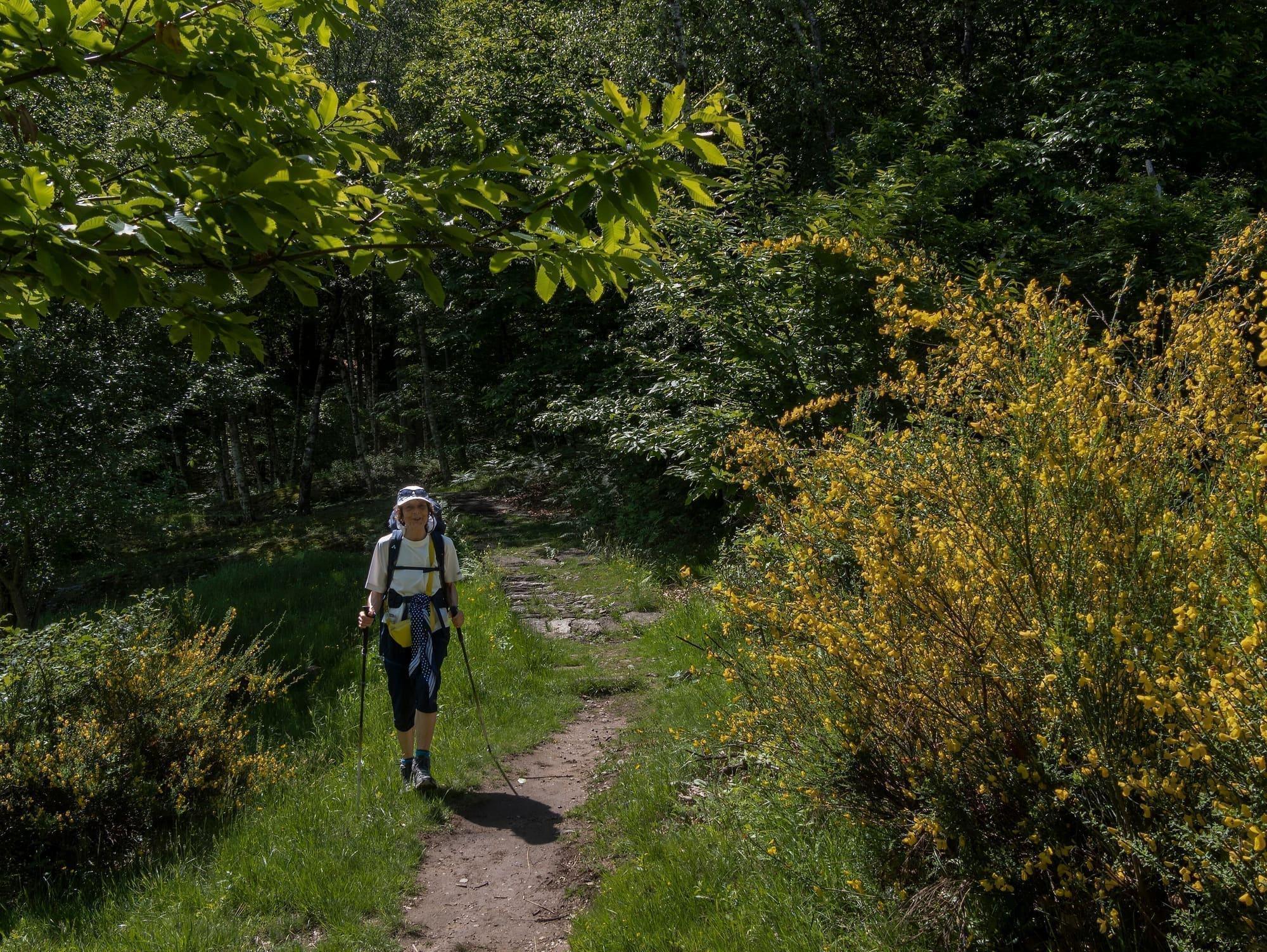
Start at one station, walk above the lake, come back from another.
3 h – 5 hOpen access
Centro Lago
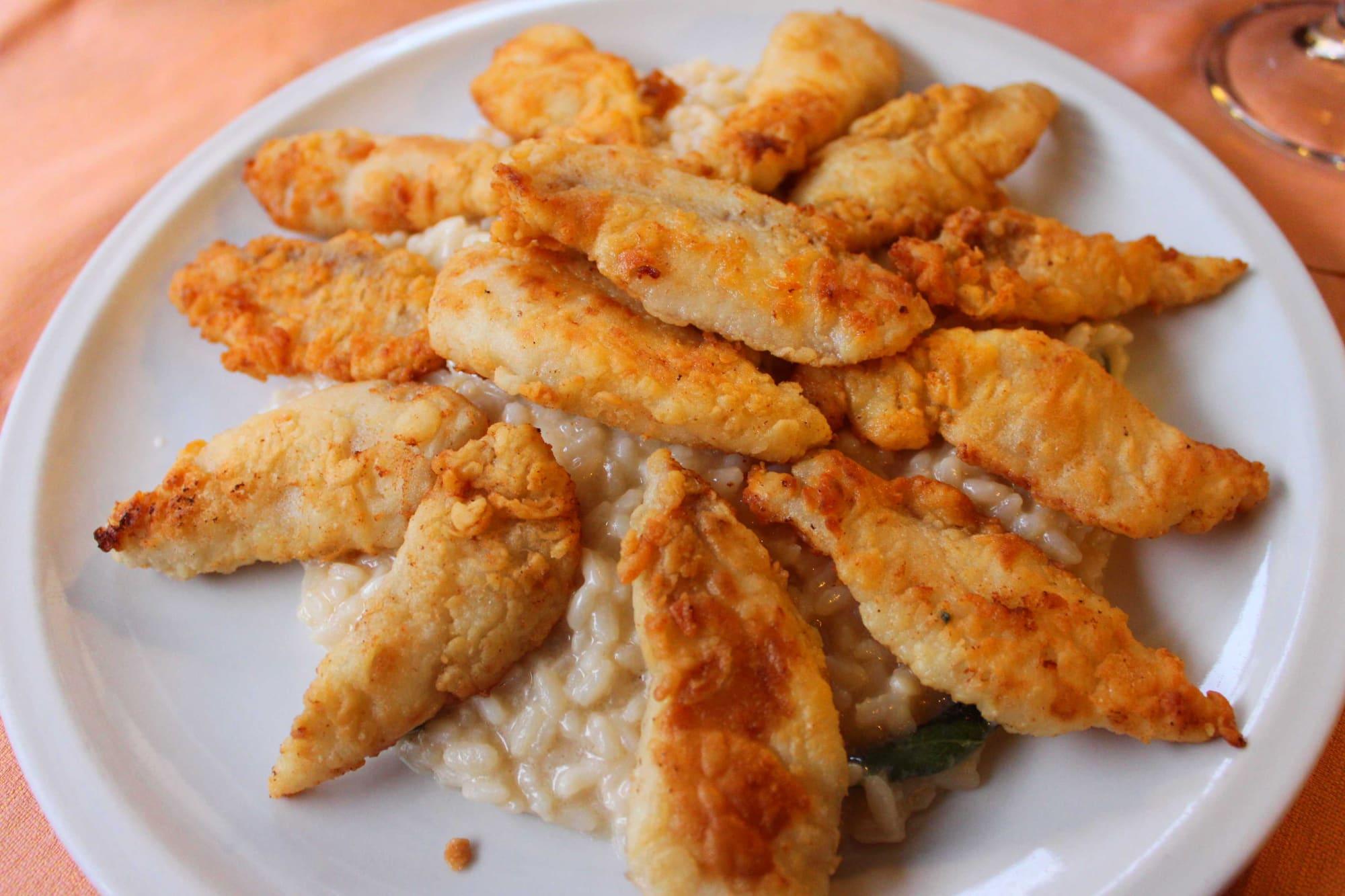
Missoltini with polenta, whitefish and perch: how the lake cooks its fish.
1 h 30 – 2 h 30
Centro Lago
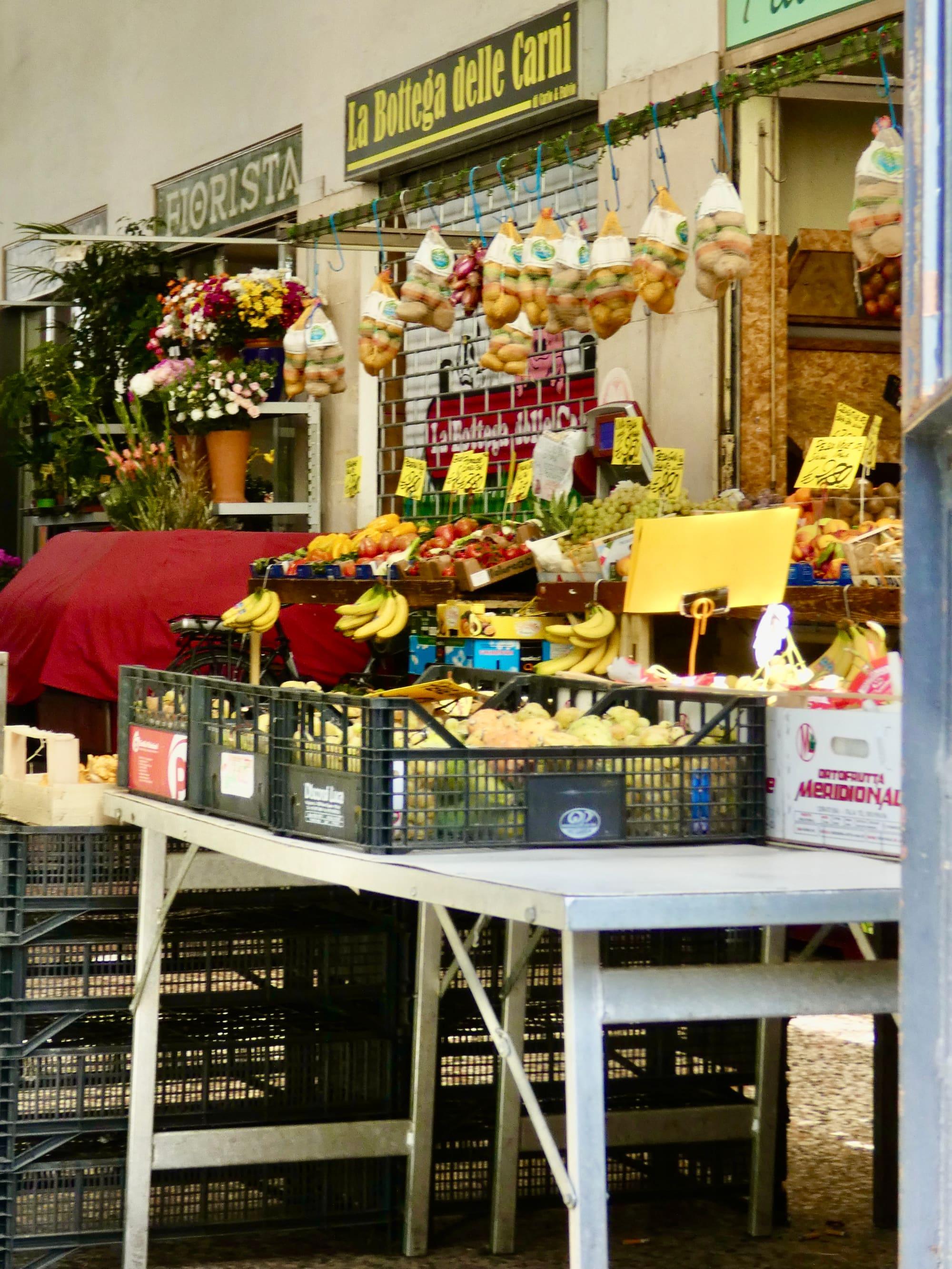
The weekly markets of Como, Lecco and the lake villages: days and squares.
1 h – 2 h 30Open access
Last day1Nov
An exhibition spread over seven places in Bellano, from its churches to the Lezzeno sanctuary.
6Dec
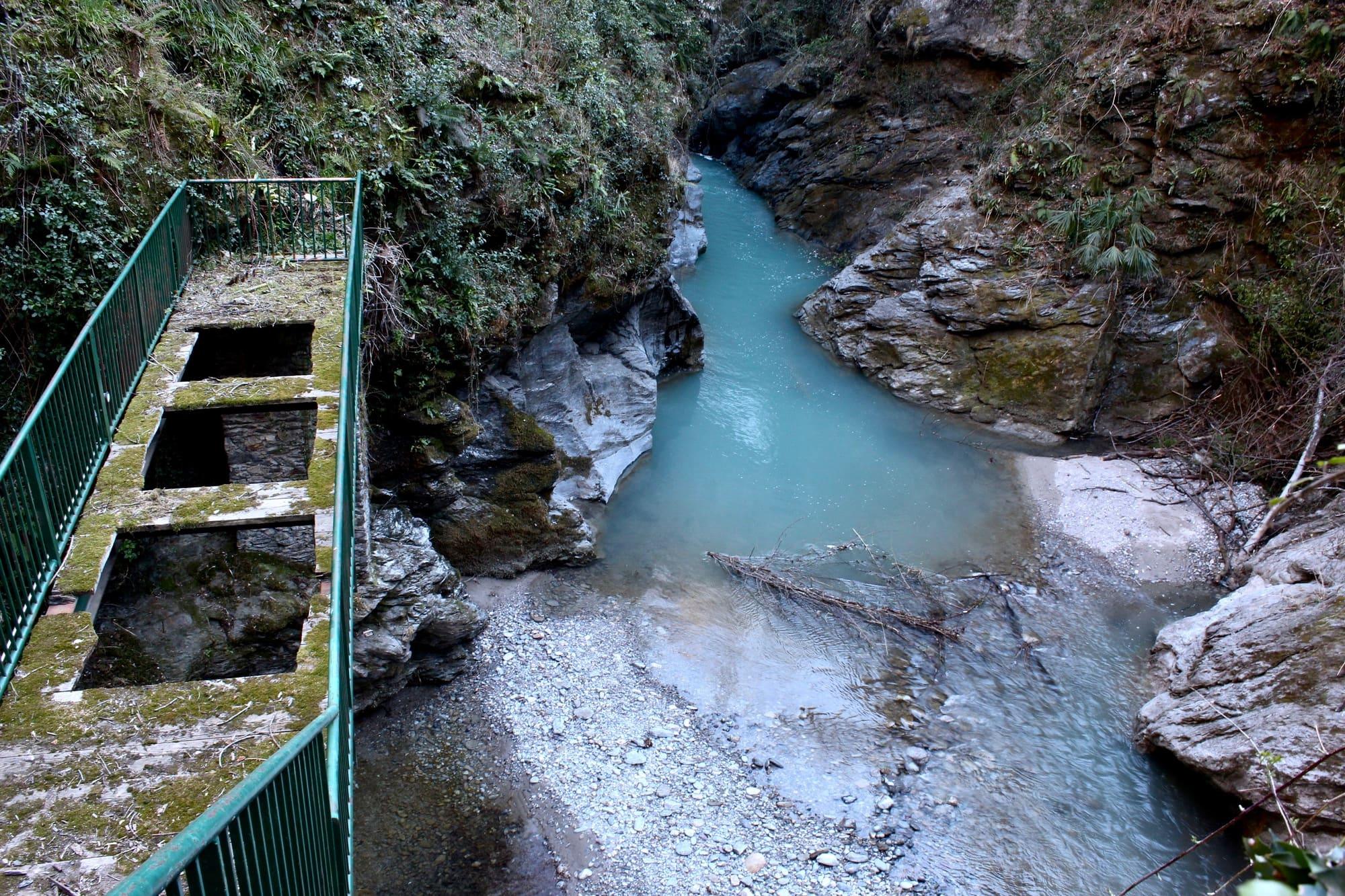
From early December Bellano's gorge lights up with installations in the evening, on a different theme each year.
How long it takes
Typical door-to-door times by public transport, changes included. From Milan, counted from Centrale station.
Tourist office
Infopoint Bellano
Via Vittorio Veneto 23, 23822 Bellano
Monday to Saturday 9:30 to 13:00 and 14:30 to 17:00, Sunday 9:30 to 13:00; also open in the morning at Easter and on Easter Monday, 25 April, 1 May, 2 June, 15 August and 8 December
Updated: 8 Oct 2026 · Discovering Bellano — Comune di Bellano.
Parking and services
3 public toilets50 drinking fountains1 pharmacy5 cash machines8 charging points1 defibrillator
Car parks and services on the map
Within two and a half kilometres of the centre; check car park spaces and fees on arrival.
Admission to the Orrido is by ticket. Stairs and narrow passages prevent access with pushchairs and wheelchairs. The BAC cultural circuit also includes the Ca' del Diavol, San Nicolao and the Museo Giancarlo Vitali, which displays about a hundred works by the painter in Palazzo Lorla, on Via Manzoni.
The Milano Centrale–Tirano train to Bellano-Tartavalle, a little over an hour; the station is a few minutes' walk from the centre and the entrance to the Orrido. Otherwise the boat from Varenna, Menaggio or Bellagio. By car, the SS36 to Bellano and the car park near the lakefront.
Updated 27 October 2026
The mountains around the village hide the sun before astronomical sunset: sunrise and sunset are worked out on the village's own horizon.
Today, 1 November, estimated sunlight at the reference point: first at 08:35 and last at 16:20, giving 7 h 46 of direct sun, out of 10 h 06 of daylight.
Today the sun arrives between 08:29 and 10:24, depending on the street.
Watch the shadow reach Bellano today
See from Bellano where the sun goes, in 3D
The sun at an exact spot in Bellano: your hotel, a beach, a street
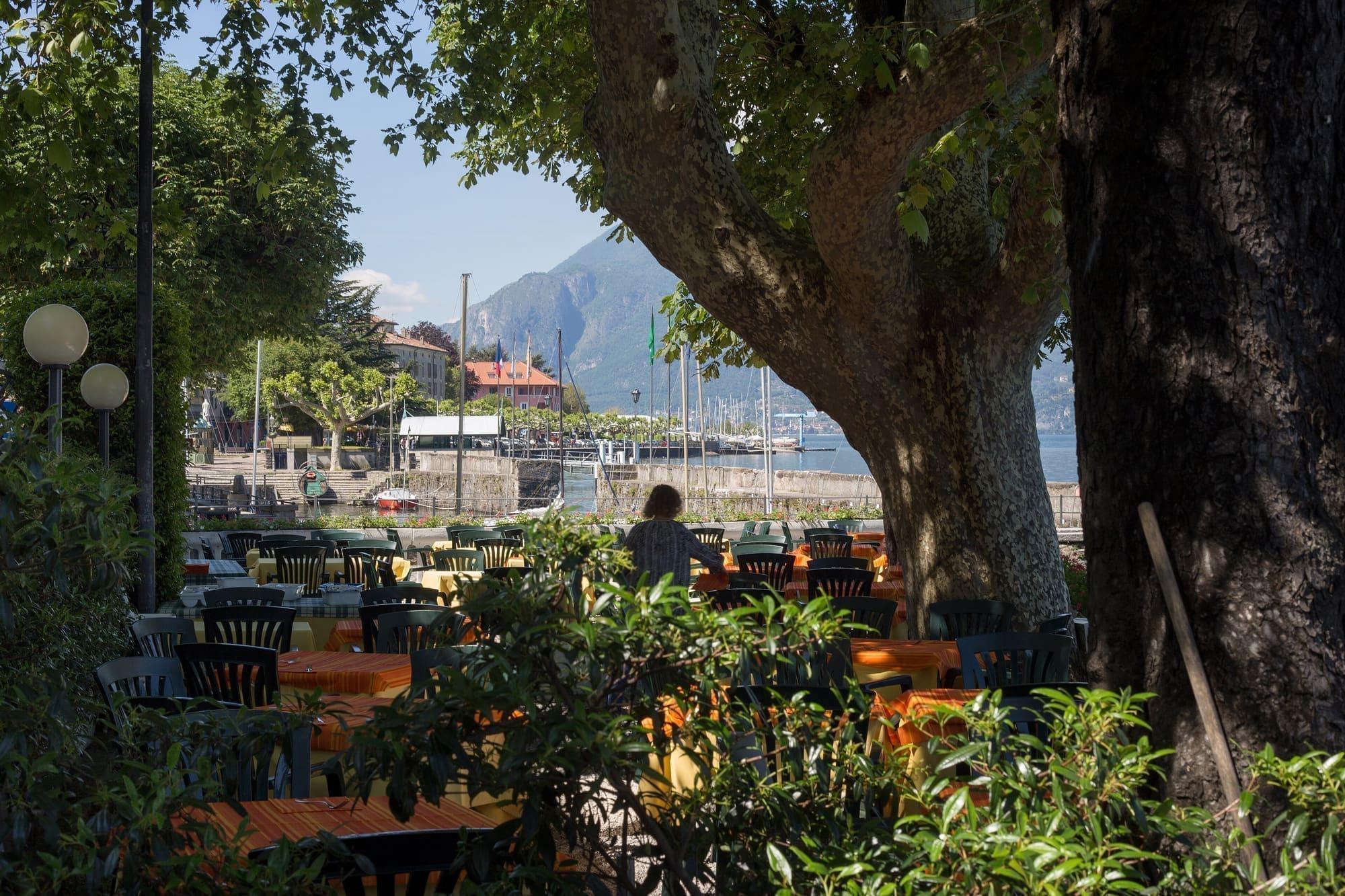
Places near the shore with outdoor seating, with today's estimated first and last sun at the marked point. Those with the latest sun come first. Clouds and shade from buildings, trees or awnings can change the light on the tables; check opening hours with the venue.
The highest summit in view from here is Pizzo Paglia, 2593 m, 22 kilometres away.
The ochre line follows today's sun path and marks the estimated times of its first and last appearance above the mountains. Drag the panorama to see all of it.
Official bathing sites nearby, with their water quality classifications.
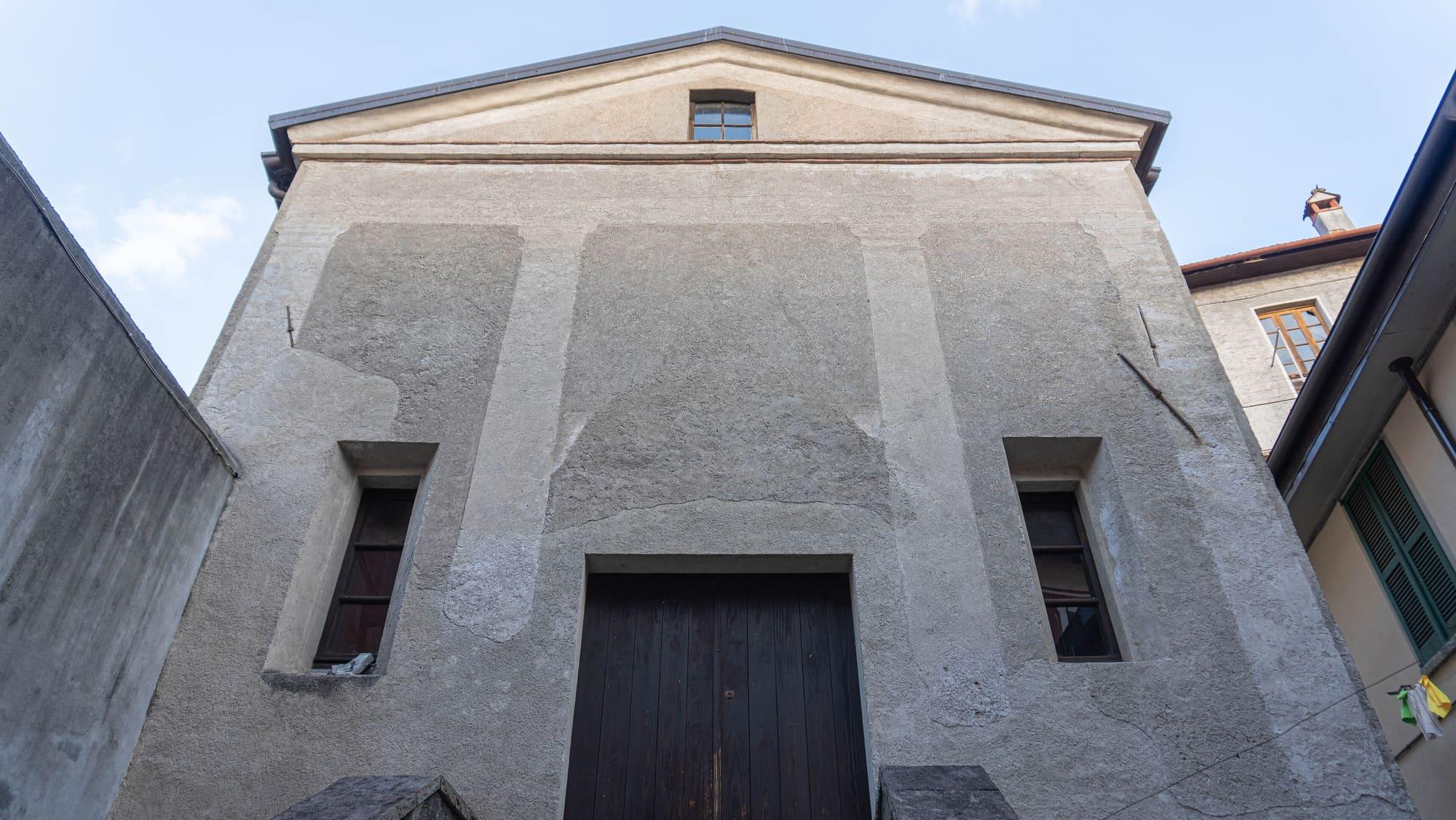
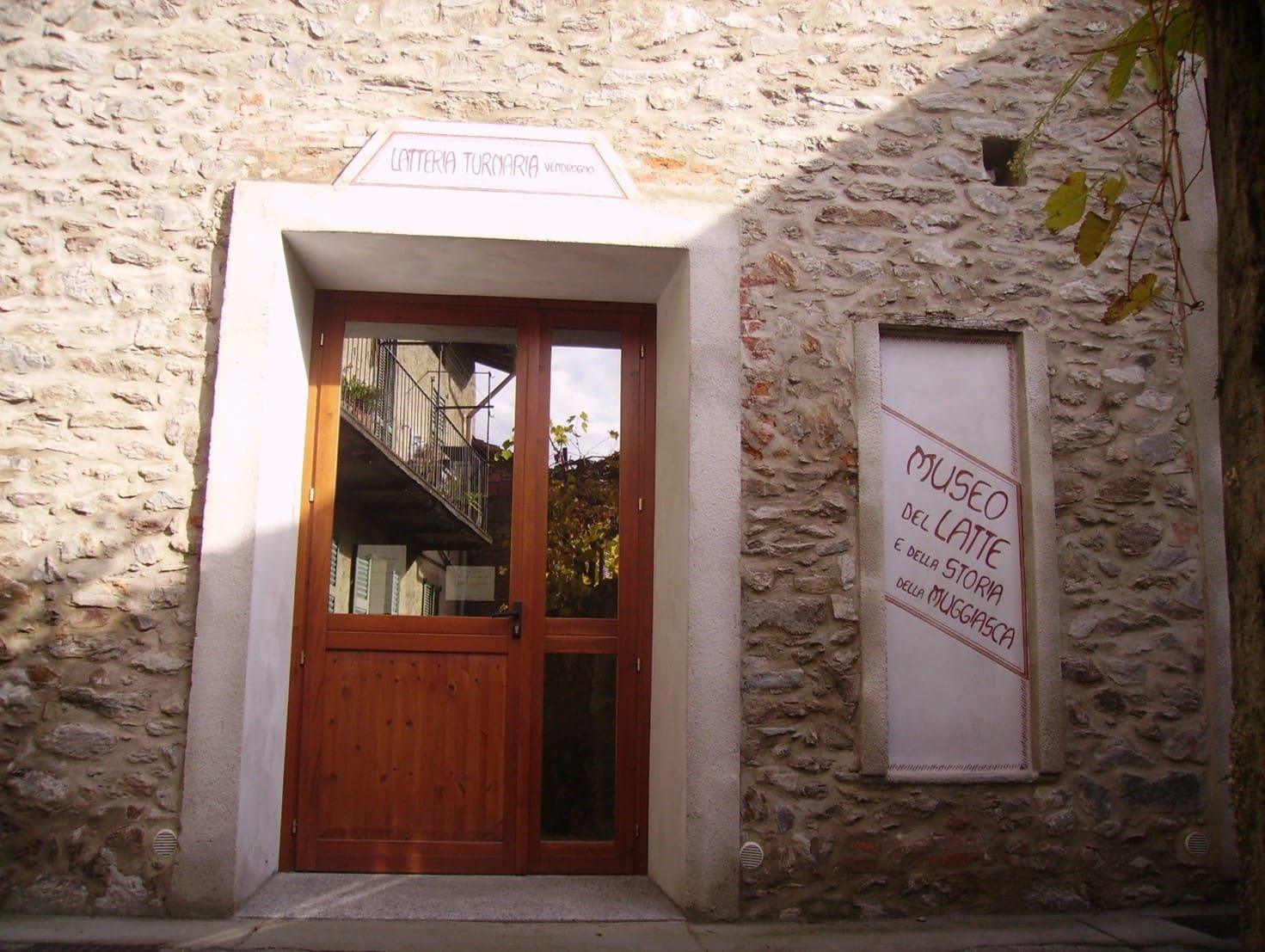
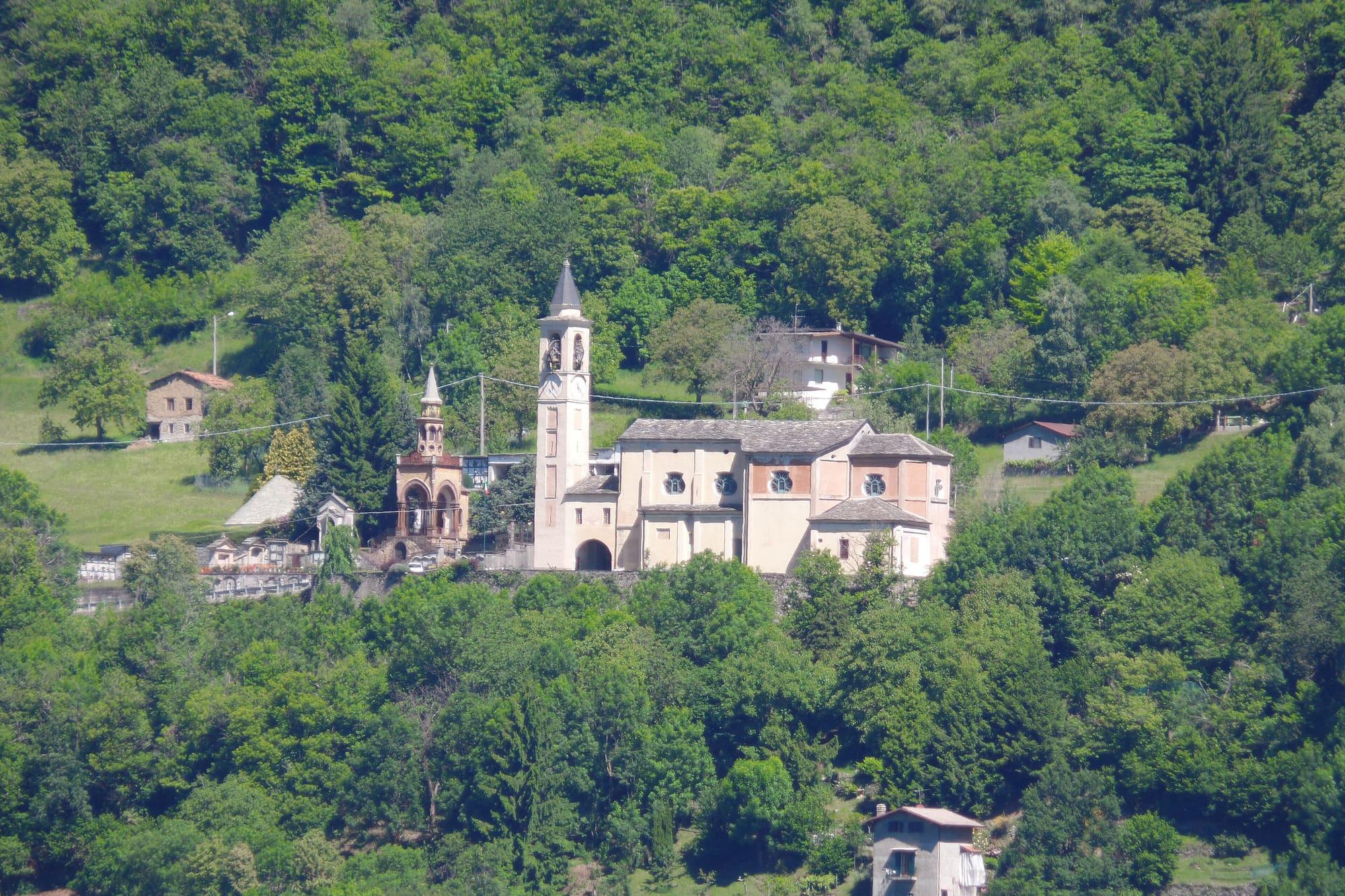
In the village is the church of Santi Nazaro e Celso, with its black-and-white banded façade. Above Bellano, the Baroque sanctuary of Lezzeno was built between 1690 and 1694 and holds black Varenna marble and ex-votos; a mule track links it to the chapel of the miracle. At Vendrogno the MUU, in the former dairy, tells the story of milk processing and life in the Muggiasca.
Yes: they are one train stop apart, five minutes, or a short boat hop. The Orrido in the morning, then Varenna for lunch, Villa Monastero and the lakeside walk. Morning to late afternoon without rushing.
The market occupies Viale Tommaso Grossi, Piazza Verdi and the public gardens at Puncia. In Vendrogno, the seasonal market takes place in the car park.
What is around, and how far.
© OpenStreetMap contributors · ODbL
Typical door-to-door times.