Until7Nov
Lecco Branch
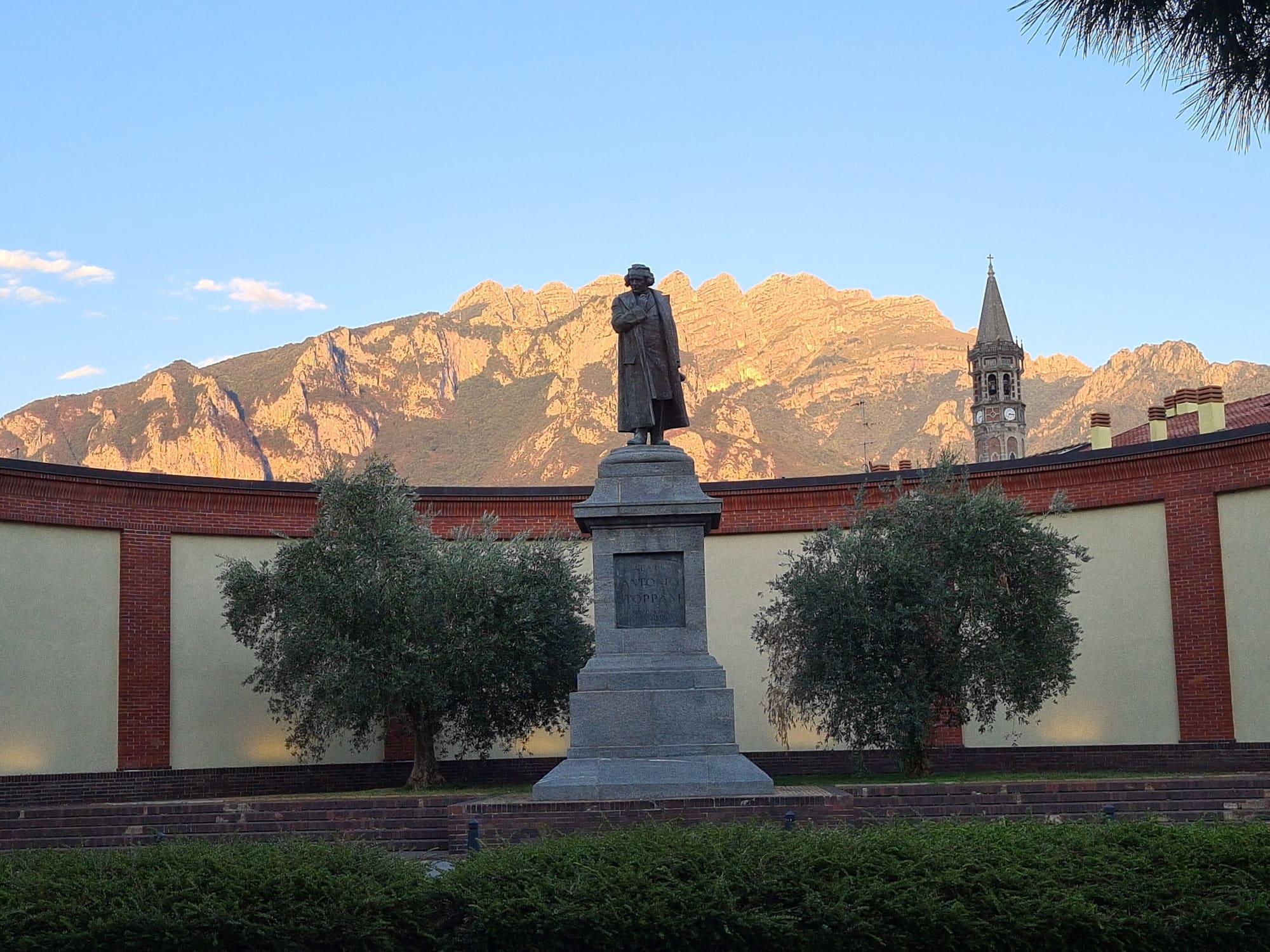
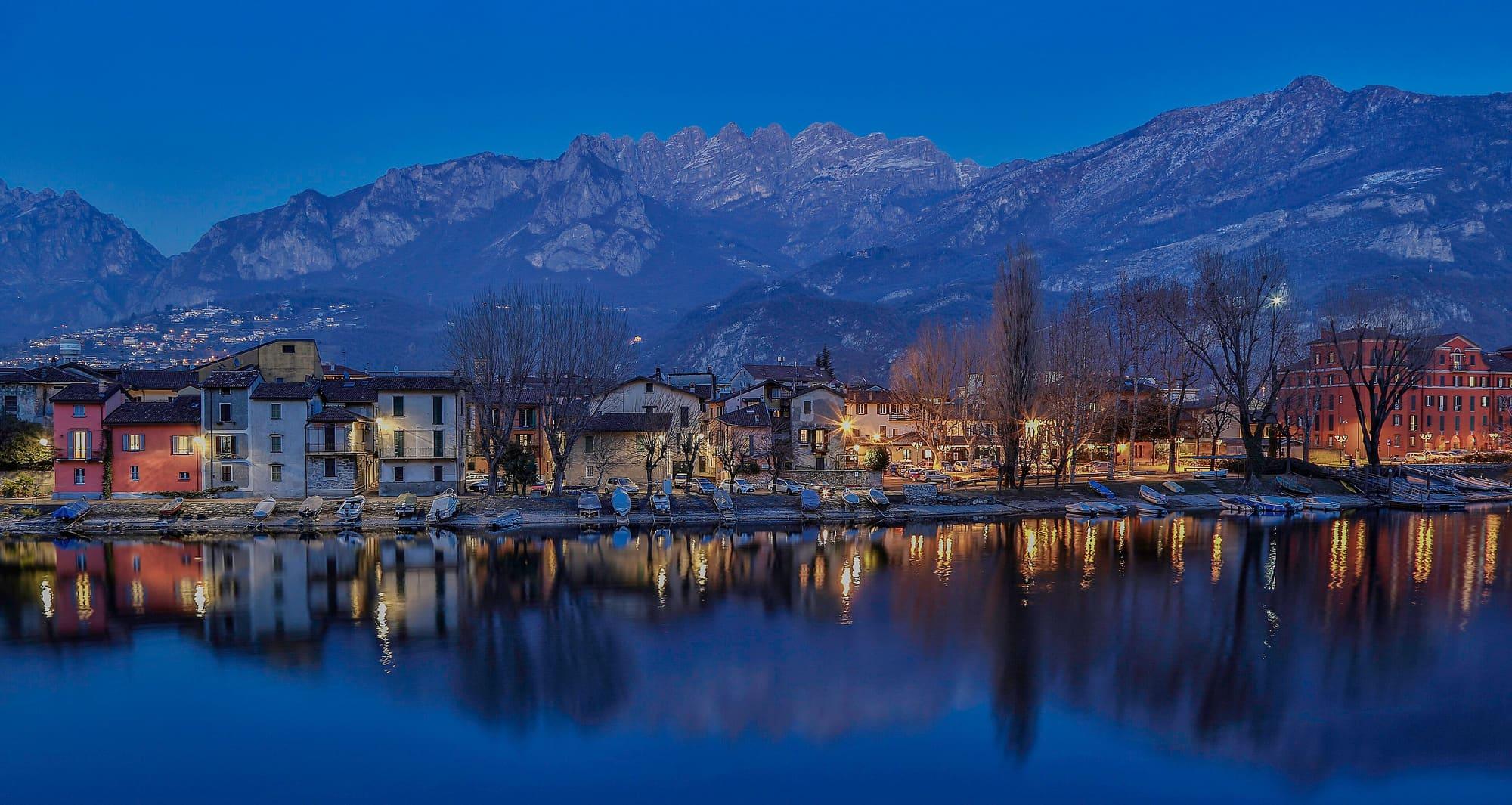
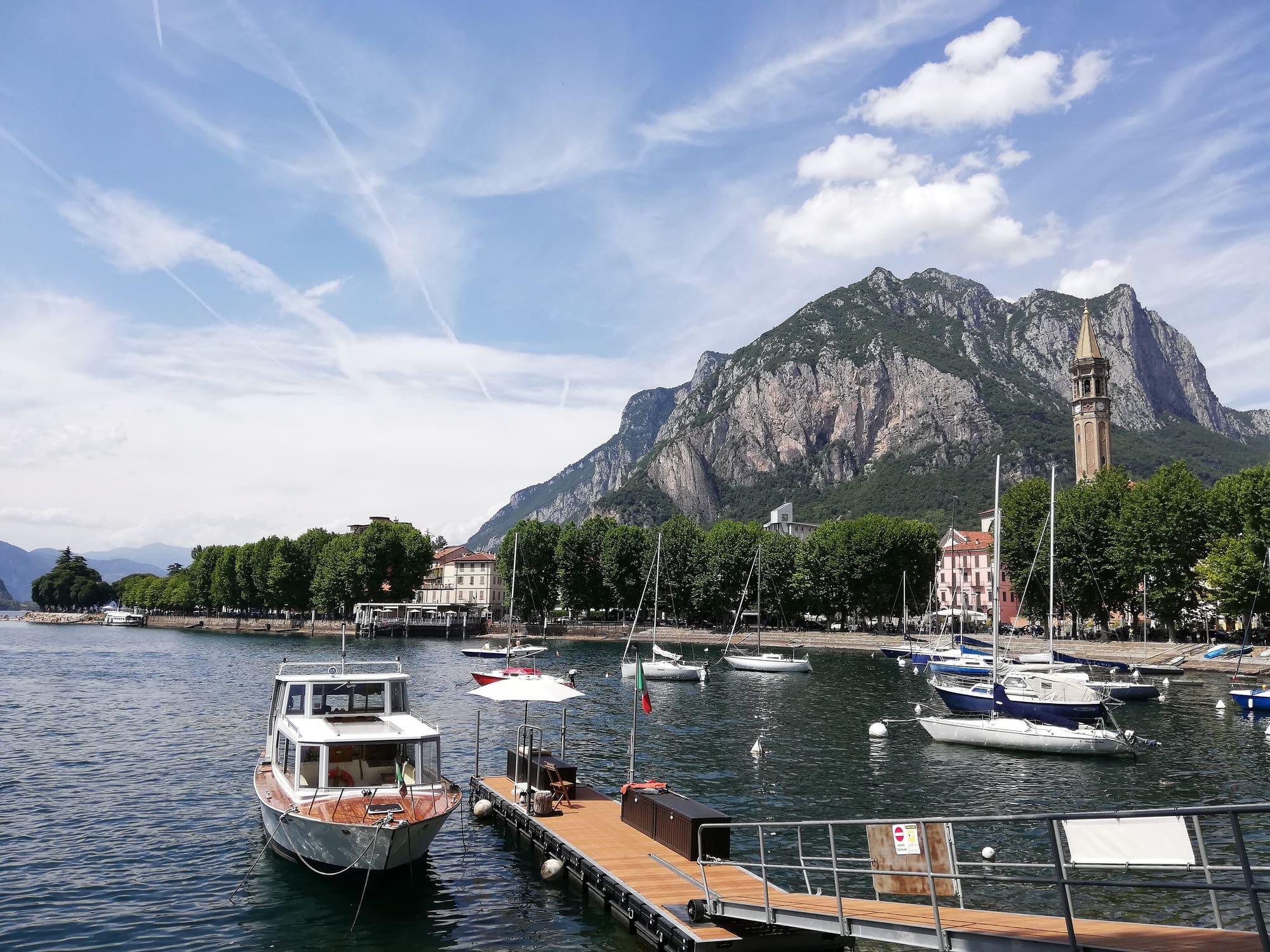
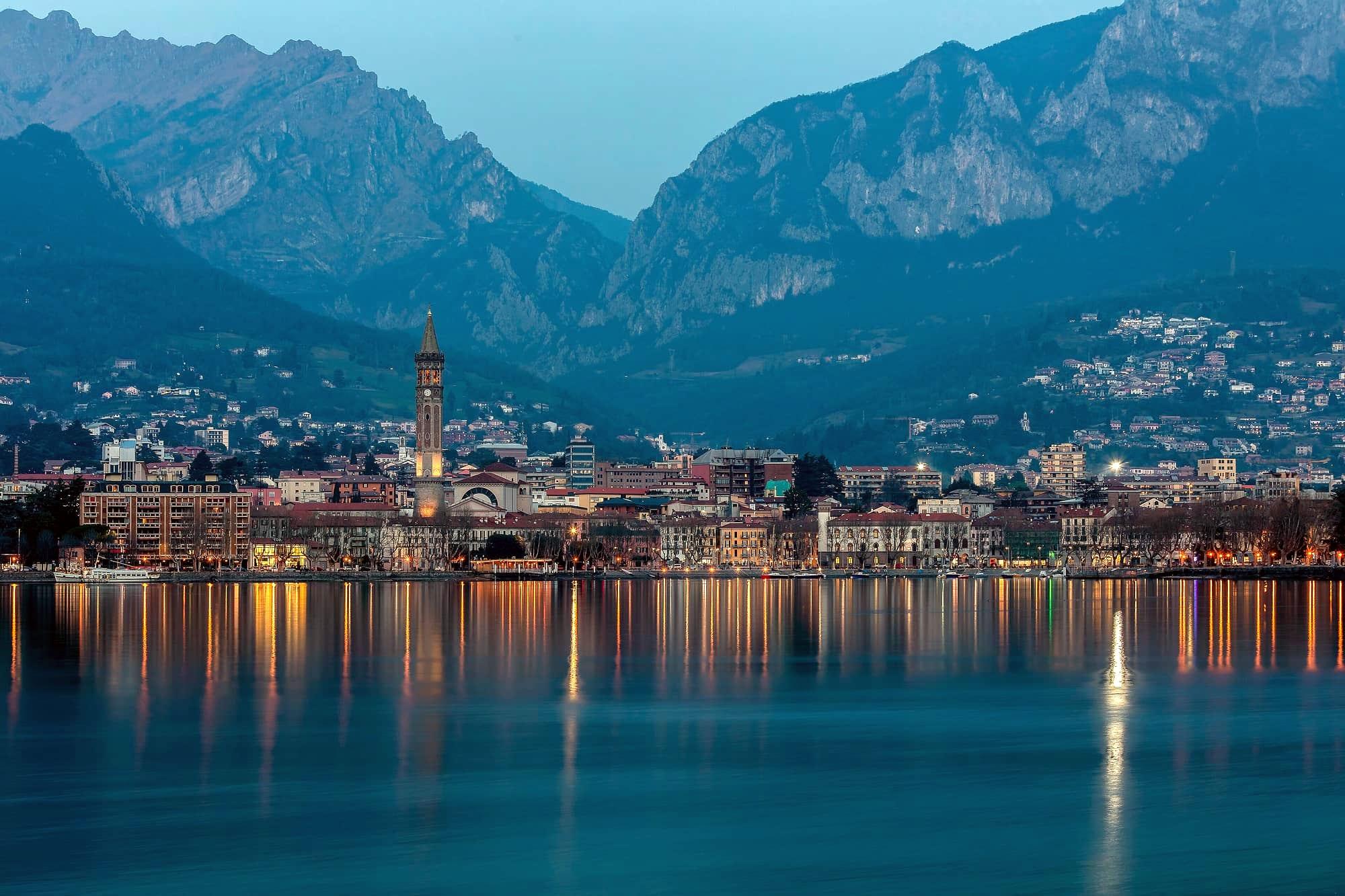
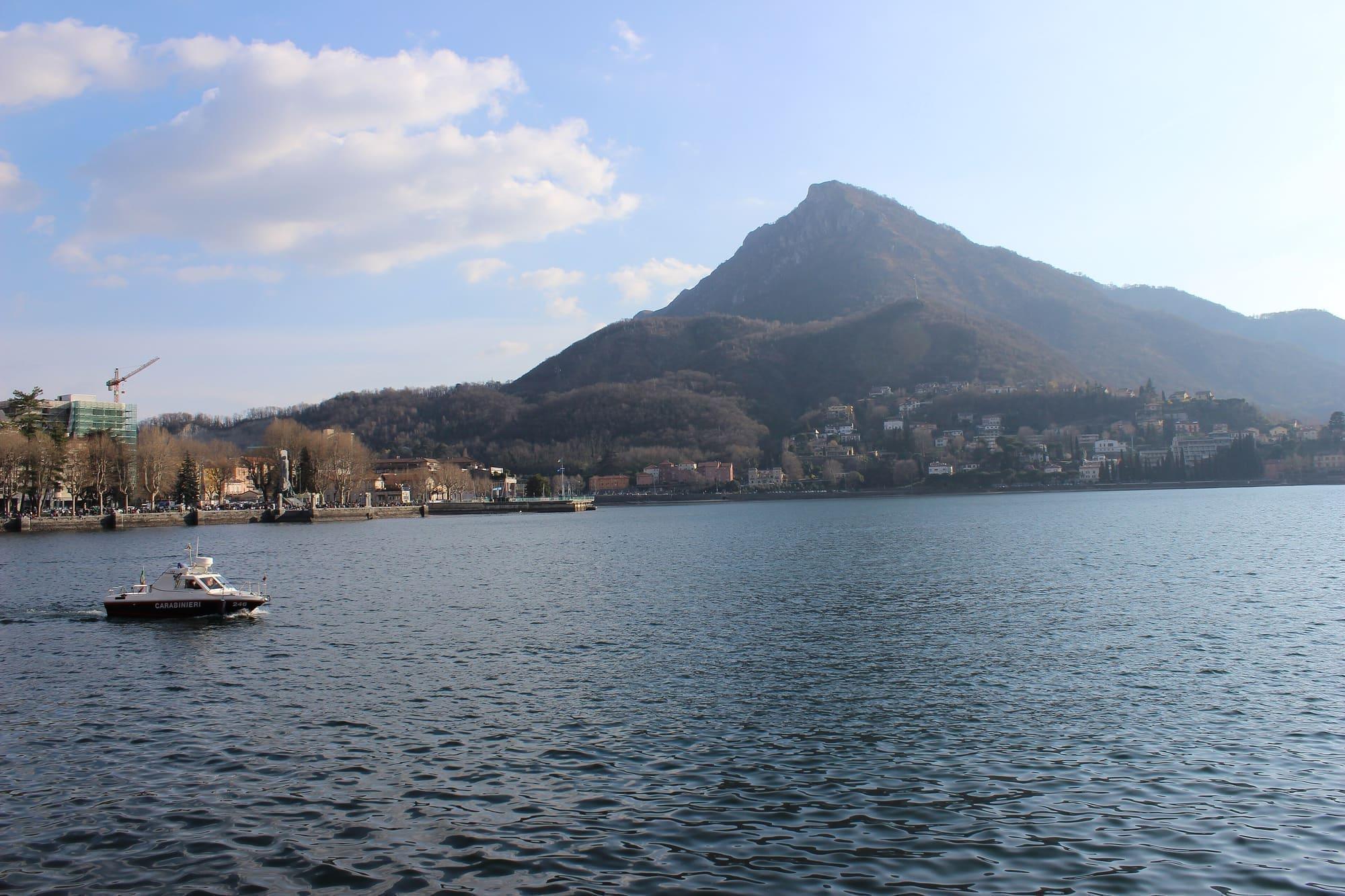
Manzoni's city, with the Resegone closing it off behind.
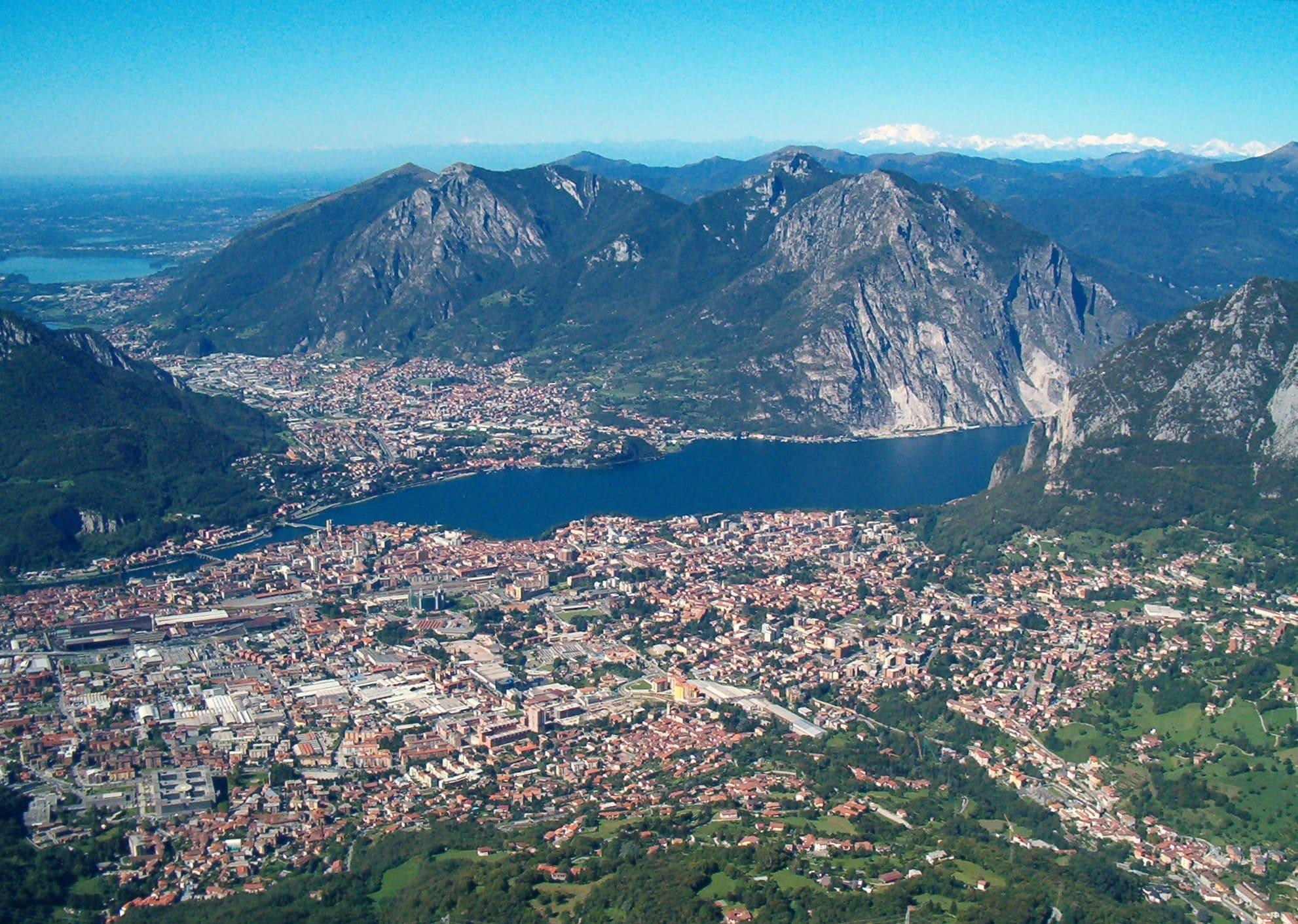
Lecco stands at the southern end of Lake Como's eastern branch, where the Adda flows out. Its industrial history is tied to iron and steel, with mountains rising directly above the houses.
Alessandro Manzoni set the opening chapters of The Betrothed here. The town is home to the Ragni di Lecco mountaineering group.
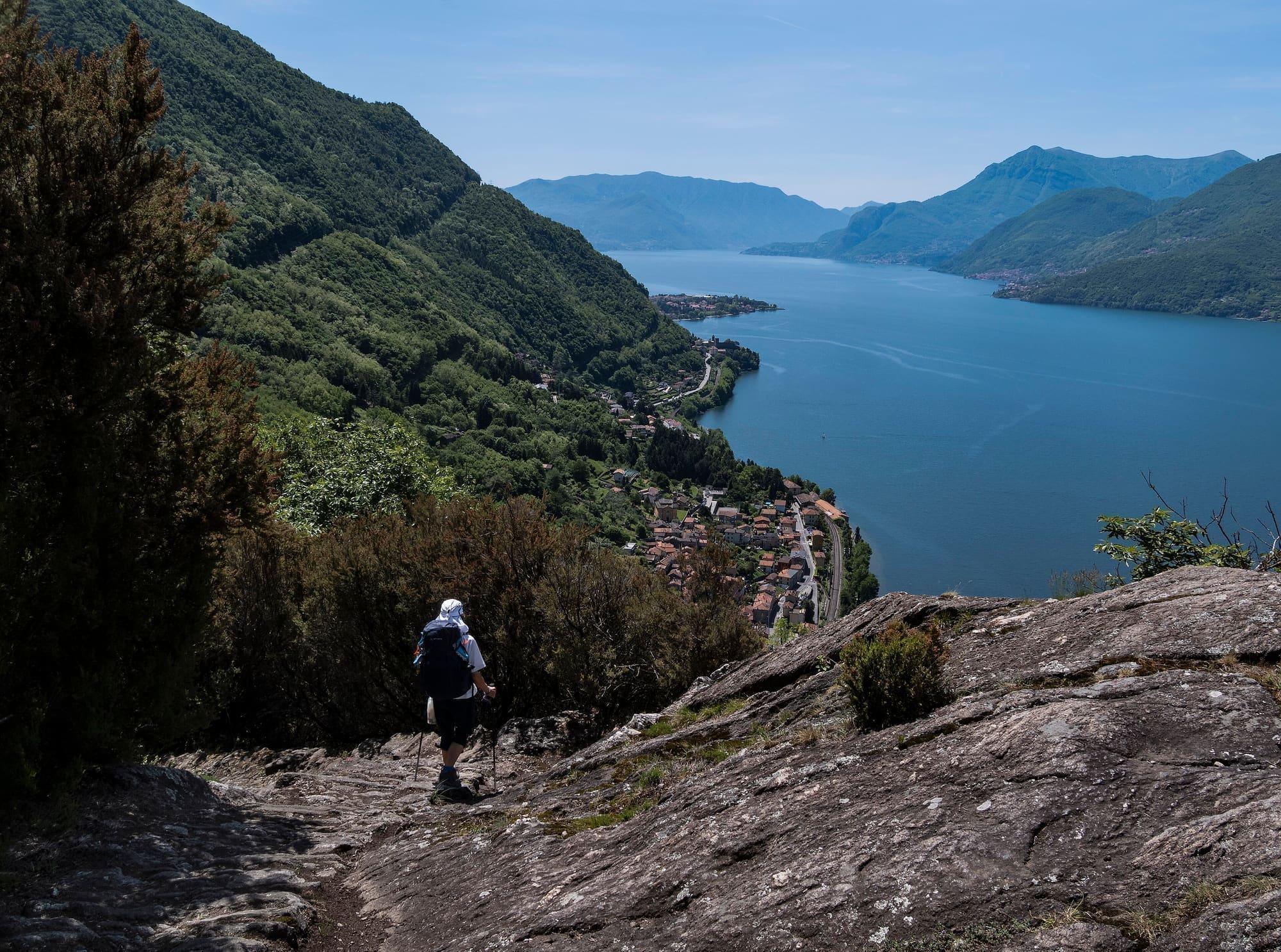
Lecco lies at the southern tip of the lake's eastern branch, where the Adda flows out of the lake. It has been a provincial capital since 1992. Monte San Martino and the Resegone rise behind the town; across the Adda stands Monte Barro.
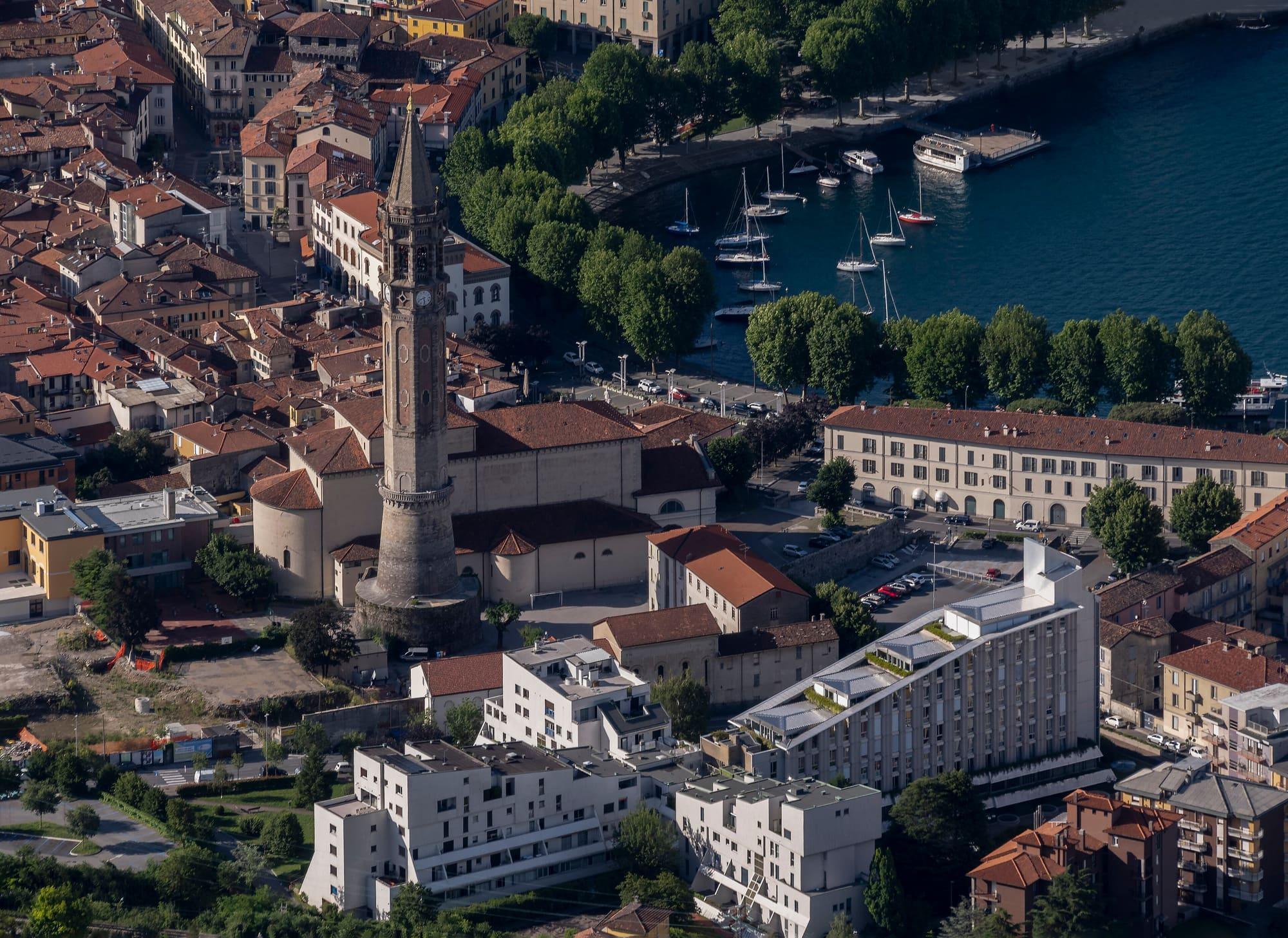
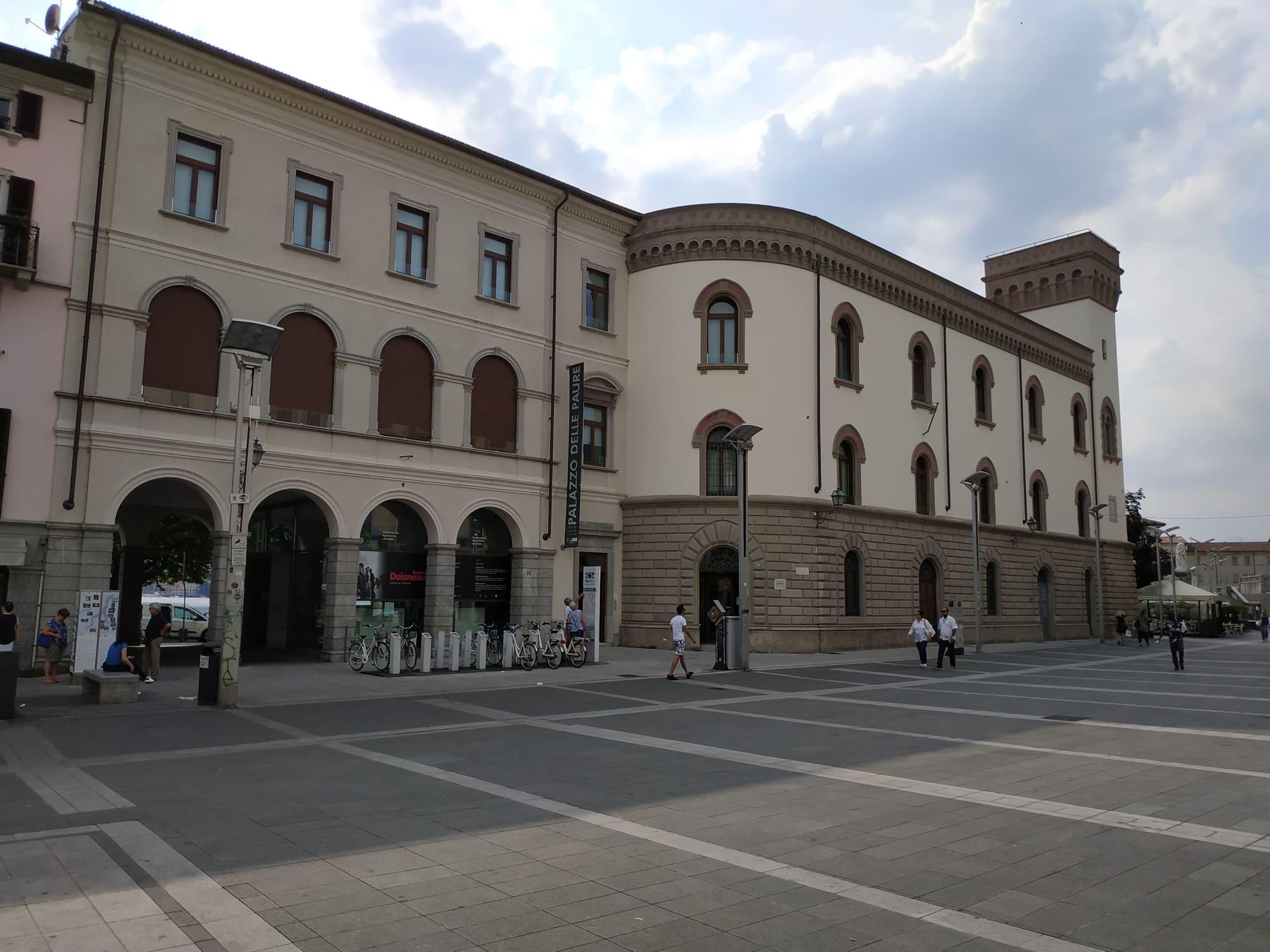
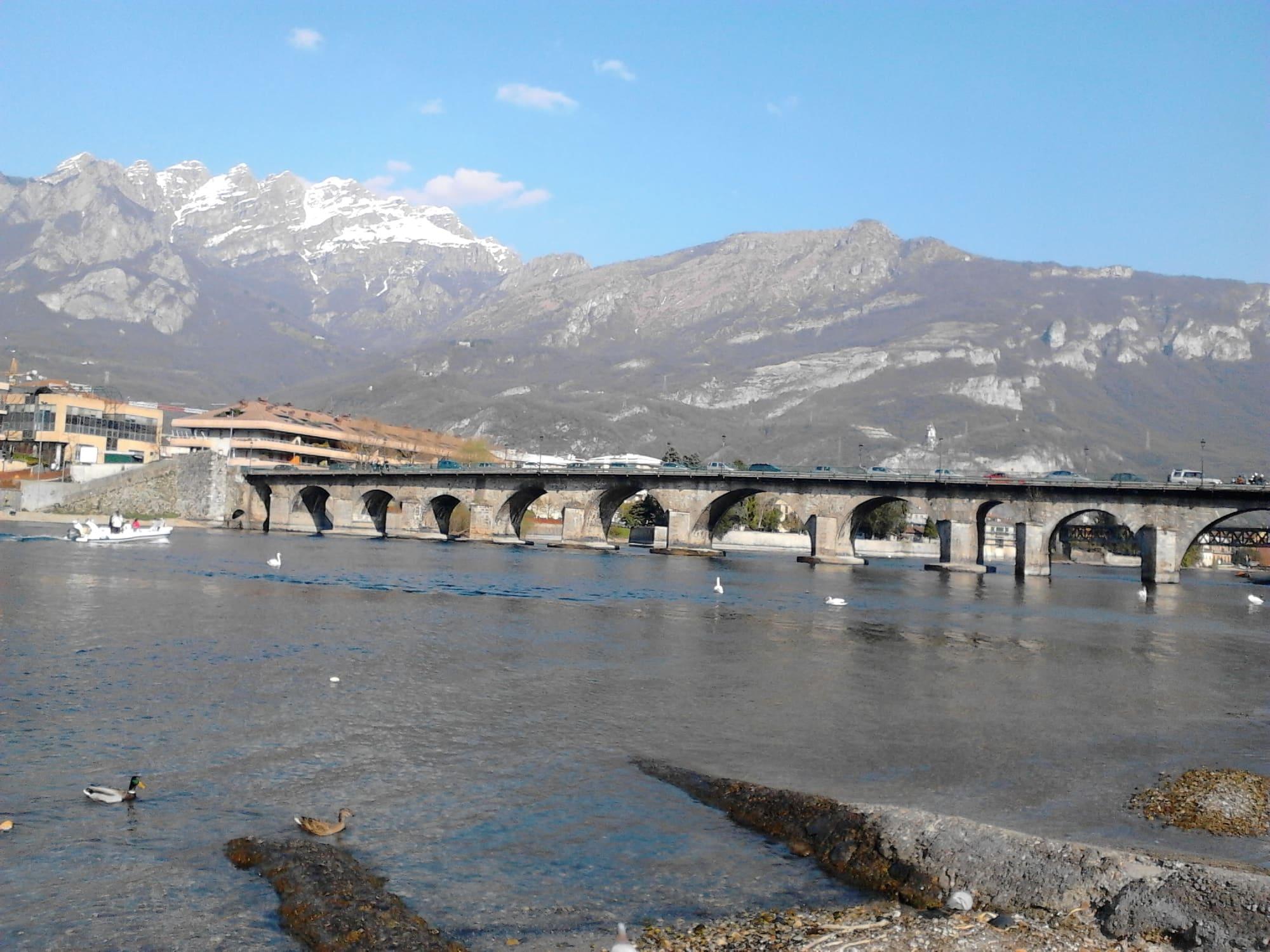
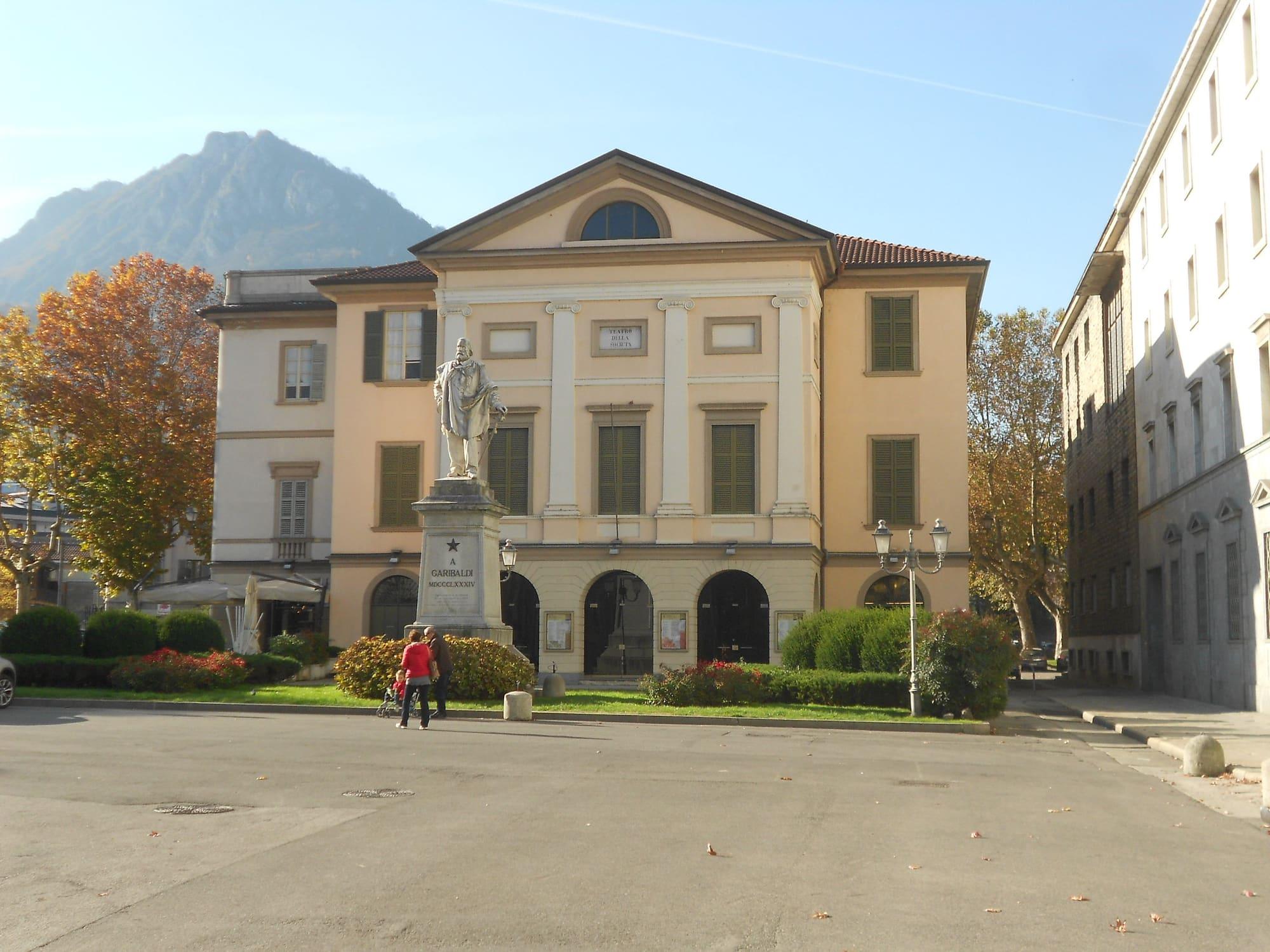
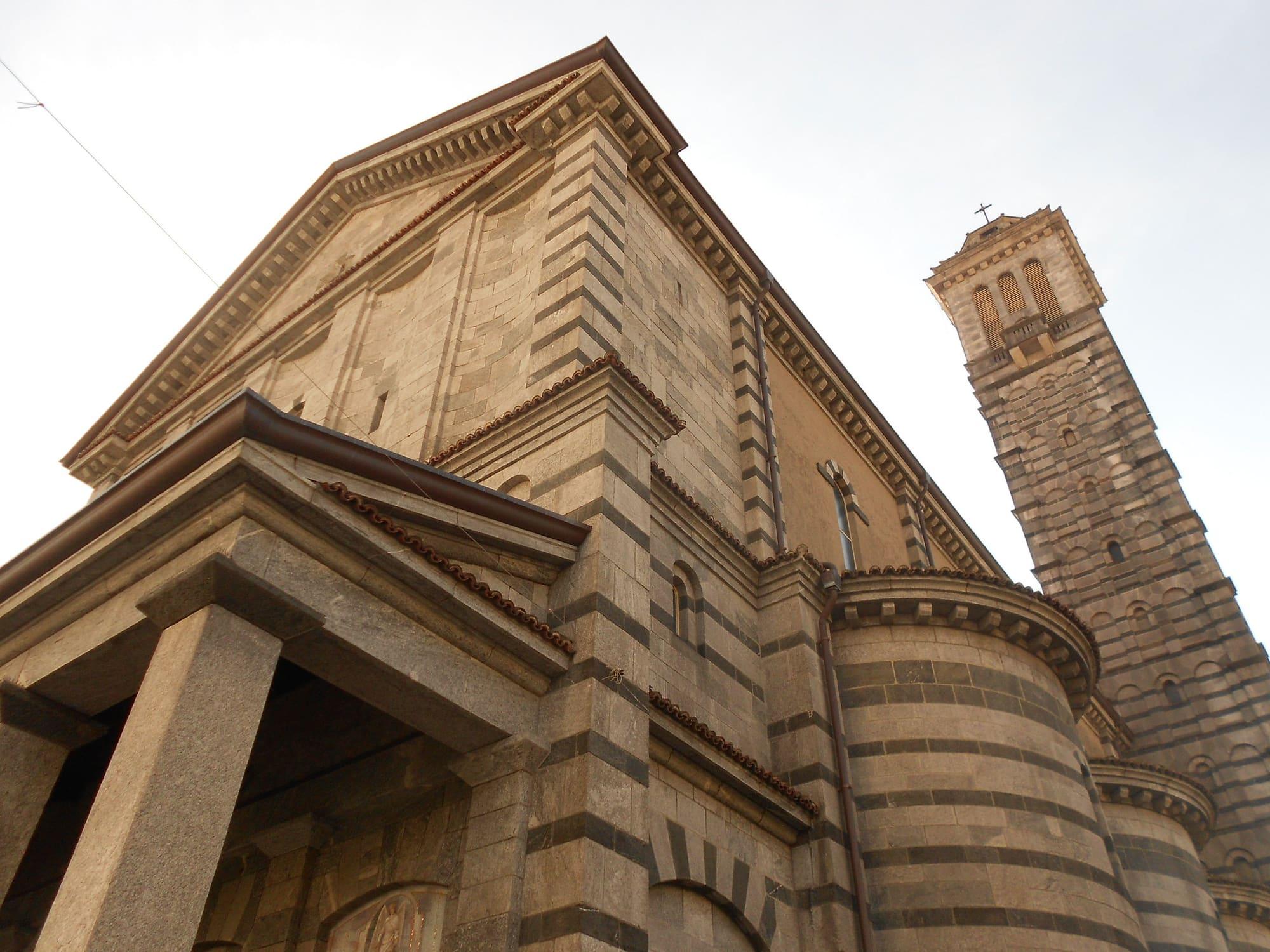
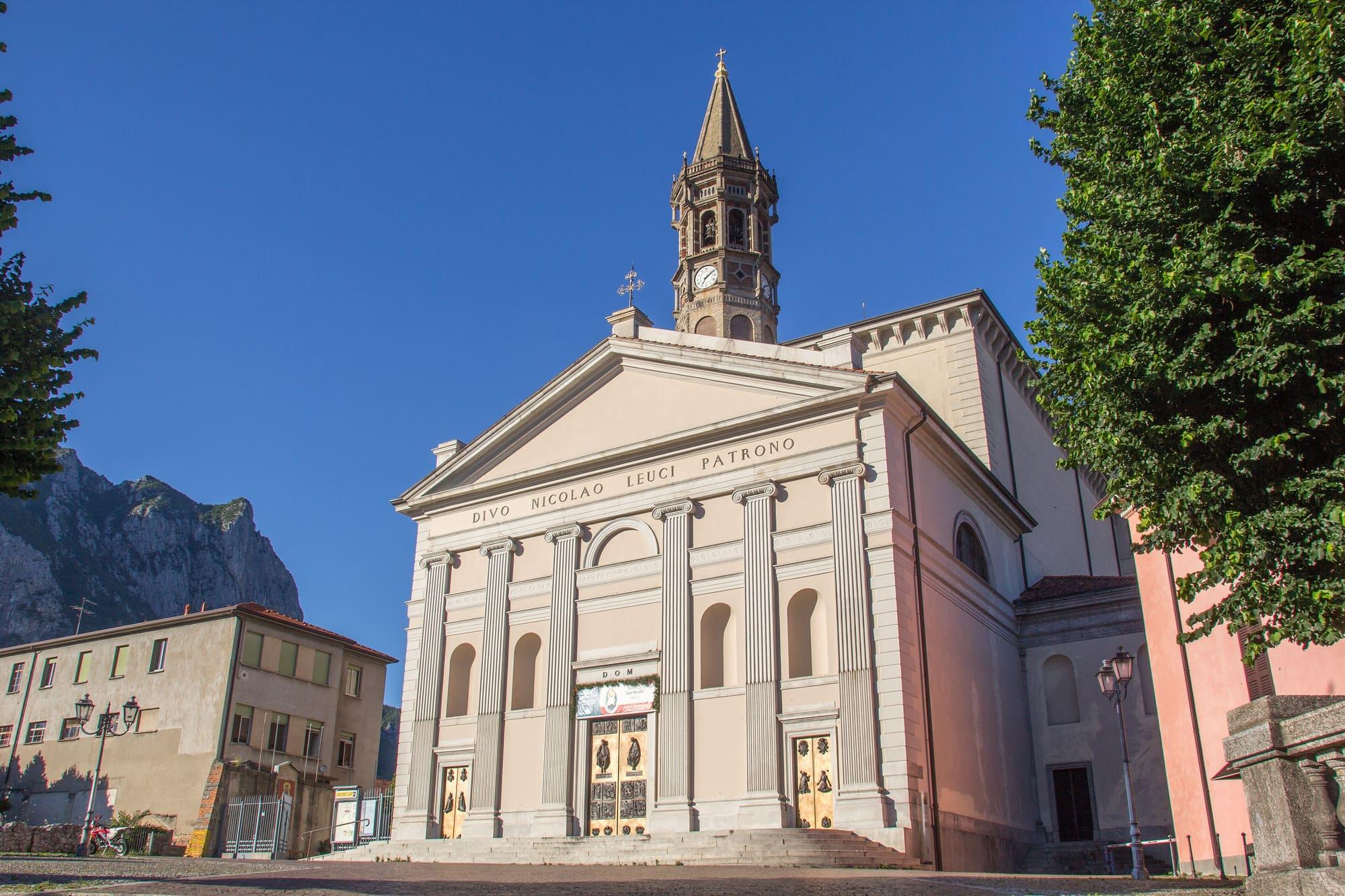
The old centre can be explored on foot. From the lakefront you come into Piazza Cermenati, below the basilica of San Nicolò and its 96-metre bell tower, and from there into Piazza XX Settembre, with the Torre Viscontea and the Palazzo delle Paure. Piazza Garibaldi and Piazza Manzoni are a few steps away. South of the centre the Azzone Visconti bridge crosses the Adda, and a little further downstream begins Pescarenico, the old fishermen's quarter. The other districts, once separate municipalities, spread over the slopes around, among them Castello, Acquate, Olate, Laorca and Maggianico.
The name Leuco first appears in a document of 845. Under the Carolingians Lecco was the seat of a county. In 1296 Matteo Visconti had the town destroyed; his grandson Azzone surrounded it with walls and between 1336 and 1338 built the bridge over the Adda.
In the sixteenth century Lecco passed to Spain together with the Duchy of Milan and became a fortress: this is the town with the castle and the Spanish garrison that Manzoni describes in The Betrothed. At the end of the eighteenth century Emperor Joseph II abolished the fortress, and the walls were pulled down. On 22 June 1848 the provisional government of Lombardy gave Lecco the title of city. Between 1923 and 1928 the neighbouring municipalities were joined to the city, among them Acquate, Castello, Laorca and Maggianico. For its part in the partisan struggle Lecco was awarded the Silver Medal of Military Valour.
At the Piani d'Erna excavations have uncovered an iron-making site more than two thousand years old, the oldest yet known in the Alps. From the Middle Ages a system of channels along the Gerenzone stream turned the wheels of forges, trip hammers and wire-drawing works. Silk-throwing mills worked on the same channels, and in the nineteenth century most of their workers were very young women and girls.
In the second half of the nineteenth century the forges became industries. Giuseppe Badoni brought furnaces and methods from abroad into his works, and his firm built locomotives, bridges and iron buildings. The Falck family, of Alsatian origin, had its main works at Malavedo before moving to Sesto San Giovanni. The railway arrived from Bergamo in 1863, from Milan via Monza in 1873 and towards Bellano in 1892. The Via del ferro, a walking route, follows the Gerenzone down from Laorca to Palazzo Belgiojoso.
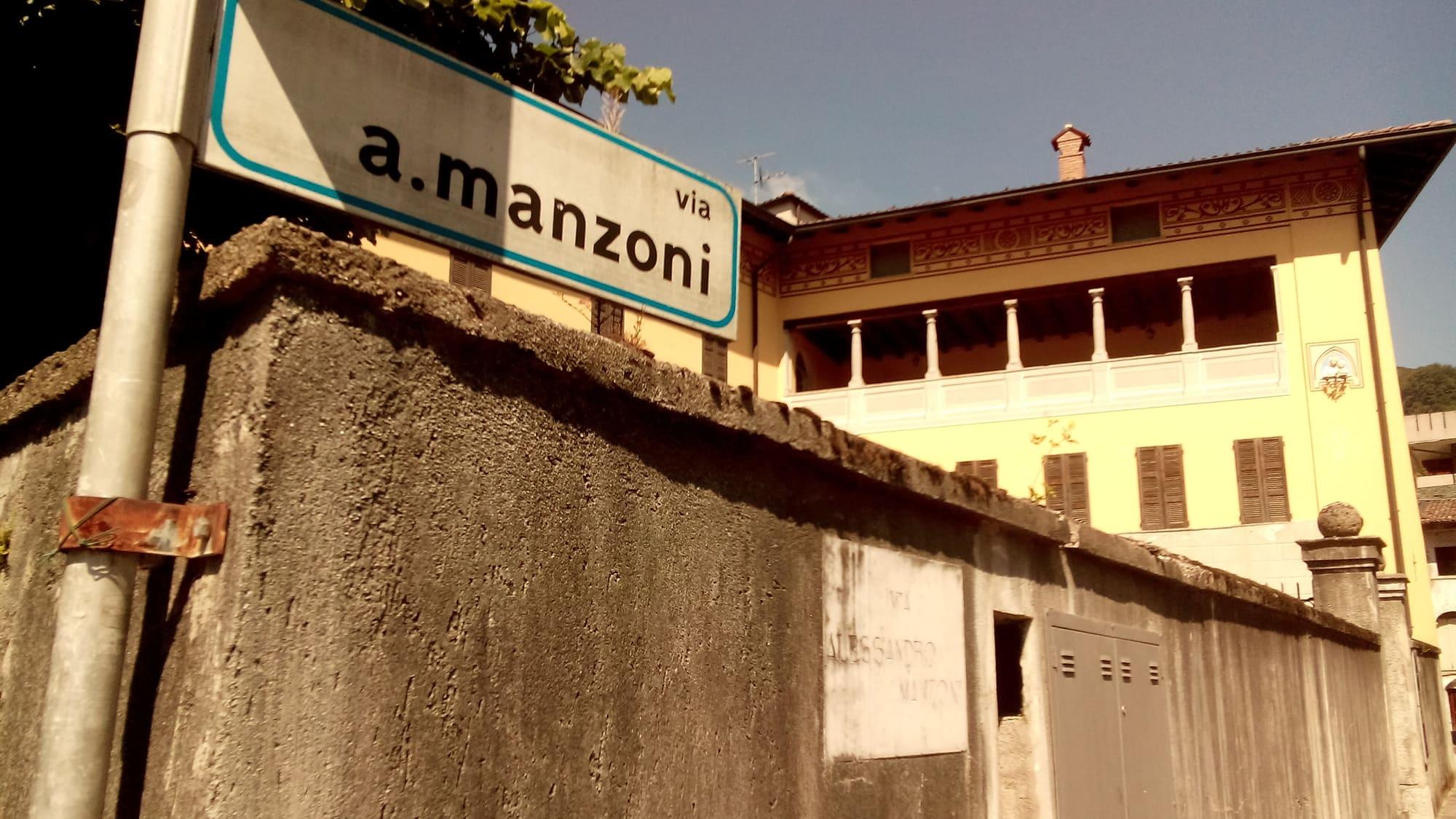
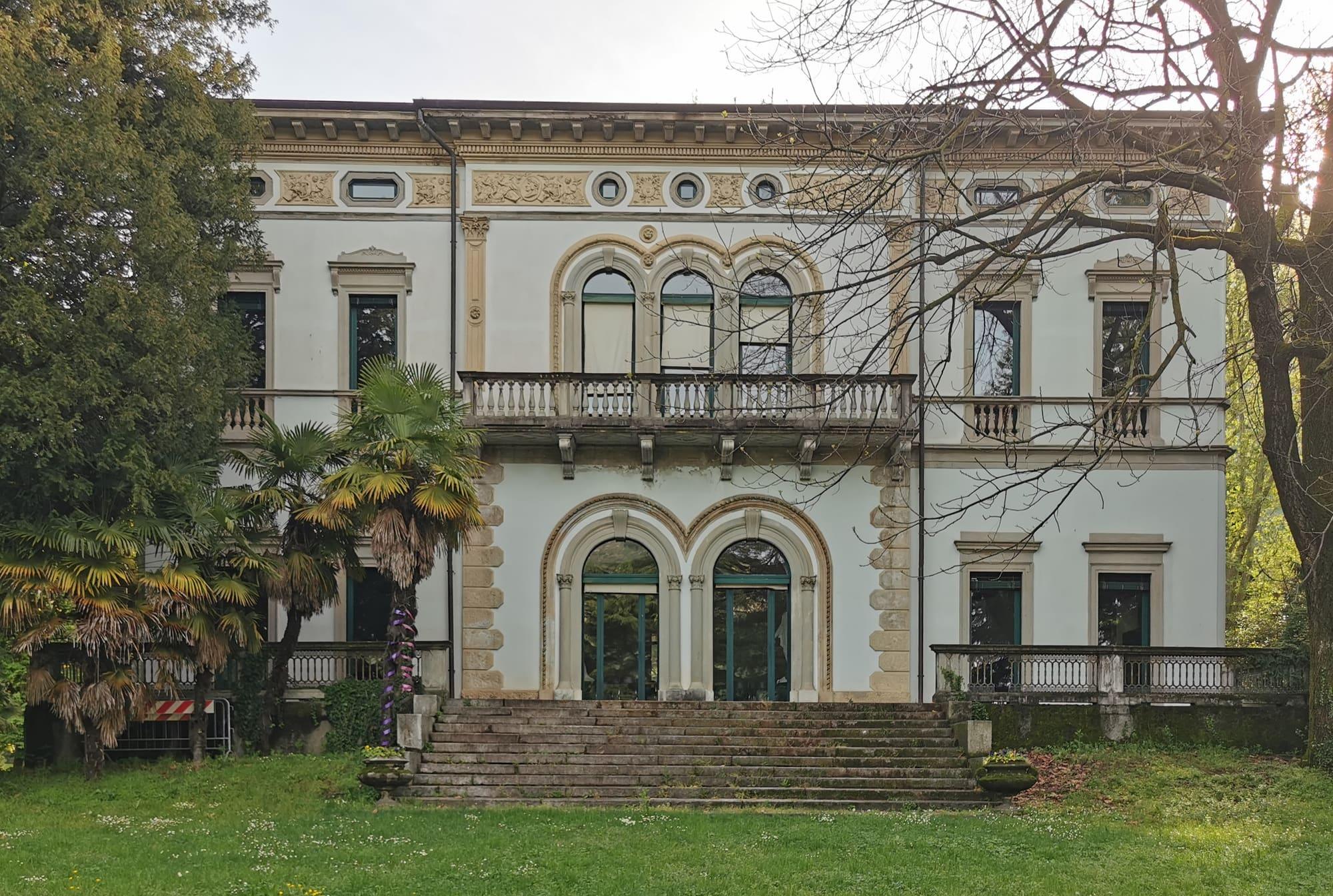
Alessandro Manzoni was born in Milan in 1785 and spent his childhood in the family villa at Caleotto, in Lecco. He sold it in 1818; the villa belongs to the city and houses the Museo Manzoniano. The first chapters of The Betrothed take place in real places around the town: the branch of the lake, the Resegone, the bridge where the lake becomes a river again, and Pescarenico, the cluster of fishermen's houses from which Lucia leaves by boat.
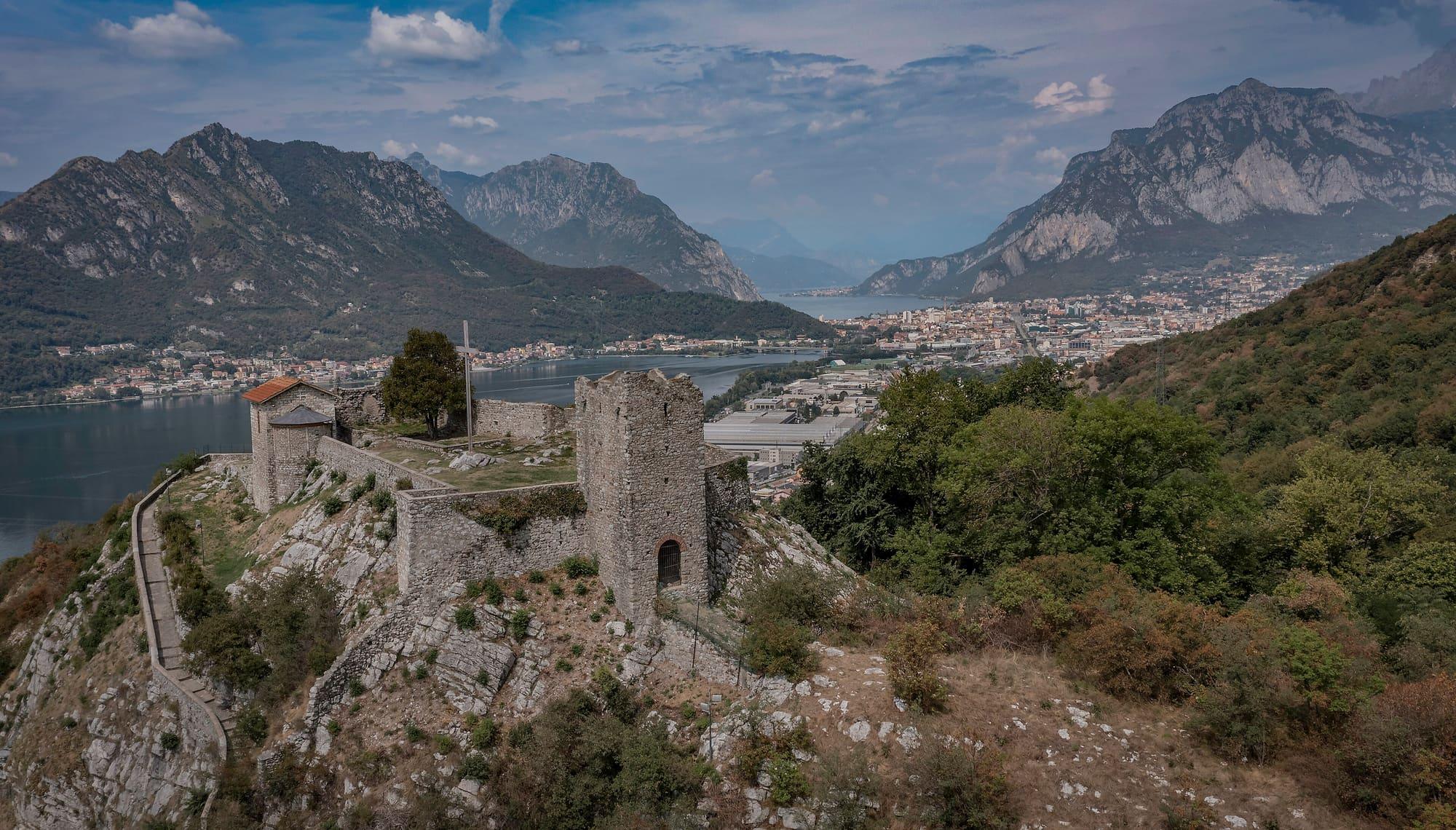
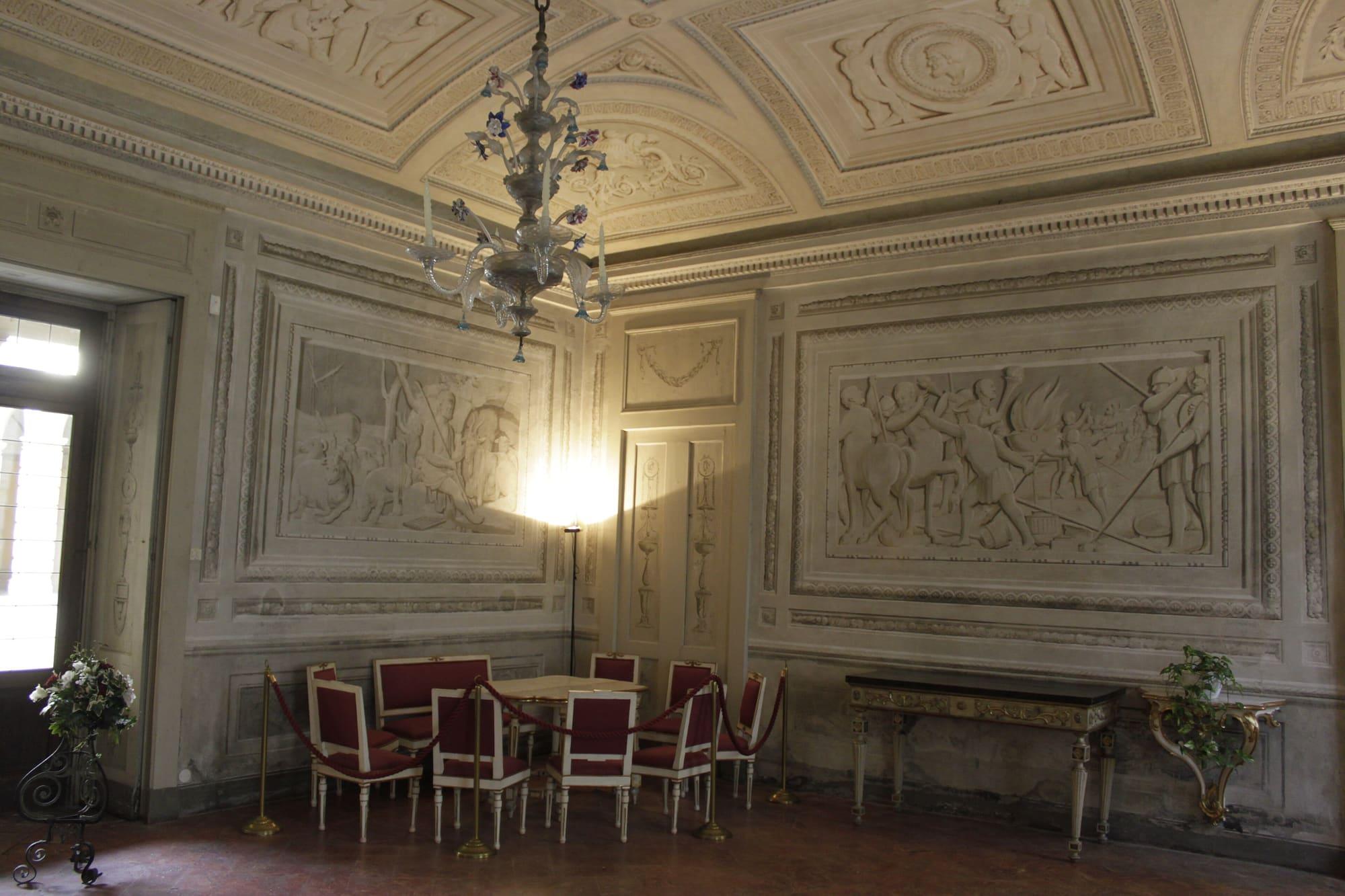
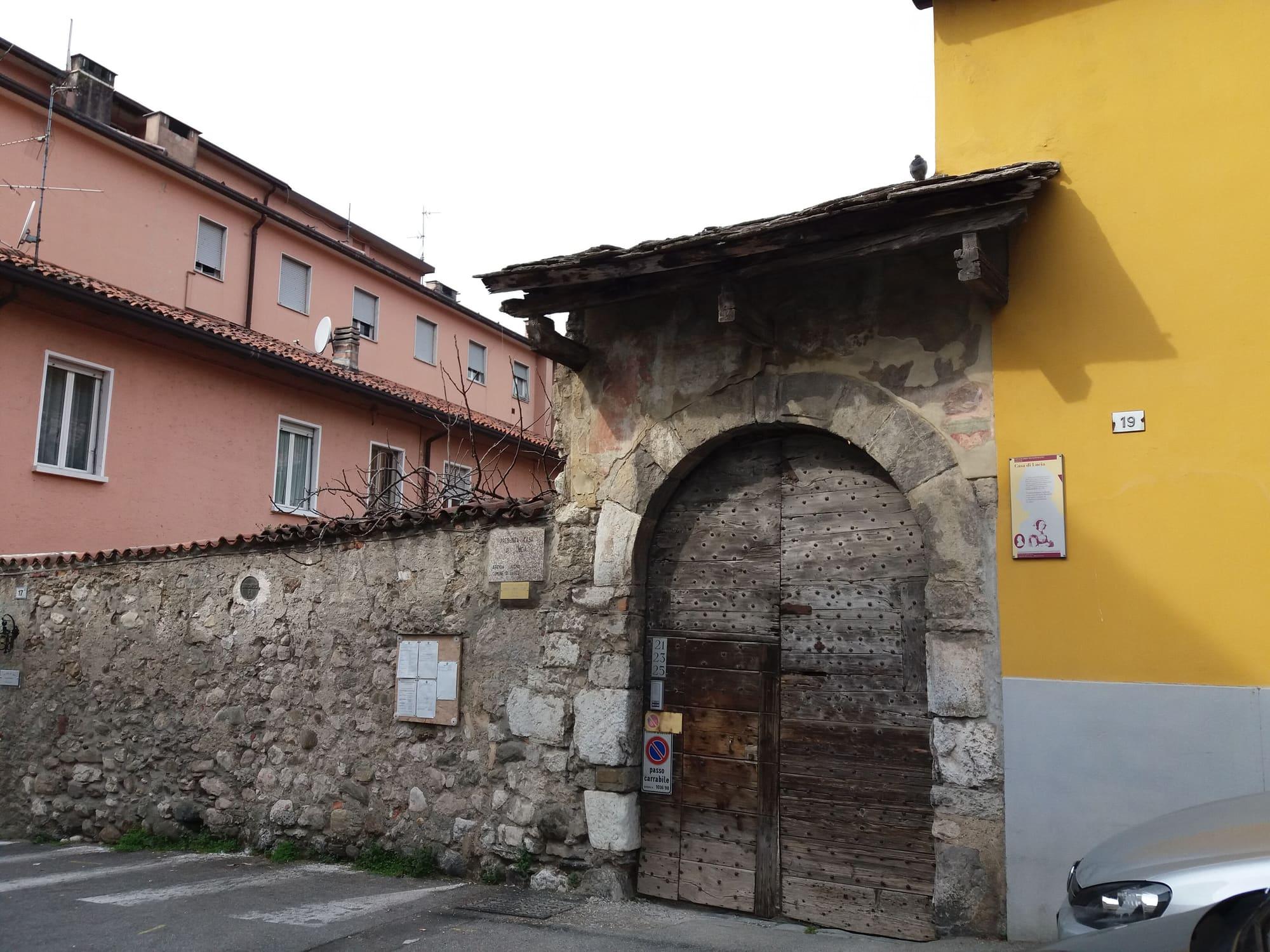
The villa, the bridge and Pescarenico are within walking distance of the centre. On the first slopes, in Acquate and Olate, tradition places the village of Renzo and Lucia, with the bravoes' wayside shrine, the two houses said to be Lucia's and Don Abbondio's church. Above Vercurago stands the castle that tradition links to the Innominato. These places are linked in the Itinerario Manzoniano.
“That branch of Lake Como which turns towards the south…” — Alessandro Manzoni, The Betrothed
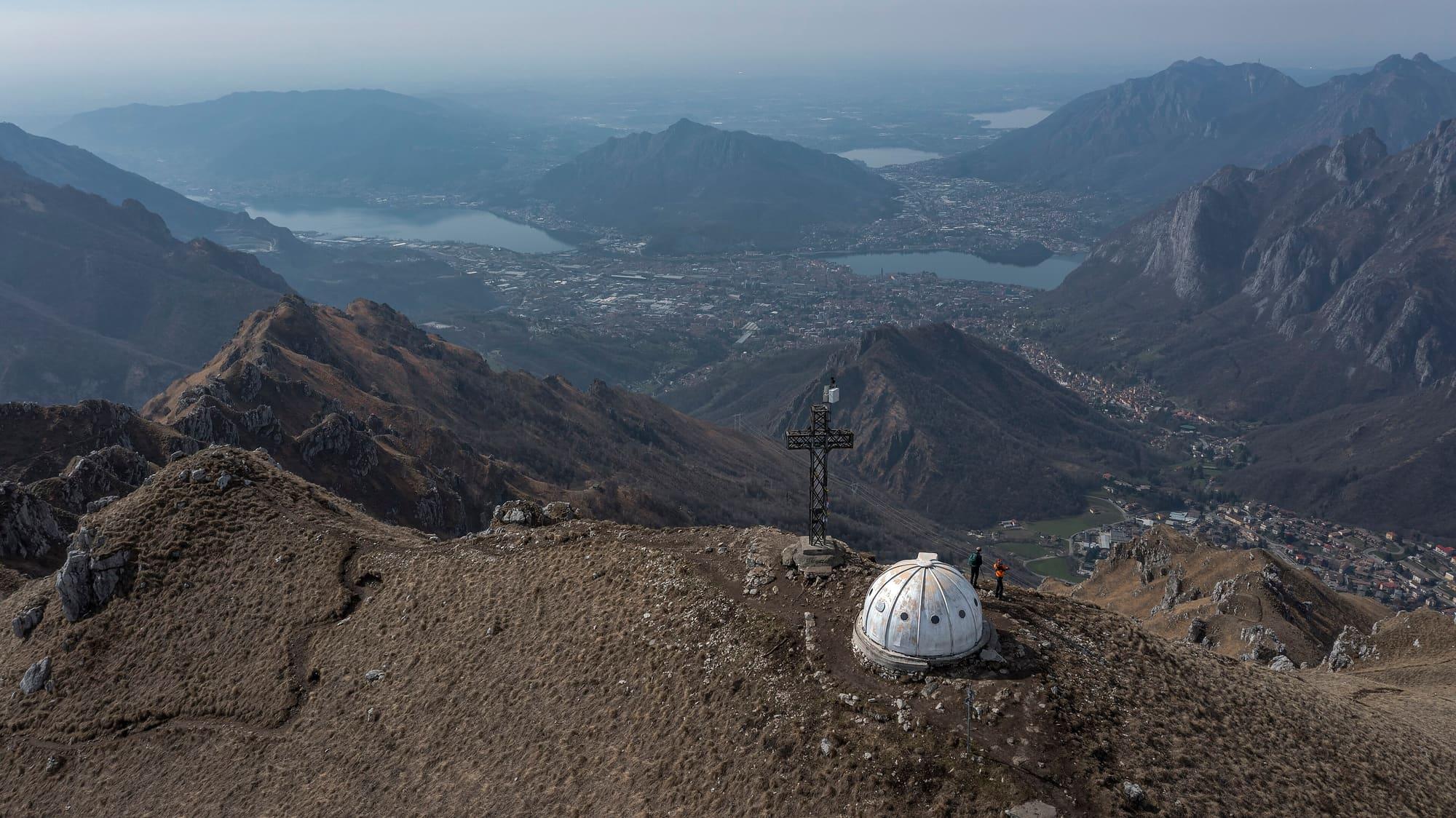
The Resegone, 1,875 metres high, closes the town off to the east. Its name comes from the dialect word resegun, big saw, after the points of its ridge. It has paths for every level: path 1 climbs to the summit from Versasio, where the cable car to the Piani d'Erna starts, and the Azzoni refuge stands just below the top. From the centre a bus runs up to the Piani Resinelli, at the foot of the Grignetta. In 2013 Lecco was Alpine Town of the Year.
Riccardo Cassin began climbing on the spires of the Grignetta in 1929. In 1938 Cassin, Gino Esposito and Ugo Tizzoni made the first ascent of the Walker Spur on the Grandes Jorasses, in the Mont Blanc massif. In 1946 the Ragni di Lecco were founded, the climbers in red sweaters: in 1974 one of their expeditions made the first ascent of the west face of Cerro Torre, in Patagonia. The Museo dell'Alpinismo Lecchese, in the Palazzo delle Paure, tells this story.
San Nicolò, patron saint of Lecco and protector of boatmen, is celebrated on 6 December with a solemn Mass in the basilica. That morning children find a red apple, in memory of the saint who gave three apples to three poor children. During the feast days the city presents its San Nicolò civic awards, given since 1967.
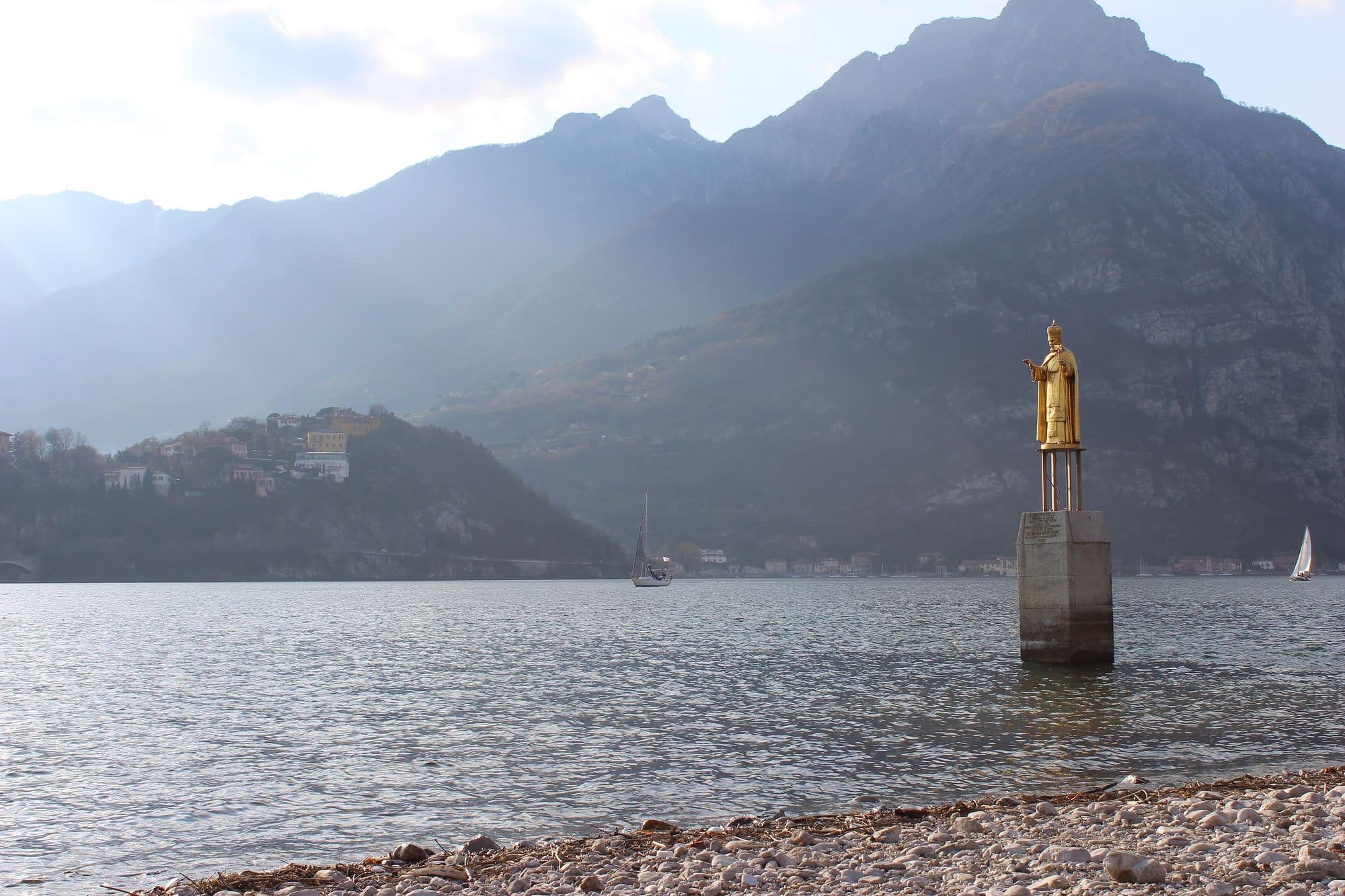
Every year the Carnevalone crowns King Resegone and Queen Grigna, and on the Saturday of Carnival it brings its parade of floats through the streets of the centre. On the first Saturday in June the Resegup mountain race sets off from the centre, climbs to the summit of the Resegone and returns to town. At the end of June comes the Festa del Lago e della Montagna, first held in 1956. The lucie, the lake's rowing boats, pass in procession to the statue of San Nicolò, standing in the water off Piazza Stoppani, and there the lake is blessed, a rite introduced in 1937 by the provost Giovanni Borsieri.
Lecco Branch
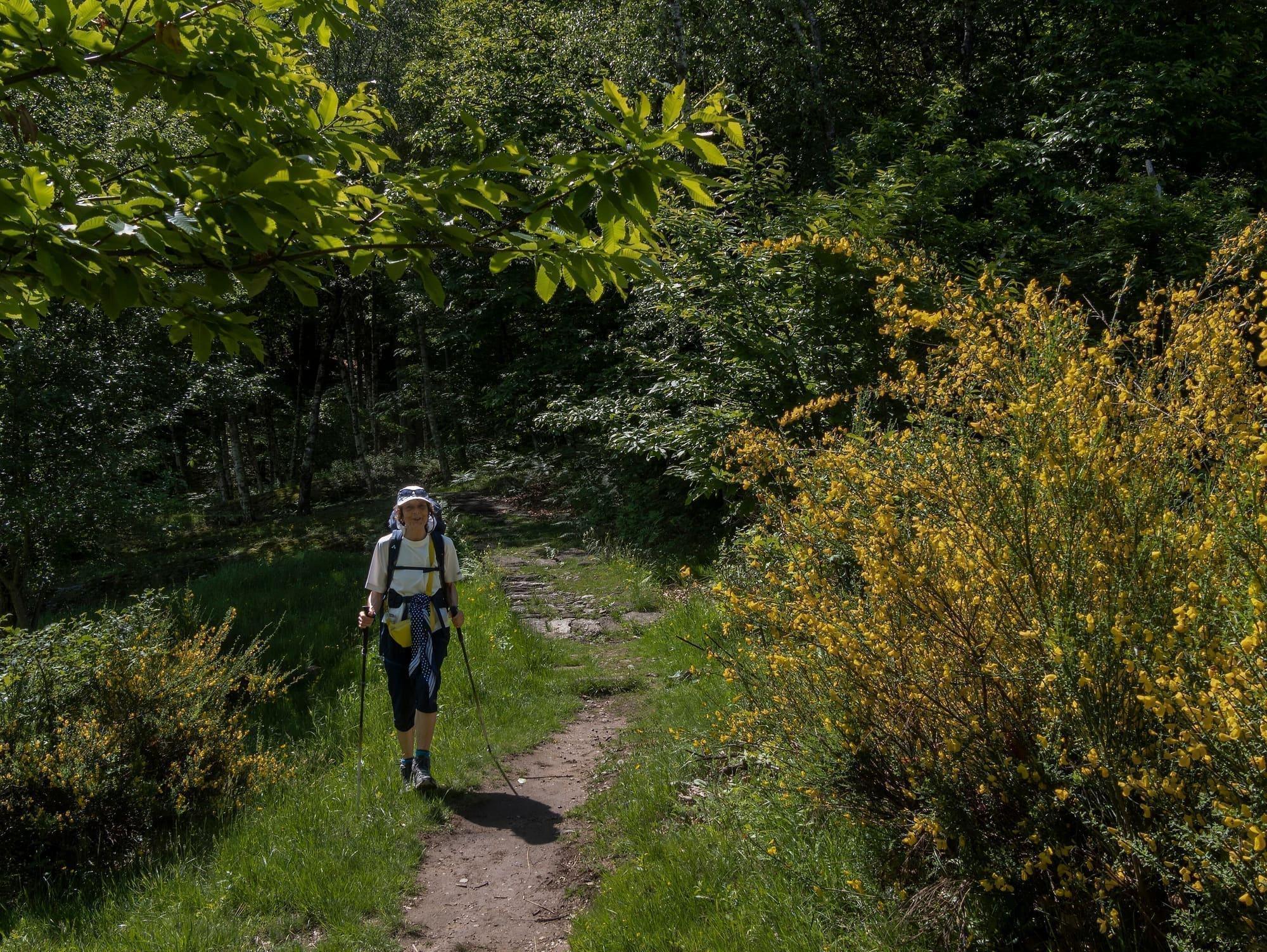
Start at one station, walk above the lake, come back from another.
3 h – 5 hOpen access
Lecco Branch
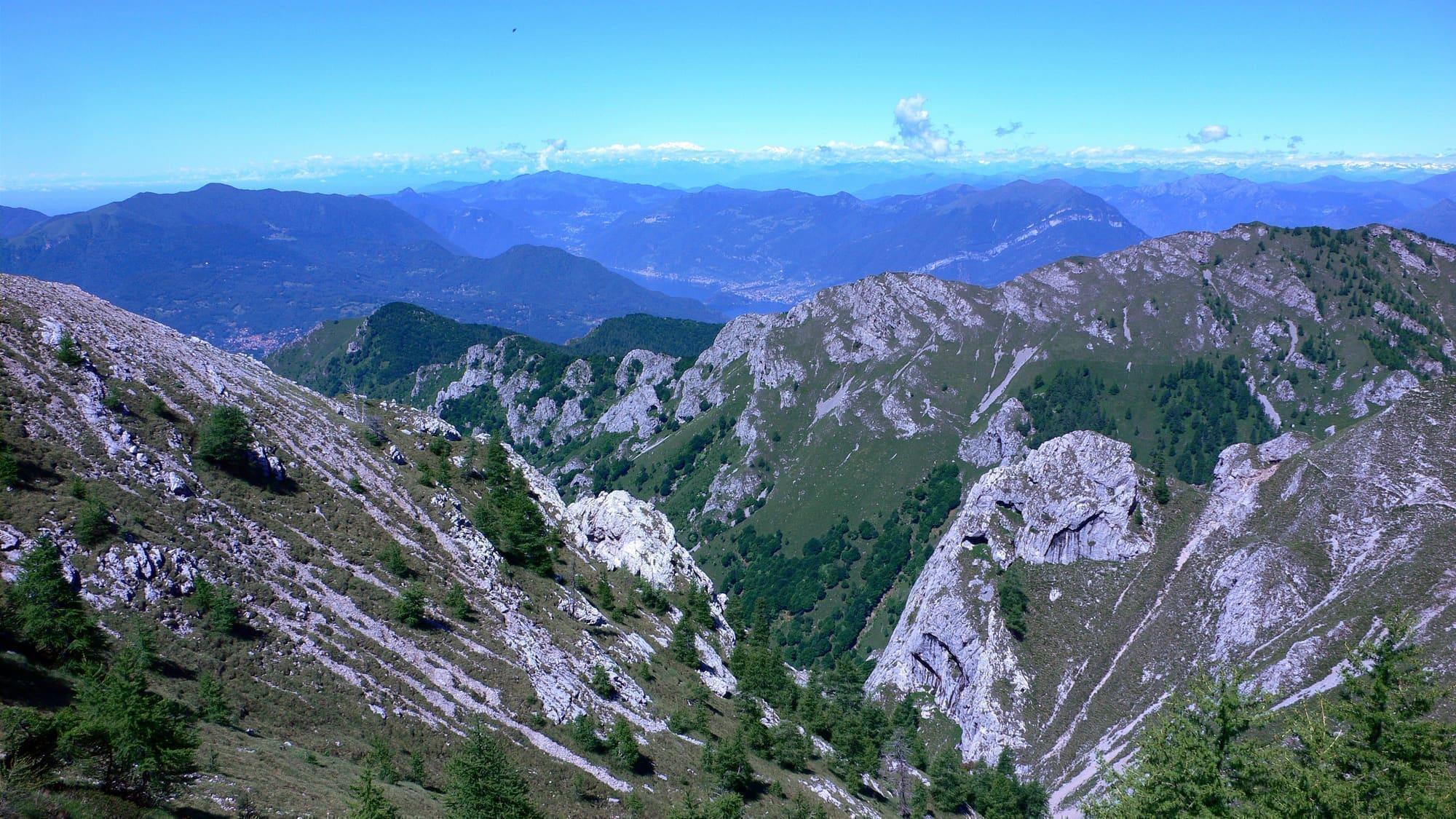
The Grignetta and the Piani Resinelli above Lecco: walks, via ferrata and climbing.
5 h – 9 h5.5 km · +1014 mCar needed
Lecco Branch
On foot through Lecco to the places of The Betrothed, from Villa Manzoni to the Azzone Visconti bridge and Pescarenico.
2 h – 3 h
Lecco Branch
The two quarters on Lecco's first slopes where tradition and scholars place the village of The Betrothed: the bravoes' shrine, Lucia's two houses, Don Abbondio's church and the hill of Don Rodrigo's palace.
1 h 30 – 2 h 30Open access
Until7Nov
The autumn festival Lecco devotes to Manzoni, around Villa Manzoni: readings, tours, talks and the Camminata Manzoniana walk.
Until15Nov
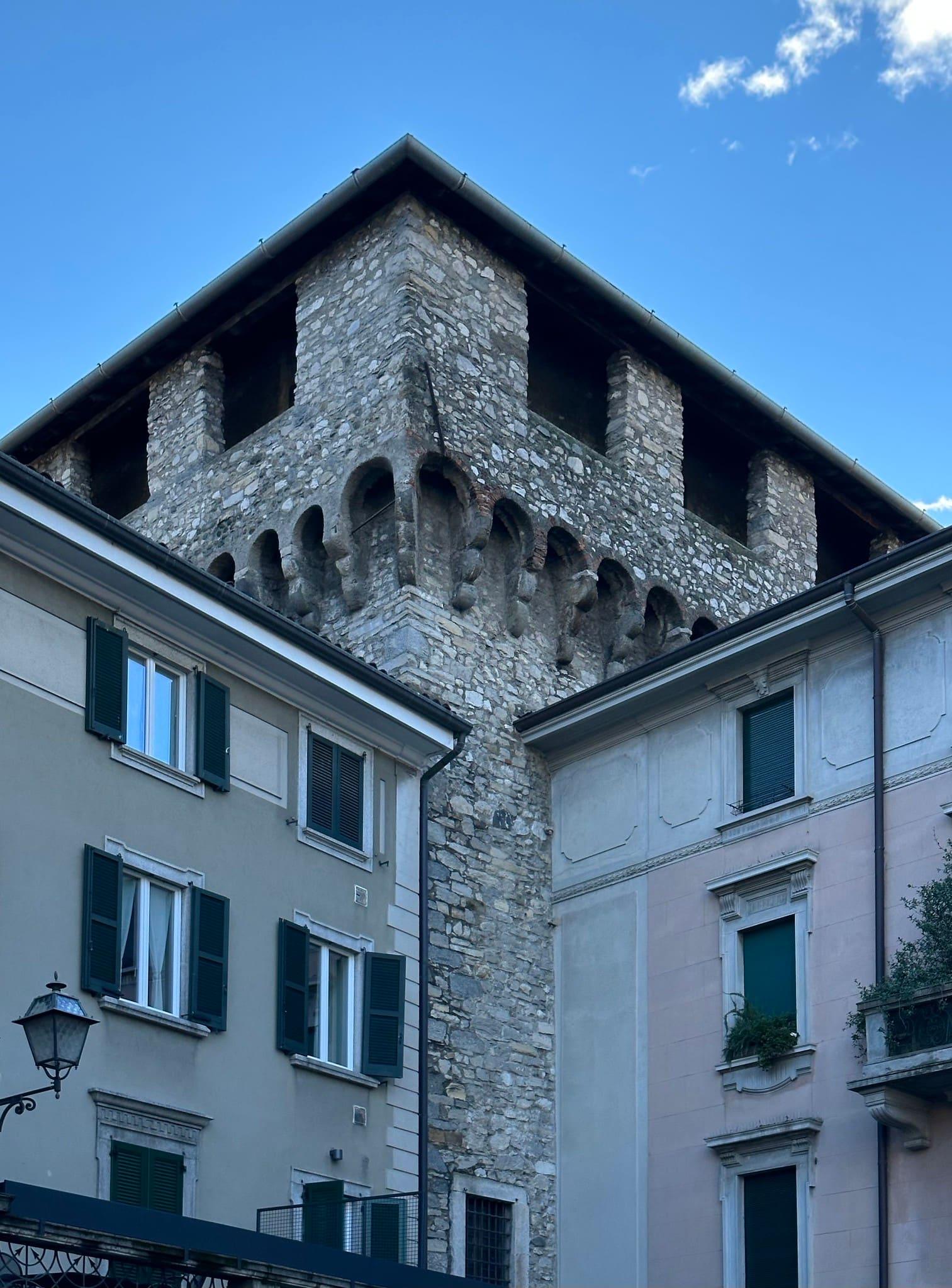
Industrial-archaeology photographs of the Gerenzone valley, in Lecco's Torre Viscontea.
How long it takes
Typical door-to-door times by public transport, changes included. From Milan, counted from Centrale station.
Tourist office
Infopoint Lecco
Piazza XX Settembre 23, 23900 Lecco
Every day, holidays included, 9:00 to 13:00 and 14:00 to 18:00, in the Palazzo delle Paure; on 24 and 31 December 9:00 to 13:00 only; closed on 25 and 26 December and 1 January
Updated: 8 Oct 2026 · Comune di Lecco.
Parking and services
19 public toilets41 drinking fountains14 pharmacies25 cash machines12 charging points13 defibrillators
Car parks and services on the map
Within two and a half kilometres of the centre; check car park spaces and fees on arrival.
By train from Milano Centrale in about forty minutes, or from Porta Garibaldi in fifty minutes to an hour, with frequent services; also from Bergamo in forty minutes. The station is ten minutes on foot from the waterfront.
Yes, for travel by train: Lecco has connections to Milan, Bergamo and the towns on the eastern shore. RegioExpress trains reach Varenna in about twenty-two minutes, where you can visit Villa Monastero and Villa Cipressi. Continue by ferry or boat for Bellagio and the Tremezzina. Lecco also gives access to the Grigne, the Piani d'Erna and the Sentiero del Viandante.
Webcams
The light
The walls face south-west: they catch the last sun when the town is already in shadow, and for ten minutes they are pink, especially in winter.
The wind measured here, hour by hour
The snow measured on the mountains nearby
Updated 26 October 2026
The mountains around the village hide the sun before astronomical sunset: sunrise and sunset are worked out on the village's own horizon.
Today, 1 November, estimated sunlight at the reference point: first at 08:19 and last at 16:33, giving 8 h 15 of direct sun, out of 10 h 07 of daylight.
Watch the shadow reach Lecco today
See from Lecco where the sun goes, in 3D
The sun at an exact spot in Lecco: your hotel, a beach, a street
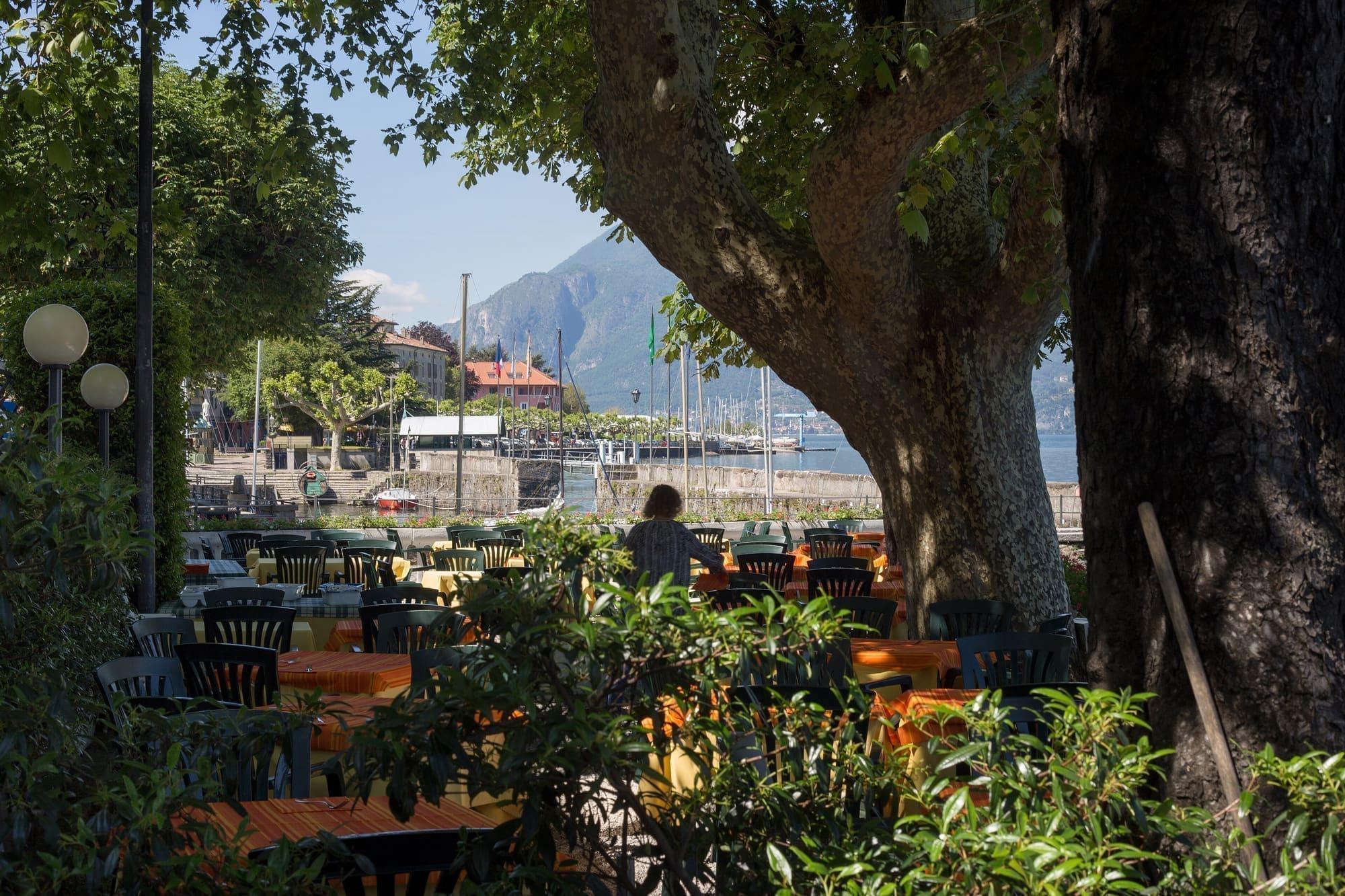
Places near the shore with outdoor seating, with today's estimated first and last sun at the marked point. Those with the latest sun come first. Clouds and shade from buildings, trees or awnings can change the light on the tables; check opening hours with the venue.
The highest summit in view from here is Pizzo di Gino, 2245 m, 35 kilometres away.
The ochre line follows today's sun path and marks the estimated times of its first and last appearance above the mountains. Drag the panorama to see all of it.
Official bathing sites nearby, with their water quality classifications.
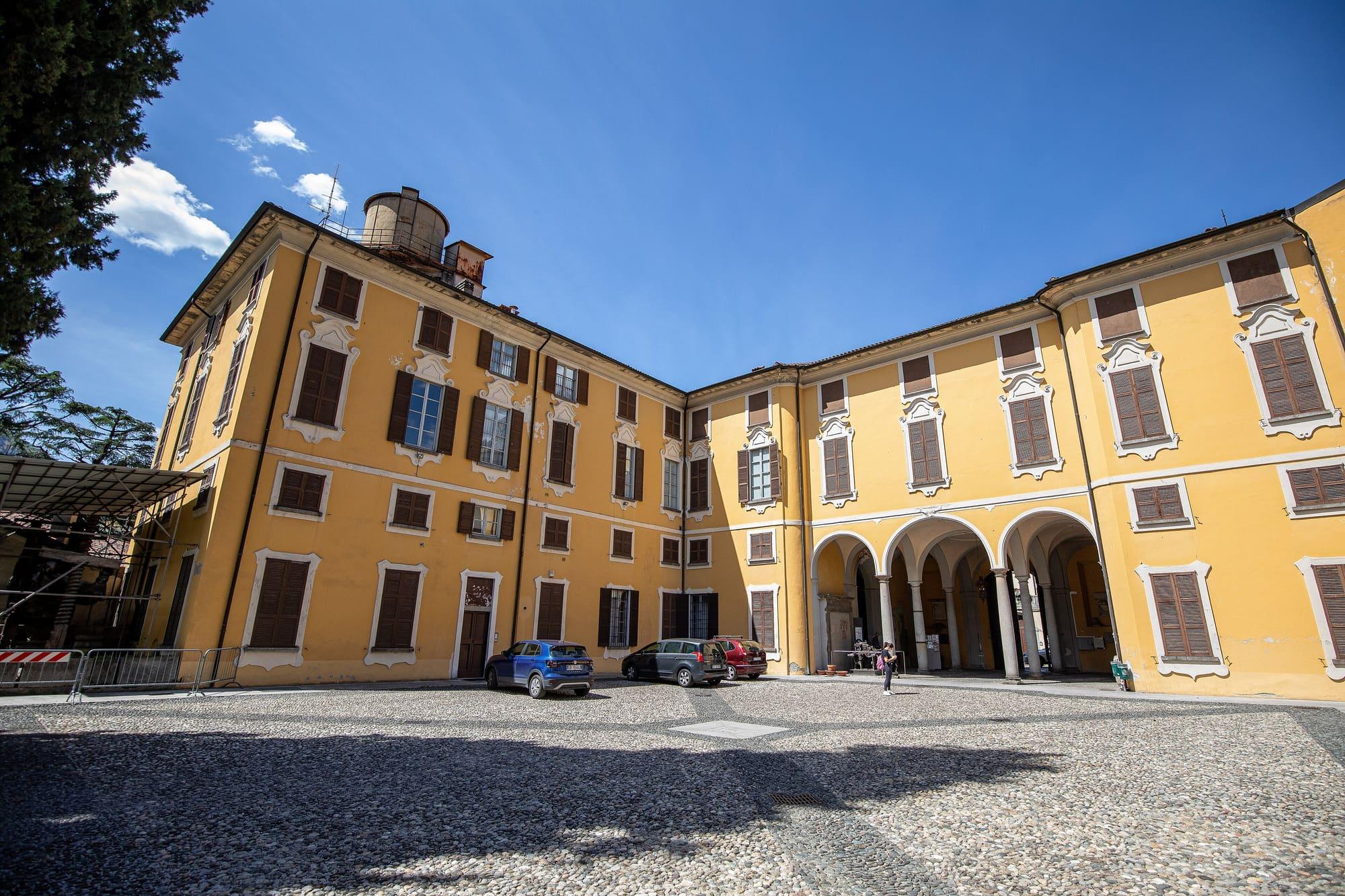
Villa Manzoni, where the writer spent his childhood; Palazzo delle Paure on Piazza XX Settembre, with modern art and exhibitions; and Palazzo Belgiojoso, with archaeology, history and natural history museums. Piazza XX Settembre also has the Torre Viscontea, part of the old castle and an exhibition space. A walk through town can continue to the bell tower of San Nicolò, the waterfront, the Azzone Visconti bridge and Pescarenico. For hiking, there are Monte Barro and the Piani d'Erna.
Few and seasonal: the Lecco branch does not have the centre-lake service. For Bellagio and the villas take the train to Varenna, twenty-two minutes, and the ferry from there.
At Riva Bianca in Lierna, twenty-five minutes by train, where the bottom shelves gently, and at Abbadia Lariana, six minutes.
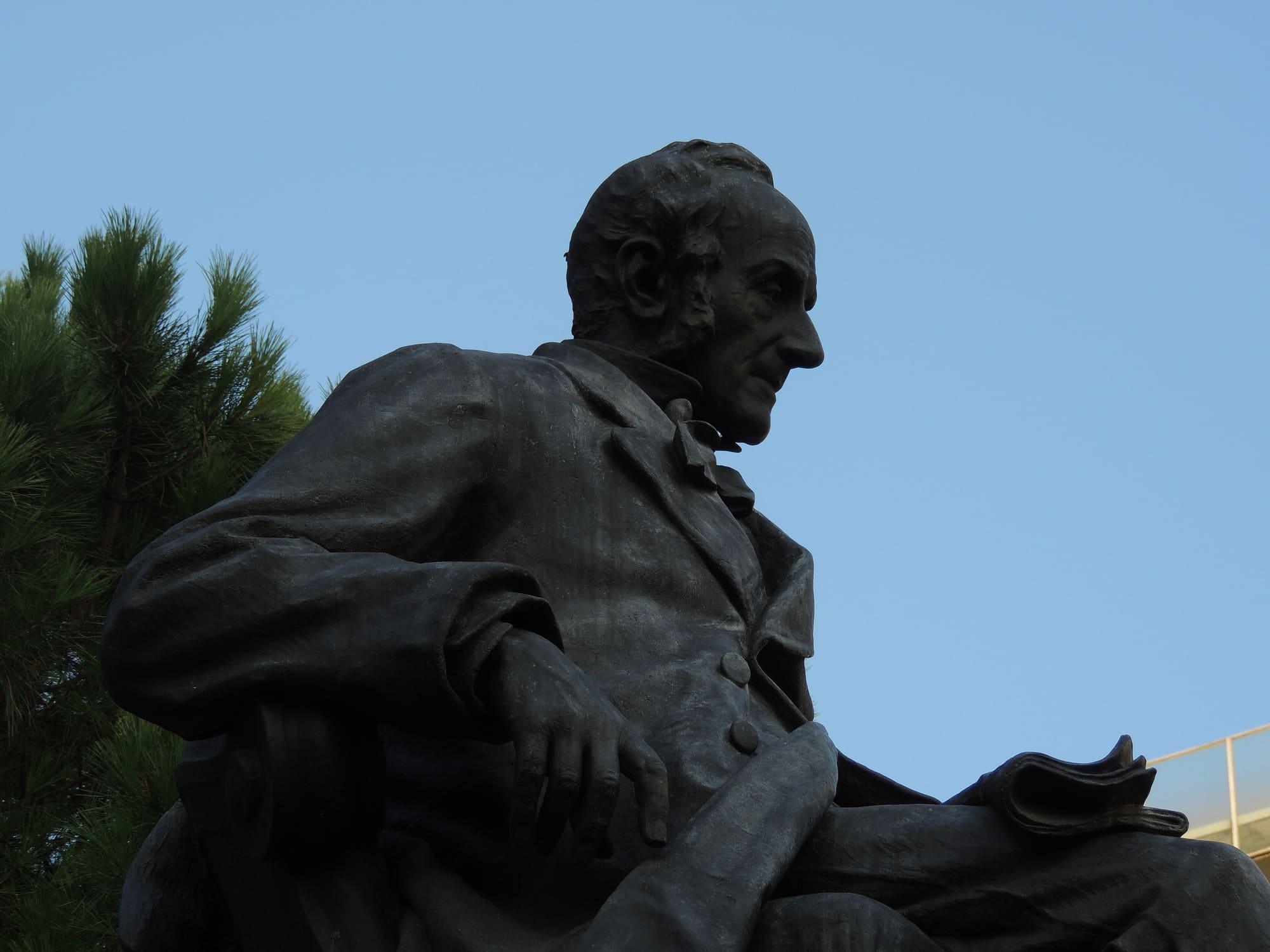
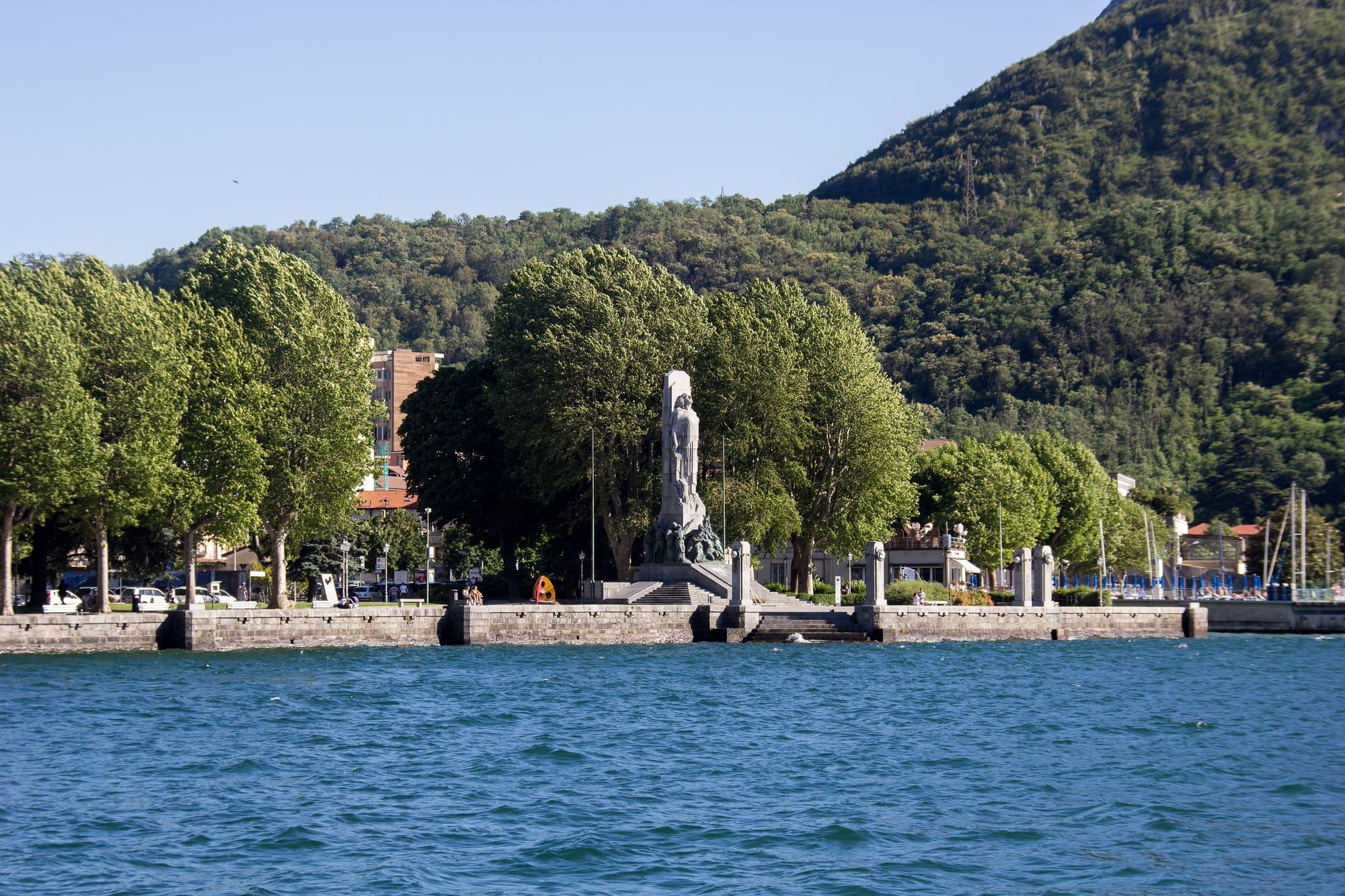
A half-hour walk, all on the level, past one monument after another. You start at Piazza Stoppani, off which stands in the water the gilded statue of San Nicolò, the patron saint, by Giuseppe Mozzanica, from 1955; on the Lungolario Isonzo is Giannino Castiglioni's war memorial of 1926, with the Motherland, wings folded, looking over the lake. Behind are Piazza Garibaldi and Piazza Manzoni with Francesco Confalonieri's monument of 1891; a little further, on Via Trieste, the Santuario della Vittoria, whose single bell rings only at seven in the evening in memory of the fallen of the Great War. You end at the Azzone Visconti bridge, from which you see Pescarenico with the Resegone behind, and in the fishing quarter of The Betrothed, with the church of Fra Cristoforo's convent.
The market takes place on Wednesdays and Saturdays. Locations include Piazzale Riccardo Cassin, in the former Piccola Velocità yard, and, for town-centre editions, Piazza Garibaldi, Piazza Mazzini and Via Sauro. Check the location for your day before setting off.
What is around, and how far.
© OpenStreetMap contributors · ODbL
Typical door-to-door times.