The name comes from the missolta, the dialect word for the tin container they are pressed in.
Before refrigerators, the lake had to provide food in winter too. Missoltini were made for that.
What the fish is
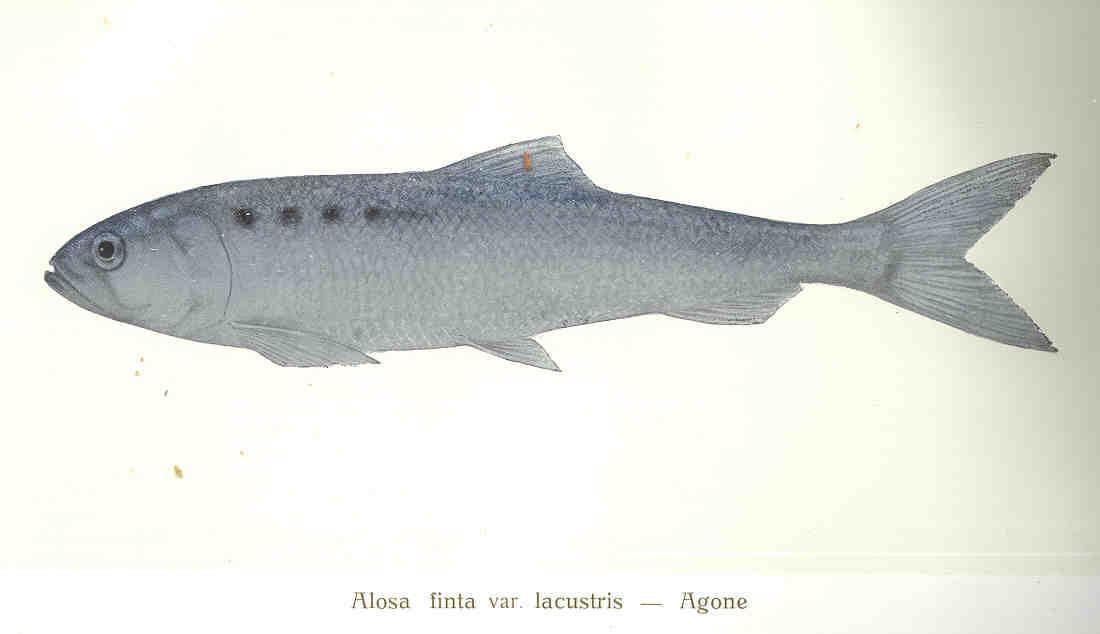
The shad (agone) is a freshwater fish of the herring family, related to the sardine. It is oily and full of flavour and spoils quickly: that is why the lake's communities learned to preserve it.
From May the shad comes close to the shore to spawn. Fishing is closed from mid-May to mid-June; then, until early August, gill nets take them in large numbers, more than can be eaten fresh.
How they are made
The fish is gutted, salted and hung to dry outdoors on stretched lines, in the sun and in the Breva, the wind that usually blows up the lake in the afternoon. It takes days of dry, windy weather, which is why the work is done between late spring and summer.
The dried fish is then layered into tin containers, alternated with bay leaves, and pressed under a weight. The pressing drives out air and surplus fat; the bay perfumes and helps preserve.
Prepared this way, they keep for months without cold: a tin of missoltini in the cellar meant protein even in February.
How they are eaten
They are warmed on the embers or in a pan, without adding fat, since they have enough of their own, and served with polenta and a dash of vinegar.
The flavour is strong and salty, that of a dried and pressed fish. It is a dish from the lake's cooking before tourism.
Where to look for them
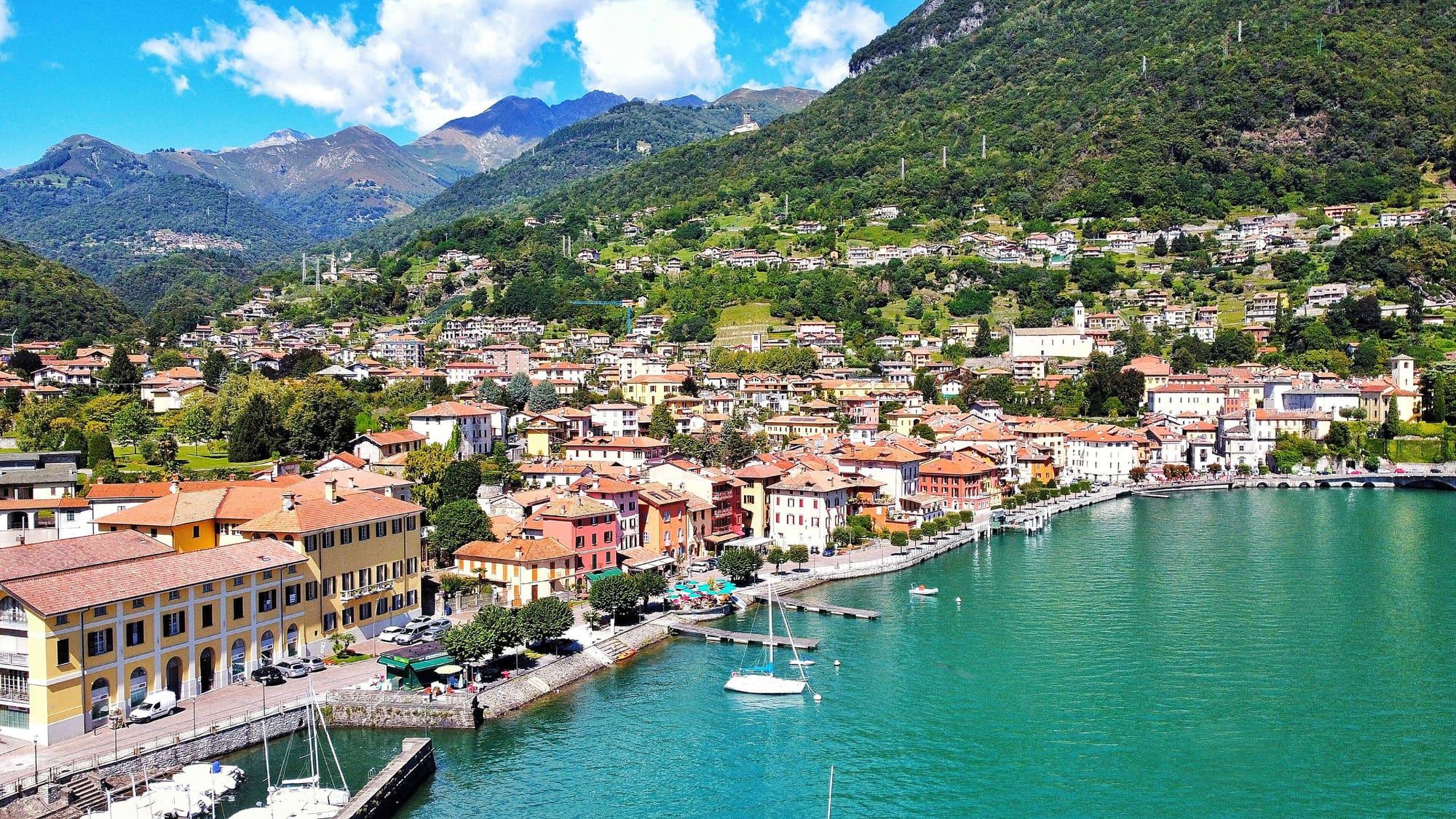
You find them in the osterie of the upper lake and the Lecco branch, in villages where commercial fishing still exists: Gravedona, Domaso, Dervio, Bellano; and at the summer lake-fish festivals.
They are also sold in tins. On the label, look for where the fish comes from and the date it was prepared.