San Martino above Griante
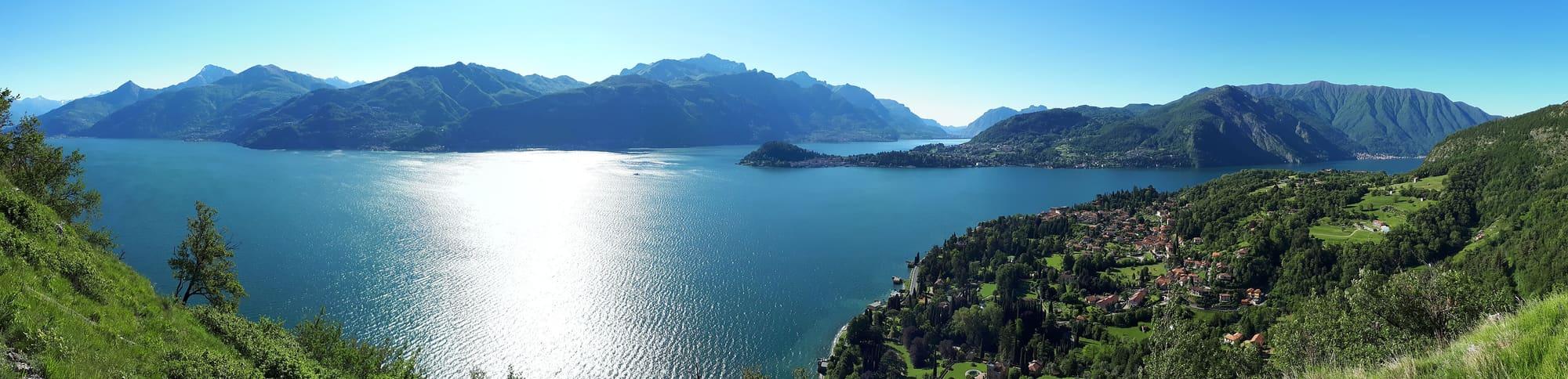
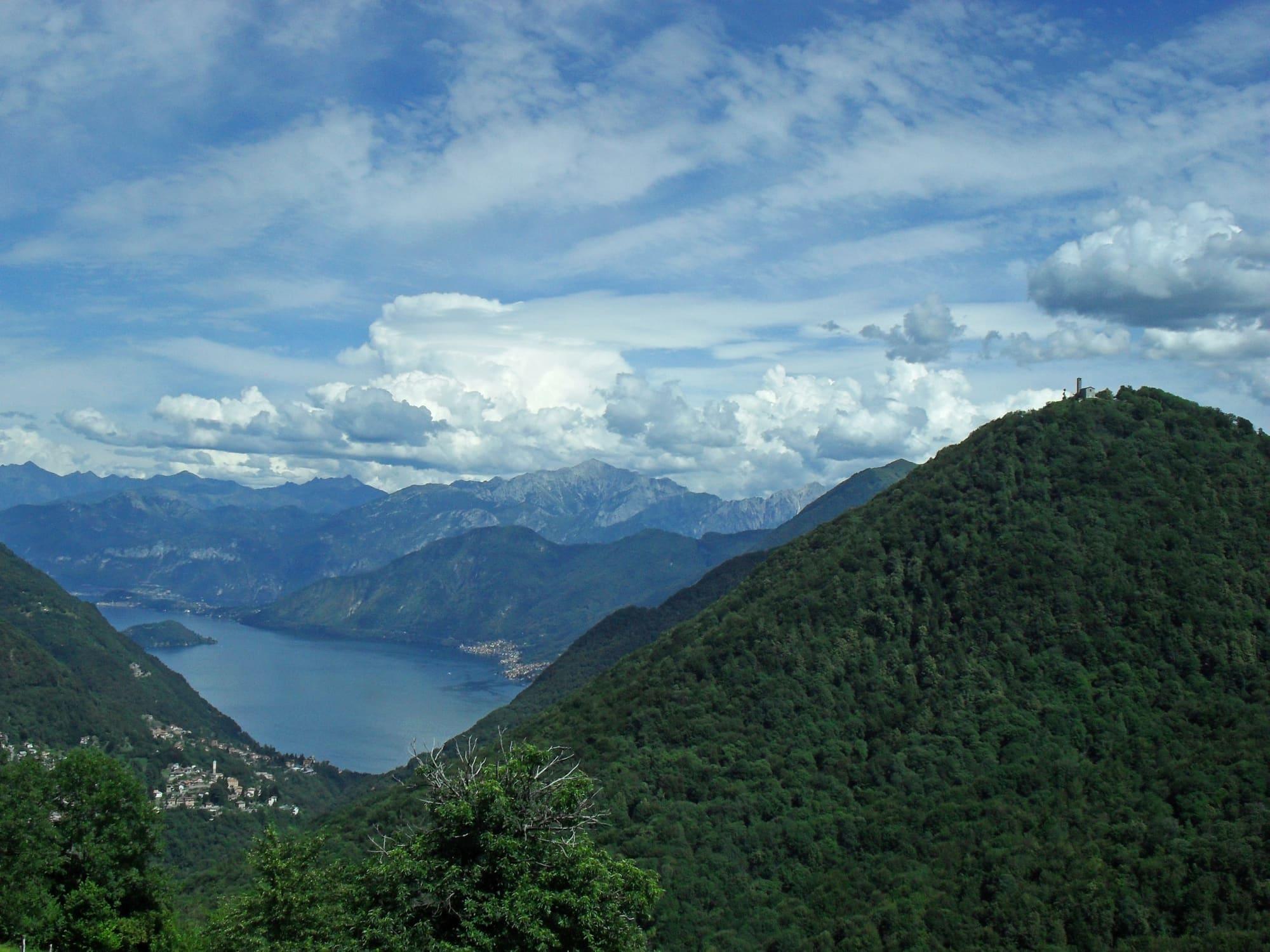
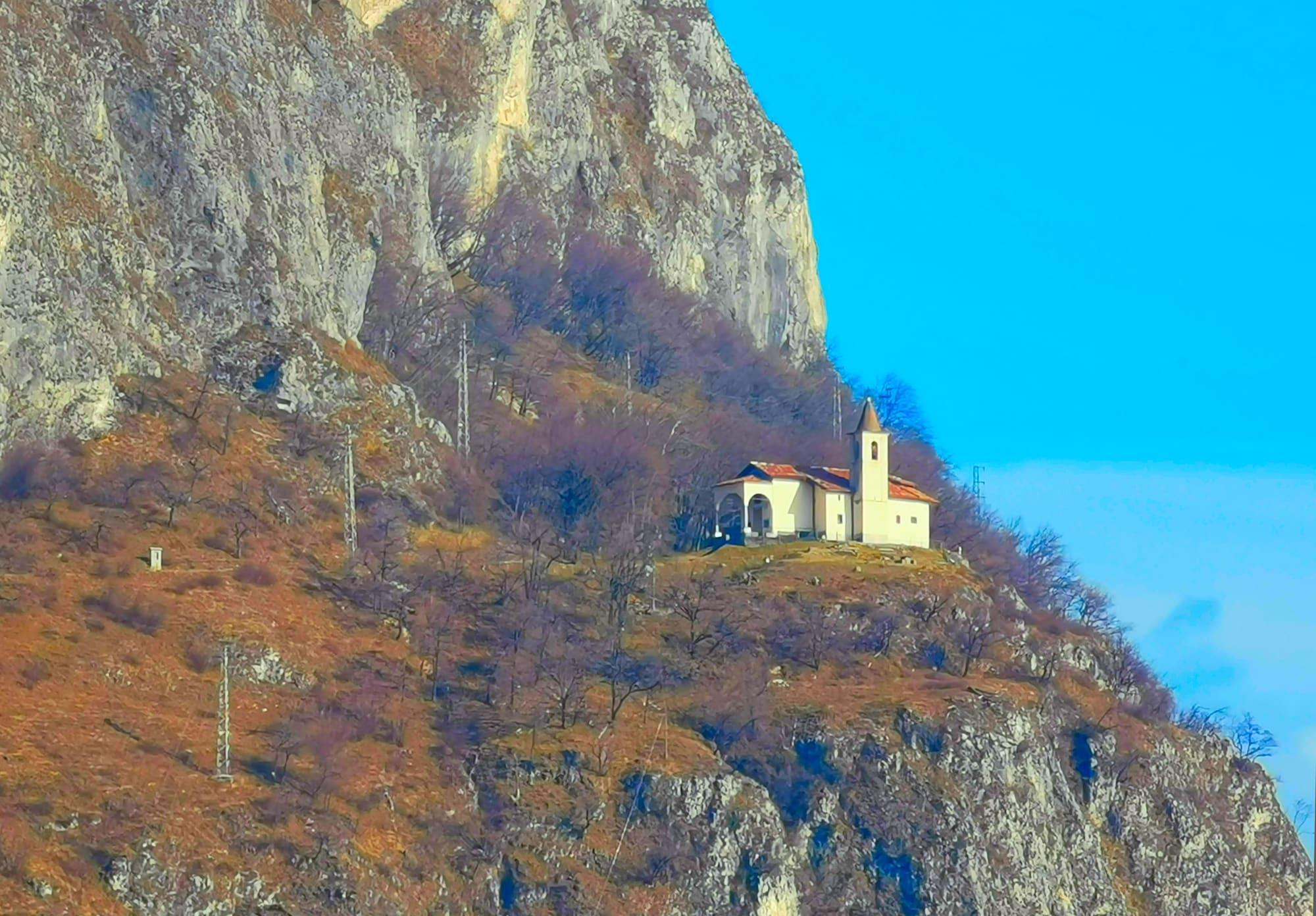
A small church on a balcony of rock at 475 metres above Griante: from there you see all three branches of the lake.
1 h 30 – 2 h 30
Centro Lago
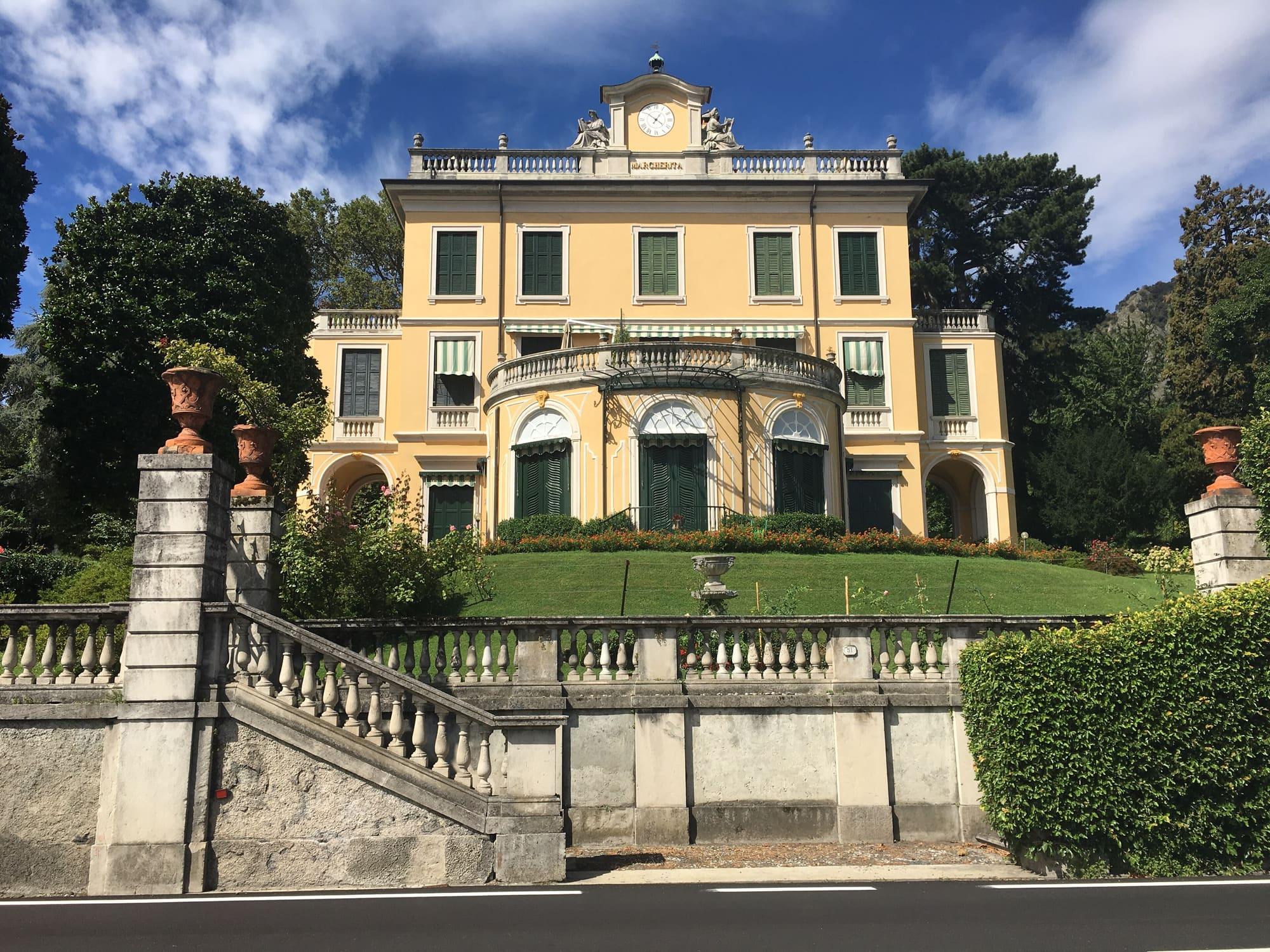
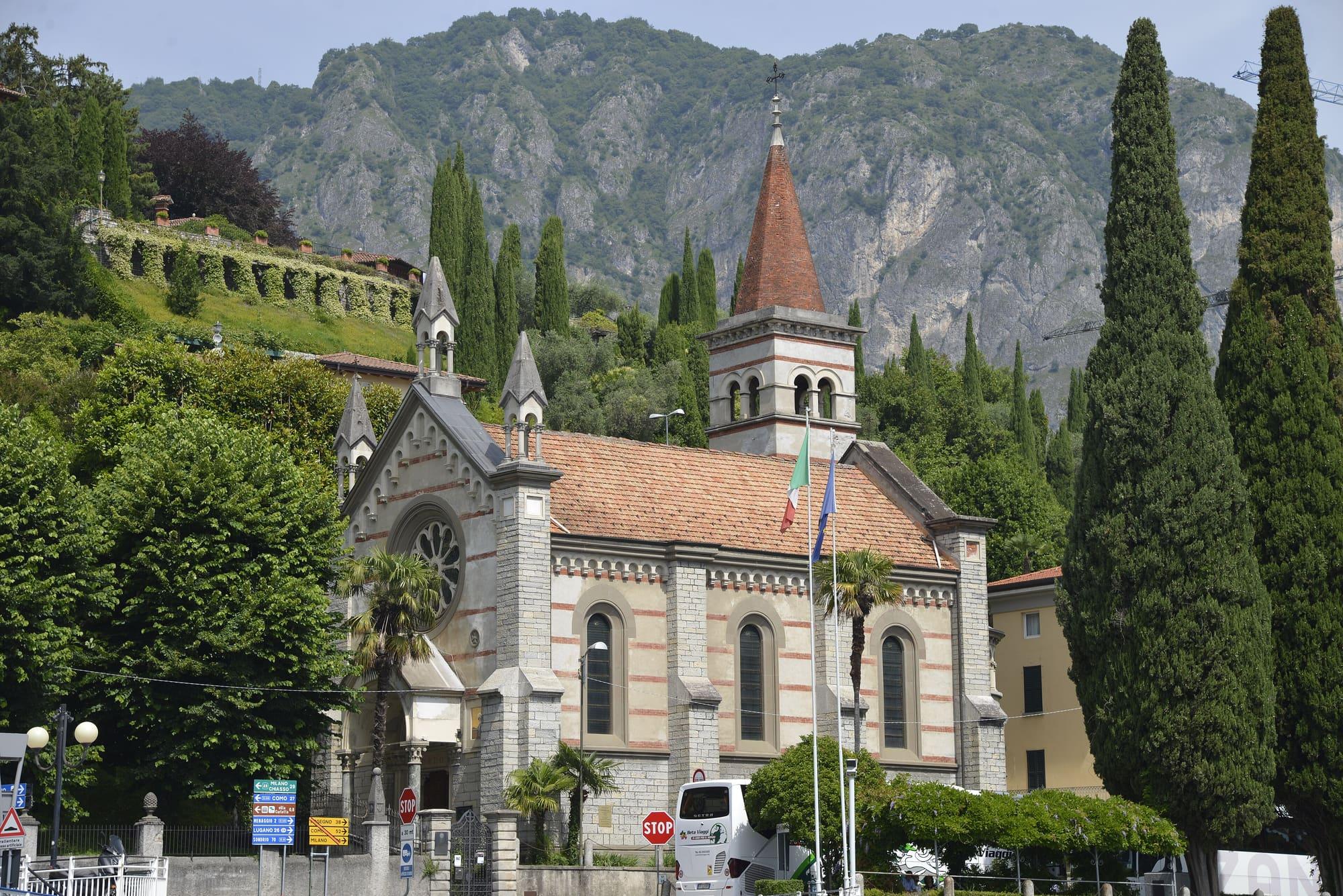
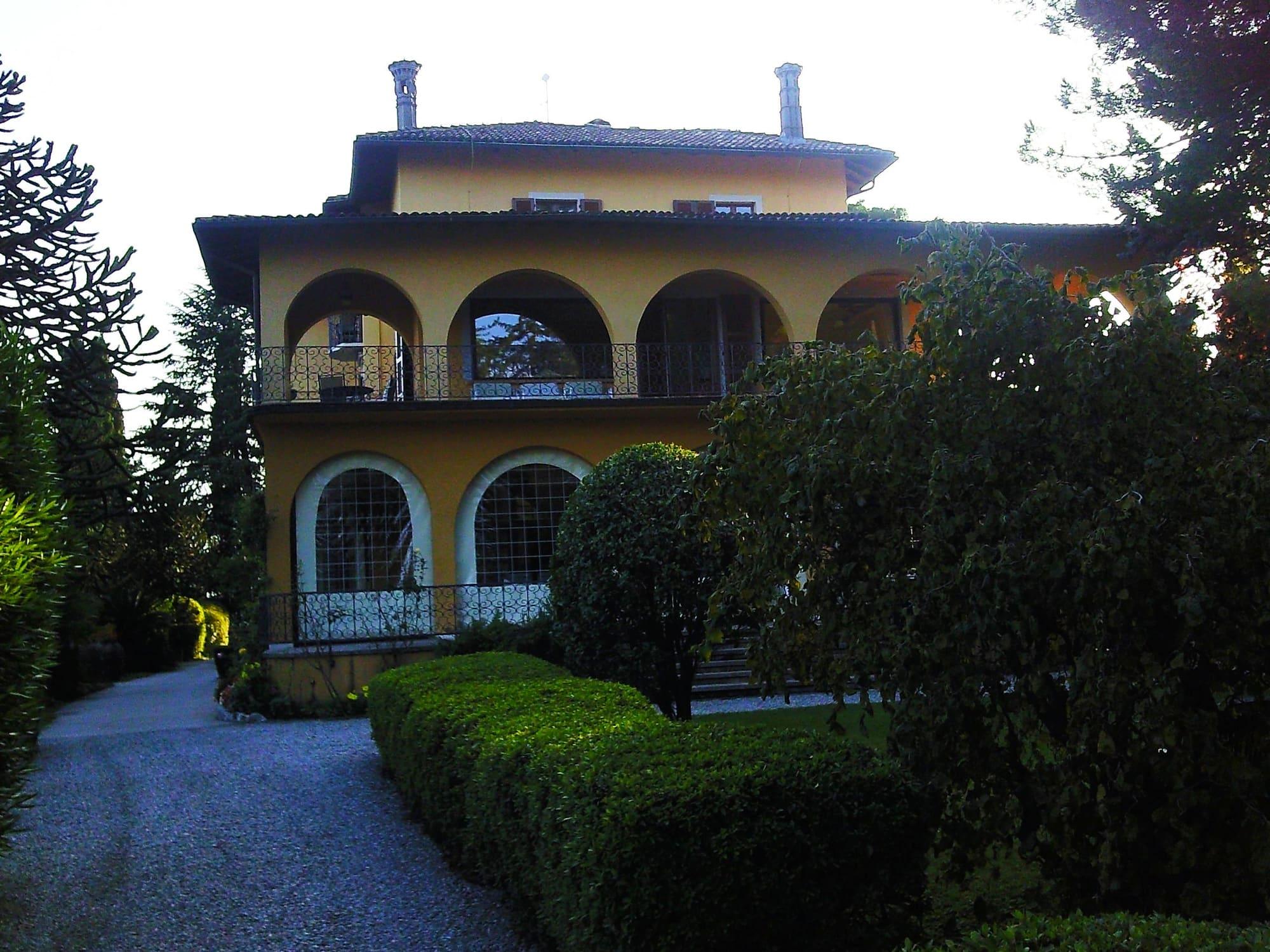
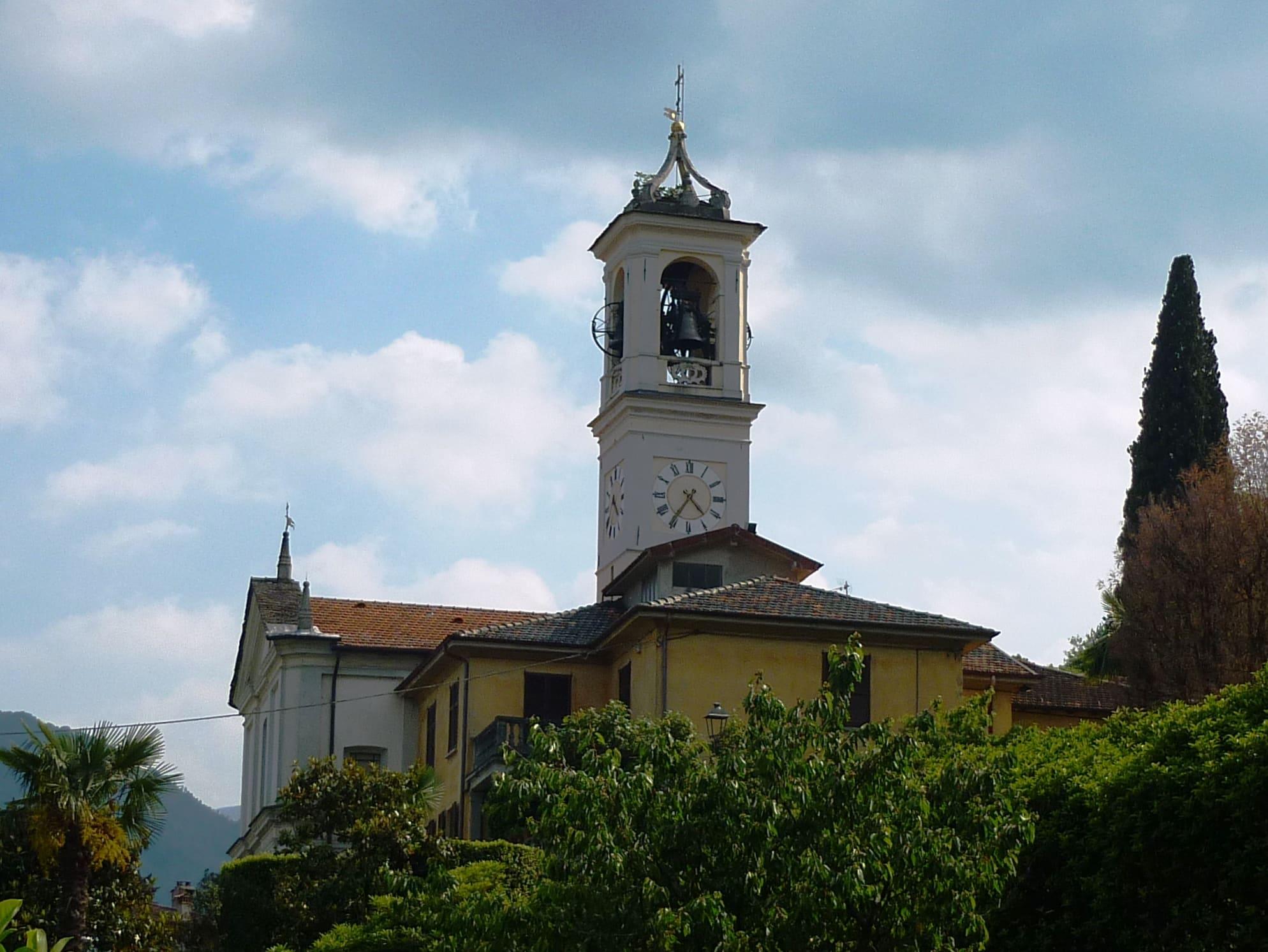
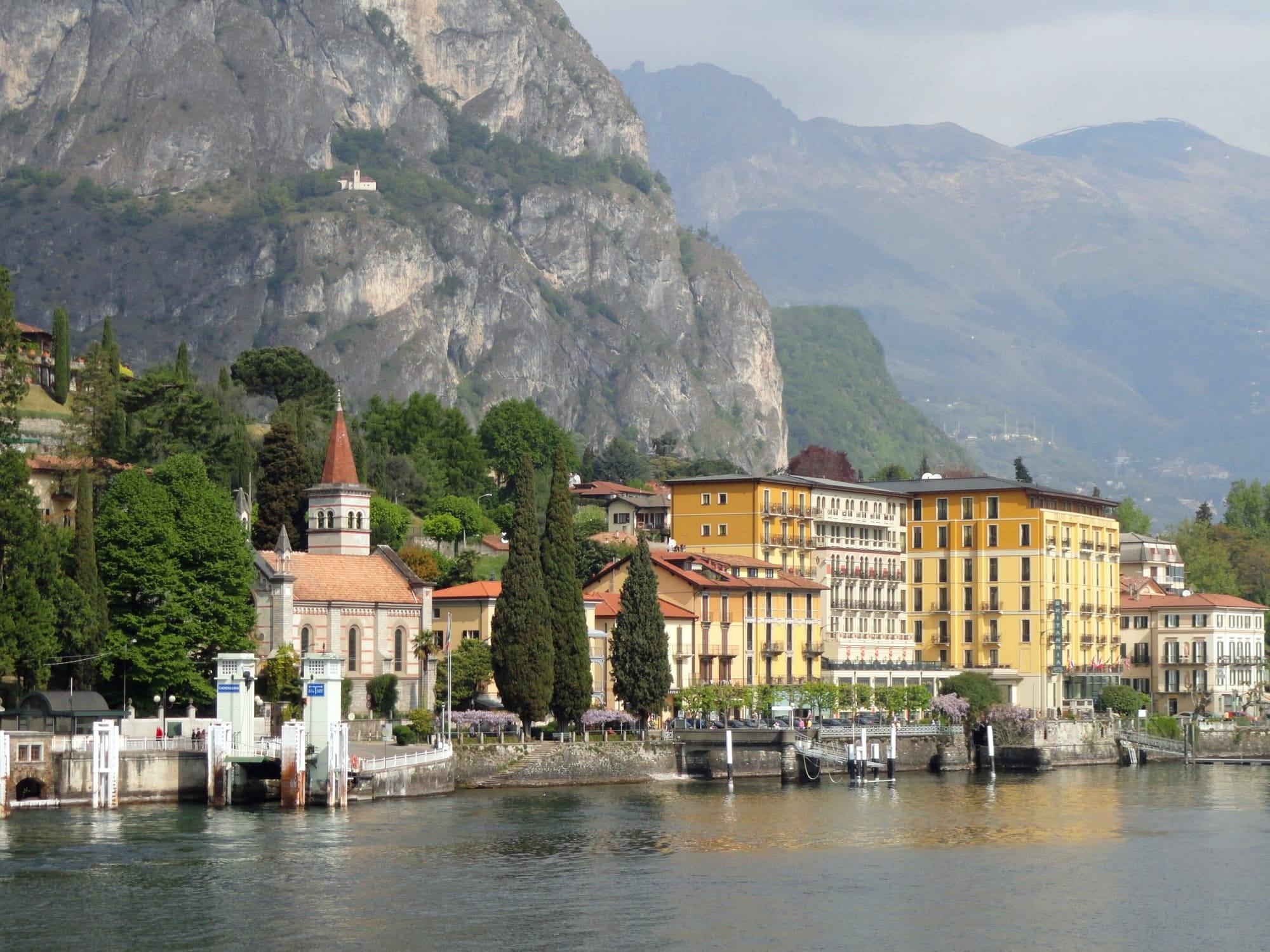
The village above Cadenabbia, facing Bellagio: the ferry pier, the Anglican church of 1891, Villa La Collina and the little church on the rock above the village.
Griante has a panoramic position on the western shore, facing the Bellagio peninsula, and is spread over seven hamlets between the shore and the mountain.
In the Middle Ages it was a fortified village of narrow lanes, arches and covered passages, still partly visible, around the parish church of Santi Nabore e Felice. From the nineteenth century Cadenabbia grew on the shore, with the villas and grand hotels of visitors from all over Europe: the English community built its Anglican church here, Giuseppe Verdi wrote some of the arias of La traviata at Villa Margherita, and the German chancellor Konrad Adenauer spent his holidays at Villa La Collina, which belongs to the foundation that bears his name and is an international conference centre. The ferry for Bellagio and Varenna leaves from Cadenabbia, and above the village, on the Sasso San Martino, stands the little church of San Martino.
Cadenabbia is Griante's lakeside hamlet, facing Bellagio, and a landing for boats and ferries: from here the ferry crosses to Bellagio and Varenna. Along the lakefront stand the nineteenth-century villas and grand hotels, and just to the south the gardens of Villa Carlotta begin.
Beside the pier stands the Anglican Church of the Ascension, built for the English community that spent its stays here at the end of the nineteenth century: it was designed by the young architect Giuseppe Brentano, who died in 1889 before seeing it finished, and it was consecrated in 1891. It has a single nave with great transverse arches, a rose window on the facade, monochrome frescoes with angels and a marble pulpit.
The old centre keeps its narrow lanes and stone houses, traces of the medieval fortifications, an old wash house and the little church of San Rocco; from the terrace of the parish church of Santi Nabore e Felice you look out over the lake. The village also has the story of Giovanni del Matto, a pirate of the Lario who, betrayed by the Landsknechts, took refuge in the castle of Griante and was found and beheaded there.
From Cadenabbia an old cobbled stairway of 113 steps climbs to Calvonno, along the park of the Grand Hotel Cadenabbia and the northernmost part of the gardens of Villa Carlotta; at the top, a path shaded by old trees leads towards Villa La Collina. Higher up, from Carsolina, a walk of about forty minutes reaches the little church of San Martino, on a rock balcony at 475 metres.
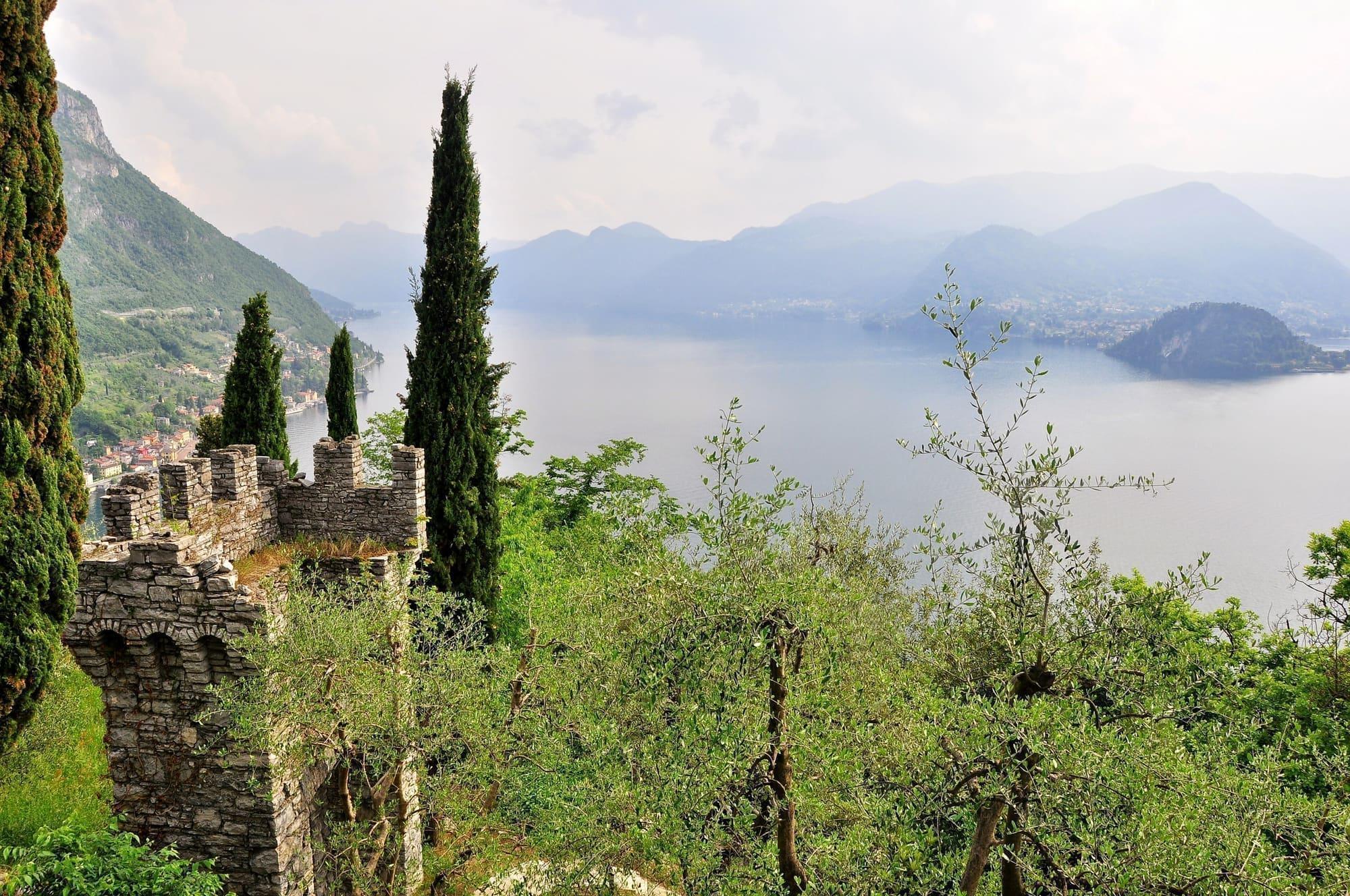
Como's statutes of 1335 place Griante in the pieve of Menaggio and charge it with the upkeep of the Via Regina between the “de Carono” valley and the field of “Pozollo”. In the sixteenth century the old village was a cluster of buildings that could, when needed, form a fortified citadel. Most of these defences were lost in the wars between the French and the Spanish for control of the lake.
On 30 August 1647 the community bought itself free of feudal rule, and from then on paid a sum every fifteen years. In 1751 Griante had 245 inhabitants. Every year the general council elected the community's officers: the sindaco, two deputies, the consul and the clerk. Civil cases went to the podestà of Menaggio, criminal cases to the podestà of Como. In 1807 a Napoleonic decree joined Griante to Menaggio; after Napoleon's fall the comune was restored.
In “The Charterhouse of Parma” of 1839, Stendhal placed the castle of the del Dongo family, where the hero Fabrizio grows up, at “Grianta”. Henry Wadsworth Longfellow wrote a poem called “Cadenabbia”. From 1889 to 1915 Achille Ratti, the future Pope Pius XI, spent his summer holidays in a house in the old village, which a plaque recalls.
Several villas along the Statale Regina are the work of the architect Giacomo Mantegazza. Villa Maria, built between 1889 and 1892, has three-arched loggias on two floors, decoration by Lodovico Pogliaghi and an iron-and-glass greenhouse in its park. Villa Bonaventura, of 1891, has a three-arched portico in front of the entrance that carries the balcony of the main floor. Villa Maresi, created between the late nineteenth and early twentieth centuries by remodelling a sixteenth-century castle, has a crenellated boundary wall, turrets and a keep. The villas are private.
The climb to San Martino passes wayside shrines decorated with mosaics of the mysteries of the Rosary and, halfway up, the chapel of San Carlo, restored in 1977 in memory of fallen soldiers. The church has an eighteenth-century bell tower and a nineteenth-century portico. Inside, besides the wooden Madonna, are an inlaid altar of 1718 and a painting of Jacob's Ladder.
Just before the church, a waymarked path climbs to the left towards the Monti di Pilone, at about 800 metres, and on to the tip of the Sasso San Martino. From the tip you see the middle of the lake with the Grigne and the whole upper lake, with Menaggio in the foreground. The Cadorna Line, the defensive line built along the Swiss border during the First World War, ran through here: trenches and gun positions remain, and above the church there is a howitzer emplacement.
How long it takes
Typical door-to-door times by public transport, changes included. From Milan, counted from Centrale station.
Webcams
Updated 26 October 2026
By ferry: Cadenabbia is one of the piers of the centre-lake ferry, which links it with Bellagio, Varenna and Menaggio. Arriving by train from Milan, you get off at Varenna–Esino–Perledo and walk ten minutes to the lakefront where the ferry leaves. By bus, ASF Autolinee's C110 comes from Como to Cadenabbia in about fifty minutes and goes on to Menaggio; in the village it stops at Cadenabbia, at the Fornace and at Ponte dei Ronconi. By car, the Statale 340 Regina leads here.
Cadenabbia is the lakeside hamlet of the comune of Griante, the one with the pier, the hotels and the Anglican church, while the old village of Griante lies higher up, with the parish church of Santi Nabore e Felice. The comune has seven hamlets; between the shore and the old village you climb on foot, including by the 113-step stairway to Calvonno. Villa Carlotta, just south of Cadenabbia, is in the comune of Tremezzina instead.
The mountains around the village hide the sun before astronomical sunset: sunrise and sunset are worked out on the village's own horizon.
Today, 1 November, estimated sunlight at the reference point: first at 07:54 and last at 15:41, giving 7 h 48 of direct sun, out of 10 h 06 of daylight.
Today the sun leaves between 15:12 and 15:55, depending on the street.
Watch the shadow reach Griante today
See from Griante where the sun goes, in 3D
The sun at an exact spot in Griante: your hotel, a beach, a street
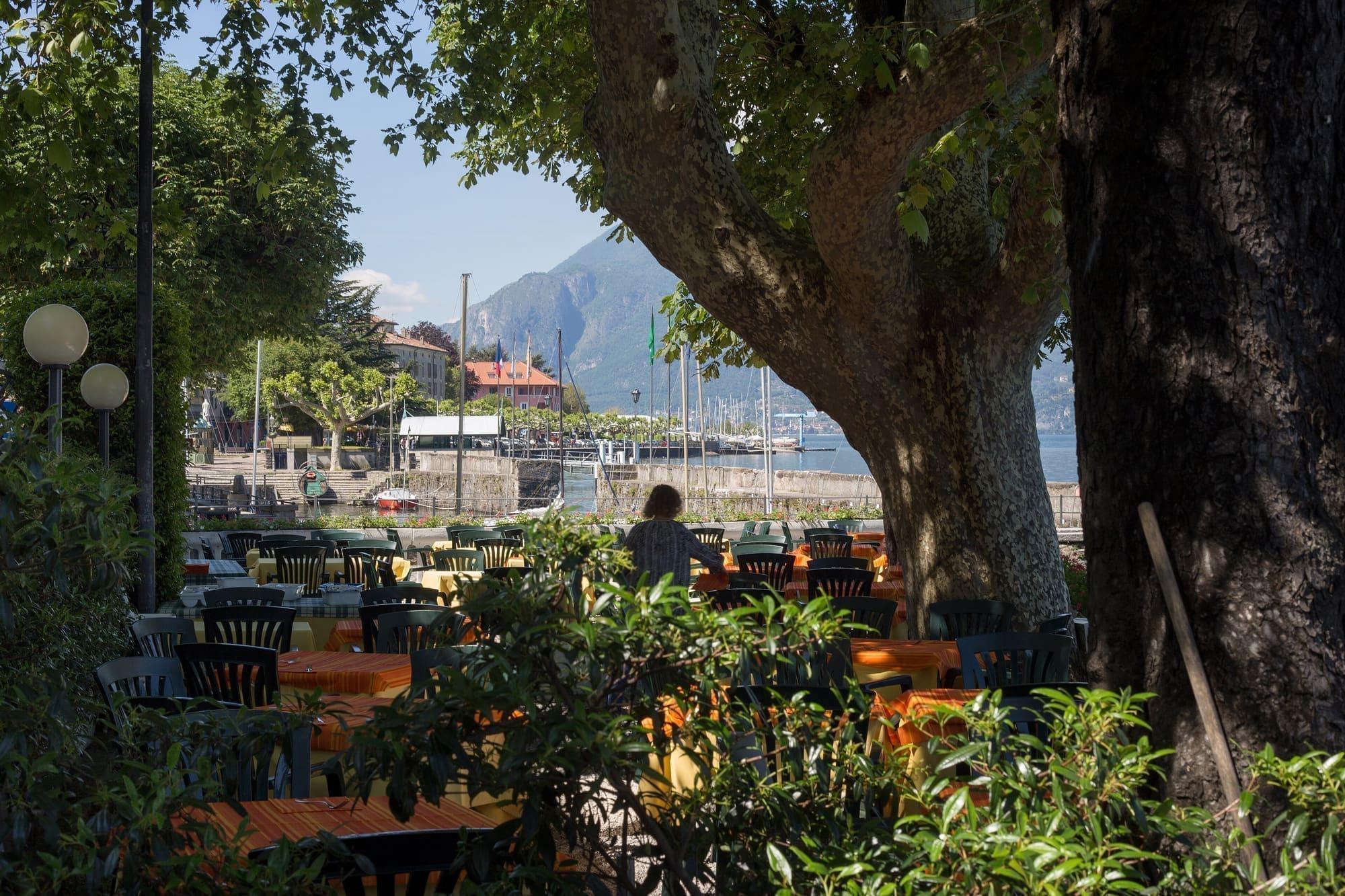
Places near the shore with outdoor seating, with today's estimated first and last sun at the marked point. Those with the latest sun come first. Clouds and shade from buildings, trees or awnings can change the light on the tables; check opening hours with the venue.
The highest summit in view from here is Monte Galleggione, 3107 m, 46 kilometres away.
The ochre line follows today's sun path and marks the estimated times of its first and last appearance above the mountains. Drag the panorama to see all of it.
Official bathing sites nearby, with their water quality classifications.
His holidays. The German chancellor spent his summers at Villa La Collina, built in 1899 on the remains of a medieval tower. The Konrad Adenauer Foundation bought it in 1977 and made it an international conference centre. The villa stands above Cadenabbia: at the top of the 113-step stairway, a path shaded by old trees leads towards it.
What is around, and how far.
© OpenStreetMap contributors · ODbL
Typical door-to-door times.
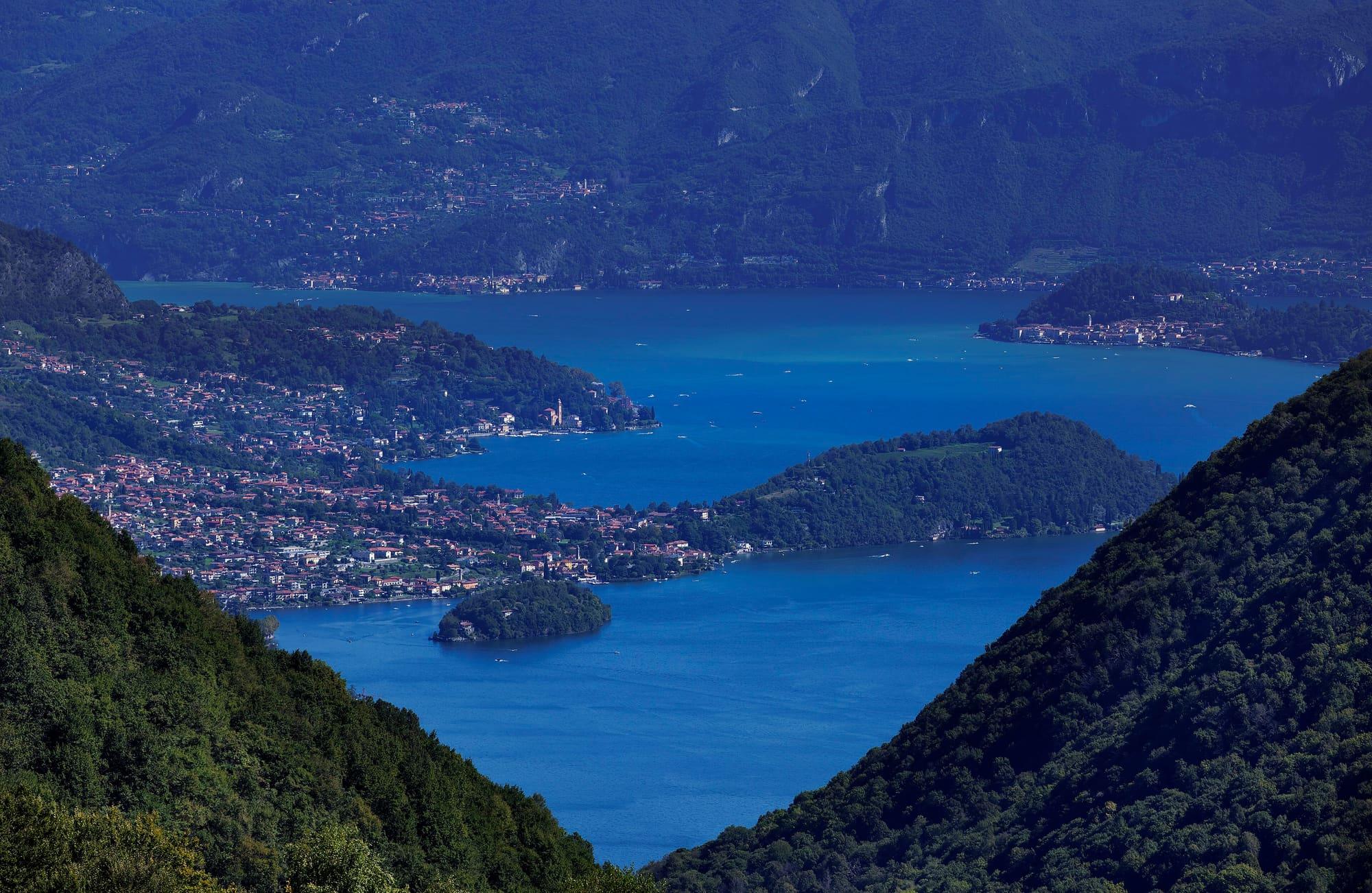
Four villages in a row on the lake's western shore, facing Bellagio.
3 min
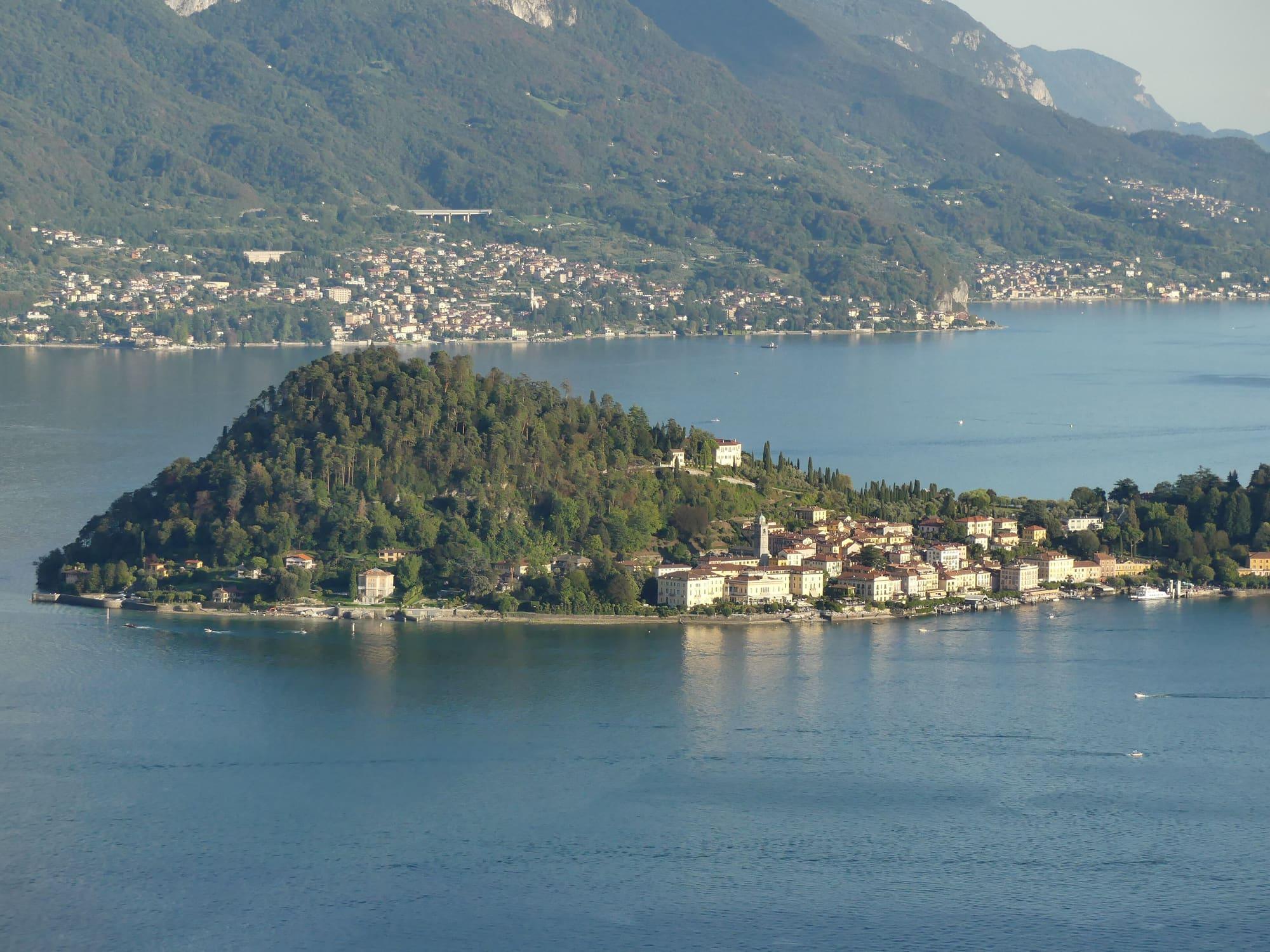
On the point that splits the lake in two, with staircases instead of streets. In winter the timetable thins out: fewer runs and a much earlier last departure.
10 min
In the middle of the lake, between the ferry, the Regina road and the bus to Lugano.
10 min