Stories from the lake
Lake timeline
Two thousand years of the lake in order of date: from the Roman road along the western shore to the first steamboat, from the fall of the Isola Comacina to the Olginate dam. Each date leads to the story that tells it and to the place where it happened.
- Dates
- 82
- Stories
- 27
- Periods
- 6
Only the dates from the story ‘The monks' lake'All dates
6dates
Middle Ages
6th century to 1449 · 4 dates
607–617
Agrippinus founds an oratory at Piona
Agrippinus, Bishop of Como, builds an oratory dedicated to Saint Justina the martyr on the Olgiasca peninsula and prepares his own tomb there. A stone pillar kept at Piona records it; a small community, probably of hermits, was most likely already living there.
Second half of the 8th century
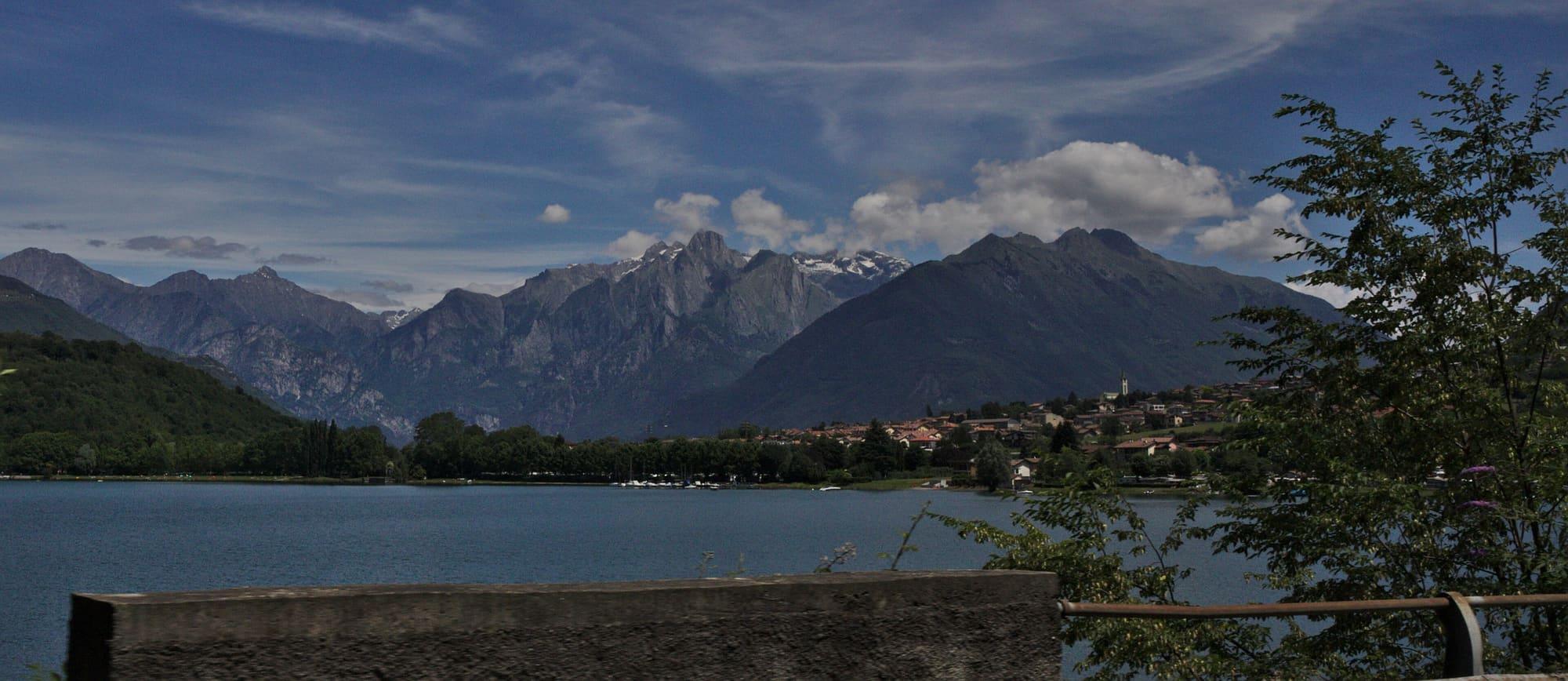
A monastery on the mountain above Civate
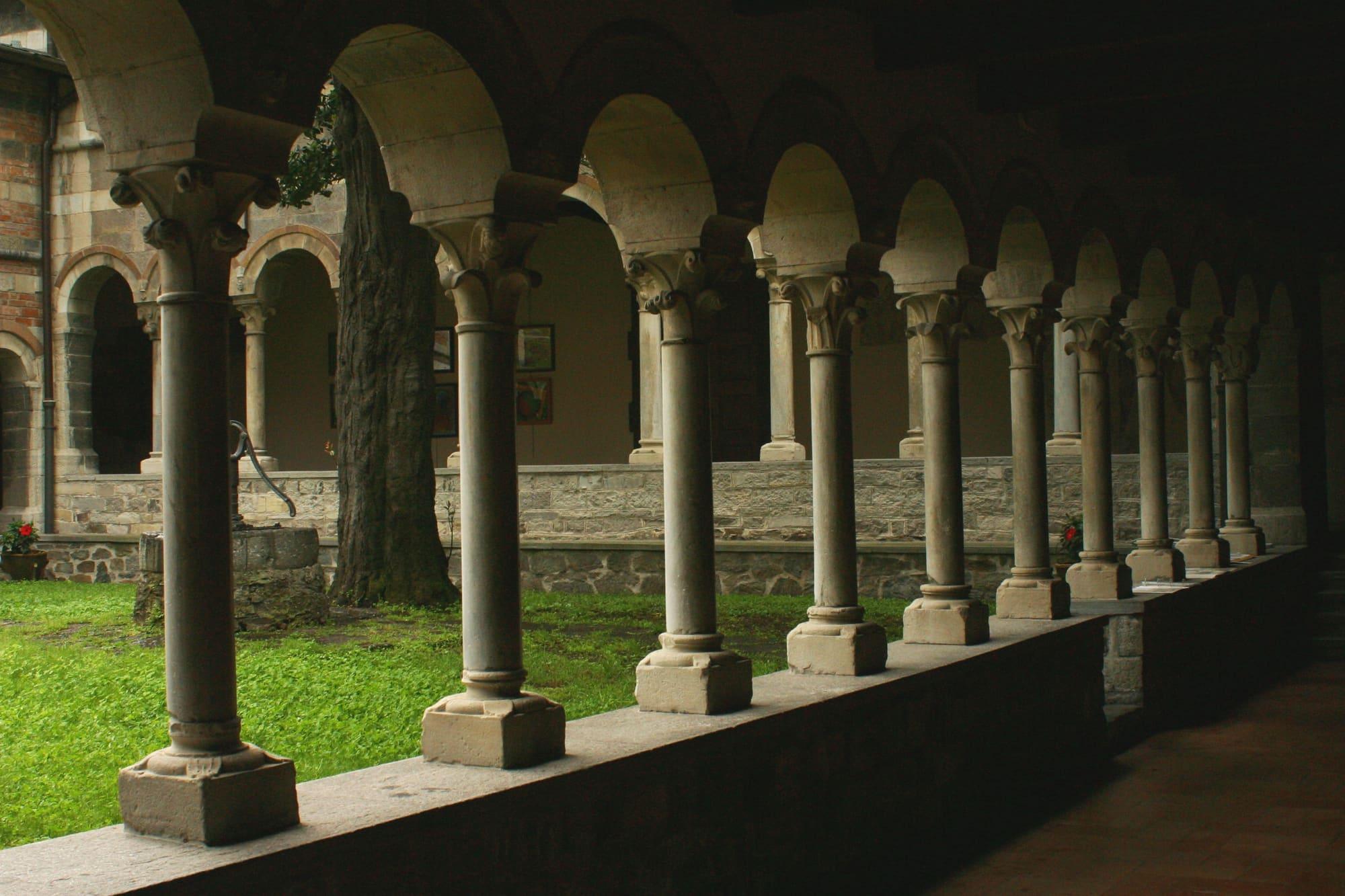
At the end of the Lombard kingdom a small monastery dedicated to Saints Peter and Paul is founded above Civate; legend credits King Desiderius with it. Between the 10th and the 11th century it becomes the Romanesque building of San Pietro al Monte, which can be reached only on foot.
Place: Basilica of San Pietro al MonteStory: The monks' lake
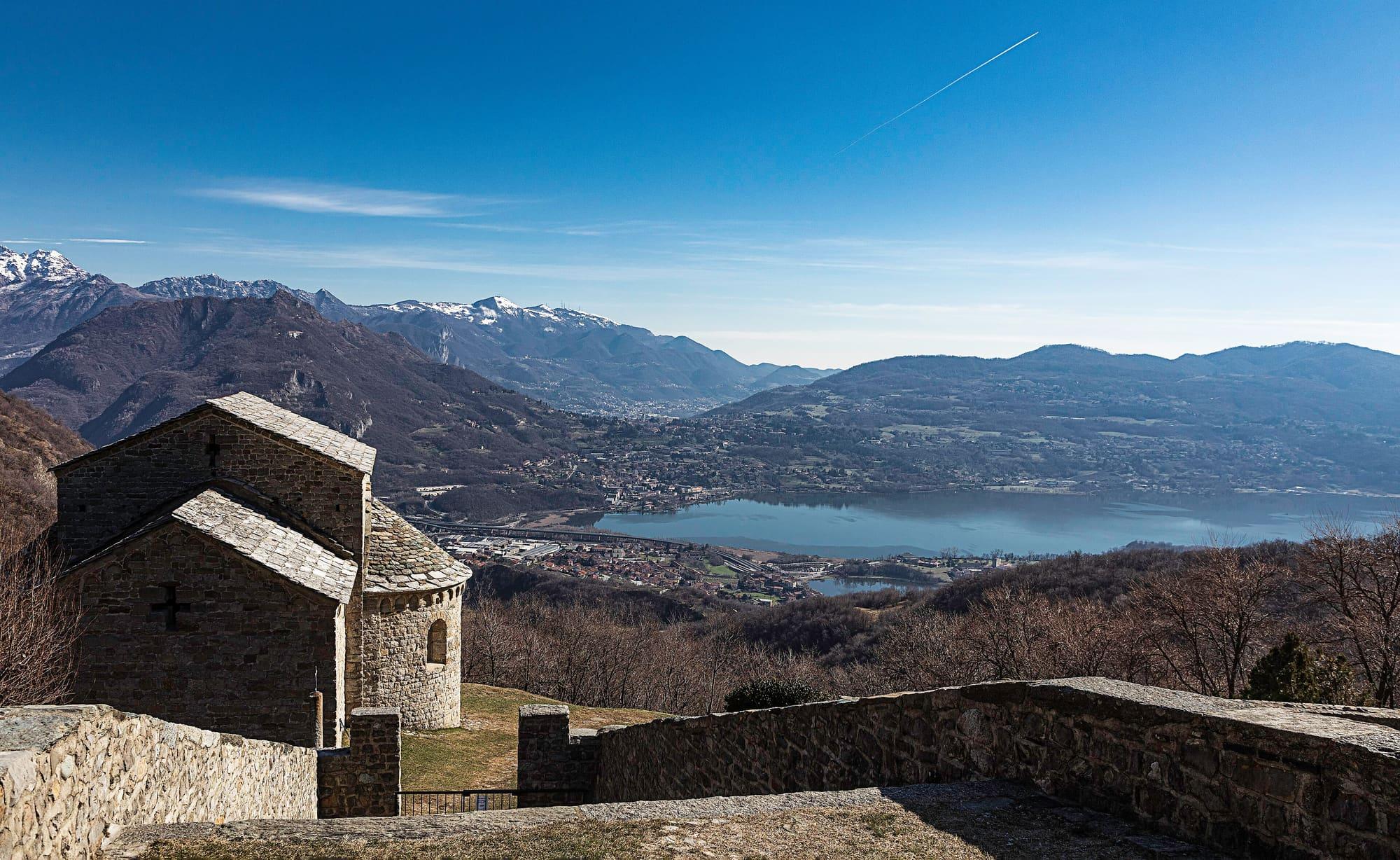
The first lands of the abbey of San Benedetto
Rainaldus, Bishop of Como, climbs into the Val Perlana to settle a quarrel between the men of Isola and those of Lenno over the church of San Benedetto. He obtains a gift of land and grazing rights: it is the oldest document of the abbey.
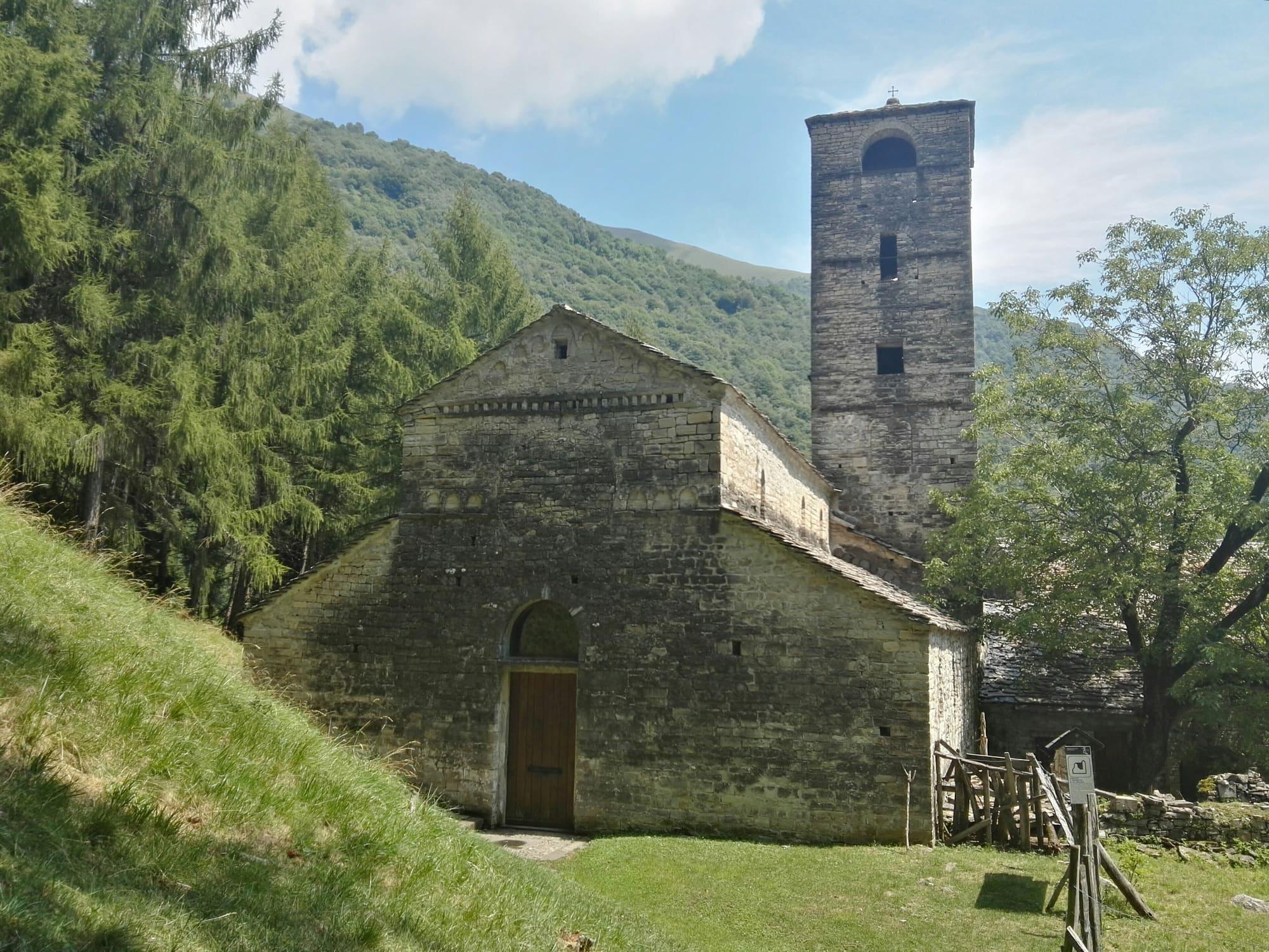
The Cistercians at Acquafredda
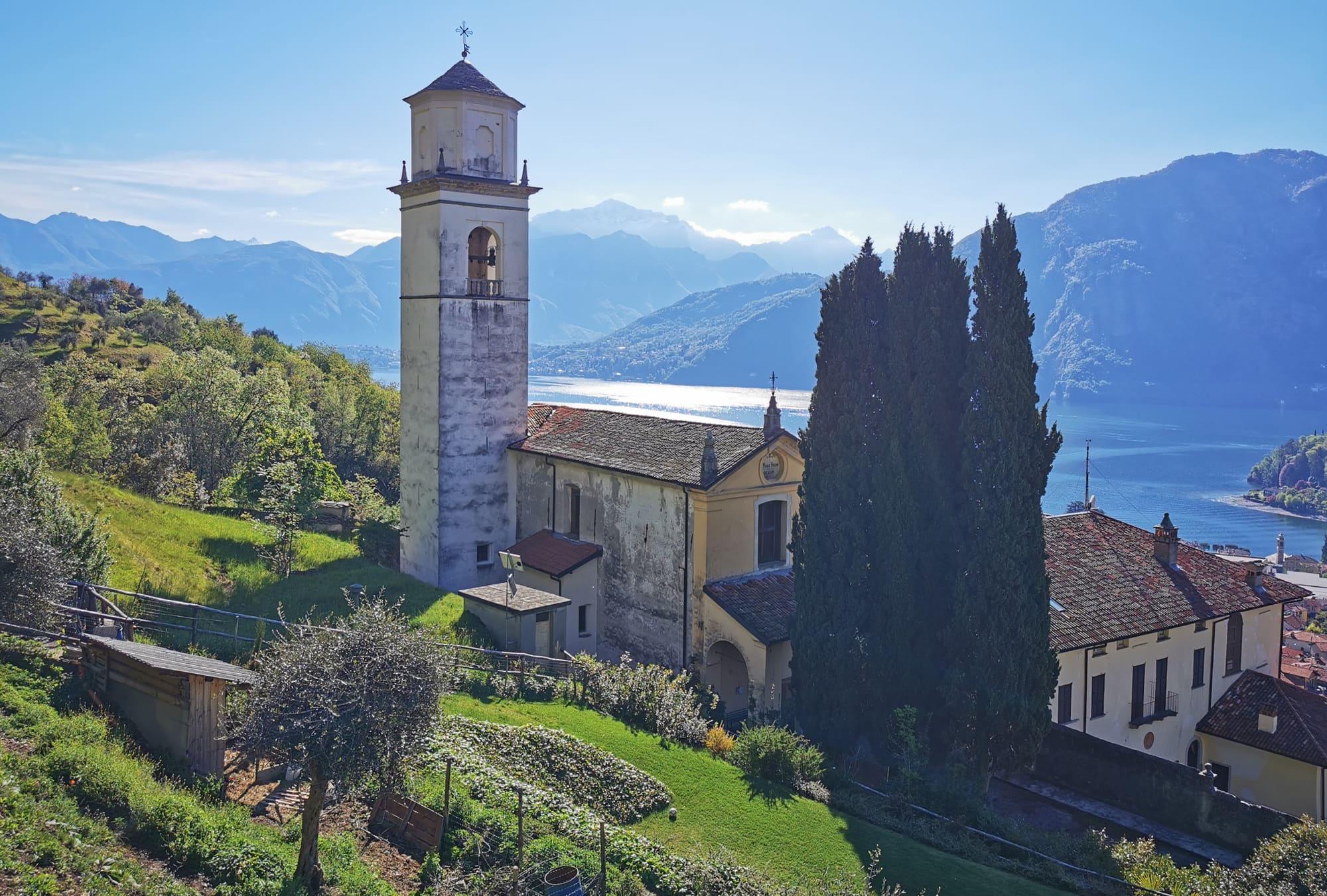
Azzo, known as Pellegrino, gives the Cistercians of Morimondo land above Lenno for a monastery to keep the relics of Saints Agrippinus and Domenica, brought from the Isola Comacina. The name, ‘cold water', comes from a nearby spring; the church of Santa Maria dell'Uliveto is consecrated in 1193.
Renaissance and foreign rule
1450–1699 · 1 date
The convent at Varenna becomes a house
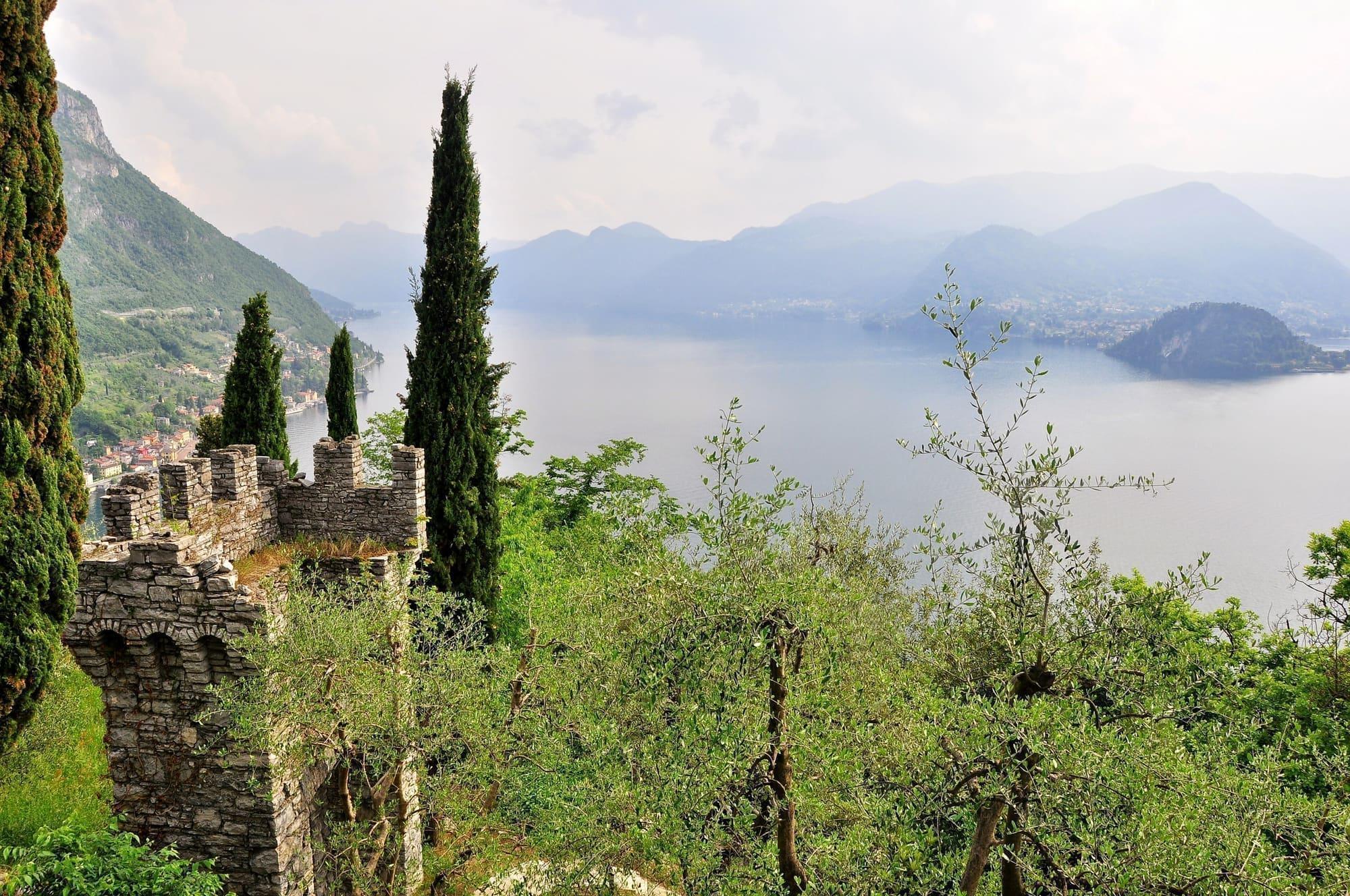
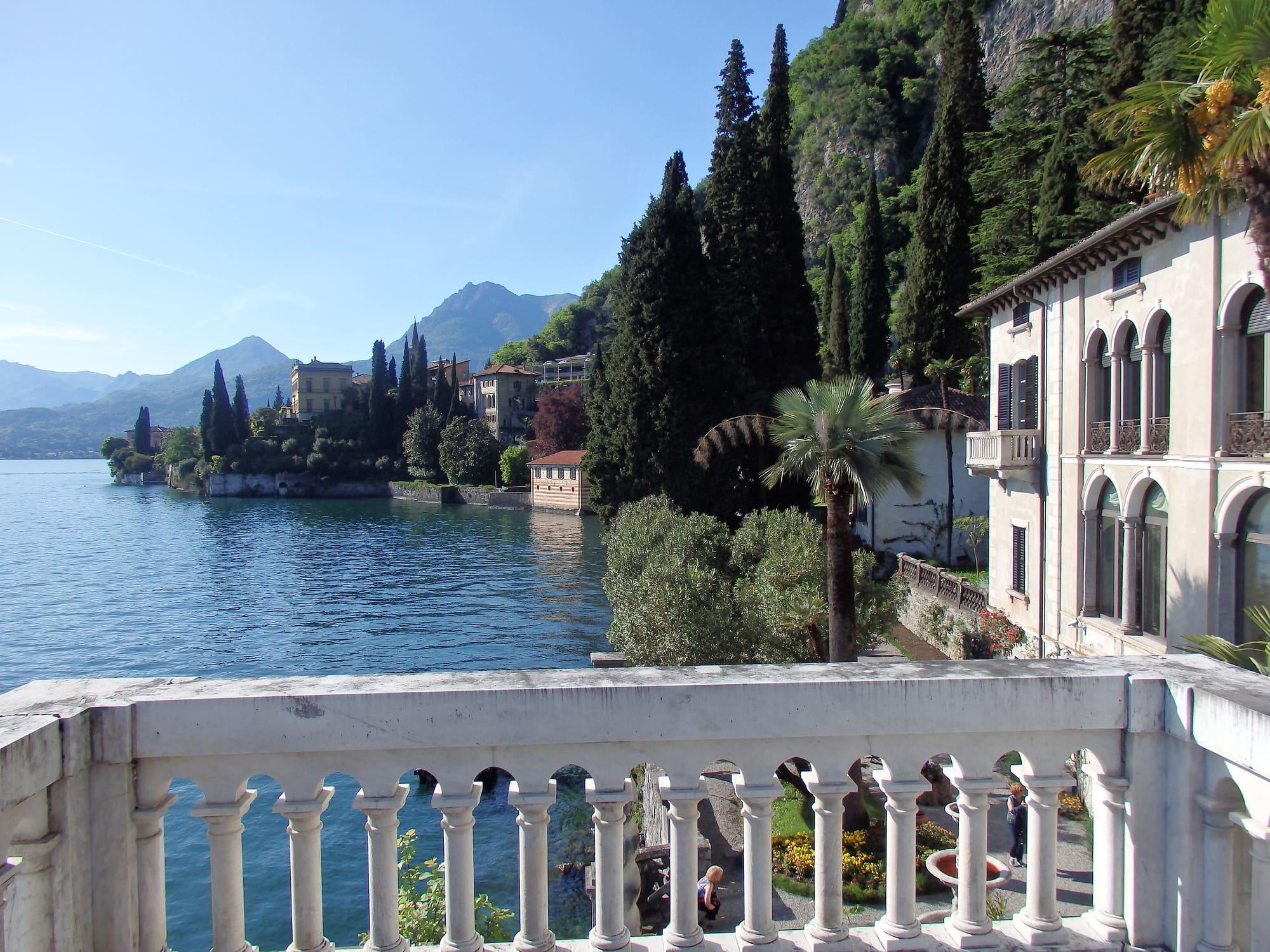
Carlo Borromeo, Archbishop of Milan, suppresses the Cistercian convent at Varenna, where too few nuns remain. In 1569 Paolo Mornico buys it and makes it a house: this is the origin of Villa Monastero.
Twentieth century
1900–1999 · 1 date
Monks return to Piona
After centuries of absentee abbots and private owners, a group of Cistercian monks arrives from Casamari and takes possession of the priory, which the businessman Pietro Rocca has given to their congregation. A community of monks has lived at Piona ever since.