Villa Beccaria, Sala Comacina
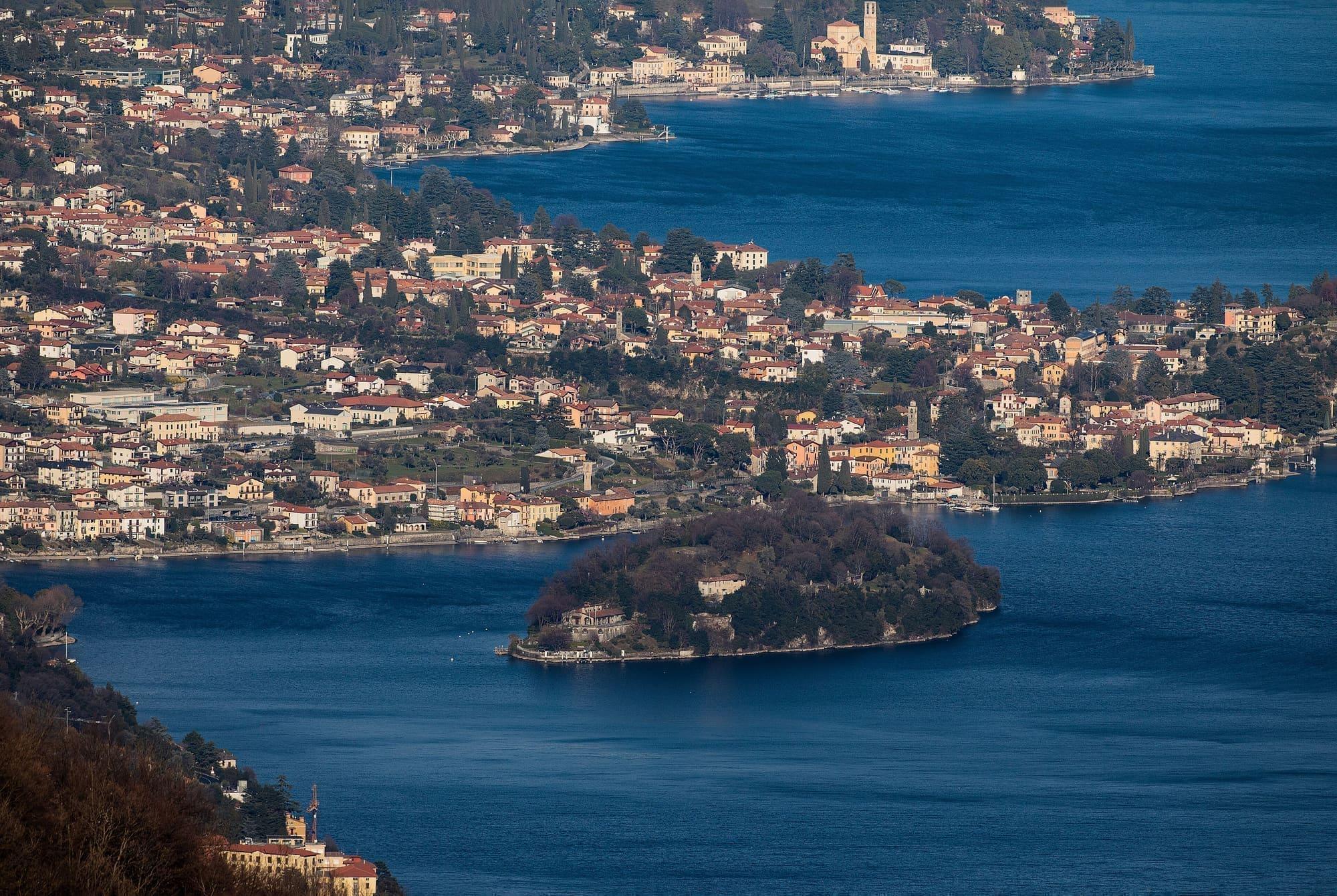
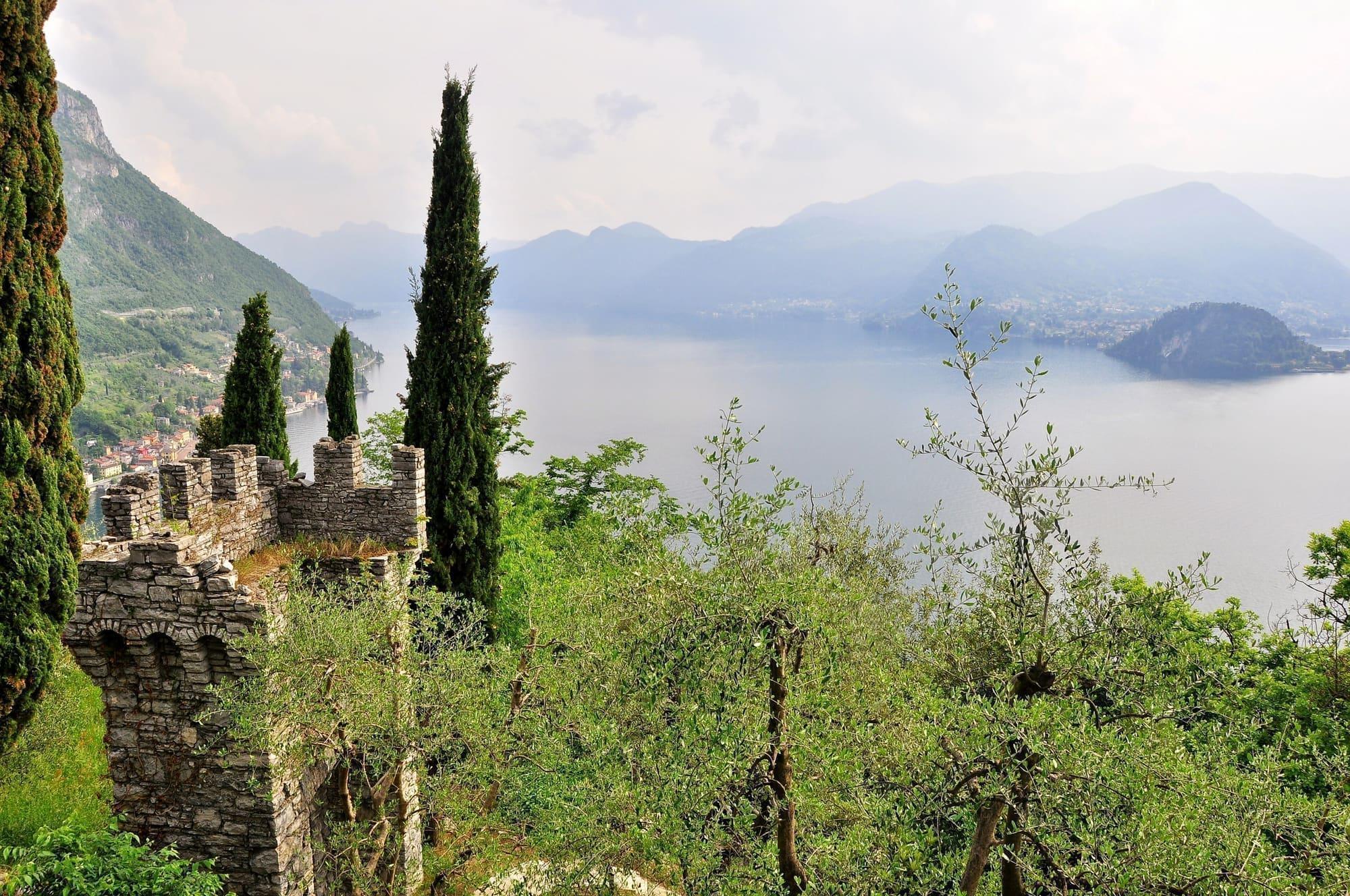
The private villa on the point facing Isola Comacina that belonged to Giulio Beccaria, son of Cesare and uncle of Manzoni, and where Emilio De Marchi wrote “Col fuoco non si scherza”.
5–15 min
Centro Lago
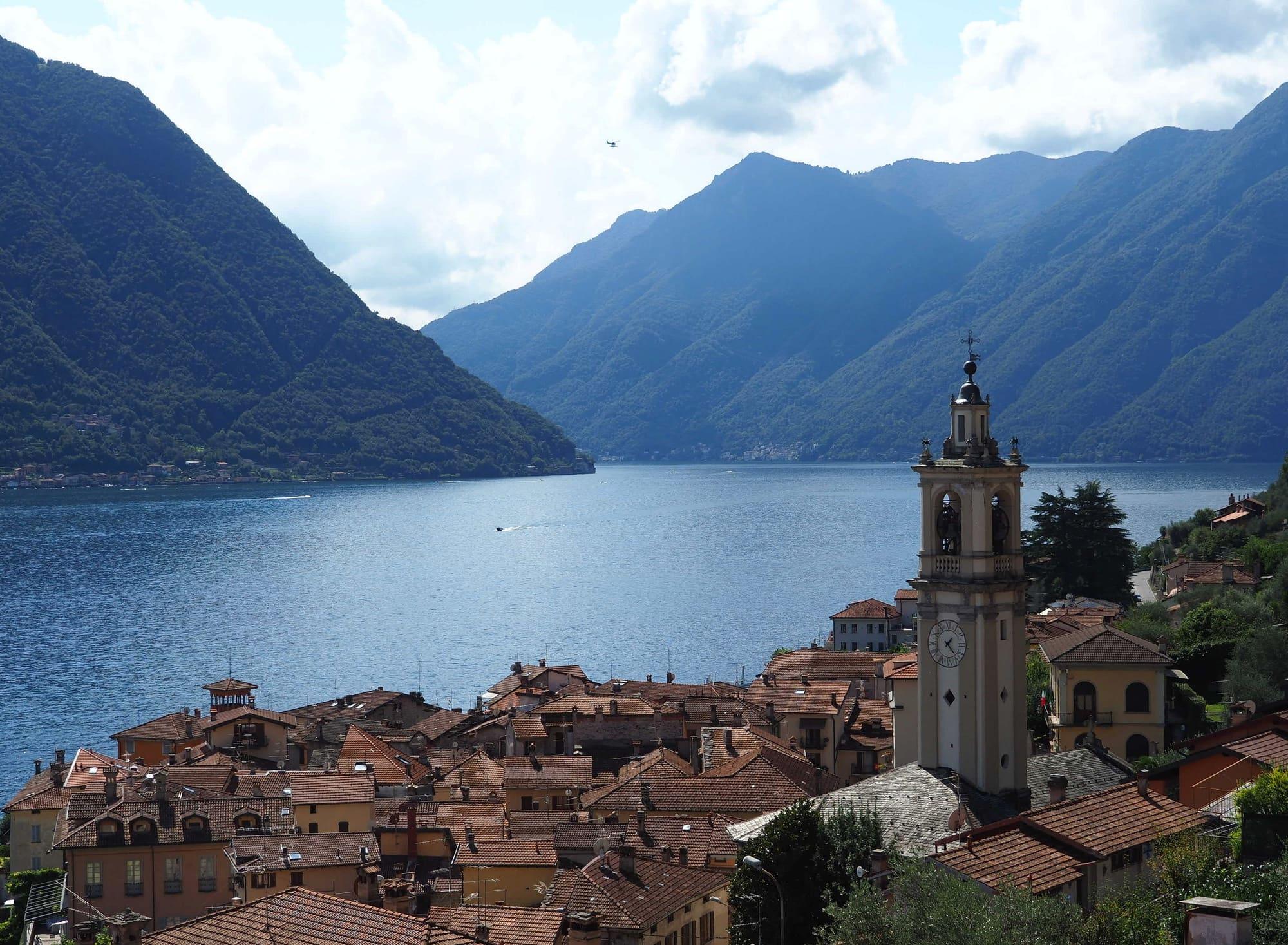
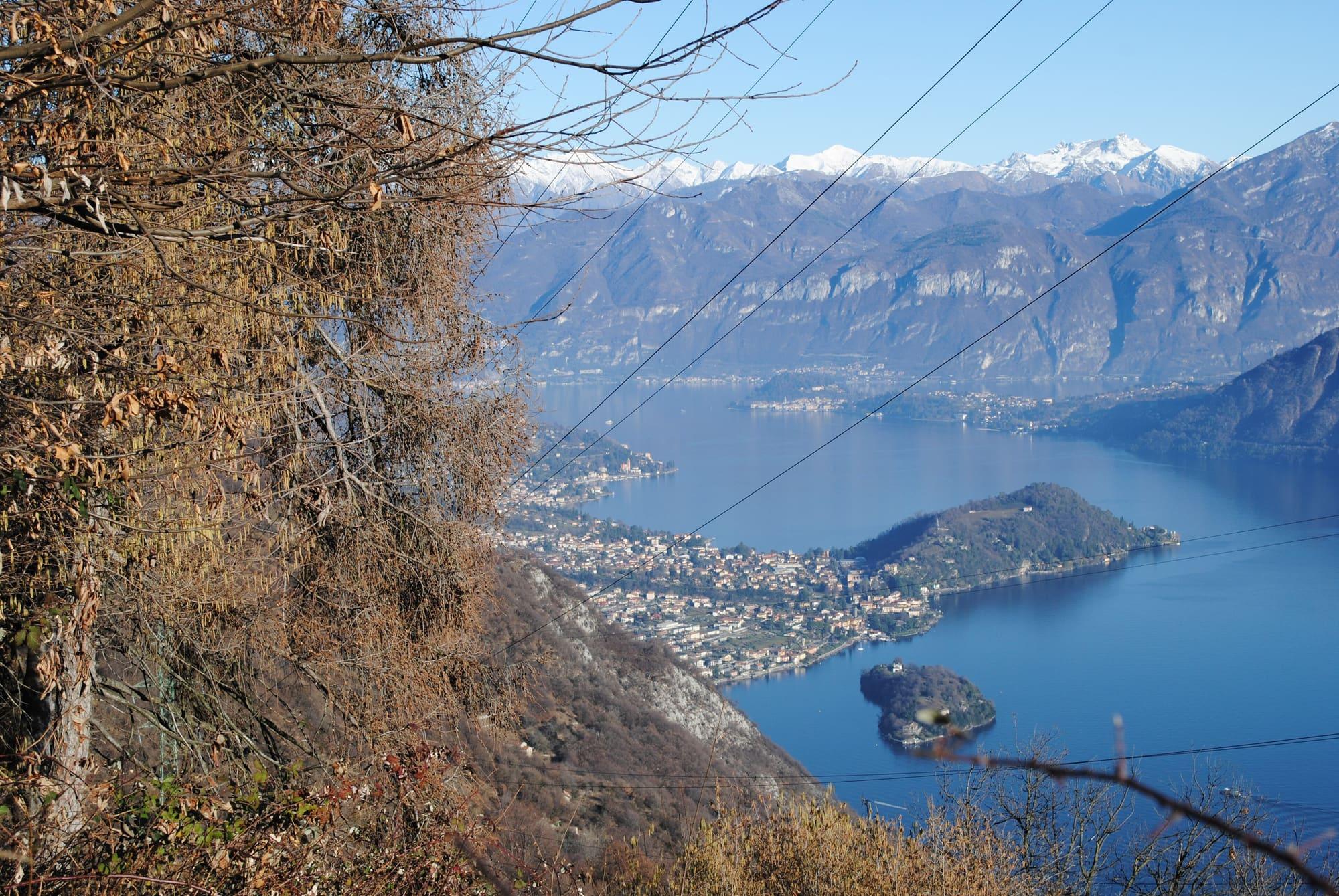
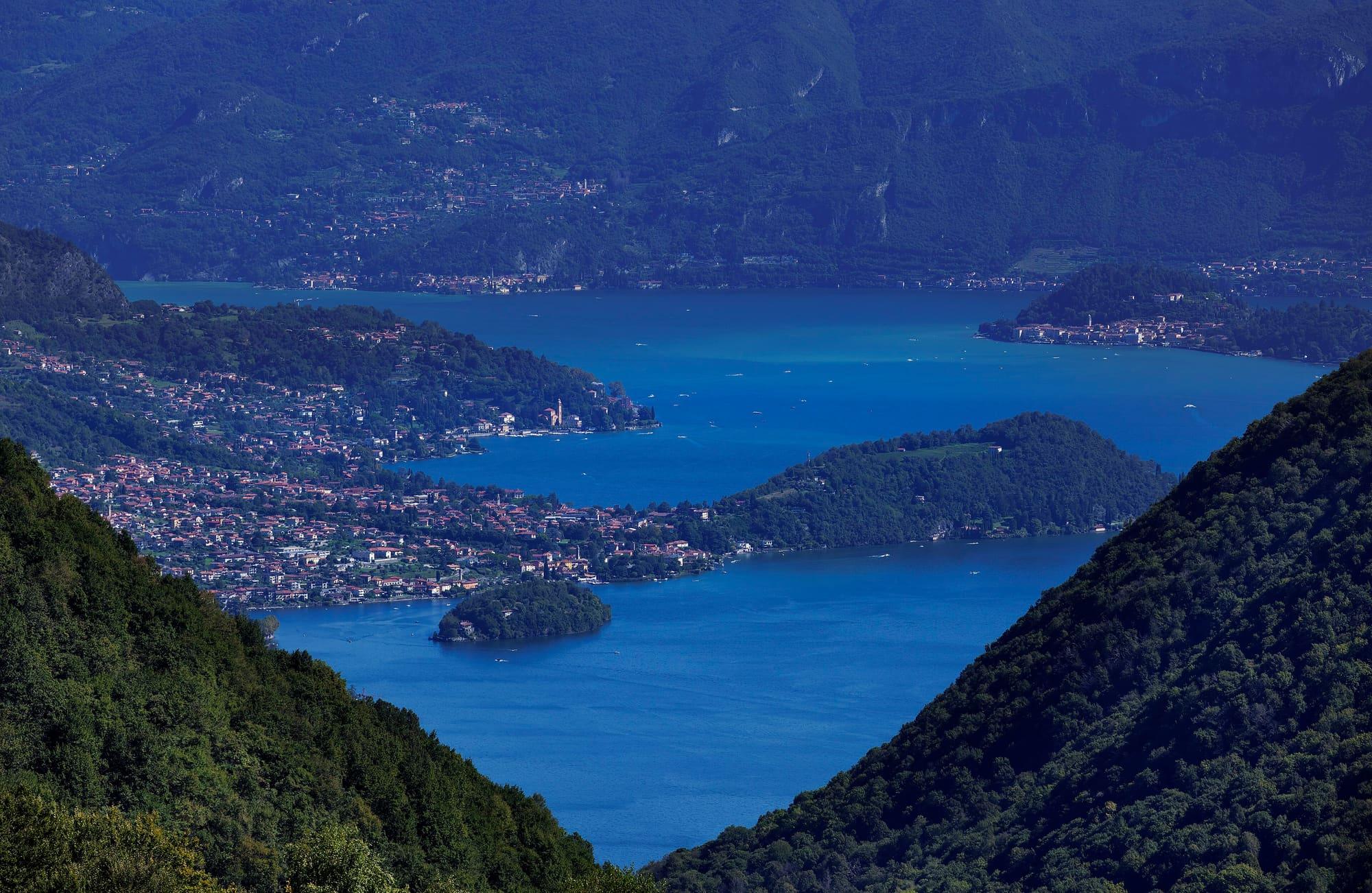
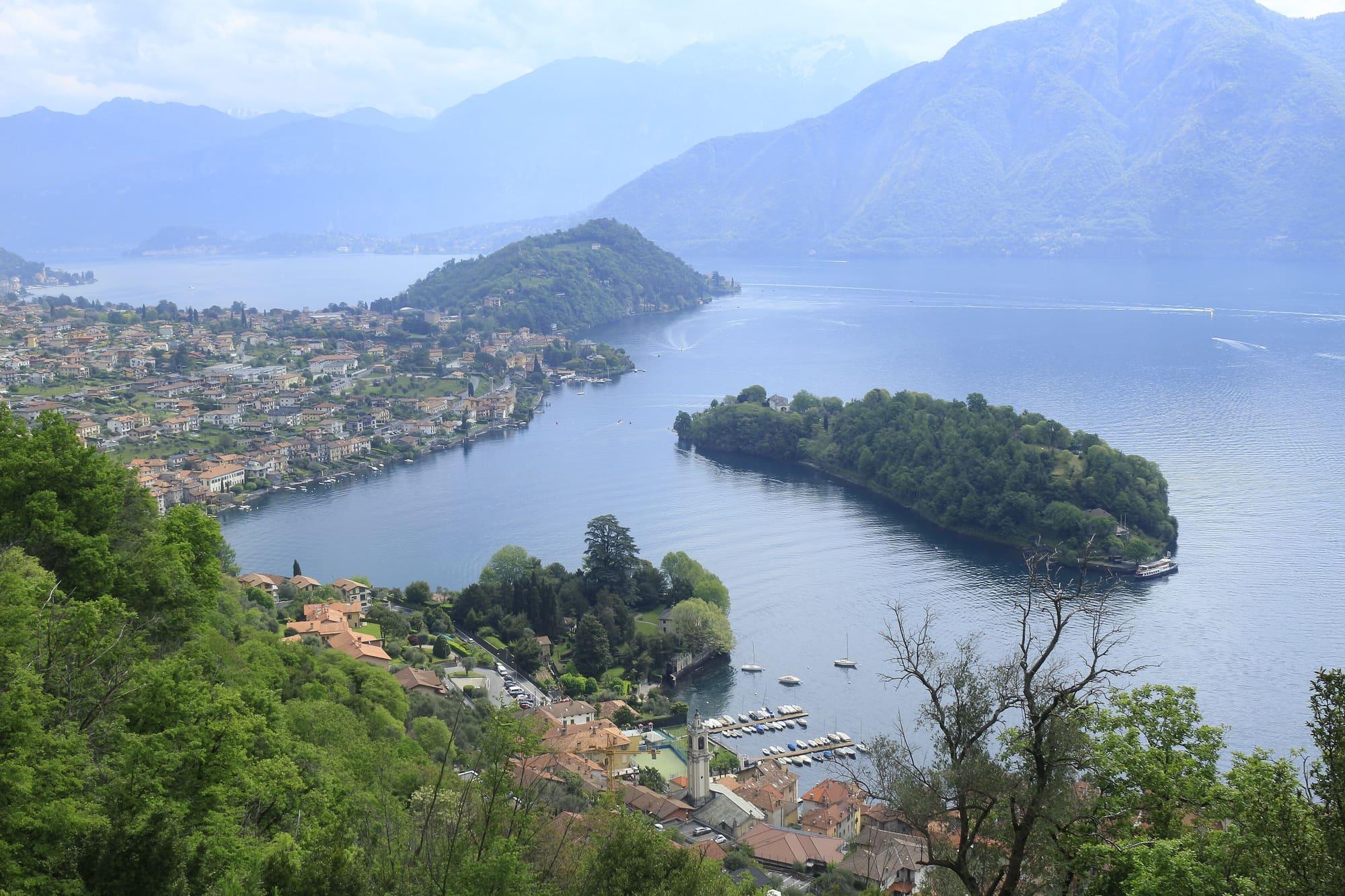
The village facing the Isola Comacina: the old fishing village below the parish church of San Bartolomeo, the Greenway running through it and the Beccaria villa on the point.
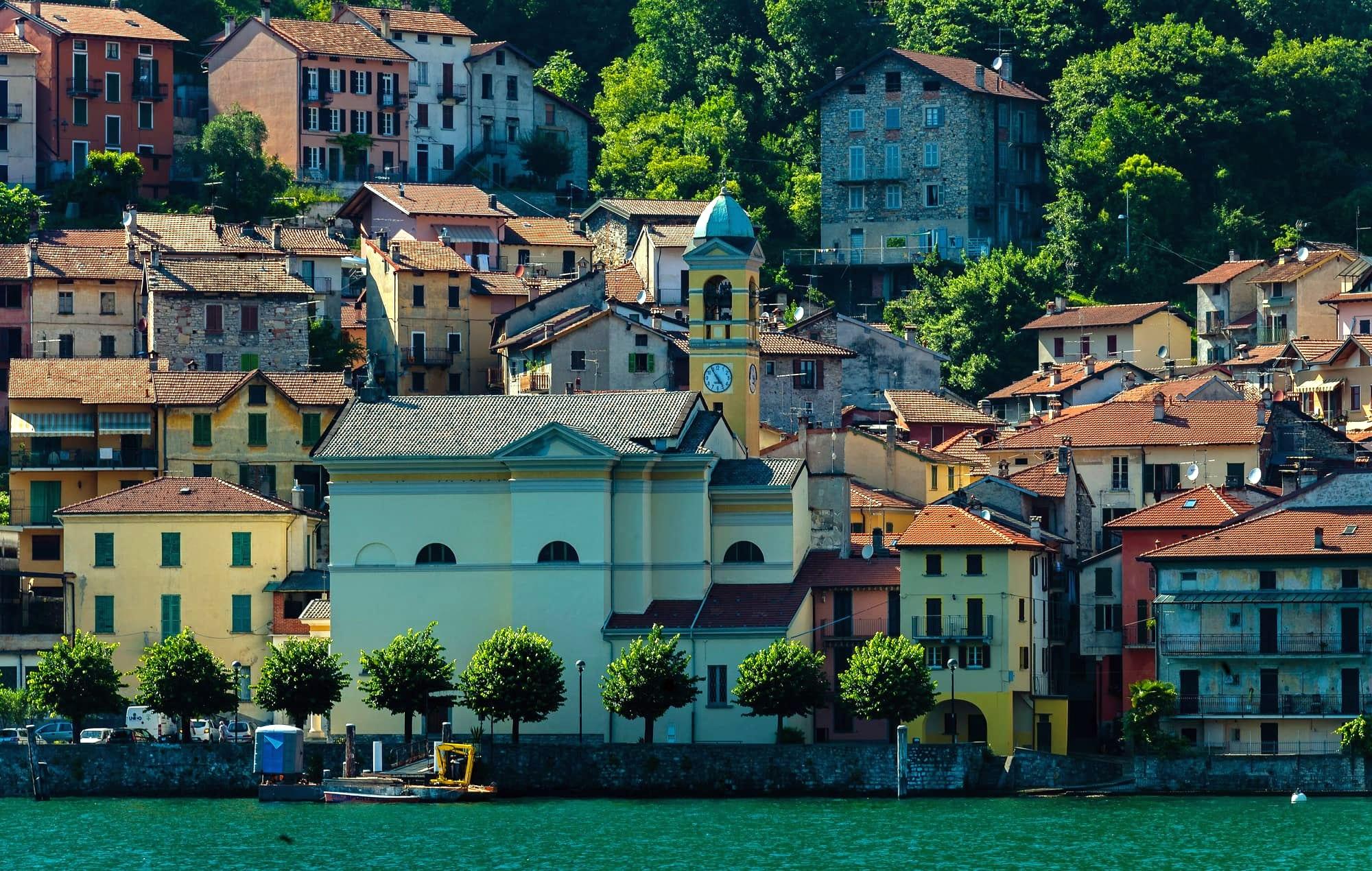
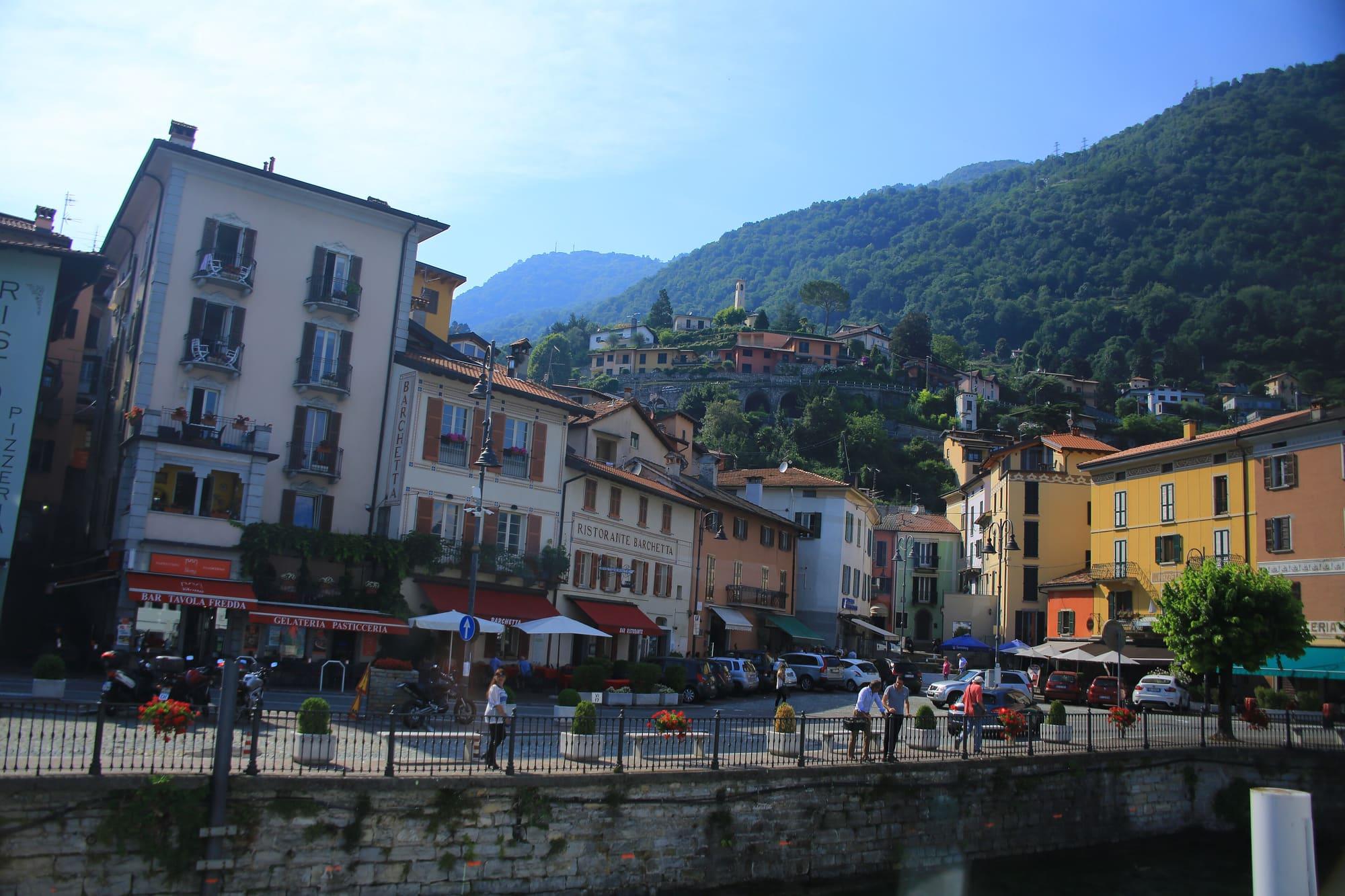
The old village of Sala Comacina lies down below the parish church of San Bartolomeo: steep stepped lanes, passages between low houses and remnants of old walls.
Some fifty fishermen's hearths once stood here, beside the ruins of a medieval stronghold pulled down in the wars between the islanders and Como. That is how Paolo Giovio saw it in the sixteenth century, with the Isola Comacina stretched out in front, showing sailors the corpse of an ancient city. The Via Regina then ran some fifty metres above today's road; it was the provincial road that drew Sala down and southwards, with villas and gardens. Today the main road and the lake's Greenway pass through it. There are three things to see: the parish church of San Bartolomeo, Villa Beccaria on the point facing the island, and the old frescoes on the village walls.
The parish church of San Bartolomeo already existed in the Middle Ages, but the parish became independent of the Isola's only in 1848. Its oldest traces are a fifteenth-century Crucifix in relief, set into the outside of the apse, and three frescoes lifted from the outer walls and now in the presbytery: a large fourteenth-century Saint Christopher, a second fresco close to the manner of the Second Master of Santa Margherita, and a Saint Anthony Abbot. The apse was rebuilt in 1703; inside, under a single nave, are Fiammenghino's altarpiece of the 1630s with a wooden choir of the same years, Carlo Carloni's Glory of Saint Bartholomew frescoed on the vault, the Baroque altar that tradition says don Bartolomeo Prestinari, born in Sala, gave in 1670, and an organ by Giovanni Franzetti of 1874.
Below the church begins the old village, all steep lanes and passages between the houses down to the shore. On the village walls are two frescoed Madonnas, one in Piazza Matteotti and one in Via Prestinari, and in Via Attilio Salice a Romanesque house with a small wooden balcony and arched windows of hand-worked stone. When the gas main was dug, the square in front of the parish church gave up mass graves from the plague of the seventeenth century, the one in Manzoni's The Betrothed.
The Isola Comacina lies in front of the village but belongs to the comune of Tremezzina, which runs it as an archaeological park. There are two ways to reach it: Navigazione Laghi's boats, which call at the island's pier a few minutes after Sala's, or a private taxi boat.
On the point formed by the Premonte stream, called “la Puncia” in dialect, stands Villa Beccaria, known today as Villa Rachele. Marquis Giulio Beccaria, son of Cesare and uncle of Alessandro Manzoni, lived here and died here in 1858; after him came Cesare Cantù and his daughter Rachele, with the literary circle called the Accademia dei Pedanti, and Emilio De Marchi set most of his 1901 novel “Col fuoco non si scherza” here. In the park, along the cypress avenue, stands the small funerary temple of the Beccaria couple. The villa is private and is seen from the lake.
Roman tombs have come to light at Sala: in 1857 at the Colombera and in 1905 during the building of the Regina road between Argegno and Sala. At the time of the Ten Years' War between Como and Milan, from 1118 to 1127, the village had a fortification that was part of the Isola Comacina's defences. The island sided with Milan, and in 1169 the people of Como destroyed it.
Como's statutes of 1335 place Sala in the pieve of Isola and charge the communities of Sala and Colonno with the upkeep of the Via Regina between the bridge at Colonno and the Premonte valley. In the first half of the sixteenth century the two villages still formed a single comune.
On 26 May 1640 King Philip IV of Spain granted Sala as a fief, with the whole pieve of Isola, to Marco Gallio, an abbot from Como. In 1686 Marquis Giacomo Gallio died without heirs, and the fief returned to the State. In 1751 the village had 430 inhabitants and paid a redemption sum every fifteen years.
In 1807 a Napoleonic decree joined the municipalities of Colonno and Ossuccio to Sala. The village was called simply Sala until 1863, when it took the name Sala Comacina. From 1928 to 1950 Sala, Colonno and Ossuccio were again a single comune, called Isola Comacina. The coat of arms was granted in 1962. The red castle recalls the medieval one, the two swords the struggles between Milan and Como to hold it, and the green mitre the lands of the Bishop of Como.
From Colonno the lake's Greenway follows a stretch of the old Via Regina along the hillside, between terraces and small olive groves. After about 35 minutes it enters Sala at the chapel of San Rocco, where a stairway leads down to the old village and the small harbour, about 300 metres away.
From San Rocco the Greenway leaves the tarmac road and climbs to the left, with views of the lake and the Isola Comacina. After the bridge over the Premonte valley it enters Ossuccio and drops to the hamlet of Spurano, to the Romanesque church of Santi Giacomo e Filippo. It then carries on through Lenno, Mezzegra and Tremezzo to Griante, beyond Cadenabbia, about 11 kilometres from Colonno.
How long it takes
Typical door-to-door times by public transport, changes included. From Milan, counted from Centrale station.
Updated 27 October 2026
On ASF Autolinee's C110 bus, on the Como–Argegno–Menaggio line: it stops in the village at Gensana and at San Rocco, about forty minutes from Como bus station. Navigazione Laghi's Como–Colico line boats call at the village pier. On foot, the Greenway comes in from Colonno and carries on towards Ossuccio and Lenno.
By boat, on Navigazione Laghi services calling at the Isola Comacina pier or by water taxi. The archaeological park requires an entrance ticket, sold at the Antiquarium in Ossuccio or at the ticket machine on the island, by card only.
The mountains around the village hide the sun before astronomical sunset: sunrise and sunset are worked out on the village's own horizon.
Today, 1 November, estimated sunlight at the reference point: first at 08:04 and last at 15:54, giving 7 h 51 of direct sun, out of 10 h 06 of daylight.
Today the sun arrives between 07:54 and 08:10 and leaves between 15:47 and 16:07, depending on the street.
Watch the shadow reach Sala Comacina today
See from Sala Comacina where the sun goes, in 3D
The sun at an exact spot in Sala Comacina: your hotel, a beach, a street
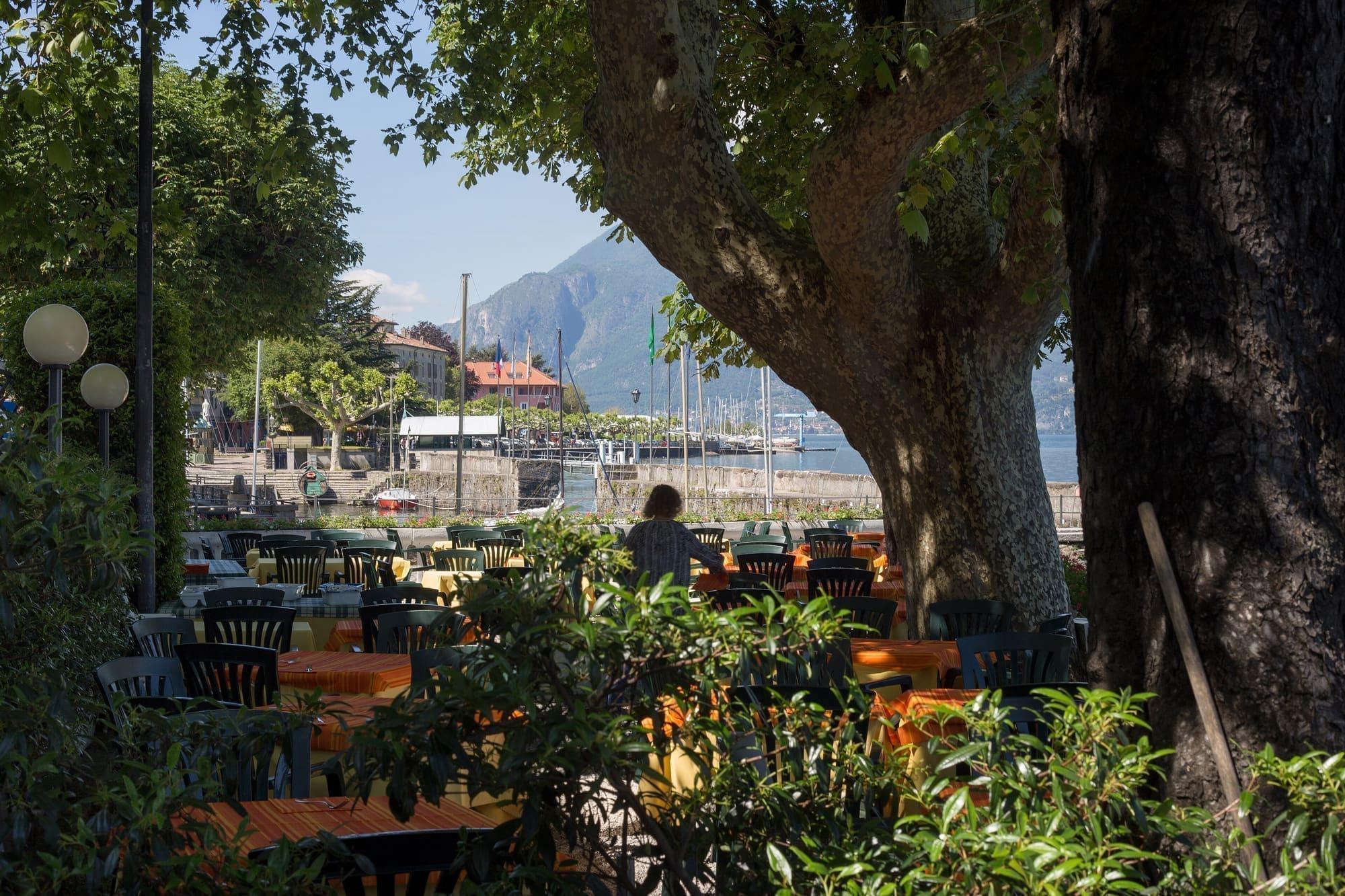
Places near the shore with outdoor seating, with today's estimated first and last sun at the marked point. Those with the latest sun come first. Clouds and shade from buildings, trees or awnings can change the light on the tables; check opening hours with the venue.
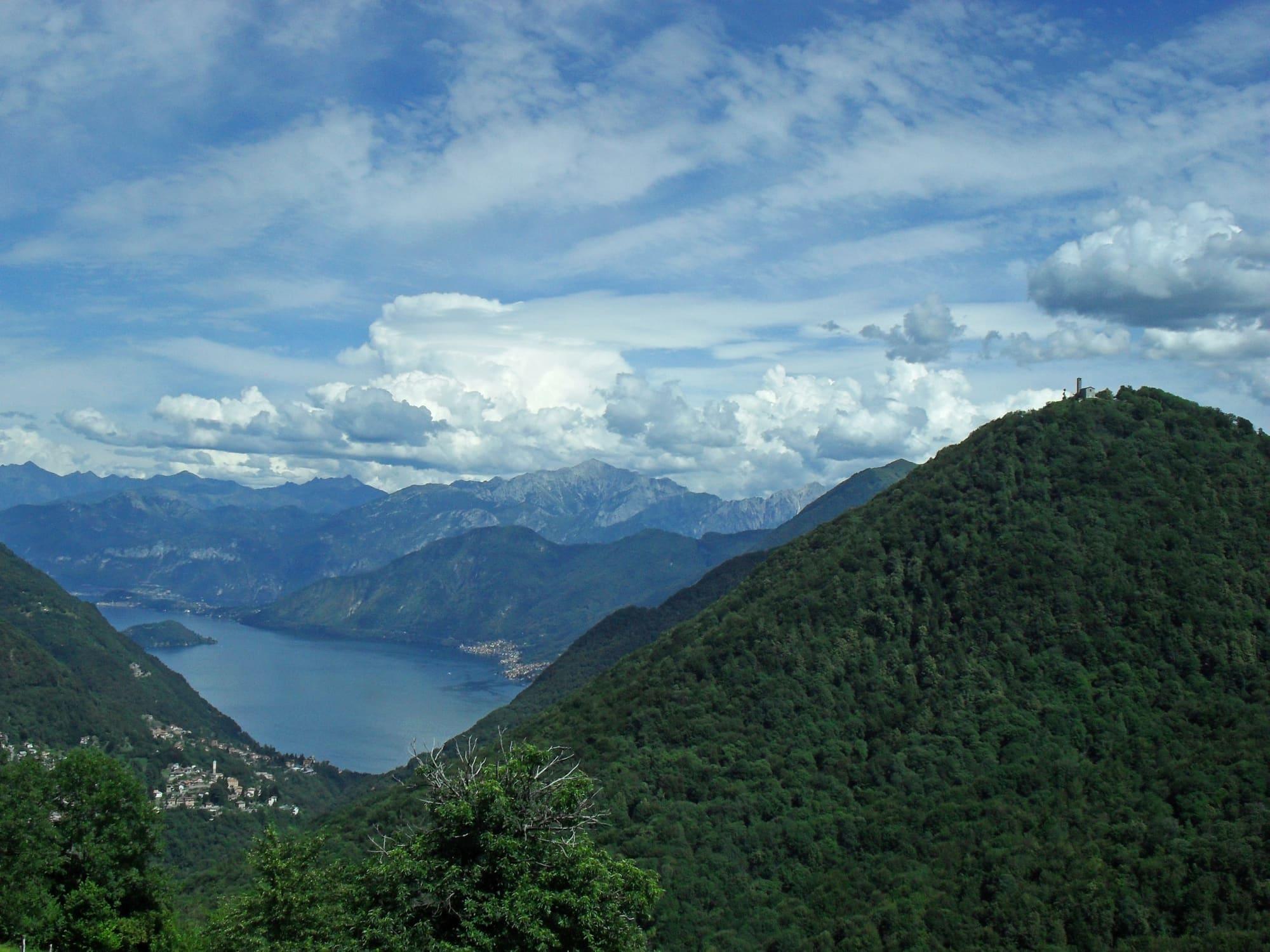
The highest summit in view from here is Monte Legnone, 2609 m, 24 kilometres away.
The ochre line follows today's sun path and marks the estimated times of its first and last appearance above the mountains. Drag the panorama to see all of it.
Official bathing sites nearby, with their water quality classifications.
Higher up than today: it ran some fifty metres above the present road and split at the little chapel of San Rocco: one branch went on towards Spurano and Ospedaletto, the other came down to Sala along a stream. At the entrance to the village stood the remains of an old stronghold, of which some arches and stretches of wall can still be seen under the houses that used them as foundations. The lake's Greenway follows stretches of the old Regina.
What is around, and how far.
© OpenStreetMap contributors · ODbL
Typical door-to-door times.