25Jul 2027
The Triangle
Magreglio
The Ghisallo village: the chapel and the bicycle museum are here.
- Ideal for
- Cycling, sporting history, views over the Triangolo
- Time needed
- Two hours including the museum; half a day if you ride up
- Best season
- April–October; the Giro di Lombardia comes through in October
- What to see
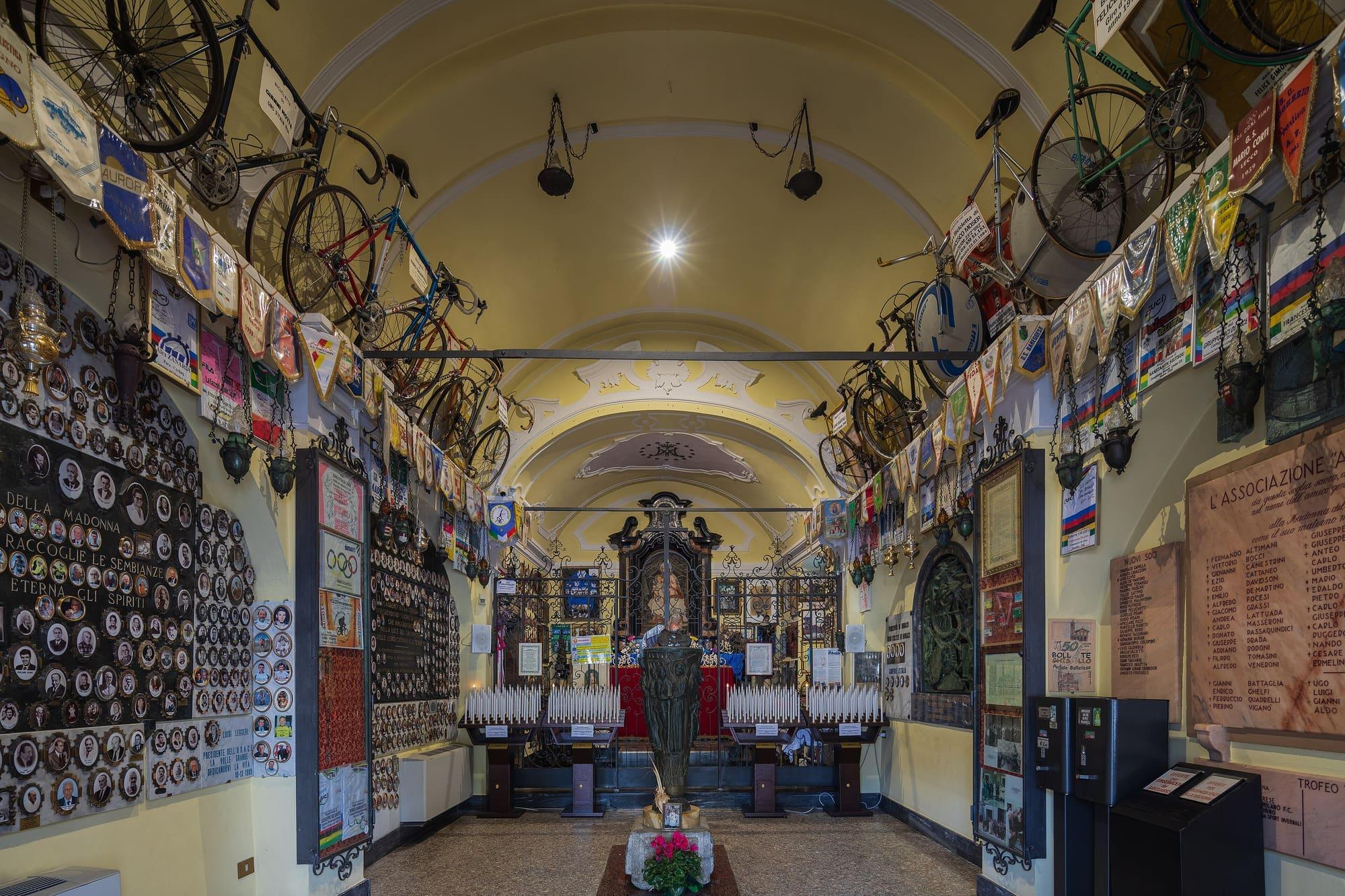
- The bicycles hanging inside the chapel
- Best reached by
- By bike from Bellagio; C136 Bellagio–Civenna–Asso bus; car
- Zairon · CC BY-SA 4.0
- Zairon · CC BY-SA 4.0
The place
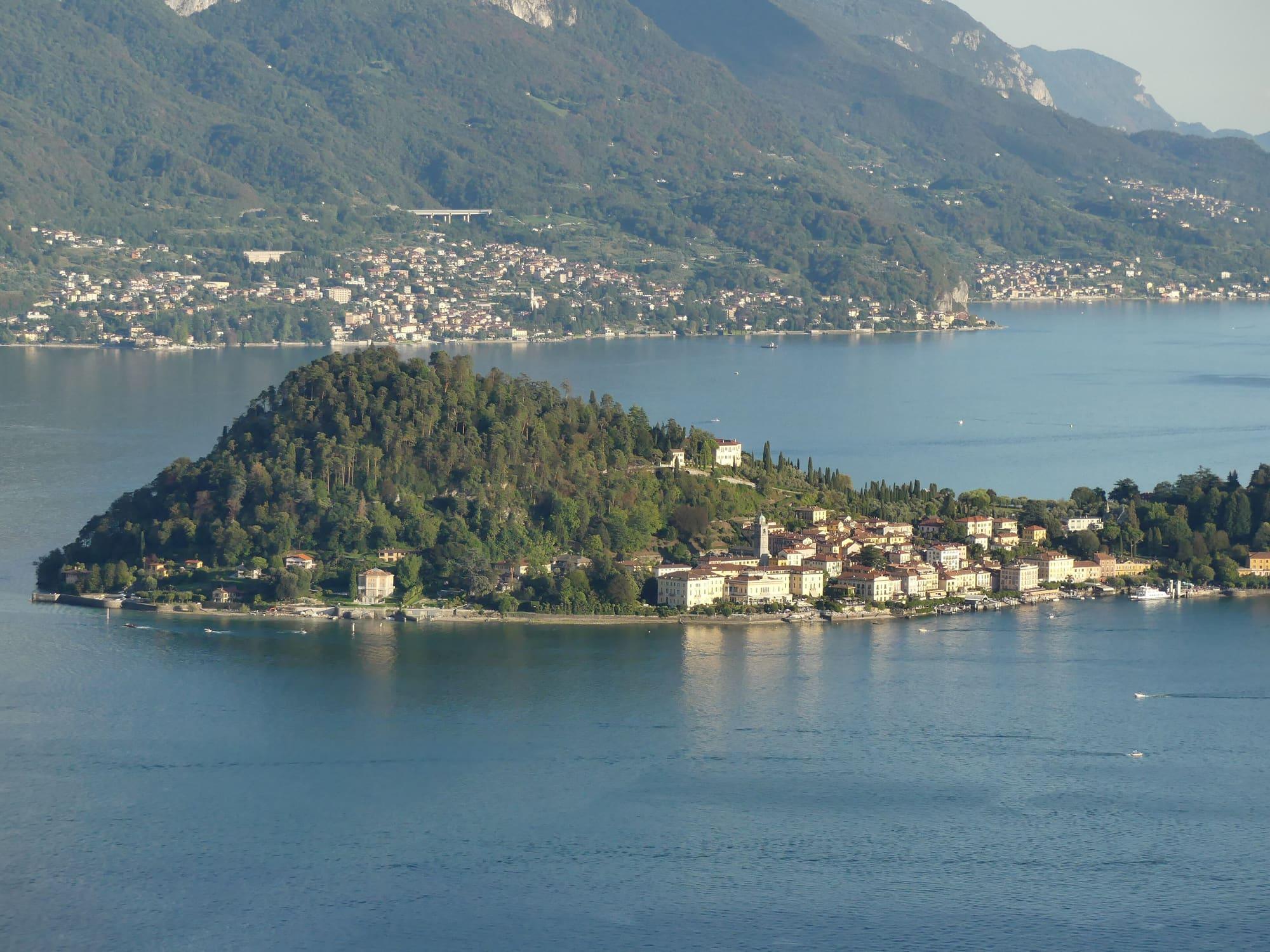
The Ghisallo pass, at 754 metres, is in the comune of Magreglio. From Bellagio's square the climb is about ten kilometres and five hundred and fifty metres of ascent, with ramps around 14%.
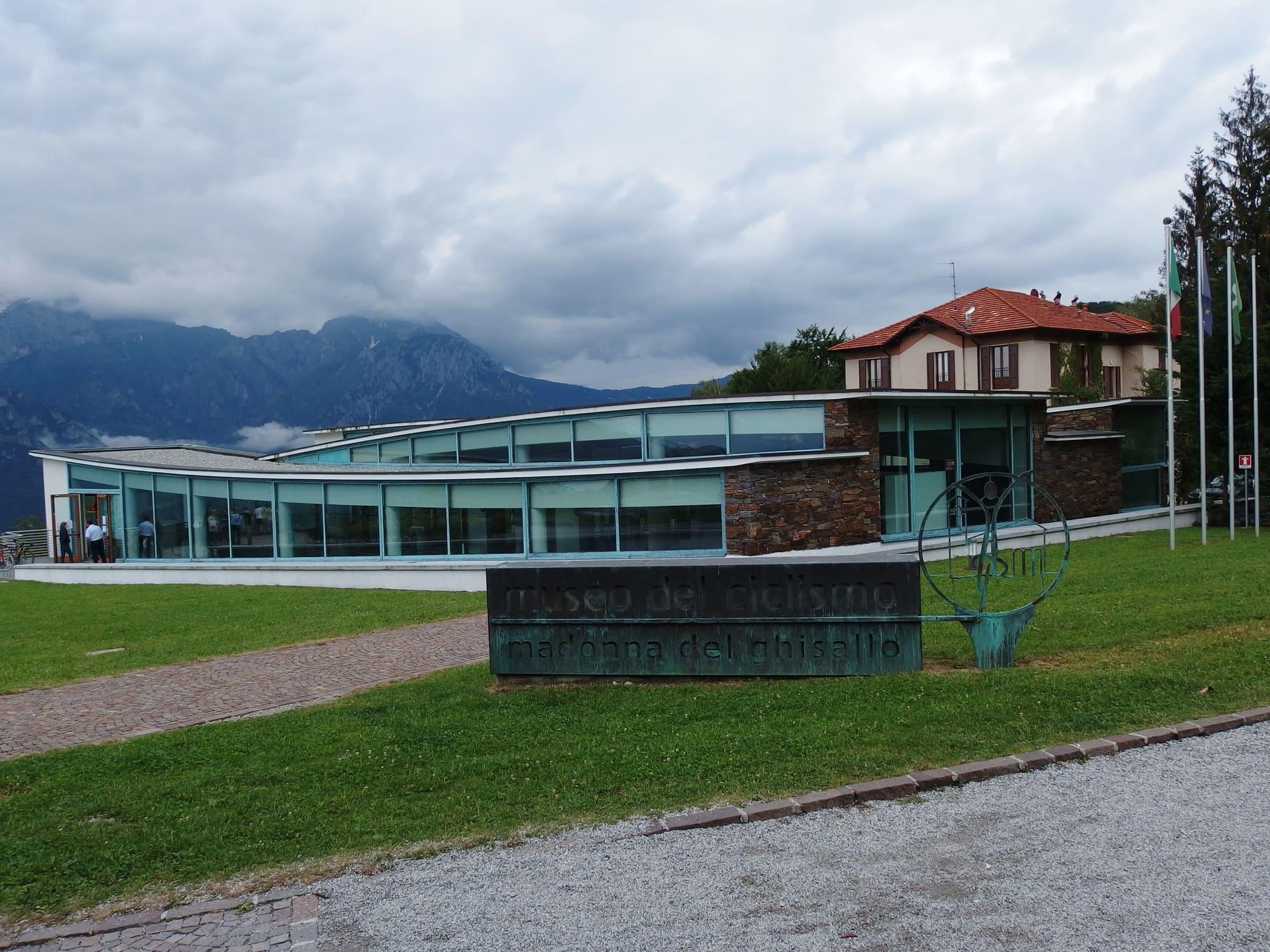
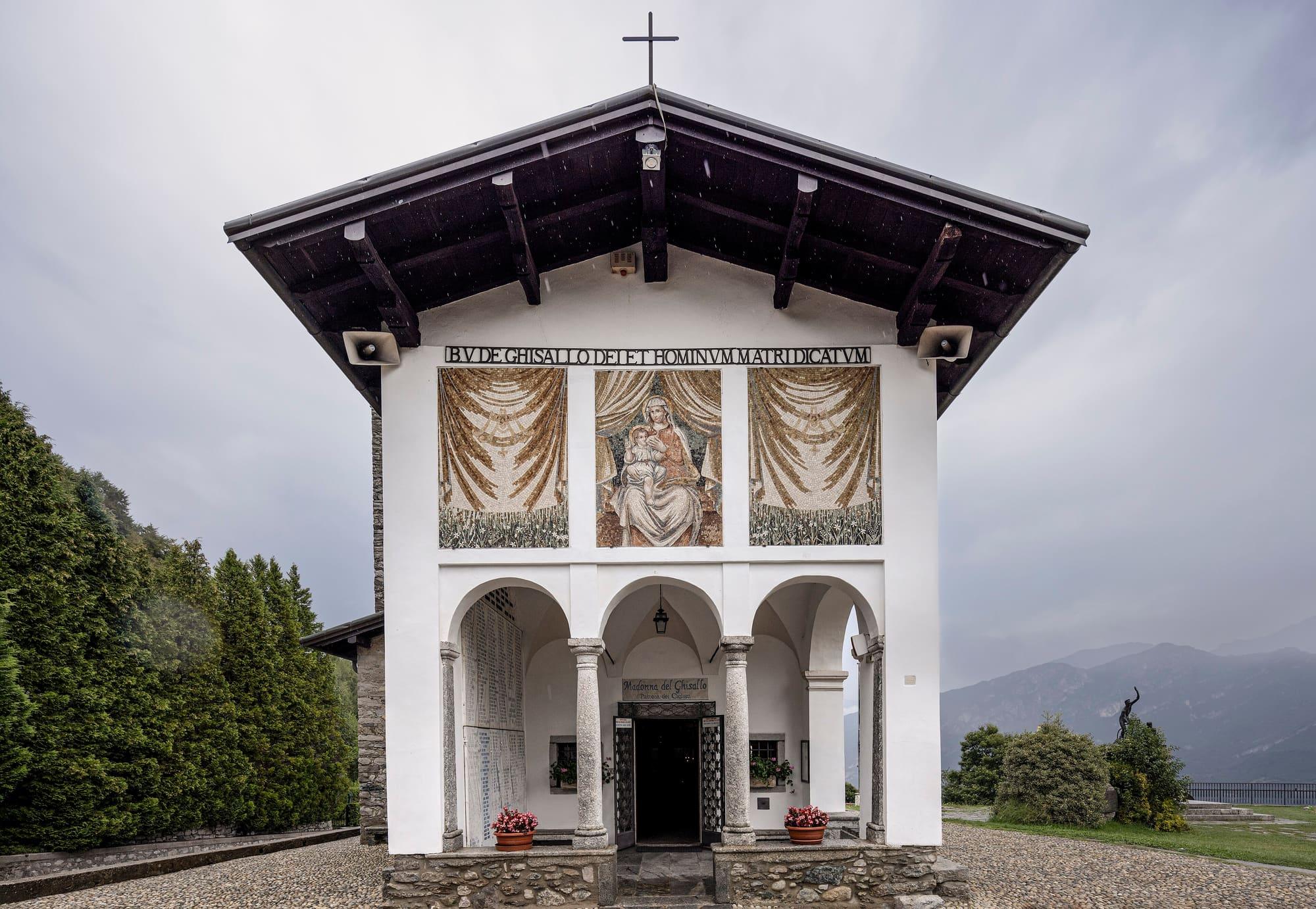
At the top stands the sanctuary of the Madonna del Ghisallo, whom Pius XII proclaimed patron of cyclists in 1949: bicycles and jerseys left by champions hang inside, and the Cycling Museum stands next to it.
The Ghisallo pass, at 754 metres, is in the comune of Magreglio. From Bellagio's square the climb is about ten kilometres and five hundred and fifty metres of ascent, with ramps around 14%.
Read on
At the top stands the sanctuary of the Madonna del Ghisallo, whom Pius XII proclaimed patron of cyclists in 1949: bicycles and jerseys left by champions hang inside, and the Cycling Museum stands next to it.
The cyclists' sanctuary
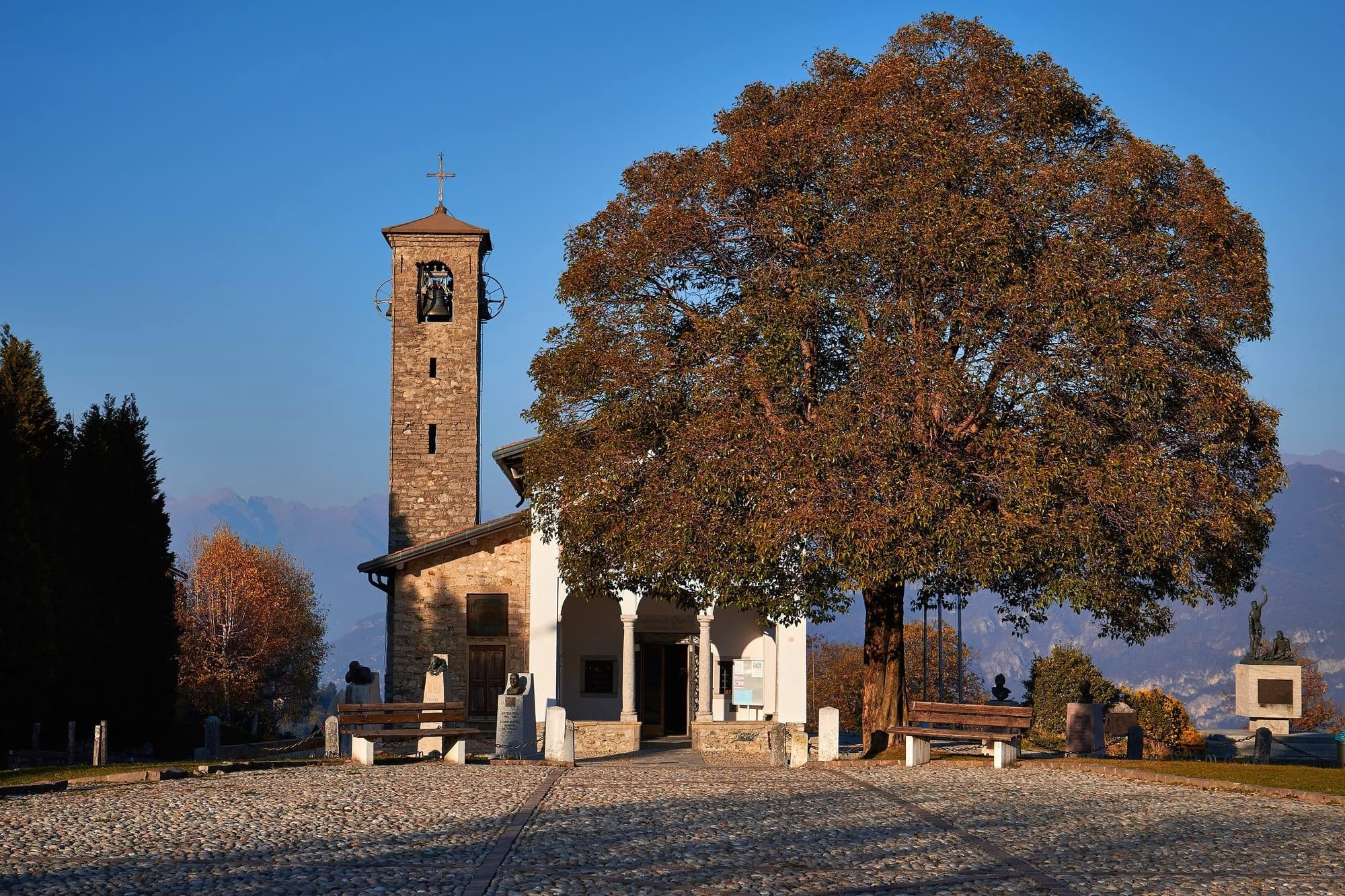
The sanctuary of the Madonna del Ghisallo stands on the pass, at 754 metres, less than a kilometre from the village. The church was built in 1623 in place of an older one, whose bell tower survives; the three-arched portico was added in 1681.
In 1947 the parish priest of Magreglio, Don Ermelindo Viganò, asked for the Madonna del Ghisallo to be made patron of cyclists, and in 1949 Pius XII proclaimed her so. A bronze torch blessed by the Pope reached the sanctuary with a relay of cyclists; the last to carry it were Fausto Coppi and Gino Bartali.
The chapel is small and free to enter. Since the mid-twentieth century cyclists have left bicycles, jerseys, photographs and plaques here as votive offerings, and the bicycles hang from the ceiling and the walls. Among them is the last bicycle ridden by Fabio Casartelli, who died in a crash in the 1995 Tour de France.
The museum and the climb
When the relics no longer fitted in the chapel, the Cycling Museum was built some twenty metres away and opened in 2006. It is a ticketed museum that orders the collection and tells the history of cycling; the chapel and the museum make one visit of about an hour and a half. On the square stand busts of Gino Bartali and Fausto Coppi and the sculptor Elio Ponti's monument to the cyclist, from 1973: two riders, one celebrating victory and one defeated.
From Bellagio's lakeside square the climb is about ten kilometres long, with 550 metres of ascent and ramps around 14% in the first stretch, in the woods. The Giro di Lombardia traditionally rides it, and when the first riders reach the pass the sanctuary bells ring, a custom that began with Don Viganò. On race day the road is closed: if you ride up around then, check the times before you set off.
The village's history
The name probably comes from the Latin ager magris, dry pastures. At the Bus de la Stria, along the old strada dei Vitt, finds from the Neolithic and the Iron Age have come to light. The first document on Magreglio dates from 1135: a lawsuit between the villagers and the abbot of the monastery of Sant'Ambrogio in Milan over the passage towards Bellagio.
The village was tied to Barni, whose summer pasture it may originally have been, and belonged to its parish until 1613, when Archbishop Federico Borromeo made it a parish of its own in the pieve of Asso. For centuries Magreglio lived on farming and livestock, and umbrellas and sieves were made here. In 1927 it became a hamlet of Civenna, and it was a comune again from 1950. The first Milanese summer visitors arrived in the early twentieth century, and from the 1950s tourism became an important part of the village's economy.
The old village and Santa Marta
On the village square, the parish church of Santa Marta was built between 1570 and 1613 in place of the oratory of the Santissimo Salvatore. The choir was added in 1891 and the bell tower raised in 1958. On the high altar are a silver altar frontal and a bronze tabernacle chased by Eugenio Bellosio. The feast of Saint Martha, the village's patron, is on 29 July, and on the last Sunday of July a fair is held on the church square.
Casa Begni, from the sixteenth century, stands on the same square. In the old core you see several old doorways, Ca' Mojana, a sixteenth-century monastery, and Ca' del Tay with its lobbie, or loggias. Climbing towards the chestnut woods, at the edge of a villa garden, lies a masso avello, a tomb cut into a boulder, used as a basin.
The source of the Lambro and the mountains
From the village, half an hour on foot through the chestnut woods and up along the Lambro brings you to the Menaresta, at 942 metres, in the Piano Rancio area. It is the river's source: a natural siphon in the rock from which the water gushes in a cycle of about eight minutes. Up the steep slope opposite the spring, behind a rock, you enter the Bocc de Pegur, a series of connected caves with stalagmites. The Lambro then runs for 130 kilometres through the Brianza, Monza and Milan to the Po.
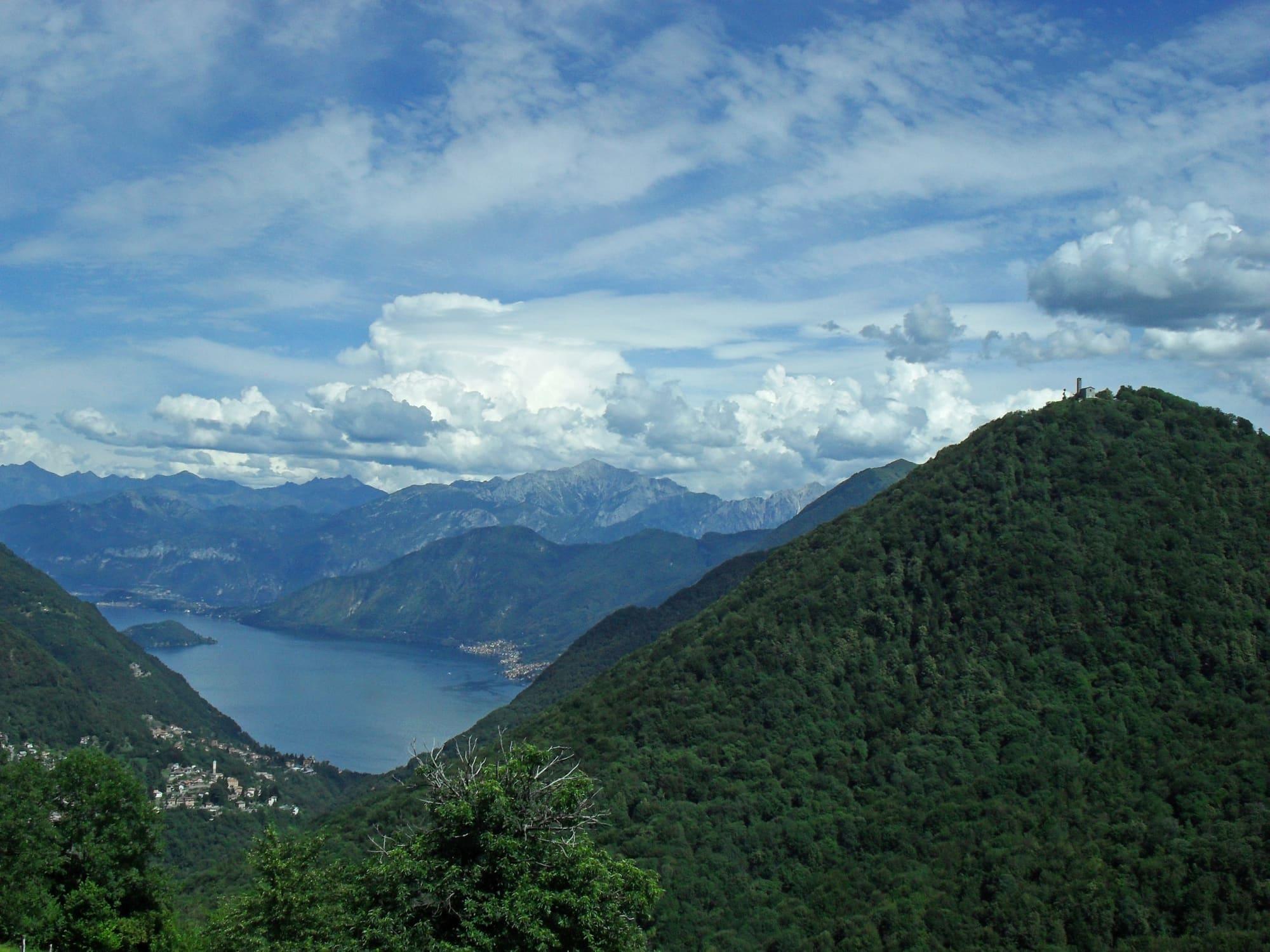
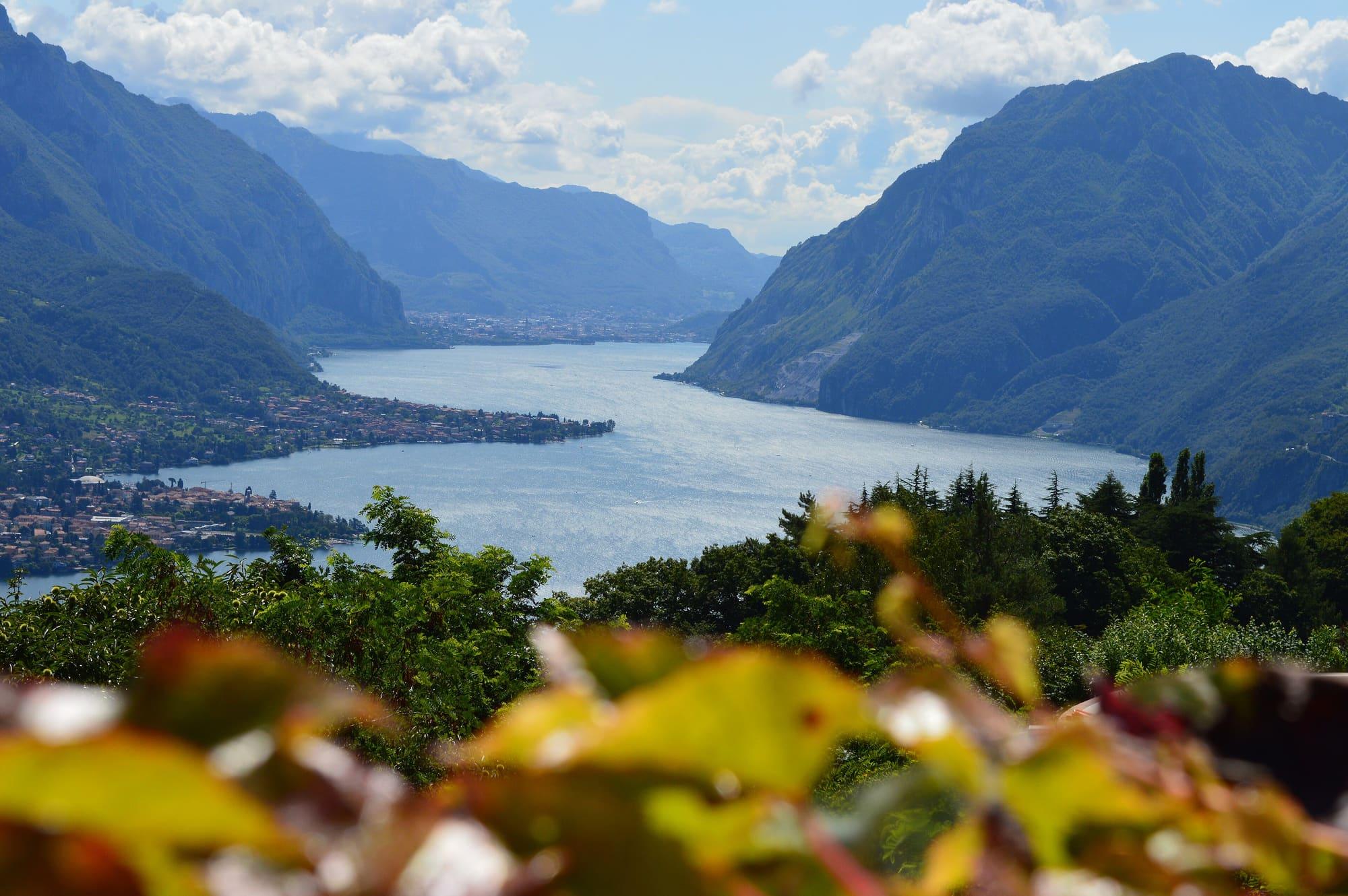
From the Belvedere Romeo, on the sanctuary square, you see the Grigna, the Lecco branch and the upper lake. From the Ghisallo a road climbs to Piano Rancio, where the shortest route up Monte San Primo begins: about five kilometres and 700 metres of ascent to the highest summit of the Triangolo Lariano, at 1,682 metres.
Events
See allThings to see
Experiences
Events
Before you go
How long it takes
- from Milan1 h 55Train, then bus
- from Como1 h 30Fast service, then bus
- from Lecco1 h 15Bus
Typical door-to-door times by public transport, changes included. From Milan, counted from Centrale station.
Parking and services
2 public toilets15 drinking fountains3 pharmacies
Car parks and services on the map
Within two and a half kilometres of the centre; check car park spaces and fees on arrival.
- Population
- 640
- Elevation
- 754 m
Updated 27 October 2026
How hard is the Ghisallo climb by bike?
From Bellagio it is about ten kilometres and five hundred and fifty metres of ascent: the first three and the last two are the hardest, with ramps around 14%, and the stretch in between is easier. An hour for a trained cyclist, double for someone taking it easy.
What do the Ghisallo museum and chapel contain?
The chapel of the Madonna del Ghisallo holds champions' bicycles and jerseys. Next door, the Cycling Museum tells the history of racing through bicycles, jerseys, medals and keepsakes.
The mountains around the village hide the sun before astronomical sunset: sunrise and sunset are worked out on the village's own horizon.
Today, 1 November, estimated sunlight at the reference point: first at 07:41 and last at 15:02, giving 7 h 22 of direct sun, out of 10 h 06 of daylight.
Today the sun arrives between 07:31 and 08:03 and leaves between 14:51 and 15:17, depending on the street.
JuneDecembertoday
Watch the shadow reach Magreglio today
See from Magreglio where the sun goes, in 3D
The sun at an exact spot in Magreglio: your hotel, a beach, a street
The highest summit in view from here is Grigna Settentrionale, 2410 m, 10 kilometres away.
- Monte Saetta, 1627 m, 9 km
- Monte Pilastro, 1827 m, 9 km
- Cima di Piancaformia, 2106 m, 10 km
- Grigna Settentrionale, 2410 m, 10 km
- Zucco dei Chignoli, 2163 m, 10 km
- Zucco di Lareson, 1796 m, 10 km
- Grigna Meridionale, 2177 m, 10 km
- Monte Castel di Leves, 966 m, 2 km
- Corno di Canzo Occidentale, 1373 m, 8 km
- Monte Colla, 1097 m, 3 km
- Doss del Fòò, 1080 m, 2 km
- Monte Cornet / Gerbal, 1316 m, 2 km
- Monte Ponciv, 1452 m, 2 km
- Monte Forcella, 1322 m, 2 km
The ochre line follows today's sun path and marks the estimated times of its first and last appearance above the mountains. Drag the panorama to see all of it.
How it is drawn
Paler ridges are farther away; heights are stretched two and a half times. Houses are not drawn, nor are trees within half a kilometre. Terrain © Regione Lombardia (CC BY 4.0); summits © OpenStreetMap contributors.
Can I reach the Ghisallo without a bike or a car?
Yes, by the C136 Bellagio–Civenna–Asso bus, which passes over the pass: from the stop to the sanctuary and the museum is a few steps, and from Bellagio it is half an hour's ride. There is no direct line from Como: you reach Bellagio and change. On foot from Bellagio it is a two-hour climb on the road.
When is the market?
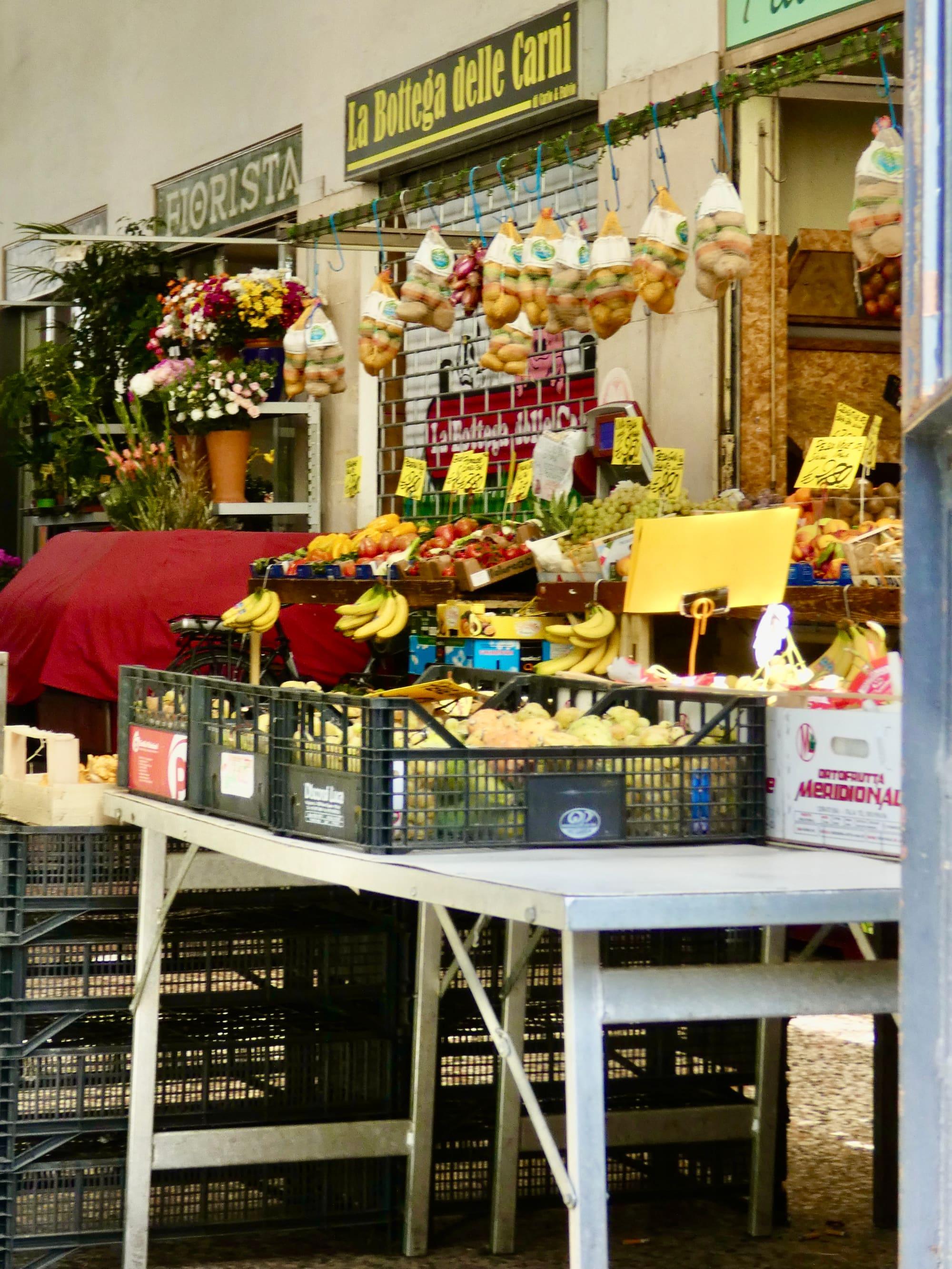
In summer, from the last Monday of June to the first Monday of September, the market is on Monday mornings in Piazza Sporting Club, in the car park in front of the Giardino dei piccoli. At the Ghisallo, in Piazzale Cusi, the second Sunday of the month brings an antiques and second-hand market, the fourth a market of craftspeople, producers and hobbyists.
On the map
What is around, and how far.
© OpenStreetMap contributors · ODbL
Nearby
Typical door-to-door times.
Sources and credits
- Maps, parking, services and distances: © OpenStreetMap contributors (ODbL).
- Freely licensed photographs: authors and licences under Photograph credits.
Sources and credits
- Maps, parking, services and distances: © OpenStreetMap contributors (ODbL).
- Freely licensed photographs: authors and licences under Photograph credits.