 Two days
 on the upper lake
Space, wind, Romanesque churches and a plain to cycle across: two days on the upper lake.
Mixed
Practical guide
Missoltini, smoked whitefish, Lario olive oil, valley cheeses and village sweets: what people eat on the lake.
The short answer
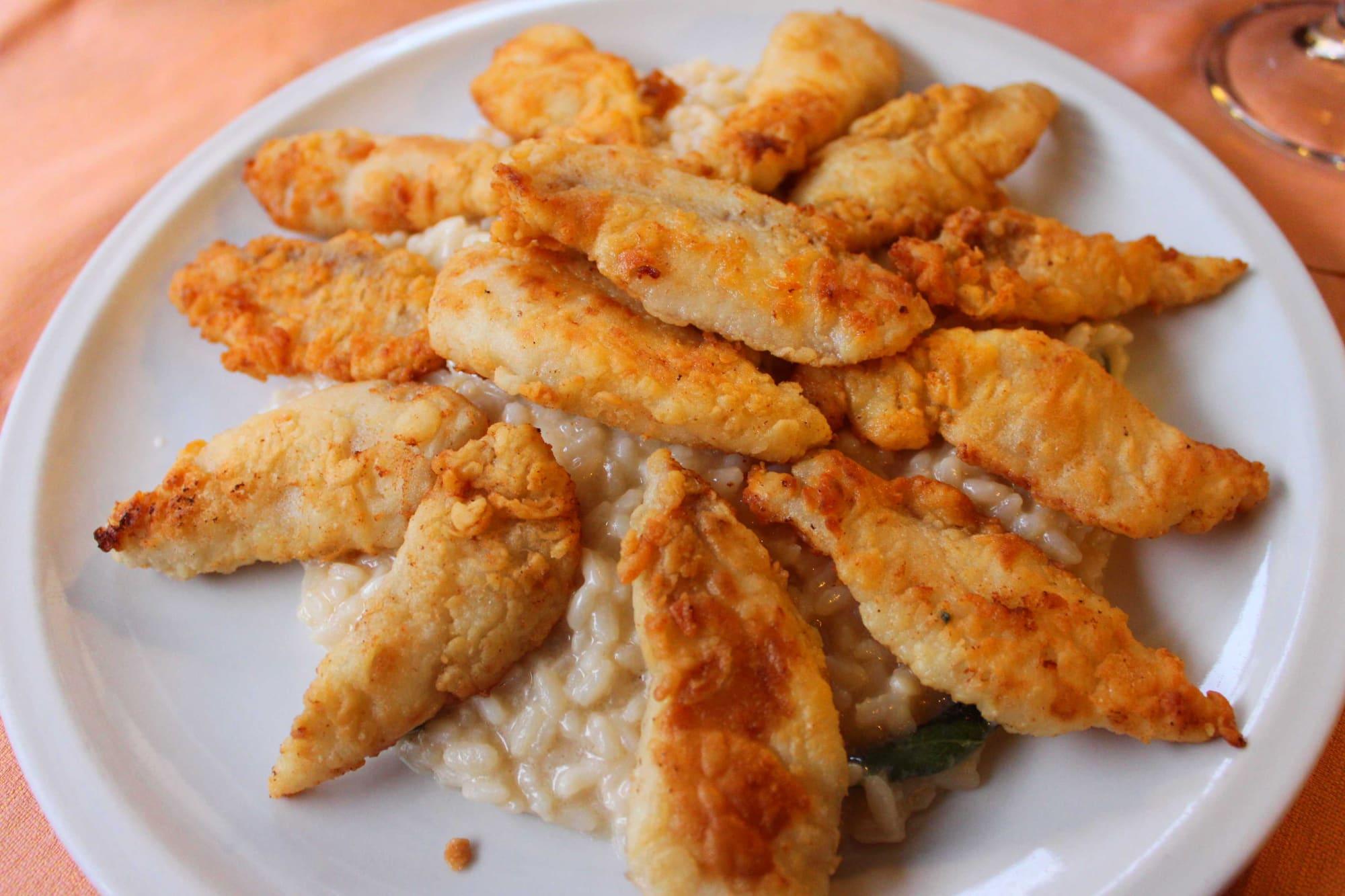
Missoltini with polenta, rice with perch, mountain cheeses and Bellagio's toc. Local products also include Laghi Lombardi PDO extra virgin olive oil, with the geographical indication “Lario”, and sweet dishes such as Como's Resta and meascia.
In short
Lake Como's cooking includes freshwater fish, polenta, butter and cheeses from the valleys.
Preparations vary between the shores and the mountains: shad are preserved as missoltini, perch is served with rice, and in Bellagio polenta is also made into toc with butter and cheese.
Missoltino is shad preserved by salting, drying and pressing. It is scaled, gutted, held under salt for two or three days, washed, hung. It is then dried in the sun for some ten days, until the flesh reddens, and finally pressed in tin containers, bay leaves between the layers, for at least three months.
Missoltini are also dried in ovens: ask how they were dried when buying or ordering them.
The whitefish — lavarello, coregone — is registered in a version few expect: brine, drying, eight to twelve hours of sawdust smoke, and it is eaten dry with polenta. It comes from Lenno. Then there is the squartone, the pigo, which is in the Ark of Taste and whose population has more than halved in fifteen years.
Not every lake fish may be caught all year, and that concerns the people eating it too. Since 2016 the Region, no longer the provinces, has been in charge: for the Lario, which is fishing basin number five, there is a minimum size and a closed season for almost every species.
Shad is protected from mid-May to mid-June and under fifteen centimetres; perch from mid-March to the end of May and under sixteen; whitefish from November to January and under thirty; pike from February to mid-April and under sixty; tench in May and June. The burbot has neither a size nor a closed season: it is the only one.
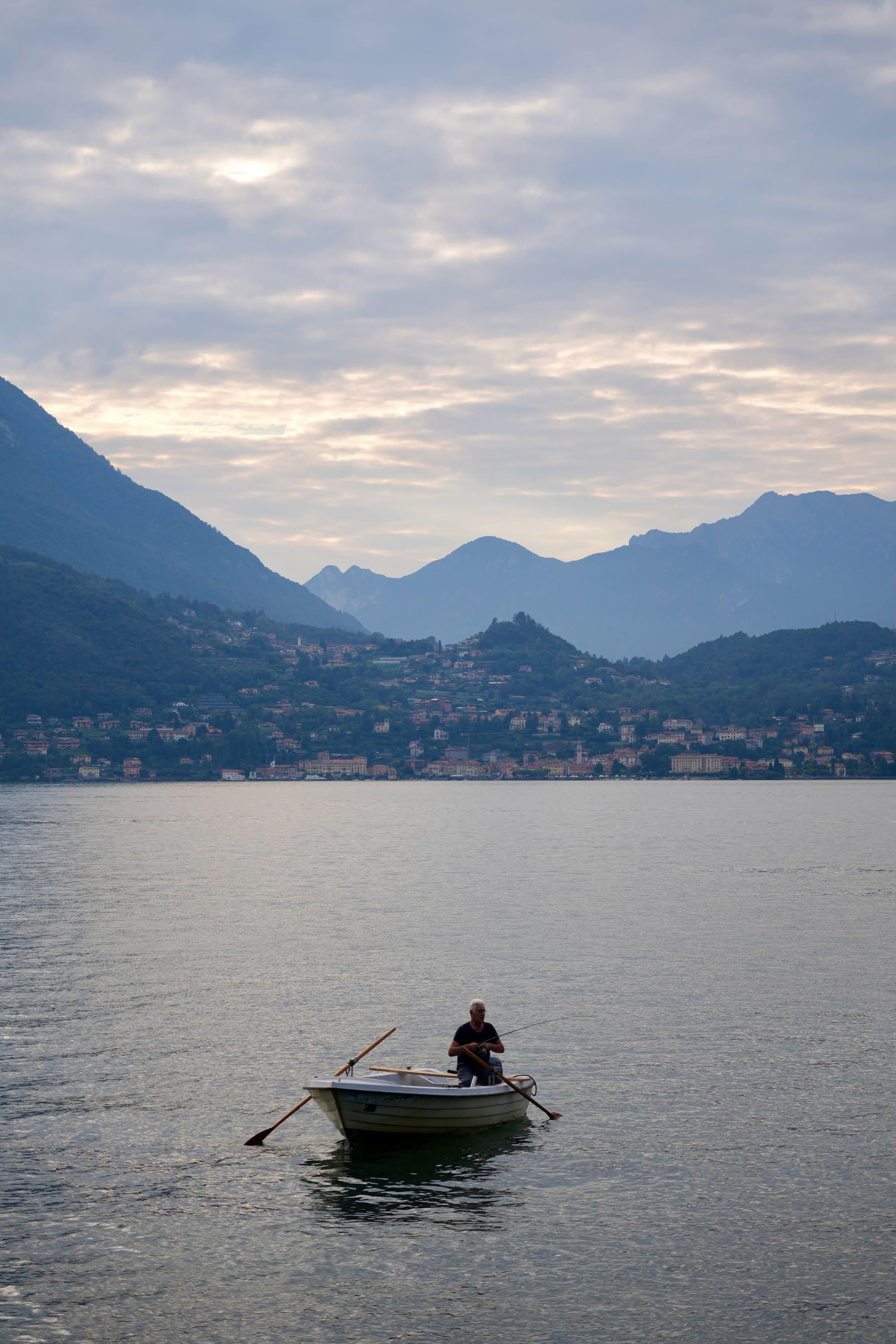
The professional shad nets work only between mid-June and the first days of August, and that is the window in which the year's missoltini are born; they then keep for up to a year. Two pieces of gear are allowed here and nowhere else: the lift net for shad, from the end of the closed season to mid-August, and the fish spear, at night, from a rowed boat, banned in any case off Cernobbio, Como and Blevio.
Lake Como's extra virgin olive oil is covered by the protected designation of origin “Laghi Lombardi”, registered in 1997, with the geographical indication “Lario”. The protection consortium, established in 1999, brings together growers, olive mills and bottlers.
Zincarlin from the upper lake and the Val d'Intelvi is a seasoned ricotta coated in black pepper, also served with polenta. It differs from the Swiss zincarlin of the Muggio valley. Casoretta is a cheese from the Val d'Intelvi; magro, also called “furmai magher”, comes from the Triangolo Lariano; semuda comes from the upper western lake.
Of the sweet things, three belong to a specific village: Como's Resta, a sweet risen bread with a stick of olive or cherry wood running through it; the meascia of the upper western lake, a cake of bread, apples and raisins that also comes in a savoury version, with pepper and bay; the nocciolini of Canzo, two grams each. Masigott is from Erba, braschin from the Valle Albano.
Rice with perch is a dish of the Como and Lecco area. Polenta accompanies fish and cheeses; in the uncia version it is dressed with butter, garlic and cheese.
Toc is a preparation of polenta, butter and cheese associated with Bellagio. It is included in Italy's national register of traditional food products, in the category for prepared dishes.
The Slow Food Presidium for sun-dried Lake Como missoltino was established in 2013, focusing on shad fishing and traditional preservation. Missoltino also appears in the Ark of Taste.
Bellagio's toc is made with polenta, butter and cheese.
The Museo Barca Lariana in Pianello del Lario preserves working and leisure boats, including fishing boats. The collection shows hulls used for different activities on the lake.
The ethnographic museums of the Valle di Cavargna, the Val Sanagra in Grandola ed Uniti and the Alta Brianza in Galbiate explore rural work and life in the valleys and hills.
Fishing and farming have contributed to the area's cooking. Preserved fish, polenta and cheeses connect activities on the shores with those on the mountain pastures.
The Slow Food Presidium for sun-dried Lake Como missoltino was established in 2013. The product also appears in the Ark of Taste, a catalogue devoted to foods at risk of disappearing.
Ask which drying method was used. Missoltini can be sun-dried or oven-dried.
Local dishes include missoltini with polenta, rice with perch and Bellagio's toc. The cooking also includes smoked fish, valley cheeses and sweet dishes that vary from village to village.
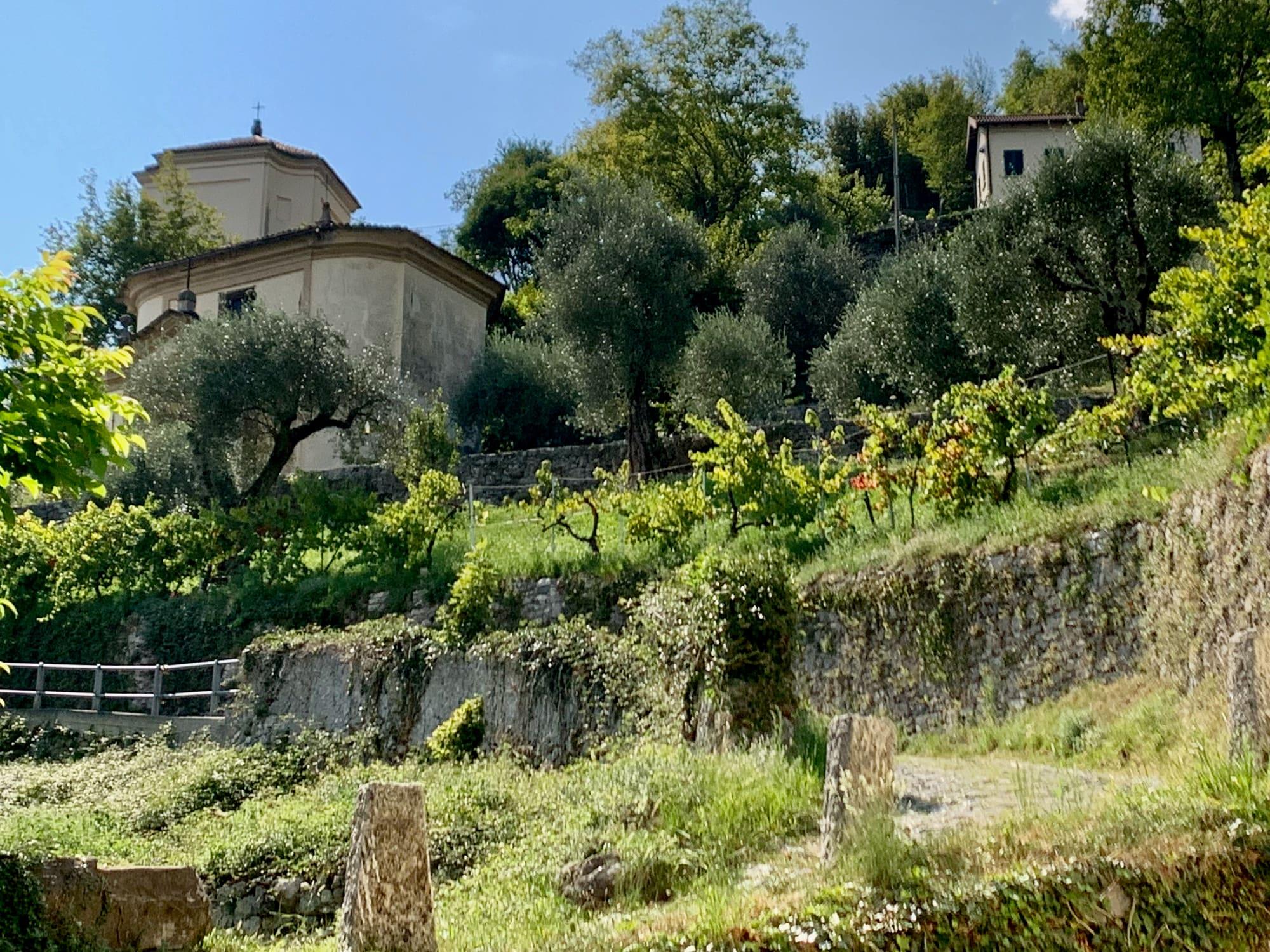
Yes, and it has held a protected designation of origin since 1997: “Laghi Lombardi”, mention “Lario”. The olives grow on the terraces above the water, where the winter is mild; the consortium protecting the designation has gathered producers, mills and bottlers since 1999.
Only from the professionals. The sale and trade of the catch of non-professional fishing are forbidden in any form, so the fish that reaches a restaurant or a counter comes from someone licensed. The summer festivals given over to lake fish are the most direct way of meeting them.
The Museo Barca Lariana in Pianello del Lario includes fishing boats. The ethnographic museums of the Valle di Cavargna, the Val Sanagra in Grandola ed Uniti and the Alta Brianza in Galbiate explore rural life and work.
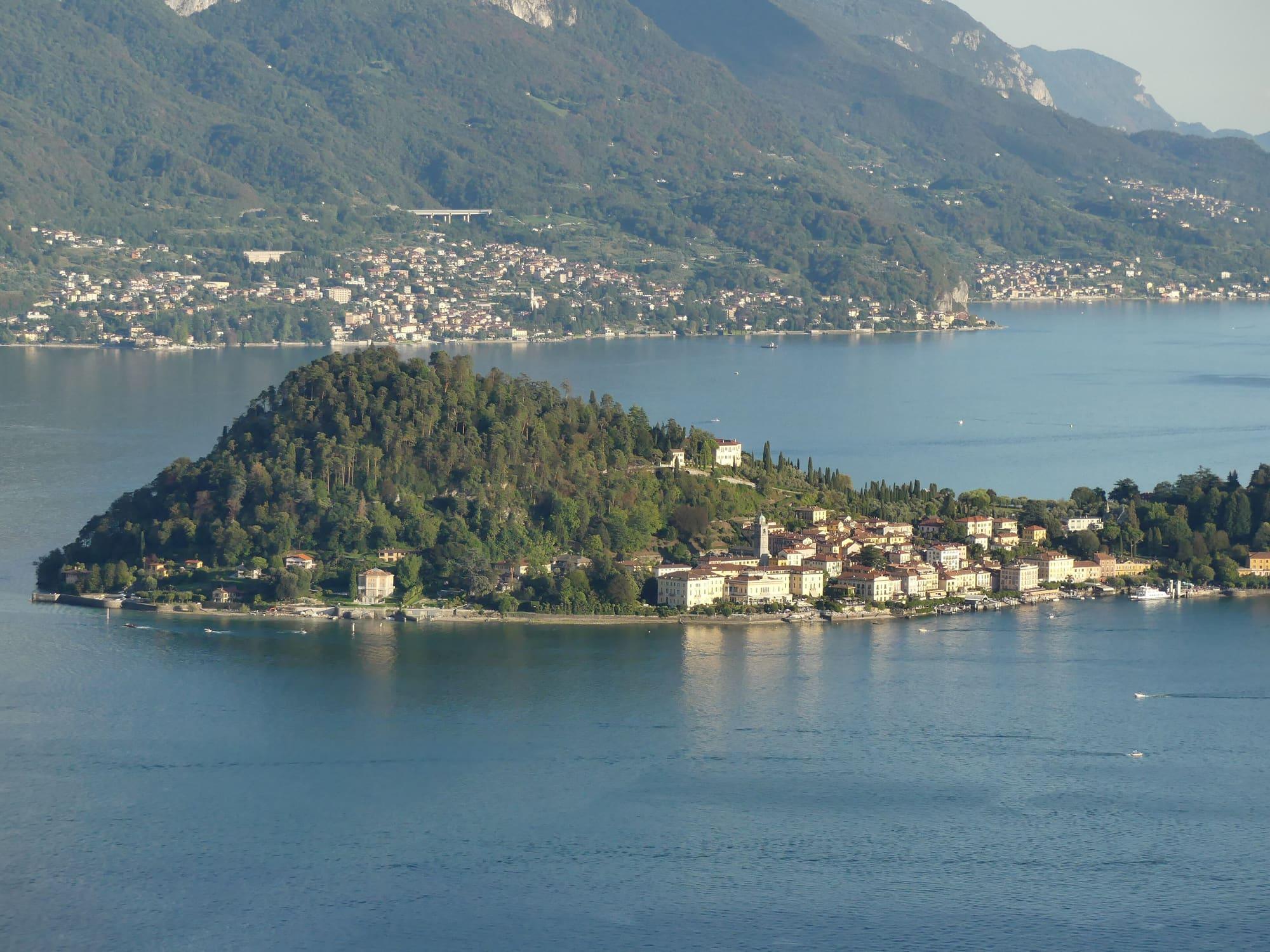
On the point that splits the lake in two, with staircases instead of streets.
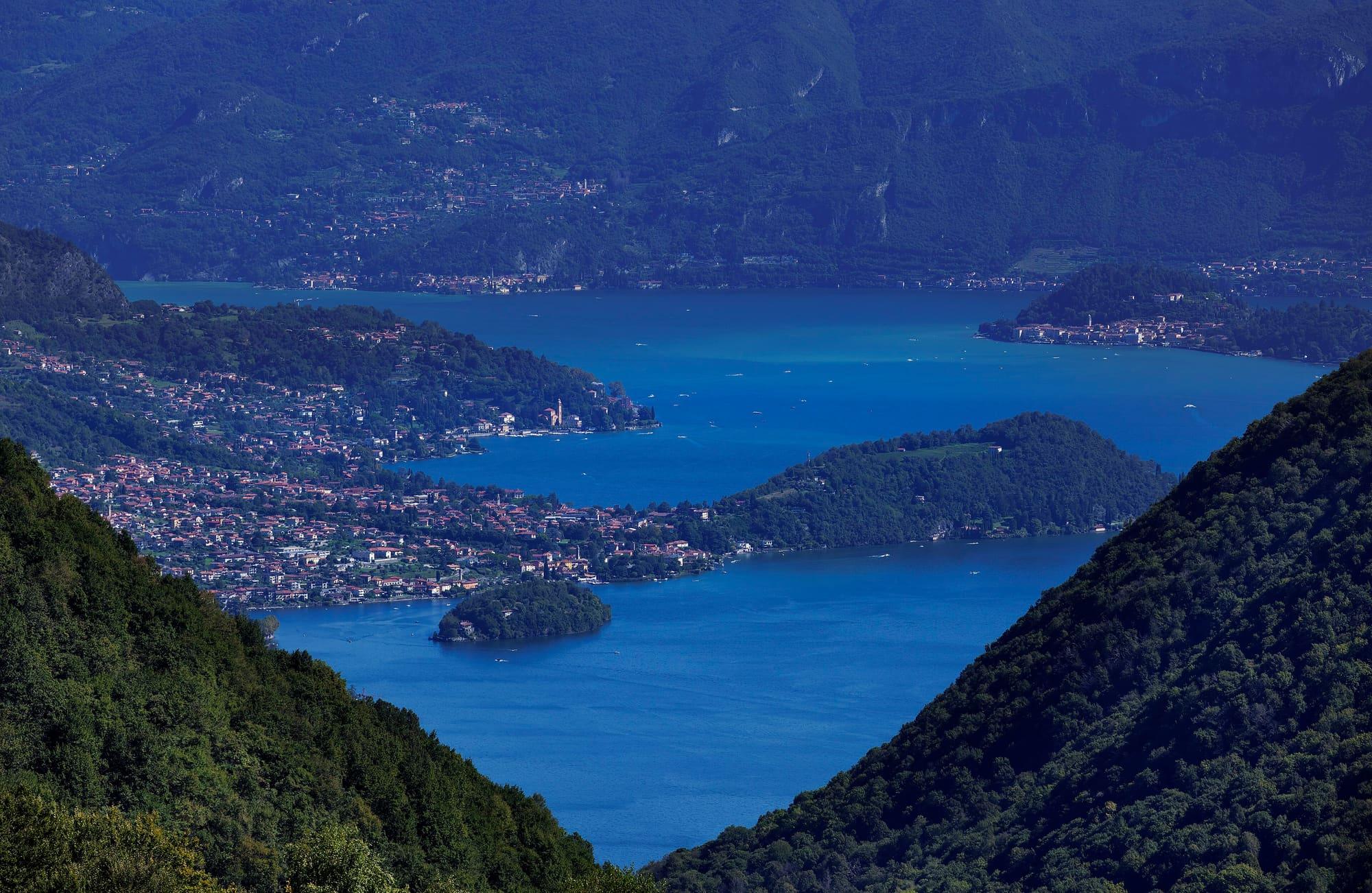
Four villages in a row on the lake's western shore, facing Bellagio.
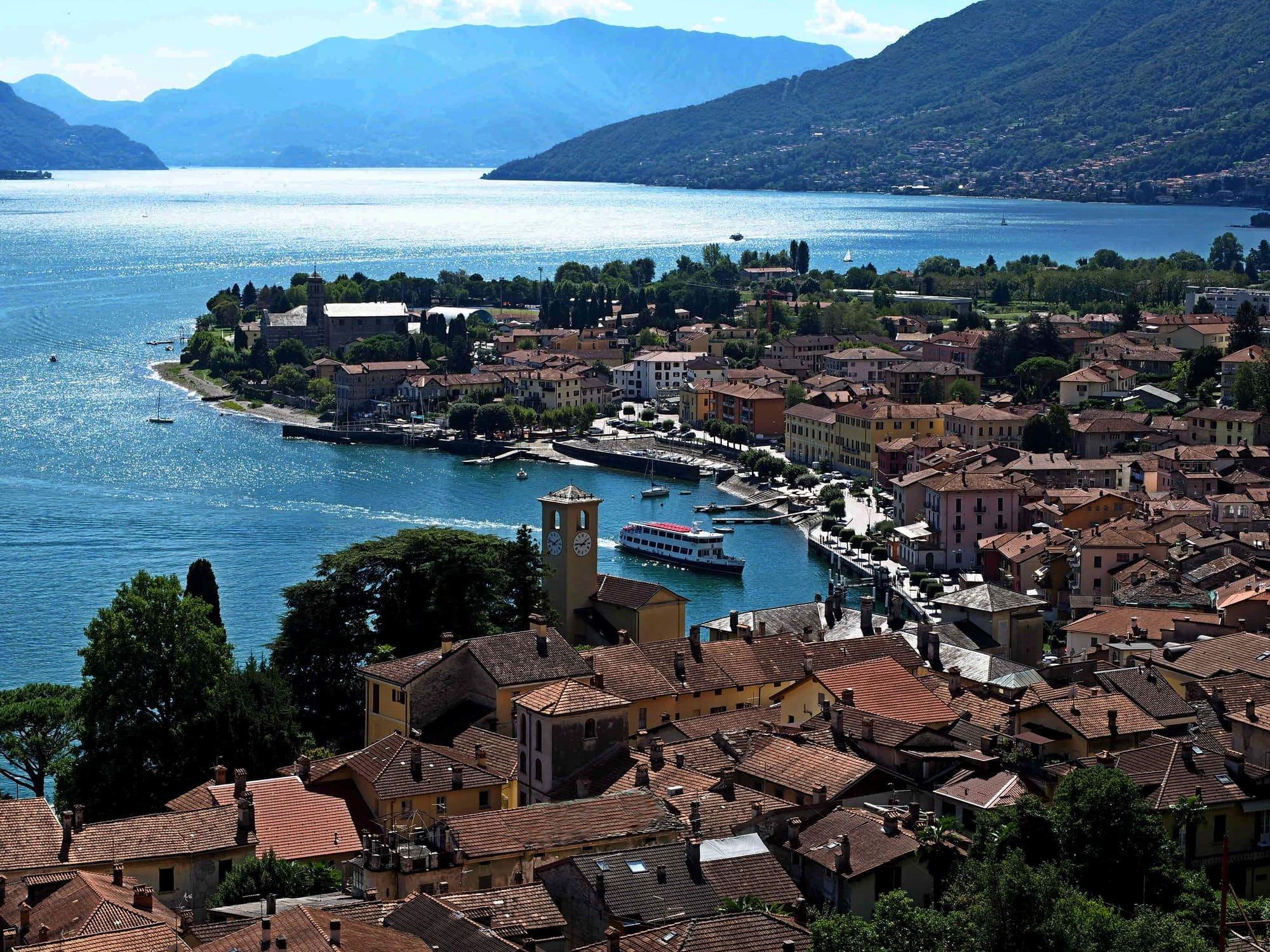
A Romanesque church on the water and the historic capital of the Tre Pievi.
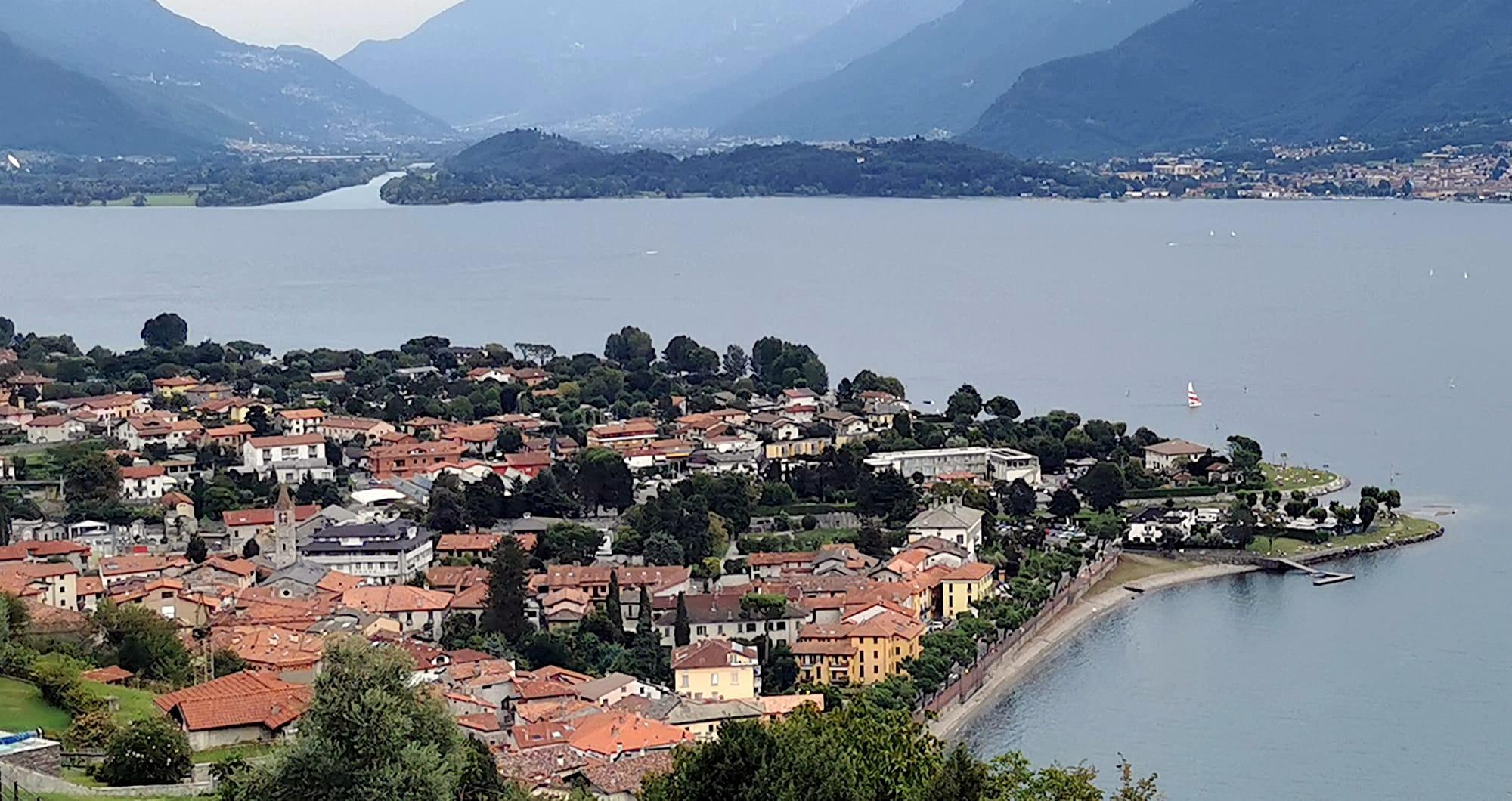
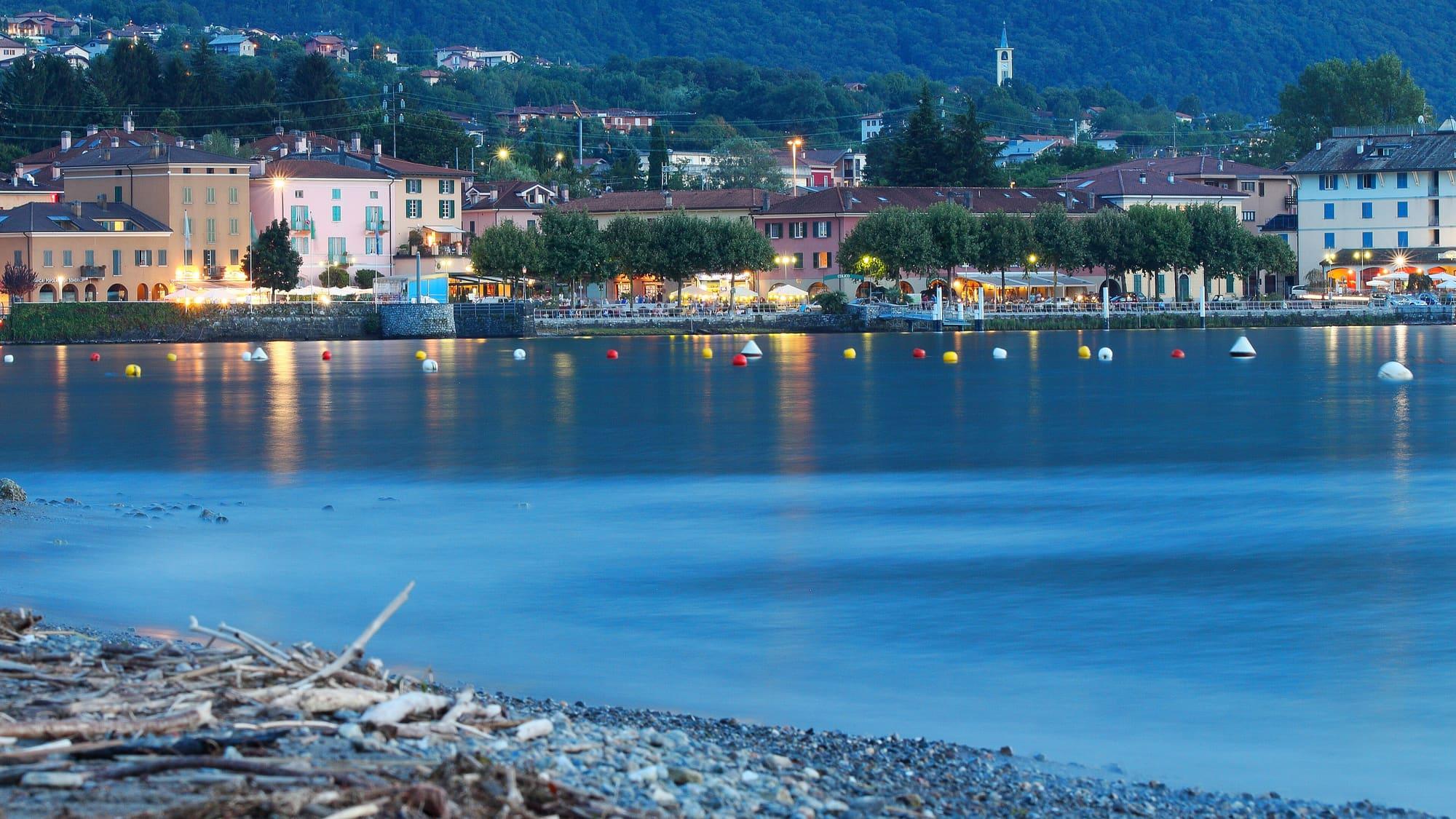
An upper-lake village with a long beach and areas for sailing, windsurfing and kitesurfing.