Skip to content

Centro Lago

Lario olive oil

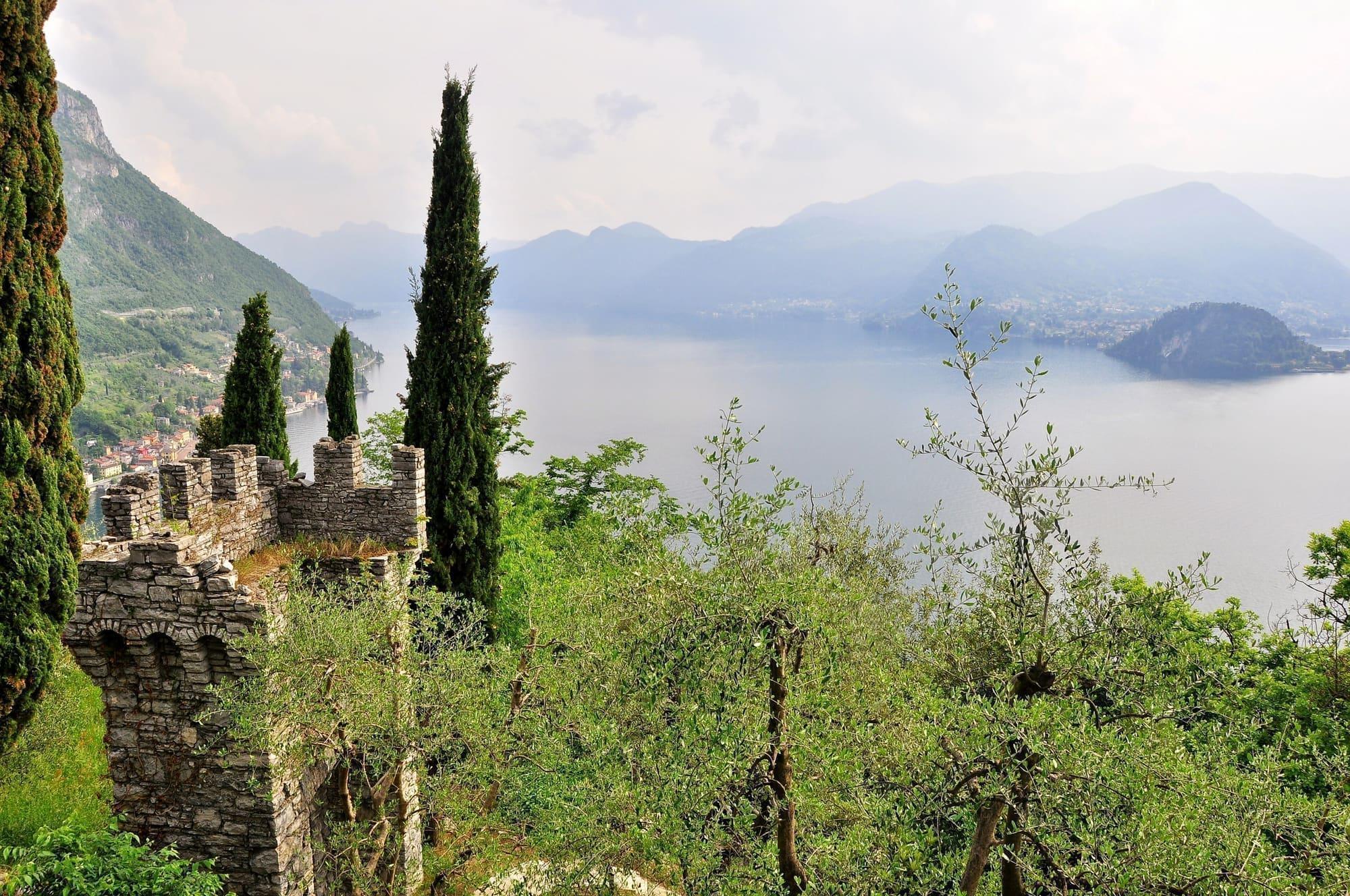
Olive trees on the terraces above the lake, paths that run through them and new oil in November.

Duration
2 h – 4 h
Effort
Gentle
Car-free
Yes
With children
Not ideal
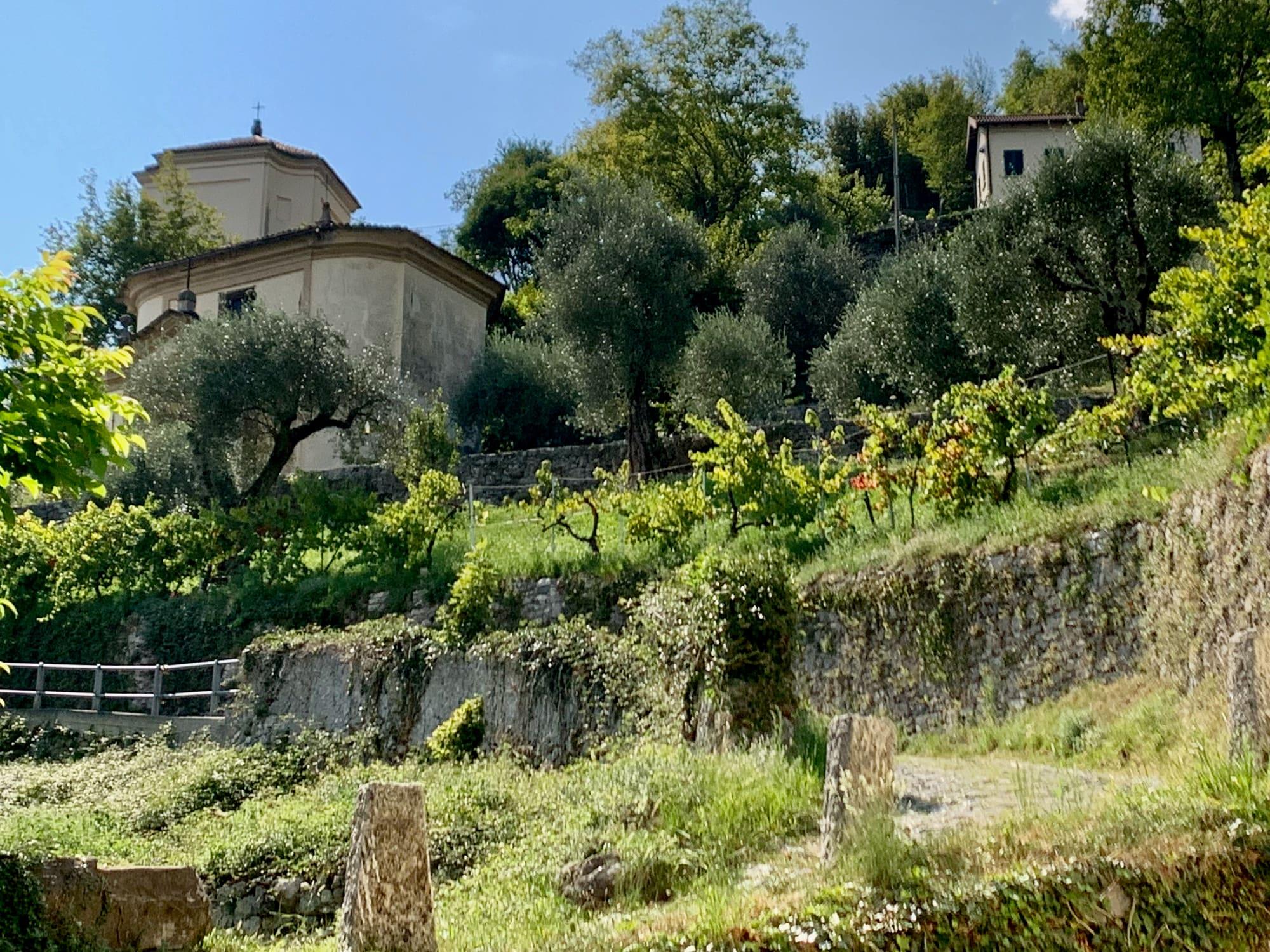
Olive trees and vines on dry-stone terraces below a chapel of the Sacro Monte at Ossuccio.Uppa66 · CC BY-SA 4.0
  • Laurom · CC BY-SA 3.0
  • Erjel · CC BY-SA 4.0

1 / 3

Olive trees and vines on dry-stone terraces below a chapel of the Sacro Monte at Ossuccio.

Uppa66 · CC BY-SA 4.0

How it works

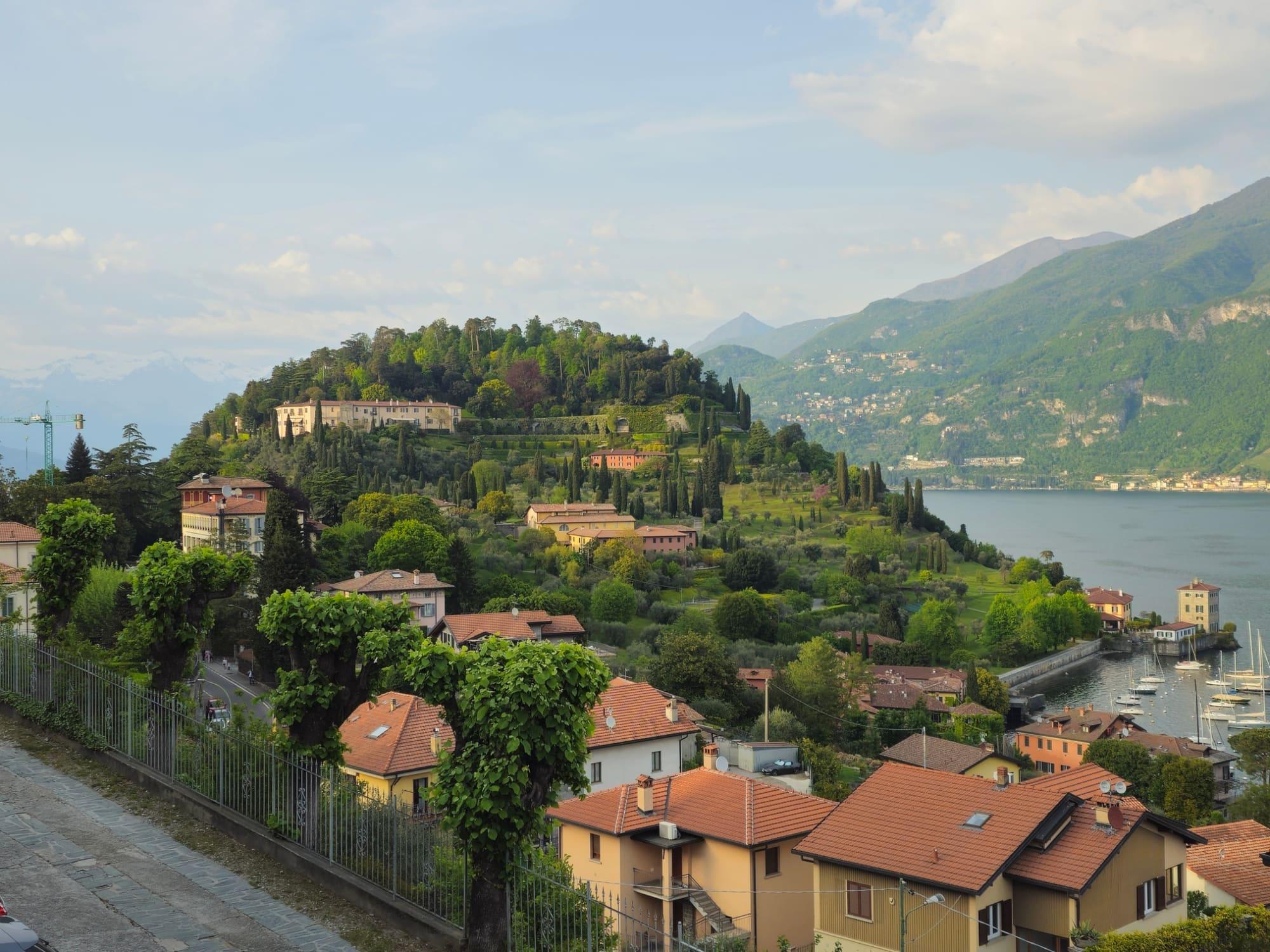
On Lario the olive grows north of its usual limit, because the great mass of water in the lake tempers the climate.

It arrived in Roman times. As early as the Carolingian age, oil from Limonta, on the western shore of the Lecco branch, burned in the lamps on the tomb of Saint Ambrose in Milan. Today olive trees grow on the stone terraces of the Tremezzina, around Ossuccio, and on the slopes of Varenna and Perledo, and they yield oil in small quantities. Since 1997 the lake's oil has been protected by the Laghi Lombardi protected designation of origin, with the mention Lario. Paths run right through the groves. On the Greenway, between Colonno and Sala Comacina, the old Via Regina passes between terraces and small olive groves; at Ossuccio the way of the Sacro Monte climbs for about a kilometre through olive trees to the sanctuary. The harvest runs from late October into November: that is the season of the new oil.

  1. Greenway: from Como the C110 bus runs to Colonno, where the footpath begins. The stretch to Sala Comacina, between terraces and olive groves, takes about 35 minutes on foot. The complete Greenway continues beyond Cadenabbia to Griante: about eleven kilometres with climbs, descents and cobbled stretches.
  2. Sacro Monte of Ossuccio: from the C110 stop at Ossuccio it is about half an hour's climb on a cobbled way, past fourteen chapels built between 1635 and 1710 and terraced olive trees. From the sanctuary at the top you look out over the Isola Comacina. Since 2003 the Sacro Monte has been a UNESCO World Heritage site. Ossuccio also has a dialect nickname that speaks of oil: “zoca de l'oli”.
  3. Eastern shore: from Varenna, reached by train or boat, a steep mule track climbs in about 25 minutes to the Castello di Vezio, in the comune of Perledo. The castle garden includes an olive grove.
  4. Costiera degli Ulivi: Oliveto Lario, on the Lecco branch, was formed in 1927 and named after the olive tree. The Sentiero degli Olivi is a network of paths along the whole coast of the comune, among farmed terraces, olive groves and woods. From Lecco the D110 bus towards Bellagio gets there in about half an hour.
  5. Harvest and pressing take place between late October and November. The PDO rules require the olives to be picked straight from the tree by 15 January and pressed within three days.
  6. Oil with the mention Lario must come at least 80 per cent from the Frantoio, Casaliva and Leccino varieties. The label carries the name Laghi Lombardi with the mention Lario and the harvest year, and may not say “superiore” or “scelto”. The production area is a list of comuni in the provinces of Como and Lecco, from Sorico to Moltrasio and from Colico to Malgrate; the cities of Como and Lecco are not on it.

WhereTremezzina · Varenna

On the map

Explore the lake
TremezzinaVarennaLario olive oil

© OpenStreetMap contributors · ODbL

What's on nearby

Events within a few kilometres, on now or coming up.

See all

Nearby: places, experiences, services

Sources and credits

Sources and credits