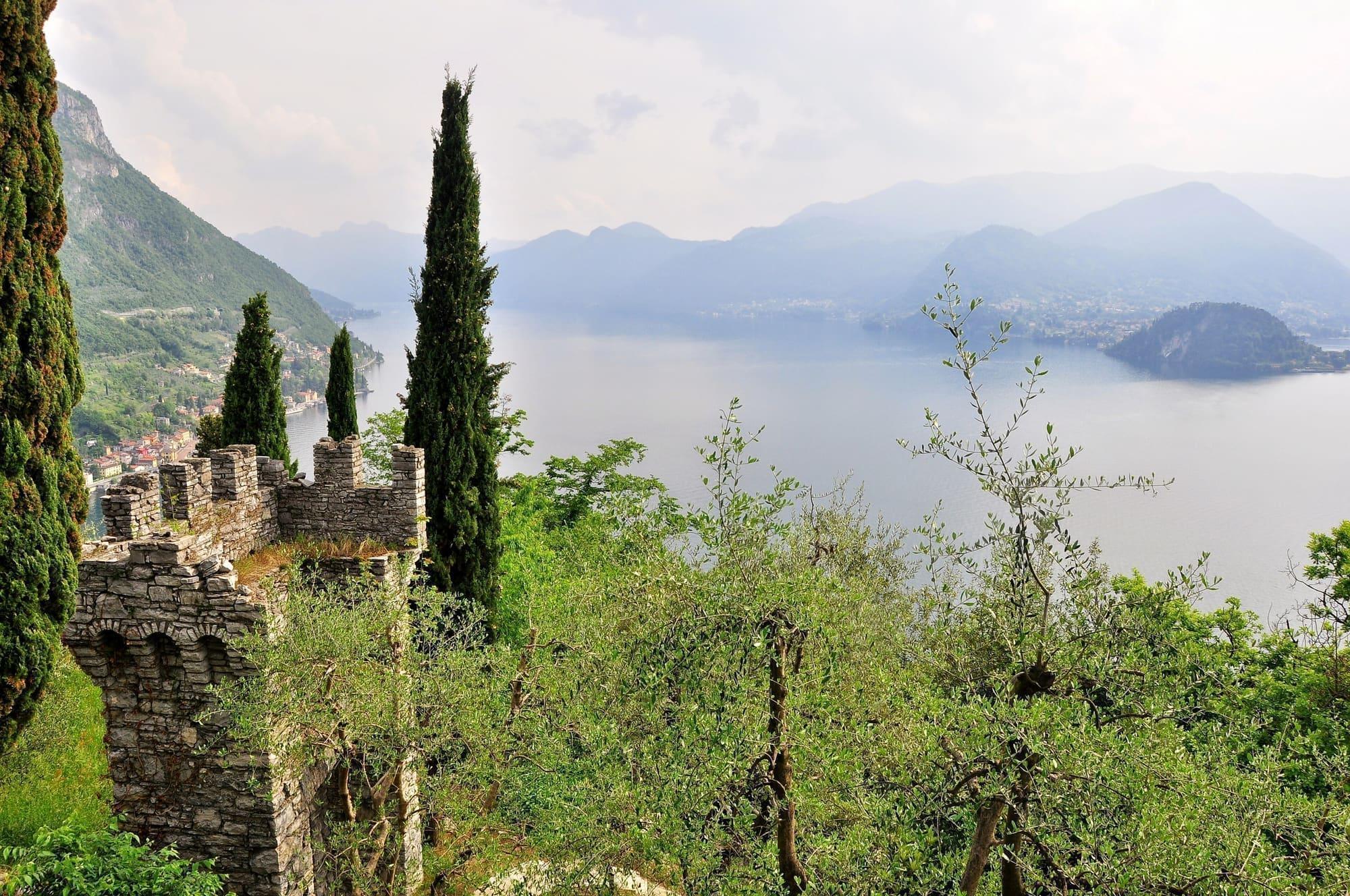
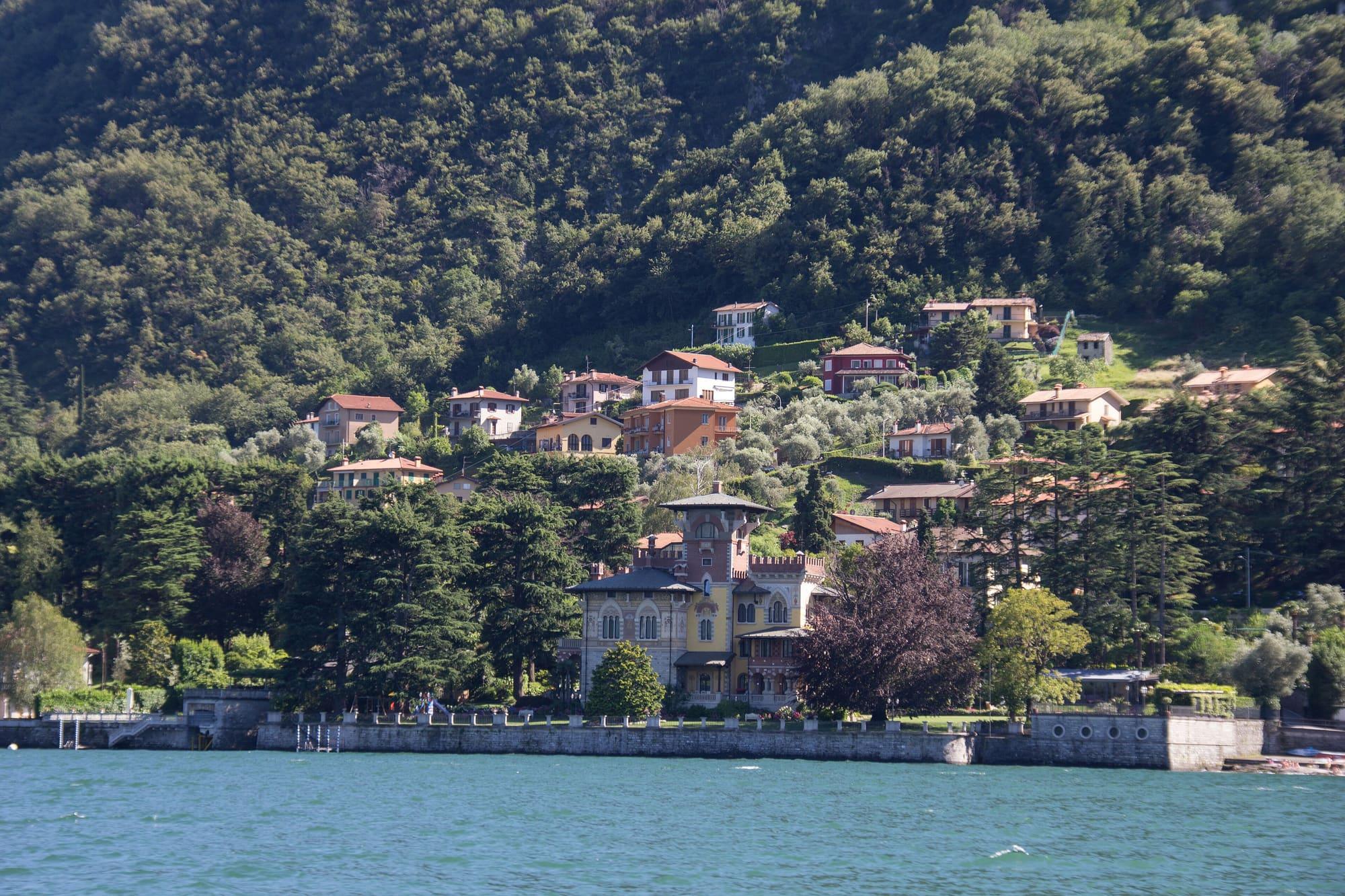
In 1927 three comuni on the western shore of the Lecco branch, Onno, Vassena and Limonta, merged and took their name from the tree they had in common, the olive.
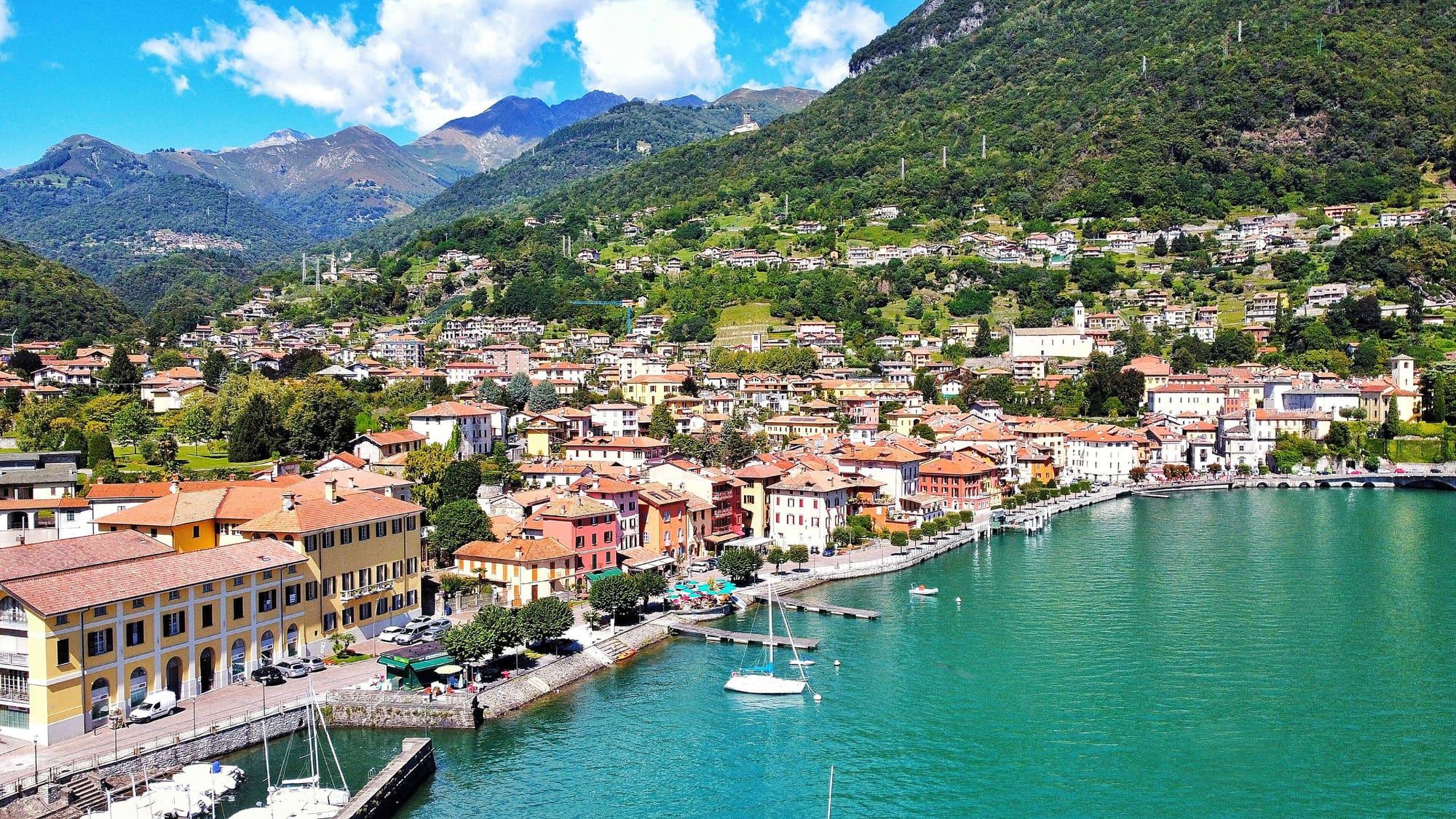
So Oliveto Lario was born, halfway along the stretch of lake between Lecco and Bellagio known as the Costiera degli Ulivi, the olive coast. Its oil, like that of many other villages on the lake, is protected by the Laghi Lombardi designation of origin, with the mention Lario.
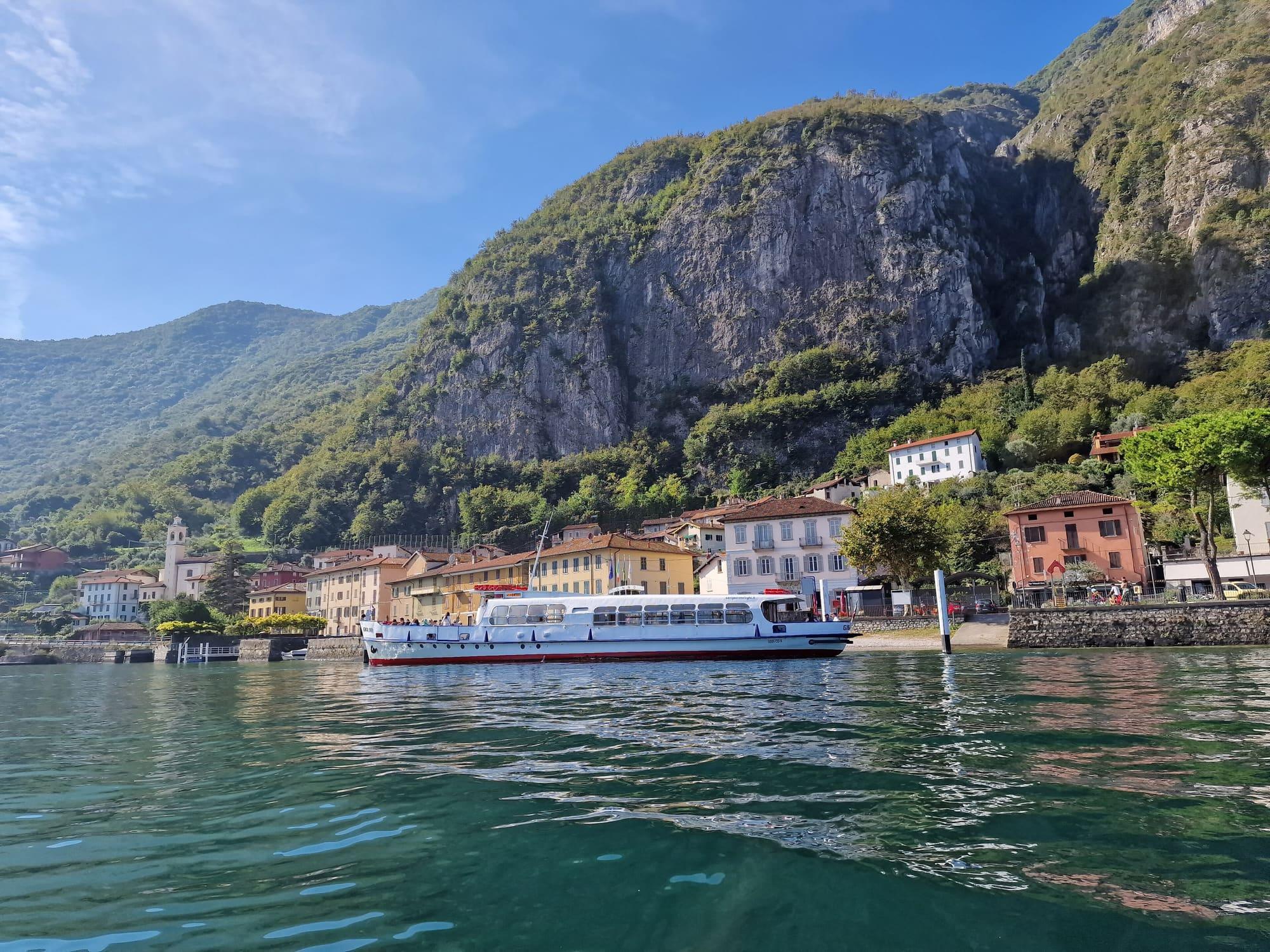
The village stretches along the lakeside road between Lecco and Bellagio, almost exactly halfway along the Costiera. Olives are grown on the coastal terraces. The olive arrived in Roman times and thrives thanks to the mild climate and the morainic soil; it is grown on the terraces that give this branch of the lake its character. In the Lecco dialect the village is called Ulivee.
Oil for Saint Ambrose's lamps
The northernmost hamlet, Limonta, is the oldest, and its history explains the rest. In 835 the emperor Lothair gave this land to the monastery of Sant'Ambrogio in Milan, which held it for more than nine centuries, until the French came. From Carolingian times, the oil burning in the lamps on the tomb of Milan's patron saint was produced up here. The name Costiera degli Ulivi has stayed, even though there are fewer olive trees today than there once were. The sanctuary of the Madonna del Moletto, commissioned by the Cistercian monk Roberto Rusca, was built between 1606 and 1624 on the rock above the lake.
The roots go back further still. Remains of Roman oil mills survive around the Lombard lakes, and in 1882 the Jacini agrarian inquiry described the region's olive growing: where the young trees came from, which varieties were preferred, how the olives were picked and kept until they were handed to the “fabbricatore”, the man at the press. It is a crop that holds out in difficult conditions of climate, soil and slope.
What the rules say
The protected designation of origin Laghi Lombardi dates from the European regulation of 24 November 1997, and its rules were published in Italy's Gazzetta Ufficiale on 7 October 1998. The name must always carry one of two further mentions: Sebino, for Lake Iseo, or Lario. Oil labelled Lario must come at least eighty per cent from three varieties, Frantoio, Casaliva and Leccino, alone or together, and for the rest from other varieties growing in the groves. The production area is defined by a list of comuni: forty-five in the 1998 text, thirty-three in the province of Como and twelve in that of Lecco, from Sorico and Gera Lario at the northern end of the lake down to Moltrasio, from Colico to Malgrate and Galbiate, Oliveto Lario in between, and even Porlezza and the Valsolda, on Lake Lugano. The two provincial capitals, Como and Lecco, are not on it, and neither are Cernobbio or the villages on the eastern shore of the Como branch, from Blevio to Lezzeno.
The rules are few and concrete. The olives are picked straight from the tree, by hand or by machine, by 15 January; they are pressed within three days of picking, and only mechanical and physical processes may be used to extract the oil. When it goes on sale, Lario oil must be green to yellow in colour, with a light fruity smell and a light fruity taste, perhaps with a touch of bitterness and pepper, and must meet a maximum acidity limit lower than that set for Sebino. The label must give the year of the harvest, the bottle or tin may hold no more than five litres, and no adjective the rules do not provide for may stand beside the name, “fine”, “scelto” (choice), “selezionato” (selected) and “superiore” (superior) among them.
The label must give the year of the harvest, and may not say “superior”.
The rules set 15 January as the deadline, but the olives are usually picked by the end of November. The oil's character depends on where it comes from and on the year, but it tends to have low acidity, a sweet taste with notes of almond, grassy scents and a light bitterness and pepper. To protect the name, a voluntary non-profit consortium was founded on 30 July 1999 to protect and promote Laghi Lombardi Sebino-Lario PDO olive oil.
The Tremezzina, “zoca de l'oli”
On the opposite shore, beyond the point of Bellagio, the 1998 rules list Tremezzo, Mezzegra, Lenno and Ossuccio, which merged in 2014 to form Tremezzina. They also cover the separate municipalities of Griante and Menaggio. The Ossuccio area is known by the dialect name “zoca de l'oli”, the olive oil basin. Olive trees also grow around the fourteen chapels leading up to the sanctuary of the Sacro Monte, part of the UNESCO World Heritage site.
Walking through it
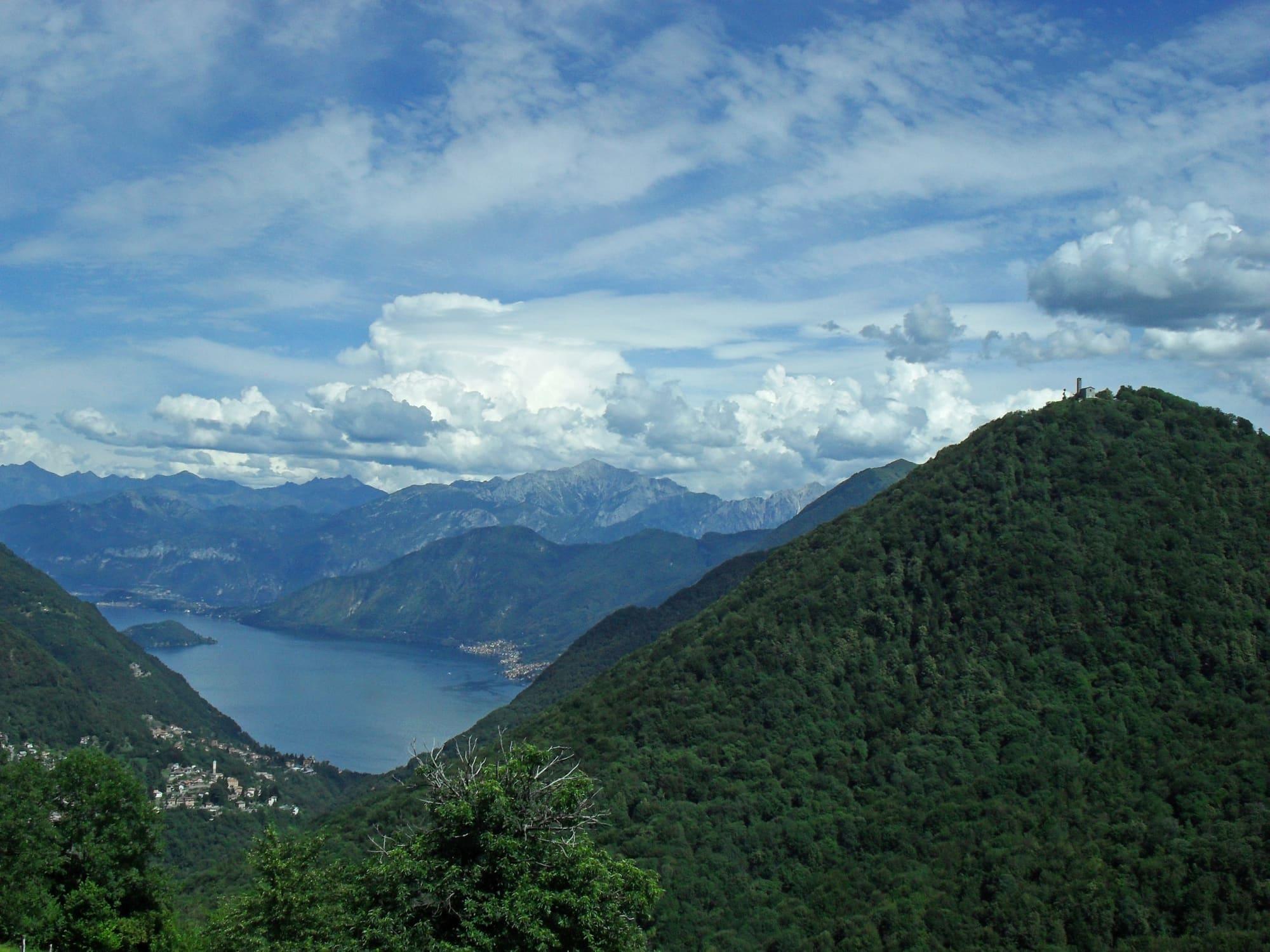
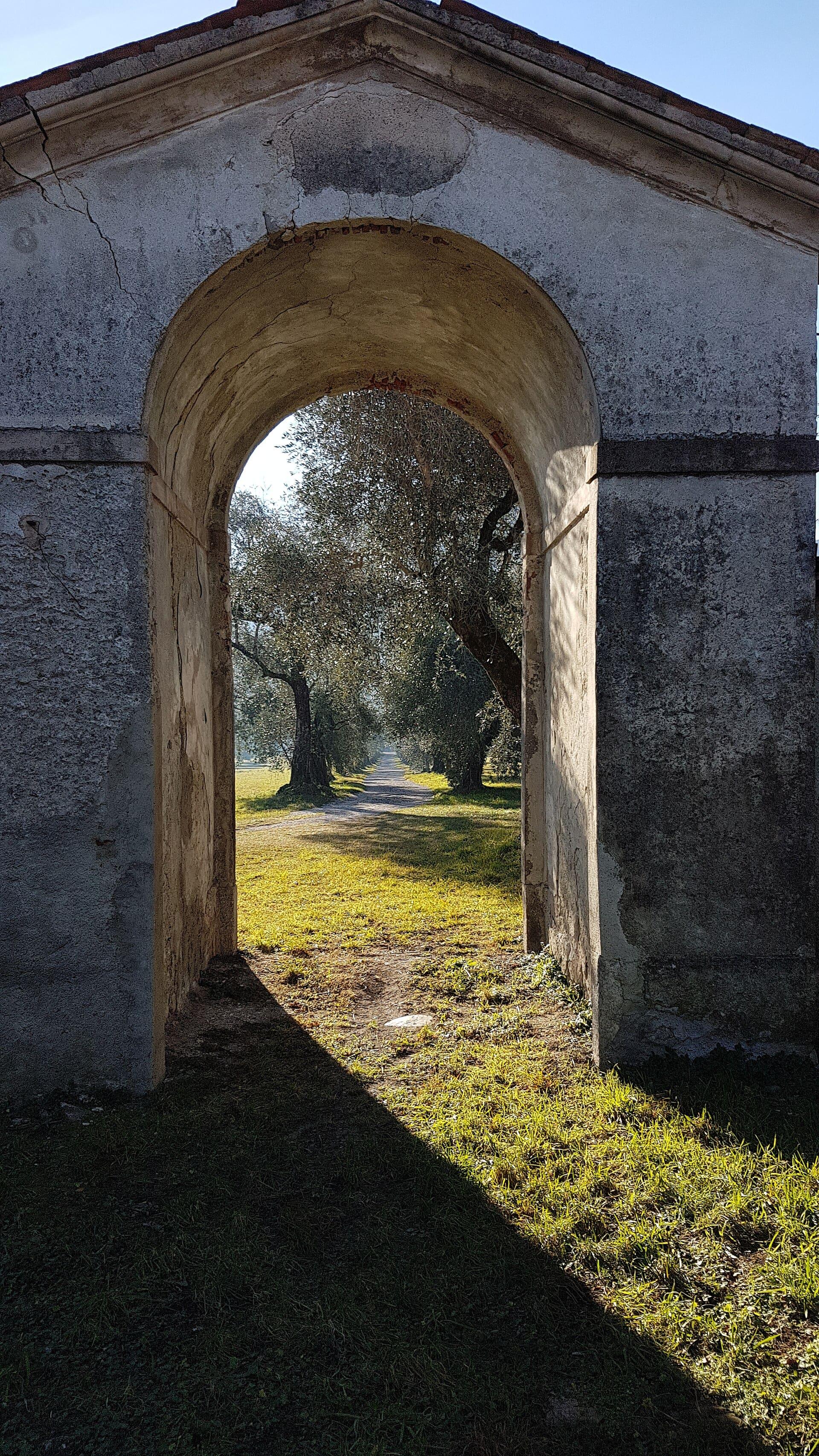
The Costiera can be walked on the Sentiero degli Olivi, a network of paths along the whole coast of the comune, among sheer rock walls and limestone caves, cultivated terraces, pastures and woods of chestnut, hazel, hornbeam and oak. From Onno you climb towards the Madonnina, with steep stretches that call for care; from Vassena the paths head into the Triangolo Lariano; from Limonta you go up to Civenna and Guello across slopes of woods, olive groves and orchards, and the old mule tracks link the three hamlets. Autumn is the harvest season, which is usually over by the end of November.
Historical events linked to this story are collected in the Lake timeline.