Skip to content

Lecco Branch

Oliveto Lario

Three villages joined in 1927 on the Costiera degli Ulivi, between Lecco and Bellagio: Onno below its crag, Vassena founded by farmers who rowed over from Mandello, Limonta that for centuries belonged to the monks of Milan; free pebble beaches and the Sentiero degli Olivi.

Ideal for
Free pebble beaches, the Sentiero degli Olivi, village churches with fifteenth-century frescoes
Time needed
Half a day between the three hamlets; a day with the paths
Best season
Spring to autumn; summer for the beaches
What to see
The beaches of Onno below the crag
Best reached by
The lakeside road from Lecco or Bellagio; in summer the Lecco–Bellagio line boats
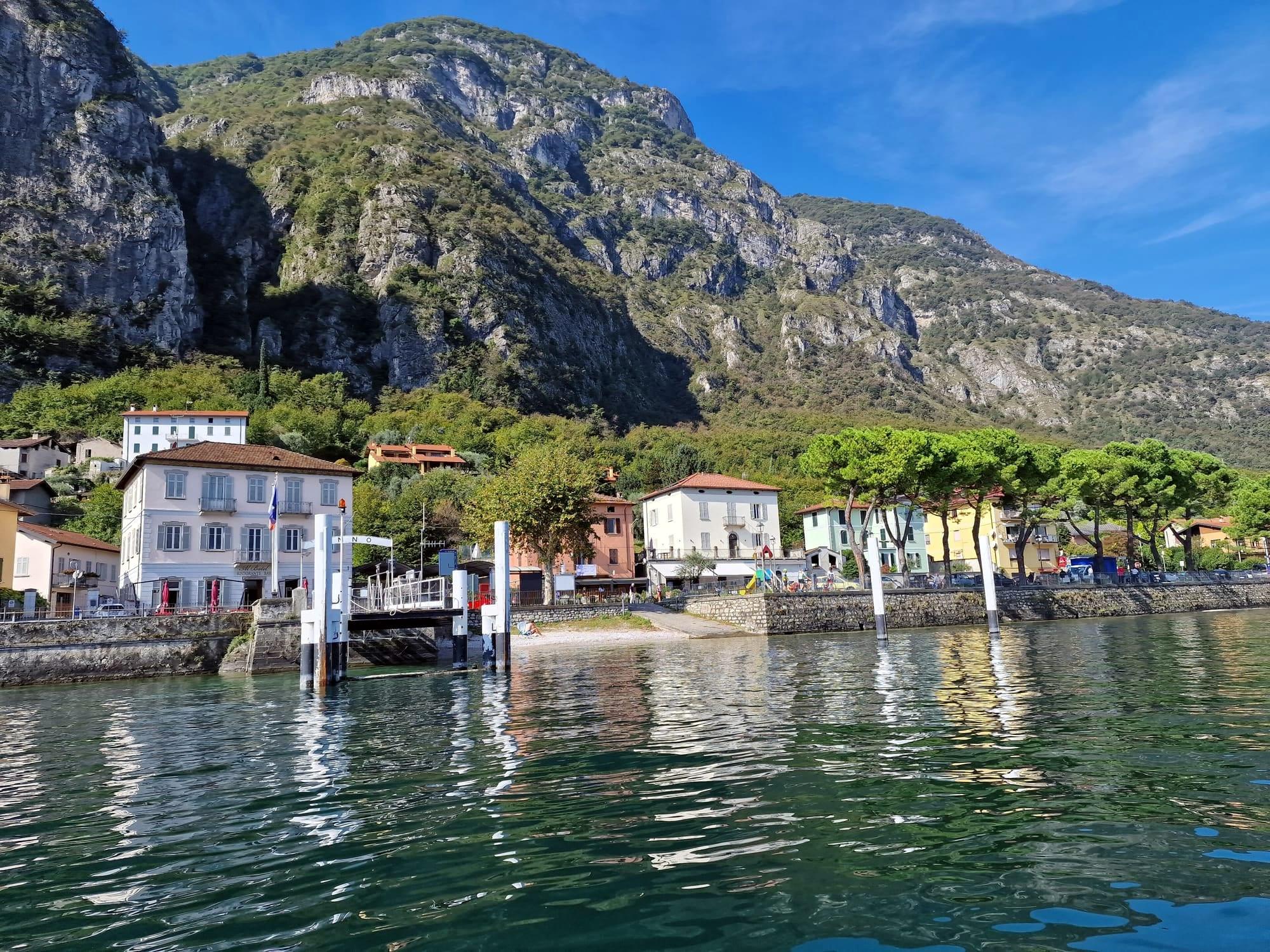
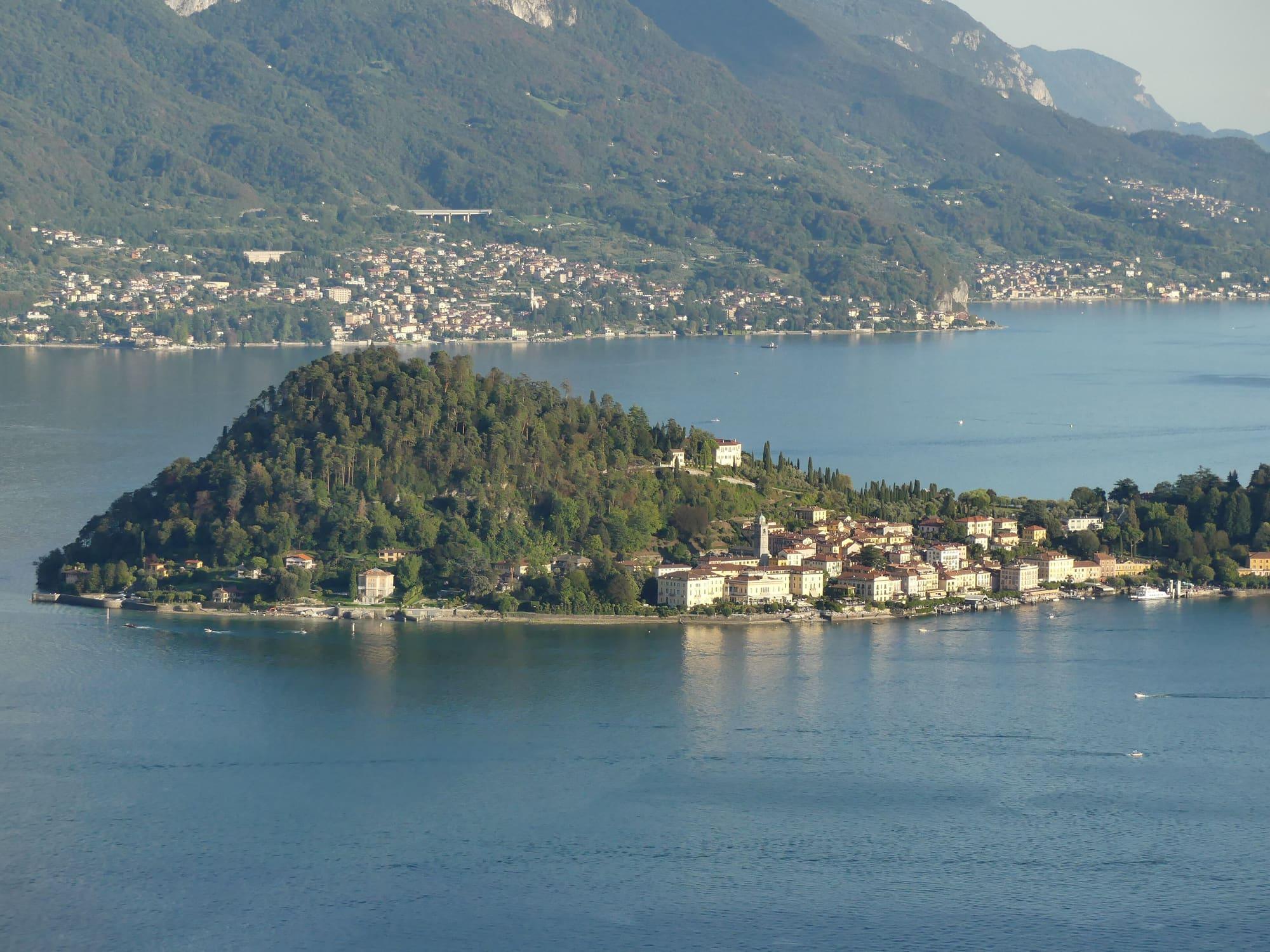
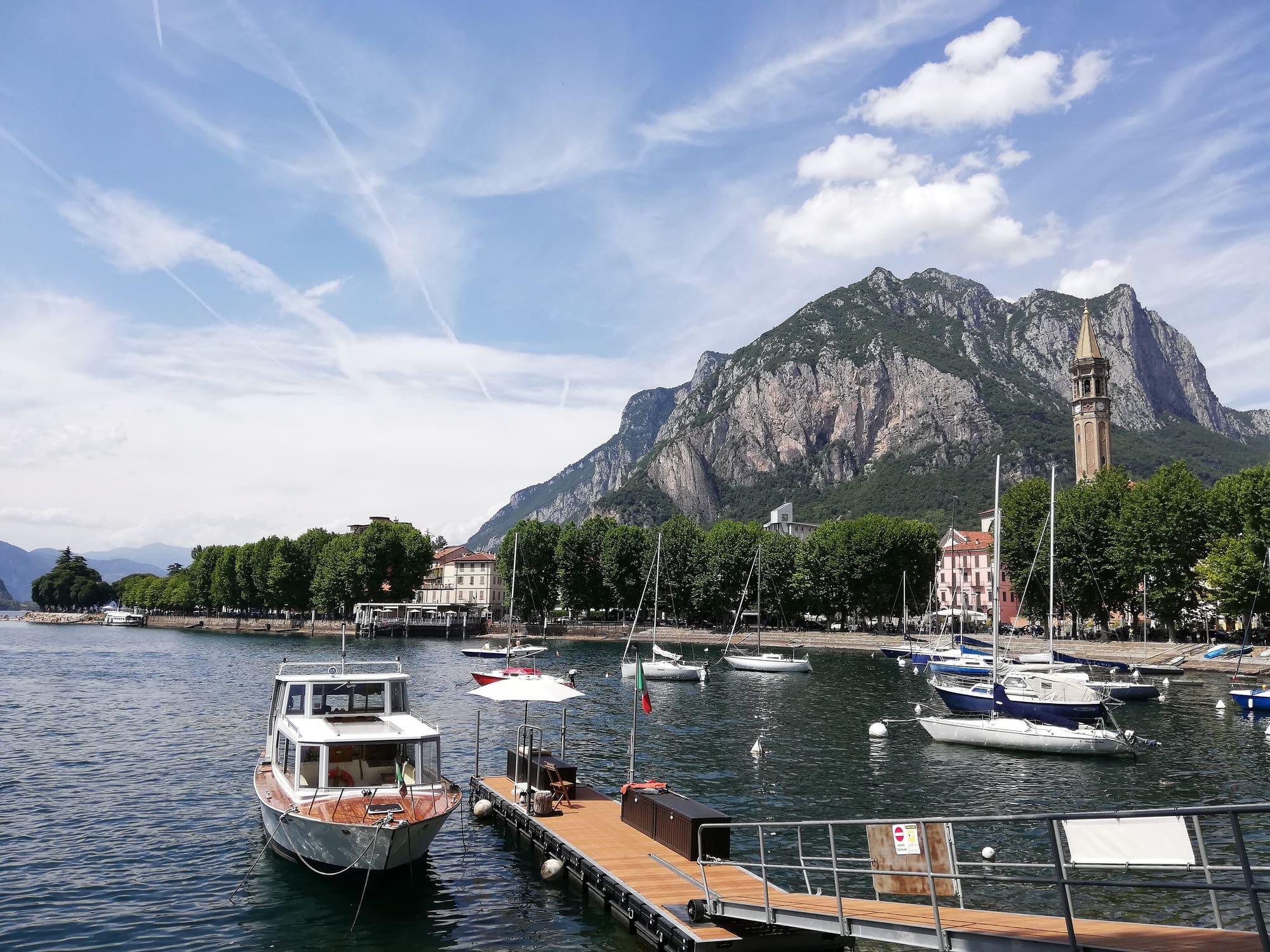
Onno from the lake: the pier, the houses on the shore among the pines, and above them the rock walls of the mountain, under a blue sky.Jan da Oliveto · CC BY-SA 4.0
  • Ottantafame · CC BY-SA 4.0
  • Giovanni.baietti · CC BY-SA 4.0

1 / 3

Onno from the lake: the pier, the houses on the shore among the pines, and above them the rock walls of the mountain, under a blue sky.

Jan da Oliveto · CC BY-SA 4.0

The place

Oliveto Lario was born in 1927 from the union of three comuni, Onno, Vassena and Limonta, which remain its main hamlets, on the western shore of the Lecco branch.

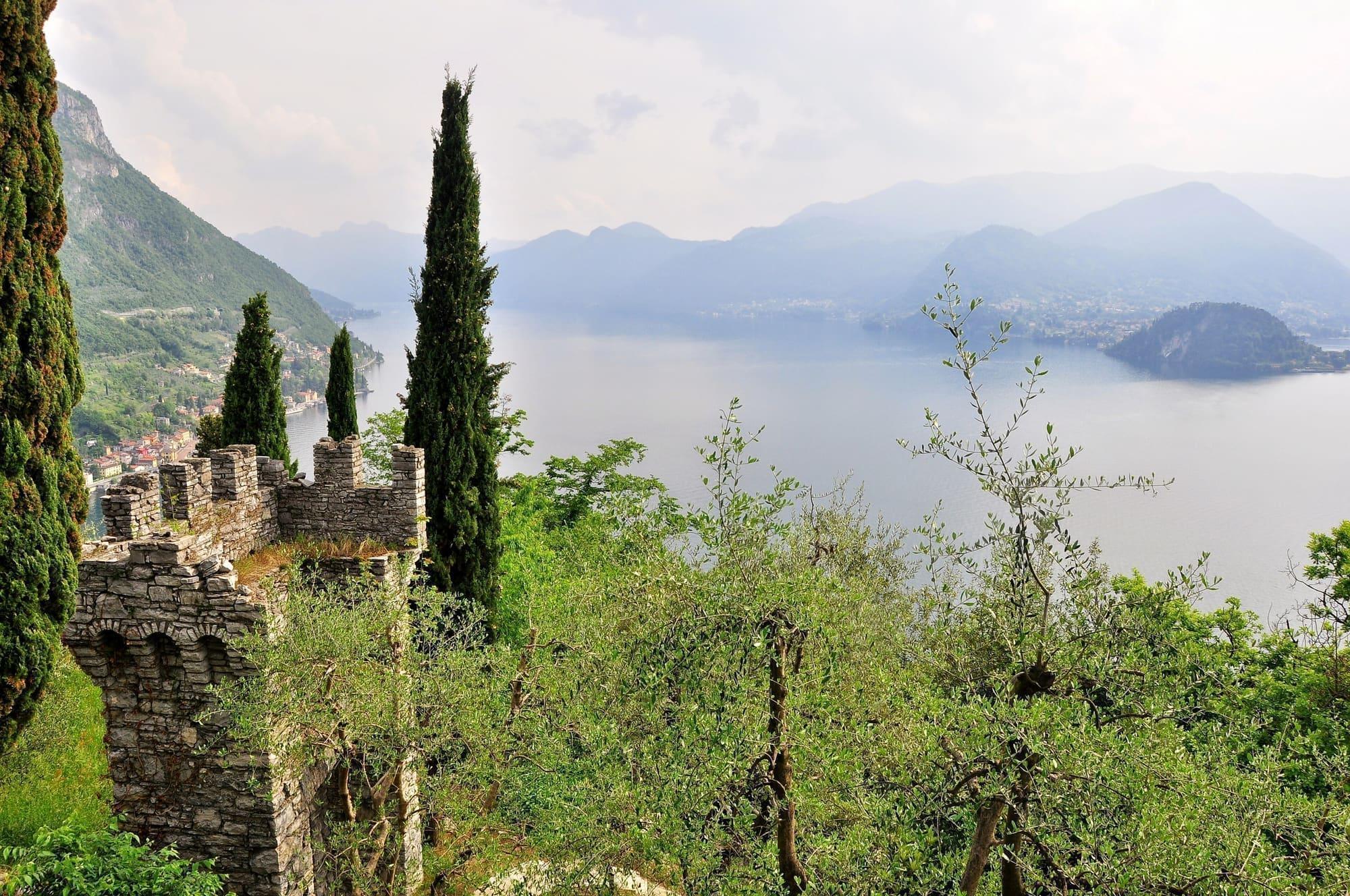
It lies at the centre of the Costiera degli Ulivi, the stretch of lake between Lecco and Bellagio where the olive, grown on terraces since Roman times, gives an extra-virgin oil with the Laghi Lombardi – Lario PDO; the olive also gave the village its name. The crop is still very much alive, with more than twenty tonnes of olives a year. Above the three hamlets the land climbs to the mountain pastures, San Giorgio above Onno, the Alpetto above Vassena and the Limontasca above Limonta. The comune is split between two dioceses: Vassena belongs to that of Como and follows the Roman rite, while Onno and Limonta belong to the archdiocese of Milan and follow the Ambrosian rite.

Oliveto Lario was born in 1927 from the union of three comuni, Onno, Vassena and Limonta, which remain its main hamlets, on the western shore of the Lecco branch.

Read on

It lies at the centre of the Costiera degli Ulivi, the stretch of lake between Lecco and Bellagio where the olive, grown on terraces since Roman times, gives an extra-virgin oil with the Laghi Lombardi – Lario PDO; the olive also gave the village its name. The crop is still very much alive, with more than twenty tonnes of olives a year. Above the three hamlets the land climbs to the mountain pastures, San Giorgio above Onno, the Alpetto above Vassena and the Limontasca above Limonta. The comune is split between two dioceses: Vassena belongs to that of Como and follows the Roman rite, while Onno and Limonta belong to the archdiocese of Milan and follow the Ambrosian rite.

Onno, Vassena and Limonta

Onno lies at the foot of a high cliff, the Sasso di Onno, and its old core stood further south, near the little church of Sant'Anna, until a flood destroyed it in 1896; the church still stands. In the village is Casa Corti, the former parish house, with the remains of a fresco dated 2 December 1452 and attributed to Cristoforo da Seregno and his workshop, like those in the apse of the nearby parish church of San Pietro and on the north wall of Sant'Anna. Vassena, in the middle, where the town hall is, was founded by settlers from Mandello, on the far shore, who came to farm the land by rowing the few kilometres of lake in the boats called “Lucie”.

Limonta, the northernmost hamlet, is the oldest: in 835 the Emperor Lothair gave it to the monastery of Sant'Ambrogio in Milan, which held it for more than nine centuries, until the French arrived. It remained a legal island inside the State of Milan until 10 September 1797. The church of Santi Ambrogio e Bernardo has a Baroque interior and a late fifteenth-century polyptych of the Crucifixion, and just beyond the village, on the shore, stands the sanctuary of the Madonna del Moletto, a small seventeenth-century church on two levels.
A history of the three comuni

Before they were joined, Onno, Vassena and Limonta had separate histories. Onno was a comune of the Milanese and belonged to the pieve of the Vallassina. Vassena depended for centuries on Mandello, on the far shore, before it became a comune in its own right. The abbots of Sant'Ambrogio, lords of Limonta, also bore the title of counts of Limonta. Tommaso Grossi's historical novel “Marco Visconti”, published in 1834, opens with Limonta and its abbot count.

In 1809 a Napoleonic decree joined Vassena to Onno, and in 1812 Valbrona was added; when the Austrians returned, the municipalities were separated again. In 1950 a bill to re-create the three comuni was put before the Senate, and the committee that examined it came out in favour: the hamlets lay three to six kilometres from the seat of the comune, and the split between two dioceses caused difficulties. Oliveto Lario nevertheless remained a single comune.

‘Limonta is a little place almost hidden among the chestnut trees…' — Tommaso Grossi, Marco Visconti

Churches and traditions of the hamlets

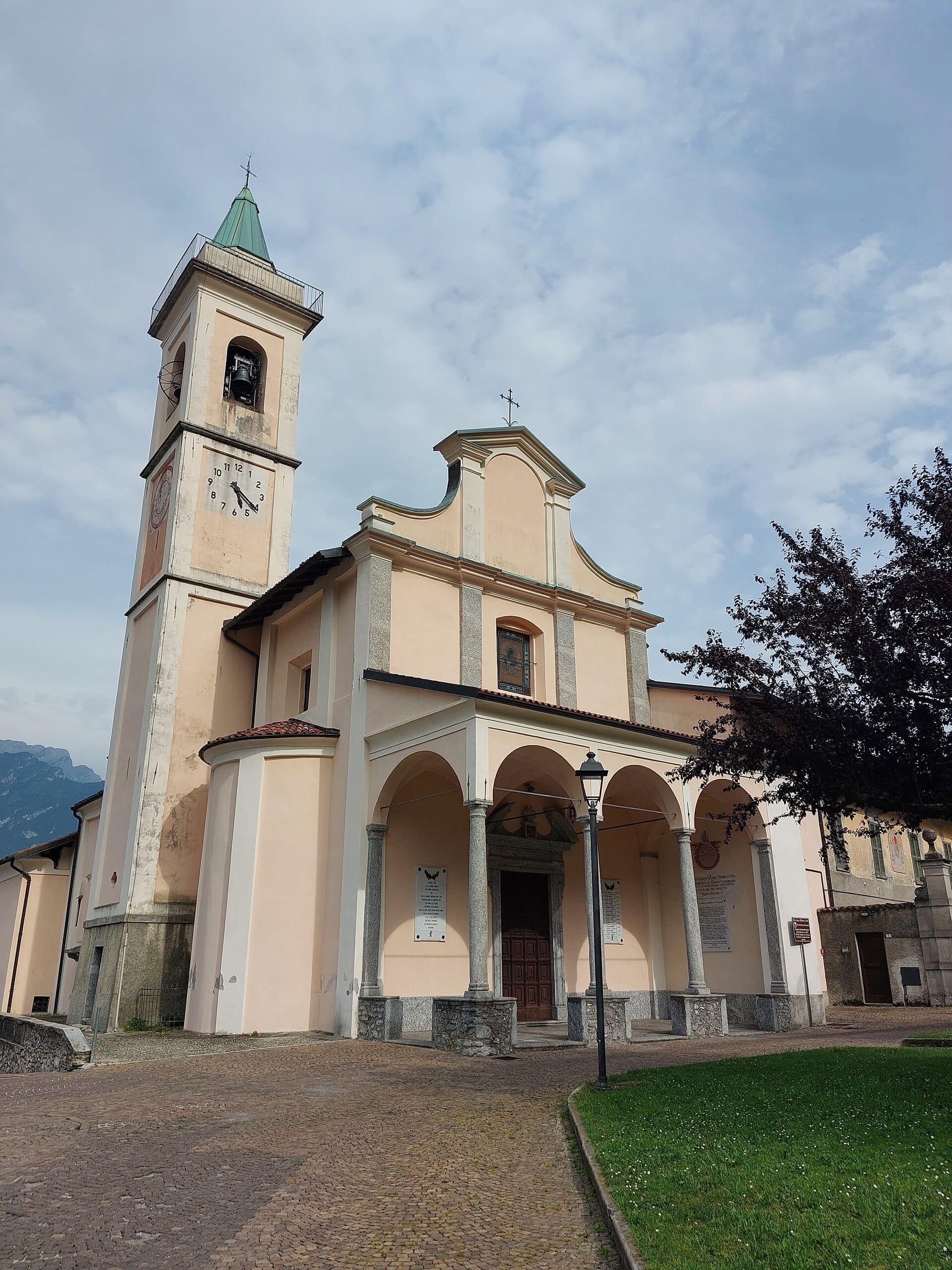
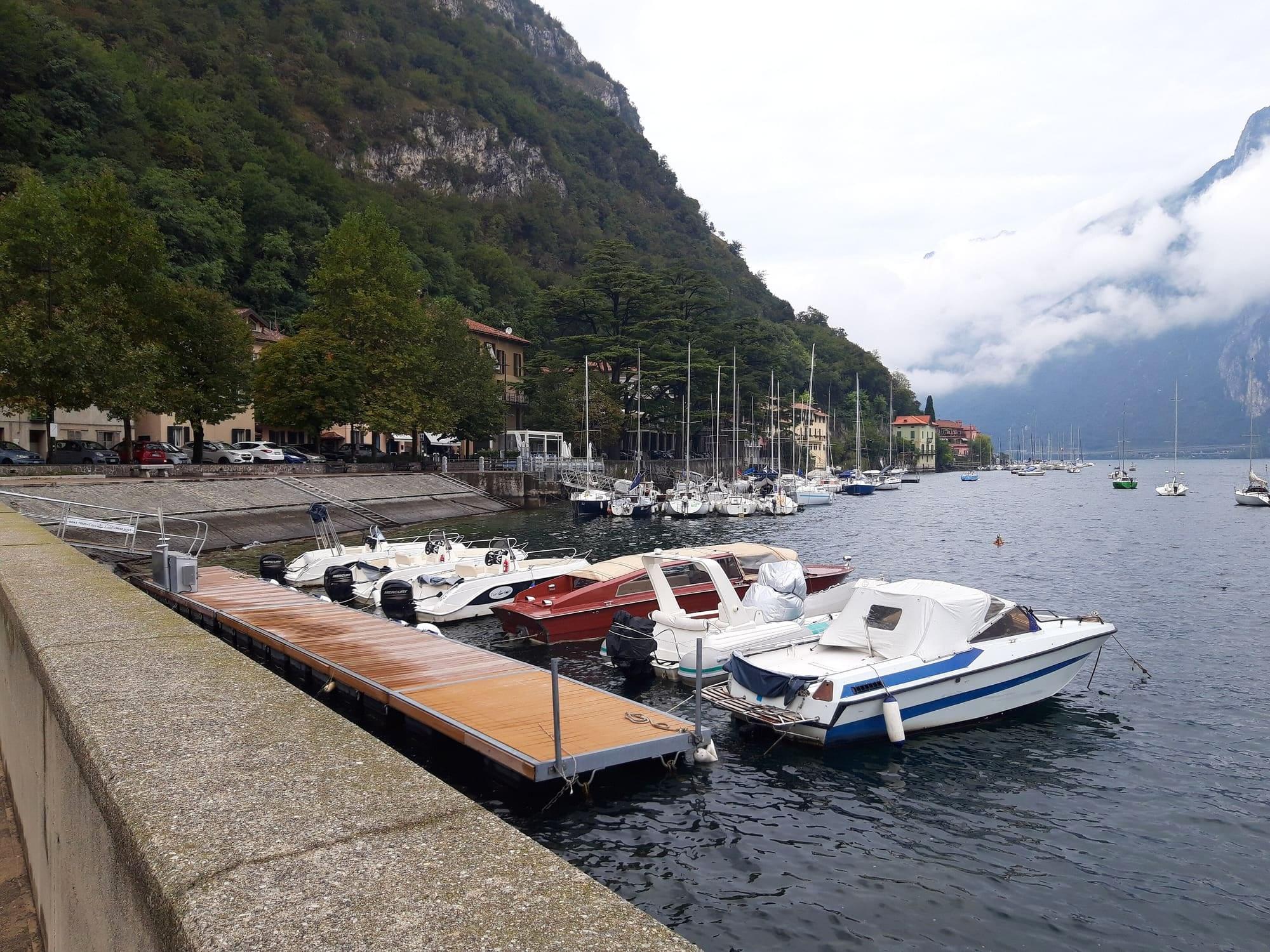
Each hamlet has its own parish church. Onno's, San Pietro Martire, took its present form in the eighteenth century and is dedicated to Saint Peter of Verona, a thirteenth-century Dominican friar, not to the apostle. At Vassena the parish church of Santi Nazaro e Celso, near the little harbour, took its present form between the late seventeenth and the early eighteenth century; in the upper part of the village stands the small church of the Madonna del Carmine. At Limonta, besides Santi Ambrogio e Bernardo, there is the church of San Dionigi, built around 1930.

The comune's patron saints are Nazarius and Celsus, to whom Vassena's parish church is dedicated; their feast day is 28 July. Every year, on the evening of 14 August, the eve of the Assumption, a procession of lit boats leaves Limonta for Mass at the Moletto sanctuary, which is said in the open air and ends with the blessing of the boats.

Beaches, paths and the Circuito del Lario

The beaches, mostly free to use, are of white pebbles and fine gravel, and a band of poplars, alders and willows shades them and separates them from the road. The best known are those at Onno, in the sun and looking across to the villages on the far shore. The Sentiero degli Olivi is a network of paths along the whole coast of the comune, among sheer rock walls and limestone caves, cultivated terraces, pastures and chestnut woods; other paths, some steep and exposed, climb towards Crezzo, San Giorgio, the Alpetto, Valbrona and the Ghisallo.

Onno also lies on the Circuito del Lario, the loop of roads on which the Moto Club Lombardo ran a motorcycle race between 1921 and 1939: riders such as Pietro Ghersi, Tazio Nuvolari, Tonino Benelli and Omobono Tenni raced here, and along the provincial road 583 plaques remember those who lost their lives on it.

Things to see

See all

Before you go

How do I get to Oliveto Lario?

By car on the lakeside road from Lecco to Bellagio, the provincial road 583. Buses are run by Linee Lecco and boats by Navigazione Laghi: in summer the Lecco–Bellagio line boats call at Onno, Vassena and Limonta. The village has no station: the nearest are on the far shore, at Mandello, Olcio and Lierna.

Can you swim at Oliveto Lario?

The beaches, mostly free to use, are of pebbles and fine gravel, the best known at Onno; on Vassena's shore there is an official bathing point, Vassena: like every place people swim it is sampled by law, and the class of its water is assigned at the end of each season from the official sampling.

On the map

What is around, and how far.

Explore the lake
Oliveto Lario

© OpenStreetMap contributors · ODbL

Nearby

Typical door-to-door times.

Sources and credits

Sources and credits