Skip to content

Lecco Branch

Valmadrera

The bay of Parè, the Fatebenefratelli Cultural Centre and walking routes to San Tomaso and the Moregallo.

Ideal for
The Parè waterfront, walks at every level, a base by train close to Lecco
Time needed
Half a day between Parè and the centre; a whole day with San Tomaso or the Moregallo
Best season
Spring and autumn for the paths, summer for the lake
What to see
The Piana di San Tomaso, above the town
Best reached by
Train to Valmadrera station; C140 bus from Lecco or Como; the Lecco–Bellagio boat at Parè
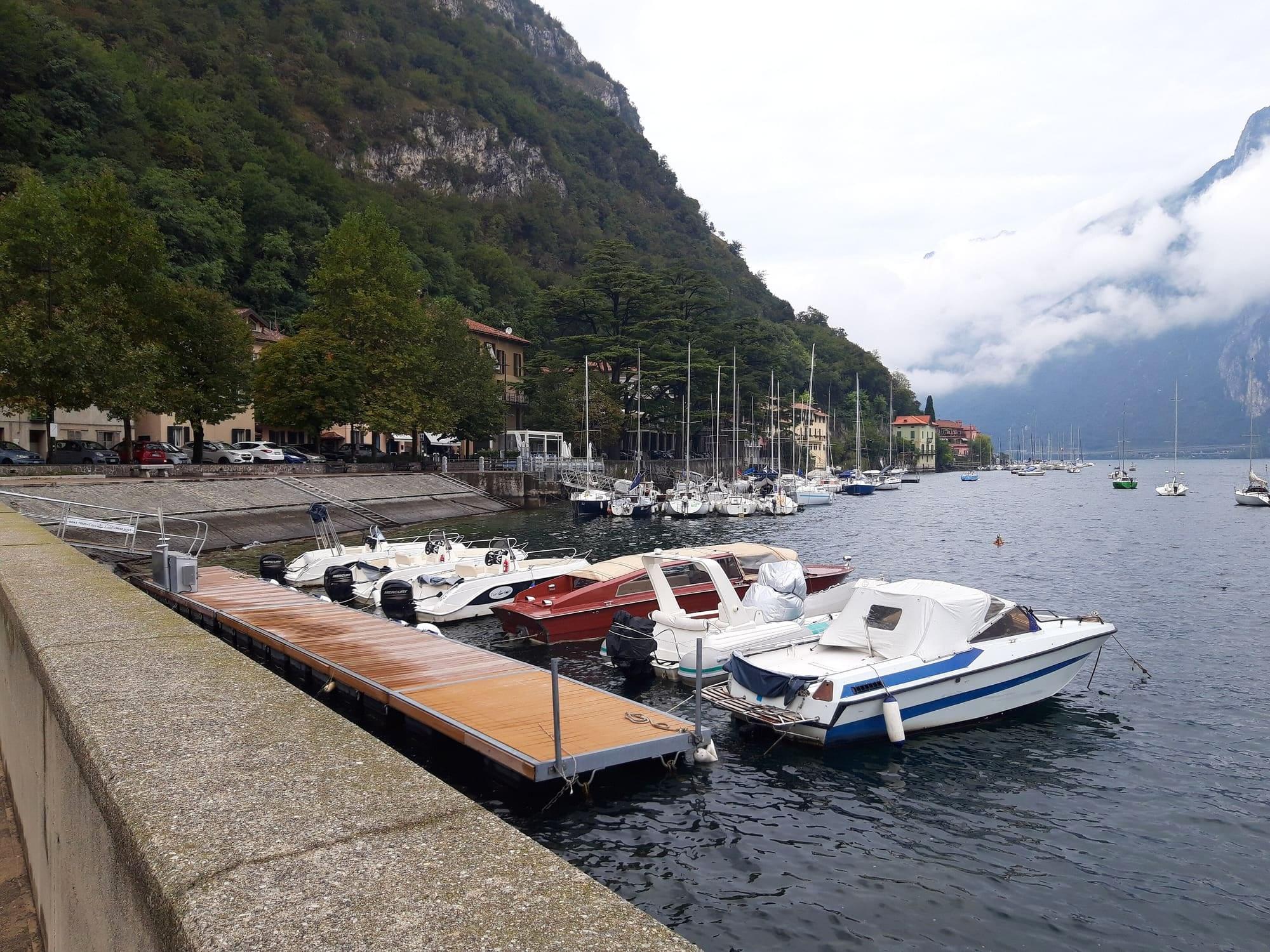
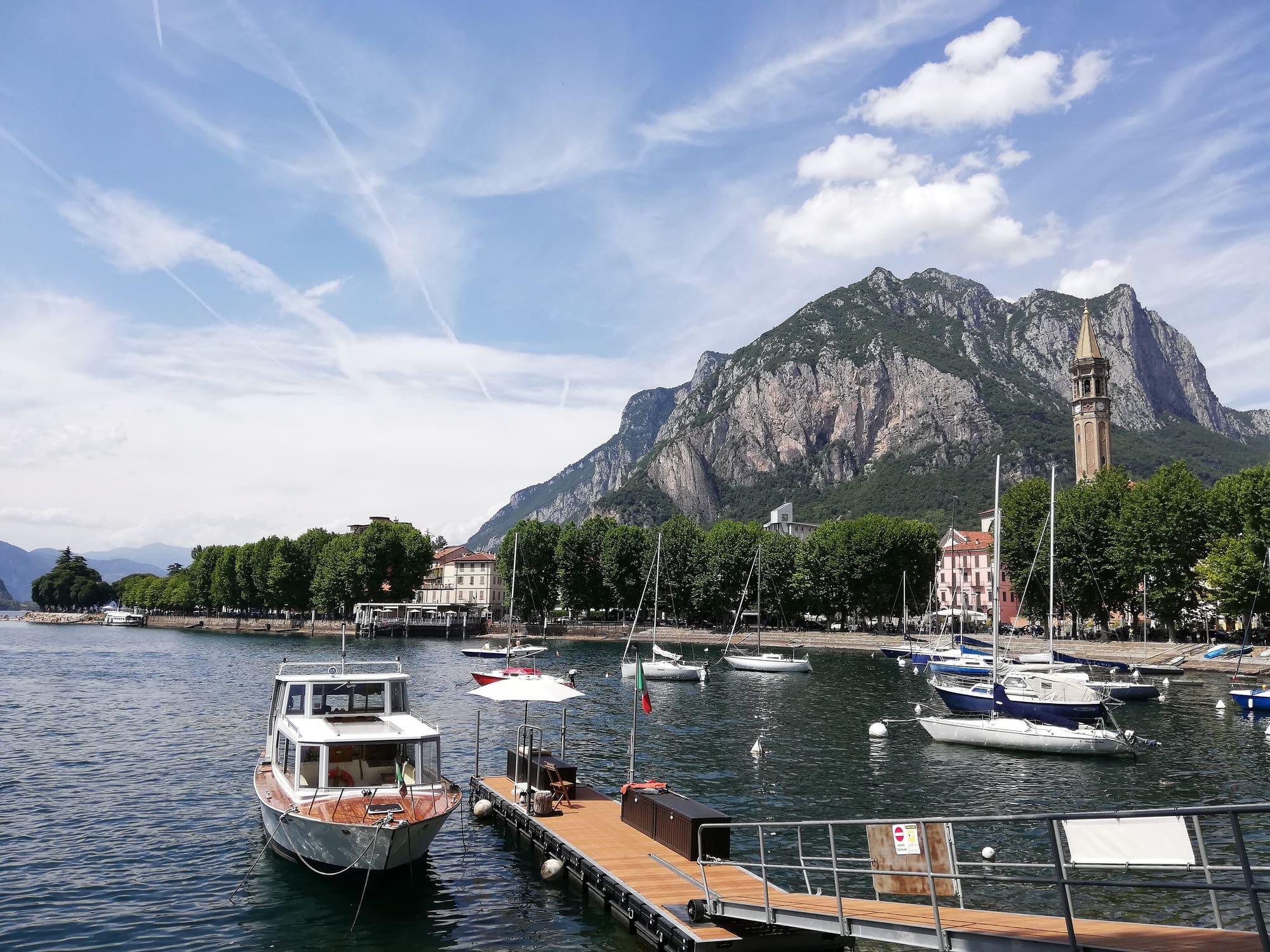
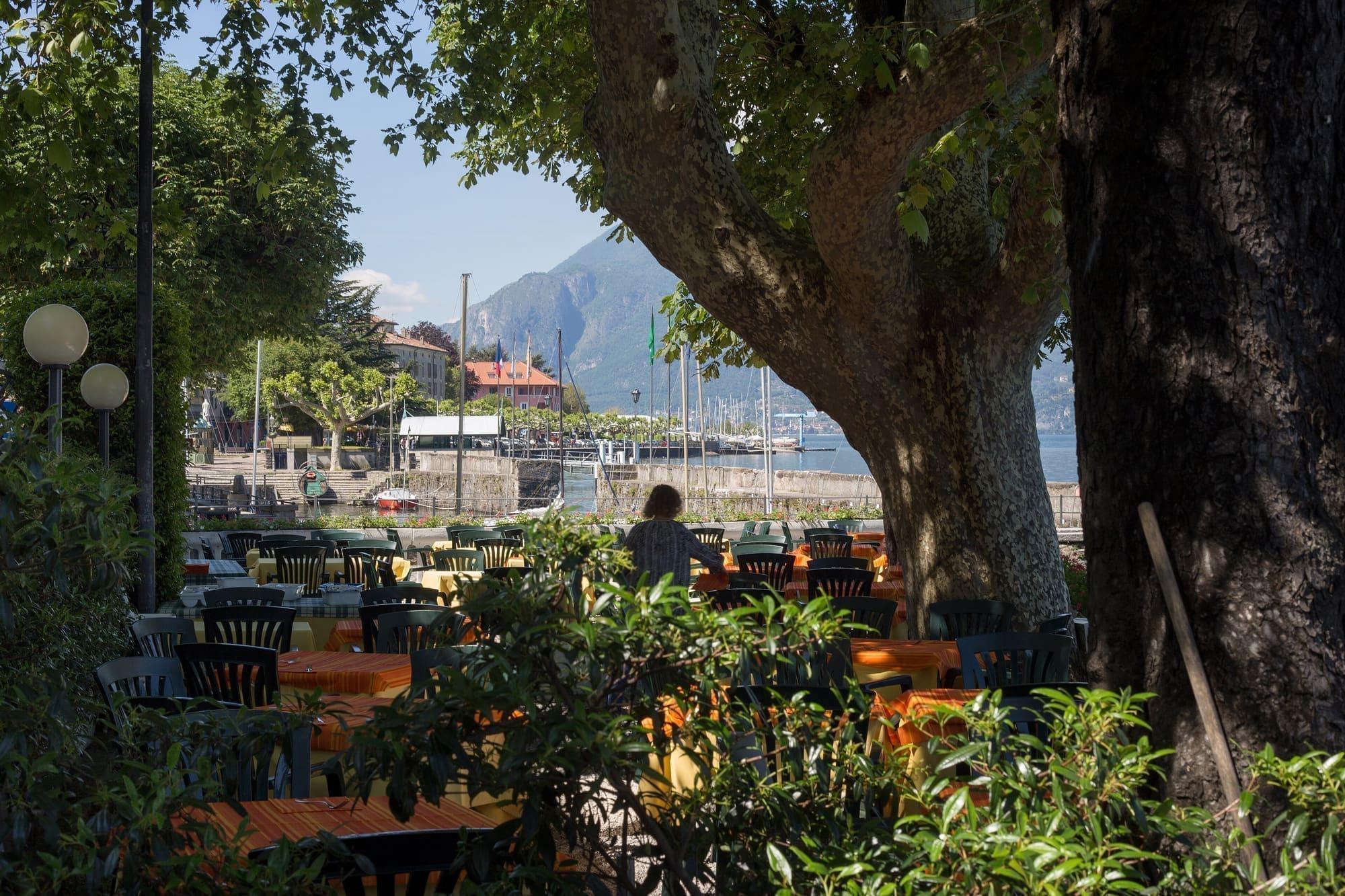
The little harbour of Parè at Valmadrera: boats at the floating jetty, the houses on the shore and the wooded mountain, with low cloud on the mountains opposite.Ysogo · CC BY-SA 4.0
  • Kaitu · CC BY 4.0
  • Mario Falcetti · CC BY 4.0

1 / 3

The little harbour of Parè at Valmadrera: boats at the floating jetty, the houses on the shore and the wooded mountain, with low cloud on the mountains opposite.

Ysogo · CC BY-SA 4.0

The place

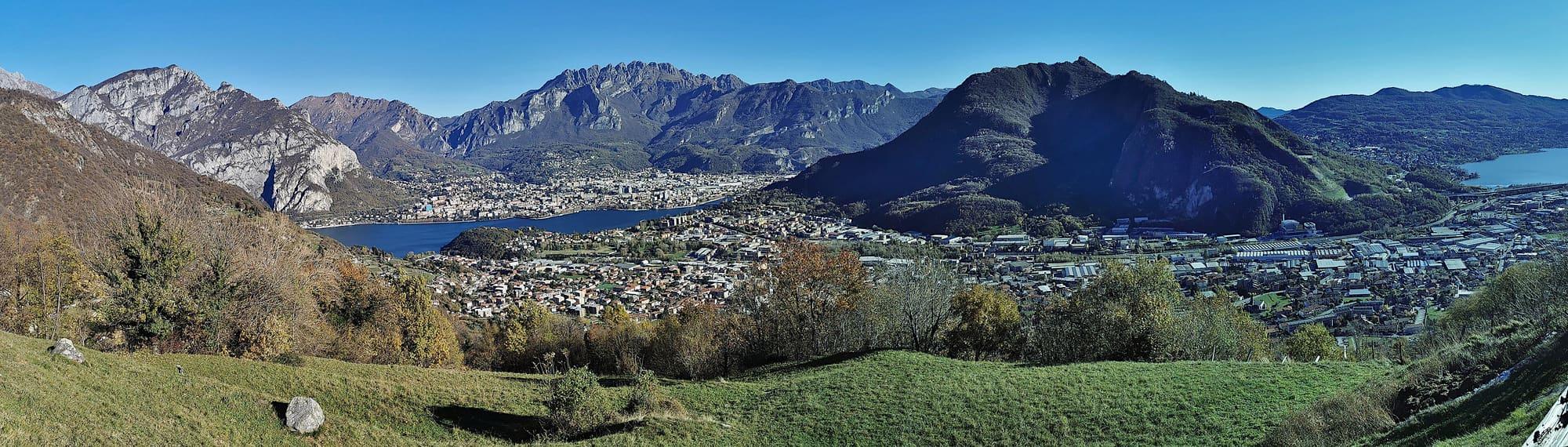
Valmadrera is a small town pressed between the lake and the mountains. From the eighteenth century iron and silk were worked here, with kilns and pastures around, and traces of those trades can still be seen today.

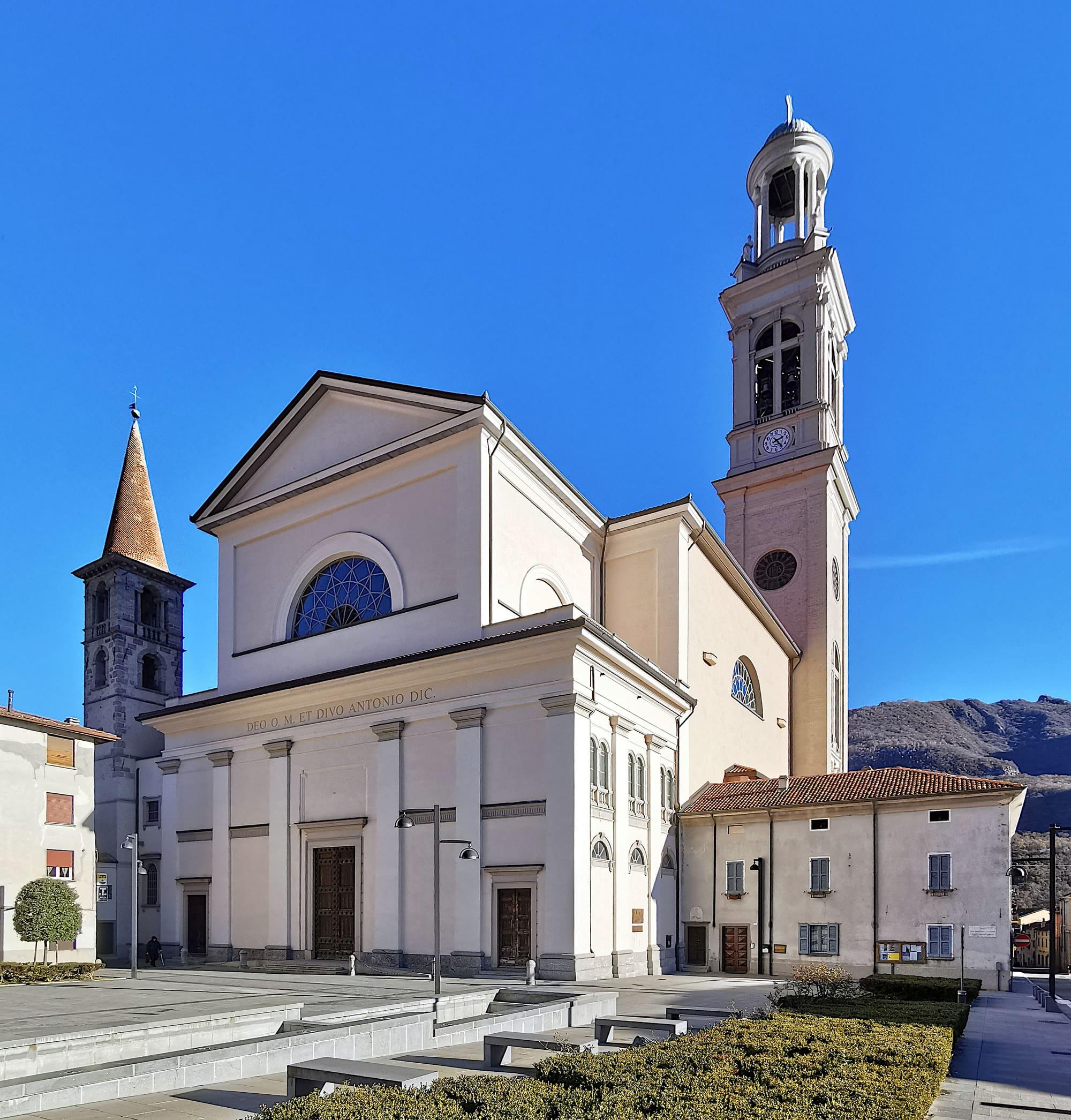
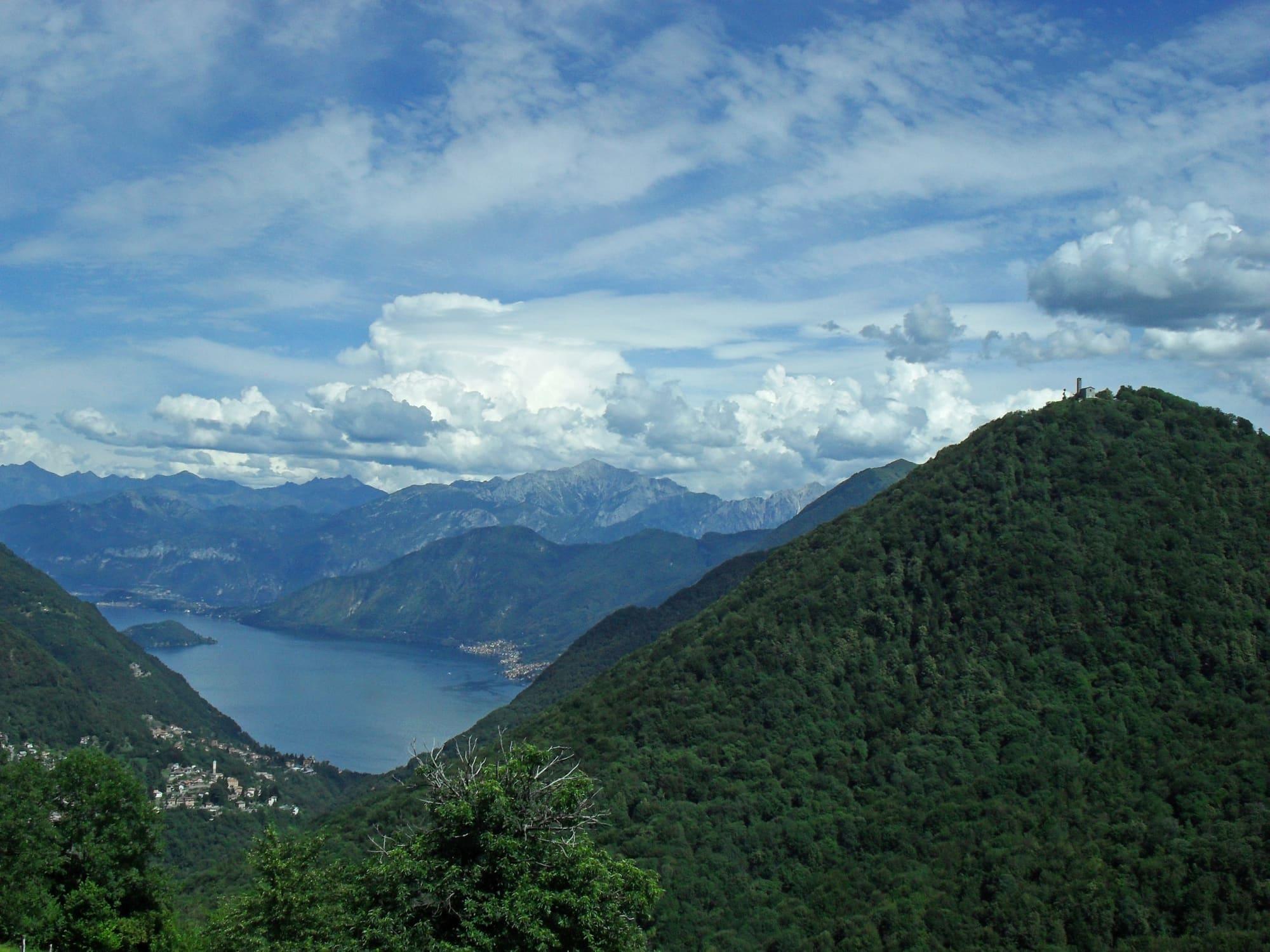
North of the centre, at the foot of Monte Moregallo, lies the Baia di Parè with its little harbour, crossed by the last stretch of the Rio Torto before it enters the lake; the Lecco–Bellagio line boat leaves from there. In the town stand the sanctuary of San Martino with its Renaissance frescoes and a late-Gothic Madonna del Latte, the parish church of Sant'Antonio Abate with an 87.5-metre bell tower, and the Fatebenefratelli Cultural Centre with the Riccardo Villa Botanical Garden. Above, the paths run from the Piana di San Tomaso, a natural terrace over the lakes and the Brianza, up to the summit of the Moregallo.

Valmadrera is a small town pressed between the lake and the mountains. From the eighteenth century iron and silk were worked here, with kilns and pastures around, and traces of those trades can still be seen today.

Read on

North of the centre, at the foot of Monte Moregallo, lies the Baia di Parè with its little harbour, crossed by the last stretch of the Rio Torto before it enters the lake; the Lecco–Bellagio line boat leaves from there. In the town stand the sanctuary of San Martino with its Renaissance frescoes and a late-Gothic Madonna del Latte, the parish church of Sant'Antonio Abate with an 87.5-metre bell tower, and the Fatebenefratelli Cultural Centre with the Riccardo Villa Botanical Garden. Above, the paths run from the Piana di San Tomaso, a natural terrace over the lakes and the Brianza, up to the summit of the Moregallo.

The bay of Parè

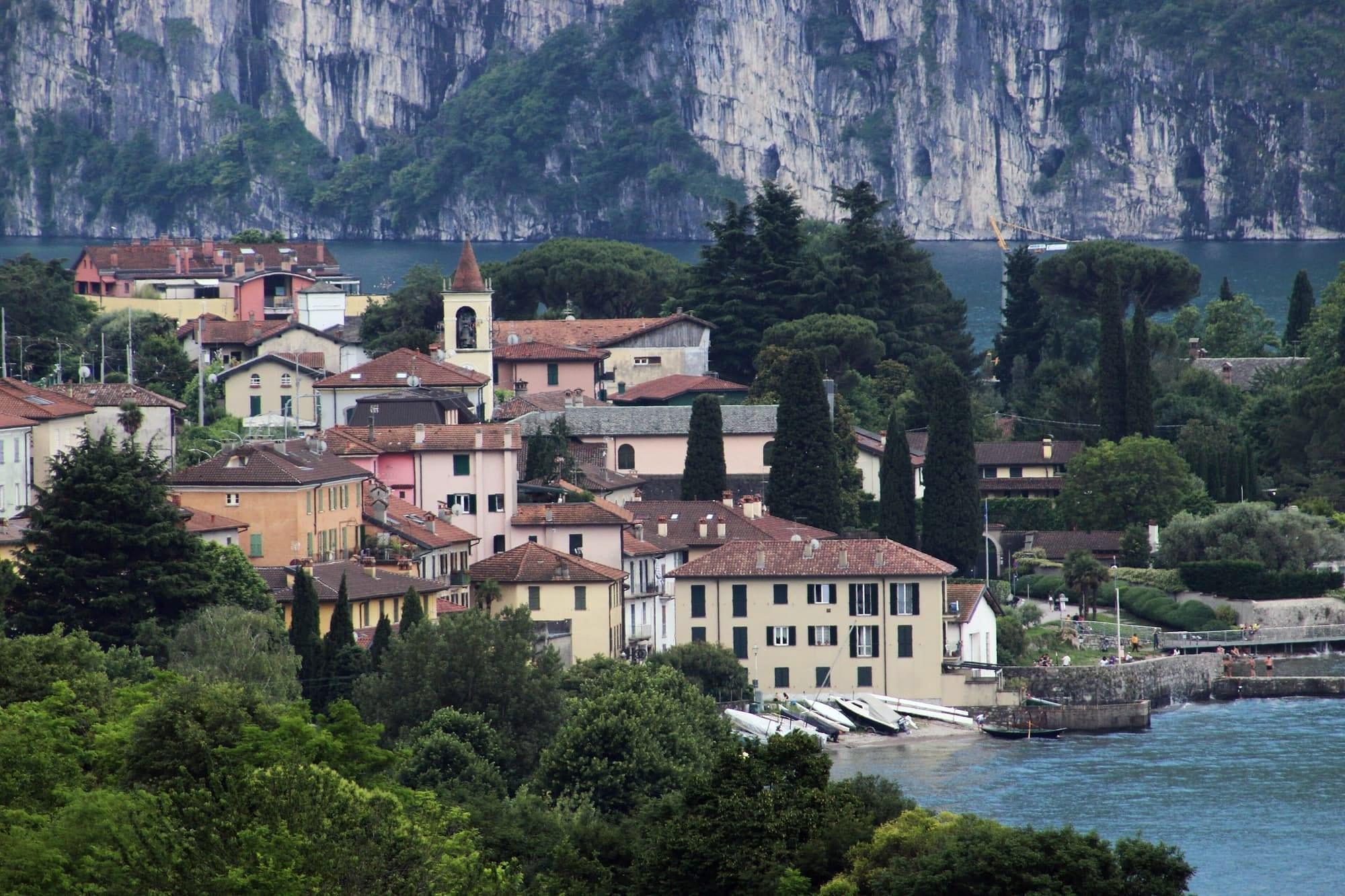
Parè is Valmadrera's lakeside part, north of the centre, at the foot of the Moregallo. It has walks along the water, the Parco della Rocca with its panoramic headland and the harbour's sailing clubs, with sailing, windsurfing and kayak courses. Near the pier and the little chapel of the Madonna, not far from the church of Parè, are the remains of the old wash houses, with a spring to which local tradition credits healing powers. In front of the bay lies a large lawn open to all.

The Lecco–Bellagio line boat calls at the Parè pier, linking the villages on the Lecco branch. The timetable is Navigazione Laghi's and changes with the season.

History

People lived here in Roman times, but there is firm record of the inhabitants only after the year 1000. In the Middle Ages the Vallis Magrera belonged to the pieve of Garlate and was guarded by the castle of San Dionigi. At the end of the thirteenth century the houses stood in small clusters at San Dionigi, Caserta, Ceppo and San Tomaso. In 1296, when Matteo Visconti's Milanese destroyed Lecco, Valmadrera took in the refugees.

In the early sixteenth century the Mandelli family owned some ten houses at Caserta. Towards the middle of the century the Bonacina, wealthy leather merchants, rose in fortune, and the centre of the town moved to the oratory of Sant'Antonio: in 1566 Saint Charles Borromeo transferred the parish there from San Martino. Throughout the seventeenth century the leading families were the Bonacina and the Mandelli. Saint Anthony the Abbot is the town's patron saint, and his feast is on 17 January.

The town and the Fatebenefratelli

In the centre stands the parish church of Sant'Antonio Abate, whose bell tower, 87.5 metres high including the cross, is among the tallest in Italy. Next to it is the complex that the Mandelli left at the end of the seventeenth century to the friars of the Hospitaller Order of Saint John of God, the Fatebenefratelli. The friars founded a hospice for the sick there and a small pharmacy with its Giardino dei Semplici, where they grew the medicinal plants for their patients; the Riccardo Villa Botanical Garden grew out of it, with medicinal and aromatic herbs and specimens of the area's protected flora.

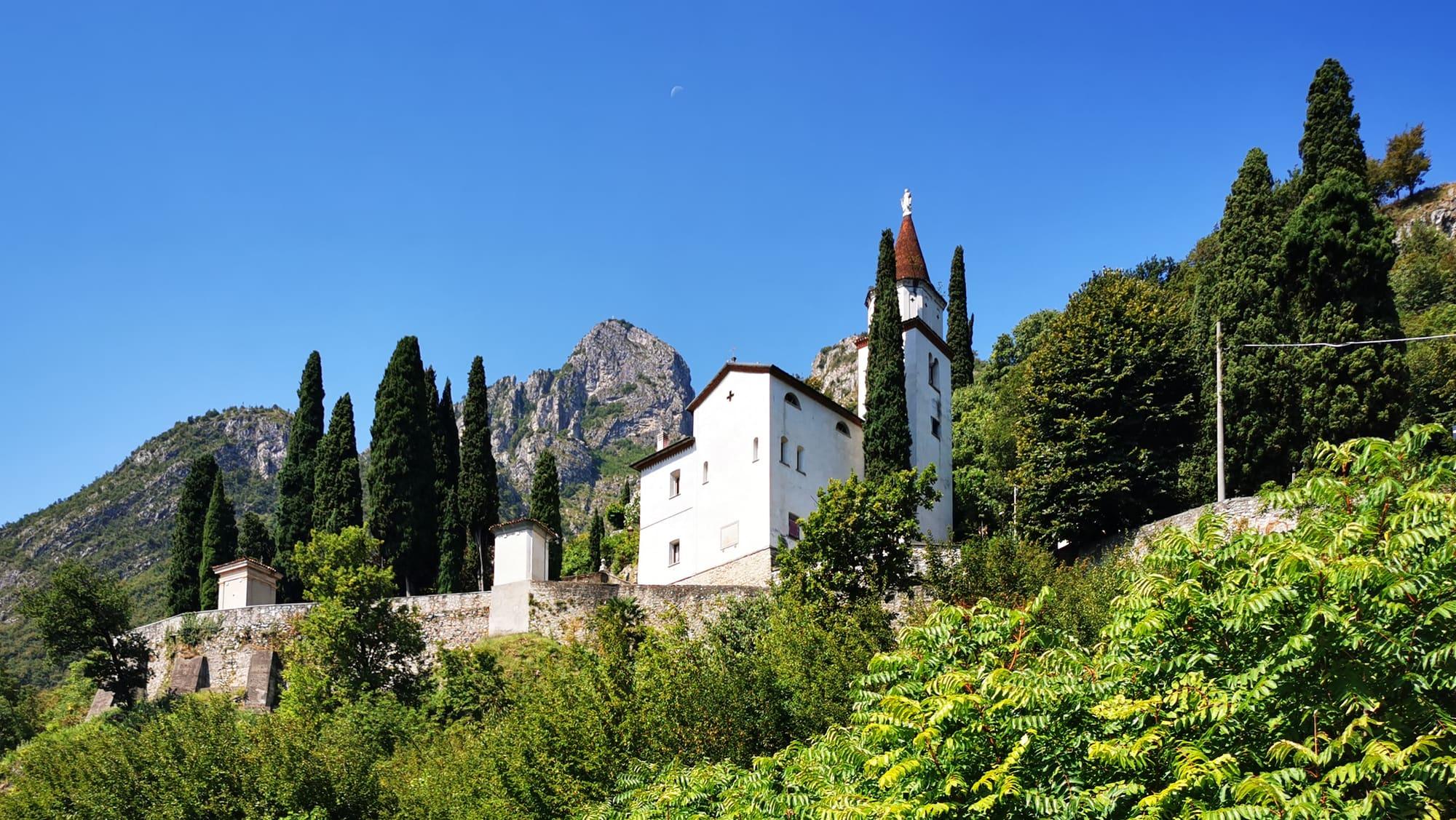
The sanctuary of San Martino, the town's first parish church, keeps Renaissance frescoes and a late-Gothic Madonna del Latte. Villa Gavazzi has an avenue of lime trees, a private chapel, a landscaped park with its greenhouse and, at the back, the old silk mill, built there to keep the manor and the silk work together.
Silk and Villa Gavazzi

In the eighteenth century silkworm rearing spread to every farming family, and around the middle of the century three silk mills were built on the channels of the Rio Torto. With the Gavazzi, from the end of the century, Valmadrera moved from craft work to industry. Some years after the Second World War the last silk-reeling mills closed, and then the throwing mills: silk had been worked in the town for more than two centuries.

In 1817 the Gavazzi brothers bought the house that had belonged to the Bonacina and then to the Orrigoni, who had enlarged it in the eighteenth century with a U-shaped wing. Between 1817 and 1820 the Lecco architect Giuseppe Bovara remodelled it and laid out the entrance avenue; between 1820 and 1840 the Gavazzi had the romantic park laid out. In 1834 the chapel of San Gaetano was rebuilt as a small round neoclassical temple with a lantern dome. The villa and the park are private.

Walks from the town

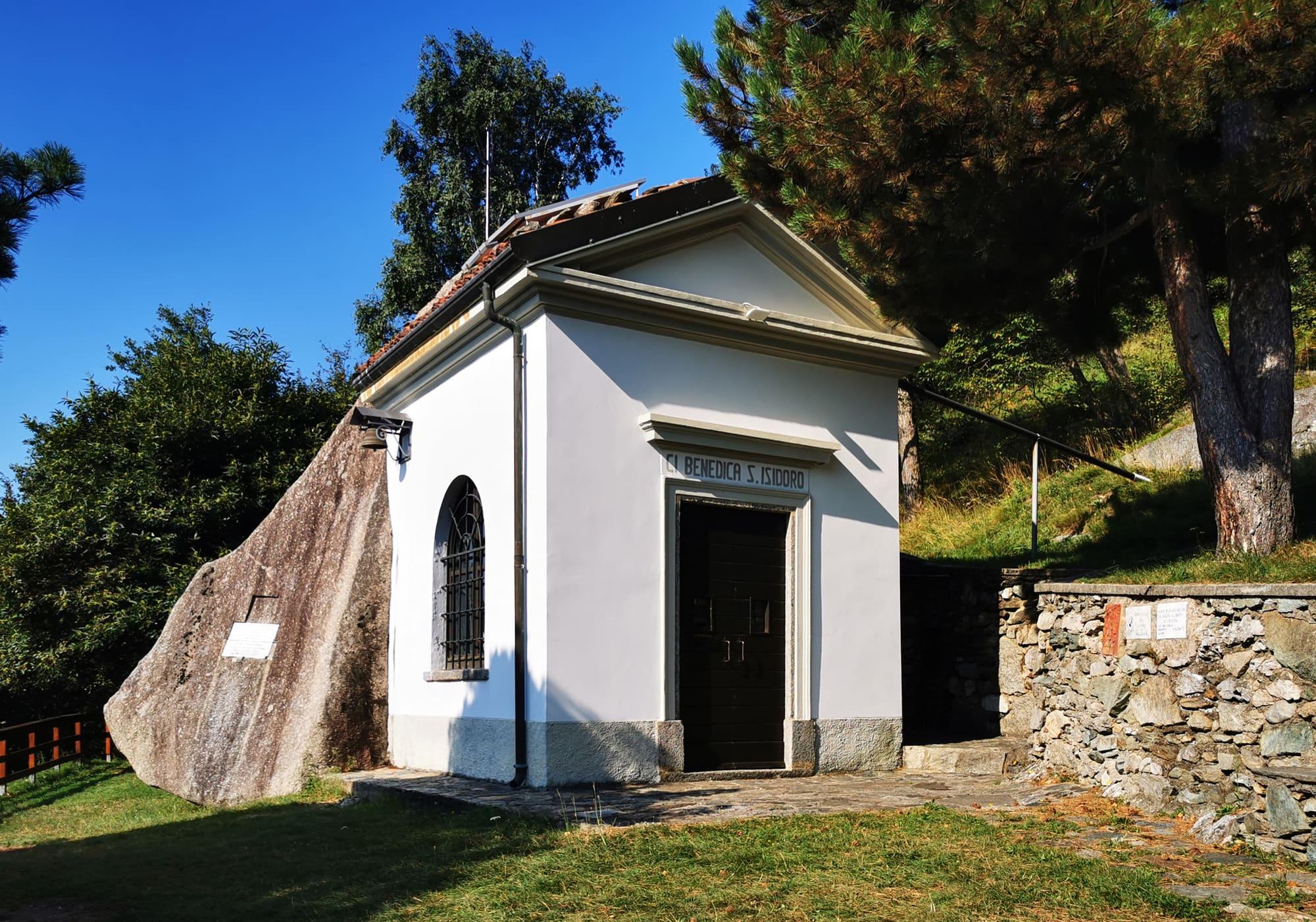
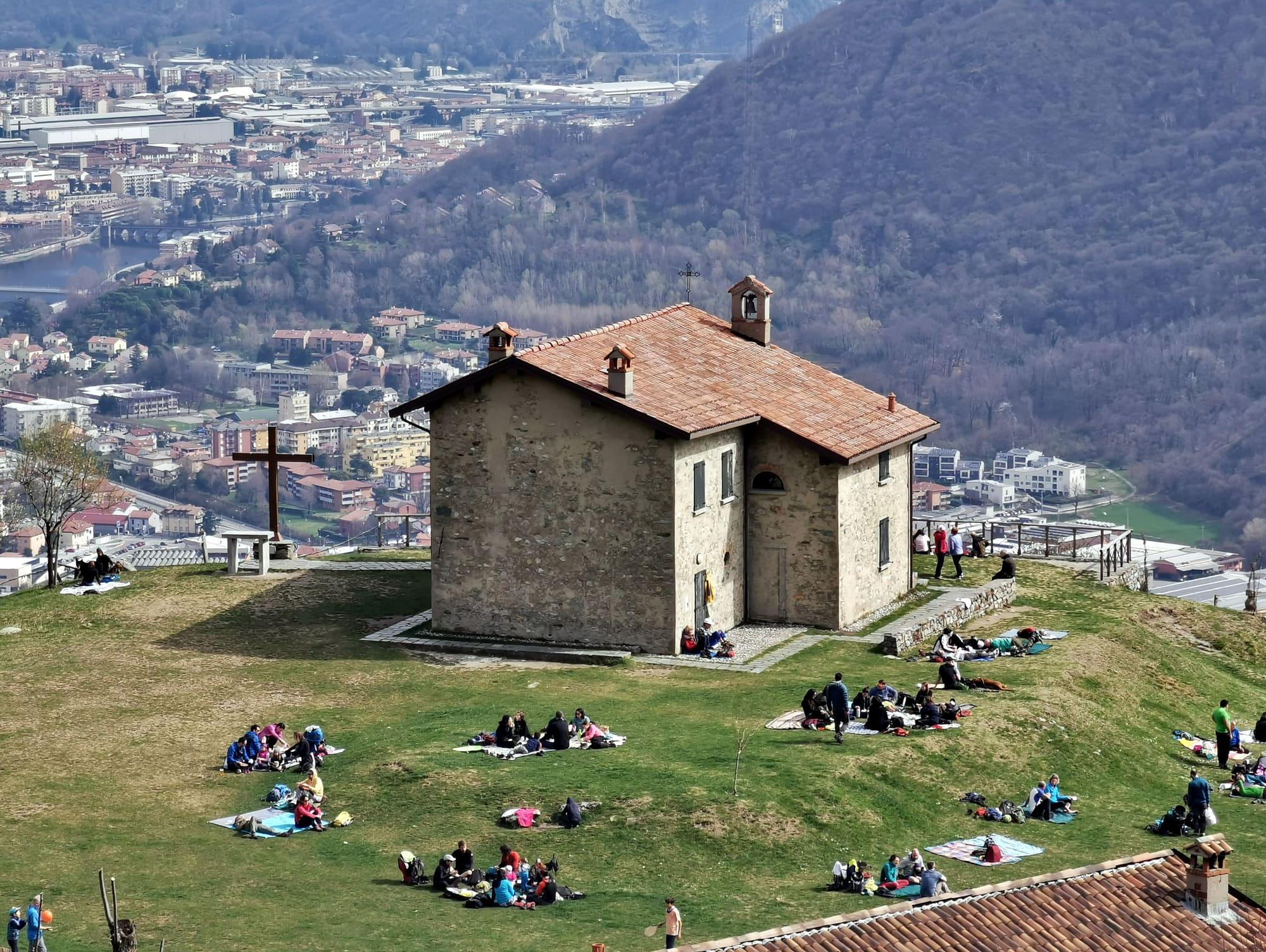
A climb lined with the eighteenth-century chapels of the Way of the Cross leads to the sanctuary of San Martino, where the Madonna di San Martino is celebrated on the second Sunday of October. From the sanctuary path 5 climbs to the Sass Negher, an erratic boulder darkened by time on the slopes of the Corno Birone. The Piana di San Tomaso, at 580 metres, is reached by a mule track of about three kilometres with 350 metres of ascent.

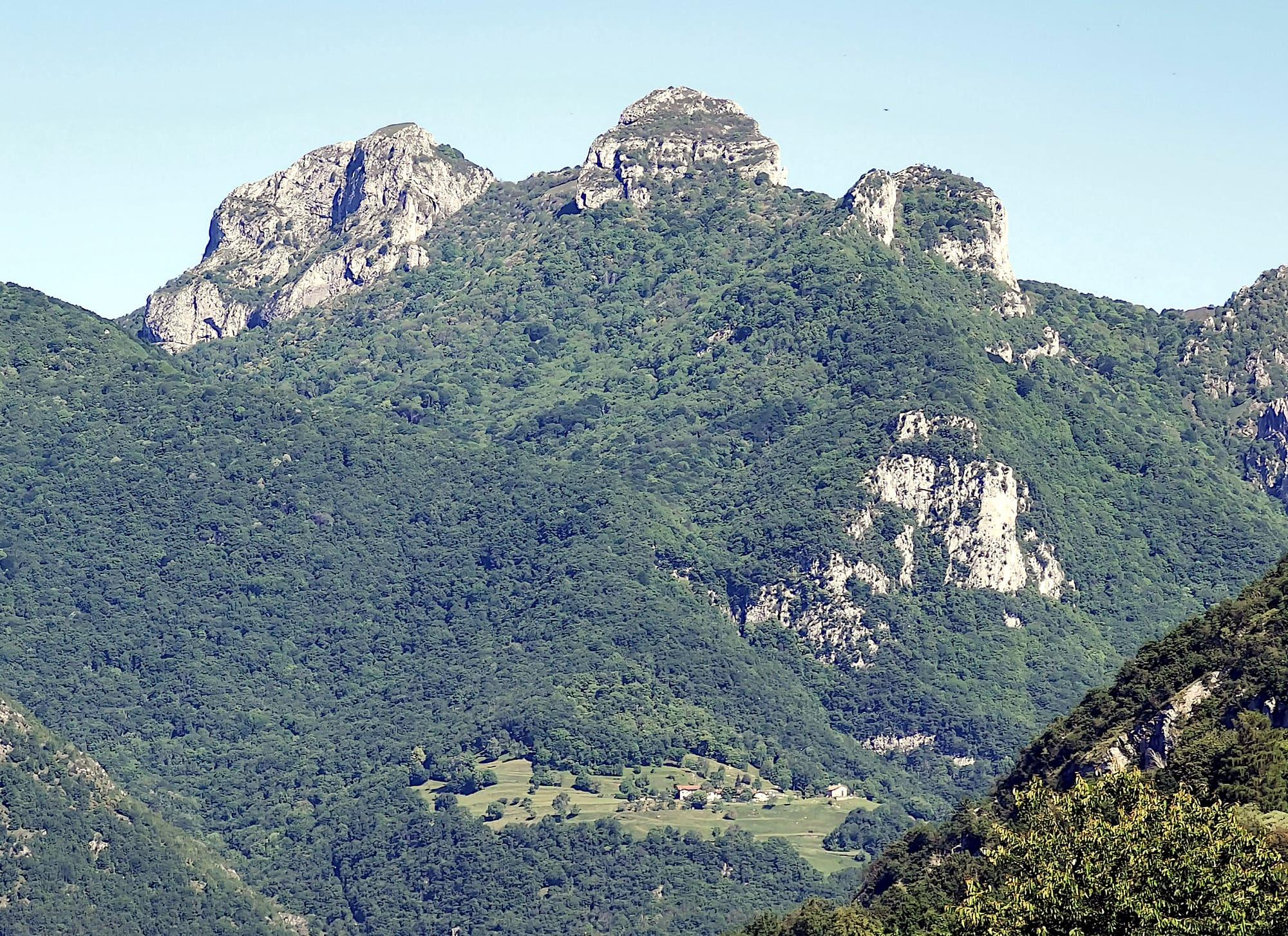
The Sentiero delle Vasche follows the gorge of the Inferno stream uphill, past the remains of the dams that carried water to a vanished silk mill. From the hamlet of Belvedere a path climbs to the Sambrosera spring, at 716 metres. From there the paths climb to the Rifugio SEV, at 1,225 metres, which volunteers of the Società Escursionisti Valmadreresi built between 1960 and 1964. A demanding route leads instead to the summit of the Moregallo, at 1,276 metres, with its cross and a small statue of the Madonna.

Things to see

See all

Experiences

See all

Before you go

How do I get to Valmadrera?

By train: Valmadrera's RFI station is on the line from Lecco towards Molteno and Como, a few minutes from Lecco. By bus: ASF Autolinee's C140, Como–Erba–Lecco, has several stops in the town, the station among them. By boat: Navigazione Laghi's Lecco–Bellagio line boat calls at Parè, and its timetable changes with the season. From Malgrate and from Lecco's lakefront you can also walk.

Where can you walk at Valmadrera?

There are routes for every level. The Piana di San Tomaso, a natural terrace over the lakes and the Brianza, is an easy walk; along the paths you pass erratic boulders left by the glaciers, such as the Sasso di Preguda with its nineteenth-century chapel. Higher up, experienced walkers go on to the Corno Rat via ferrata, the Rifugio SEV at Pianezzo or the Corni di Canzo; the Sentiero delle Vasche runs through the gorge of the Inferno stream among pools, waterfalls and fords, and the summit of the Moregallo, the town's own mountain, is reached by a demanding route.

On the map

What is around, and how far.

Explore the lake
Valmadrera

© OpenStreetMap contributors · ODbL

Nearby

Typical door-to-door times.

Sources and credits

Sources and credits