17Jan 2027
Lecco Branch
Abbadia Lariana
- Ideal for
- Walking, industrial archaeology
- Time needed
- Two hours in the village; a day if you walk the Viandante
- Best season
- March–November for walking; check the weather and path conditions
- What to see
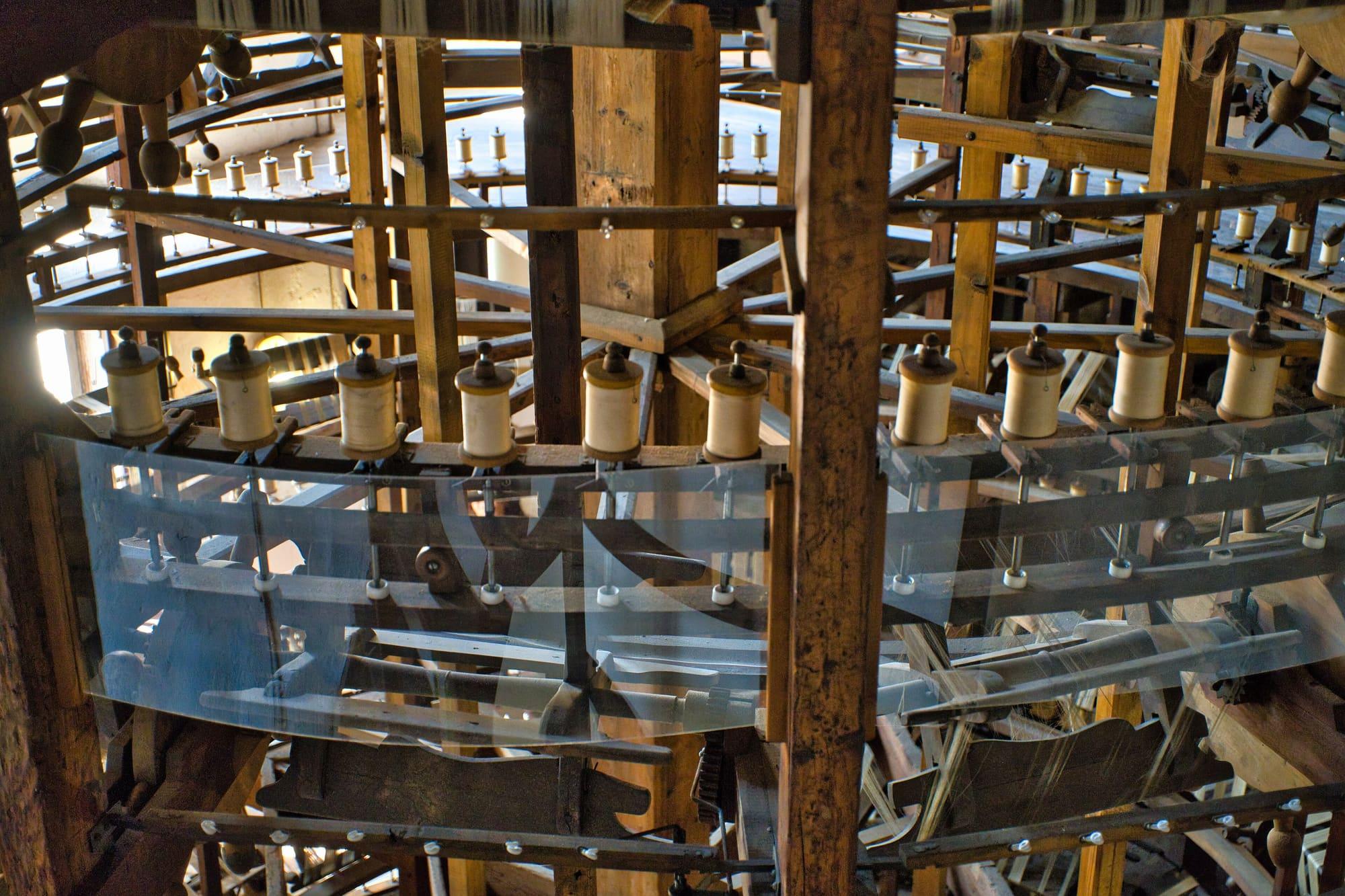
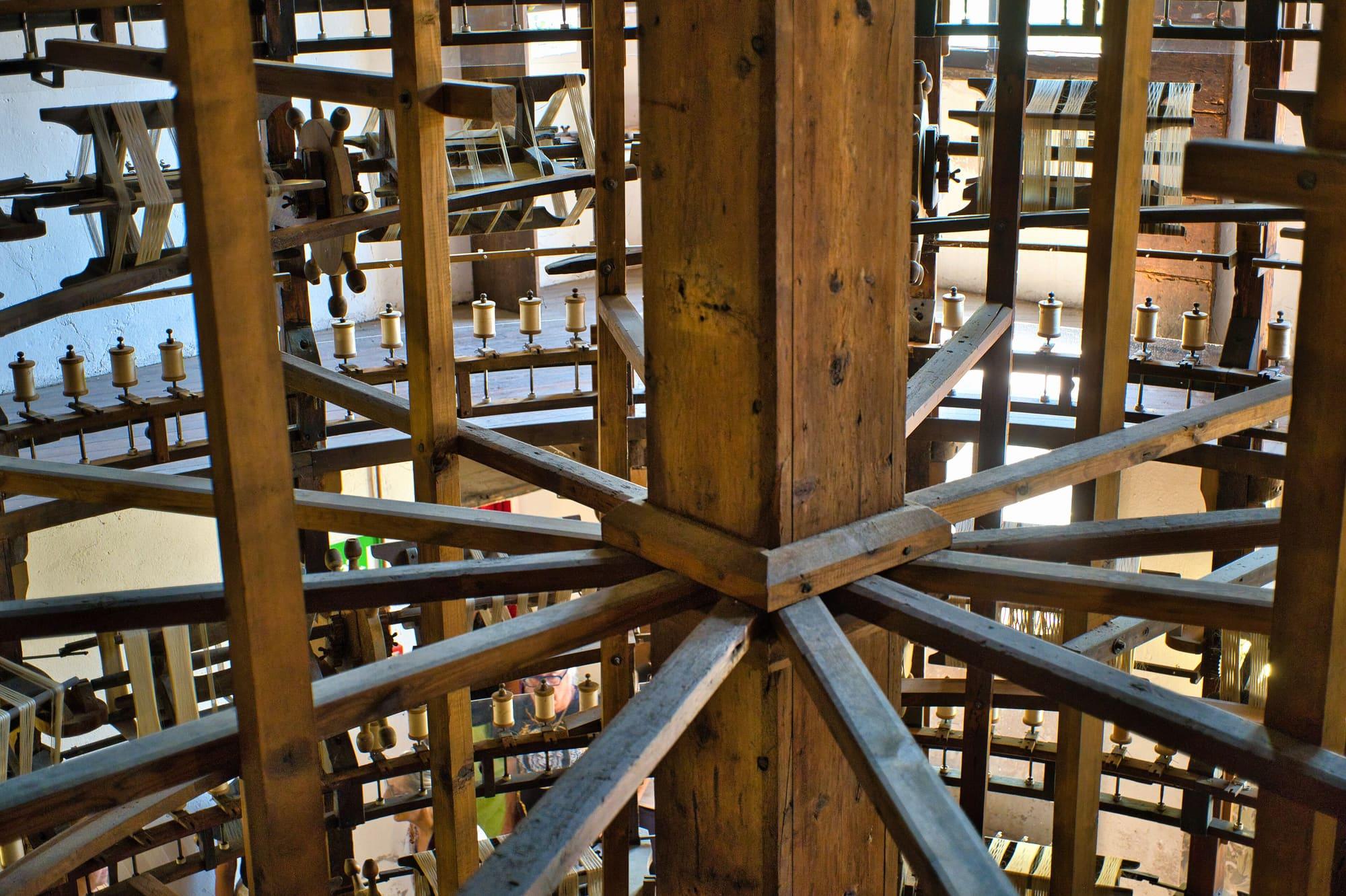
- The working 1818 circular throwing machine
- Best reached by
- Lecco–Colico train, Abbadia Lariana stop
- Tournasol7 · CC BY 4.0
- Ottantafame · CC BY-SA 4.0
The place
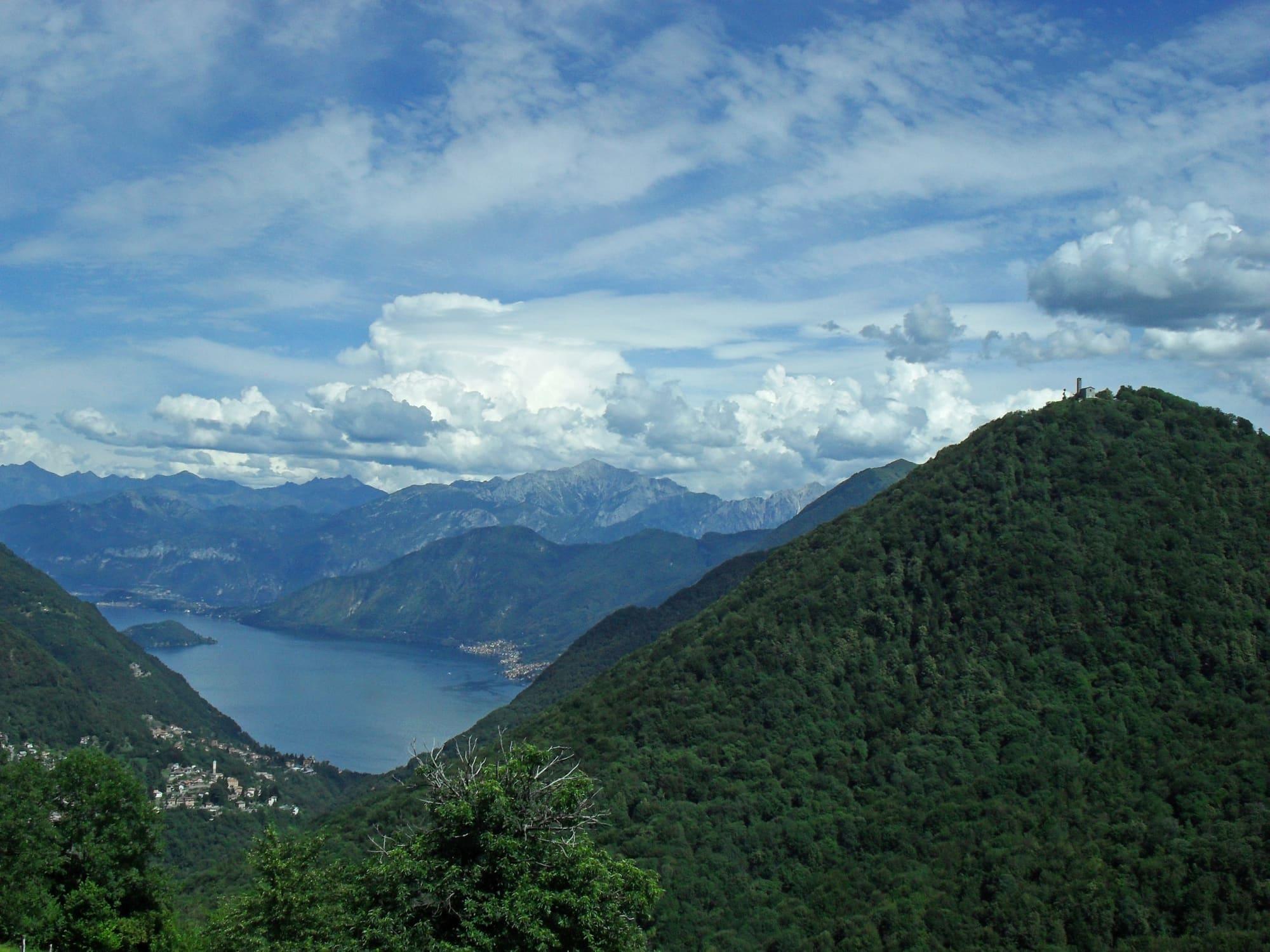
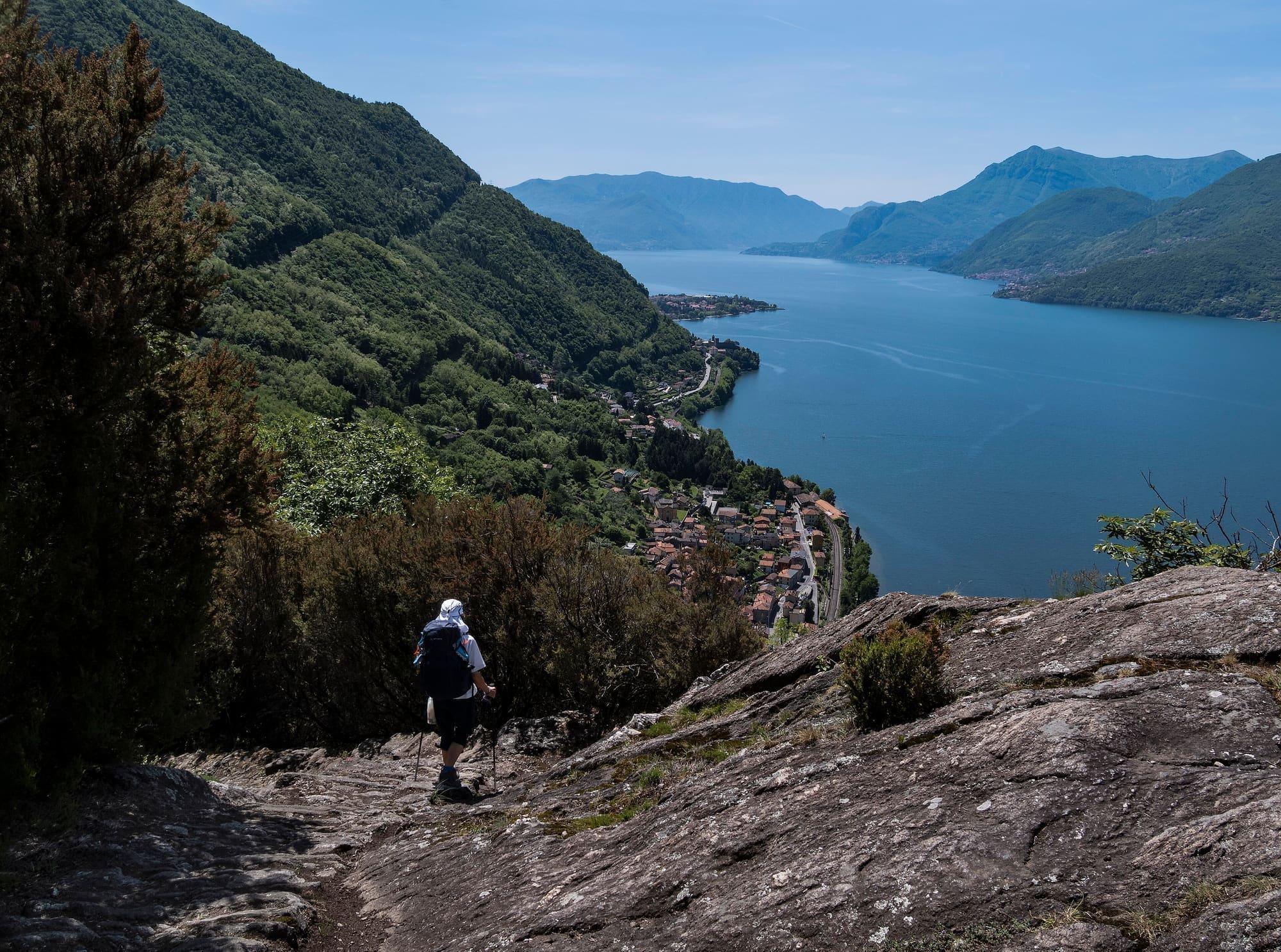
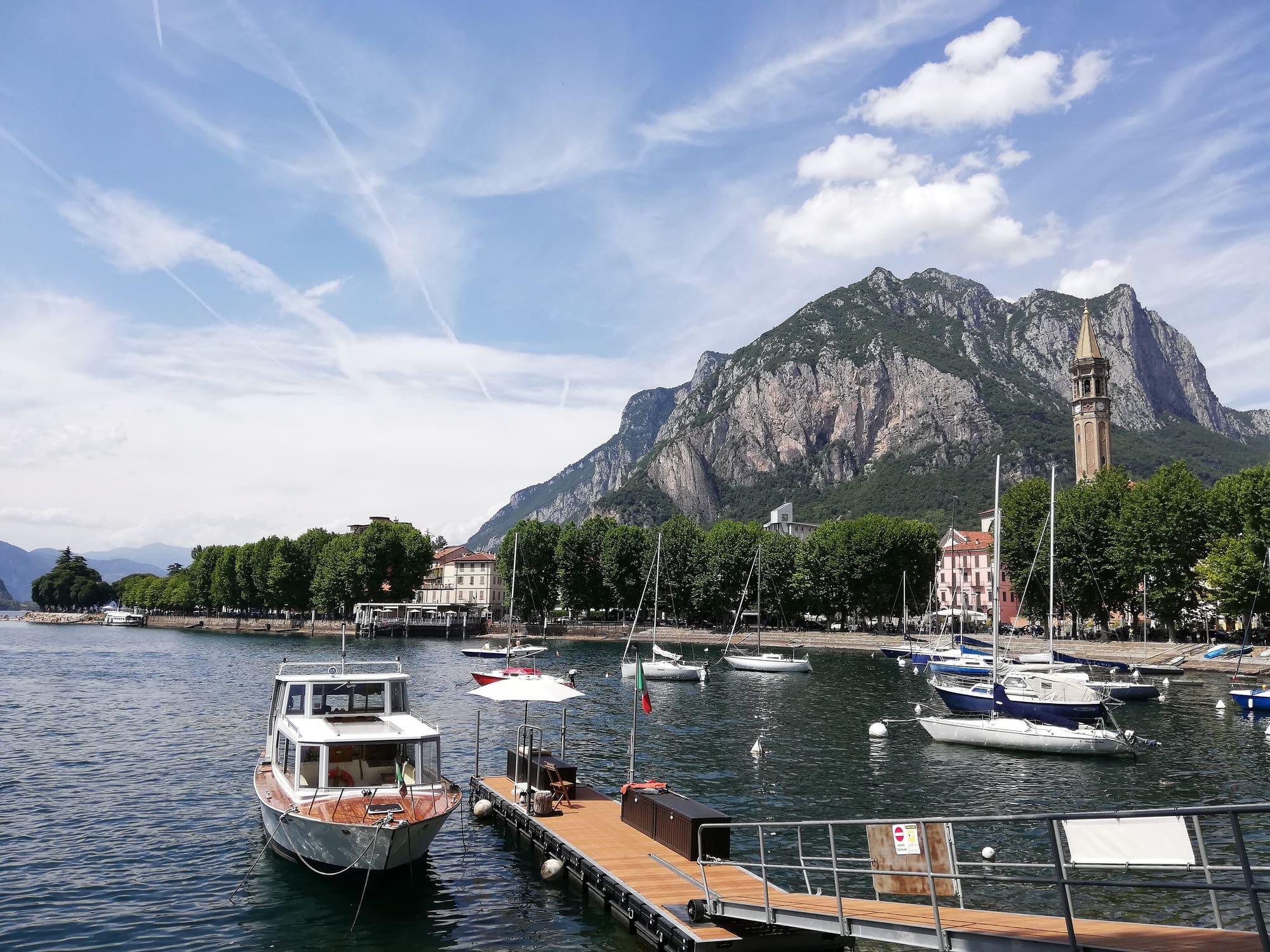
Abbadia Lariana is the first village north of Lecco and one of the access points to the Sentiero del Viandante, which links Lecco to Sorico along the eastern shore.
In the village, the Civico Museo Setificio Monti preserves the large circular silk-throwing machine of 1818, restored and in working order: a wooden mechanism several metres high, once driven by the mill's water wheel.
Abbadia Lariana is the first village north of Lecco and one of the access points to the Sentiero del Viandante, which links Lecco to Sorico along the eastern shore.
Read on
In the village, the Civico Museo Setificio Monti preserves the large circular silk-throwing machine of 1818, restored and in working order: a wooden mechanism several metres high, once driven by the mill's water wheel.
The Monti silk mill
Around 1818 Pietro Monti, a silk throwster from the country south of Milan, turned an old fulling mill for woollen cloth, with its millrace and water wheel, into a mill where silk thread was twisted. In 1869 the works were enlarged with a filanda, where thread was reeled from the cocoons. Throwing stopped in the 1930s. The building then served as a depot for Moto Guzzi and, from 1940 to 1975, as an aluminium foundry.
The comune bought the buildings in 1978 and opened the Civico Museo Setificio Monti there on 10 May 1998. At its centre stands the great circular throwing machine of 1818: a wooden machine about eleven metres high, over four floors, five metres across and with 972 spindles. It was sold, dismantled and in 1965 taken to the Technorama in Winterthur, Switzerland. It has come back to Abbadia on loan, restored and in working order. Beside it are three rectangular throwing machines and the restored water wheel.
History
The village takes its name from the monastery of San Pietro, founded near the lake between 770 and 772 by the Lombard king Desiderius as a dependency of San Pietro in Ciel d'Oro in Pavia. In 833 the monastery passed to San Vincenzo in Prato in Milan. Exposed to the lake's floods, it was abandoned around the twelfth century, and in the thirteenth century the Servite friars rebuilt its church.
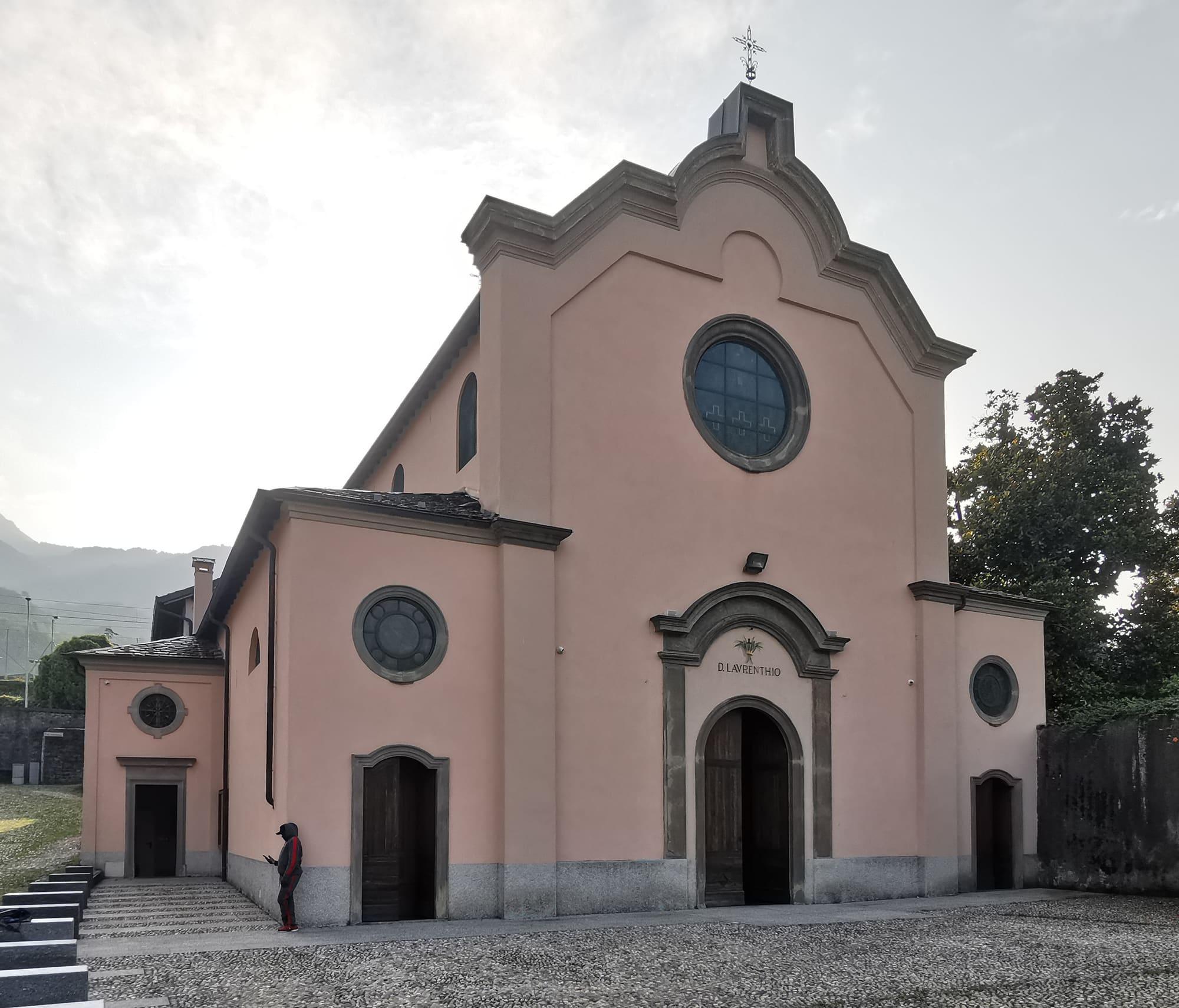
For centuries Abbadia belonged to the parish of Mandello, and only on 26 June 1495 did it get a parish of its own. From 1533 to 1788 it was a fief of the Sfondrati, together with the other villages of the Riviera. In 1788 the Servites handed their church over to the parish, which dedicated it to San Lorenzo; in 1915 Luigi Tagliaferri painted its vault and apse. The comune was called Abbadia until 1863 and then Abbadia sopra Adda. In 1928 it merged with Linzanico and took the name Abbadia Lariana.
The medieval towers
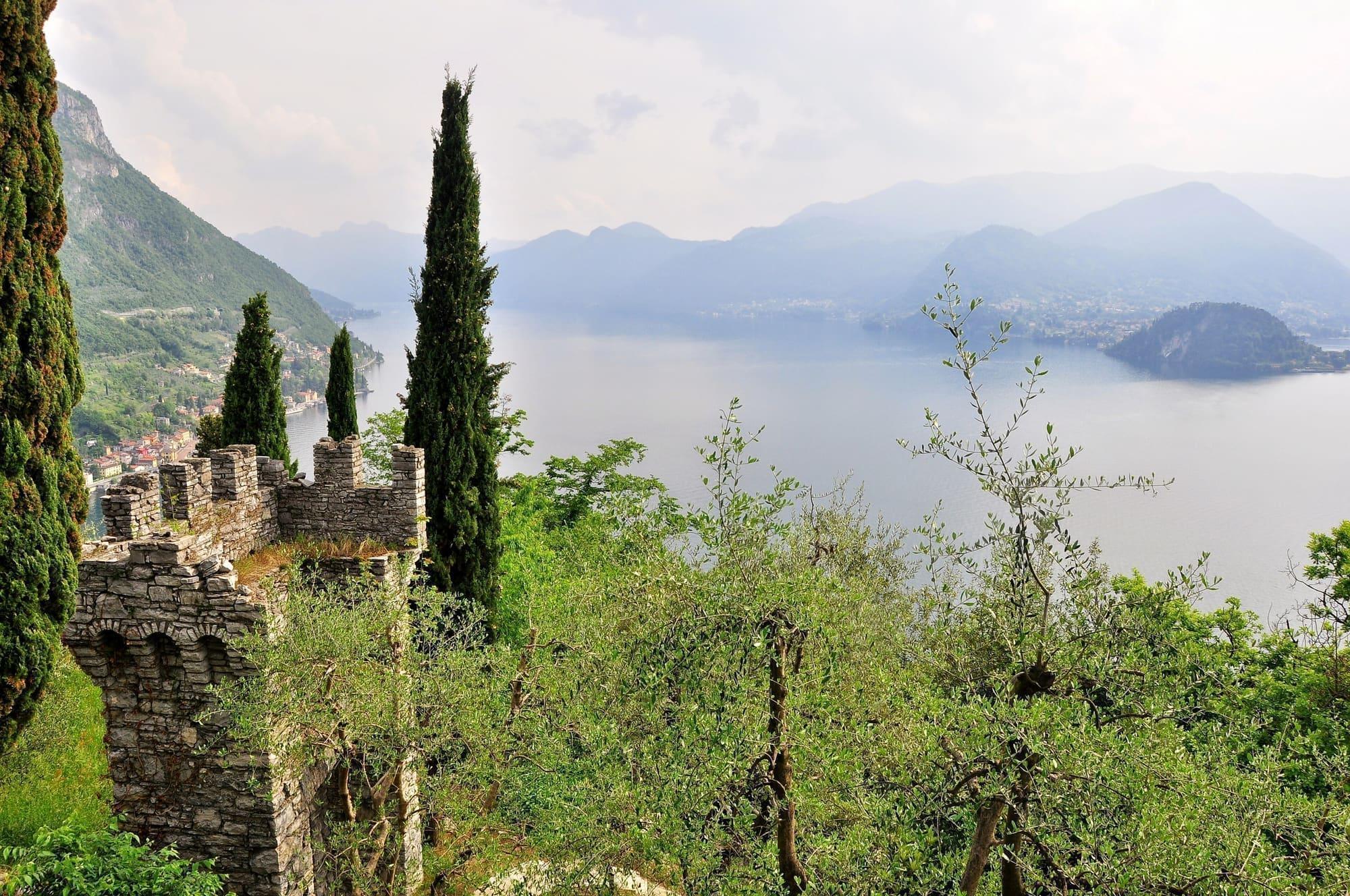
Outside the village on the way in from Lecco, near the expressway junction, stands the Torraccia, a tower probably built in the twelfth century. It is about fourteen metres high, on a plan of roughly eight metres a side. An old photograph shows a wall linking it to the shore: the tower probably controlled the way north, both for defence and as a toll post. In the first half of the nineteenth century the new lakeside road brought down one of its corners, and in 1968 the ruin was consolidated.
The tower at Crebbio, in the old core of the hillside hamlet, is older: it was built between the second half of the tenth century and the first half of the eleventh. It is square, about five metres a side and some eleven metres high. In modern times it was lowered to take its timber gable roof.
The hamlets and the feasts
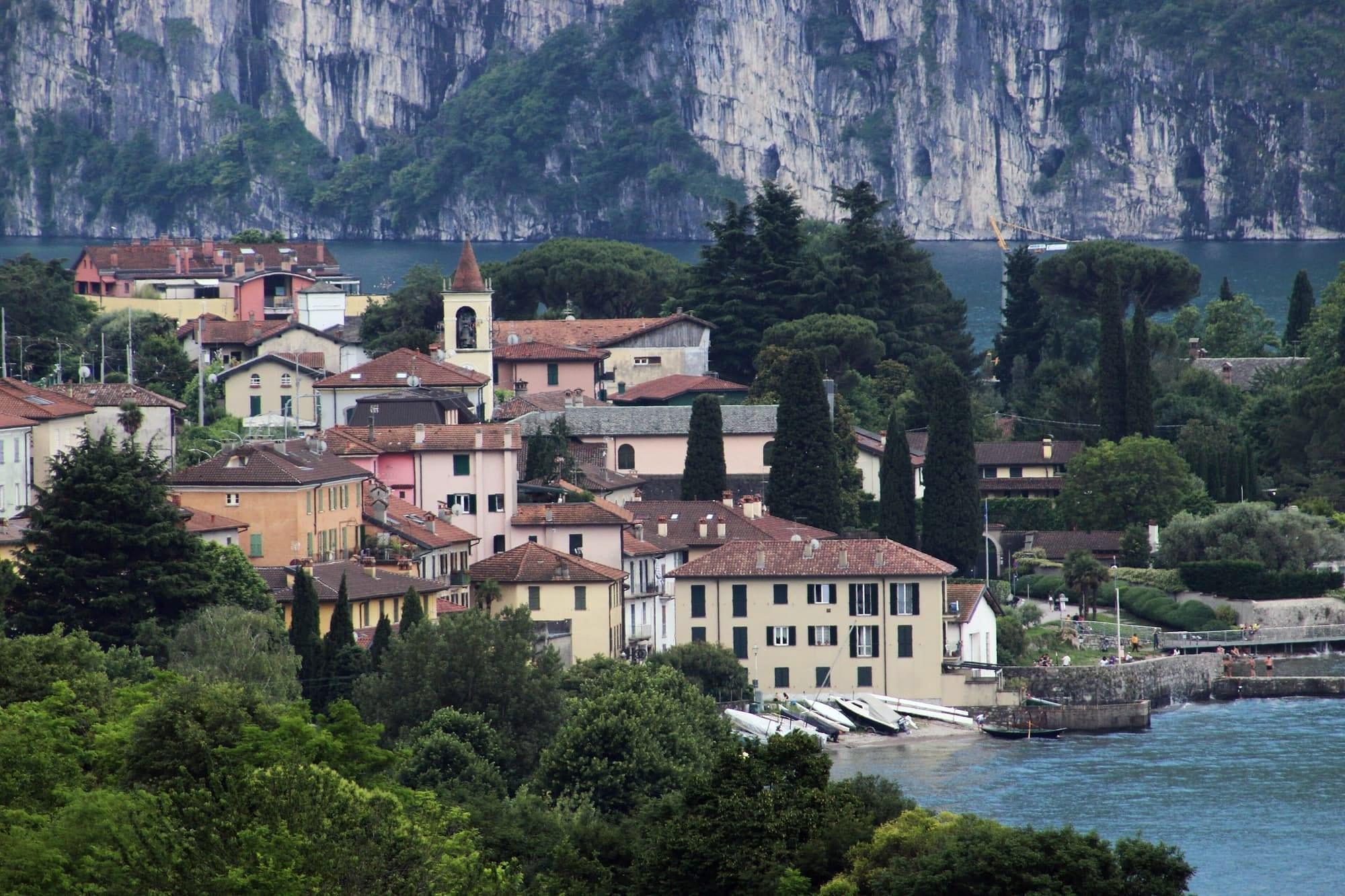
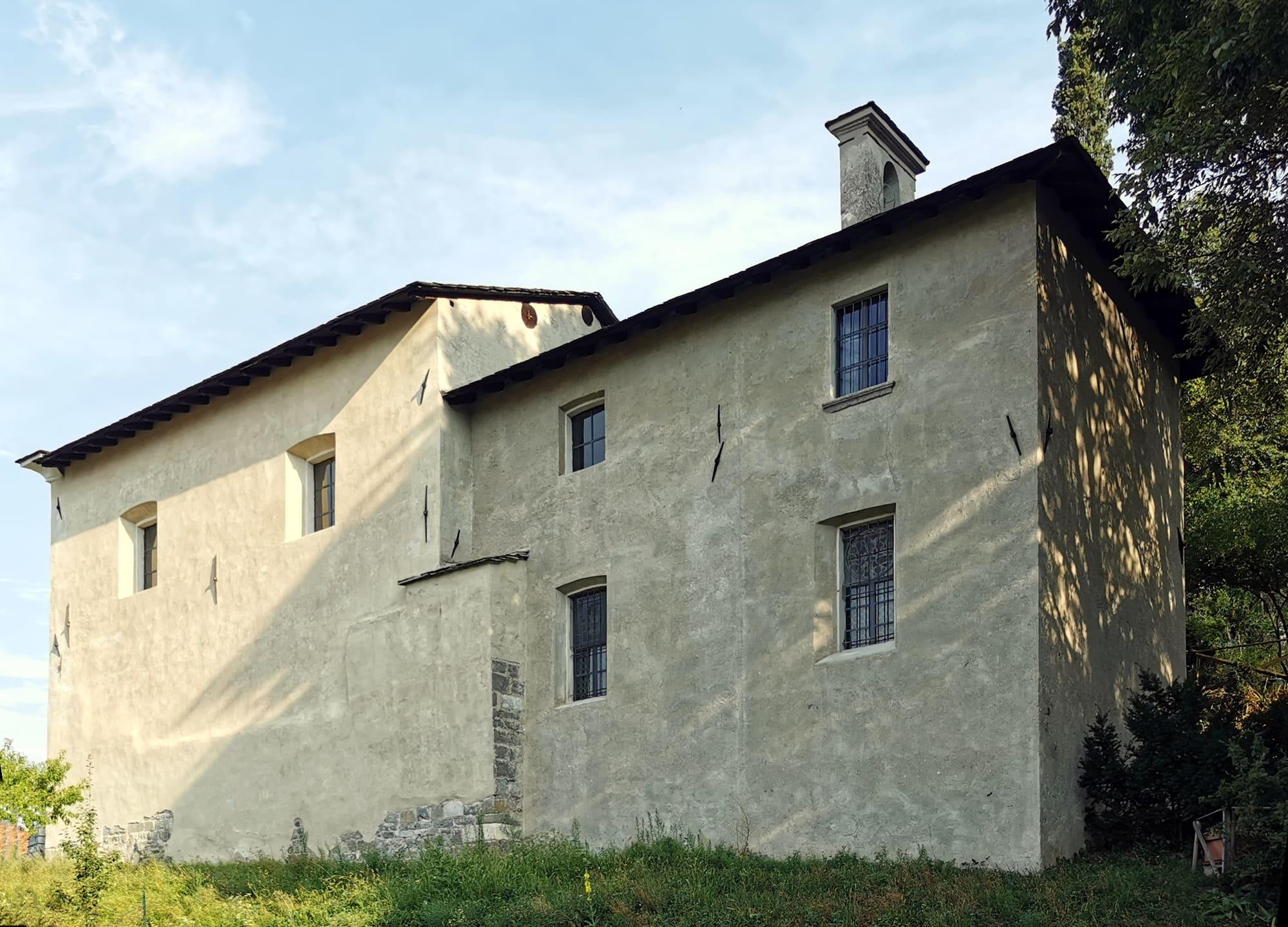
Above the lakefront, the hamlets keep their old cores. Crebbio, on the hillside, is a village of medieval origin, with its tower and the church of Sant'Antonio Abate, remodelled in the seventeenth century. At Borbino the big wash-house in front of the little church of the Madonna della Neve was used for washing clothes until the 1960s. The church of San Rocco was built as a vow by the villagers who survived the cholera of 1836, and blessed in 1856.
In mid-January Crebbio keeps the feast of its patron, Sant'Antonio Abate. It lasts several days, with suppers of polenta oncia, made with butter and cheese; on the Sunday come the blessing of the animals and the basket auction. In February, for Sant'Apollonia, the stalls of the fair fill the whole lakefront. Abbadia's own patronal feast, San Lorenzo, falls on 10 August.
On foot from Abbadia
Abbadia is the traditional starting point for the stretch to Colico, about 45 kilometres divided into four stages. The first reaches Lierna: you walk along the slope with the lake below and the Grigne behind, and descend to the station at the end of the day. Stations along the eastern shore allow you to organise the outward and return journeys by train. The full Sentiero del Viandante extends from Lecco to Sorico for about 60 kilometres.
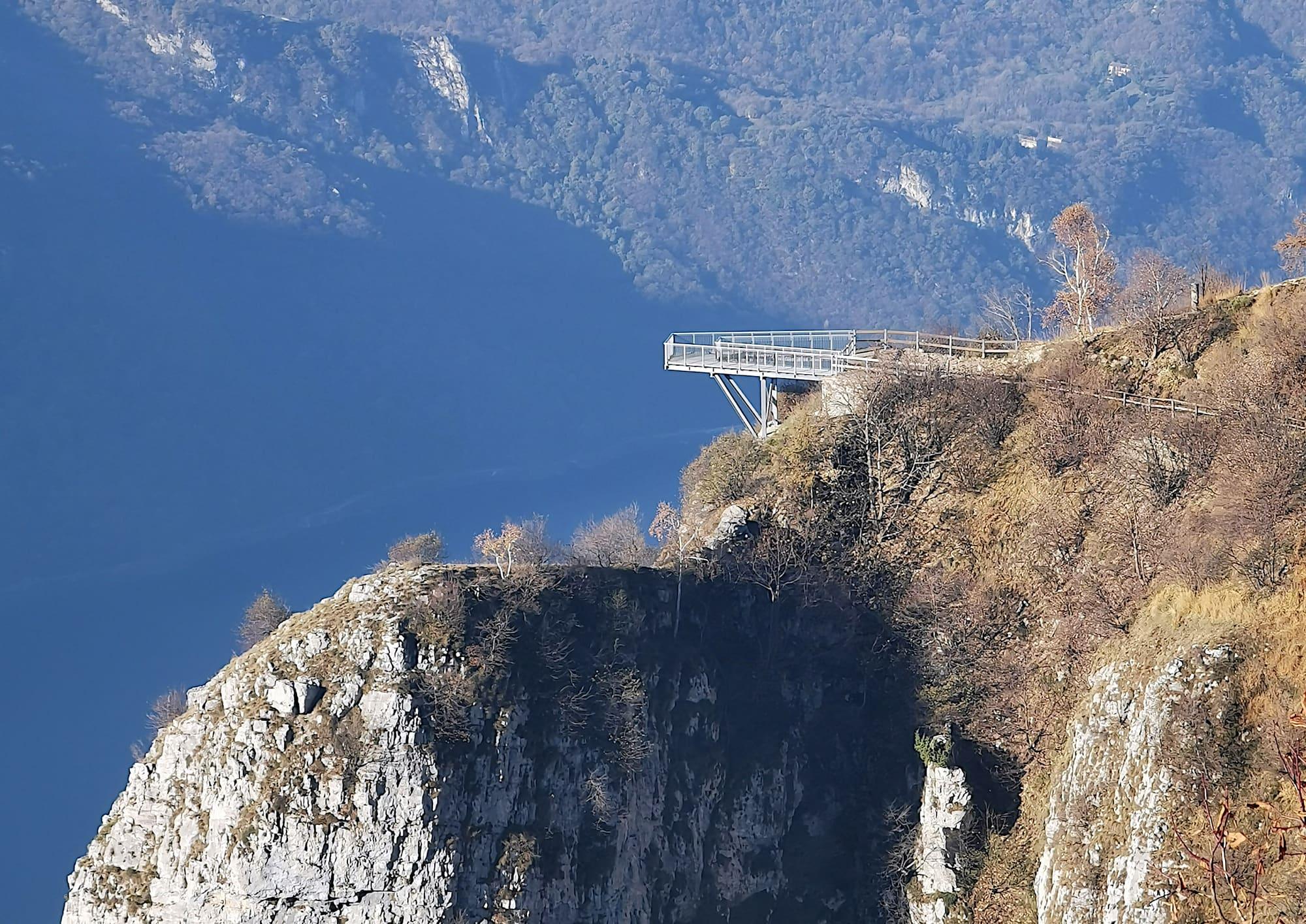
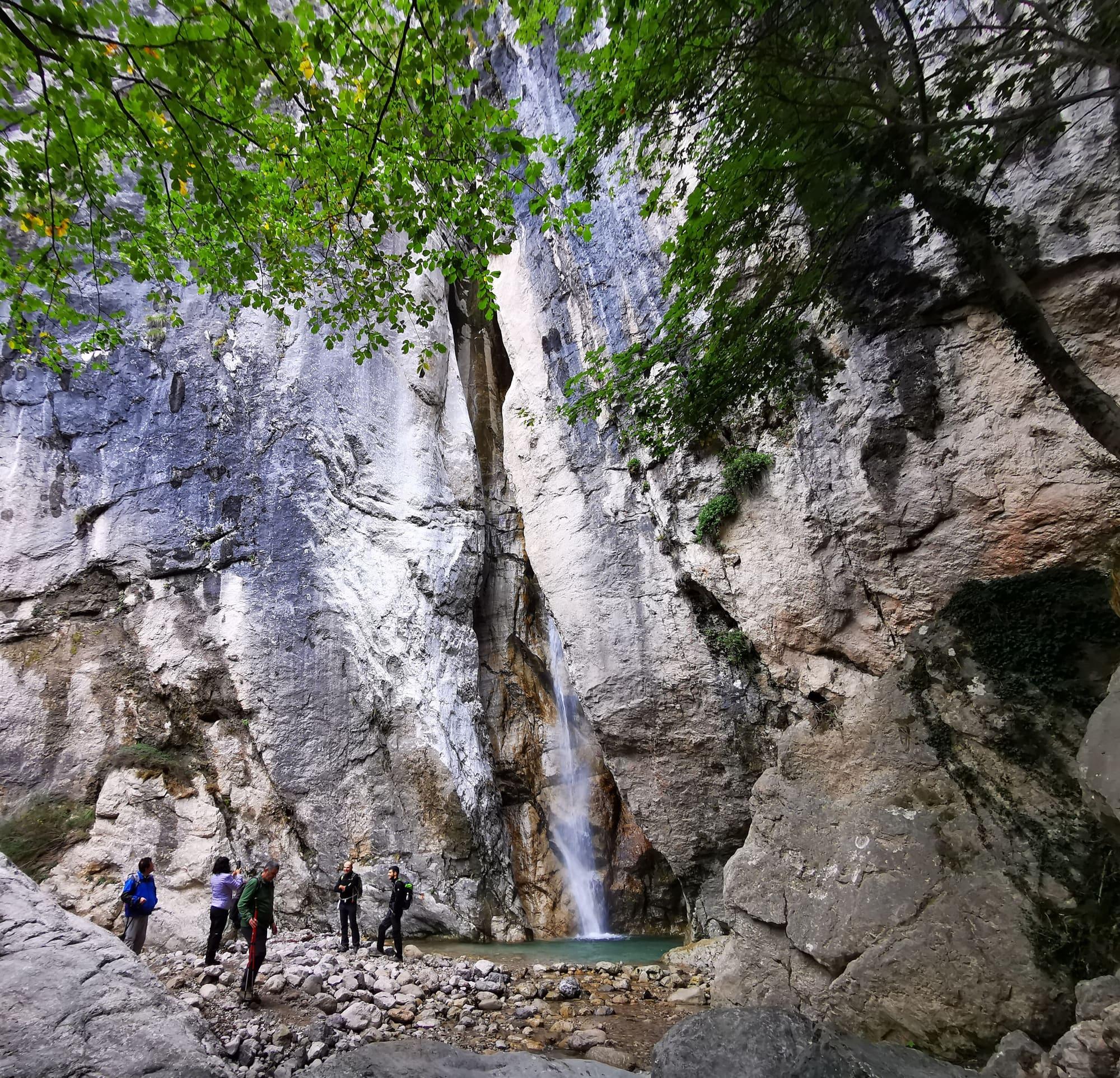
From Linzanico a short walk on mule tracks climbs the Val Monastero to the Cenghen waterfall, where the Zerbo stream drops more than fifty metres through a cleft in the rock. Up the same valley a path climbs to the Piani Resinelli, at about 1,300 metres, under the Grigna Meridionale. There the walkway of the Parco Valentino juts out over the drop above Lecco.
Events
See allThings to see
Experiences
Lecco Branch
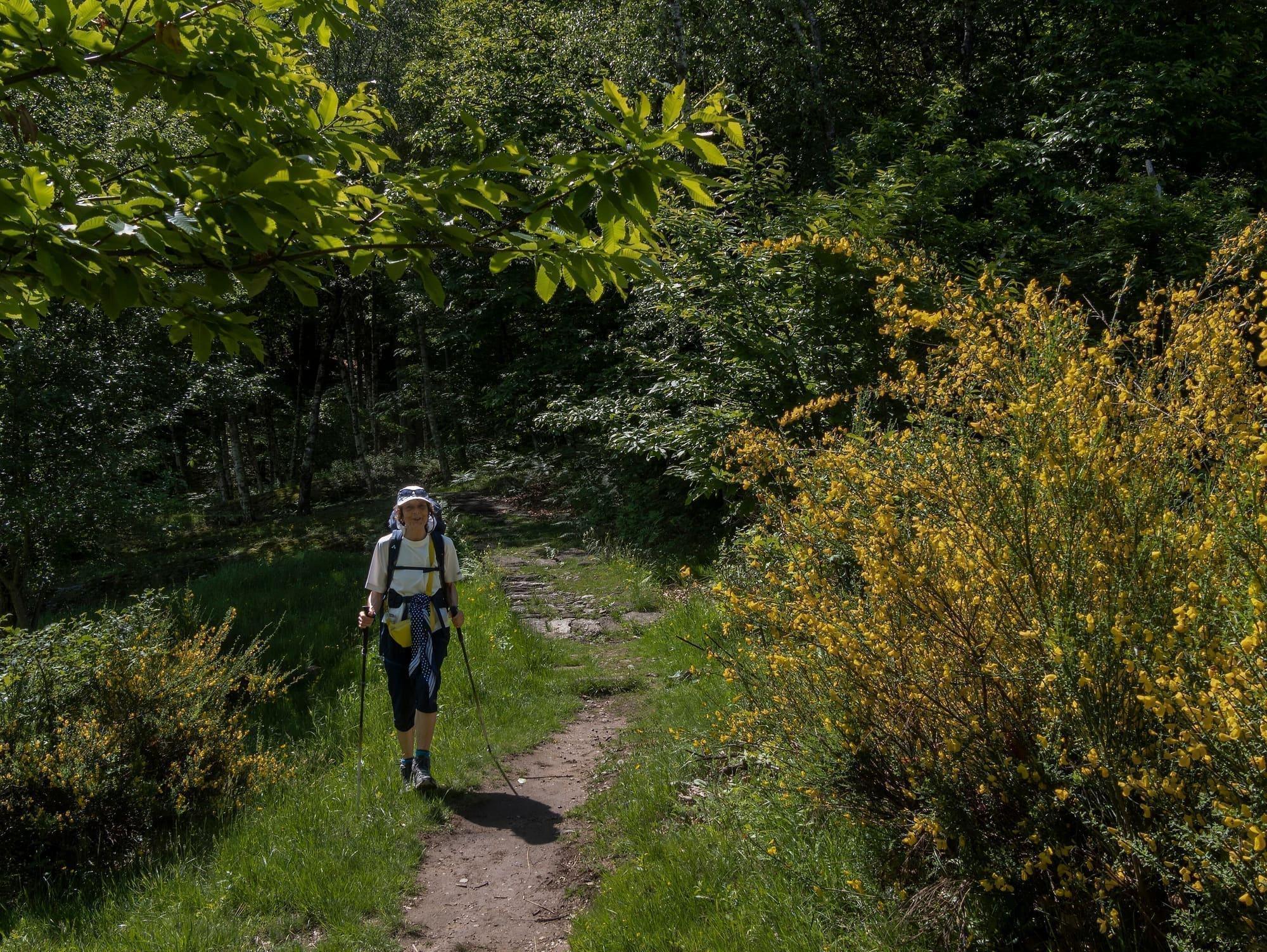
One stage of the Sentiero del Viandante
Start at one station, walk above the lake, come back from another.
3 h – 5 hOpen access
First Basin
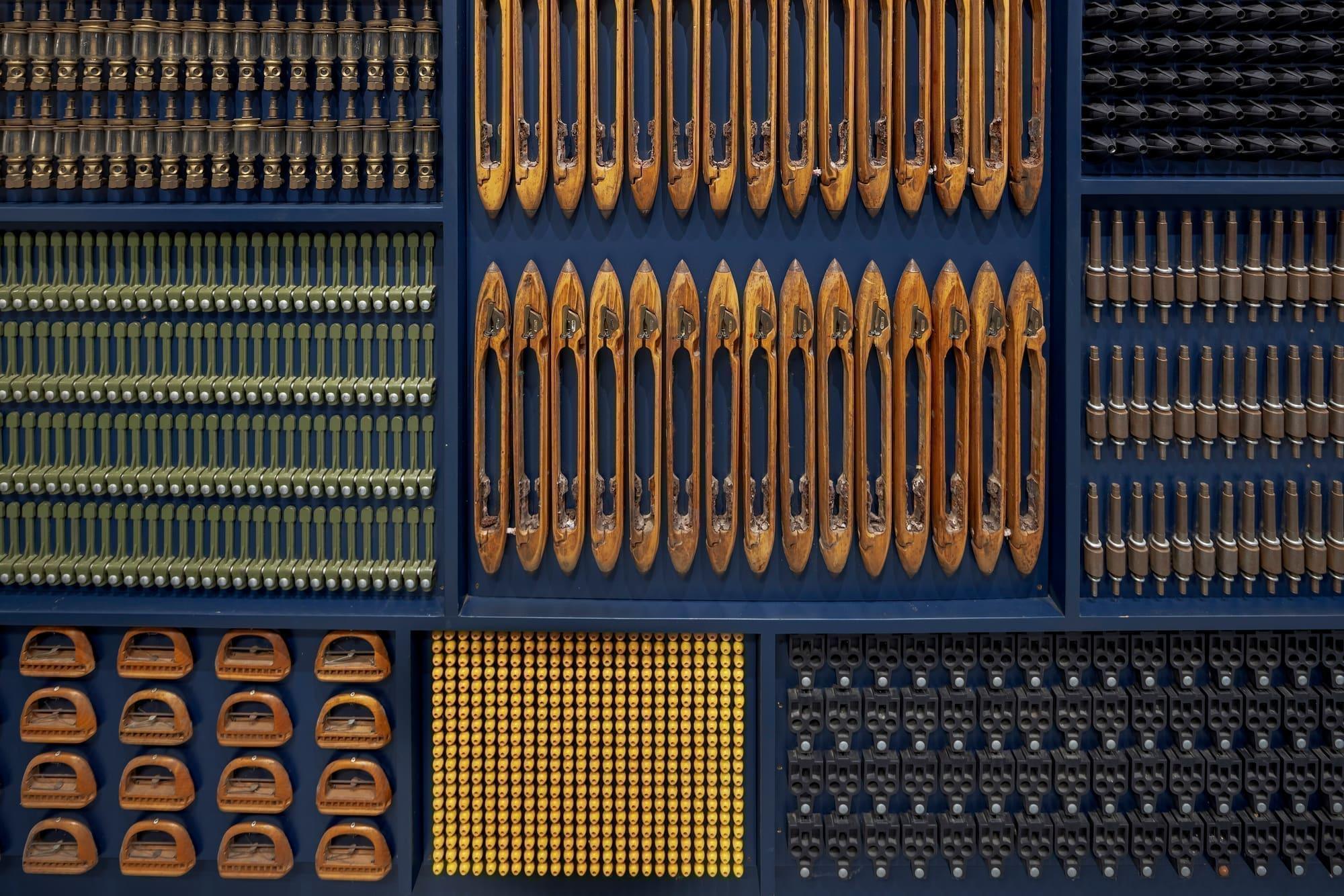
Como silk
The Silk Museum, the Fondazione Ratti and the weavers' showrooms.
2 h – 4 h
Lecco Branch
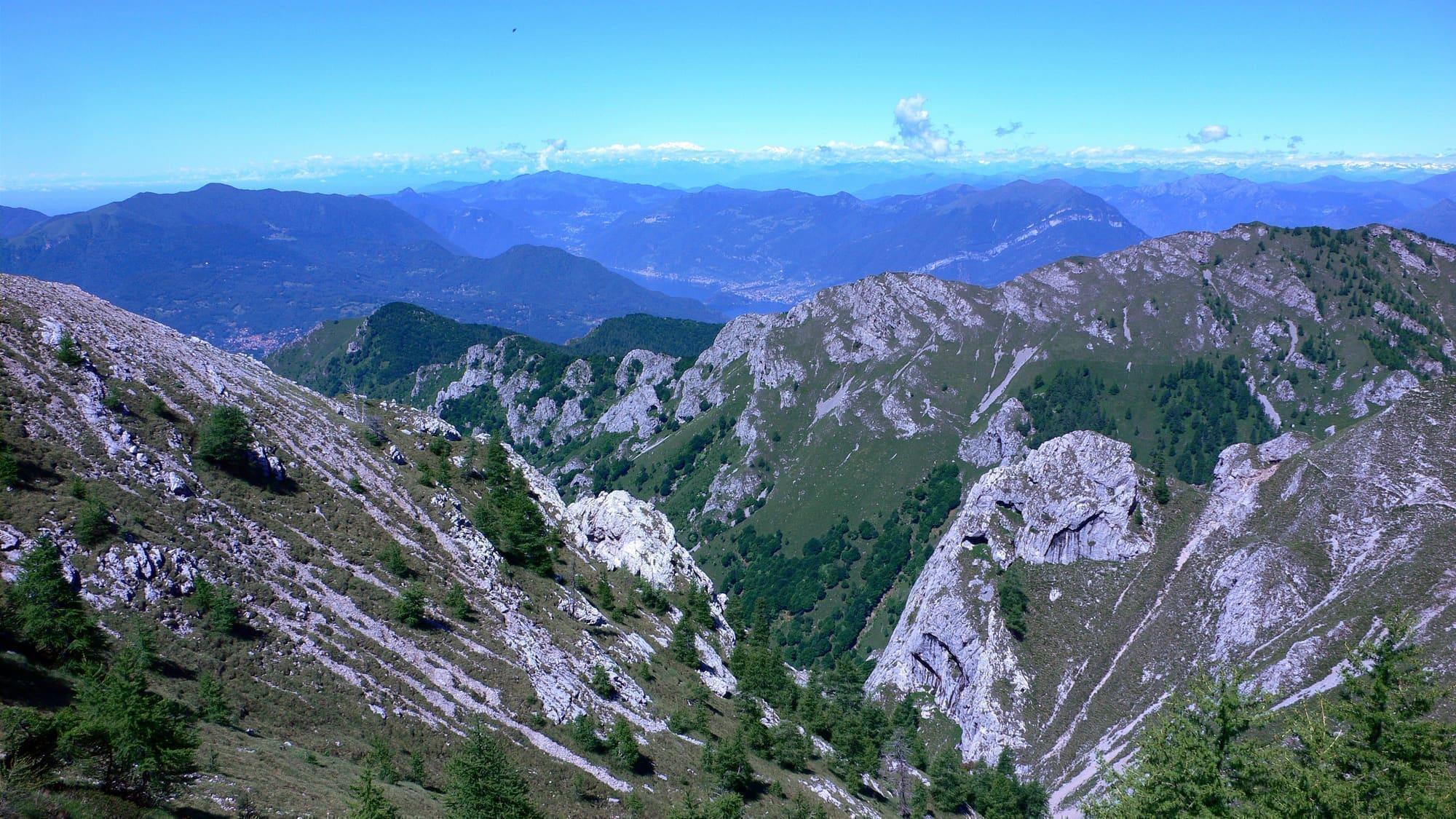
Grigna and the Piani Resinelli
The Grignetta and the Piani Resinelli above Lecco: walks, via ferrata and climbing.
5 h – 9 h5.5 km · +1014 mCar needed
Lecco Branch
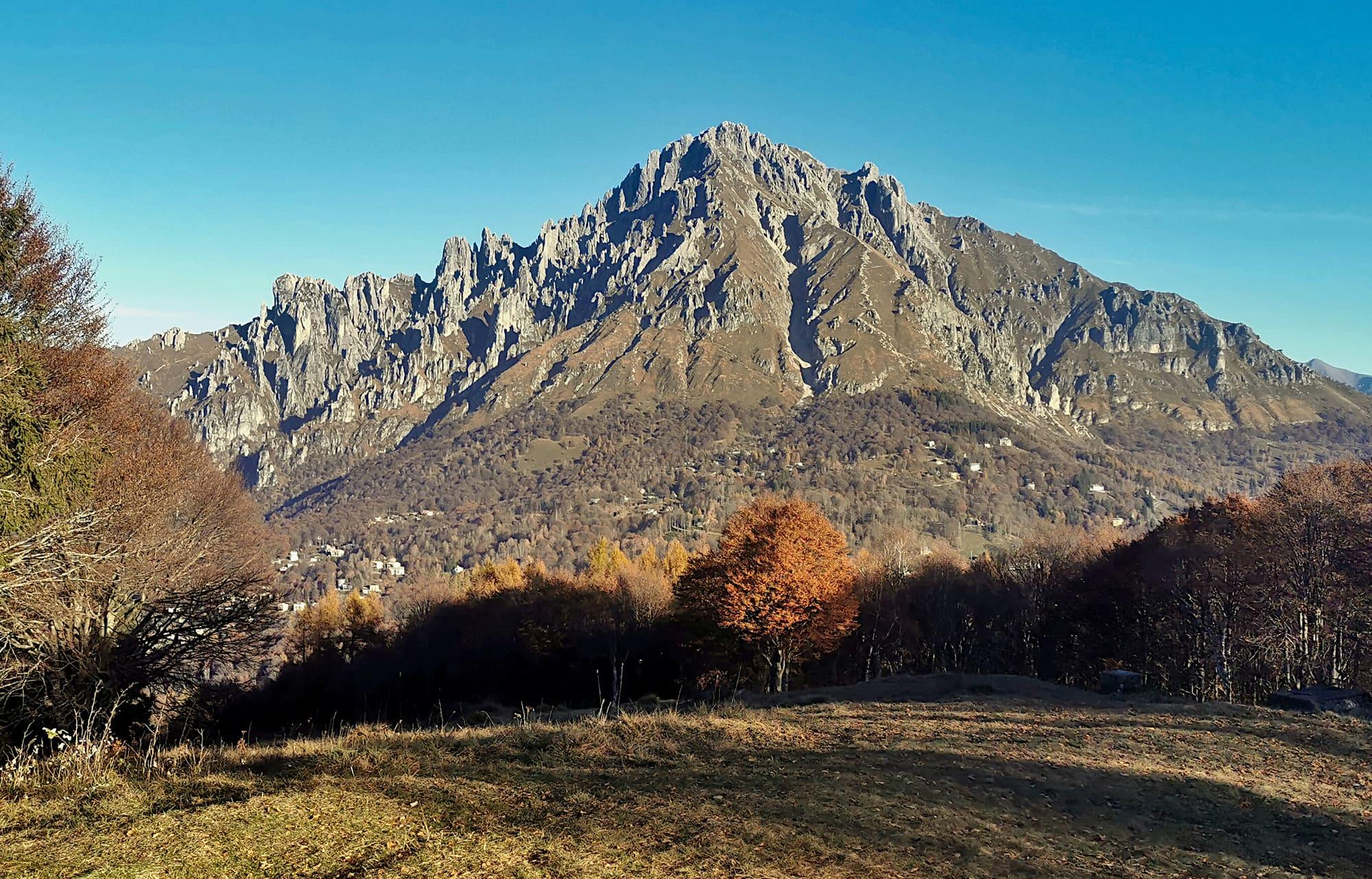
The Grignetta from the Piani Resinelli
The Grigna Meridionale, 2,184 metres between Lecco and Mandello: from the Rifugio Carlo Porta up the Cresta Cermenati to the Bivacco Ferrario on the summit; the Direttissima and the Sentiero Cecilia, with chains and ladders, are for experienced hikers.
5 h – 7 hCar neededOpen access
Events
Before you go
How long it takes
- from Milan46 minTrain
- from Como1 h 10Train
- from Lecco6 minTrain
Typical door-to-door times by public transport, changes included. From Milan, counted from Centrale station.
Tourist office
Ufficio turistico Abbadia Lariana
Via Lungo Lago, Abbadia Lariana
Updated: 14 Sept 2026 · OpenStreetMap.
Parking and services
1 public toilet18 drinking fountains1 pharmacy1 cash machine2 defibrillators
Car parks and services on the map
Within two and a half kilometres of the centre; check car park spaces and fees on arrival.
How can you visit the silk mill museum?
Visits are accompanied by the museum's staff, and the 1818 throwing machine is restored and in working order: if you want to see it turn, ask when you visit. Groups of more than fifteen must book.
Where does the Sentiero del Viandante start?
The full route links Lecco to Sorico over about 60 kilometres. Abbadia is the traditional start of the stretch to Colico, with a first stage to Lierna and orange SV waymarks. Stations on the eastern shore allow many stages to be planned with outward and return journeys by train; Sorico is reached by bus.
Webcams
- Piani Resinelli, the church and the GrignettaUpdated image · Resinelli Turismo
- Mandello, the GrignaUpdated image · GrignaCam
- Area
- The Lecco Branch
- Population
- 3,300
- Elevation
- 202 m
Updated 26 October 2026
The mountains around the village hide the sun before astronomical sunset: sunrise and sunset are worked out on the village's own horizon.
Today, 1 November, estimated sunlight at the reference point: first at 08:10 and last at 16:06, giving 7 h 57 of direct sun, out of 10 h 06 of daylight.
Today the sun arrives between 08:07 and 08:37, depending on the street.
JuneDecembertoday
Watch the shadow reach Abbadia Lariana today
See from Abbadia Lariana where the sun goes, in 3D
The sun at an exact spot in Abbadia Lariana: your hotel, a beach, a street
A table in the sun in Abbadia Lariana
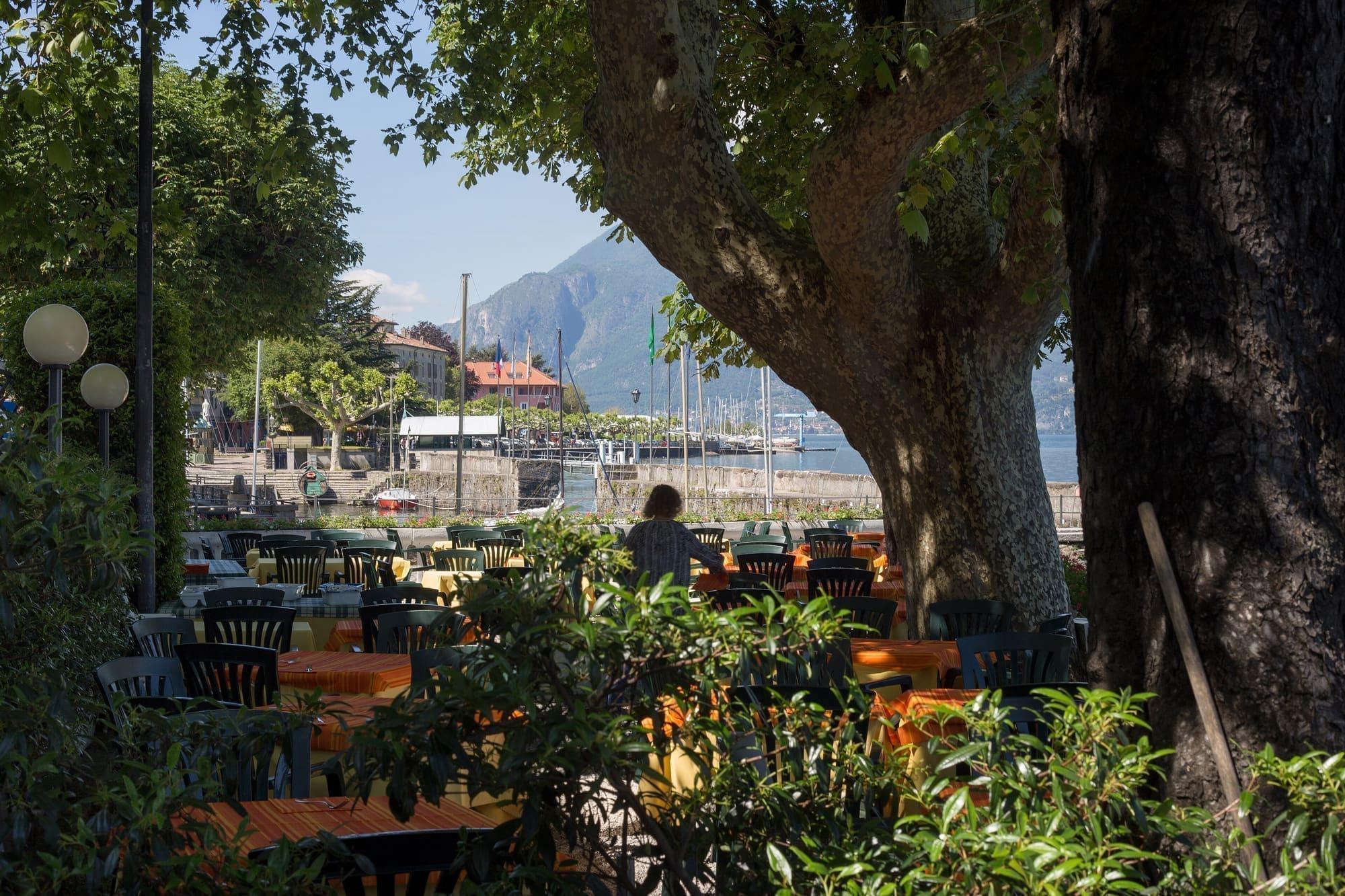
Places near the shore with outdoor seating, with today's estimated first and last sun at the marked point. Those with the latest sun come first. Clouds and shade from buildings, trees or awnings can change the light on the tables; check opening hours with the venue.
- Lakefrontcafé07:40–15:55
The highest summit in view from here is Monte Cardinello, 2520 m, 36 kilometres away.
- Zucco Sileggio, 1373 m, 5 km
- Zucco di Manavello, 1120 m, 3 km
- Zucco di Portorella, 1530 m, 3 km
- Torrione Cecilia, 1803 m, 4 km
- Grigna Meridionale, 2177 m, 5 km
- Monte di Borbino, 463 m, 1 km
- Punta Forcellino, 1280 m, 4 km
- Corno Regismondo, 1245 m, 5 km
- Monte San Martino, 1046 m, 5 km
- Corno di Grao, 1041 m, 11 km
- Corna Martinella, 754 m, 17 km
- Corno di Canzo Orientale, 1239 m, 4 km
- Corno di Canzo Centrale, 1368 m, 4 km
- Corno di Canzo Occidentale, 1373 m, 4 km
- Sasso della Cassina, 647 m, 2 km
- Monte Colla, 1097 m, 5 km
- Monte Cornet / Gerbal, 1316 m, 7 km
- Monte Ponciv, 1452 m, 7 km
- Dos del Grepignan, 620 m, 5 km
- Monte Nuvolone, 1092 m, 10 km
- Monte di Tremezzo, 1699 m, 16 km
- Camoghè, 2228 m, 34 km
- Pizzo di Gino, 2245 m, 29 km
- Monte Bregagno, 2107 m, 24 km
- Monte Cardinello, 2520 m, 36 km
- Zuc di Pez, 883 m, 4 km
The ochre line follows today's sun path and marks the estimated times of its first and last appearance above the mountains. Drag the panorama to see all of it.
How it is drawn
Paler ridges are farther away; heights are stretched two and a half times. Houses are not drawn, nor are trees within half a kilometre. Terrain © Regione Lombardia (CC BY 4.0); summits © OpenStreetMap contributors.
Official bathing sites nearby, with their water quality classifications.
- Campeggio0.5 kmExcellent · for 11 seasons · in July, sun estimated until 20:03 at the marked point3D — see from the beach at Campeggio where the sun goes
- Lido Lariano0.6 kmExcellent · for 11 seasons · in July, sun estimated until 20:16 at the marked point3D — see from the beach at Lido Lariano where the sun goes
- Campeggio Quanzito1.8 kmExcellent · for 11 seasons · in July, sun estimated until 16:36 at the marked point3D — see from the beach at Campeggio Quanzito where the sun goes
- Camping Nautilus1.8 kmExcellent · for 11 seasons · in July, sun estimated until 19:51 at the marked point3D — see from the beach at Camping Nautilus where the sun goes
Can I swim at Abbadia?
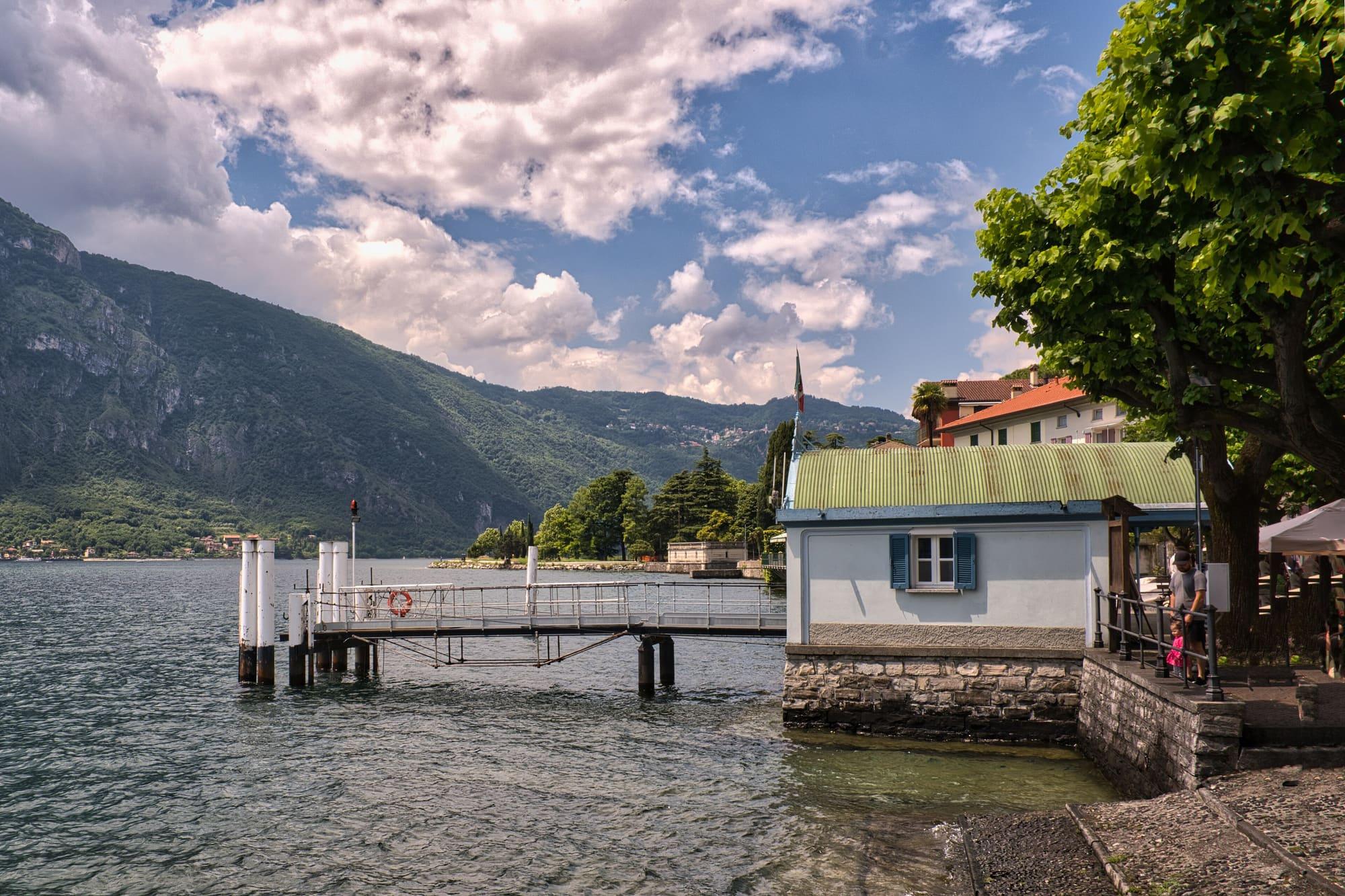
Yes: there is a lido with a gravel beach and a long free shore towards Mandello. The SS36 runs close and can be heard.
What is there to see in Abbadia beyond the shore?
The village takes its name from an eighth-century Benedictine abbey: on the lakefront the church of San Lorenzo is built on its remains, and near the Chiesa Rotta lido the old cloister and pieces of the ancient church survive. In the hamlets are the church of San Bartolomeo, at Castello, now an exhibition space, and the little church of San Martino at the foot of Monte Borbino, on the Sentiero del Viandante, looking at the San Martino, the Moregallo and the Corni di Canzo. Above the village, in the woods, is the Cenghen waterfall, a drop of more than fifty metres, reached from Linzanico; and then the hamlets: medieval Crebbio, Mulini, where the streams turned the wheels of the silk trade, Borbino with its big wash-house in front of the little church of the Madonna della Neve, and San Rocco.
On the map
What is around, and how far.
© OpenStreetMap contributors · ODbL
Nearby
Typical door-to-door times.
Sources and credits
- Maps, parking, services and distances: © OpenStreetMap contributors (ODbL).
- Train times: open data of the Lombardy Region, as of 1 October 2026.
- Freely licensed photographs: authors and licences under Photograph credits.
Sources and credits
- Maps, parking, services and distances: © OpenStreetMap contributors (ODbL).
- Train times: open data of the Lombardy Region, as of 1 October 2026.
- Freely licensed photographs: authors and licences under Photograph credits.