Stories from the lake
Lake timeline
Two thousand years of the lake in order of date: from the Roman road along the western shore to the first steamboat, from the fall of the Isola Comacina to the Olginate dam. Each date leads to the story that tells it and to the place where it happened.
- Dates
- 82
- Stories
- 27
- Periods
- 6
Only the dates from the story ‘The Comacine masters'All dates
6dates
Antiquity
To the 5th century · 2 dates
5th century
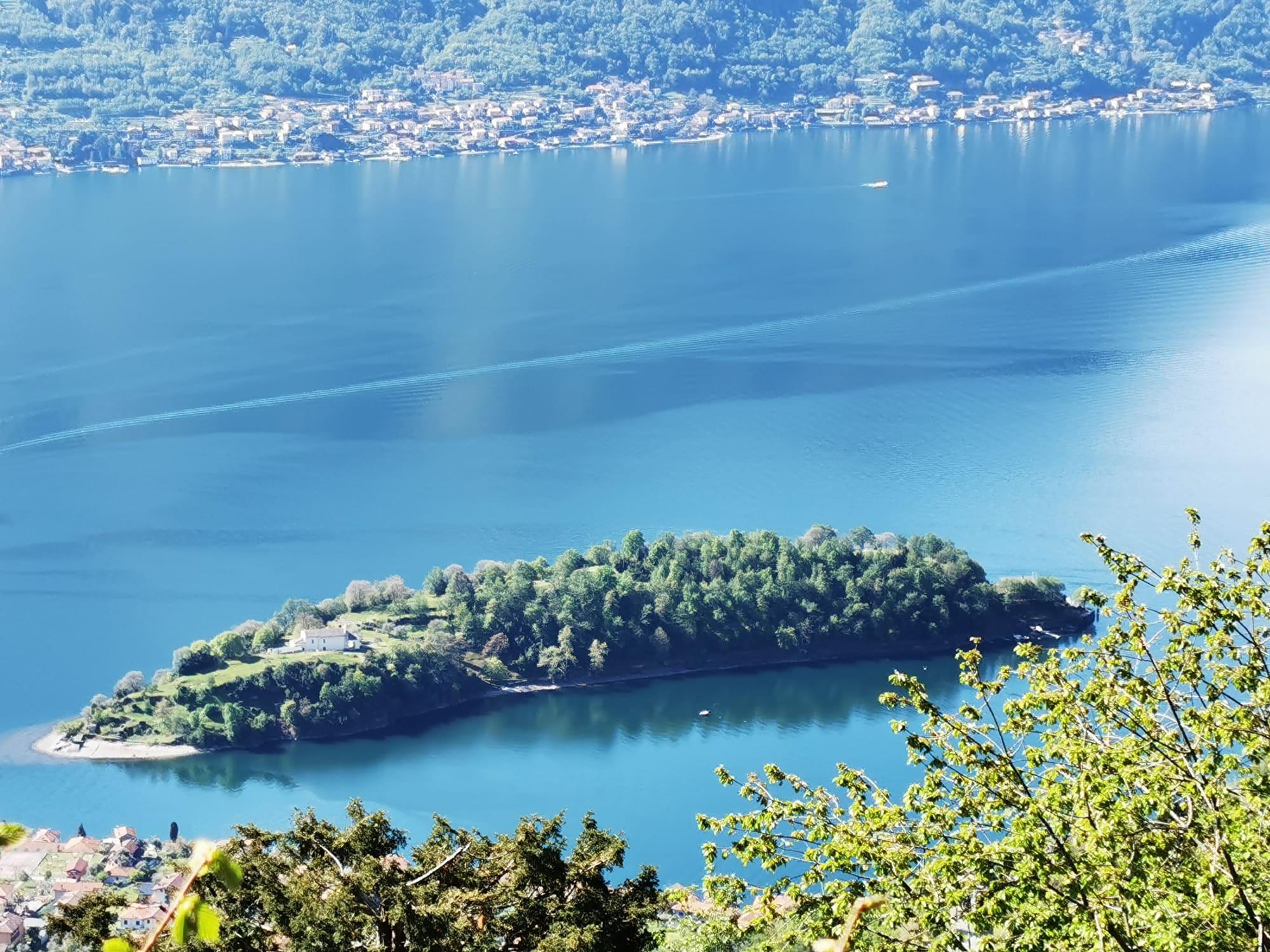
A baptistery on the Isola Comacina
A hall for baptism, decorated with mosaics and frescoes, stands on the island. Its remains came to light in the twentieth-century excavations around the small church of San Giovanni.
5th or 6th century
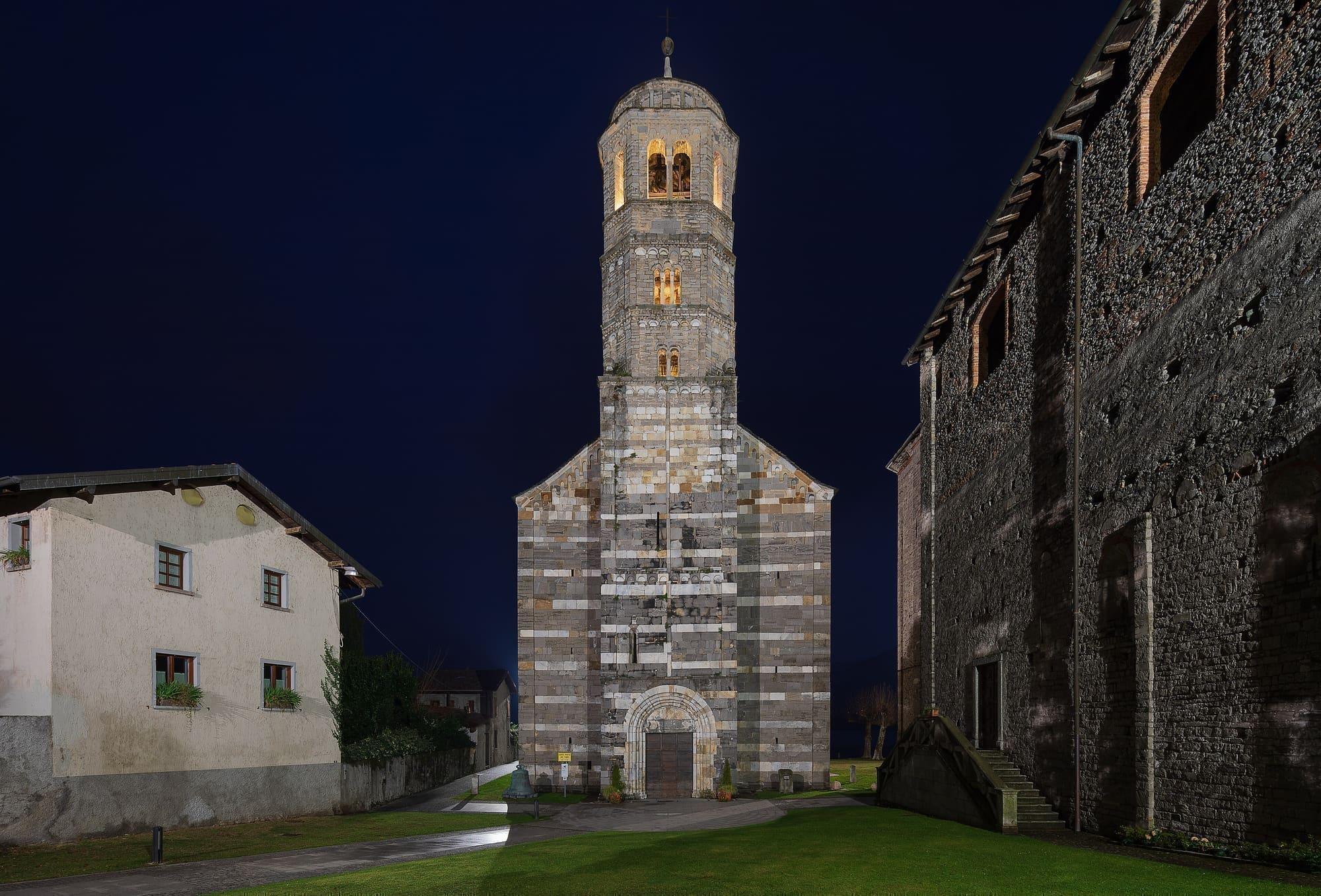
The baptistery of Gravedona
A baptistery with a mosaic floor and an octagonal basin for baptism by immersion is built at Gravedona. The Romanesque church of Santa Maria del Tiglio, in bands of light and dark stone, later rises over its remains; the baptistery came to light in the excavations of 1953.
Middle Ages
6th century to 1449 · 3 dates
643
Rothari's Edict names the Comacine masters
Two chapters of the law of the Lombard king Rothari deal with the magister commacinus and settle who must pay for the damage if a house built by a master collapses. The name most probably means builders and stonecutters from the Como area, but its meaning is not settled.
Urban II consecrates Sant'Abbondio
Outside the walls of Como, along the old Via Regina, the Benedictines have been rebuilding the church of Sant'Abbondio since 1010: a nave and four aisles and twin bell towers beside the apse. Pope Urban II, passing through Como, consecrates it.
1252–1257
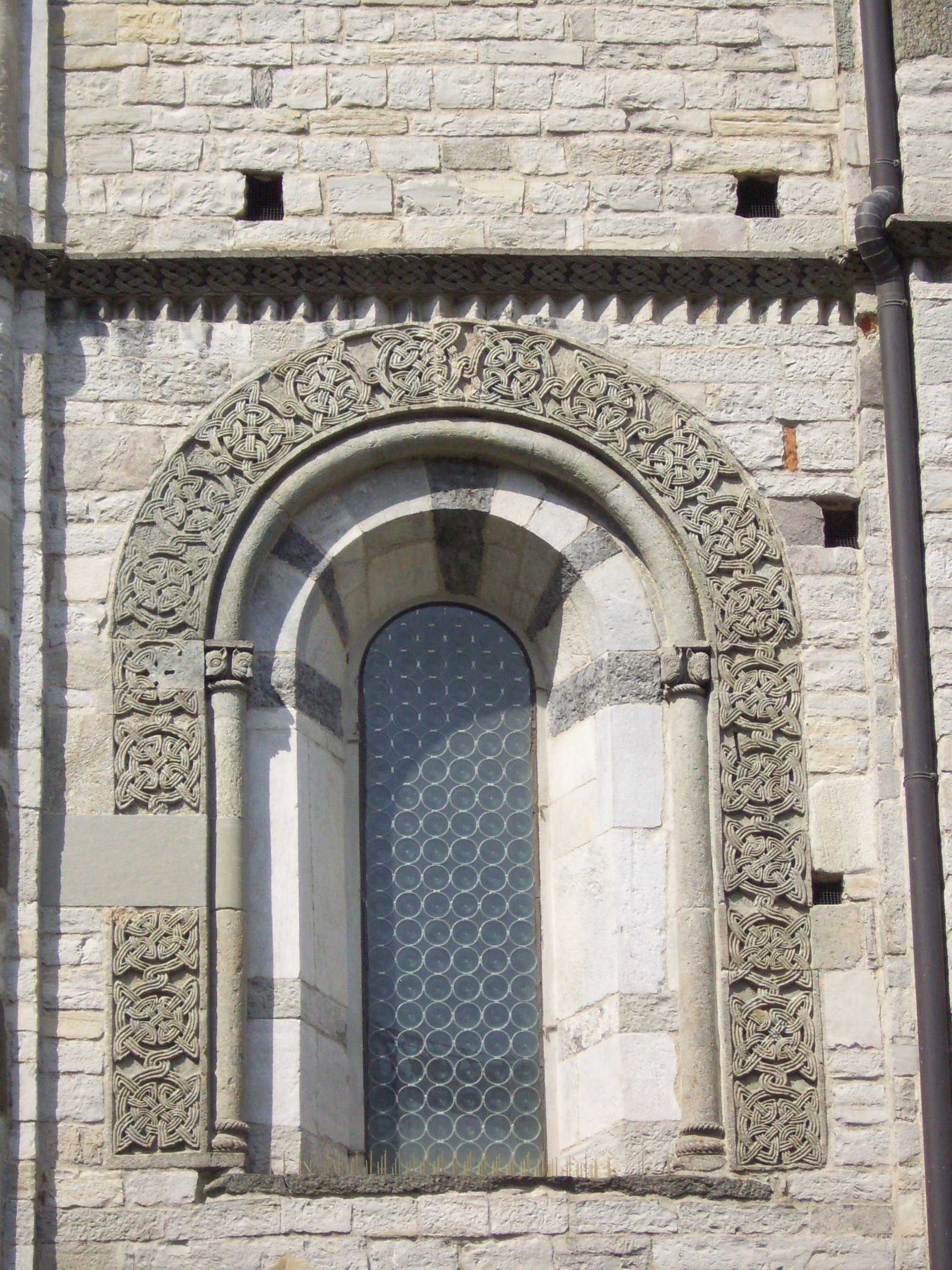
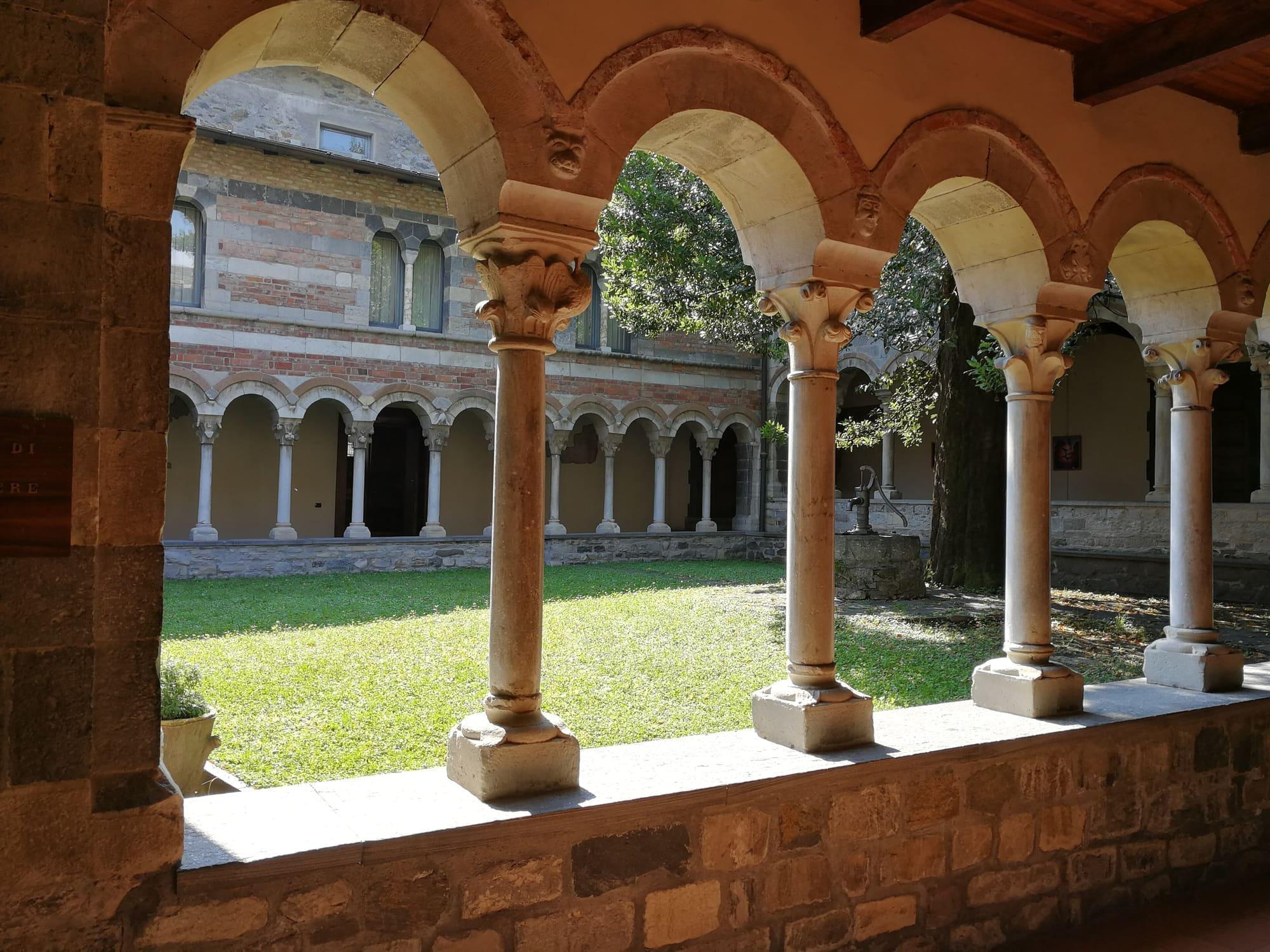
The cloister of Piona
Prior Bonaccorso de Canova, from Gravedona, has the abbey's cloister built at his own expense, as two inscriptions record. The capitals, each one different, carry hooked leaves, eagles with spread wings and small heads; the builders' names are unknown.
Eighteenth century
1700–1799 · 1 date
1711–1753
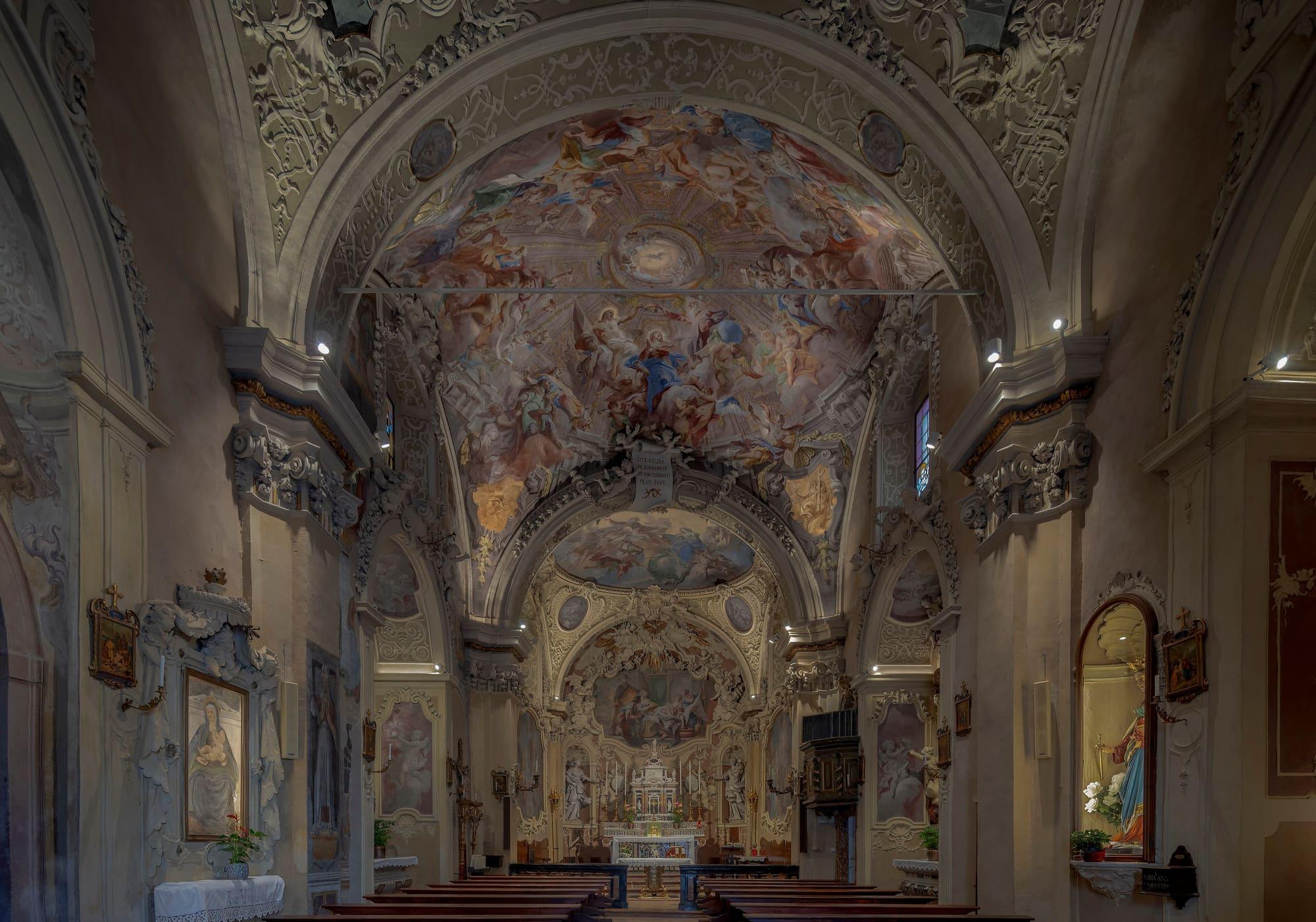
The Carloni brothers remake the church at Scaria
The brothers Diego and Carlo Innocenzo Carloni remake the church of Santa Maria for Scaria, their home village, with stucco and frescoes. They are among the artists of the Val d'Intelvi who work all over Europe: Carlo Innocenzo also paints in Ljubljana Cathedral and in the palaces of Vienna.
Place: Santa Maria and Museum of Sacred Art, ScariaStory: The Comacine masters