21Nov
The Triangle
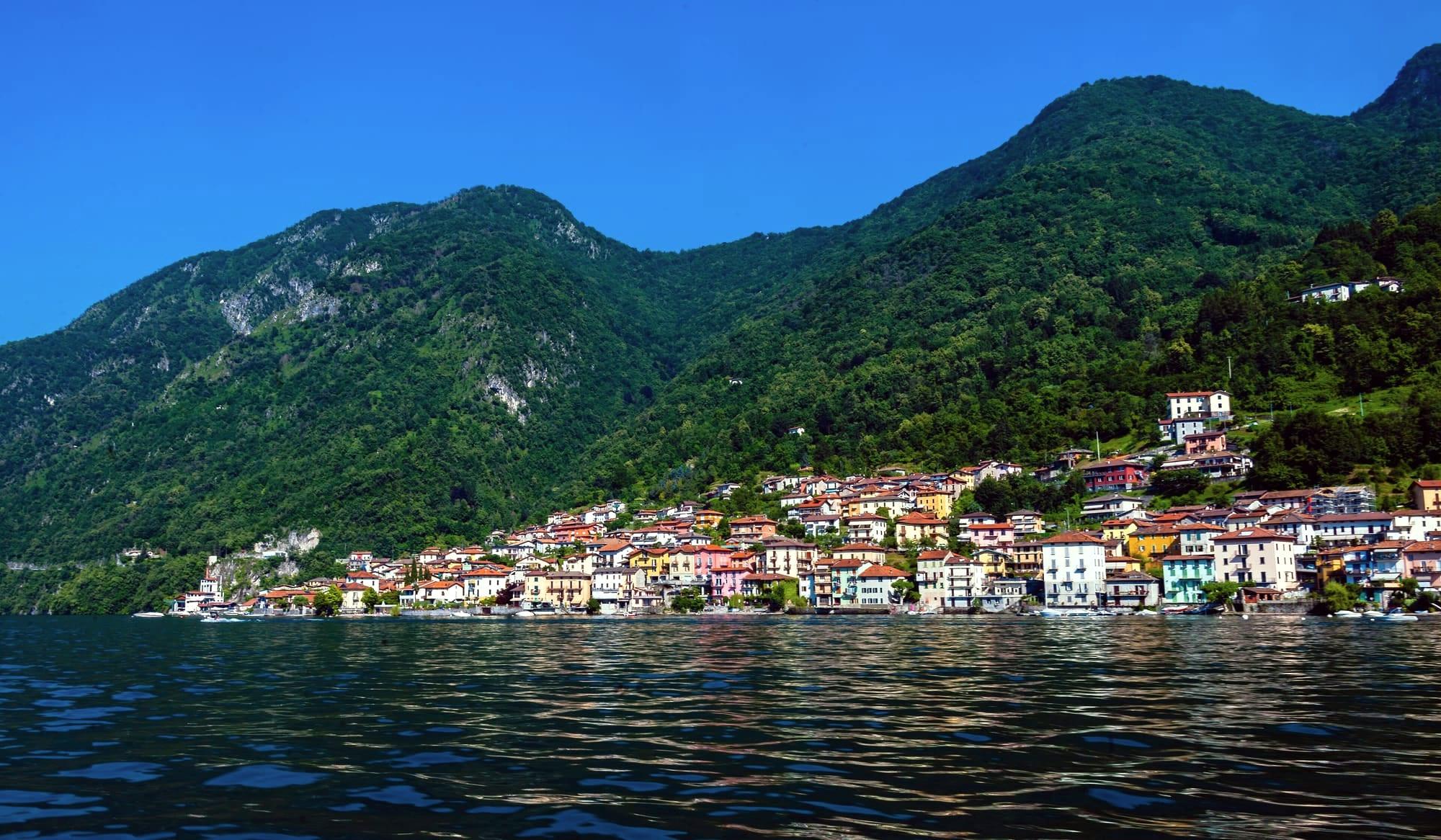
Seventeen hamlets strung out for more than seven kilometres along the eastern shore, from the Cavagnola point towards Bellagio, facing the Isola Comacina: a parish church with a Roman inscription in its bell tower, the tower of Rozzo and, towards Bellagio, the sheer walls of the Sassi Grosgalli, with a cave you can only visit by boat.
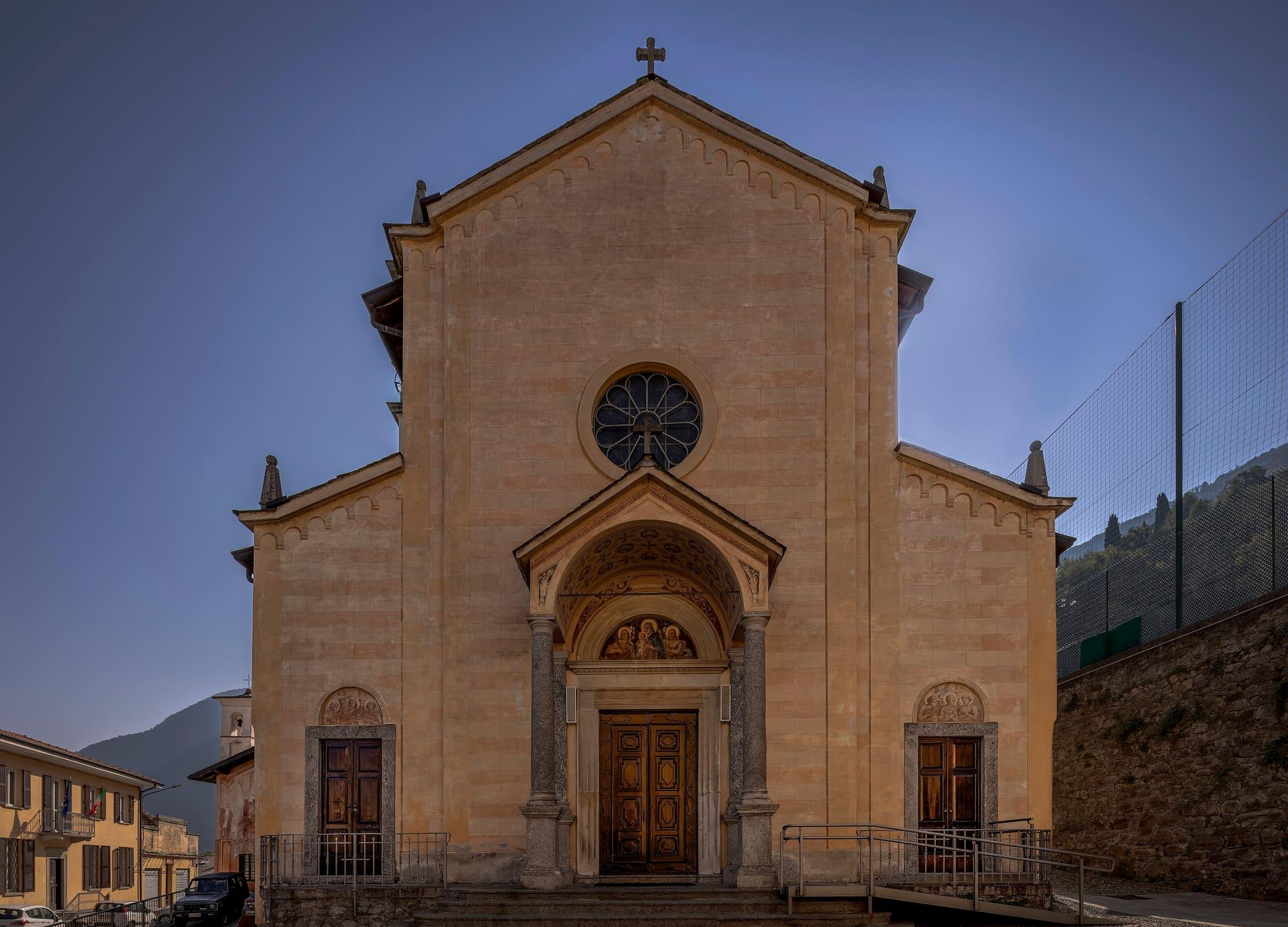
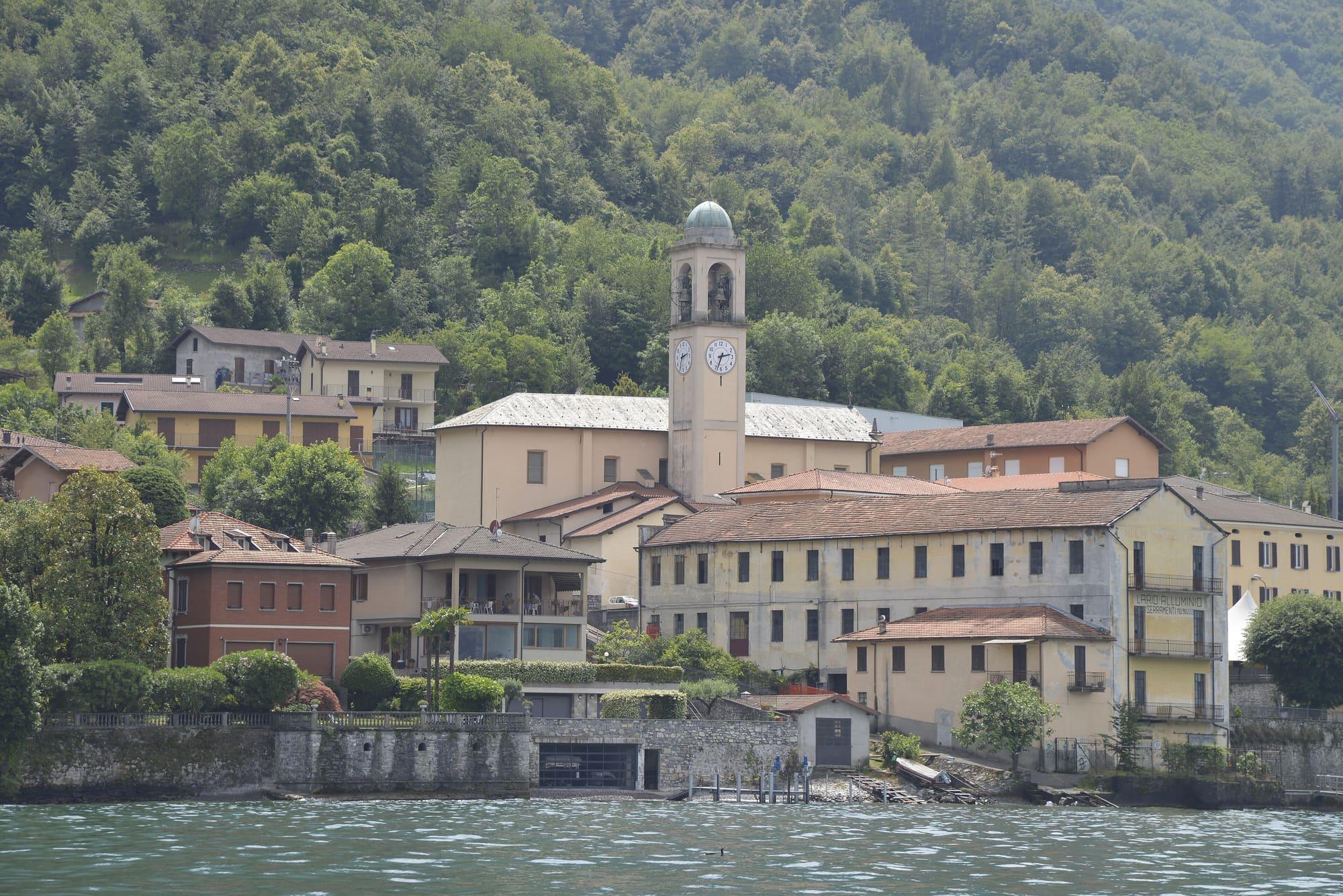
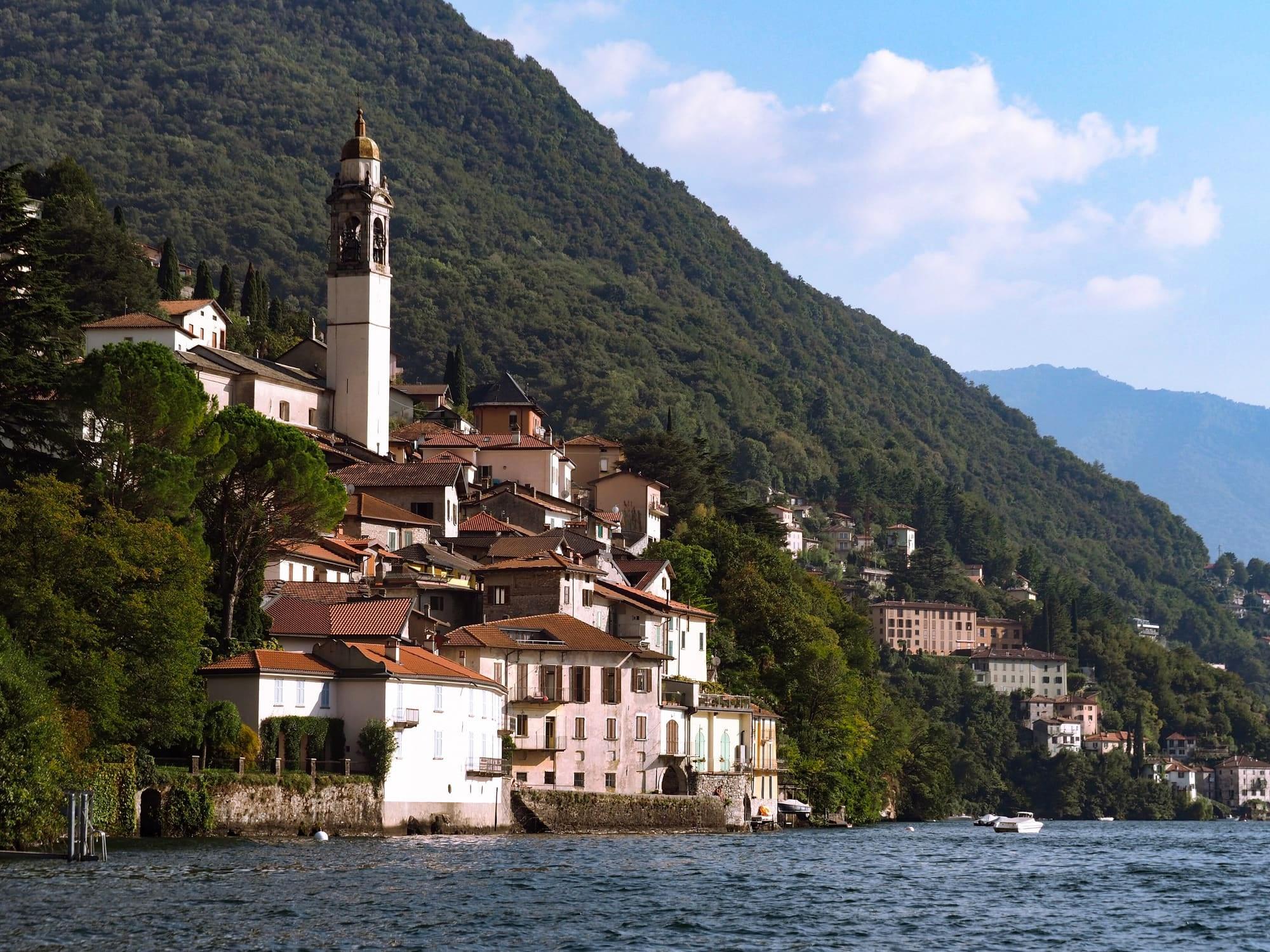
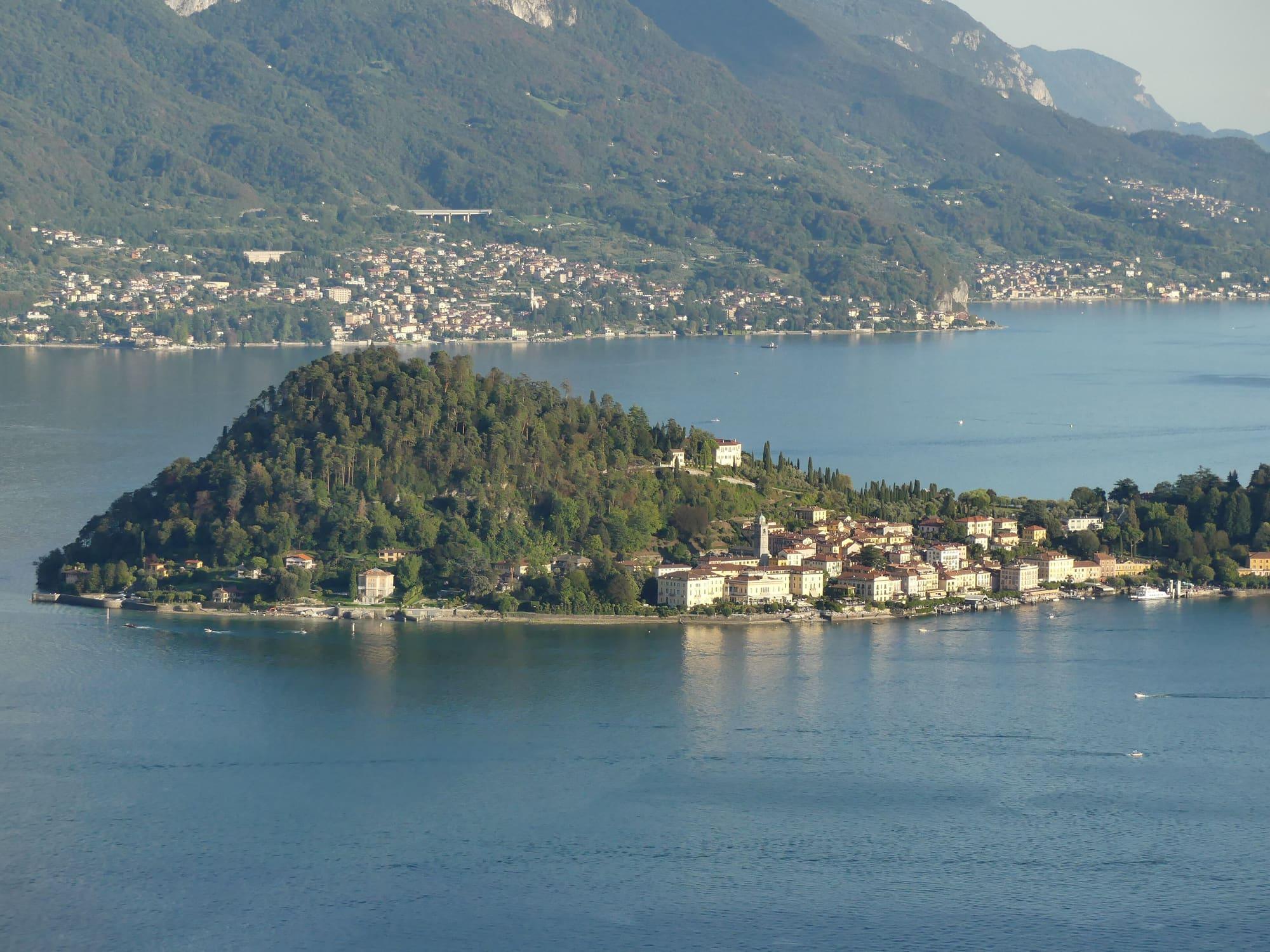
Lezzeno is made up of seventeen hamlets strung out for more than seven kilometres along the eastern shore of the Como branch, from the Punta della Cavagnola in the south to the Valle Maggiore, on the road to Bellagio, spread over the last steep slopes of the Colmenacco, the Forcoletta and the San Primo. People lived here in Roman times: a fragment of a tombstone with an inscription of the first or second century, walled into the bell tower of the parish church, shows it. From the fifth century Lezzeno belonged to the pieve of Isola, on the Isola Comacina facing it, and in 1751 the comune was split into two communities, each with its own consul: Upper Lezzeno, with Villa, Casate, Sossana and Rozzo, and Lower Lezzeno, with Bagnana, Calvasino and the other hamlets towards Nesso.
Lezzeno is made up of seventeen hamlets strung out for more than seven kilometres along the eastern shore of the Como branch, from the Punta della Cavagnola in the south to the Valle Maggiore, on the road to Bellagio, spread over the last steep slopes of the Colmenacco, the Forcoletta and the San Primo. People lived here in Roman times: a fragment of a tombstone with an inscription of the first or second century, walled into the bell tower of the parish church, shows it. From the fifth century Lezzeno belonged to the pieve of Isola, on the Isola Comacina facing it, and in 1751 the comune was split into two communities, each with its own consul: Upper Lezzeno, with Villa, Casate, Sossana and Rozzo, and Lower Lezzeno, with Bagnana, Calvasino and the other hamlets towards Nesso.
In the age of the communes Lezzeno's land was taken into the fortifications of the Isola Comacina, and in 1120, during the Ten Years' War between Como and Milan, the village was destroyed by the men of Como because it had sided with Milan. From that time the stump of a tower survives at Castello, a little above Rozzo, the same one that appears on the coat of arms. The most important post, though, was on the Punta della Cavagnola, which signalled to the Valle d'Intelvi and to the basin of the Isola, and at Morbia another stronghold later became Palazzo Silva. In the fourteenth century Rozzo was the seat of the magistrate's court, and remains of its cells are built into later houses; at the Cavagnola the bell tower of the church of San Nicolò, since demolished, served for centuries as a beacon for boatmen, because the waters off Lezzeno are often stormy.
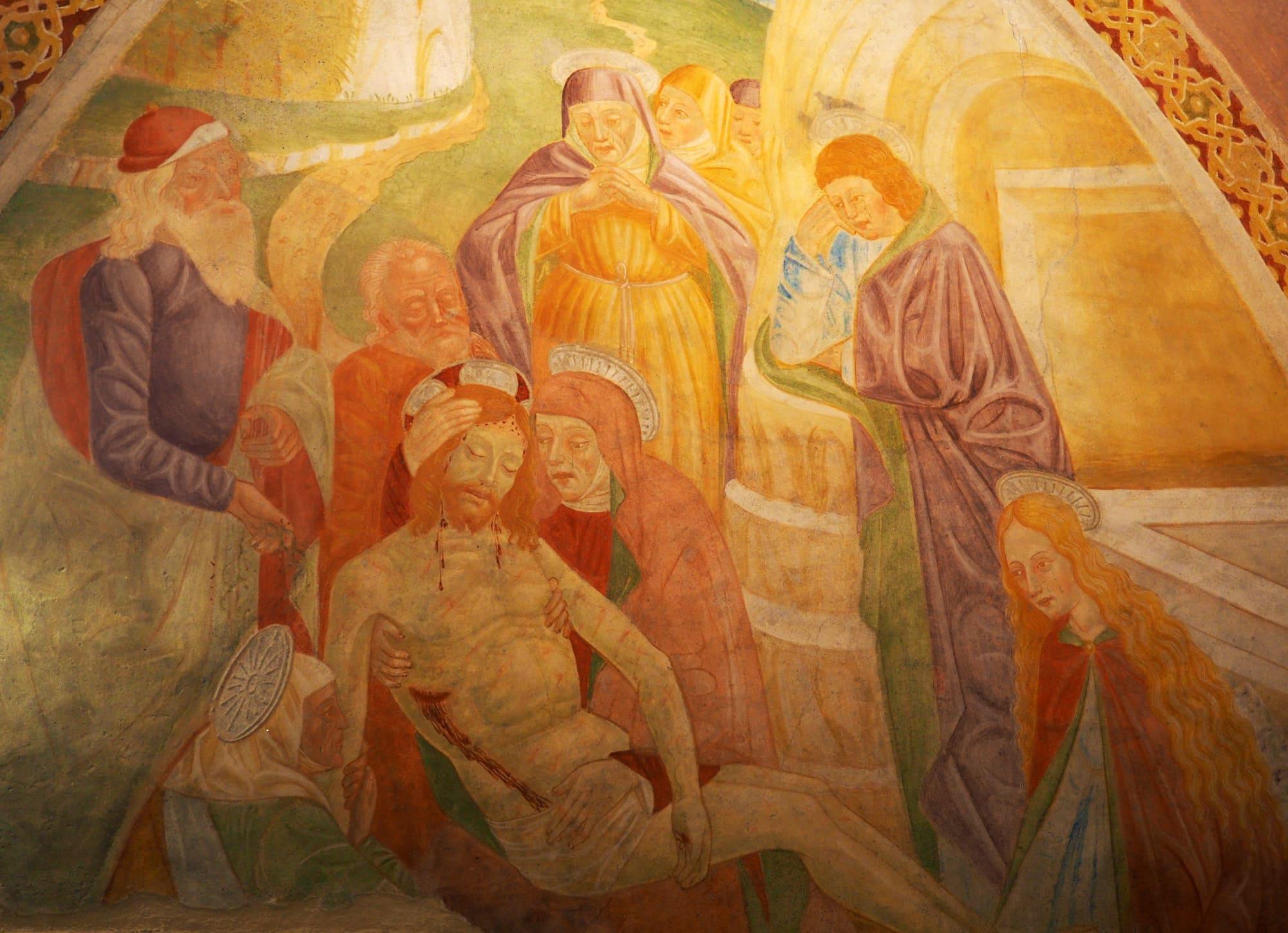
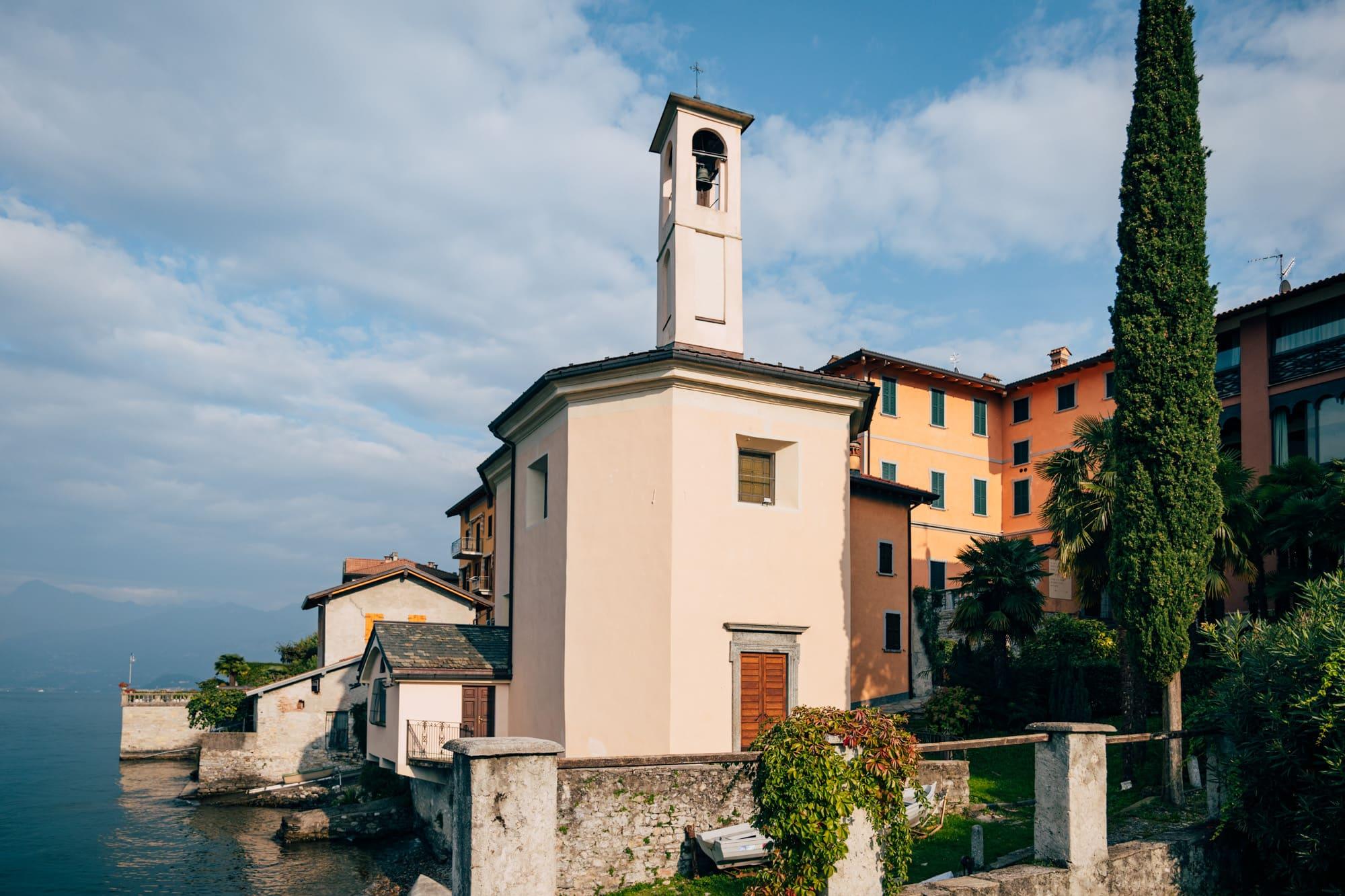
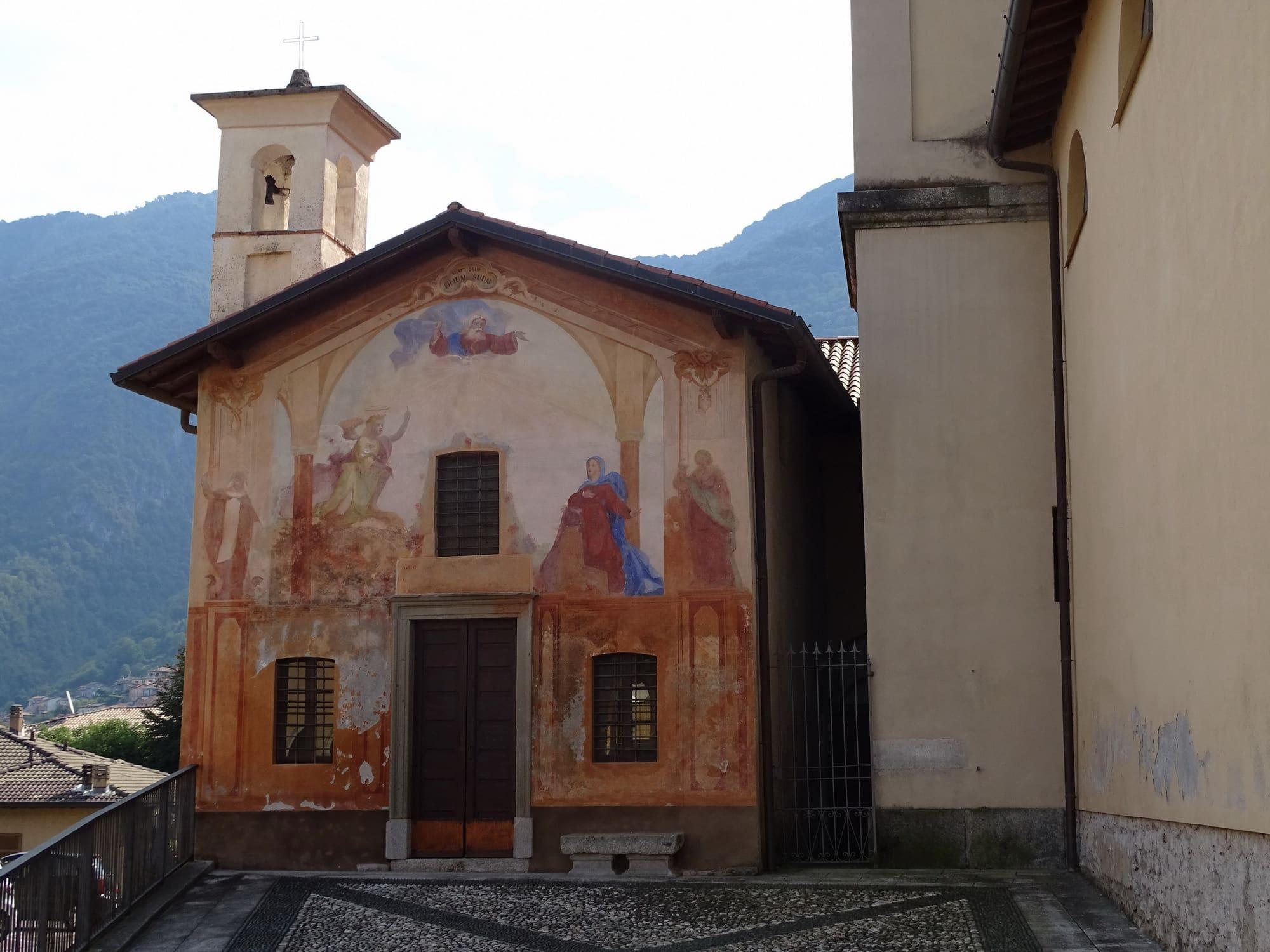
The parish church of Santi Quirico e Giulitta, on Piazza Roma, keeps Giulio Quaglio's great paintings of 1712 in the presbytery, and beside it the oratory of Santa Marta, dating from between the fourteenth and sixteenth centuries, holds a Deposition by Andrea de Passeris. On the shore at Pescaù, the church of San Giuseppe was built in 1677–1678 on an octagonal plan, right by the lake. From Calvasino a flight of steps lined with the chapels of the Way of the Cross climbs to the church of the Santissima Trinità, and there are more small churches at Sormazzana, Bagnana and Villa.
The octagonal church of San Giuseppe at Pescaù was built at the expense of the Bellini family. In the parish church, the second chapel on the left was dedicated to Saint Roch until 1632; at the end of the seventeenth century Pietro Giacomo Silva enlarged it, had it decorated at his own expense and dedicated it to Our Lady of Caravaggio.
The presbytery was decorated early in the eighteenth century: in 1712 Giulio Quaglio painted the martyrdom of Saints Quiricus and Julitta on the end wall and their glory on the vault. The high altar was rebuilt in 1719, and in 1726 the heirs of the curate Taddeo Bertolio had the ciborium with twisted columns made. Until 1780 the church was a sub-parish of the pieve of Isola; that year Giambattista Muggiasca, Bishop of Como, made it a parish in its own right.
The last stretch of shore towards Bellagio is almost uninhabited, with sheer walls, gorges and deep ravines: these are the Sassi Grosgalli, whose hollows and clefts can only be seen properly from the lake. Here opens the cave of the Carpi or of the Bulberi, now called the Grotta Azzurra, which is visited by boat. Tradition has it that the bulberi took refuge in it, the largest fish in the lake, as big as a man and impossible to catch. A little further on, by a short tunnel, stands the Ponte del Diavolo, perhaps the only structure of the historic road to survive intact; legend makes it a place of witchcraft rites.
At Bagnana the Cantieri Molinari, builders of lake boats, have set up a historical museum of boating. At Casate, on a square with a view, a cart recovered from the water recalls the lime kiln that worked from the nineteenth century to the 1950s, whose chimney still stands. The Punta della Cavagnola also has a Risorgimento story: in 1821 one Bonelli ran a centre of Carbonari activity there, with a vinegar distillery as cover.
The Strada Regia, the old mule track between Como and Bellagio, runs right through the comune. From Nesso to the centre of Lezzeno it is about seven kilometres, past old terraces and through woods, and the last stretch passes through the medieval cores of the hamlets. From the centre another four and a half kilometres lead to the Ponte del Diavolo, on the stretch below the Sassi Grosgalli.
From Calvasino the steps of the Way of the Cross climb to the church of the Santissima Trinità, at Casacca. The fourteen little chapels along the steps were frescoed in 1908, and inside the church, on the end wall, is a painting thought to date from the sixteenth century. At the foot of the mountain, at Morbia, stands the small church of the Madonna dei Ceppi, with a cross vault and a marble statue of the Madonna and Child, perhaps from the fifteenth century.
How long it takes
Typical door-to-door times by public transport, changes included. From Milan, counted from Centrale station.
Updated 22 October 2026
The mountains around the village hide the sun before astronomical sunset: sunrise and sunset are worked out on the village's own horizon.
Today, 1 November, estimated sunlight at the reference point: first at 10:11 and last at 12:38, giving 2 h 28 of direct sun, out of 10 h 07 of daylight.
Watch the shadow reach Lezzeno today
See from Lezzeno where the sun goes, in 3D
The sun at an exact spot in Lezzeno: your hotel, a beach, a street
By bus on ASF Autolinee's C130, Como–Nesso–Bellagio, which stops all along the comune's shore, from the Cavagnola to Casate and the Fornace, and on Piazza Roma, where the parish church stands: from the Como lakefront it takes about fifty minutes, from Bellagio a quarter of an hour or a little more. The Como–Colico line boats call at the Lezzeno pier. By car, take the provincial road 583, the Lariana, between Nesso and Bellagio.
On the shore there are two official bathing points, Bagnana and Spiaggia Salice: like every place people swim they are sampled by law, and the class of their water is assigned at the end of each season from the official sampling.
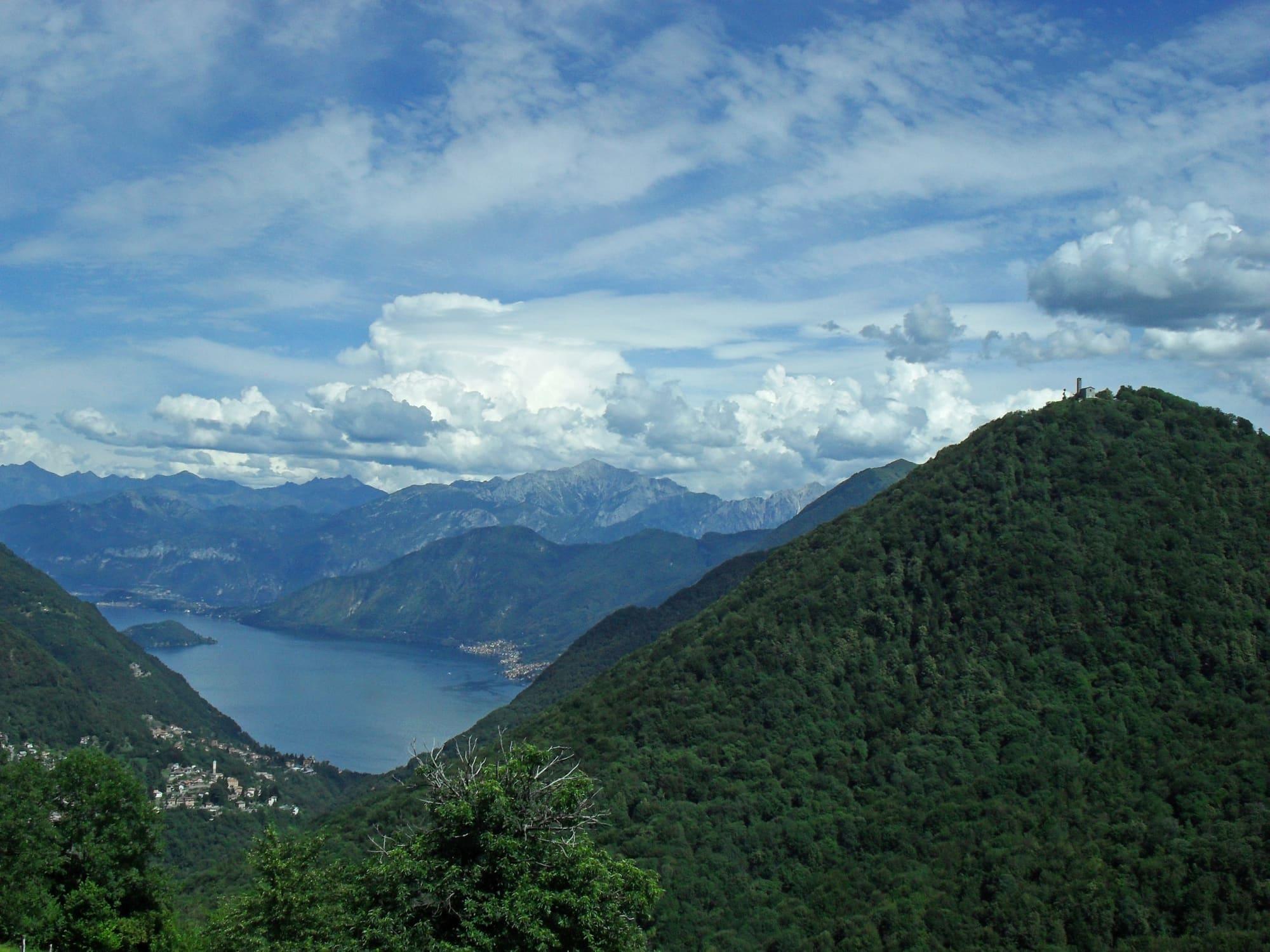
The highest summit in view from here is Monte Galleggione, 3107 m, 52 kilometres away.
The ochre line follows today's sun path and marks the estimated times of its first and last appearance above the mountains. Drag the panorama to see all of it.
Official bathing sites nearby, with their water quality classifications.
Yes. Because of its position, on the last steep slopes of the mountains, the Lezzeno shore goes without the sun in winter and without the moon in summer, and it is said that figs are picked here in January, because they take two years to ripen. A calculation made on the profile of the mountains around Piazza Roma bears this out: in mid-November, mid-December and mid-January the sun never clears the mountains.
What is around, and how far.
© OpenStreetMap contributors · ODbL
Typical door-to-door times.