4Sept 2027
First Basin
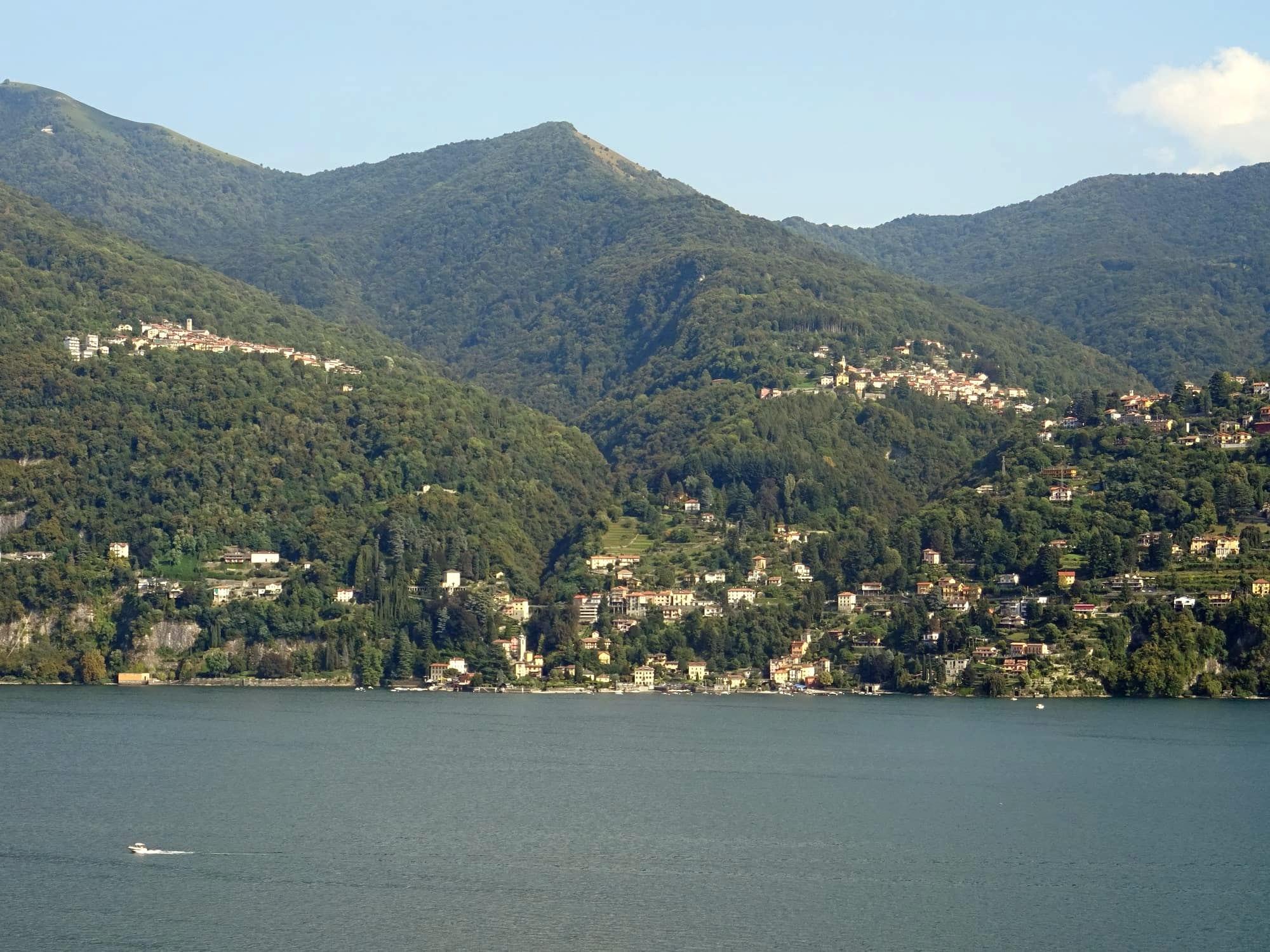
A shore on the lake and three villages halfway up the slope, Molina, Lemna and Palanzo, linked by the Strada Regia: churches from Romanesque to the seventeenth century, the gorge, and above it all Monte Palanzone.
Faggeto Lario was born in 1928 from the union of Molina and Palanzo with Lemna, which was already the “comune de Ripalempna” in 1335.
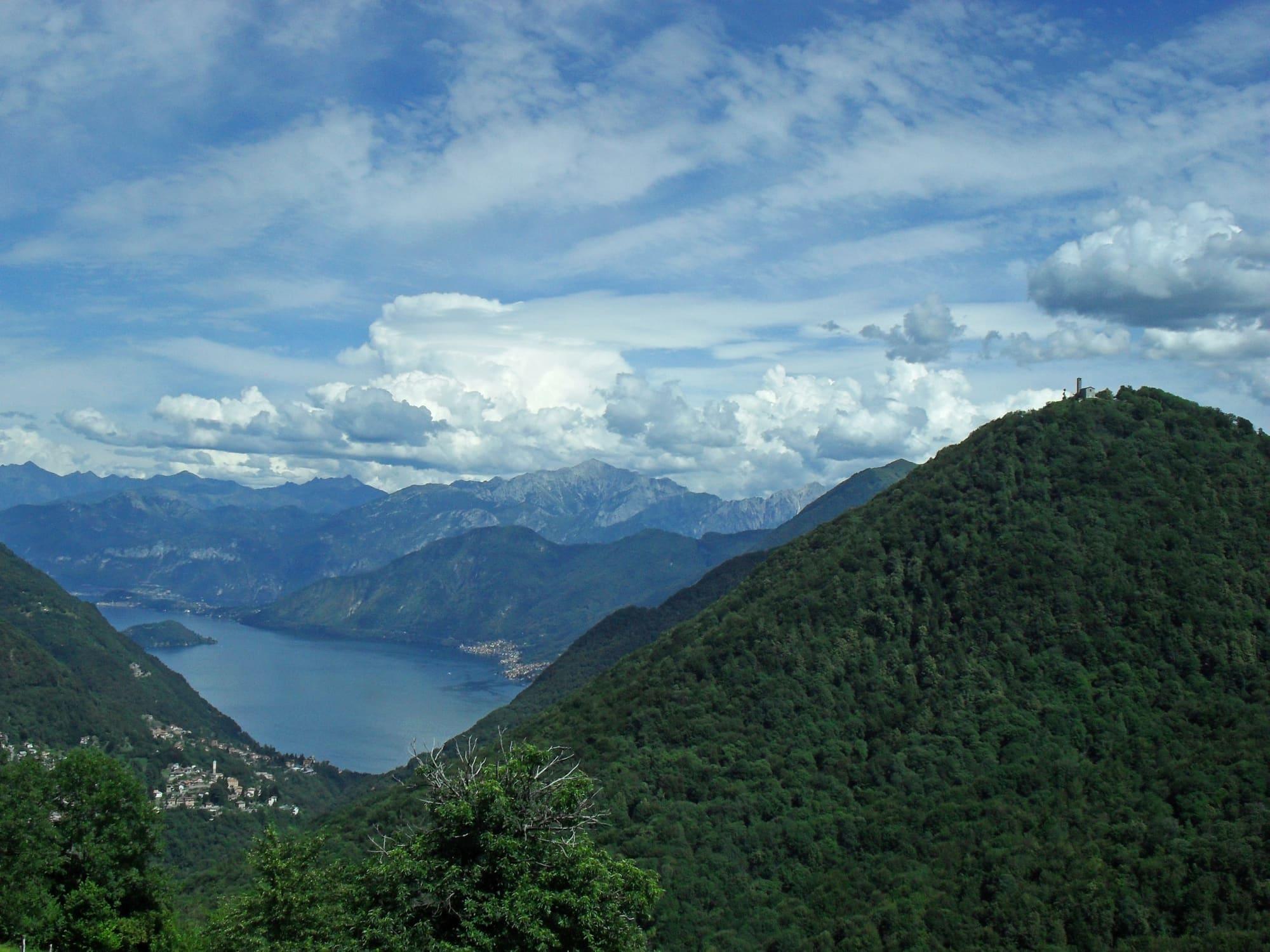
Its territory stretches from the lakeshore up to the 1436-metre summit of the Palanzone, 13 kilometres from Como and 18 from Bellagio. The three mountain hamlets, Molina, Lemna, where the town hall is, and Palanzo, are old settlements of Celto-Ligurian origin, divided by deep valleys and linked as early as the Middle Ages by the Strada Regia, which ran halfway up the slope from Brunate to Bellagio; on the shore lies the hamlet of Riva. The name comes from the beech woods, above all around Lemna, even though chestnuts prevail in the comune's woods; the beeches are on the coat of arms, with three stars for the three hamlets and three peaks, the Palanzone, the Pizzo dell'Asino and the Bollettone.
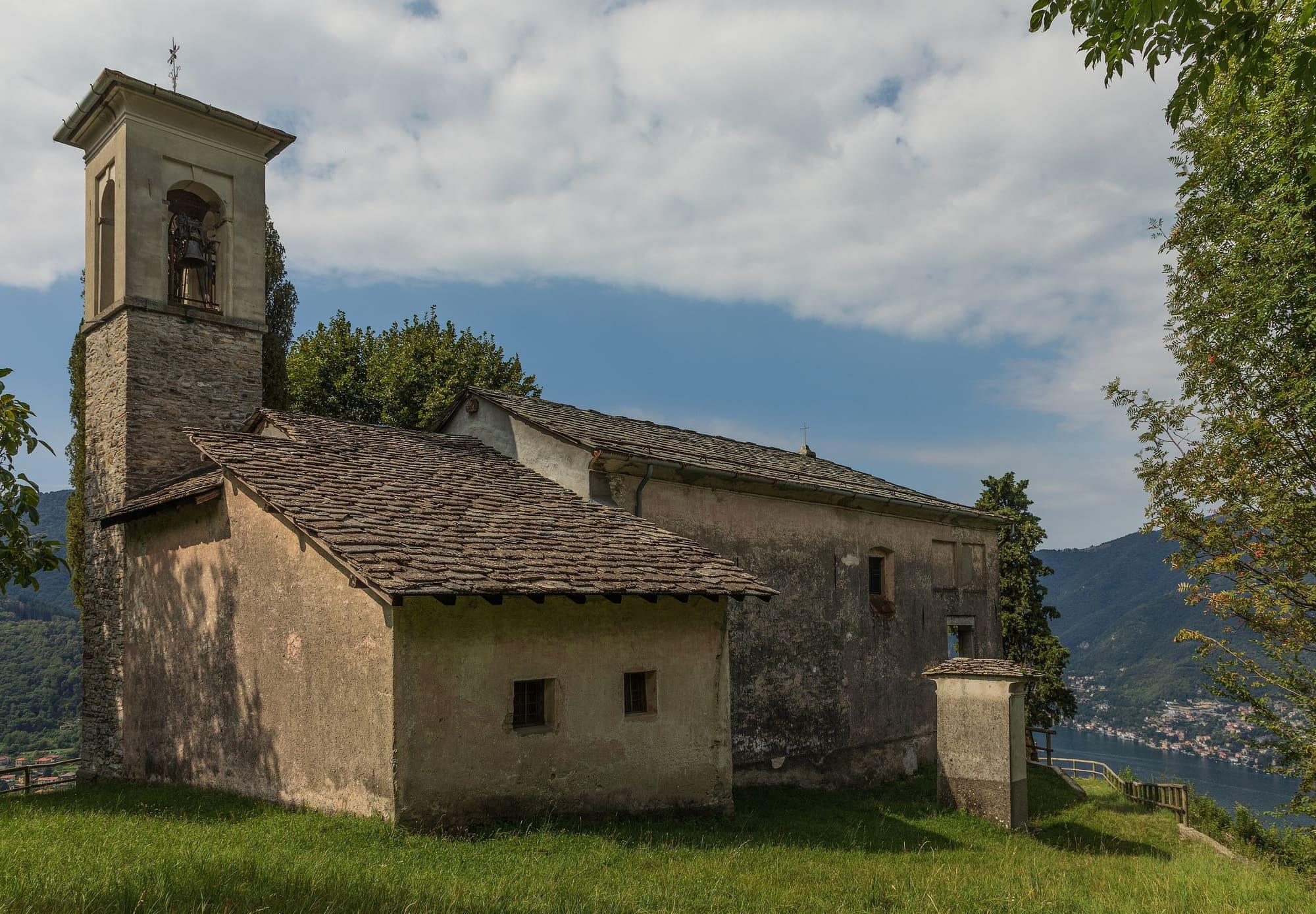
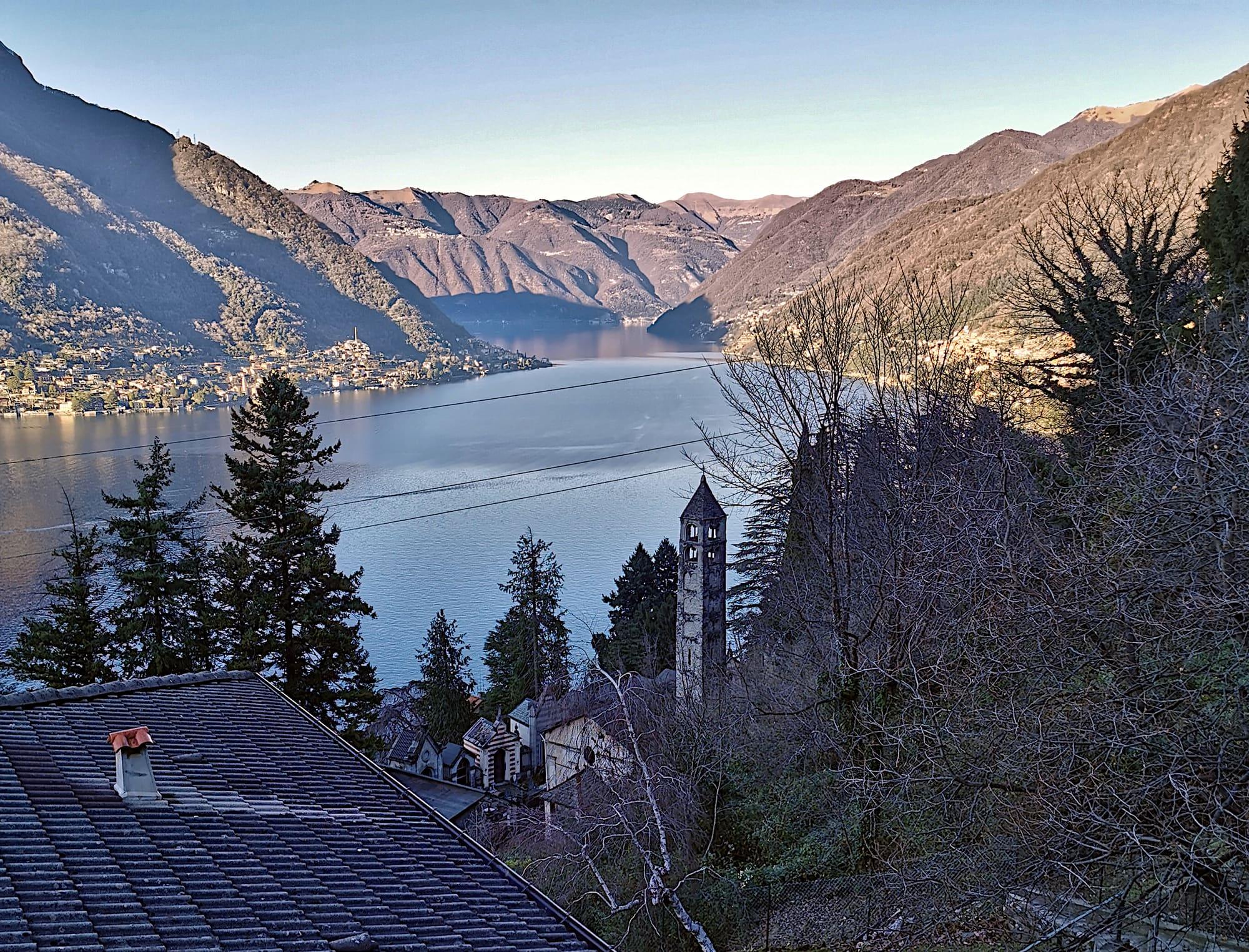
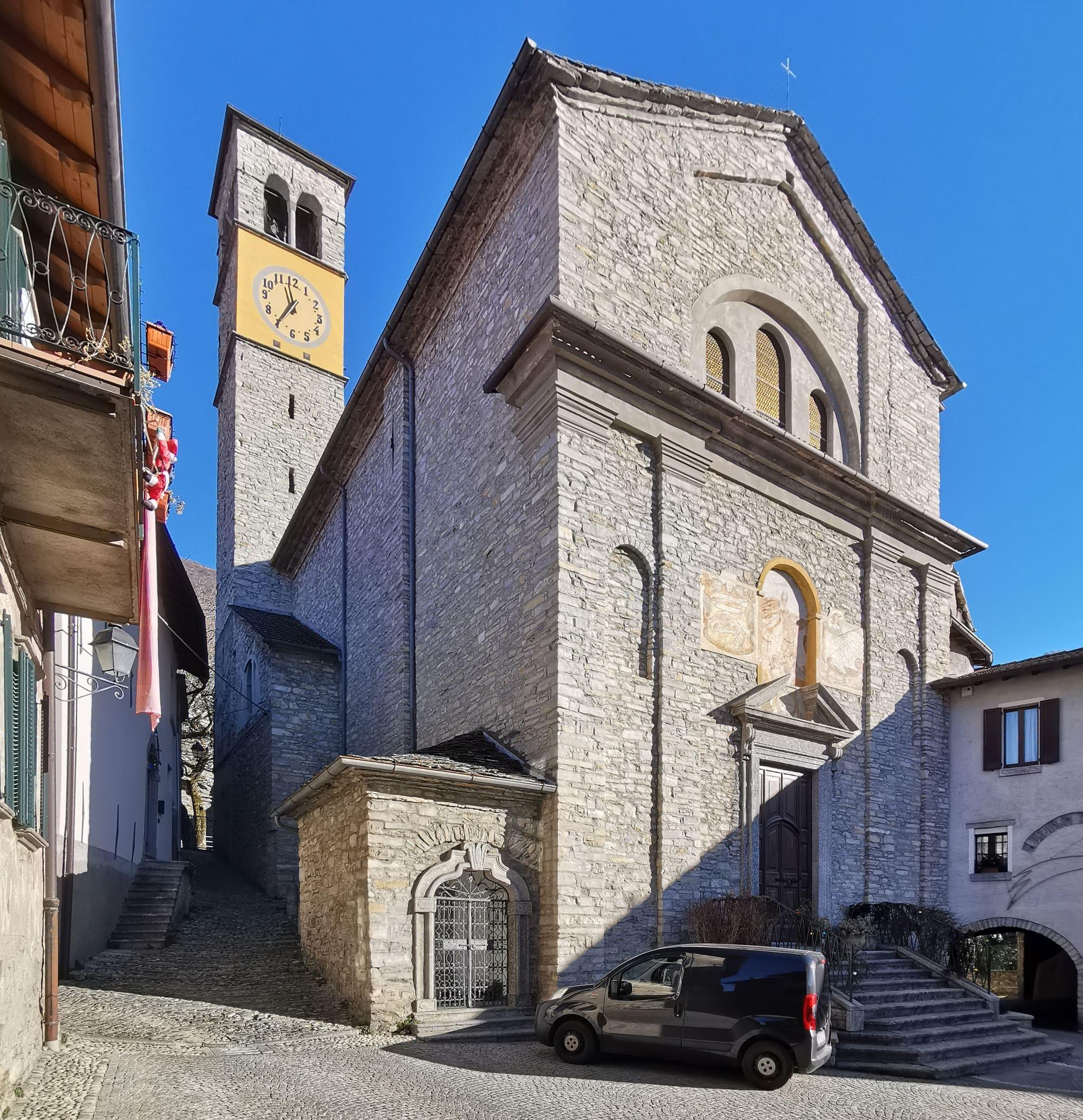
At Molina the medieval parish church was Santa Margherita, with a Romanesque bell tower of the late eleventh century. When the villagers moved further up, a more central church was built, dedicated to Saint Anthony Abbot: by 1619 it was already the parish church. In the seventeenth century this church, which had probably grown too small, was replaced by today's, finished in 1703 after several decades of work. At Lemna the dedication to Saint George may be a Lombard trace: today's church is sixteenth-century, on the site of an older one, and before that the parish was Sant'Alessandro, further down, whose bell tower was pulled down in 1928. San Giorgio has paintings attributed to Andrea Pozzo.
At Palanzo, Sant'Ambrogio was a chapel of the pieve of Nesso in the thirteenth century and was entirely rebuilt at the start of the seventeenth, because it could no longer hold the congregation. Outside the village, a quarter of an hour on foot, the church of the Madonna del Soldo, from the later sixteenth century, stands in a panoramic spot. Local stories tie it to Saint Charles Borromeo and the Blessed Bernardino Caimi, and the name probably comes from the toll paid when the war between Como and Milan forced merchants to pass this way.
A bull of Pope Alexander III dated 14 April 1162 lists Palanzo among the possessions of the Archbishop of Milan. In May 1240 Emperor Frederick II placed the village under the city of Como.
The churches of the three villages belonged to the pieve of Nesso; Lemna was already a parish of its own in 1593, when Bishop Feliciano Ninguarda of Como visited it. In the seventeenth and eighteenth centuries many people emigrated from Palanzo. In 1807 a decree of Napoleon joined Molina to Torno, and Lemna and Palanzo to Pognana; when the Austrians returned, the three villages became comuni of their own again. In 1953 a road open to vehicles was built up to Palanzo.
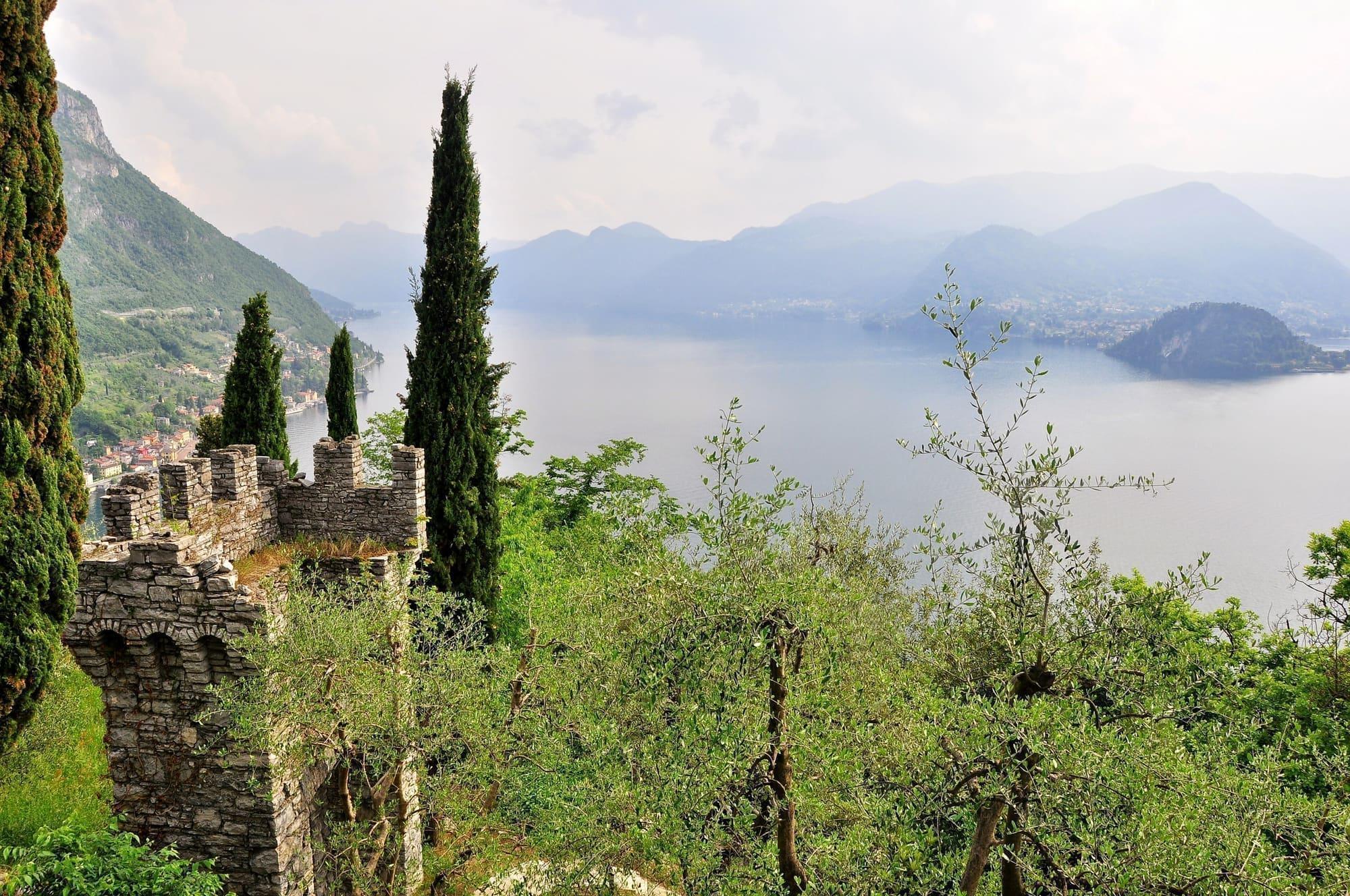
The castle of Palanzo dates from the eleventh and twelfth centuries. Stretches of its walls survive, reworked in the nineteenth century, together with the lower part of the tower. The castle belonged to the comune until 1865 and has been a national monument since 1912. The bell tower of Sant'Ambrogio was built partly with stones from the castle tower, and a shrine of the Madonna of the Rosary, dated 1646, is set into the castle walls.
In the centre of the village, in a rustic building owned by the comune, stands the wine press built in 1572. Its beam is a single chestnut trunk twelve metres long. Every year, on the second Sunday of October, the press works again for the Sagra del Torchio, run by the Associazione Amici del Torchio di Palanzo; tortelli di Palanzo and roast chestnuts are served in the square. At the start of September the same association opens the village's old cellars for a wine tasting, the Cantin Vèrt.
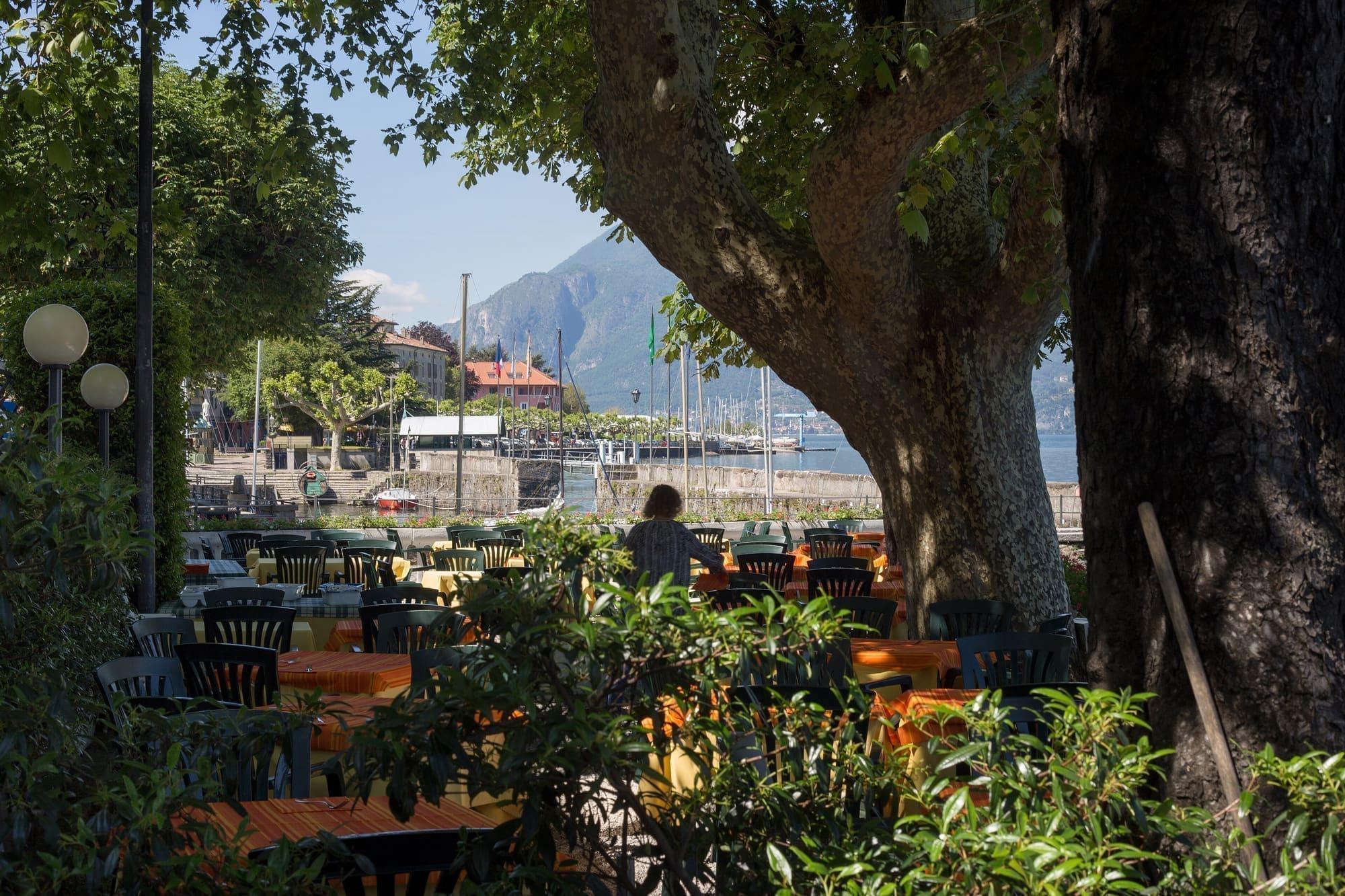
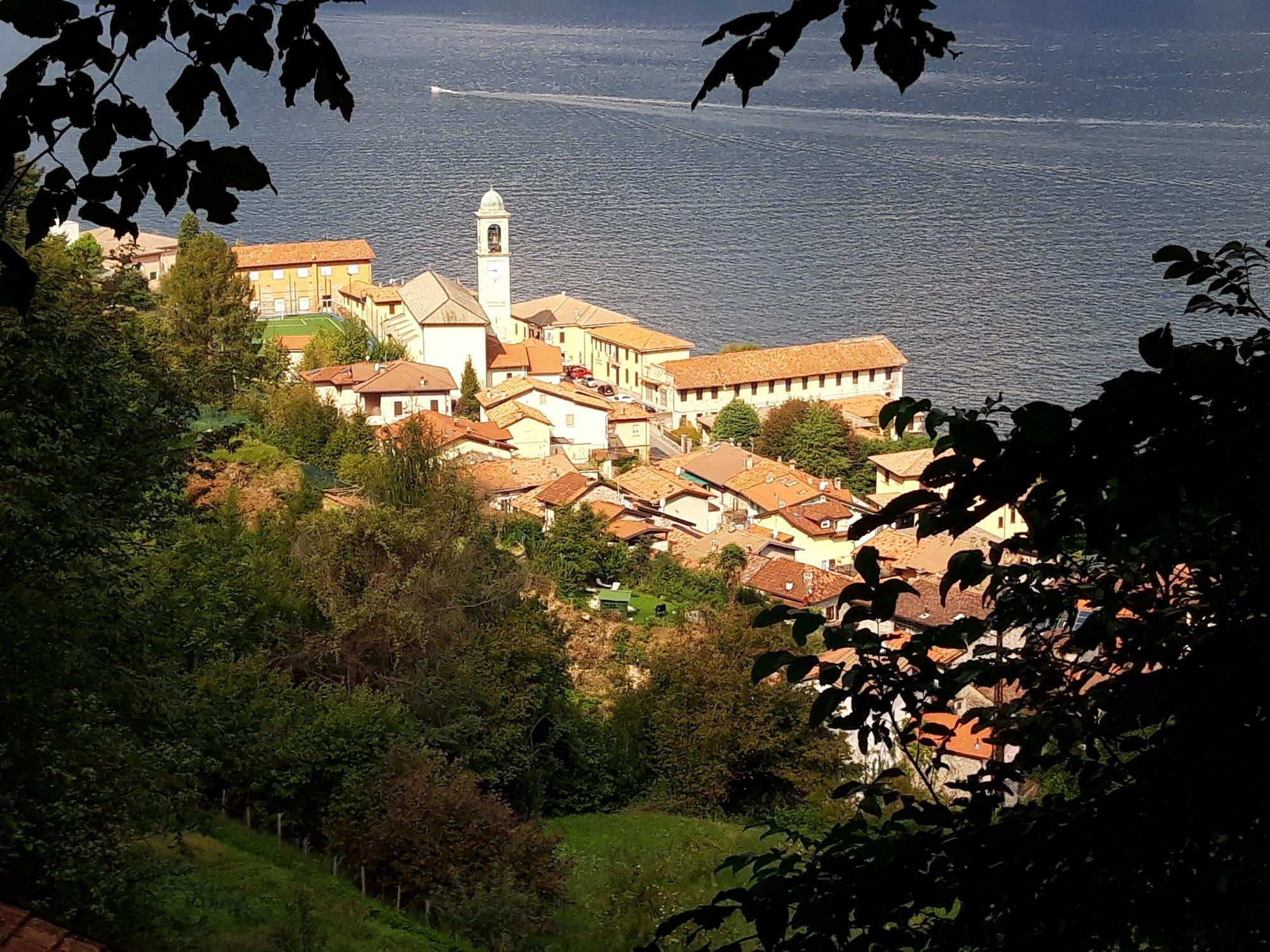
The boat calls at the pier on the shore, and not far away is the church of San Giuseppe, near the Orrido di Faggeto, the gorge. On the night of 16 to 17 October 1863 a landslide swept away several houses at Riva di Lemna and killed thirty-five people.
Higher up are the remains of the castle of Palanzo and its watchtower, two rock-cut tombs at Lemna, one of which, in the village centre, has become a fountain basin, and the Grotta Guglielmo, a cave for experienced cavers only. On the summit of the Palanzone, at 1436 metres, stands a chapel. The Strada Regia, the mule track that climbs the eastern shore from Brunate to Bellagio, still runs through Molina, Lemna and Palanzo.
From the mountain hamlets you climb to the Dorsale del Triangolo Lariano, the waymarked route that starts at Brunate and runs high above the lake. From Molina and Lemna paths reach the saddles named after them, on either side of the Bolettone; the Bocchetta di Molina is at 1116 metres. From Palanzo a dirt road climbs to the Bocchetta di Palanzo, at 1210 metres, where many paths meet. From there you carry on towards the Rifugio Riella and the summit of the Palanzone, with its pyramid-shaped chapel built in 1900.
From Palanzo the Way of the Cross, which already existed before 1748, leads to the church of the Madonna del Soldo. Another path drops from Palanzo to Canzaga, to the church of San Rocco at Pognana Lario, and the Strada Regia carries on north towards Pognana and Nesso and south towards Torno.
First Basin
The old mule track between Como and Bellagio, used before there was a road.
3 h – 5 h 30Open access
First Basin
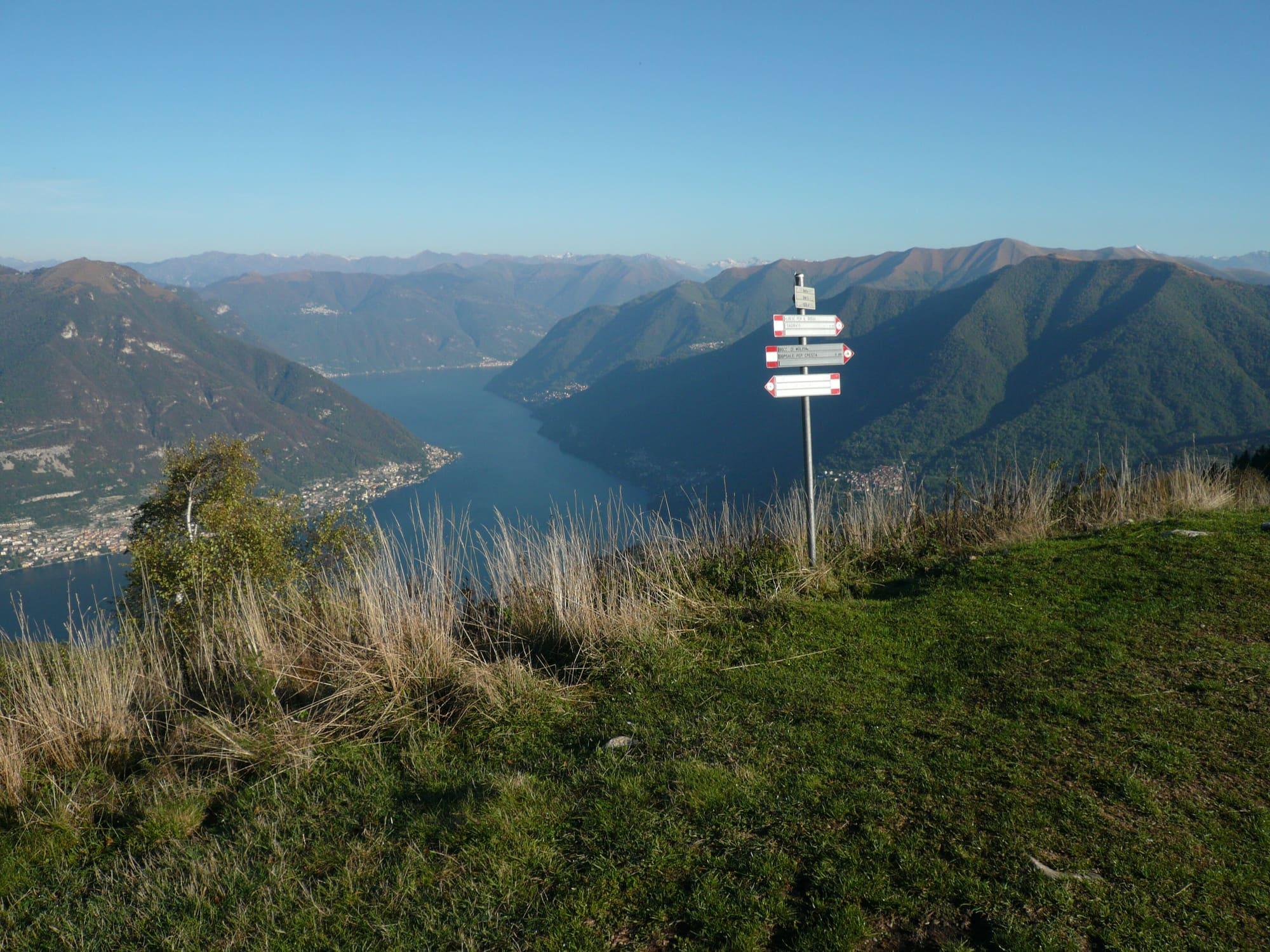
The first summits of the Dorsale del Triangolo Lariano above Como: from the Brunate funicular by San Maurizio and the mountain houses to the Boletto and the Bolettone, along the crest route, and down to Molina or Lemna.
3 h 30 – 5 hOpen access
How long it takes
Typical door-to-door times by public transport, changes included. From Milan, counted from Centrale station.
Updated 22 October 2026
The mountains around the village hide the sun before astronomical sunset: sunrise and sunset are worked out on the village's own horizon.
Today, 1 November, estimated sunlight at the reference point: first at 08:48 and last at 16:16, giving 7 h 29 of direct sun, out of 10 h 07 of daylight.
Watch the shadow reach Faggeto Lario today
See from Faggeto Lario where the sun goes, in 3D
The sun at an exact spot in Faggeto Lario: your hotel, a beach, a street
By bus on ASF Autolinee's C130, Como–Nesso–Bellagio, which stops along the main road at Pescatore, La Pianella, the Via Statale shelter, Località Pessina and Rubinera, a quarter of an hour after the Como lakefront stop and half an hour after San Giovanni station. Some boats on the Como–Colico line call at the Faggeto pier. By car, take the provincial road 583, the Lariana; the provincial road 43 climbs to the mountain hamlets.
On the shore there is an official bathing point, Lido Riva: like every place people swim it is sampled by law, and the class of its water is assigned at the end of each season from the official sampling.
The highest summit in view from here is Grivola, 3969 m, 150 kilometres away.
The ochre line follows today's sun path and marks the estimated times of its first and last appearance above the mountains. Drag the panorama to see all of it.
Official bathing sites nearby, with their water quality classifications.
It is the old mule track that climbs the eastern shore of the Como branch from Brunate to Bellagio, halfway up the slope: as early as the Middle Ages it linked Molina, Lemna and Palanzo. Its route is paved and runs between dry-stone walls and chestnut woods.
What is around, and how far.
© OpenStreetMap contributors · ODbL
Typical door-to-door times.
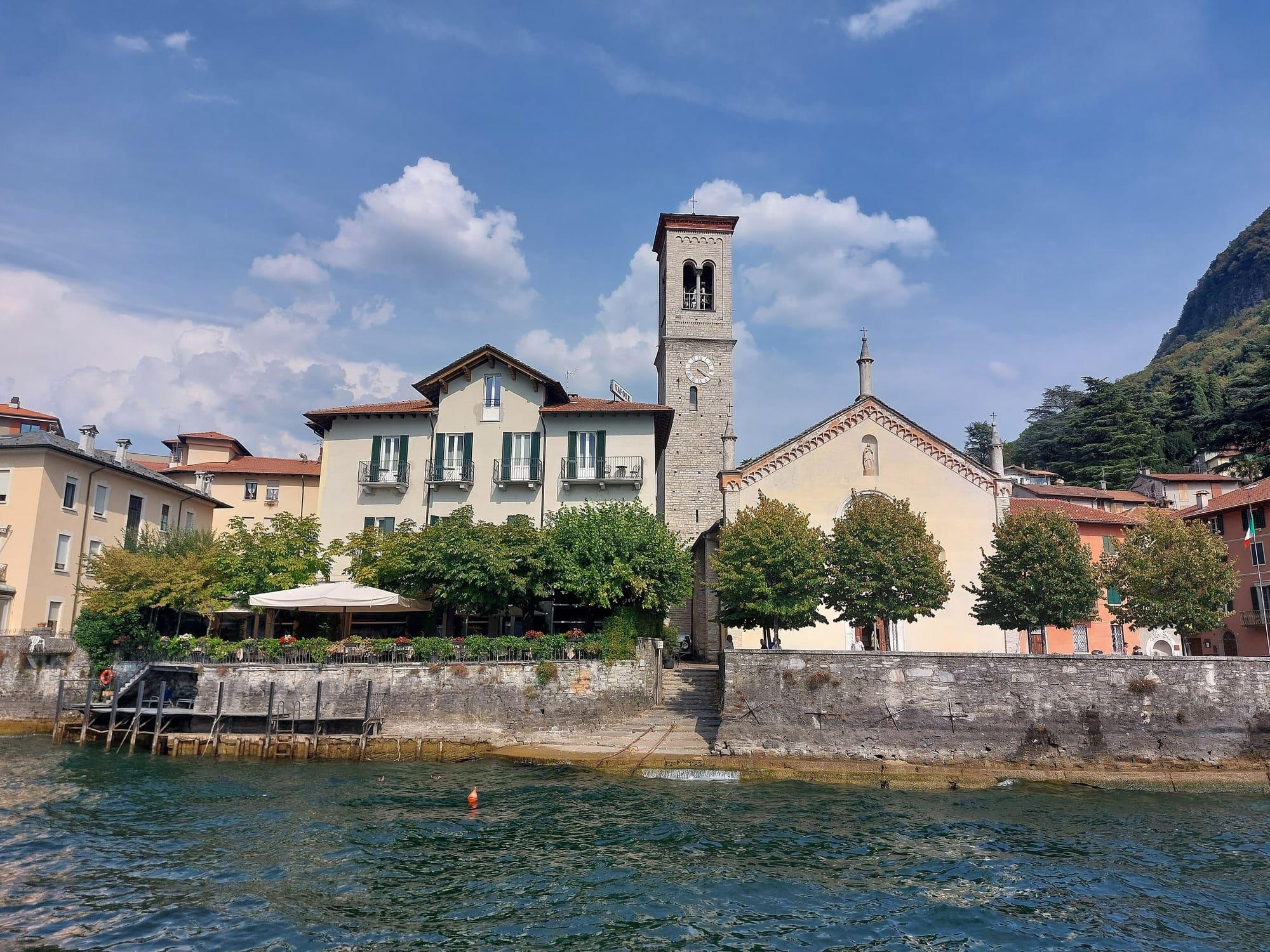
Two small harbours, the church of San Giovanni with its Romanesque bell tower, and Villa Pliniana just outside the village.
7 min
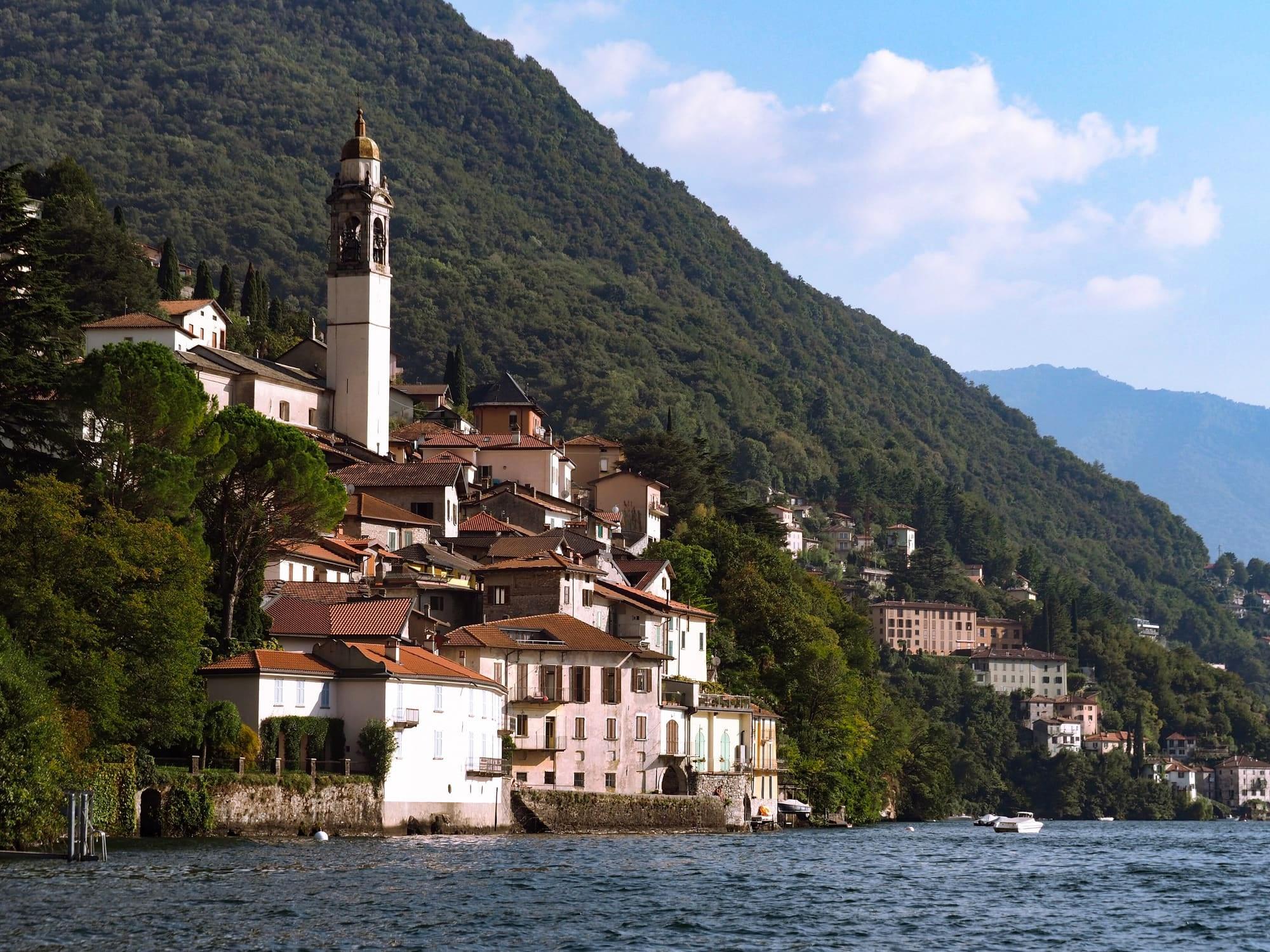
A village split in two by a waterfall, with a stone bridge where the water meets the lake.
21 min
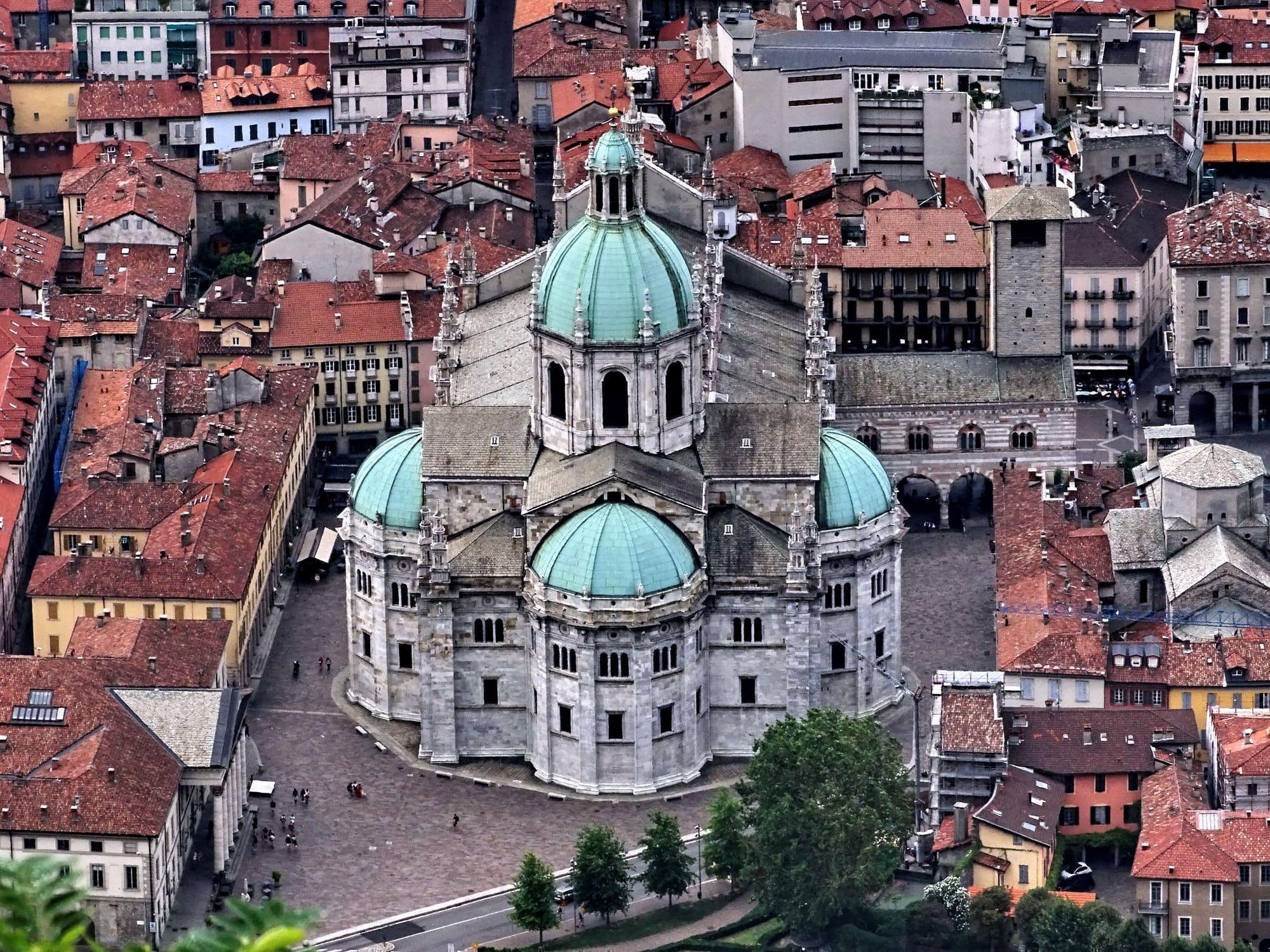
The city of silk and rationalist architecture, with the lake reaching right into the centre.
30 min