Stories from the lake
Lake timeline
Two thousand years of the lake in order of date: from the Roman road along the western shore to the first steamboat, from the fall of the Isola Comacina to the Olginate dam. Each date leads to the story that tells it and to the place where it happened.
- Dates
- 82
- Stories
- 27
- Periods
- 6
7dates
Renaissance and foreign rule
1450–1699 · 3 dates
The Medeghino settles at Musso
Gian Giacomo Medici, known as the Medeghino, installs himself as castellan of the stronghold on the Sasso di Musso and turns it into a fortress and a palace. With an armed flotilla he raids the lake's trade and its shoreline villages and rules the upper lake.
Place: Sant'Eufemia, MussoStory: The Medeghino, lord of the lake
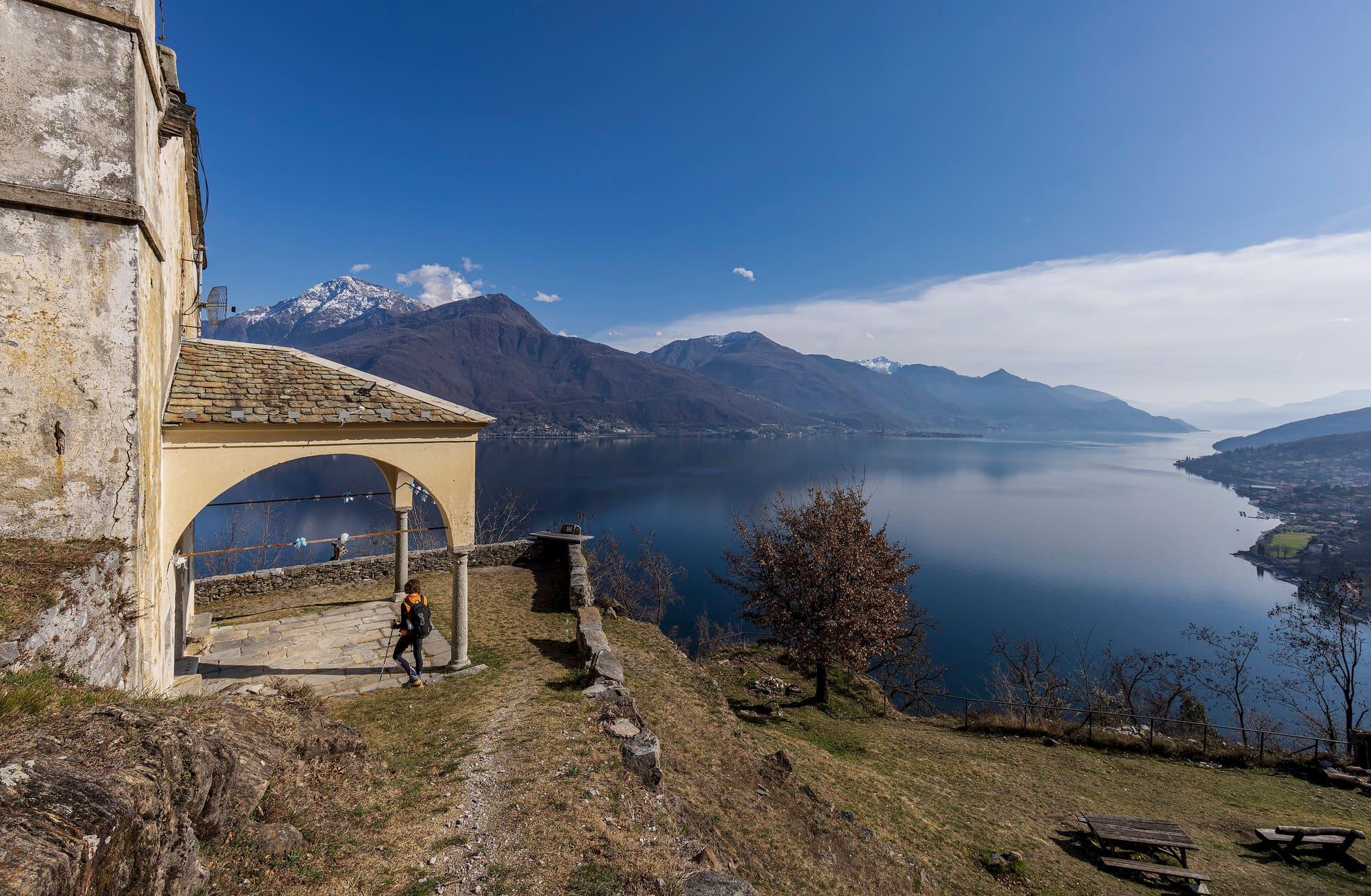
Charles V makes the Medeghino Marquis of Musso
Now in the emperor's service, the Medeghino is granted the marquisate of Musso over many lands around the lake, Como excepted, with full jurisdiction and the right to mint coins. The coat of arms of the municipality of Musso bears the crown of that marquisate.
The castle of Musso is dismantled
After the war that began in 1531 against the Grey Leagues, the Swiss cantons and the Duke of Milan, the Medeghino comes to terms with the duke: he gives up Musso, Lecco and the other lands he holds and receives the marquisate of Marignano. The castle on the Sasso is dismantled, and the Swiss obtain a promise that it will not be rebuilt.
Place: Musso Civic History MuseumStory: The Medeghino, lord of the lake
Twentieth century
1900–1999 · 4 dates
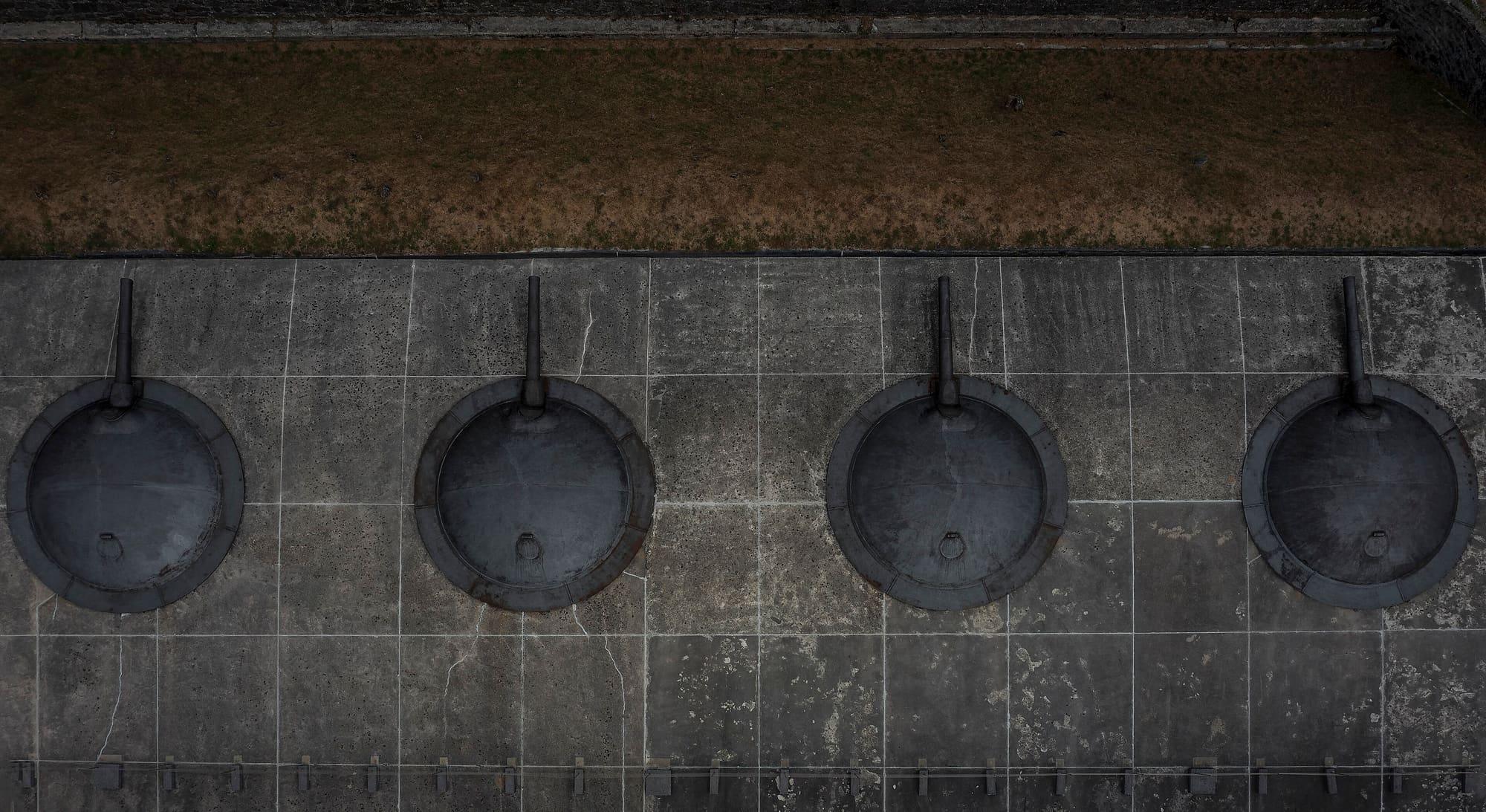
The fort at Colico is armed
On the Montecchio hill, where the roads coming down from the Splügen, Maloja, Bernina, Stelvio and Tonale passes meet, the fort is ready, with four 149-millimetre guns under revolving steel domes. The guns have stayed where they were.
Place: Forte Montecchio NordStory: The Cadorna Line on the Lario
To Switzerland along the smugglers' paths
After the armistice many disbanded soldiers cross the San Jorio pass above Gravedona to seek refuge in Switzerland. Refugees use the smugglers' paths too: during the war Ticino and the Mesolcina take in about twenty-six thousand soldiers and twelve thousand civilians, but many are turned back.
Partisans stop Mussolini at Dongo
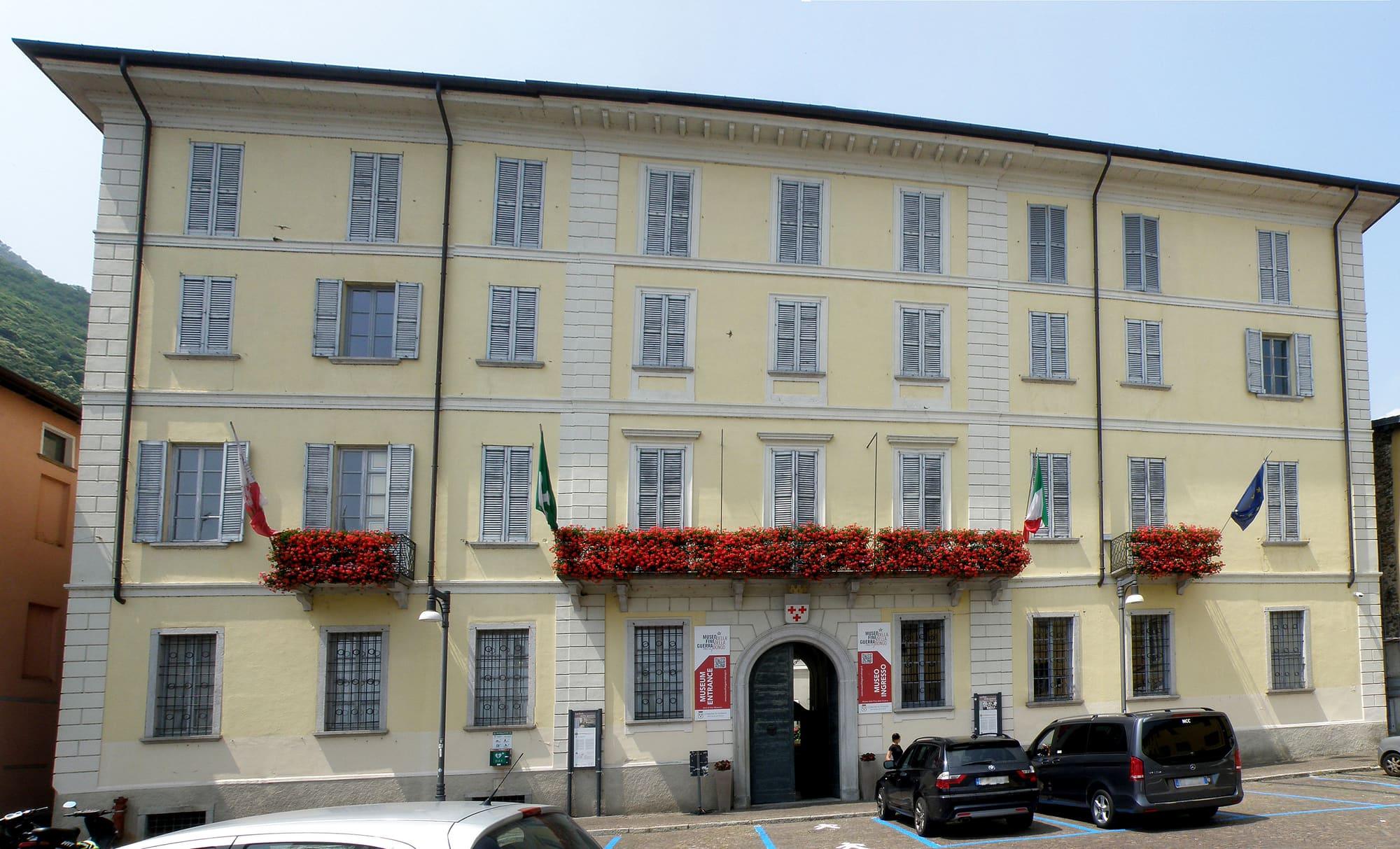
On the upper lake, partisans of the 52nd Garibaldi Brigade stop a German column heading for Switzerland and recognise Benito Mussolini among its passengers. After his capture they take him to Palazzo Manzi in Dongo, which houses the Museum of the End of the War.
Place: Museum of the End of the WarStory: The Cadorna Line on the Lario
The fort at Colico fires its only shots in war
The German column that had handed Mussolini over to the partisans at Dongo is stopped at Colico under the threat of the Montecchio guns, which fire five rounds, none on target. The next day, at the Isolabella hotel, the Germans sign their surrender.
Place: Forte Montecchio NordStory: The Cadorna Line on the Lario