Stories from the lake
Lake timeline
Two thousand years of the lake in order of date: from the Roman road along the western shore to the first steamboat, from the fall of the Isola Comacina to the Olginate dam. Each date leads to the story that tells it and to the place where it happened.
- Dates
- 82
- Stories
- 27
- Periods
- 6
12dates
Middle Ages
6th century to 1449 · 2 dates
1118–1127
The Ten Years' War between Como and Milan
The Isola Comacina and the lake's parish districts side with Milan against Como, and the lake becomes a battlefield. In 1124 the people of Como occupy and burn the island, but Milan wins the war: in August 1127 Como is taken and has to accept the demolition of the town, its churches excepted.
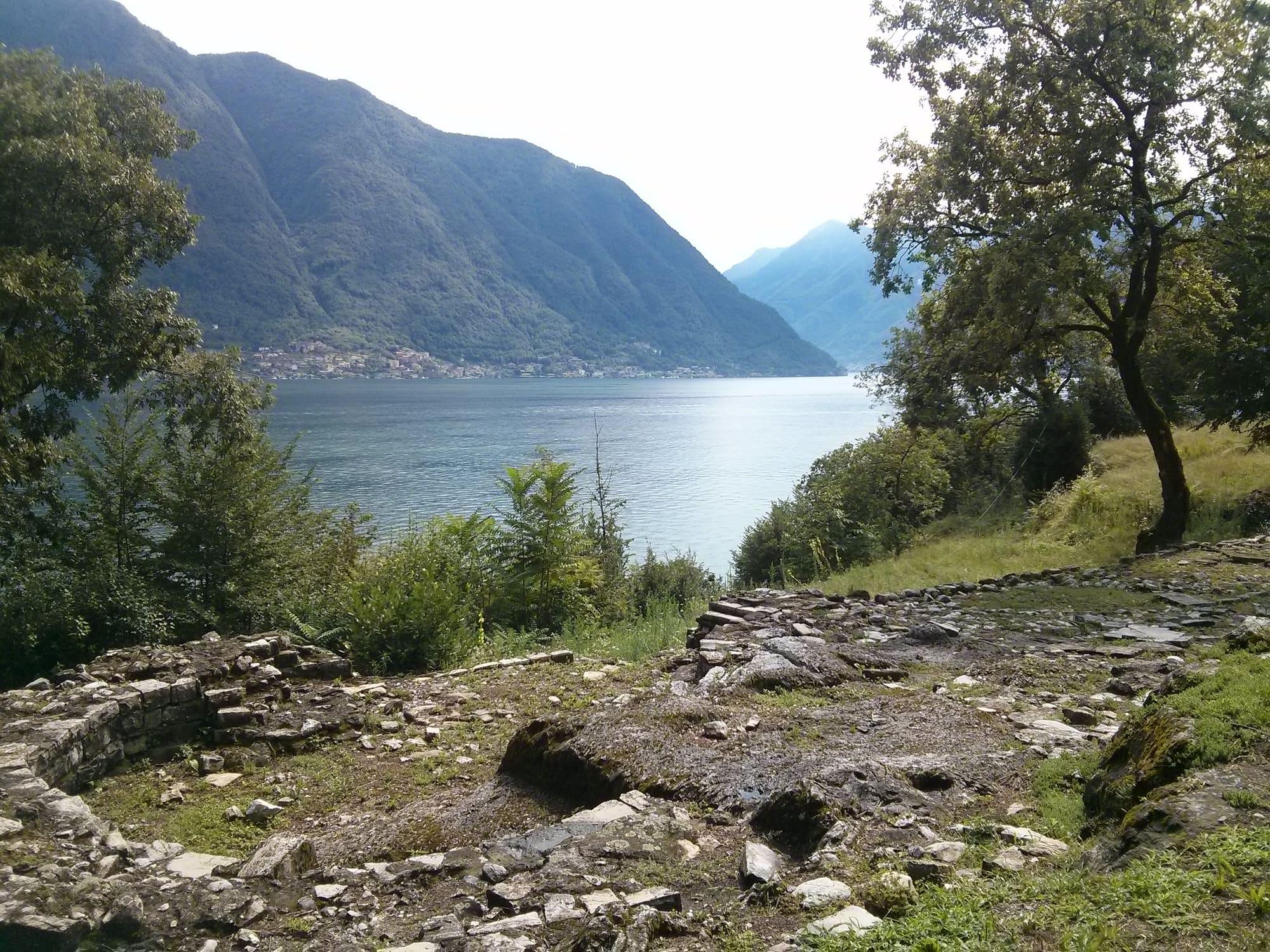
Como razes the Isola Comacina
Strong again with Frederick Barbarossa on its side, Como destroys the island down to its foundations and scatters its stones in the lake so that it cannot be rebuilt. The islanders flee to Varenna, where the quarter that takes them in is called Insula nova, the new island; in 1175 a decree of Barbarossa confirms the ban on rebuilding.
Renaissance and foreign rule
1450–1699 · 4 dates
The Medeghino settles at Musso
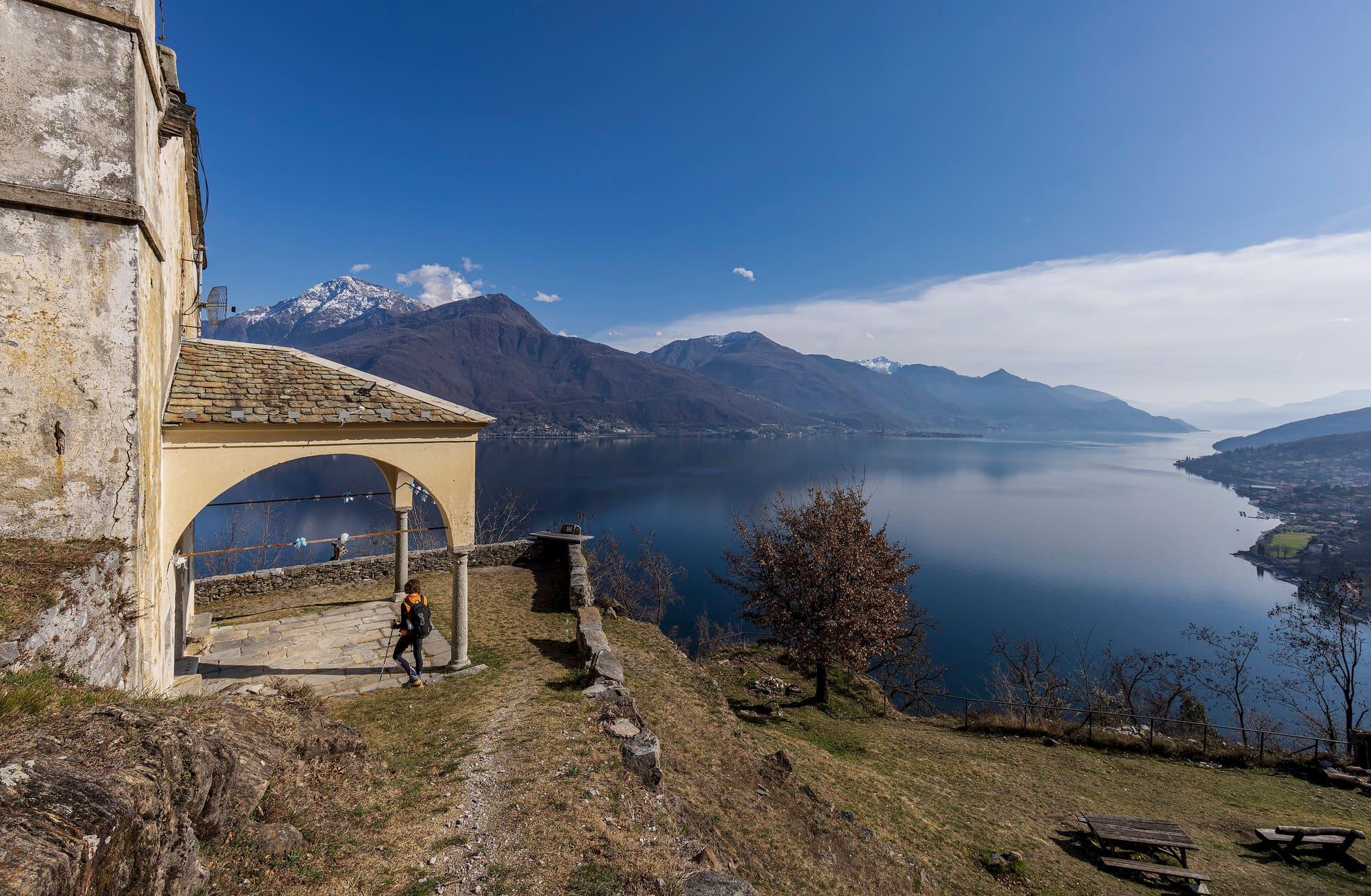
Gian Giacomo Medici, known as the Medeghino, installs himself as castellan of the stronghold on the Sasso di Musso and turns it into a fortress and a palace. With an armed flotilla he raids the lake's trade and its shoreline villages and rules the upper lake.
Place: Sant'Eufemia, MussoStory: The Medeghino, lord of the lake
Charles V makes the Medeghino Marquis of Musso
Now in the emperor's service, the Medeghino is granted the marquisate of Musso over many lands around the lake, Como excepted, with full jurisdiction and the right to mint coins. The coat of arms of the municipality of Musso bears the crown of that marquisate.
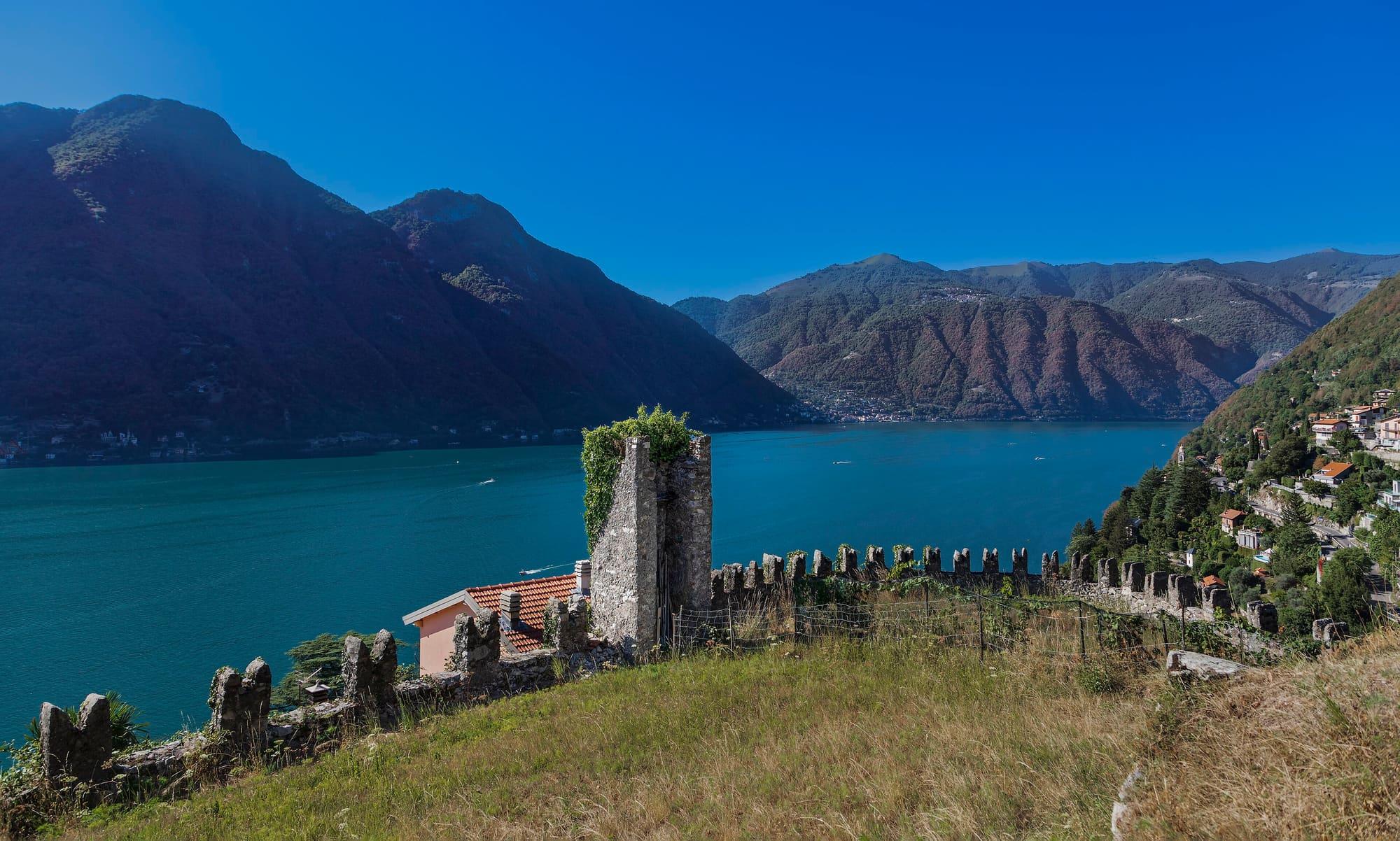
The castle of Nesso is destroyed
In the war against the Medeghino, the castle that Como had built in 1449 above the gorge of Nesso is destroyed. What remains is a wall up to fifteen metres high.
Place: San Lorenzo Castle, NessoStory: The Medeghino, lord of the lake
The castle of Musso is dismantled
After the war that began in 1531 against the Grey Leagues, the Swiss cantons and the Duke of Milan, the Medeghino comes to terms with the duke: he gives up Musso, Lecco and the other lands he holds and receives the marquisate of Marignano. The castle on the Sasso is dismantled, and the Swiss obtain a promise that it will not be rebuilt.
Place: Musso Civic History MuseumStory: The Medeghino, lord of the lake
Nineteenth century
1800–1899 · 1 date
1880s
The fence against smuggling
The Guardia di Finanza builds a long wire fence along the Swiss border, the ramina, with an alarm of bells fixed on springs. Smugglers cross the border in secret with the bricolla, a jute sack holding up to thirty-five or forty kilos of cigarettes, salt or coffee.
Twentieth century
1900–1999 · 5 dates
The fort at Colico is armed
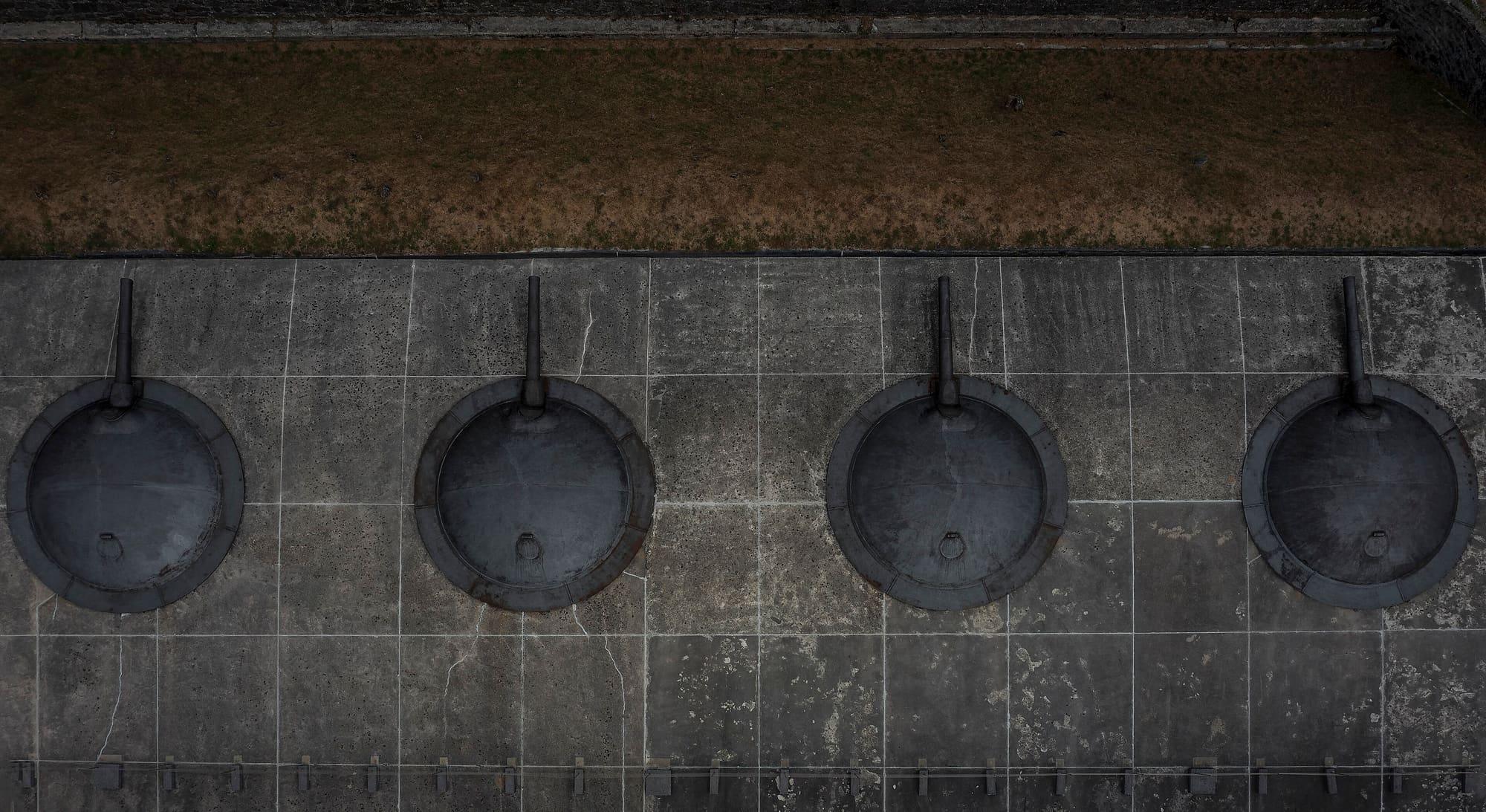
On the Montecchio hill, where the roads coming down from the Splügen, Maloja, Bernina, Stelvio and Tonale passes meet, the fort is ready, with four 149-millimetre guns under revolving steel domes. The guns have stayed where they were.
Place: Forte Montecchio NordStory: The Cadorna Line on the Lario
The fortified line on the northern border
Warned of a possible German invasion of Switzerland, Luigi Cadorna orders a fortified line from the Ossola valleys to the passes of the Orobie. In the province of Como it runs from Monte Bisbino to the Crocetta above Menaggio, with trenches, tunnels and gun positions that will never see a battle.
To Switzerland along the smugglers' paths
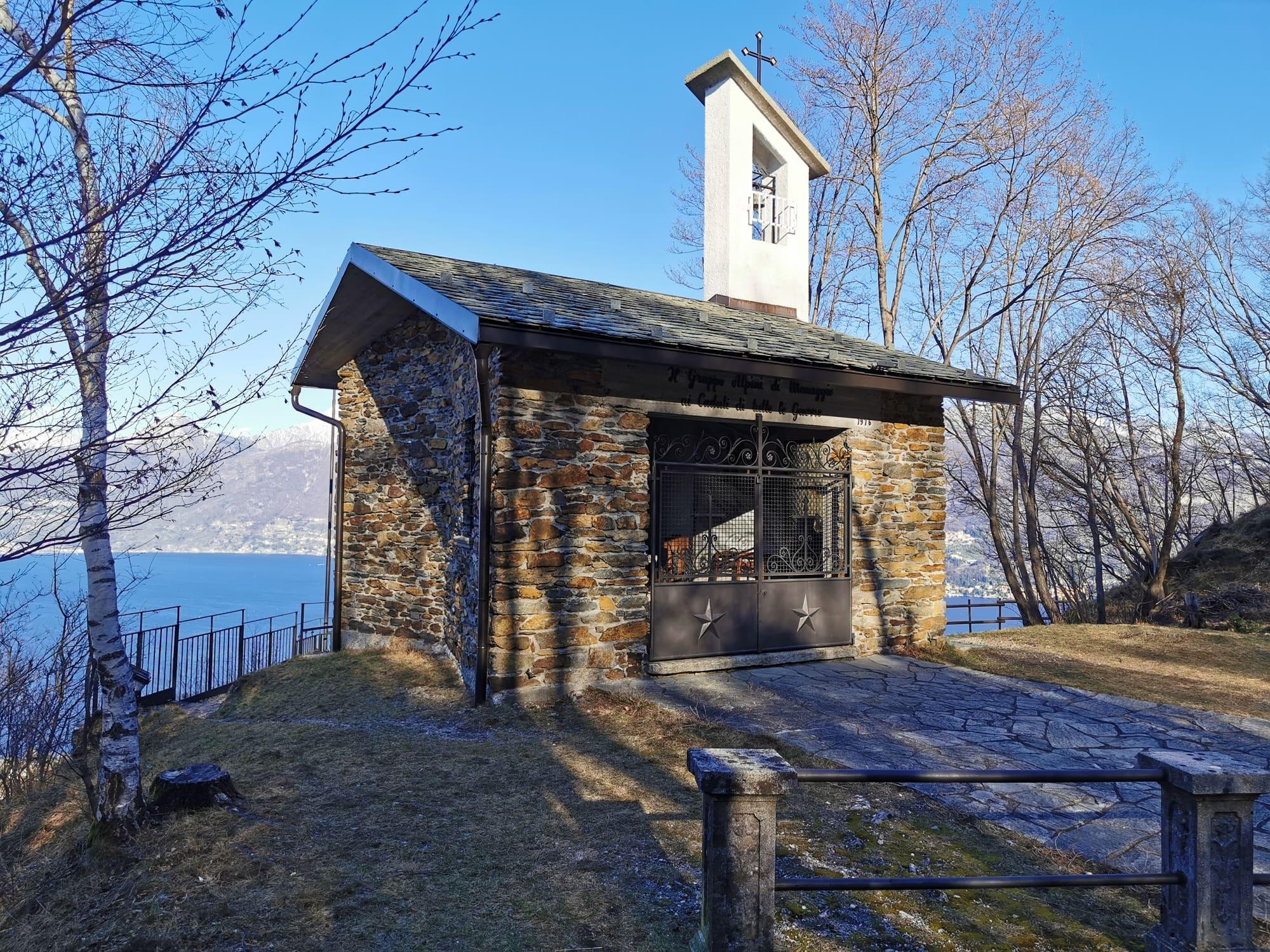
After the armistice many disbanded soldiers cross the San Jorio pass above Gravedona to seek refuge in Switzerland. Refugees use the smugglers' paths too: during the war Ticino and the Mesolcina take in about twenty-six thousand soldiers and twelve thousand civilians, but many are turned back.
Partisans stop Mussolini at Dongo
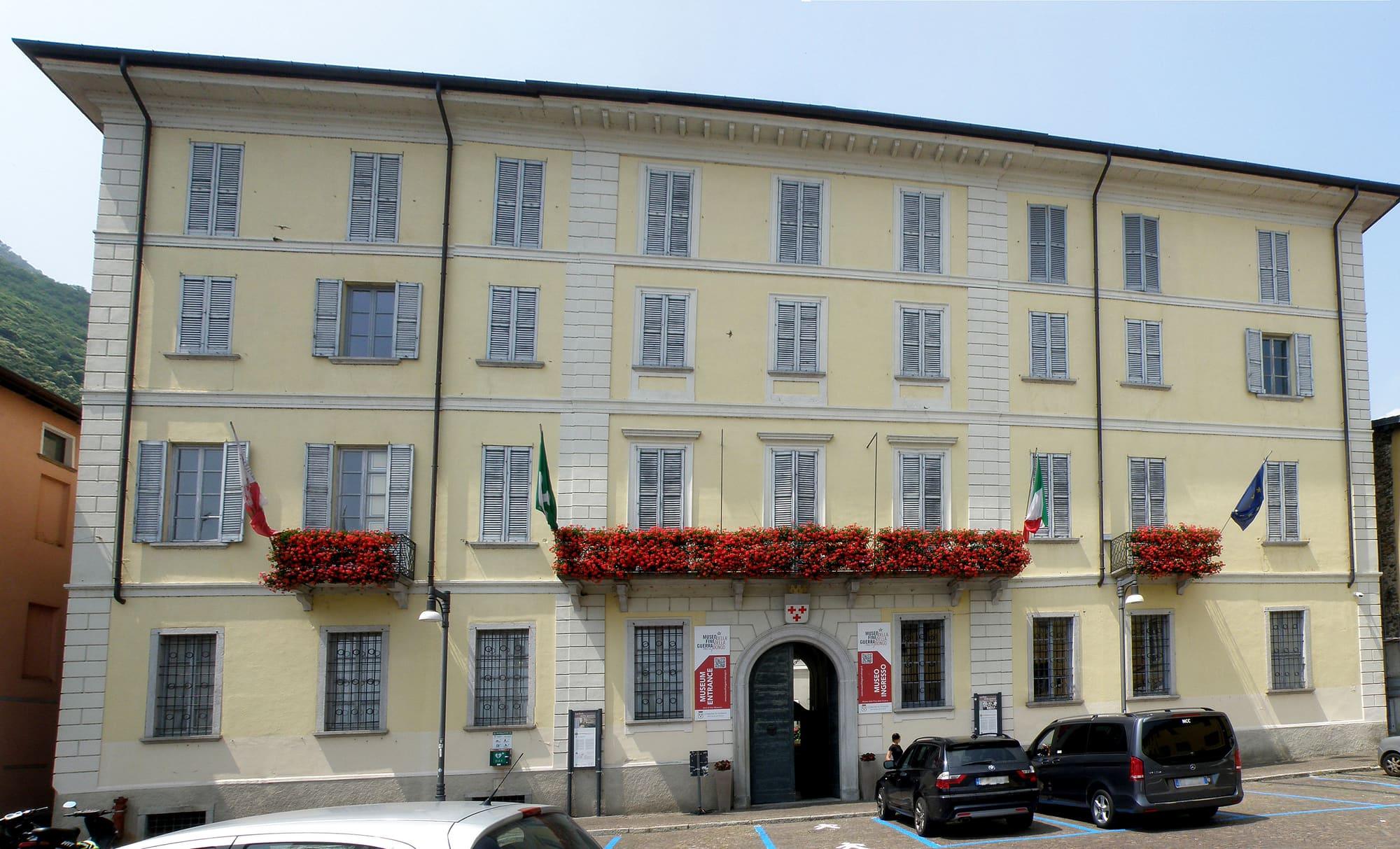
On the upper lake, partisans of the 52nd Garibaldi Brigade stop a German column heading for Switzerland and recognise Benito Mussolini among its passengers. After his capture they take him to Palazzo Manzi in Dongo, which houses the Museum of the End of the War.
Place: Museum of the End of the WarStory: The Cadorna Line on the Lario
The fort at Colico fires its only shots in war
The German column that had handed Mussolini over to the partisans at Dongo is stopped at Colico under the threat of the Montecchio guns, which fire five rounds, none on target. The next day, at the Isolabella hotel, the Germans sign their surrender.
Place: Forte Montecchio NordStory: The Cadorna Line on the Lario