Stories from the lake
Lake timeline
Two thousand years of the lake in order of date: from the Roman road along the western shore to the first steamboat, from the fall of the Isola Comacina to the Olginate dam. Each date leads to the story that tells it and to the place where it happened.
- Dates
- 82
- Stories
- 27
- Periods
- 6
16dates
Antiquity
To the 5th century · 2 dates
1st century
The Roman road along the western shore
A Roman road links the river port of Cremona with Chiavenna by way of Milan and Como, running up the western shore of the lake towards Raetia, the province beyond the Alps. Its line is that of the Regina road, which remains a paved mule track for fifteen centuries.
2nd or 3rd century
The Romans use Musso marble
The sixteen columns of San Lorenzo in Milan, about seven and a half metres tall and taken from Roman buildings of those centuries, are of white Musso marble. The main quarries were on the spur where the Medeghino's castle later stood.
Middle Ages
6th century to 1449 · 4 dates
643
Rothari's Edict names the Comacine masters
Two chapters of the law of the Lombard king Rothari deal with the magister commacinus and settle who must pay for the damage if a house built by a master collapses. The name most probably means builders and stonecutters from the Como area, but its meaning is not settled.
24 January 835
Limonta passes to the monastery of Sant'Ambrogio
By a charter of the Emperor Lothair, Limonta becomes a fief of the Milanese monastery of Sant'Ambrogio, which holds it until 1797. For centuries the oil of this stretch of the Lecco branch burns in the lamps on the tomb of Milan's patron saint.
The comballo, the lake's cargo boat
The comballo already appears in a document that forbids the boatmen of Lake Como to go into partnership with one another. Twenty to thirty metres long, flat-bottomed and with a single square sail, it carries Moltrasio stone, sand, lime and wood for the kilns.
1336–1338
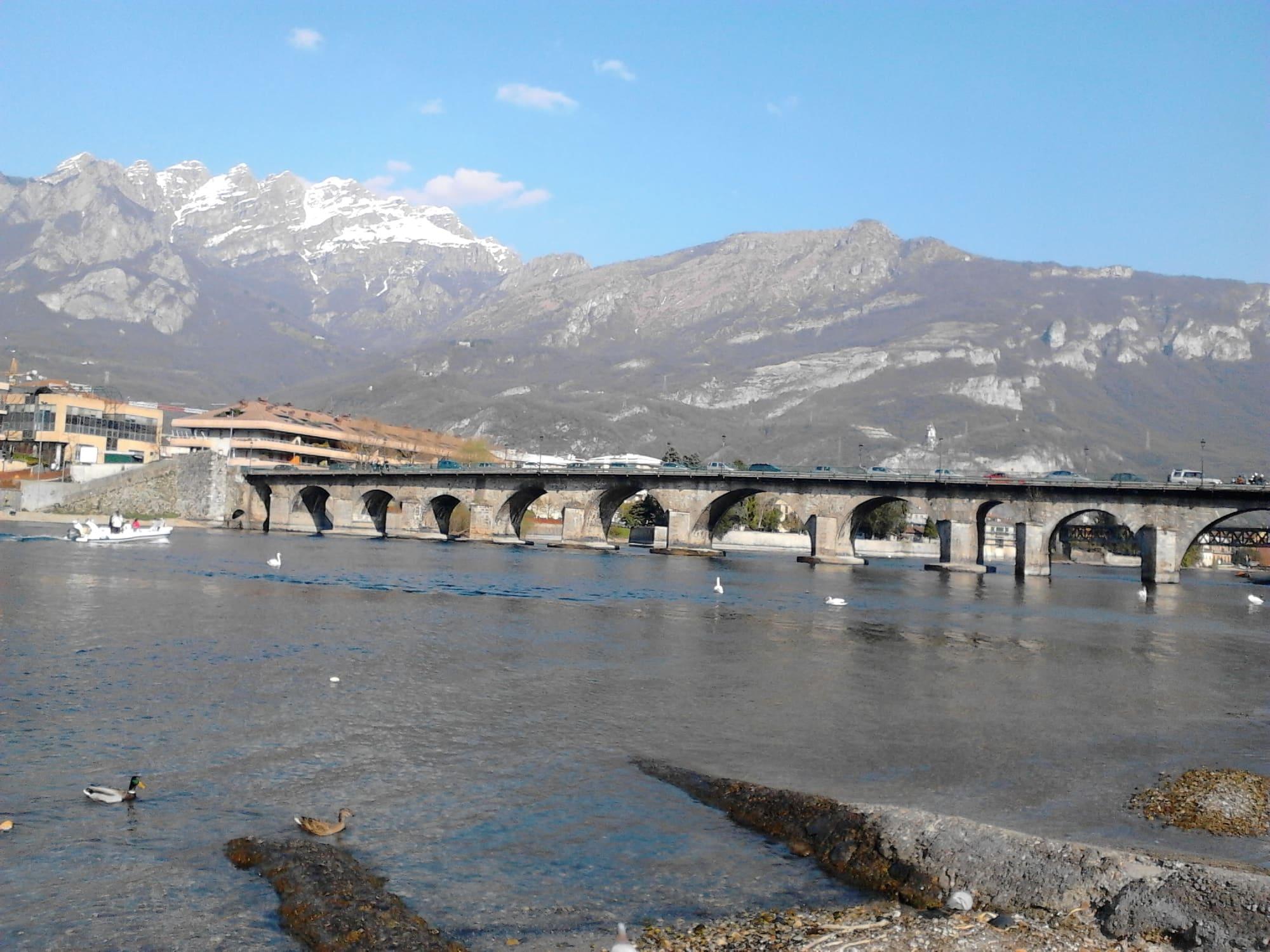
Azzone Visconti's bridge at Lecco
Azzone Visconti, lord of Milan, has the bridge built over the Adda where the river leaves the lake. It has eight arches; the people of Como, convinced that its narrowing floods their town, obtain three more between 1354 and 1440.
Place: Ponte Azzone ViscontiStory: When the lake comes into town
Eighteenth century
1700–1799 · 1 date
Late 18th century
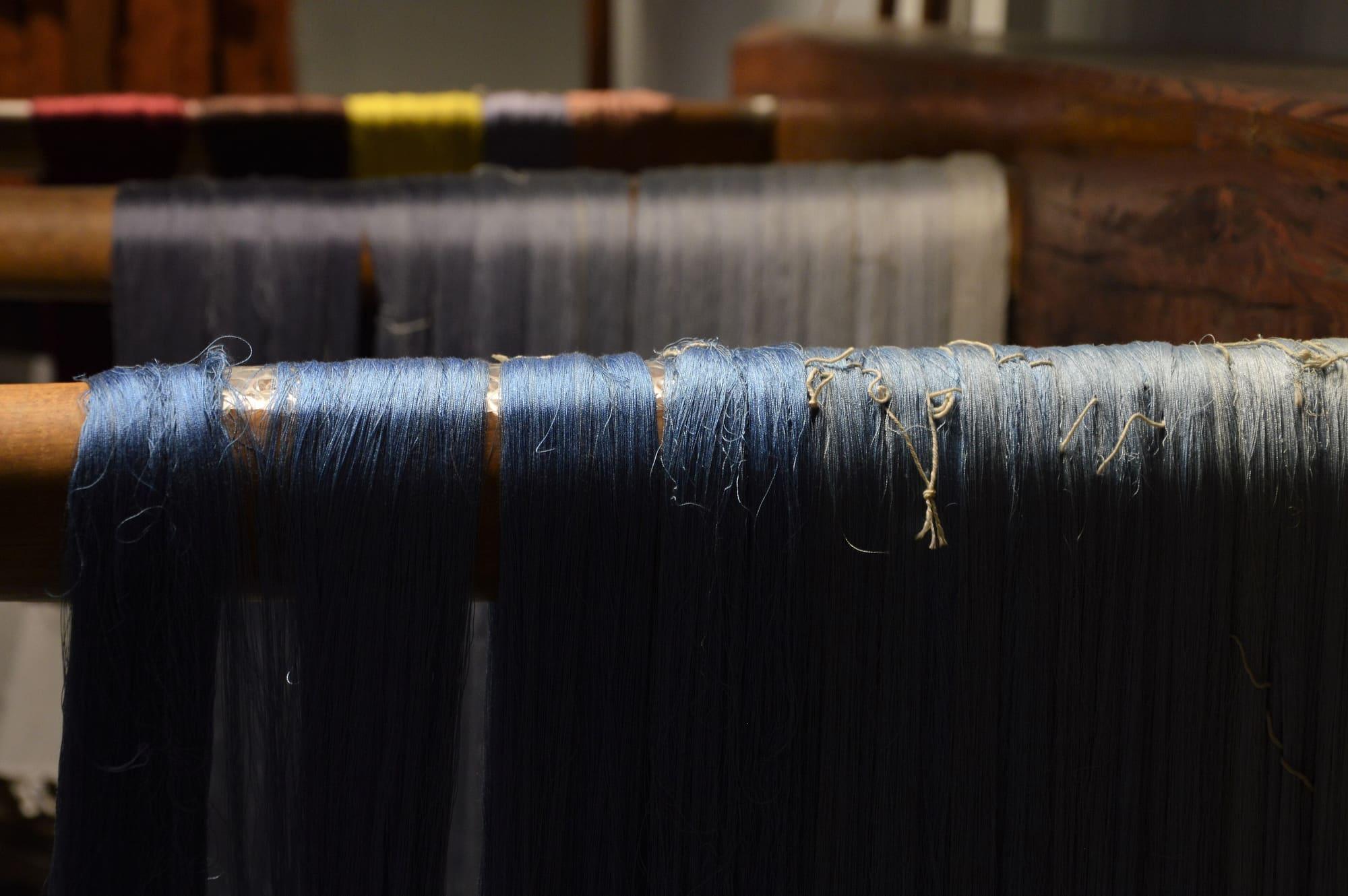
Silk leaves the home
After three centuries as cottage work, with silkworms reared at home and thread spun in winter, silk processing moves into mills along the streams, which provide the power. In the nineteenth century Como becomes one of Europe's leading silk centres.
Nineteenth century
1800–1899 · 6 dates
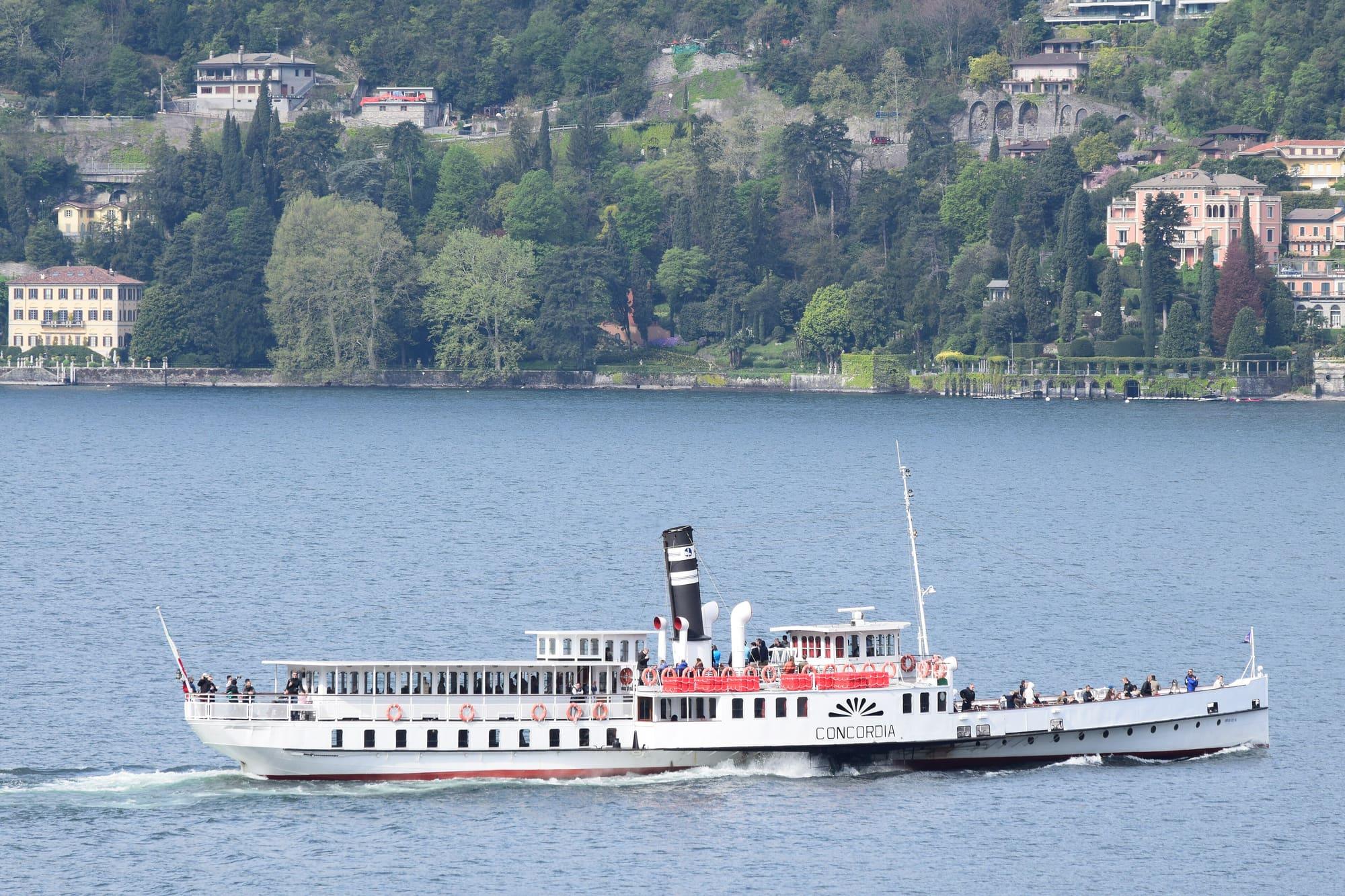
The first steamboat
The Lario, a wooden paddle steamer launched on 29 July from the Olmo beach at Borgo Vico, begins daily runs between Como and Domaso. A journey from Como to Colico, which under sail and oar could take a day or two, now takes a few hours and keeps to a timetable.
‘The Betrothed' names the Lucia boats
Alessandro Manzoni's novel is published for the first time. In it Lucia crosses the lake by night in a working boat with hoops for an awning, and from then on that boat is called a Lucia.
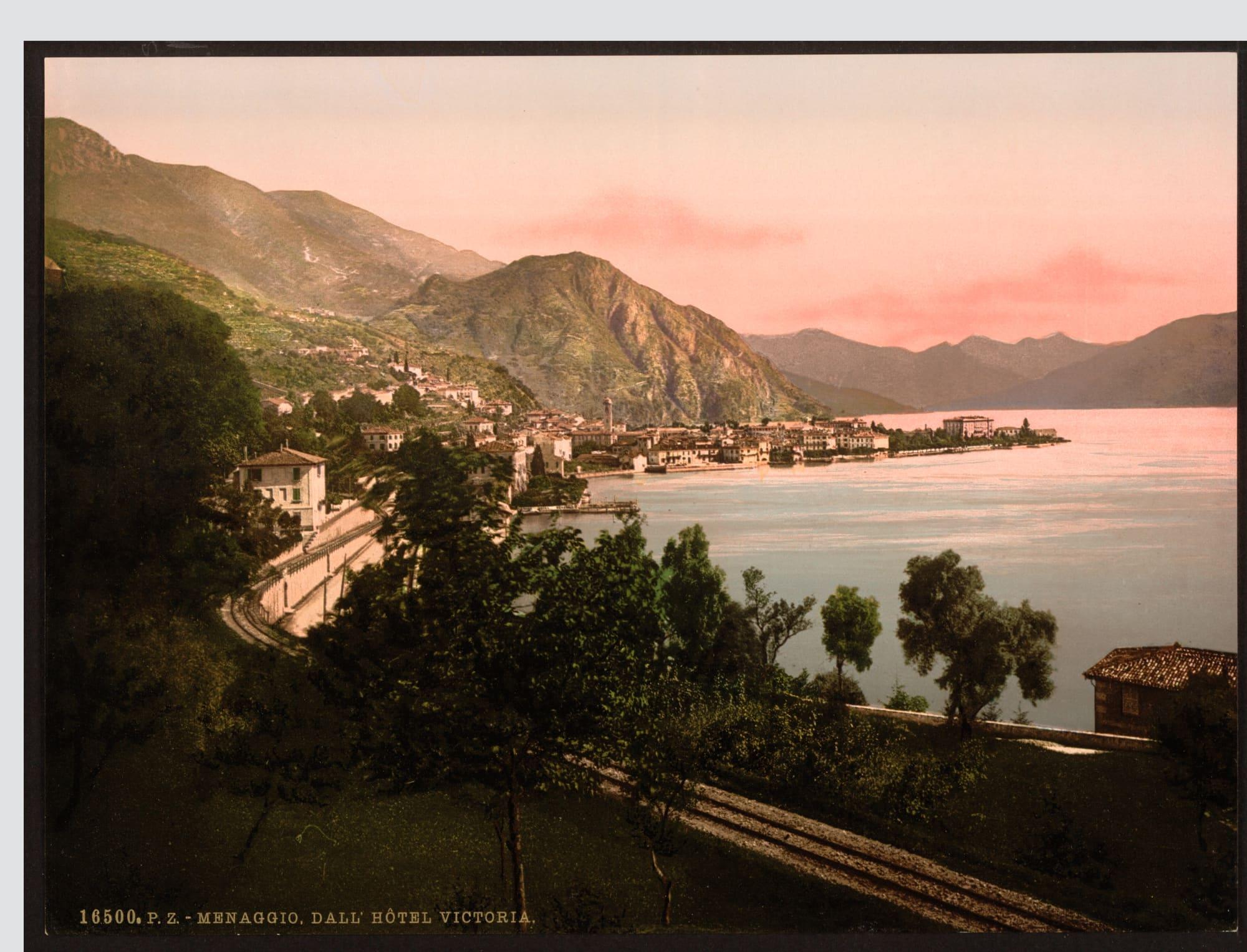
The little railway from Menaggio to Porlezza
The narrow-gauge railway linking Lake Como with Lake Lugano is inaugurated on 8 October and opened to the public on 17 November. To climb above Menaggio the train reverses in a manoeuvre called the regresso; the service ends in 1939.
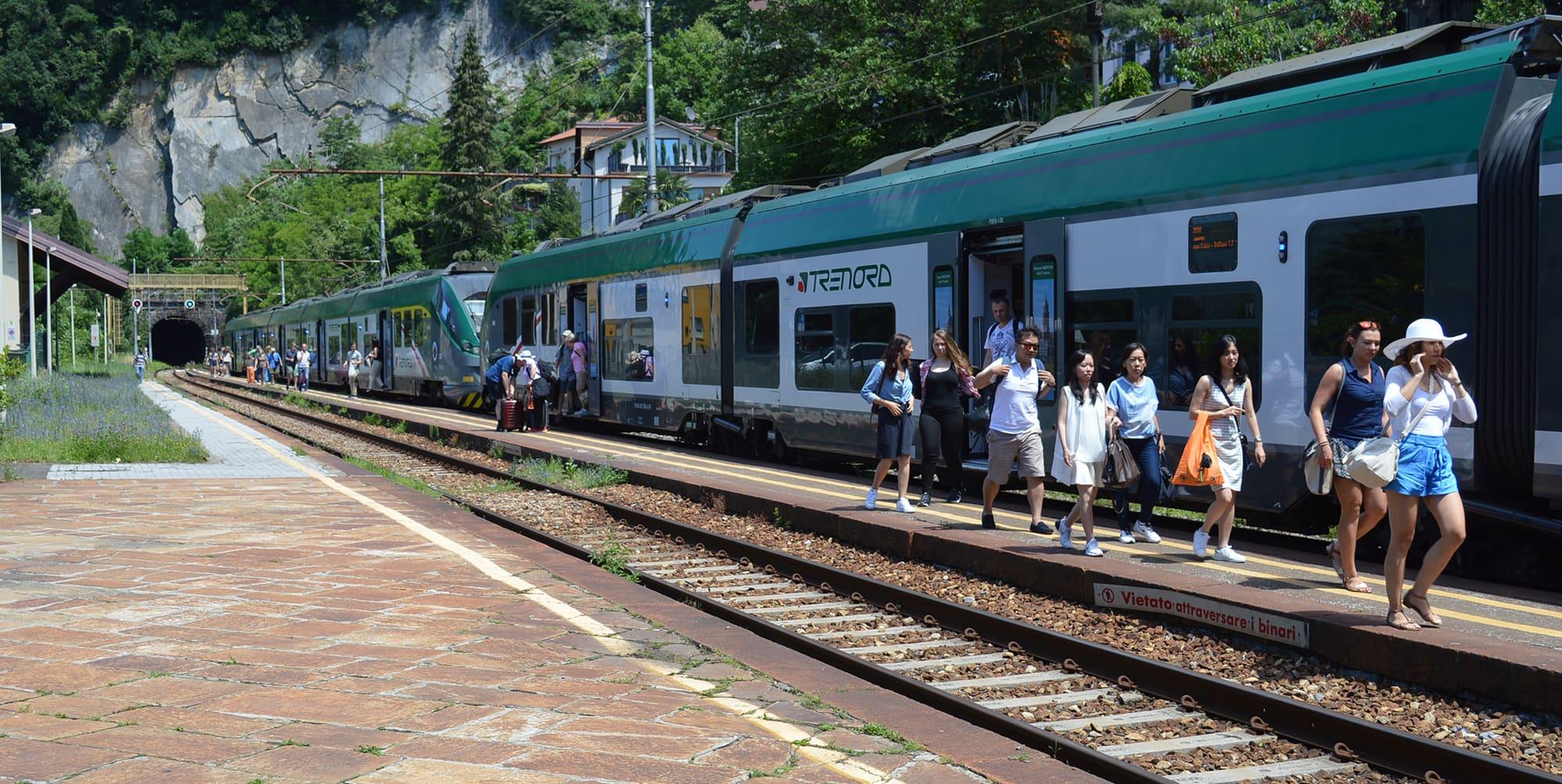
The railway along the eastern shore
With the section from Bellano to Colico, after the one from Lecco to Bellano in 1892, a complete rail service links Lecco with the Valtellina. As far as Colico the line has eighty-nine curves, eighteen viaducts and nineteen tunnels.
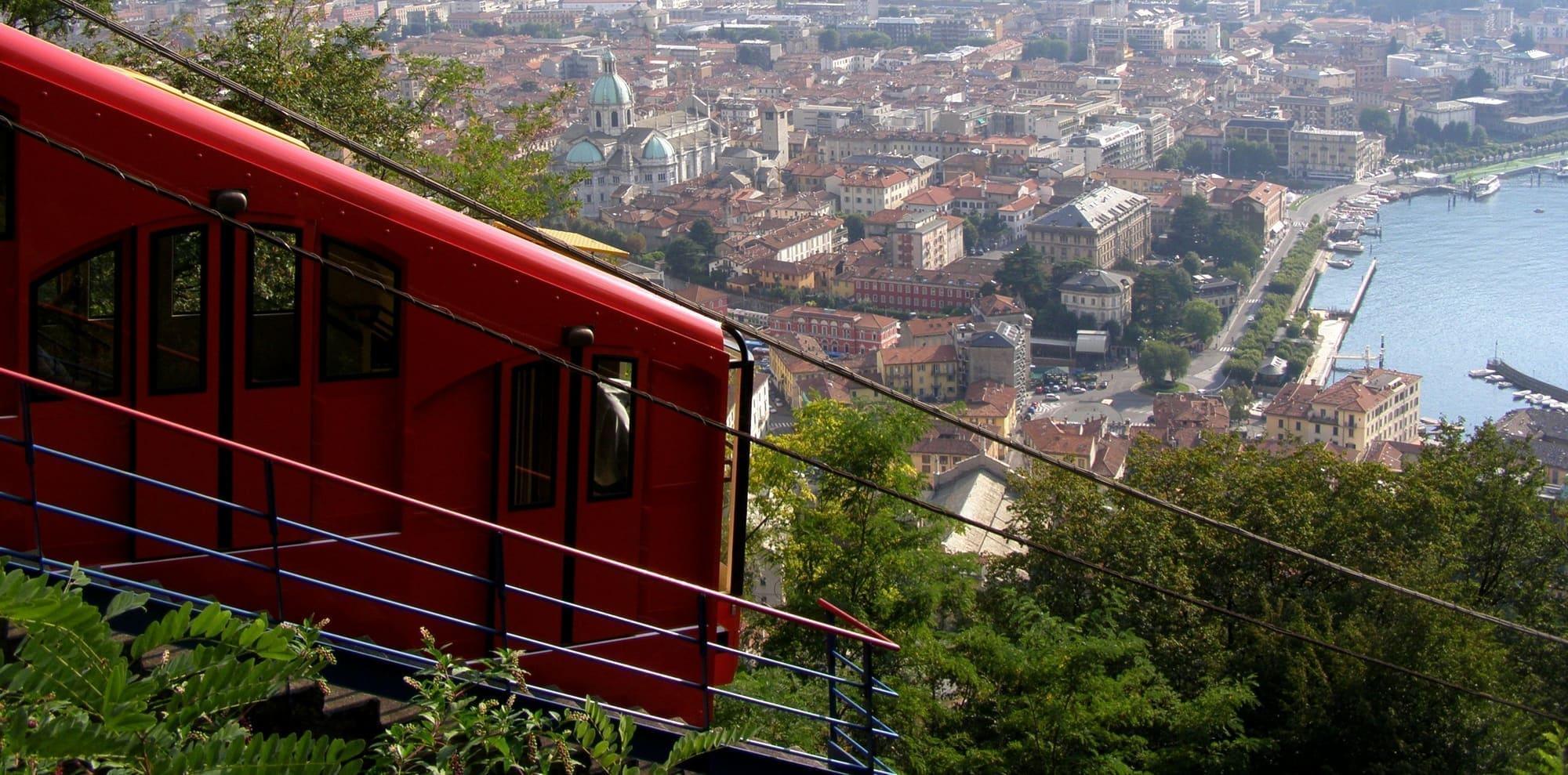
The Brunate funicular
The funicular between Como and Brunate, designed by the engineer brothers Villoresi, opens to the public. Planned to run on water, by gravity, it works instead with a steam winch because there is not enough water; in 1911 it switches to electric motors.
Place: Como–Brunate FunicularStory: When the railway reached the lake
The Volta Exhibition burns
A spark from two electric wires sets fire to the wooden pavilions of the exhibition built on the lakeshore for the centenary of the battery: they burn in less than an hour, with many of Volta's relics. Within a month the engineer Eugenio Linati rebuilds them, and the exhibition reopens on 20 August.
Twentieth century
1900–1999 · 3 dates
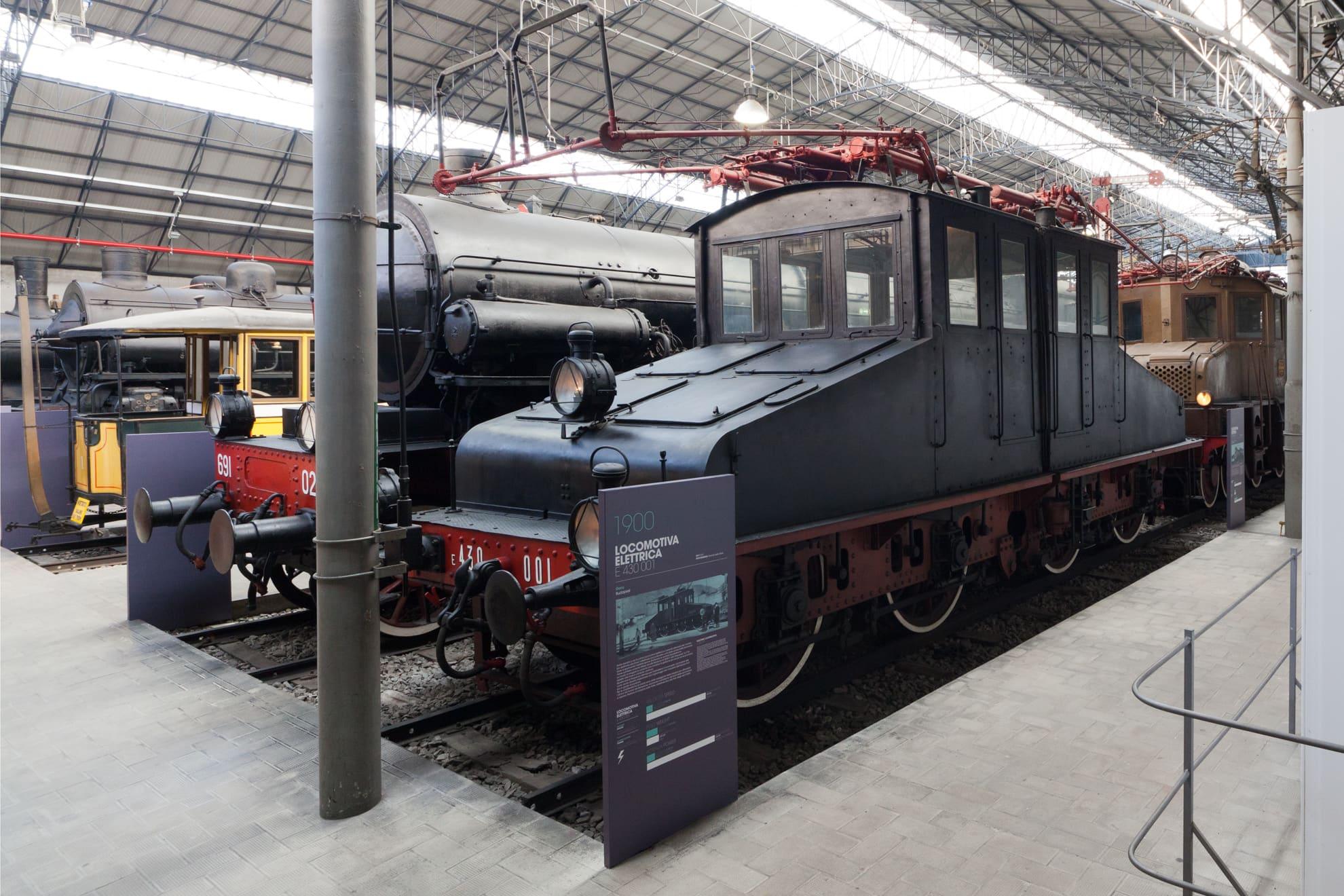
The first high-voltage three-phase railway
The lines from Lecco to Colico and Chiavenna and from Colico to Sondrio switch to electric traction, with three-thousand-volt overhead lines fed by the power station at Morbegno. They are the first in the world to run trains on high-voltage three-phase alternating current.
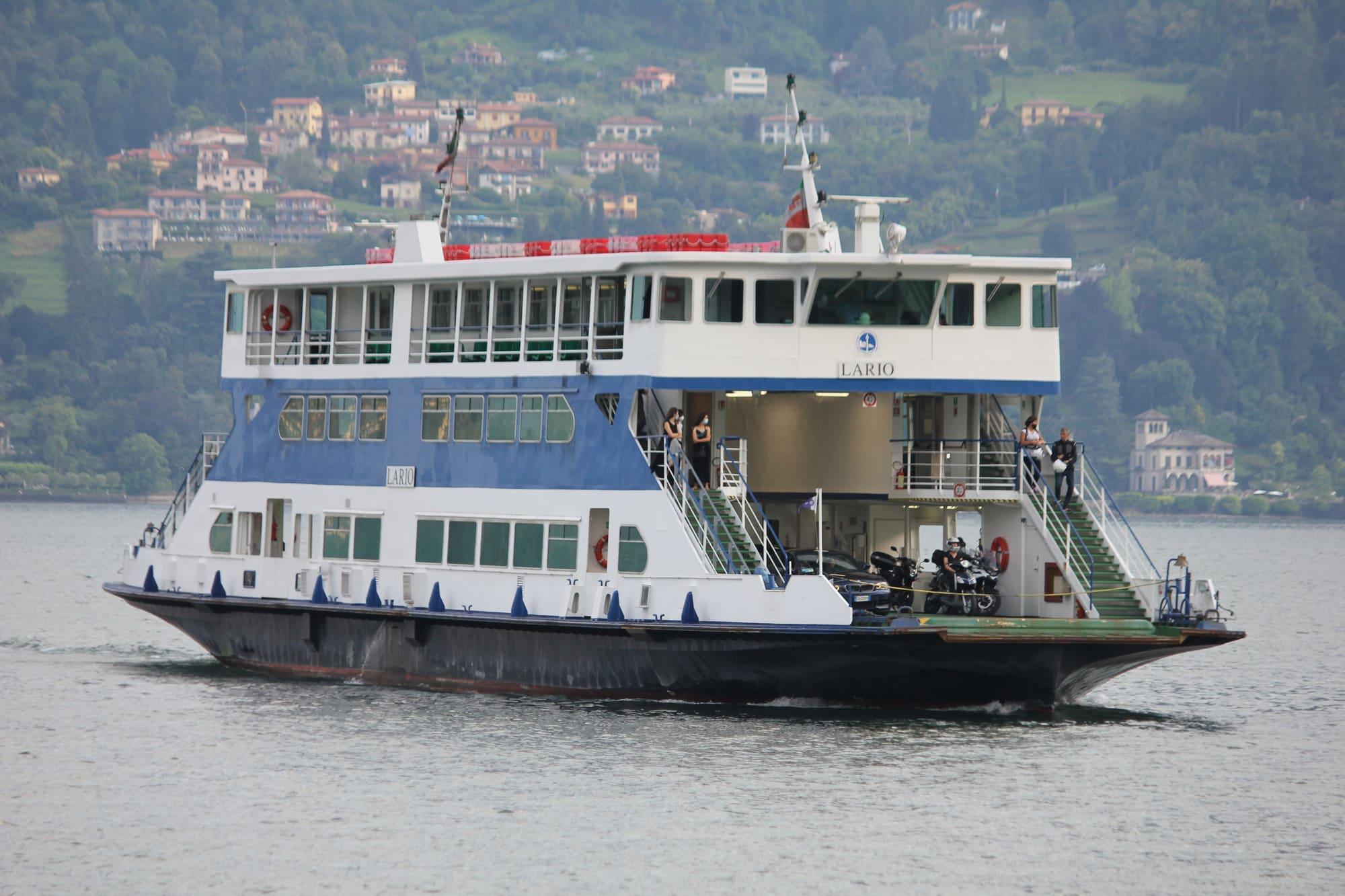
The car ferry
The first autochiatta, the car ferry, goes into service. Since then Bellagio, Varenna, Menaggio and Cadenabbia have been linked by the centre-lake crossings, the only way to take a car to the other shore without driving round the branch.
The road reaches the Piani Resinelli
A carriage road reaches the plateau below the Grignetta, the starting point of Lecco's climbers; until then the way up was a mule track. On the spires above the Resinelli, Riccardo Cassin and Mary Varale had opened the Via Mary on the Guglia Angelina in 1931.
Place: Parco Valentino BelvedereStory: The red sweaters of the Grignetta