Stories from the lake
Lake timeline
Two thousand years of the lake in order of date: from the Roman road along the western shore to the first steamboat, from the fall of the Isola Comacina to the Olginate dam. Each date leads to the story that tells it and to the place where it happened.
- Dates
- 82
- Stories
- 27
- Periods
- 6
7dates
Antiquity
To the 5th century · 1 date
1st century
The Roman road along the western shore
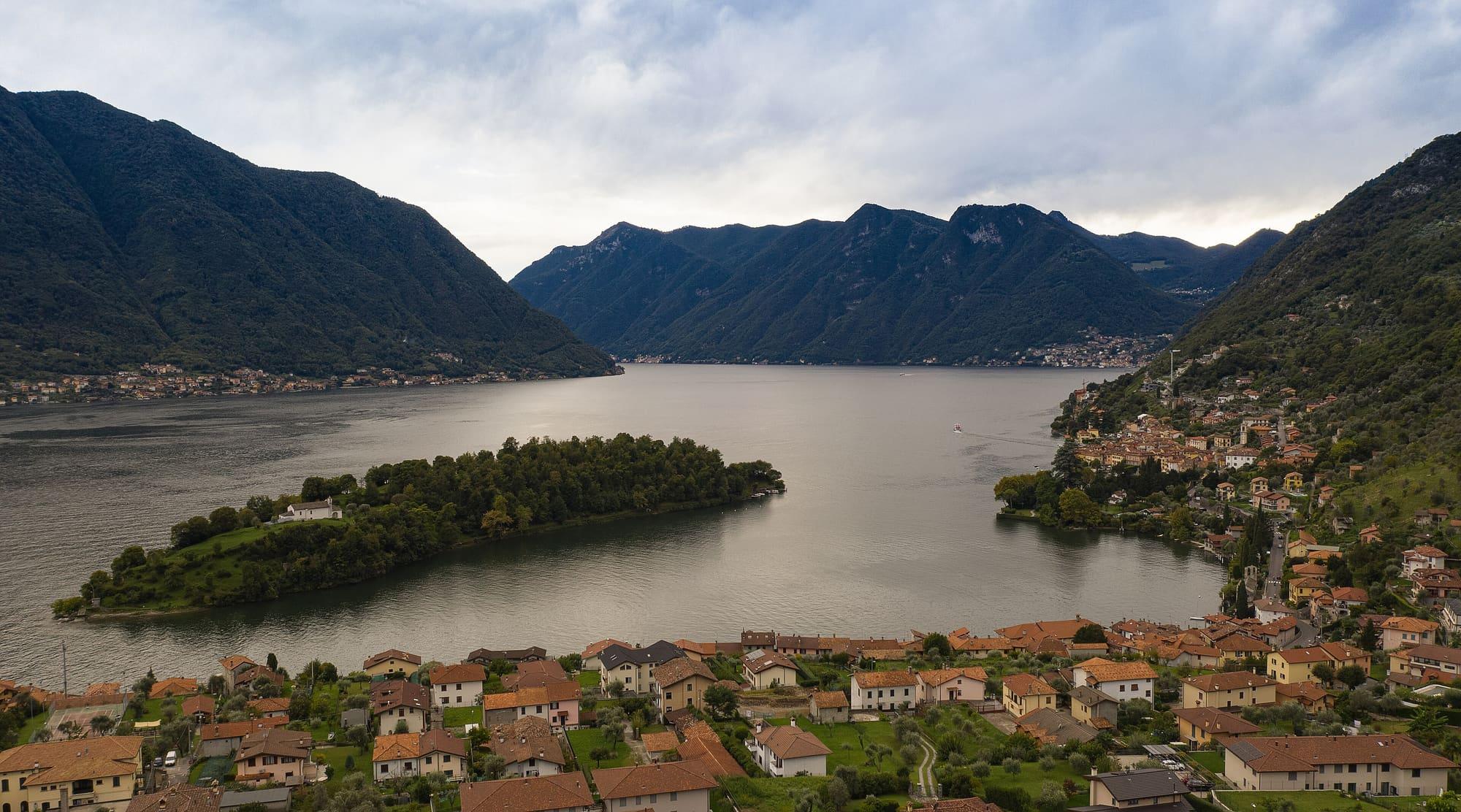
A Roman road links the river port of Cremona with Chiavenna by way of Milan and Como, running up the western shore of the lake towards Raetia, the province beyond the Alps. Its line is that of the Regina road, which remains a paved mule track for fifteen centuries.
Middle Ages
6th century to 1449 · 2 dates
643
Rothari's Edict names the Comacine masters
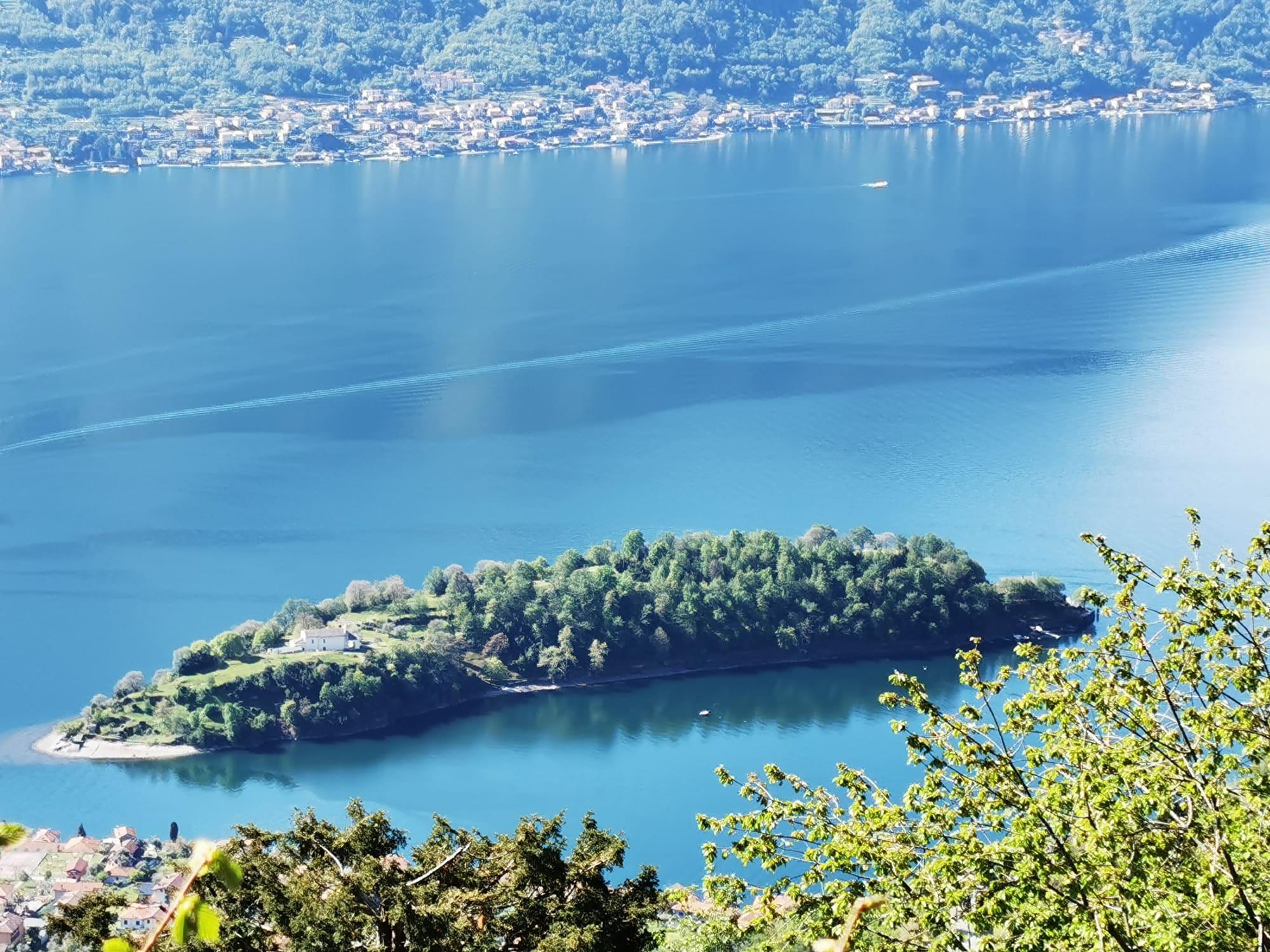
Two chapters of the law of the Lombard king Rothari deal with the magister commacinus and settle who must pay for the damage if a house built by a master collapses. The name most probably means builders and stonecutters from the Como area, but its meaning is not settled.
The comballo, the lake's cargo boat
The comballo already appears in a document that forbids the boatmen of Lake Como to go into partnership with one another. Twenty to thirty metres long, flat-bottomed and with a single square sail, it carries Moltrasio stone, sand, lime and wood for the kilns.
Eighteenth century
1700–1799 · 1 date
Late 18th century
Silk leaves the home
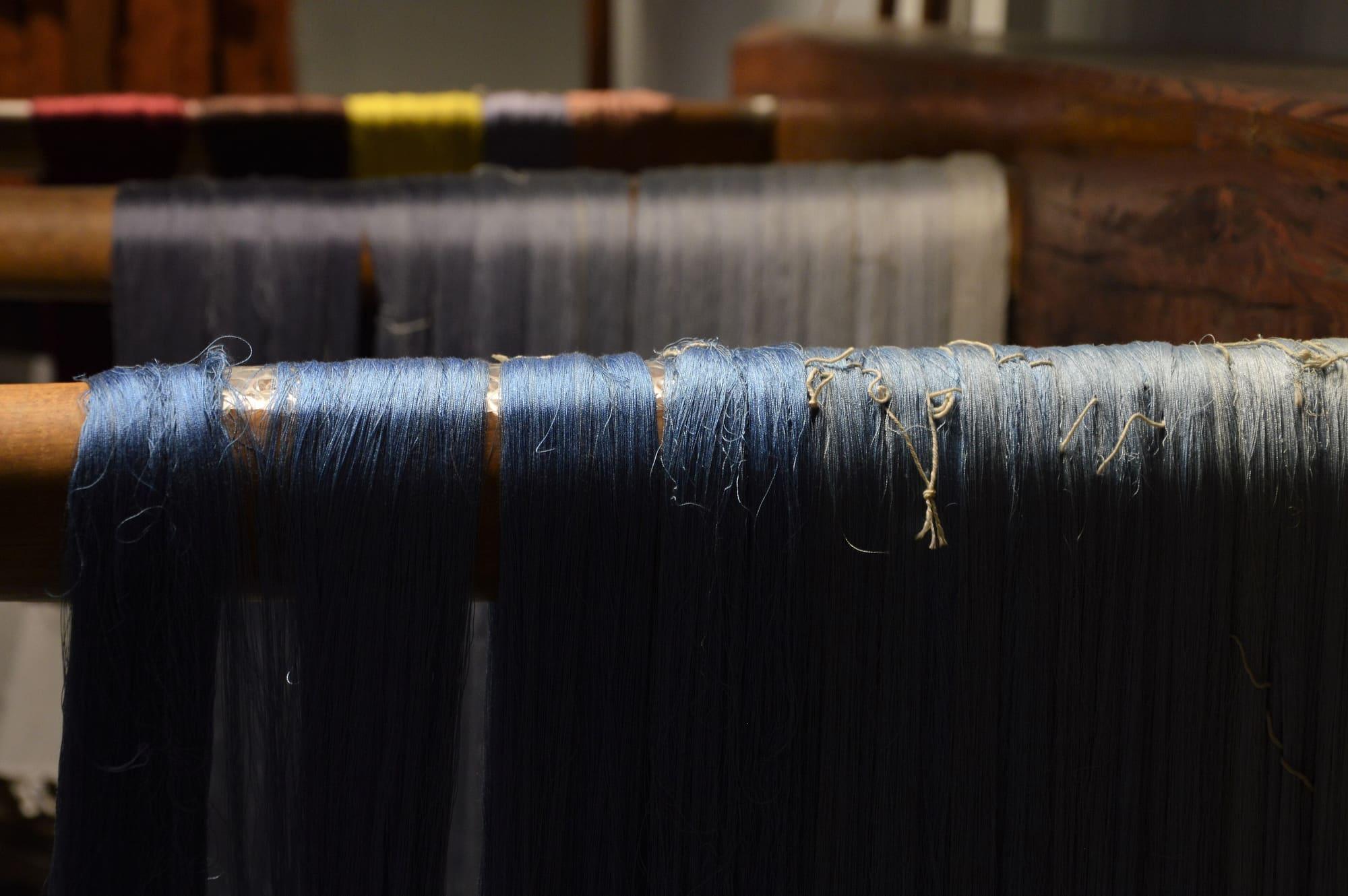
After three centuries as cottage work, with silkworms reared at home and thread spun in winter, silk processing moves into mills along the streams, which provide the power. In the nineteenth century Como becomes one of Europe's leading silk centres.
Nineteenth century
1800–1899 · 3 dates
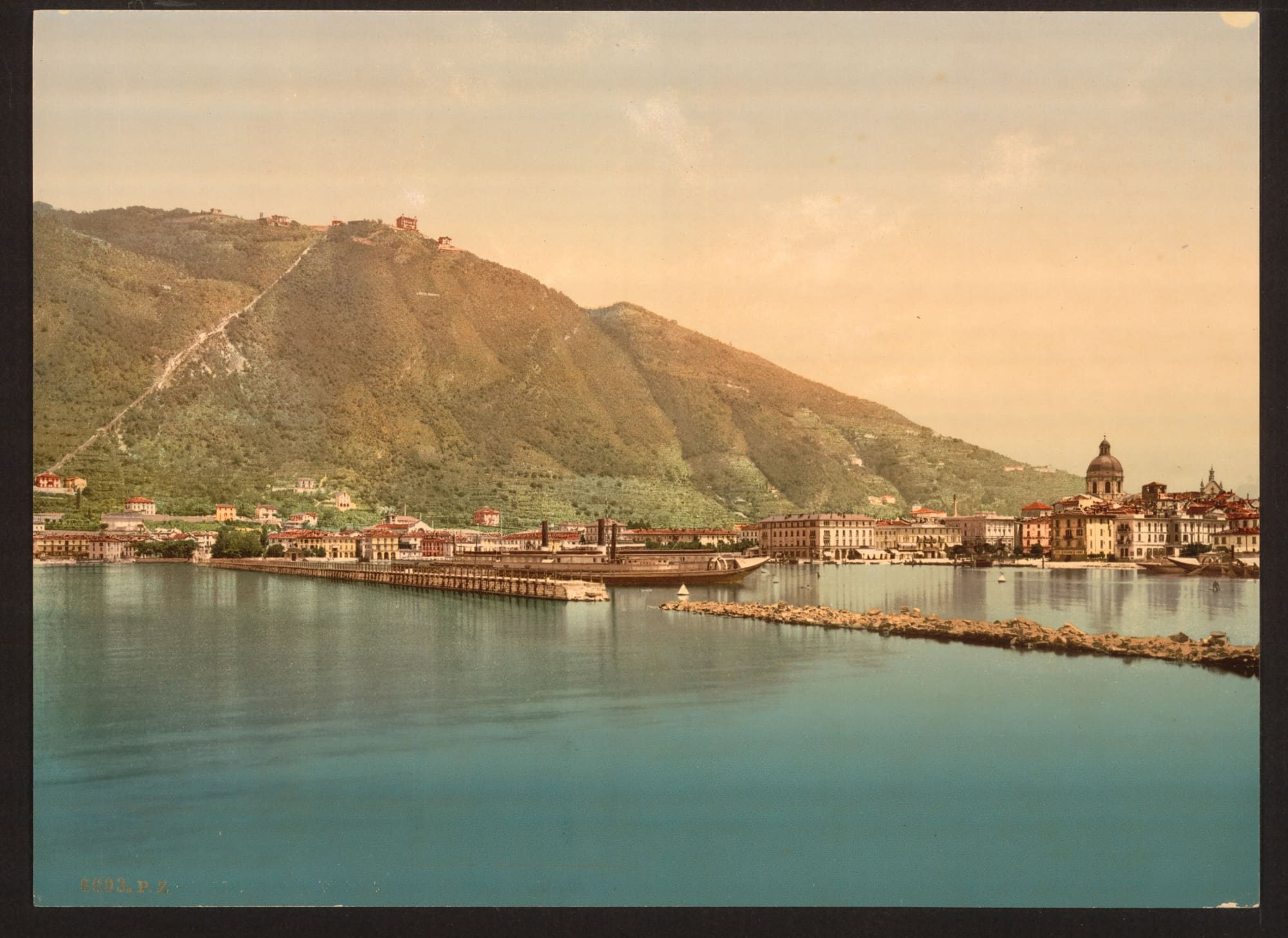
The first steamboat
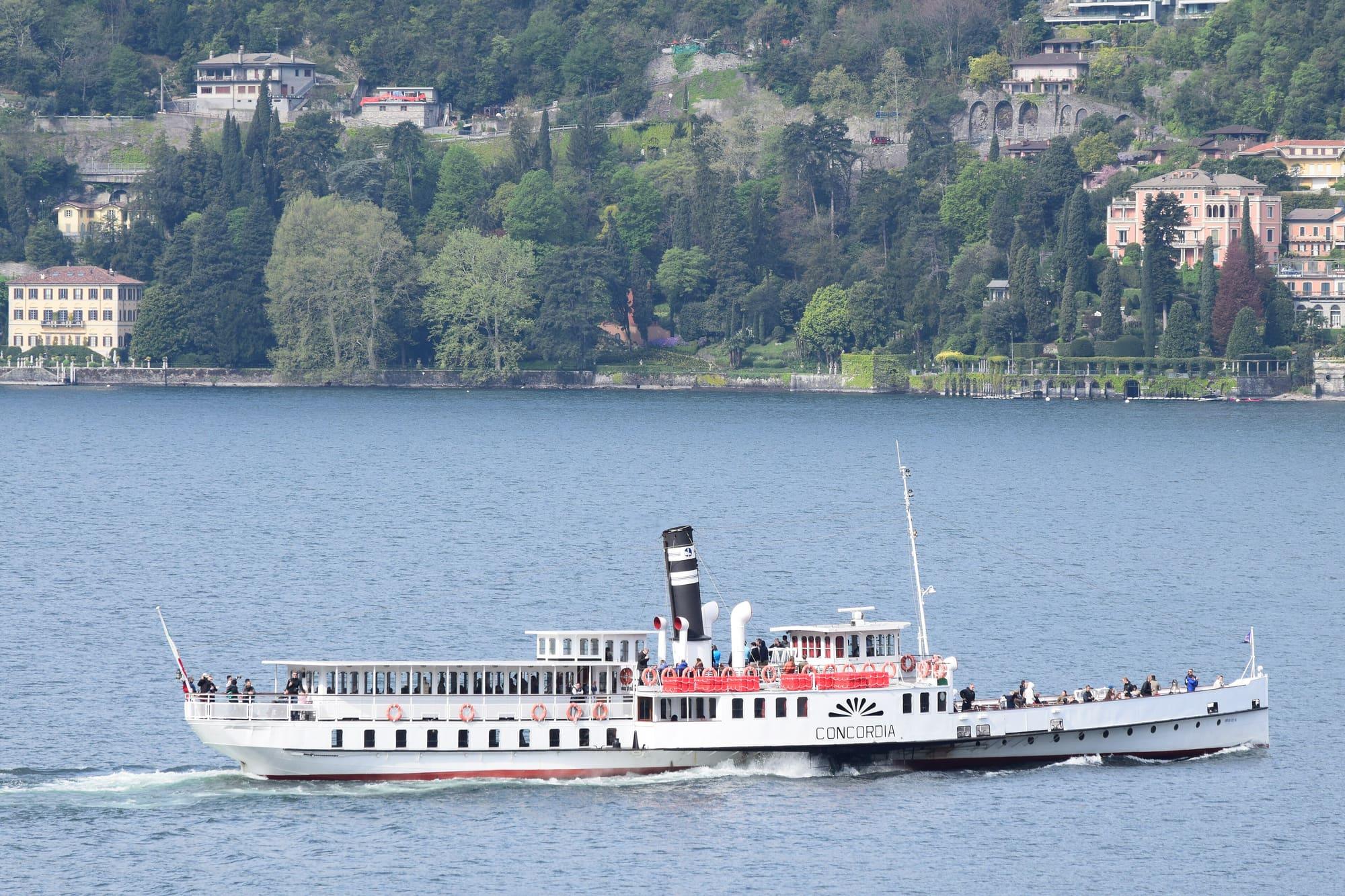
The Lario, a wooden paddle steamer launched on 29 July from the Olmo beach at Borgo Vico, begins daily runs between Como and Domaso. A journey from Como to Colico, which under sail and oar could take a day or two, now takes a few hours and keeps to a timetable.
The Brunate funicular
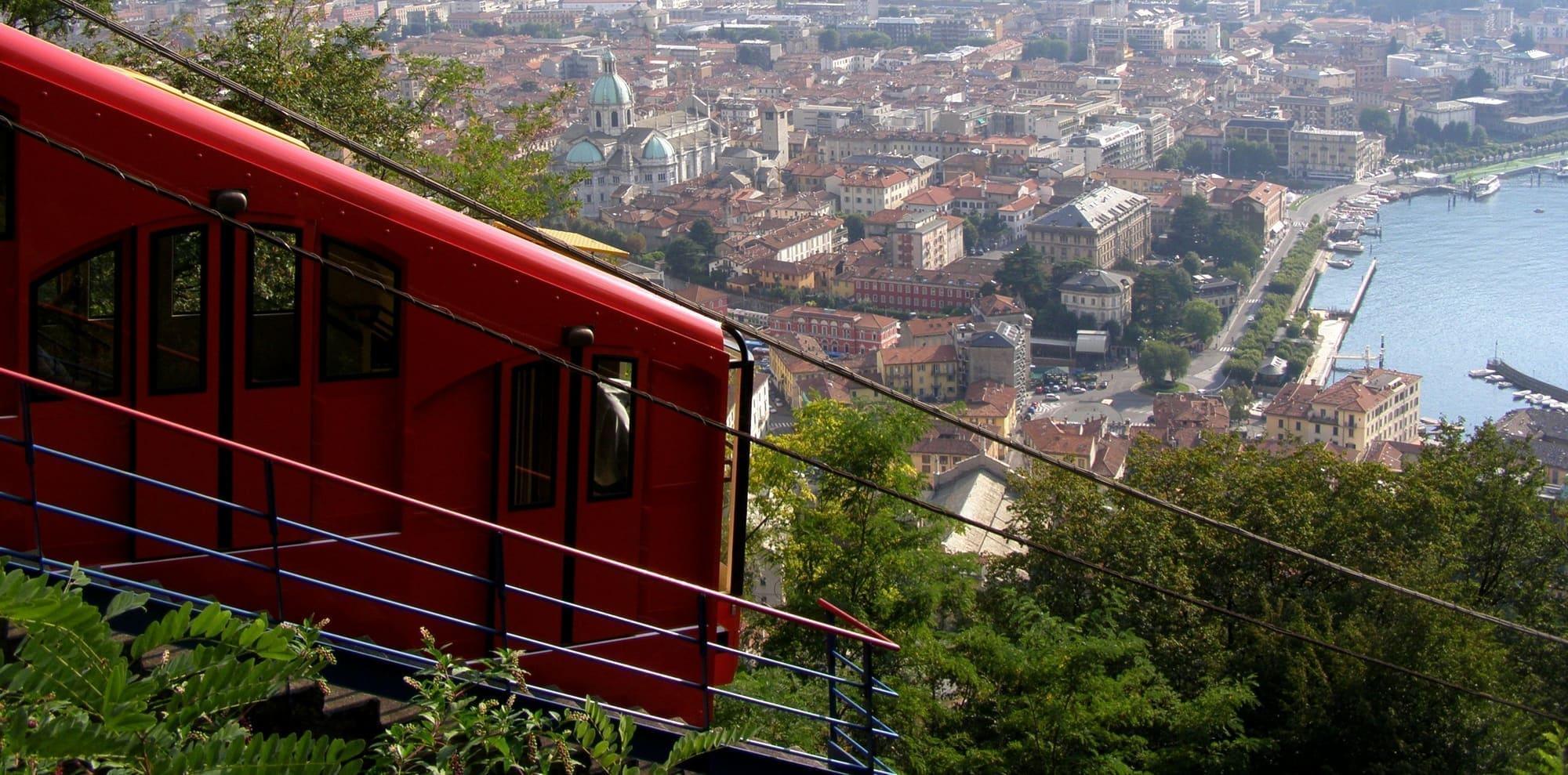
The funicular between Como and Brunate, designed by the engineer brothers Villoresi, opens to the public. Planned to run on water, by gravity, it works instead with a steam winch because there is not enough water; in 1911 it switches to electric motors.
Place: Como–Brunate FunicularStory: When the railway reached the lake
The Volta Exhibition burns
A spark from two electric wires sets fire to the wooden pavilions of the exhibition built on the lakeshore for the centenary of the battery: they burn in less than an hour, with many of Volta's relics. Within a month the engineer Eugenio Linati rebuilds them, and the exhibition reopens on 20 August.