Museum of the End of the War
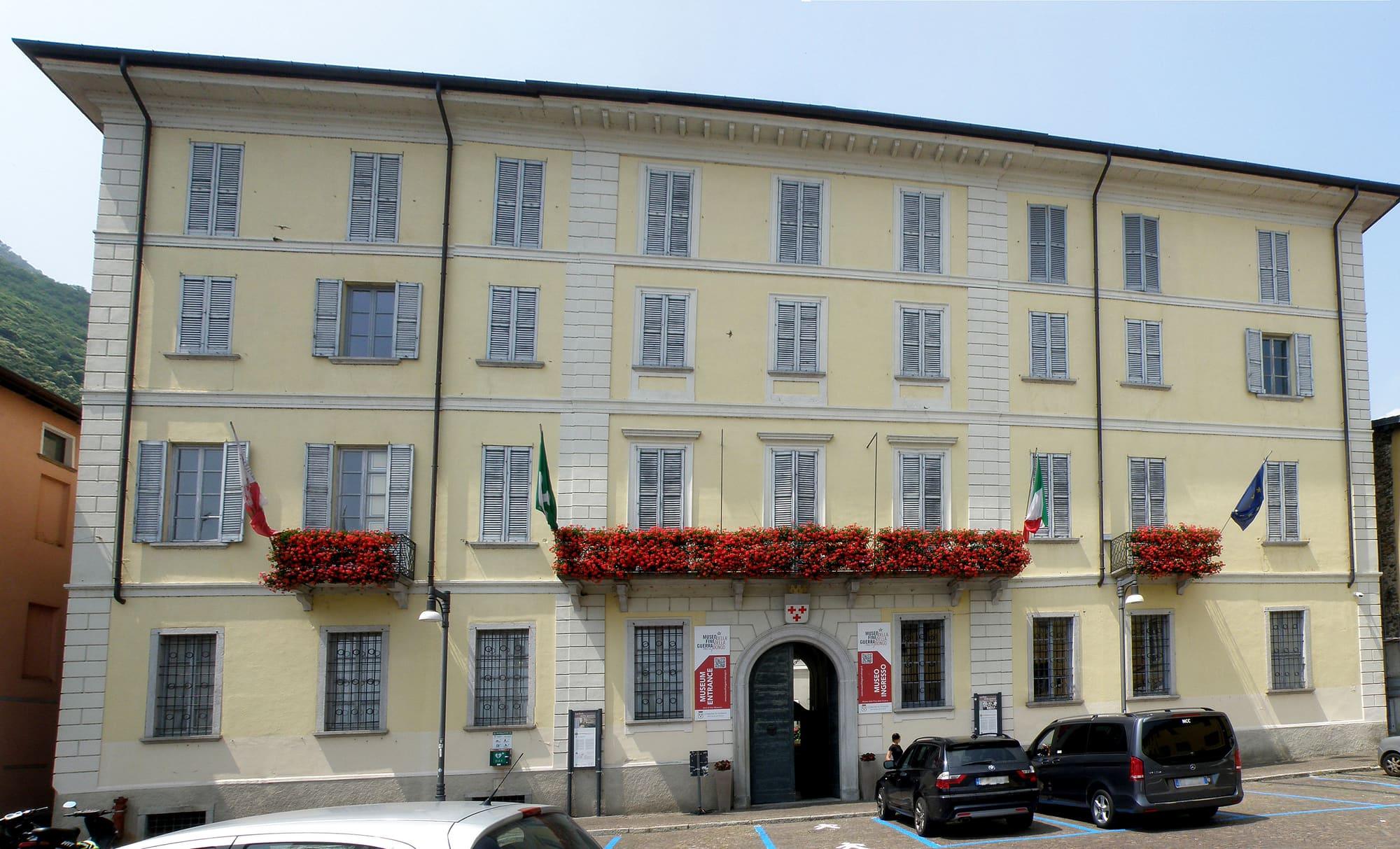
Dongo's museum of the last days of April 1945, in Palazzo Manzi, where Mussolini was taken after his capture.
1 h – 1 h 30
Upper Lake
A wide lakefront, the old ironworks and the Museum of the End of the War.
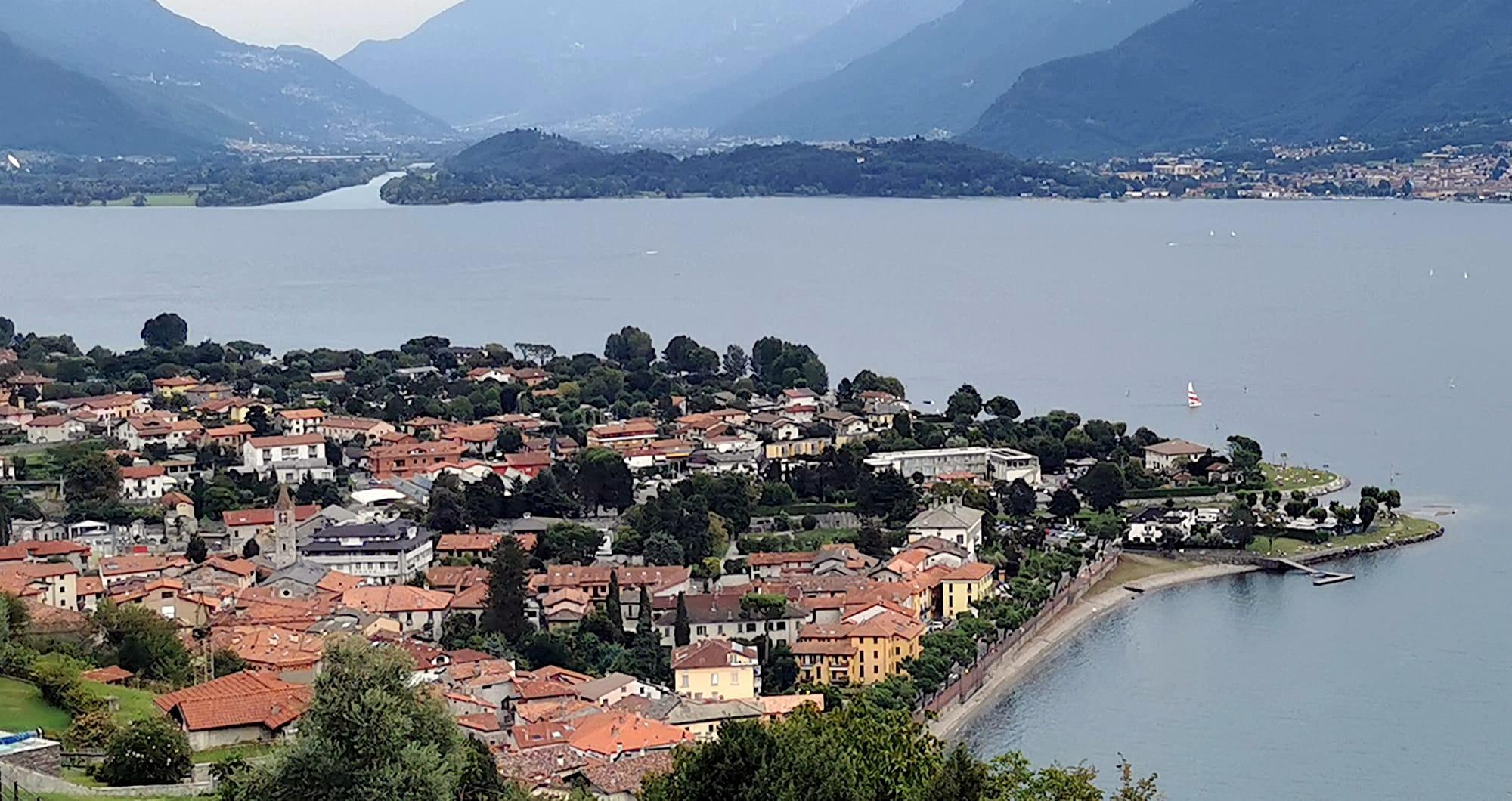
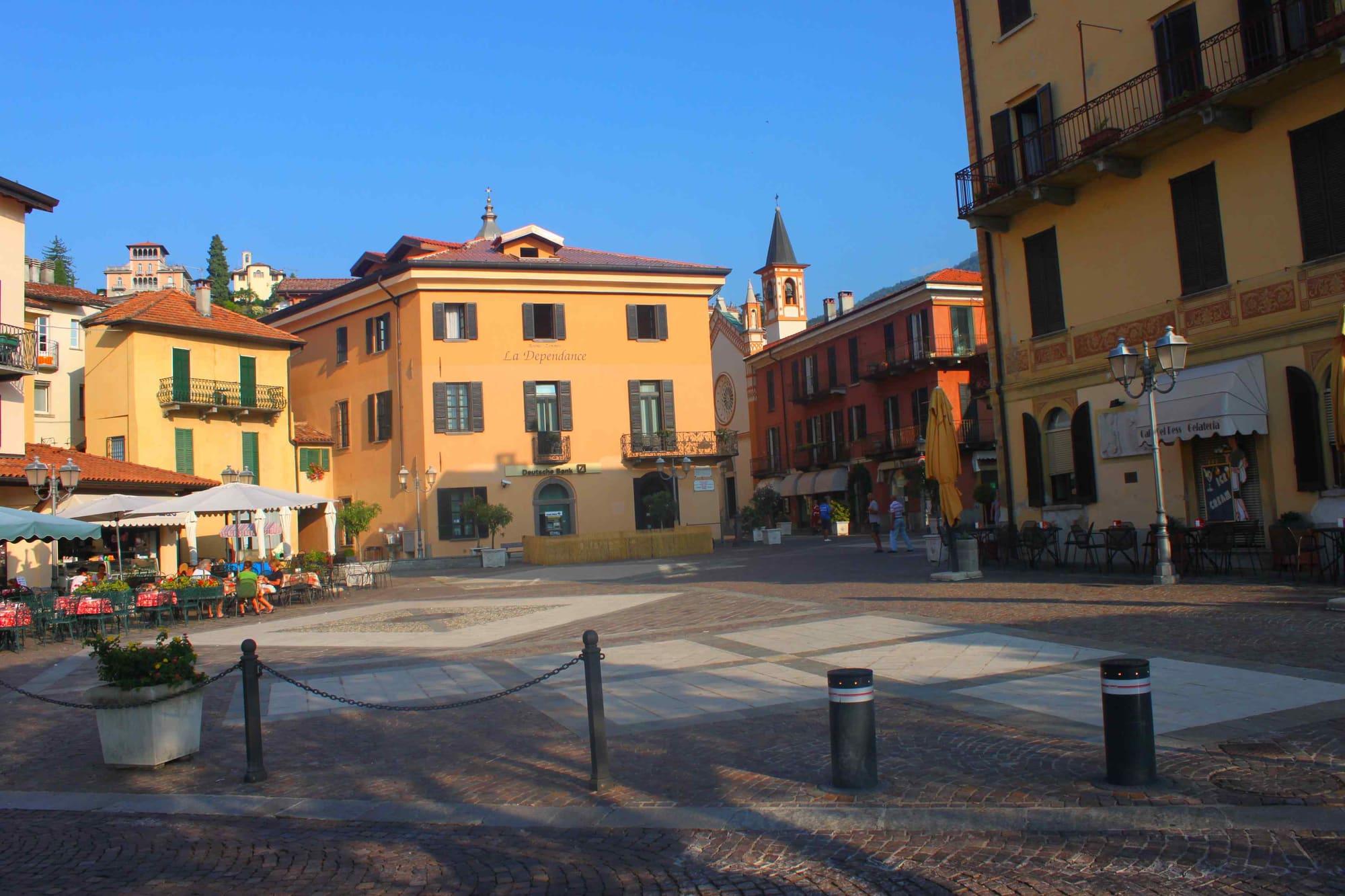
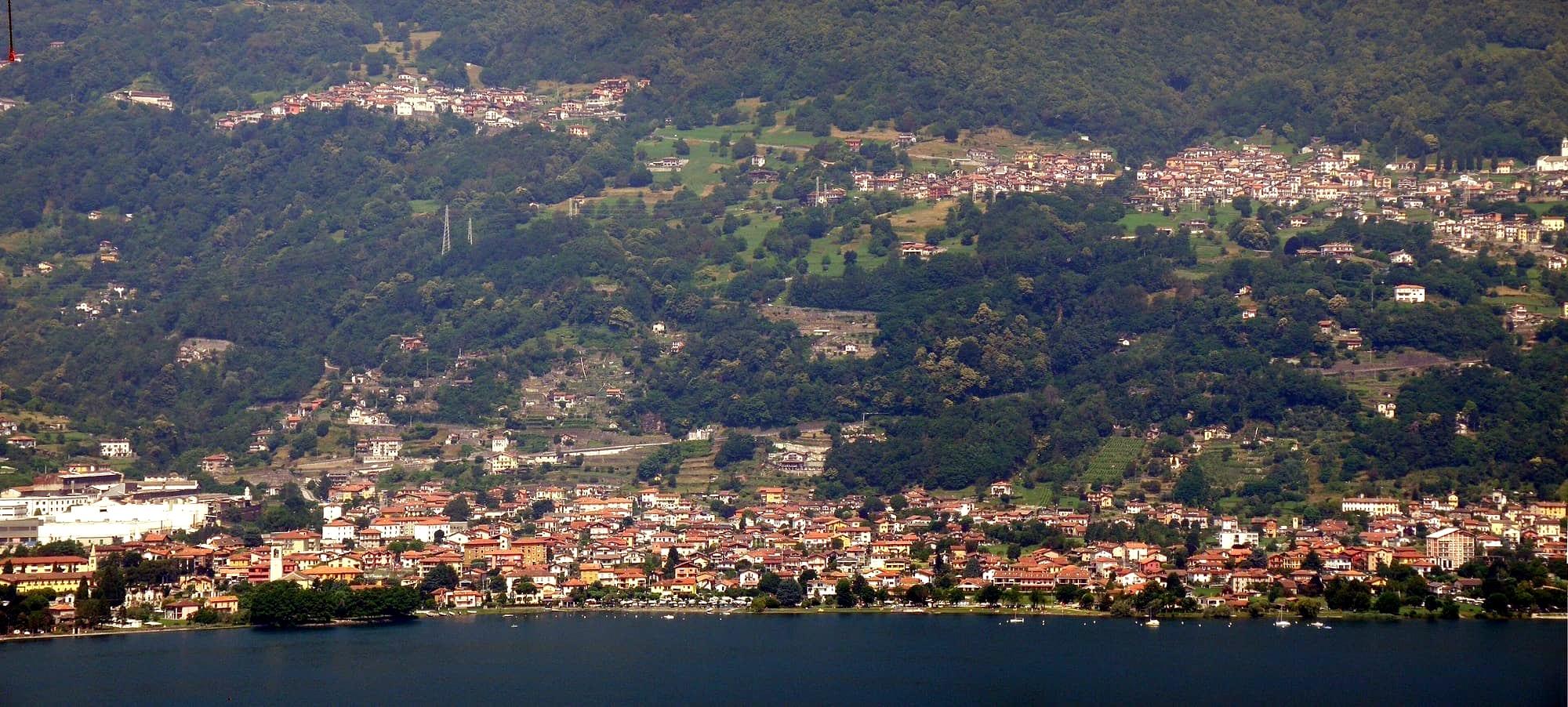
Dongo has a square open to the water and a past of iron and workshops behind it. Its name, though, is attached to one specific event: on 27 April 1945 partisans of the 52nd Garibaldi Brigade stopped a retreating German column just past Musso and searched it in the village square, where they recognised Benito Mussolini among those aboard. The Museum of the End of the War, in Palazzo Manzi, reconstructs those days.
Dongo has a square open to the water and a past of iron and workshops behind it. Its name, though, is attached to one specific event: on 27 April 1945 partisans of the 52nd Garibaldi Brigade stopped a retreating German column just past Musso and searched it in the village square, where they recognised Benito Mussolini among those aboard. The Museum of the End of the War, in Palazzo Manzi, reconstructs those days.
On 27 April 1945 a German column retreating north was stopped by a checkpoint of the 52nd Garibaldi Brigade just beyond the village of Musso. After lengthy negotiations the Germans were allowed to continue, on condition that their lorries were searched in the square at Dongo. There, in the afternoon, the partisan Giuseppe Negri recognised Benito Mussolini, hiding in a lorry in the greatcoat and helmet of a German soldier. Mussolini was taken to the town hall in Palazzo Manzi, and in the evening to the Guardia di Finanza barracks at Germasino. The next day he was killed at Giulino di Mezzegra, and fifteen members of the Italian Social Republic were shot on the Dongo lakefront.
The Museum of the End of the War, on the ground floor of Palazzo Manzi, tells the story of the days from 25 to 28 April 1945 and of the Resistance on the lake in seven rooms, with objects, documents, testimony and period film.
Palazzo Manzi is the neoclassical building facing the lakefront square. The Polti Petazzi brothers had it built between 1803 and 1824, probably to a design by Carlo Polti. On the first floor, the piano nobile, is the Sala d'Oro: a double-height hall with stucco, gilding and a Parnassus painted on the vault by Giuseppe Lavelli. The same floor holds the historic library, which keeps its original furnishings, and the chapel of the Immacolata, whose altar of coloured marbles is by Carlo Vitali of Varenna.
The palazzo passed by inheritance to Giuseppina Manzi, who gave it to the Comune in 1937; it has been the town hall ever since. In April 1945 the Sala d'Oro served as the chapel of rest for the last partisans killed at Dongo, and a few days later the arrested Fascist leaders were locked in there. The museum on the ground floor opened in 1995 as the Museo della Resistenza Comasca and took its present name in 2014, after renovation.
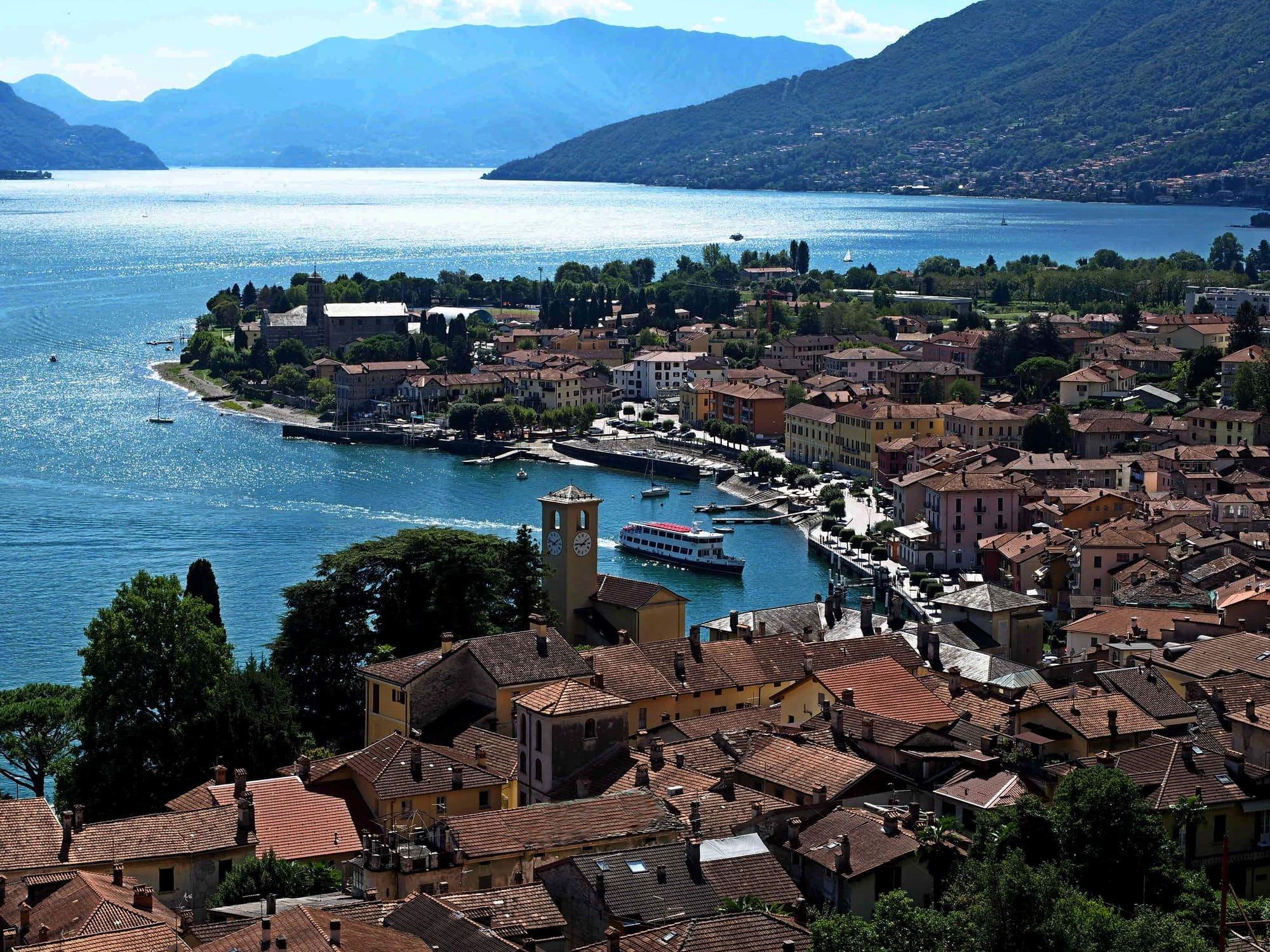
Dongo lies at the mouth of the Albano stream, on the western shore of the upper lake. In Roman times the road up the lake towards Chiavenna, later called the Via Regina, ran through it. From the town the Albano valley climbs to the San Jorio pass, an old crossing into Switzerland. In the Middle Ages the fortified village grew around the core of Martinico, and Santo Stefano was the mother church of the pieve, the old parish district.
With Gravedona and Sorico, Dongo formed the Tre Pievi, the 'three parishes', which passed with Como to the Visconti of Milan in 1335. From 1512 the Tre Pievi were governed by the Grisons, who gave them up in 1526. In 1580 King Philip II of Spain sold the county of the Tre Pievi to Cardinal Tolomeo Gallio. The town's coat of arms bears three crosses in memory of the Tre Pievi.
Iron was mined in the valleys above Dongo from at least the fifteenth century. In the second half of the eighteenth century the Rubini family took over the mines, and around 1790 they built a charcoal-fired blast furnace. In 1833 the Rubini engaged the Alsatian Georges Henri Falck as a consultant, and in 1863 his son Enrico married Irene Rubini. After 1880 Giulio Rubini and his brother Aristide gave up the mines, dismantled the blast furnace and turned to rolling.
In 1906 the ironworks became part of the Acciaierie e Ferriere Lombarde, a company founded in Milan that year. Its managing director was Giorgio Enrico Falck, the son of Enrico and Irene, born in Dongo in 1866. The Dongo plant made iron castings, rolled sections and forgings. One part of the comune is called Villaggio Falck. Giulio Rubini, born in Dongo in 1844, served as Minister of the Treasury and of Public Works, and the town has a monument to him.
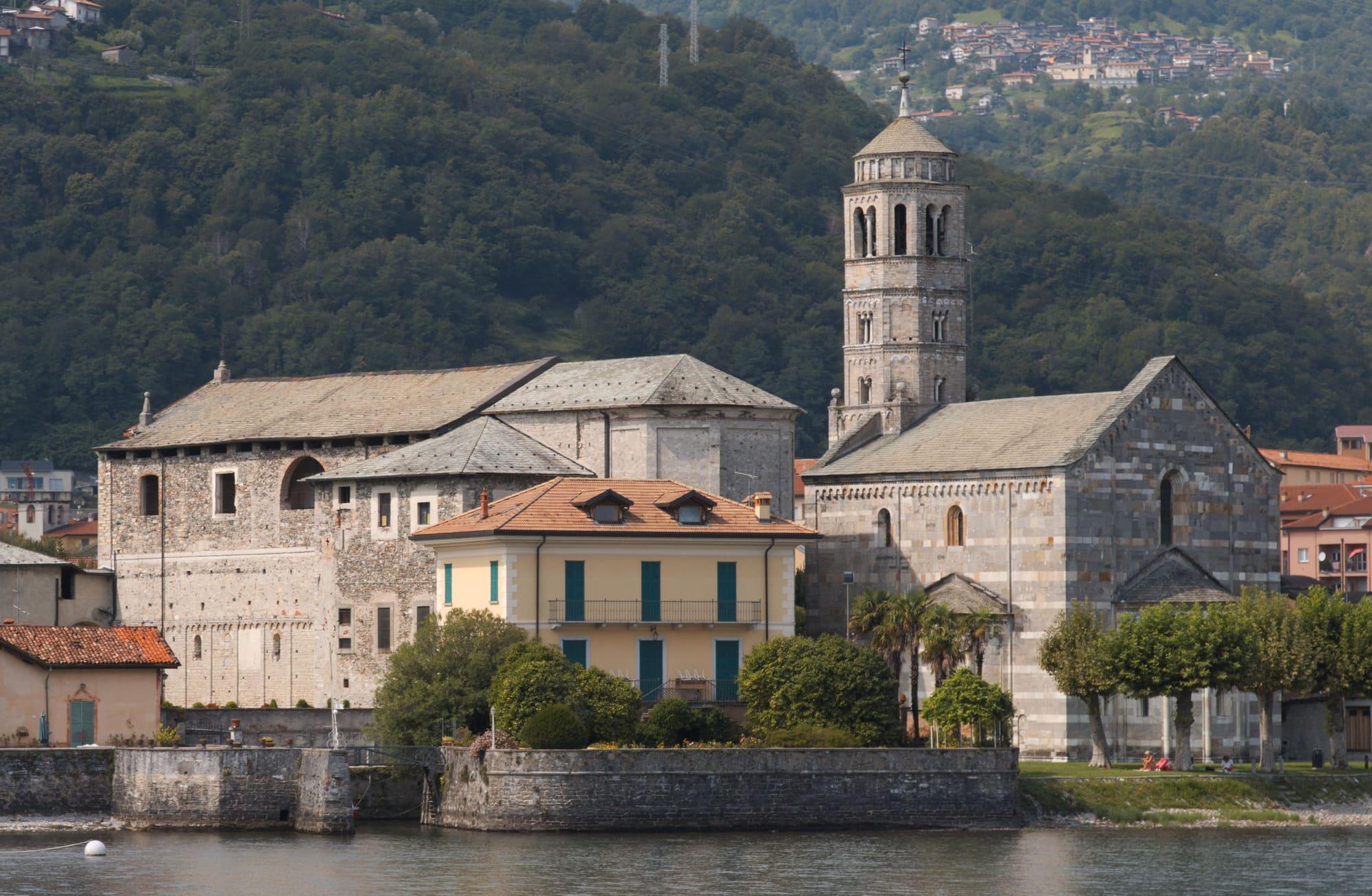
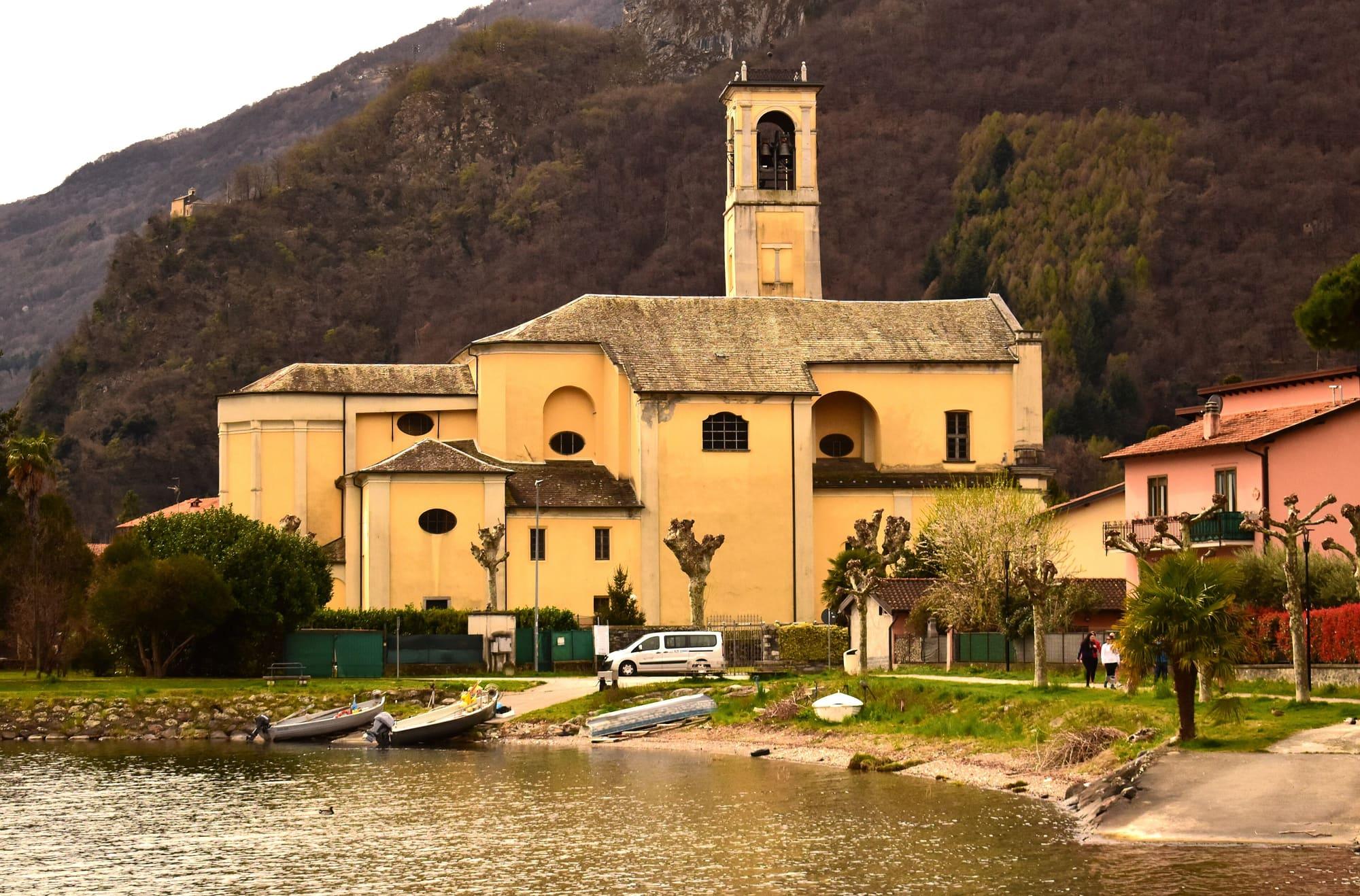
Santo Stefano, the church of the pieve, stands on the lakeshore at the end of an avenue of cypresses. It was rebuilt between 1716 and 1735 with a raised floor, because the lake often flooded the earlier church. The apses of the old church survive in the sacristy and in a side chapel. The chapels and the presbytery were frescoed in the eighteenth century by painters including Giulio Quaglio and Carlo Scotti, and the niches of the nave hold stucco statues by Stefano Salterio.
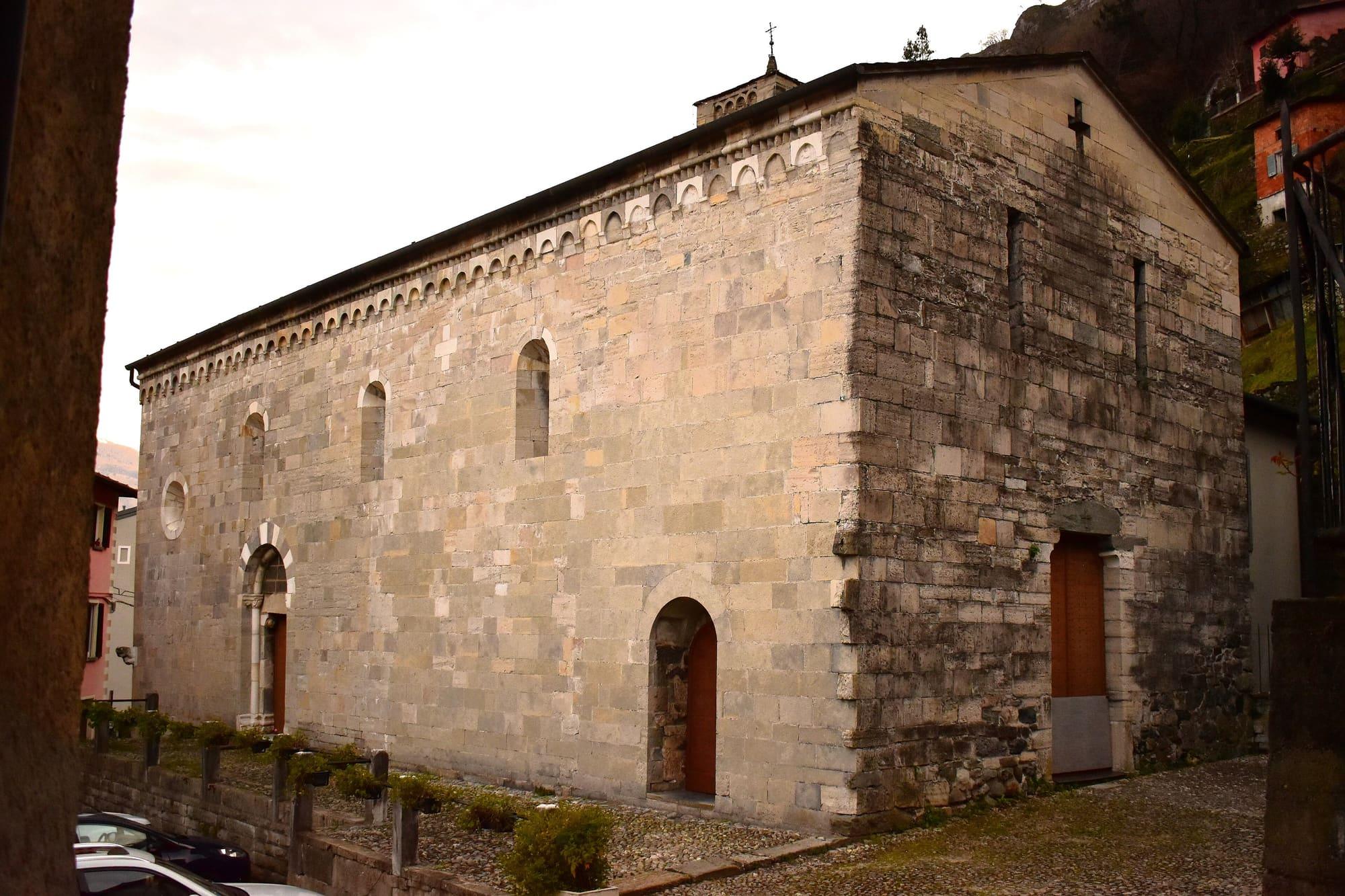
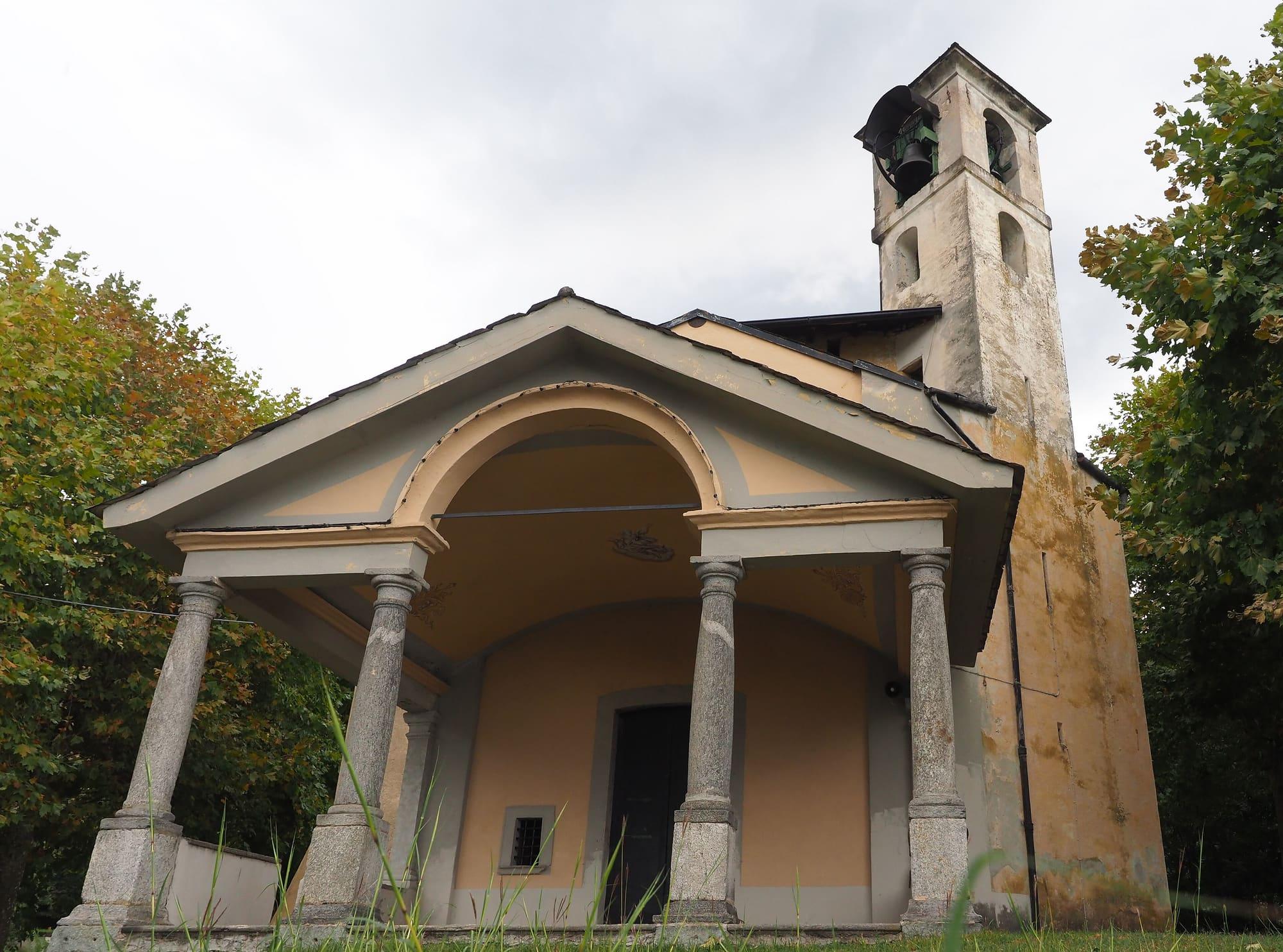
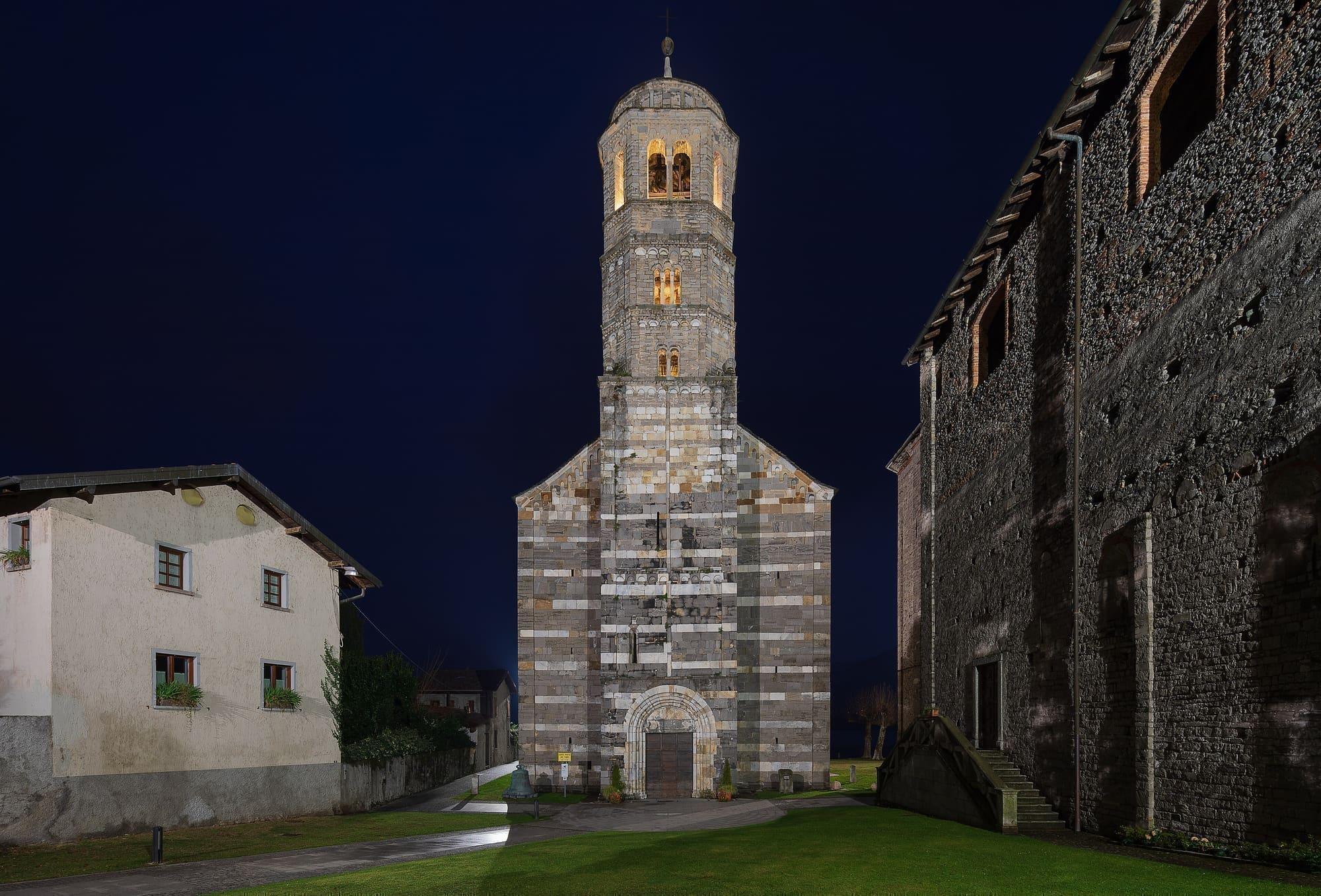
In Martinico, the oldest part of the town, the Romanesque church of Santa Maria dates from the eleventh and twelfth centuries and keeps frescoes of the fourteenth and fifteenth centuries. The sanctuary of the Madonna delle Lacrime grew from devotion to an image of the Virgin, linked to the tradition of its weeping on 6 September 1553. Inside is the Last Supper carved in wood by Fra Diego Giurati. Above the town, near the Albano, stands the octagonal seventeenth-century church of San Gottardo.
Upper Lake
Almost level cycle and foot paths between the Pian di Spagna, Lake Mezzola and the Valtellina, with the train to bring you back.
3 h – 7 h27.5 km · +71 m
Upper Lake
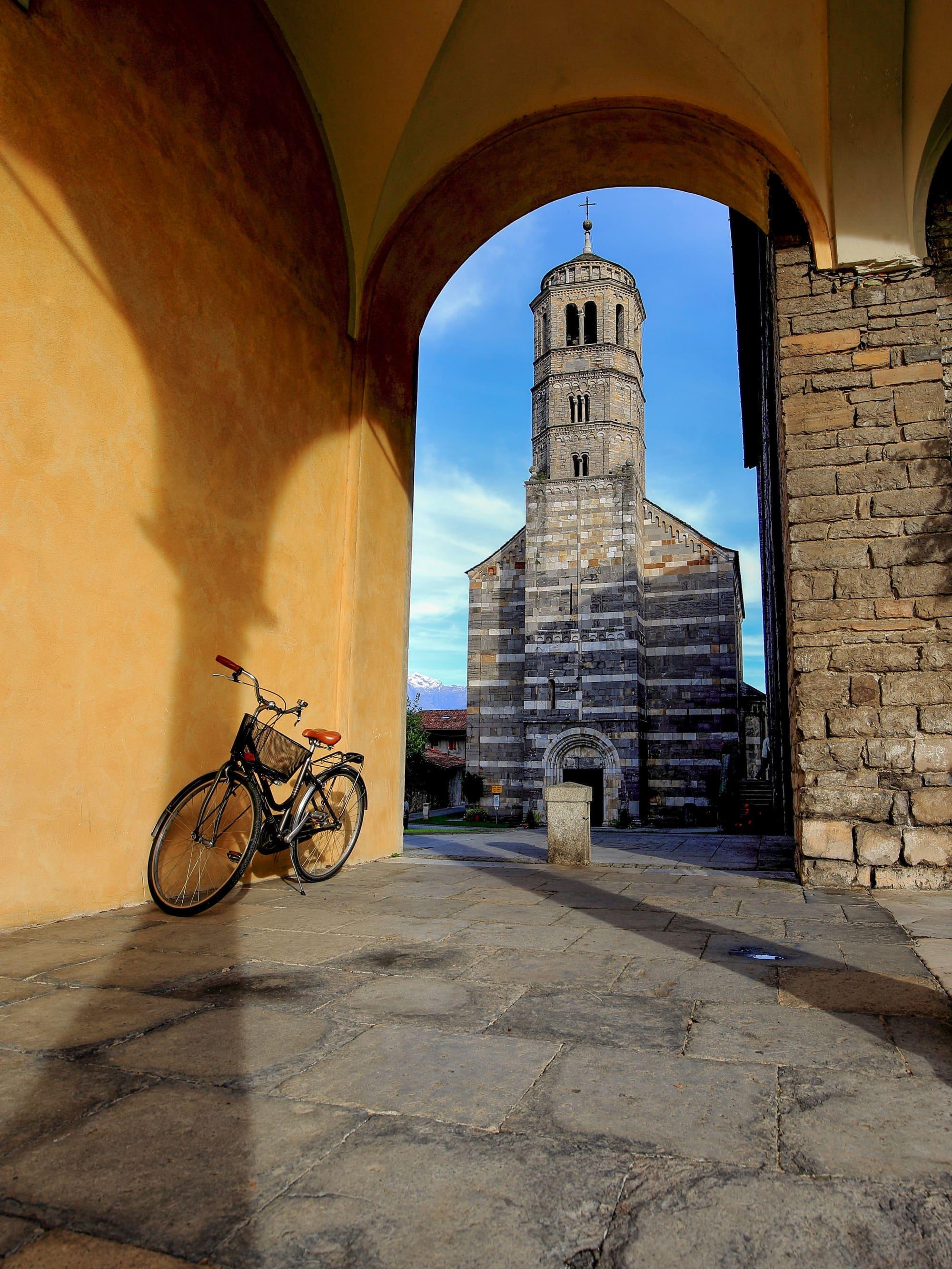
Four eleventh- and twelfth-century churches in twenty kilometres of shore.
3 h – 5 hCar neededOpen access
Centro Lago
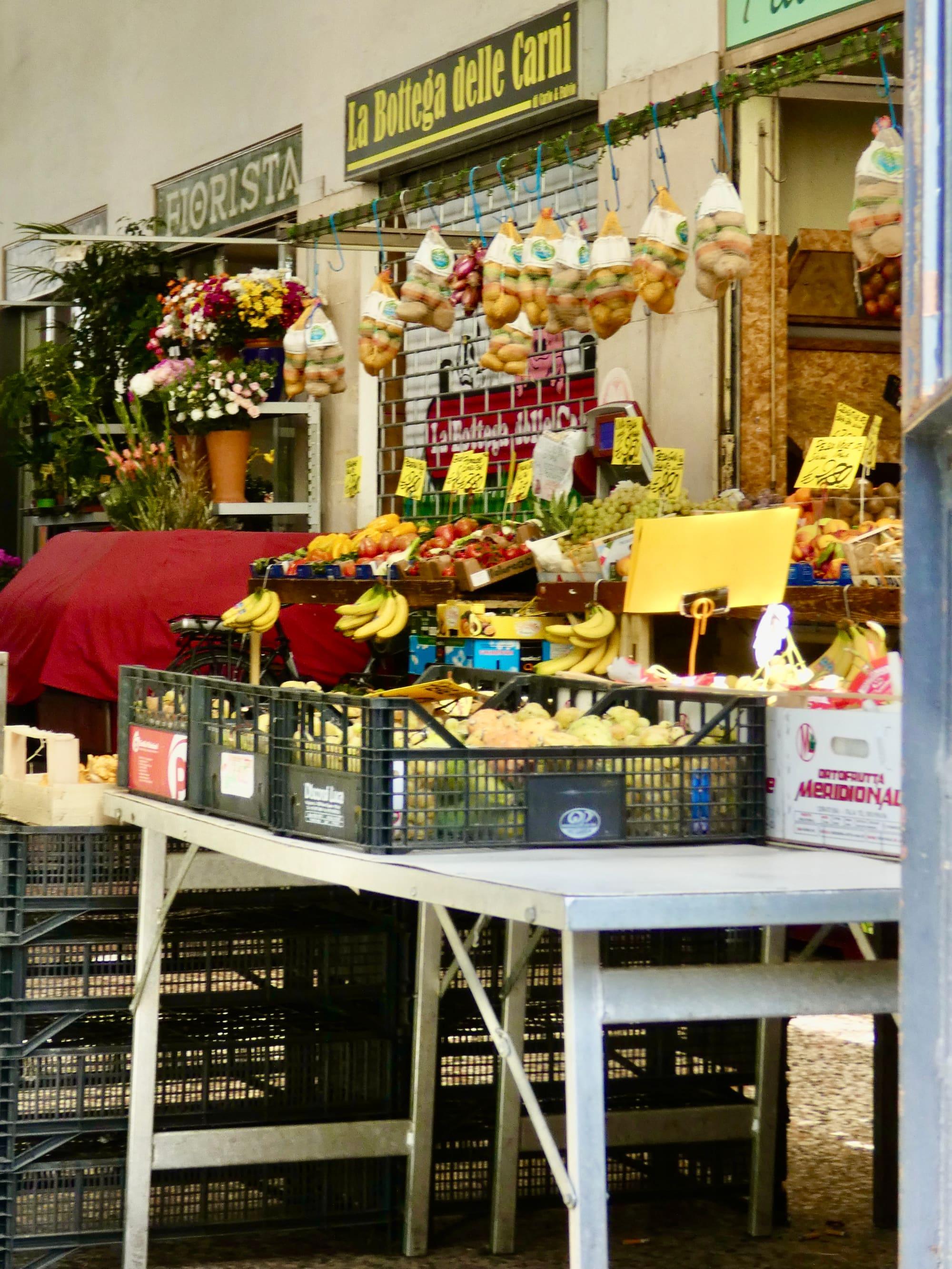
The weekly markets of Como, Lecco and the lake villages: days and squares.
1 h – 2 h 30Open access
Upper Lake
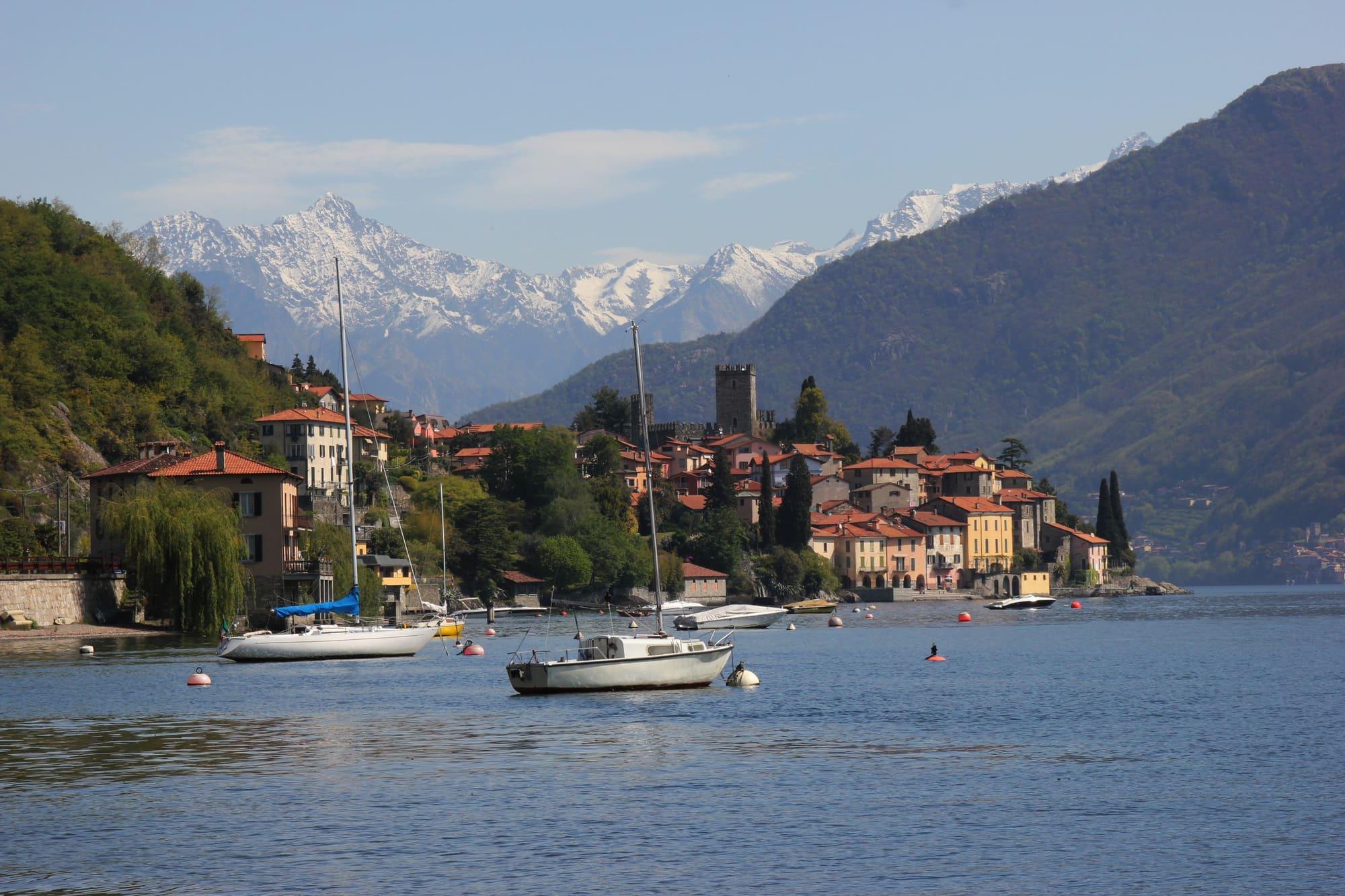
Ten kilometres along the flank of Monte Bregagno, on the Sentiero del Giubileo: from Sant'Eufemia on the Sasso di Musso, through the hamlets of Musso, Pianello and Cremia, to the village of Rezzonico and its castle.
3 h 30 – 4 h 30Open access
How long it takes
Typical door-to-door times by public transport, changes included. From Milan, counted from Centrale station.
Tourist office
Infopoint Dongo — Museo della Fine della Guerra
Piazza Paracchini, 22014 Dongo
Tuesday to Sunday 10:00 to 13:00 and 15:00 to 18:00, in the Museo della Fine della Guerra
Updated: 8 Oct 2026 · North Lake Como — Associazione Turismo e Commercio Alto Lago.
Parking and services
2 public toilets15 drinking fountains2 pharmacies2 cash machines2 charging points1 defibrillator
Car parks and services on the map
Within two and a half kilometres of the centre; check car park spaces and fees on arrival.
It is in Palazzo Manzi, on the square. Before coming from afar, check the hours with the museum. The visit takes a generous hour and is designed also for those who do not know those days of April 1945.
By the C110 bus, about an hour and a half from Como and a little over twenty minutes from Menaggio, or by the ordinary boat service from Menaggio, Bellagio and Varenna. By train you reach Colico and then the C110 for half an hour.
Updated 26 October 2026
The mountains around the village hide the sun before astronomical sunset: sunrise and sunset are worked out on the village's own horizon.
Today, 1 November, estimated sunlight at the reference point: first at 08:15 and last at 13:28, giving 5 h 14 of direct sun, out of 10 h 06 of daylight.
Today the sun leaves between 12:39 and 14:27, depending on the street.
Watch the shadow reach Dongo today
See from Dongo where the sun goes, in 3D
The sun at an exact spot in Dongo: your hotel, a beach, a street
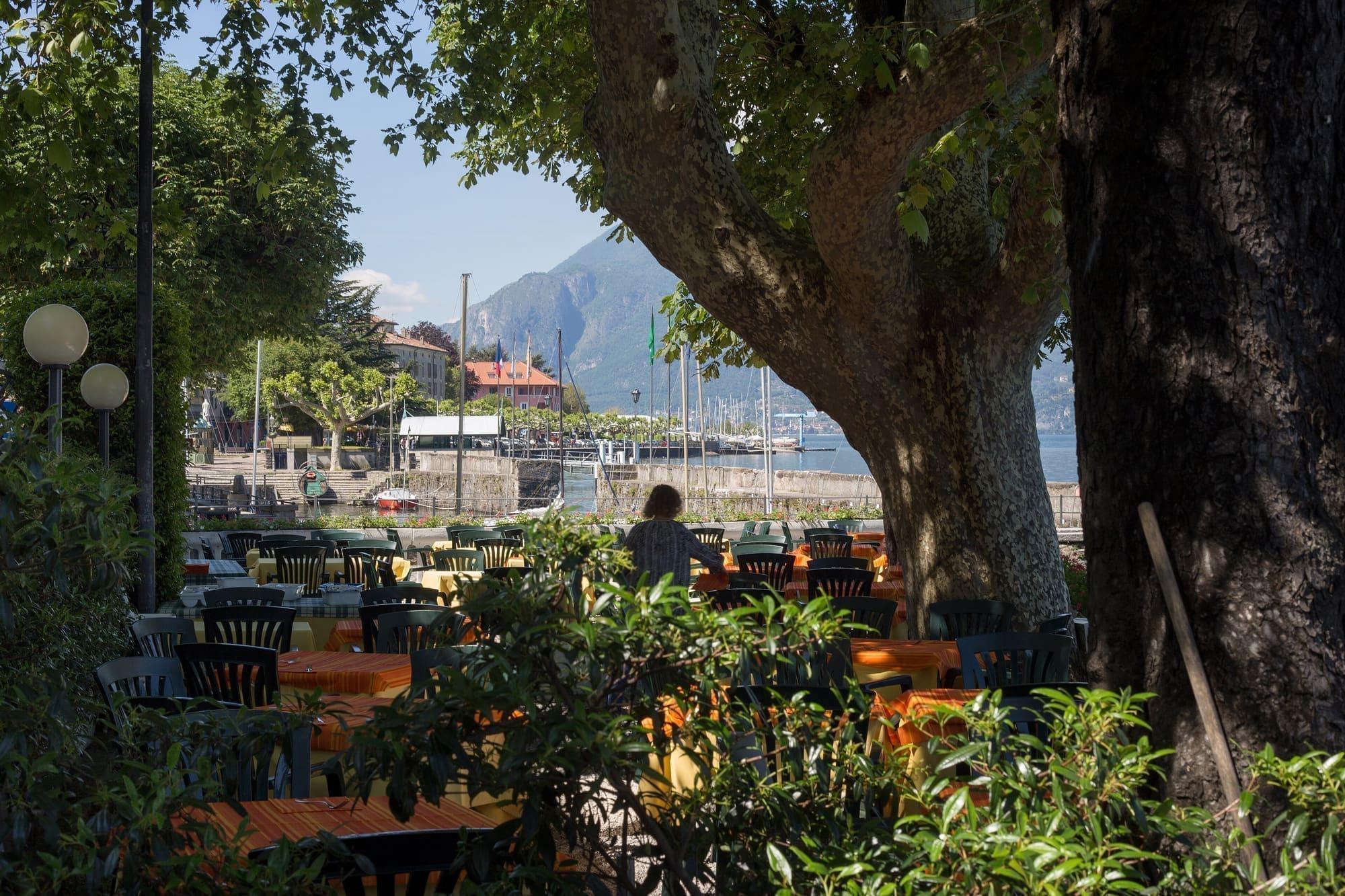
Places near the shore with outdoor seating, with today's estimated first and last sun at the marked point. Those with the latest sun come first. Clouds and shade from buildings, trees or awnings can change the light on the tables; check opening hours with the venue.
The highest summit in view from here is Pizzo Cengalo, 3369 m, 31 kilometres away.
The ochre line follows today's sun path and marks the estimated times of its first and last appearance above the mountains. Drag the panorama to see all of it.
Official bathing sites nearby, with their water quality classifications.
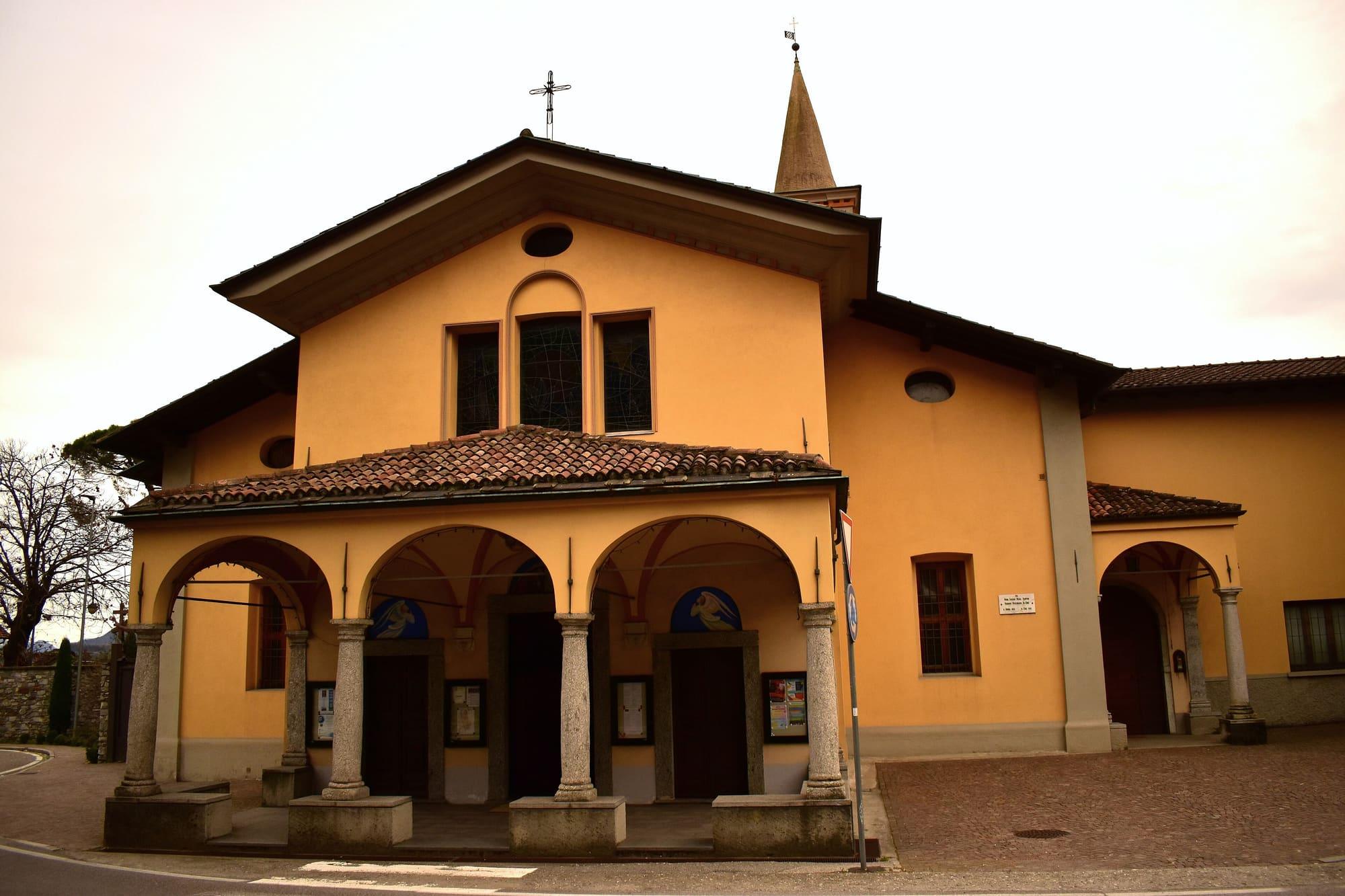
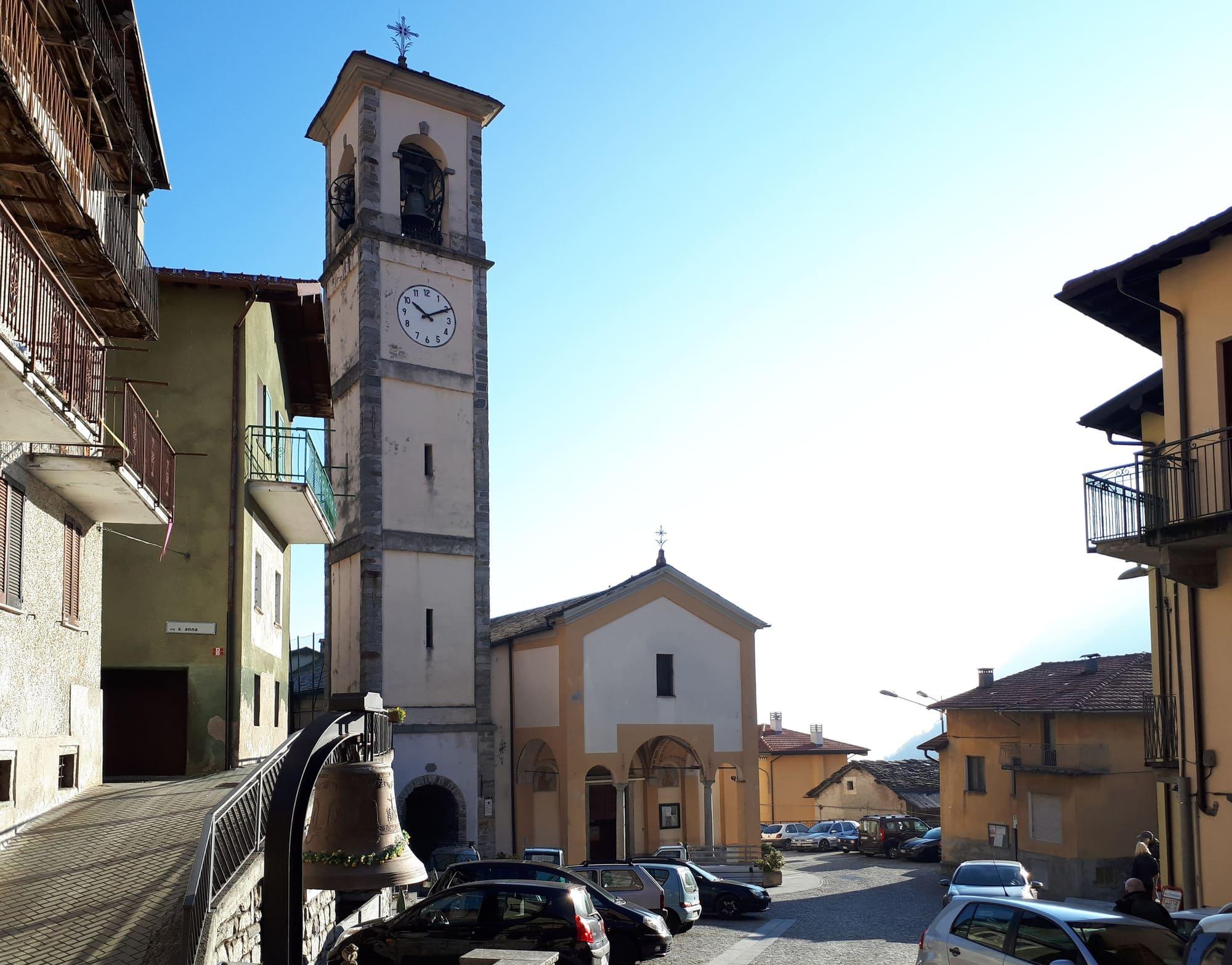
The sanctuary of the Madonna delle Lacrime, linked to the tradition of an image of the Virgin weeping in 1553, with its Last Supper carved in wood; and in the hamlet of Martinico, the oldest part of the village, the Romanesque church of Santa Maria, with its Madonna of Mercy painted around 1310. Gravedona, with Santa Maria del Tiglio and San Vincenzo, is the next village along the shore.
Northwards, from the Gere beach a lakeside walk with benches and picnic areas leads to Gravedona and then, in about another half hour, to Domaso. Southwards there is a longer route of five to ten kilometres, two to four hours: from Piazza Paracchini to Santa Maria in Martinico, then up the cobbles through chestnut woods to the church of Sant'Eufemia, 412 metres up on the Sasso di Musso, and down through the hamlets of Musso, Pianello del Lario and Cremia, along the flank of the Bregagno at around three hundred metres, to the village of Rezzonico. The C110 bus runs along the main road to bring you back. Check path conditions before setting off.
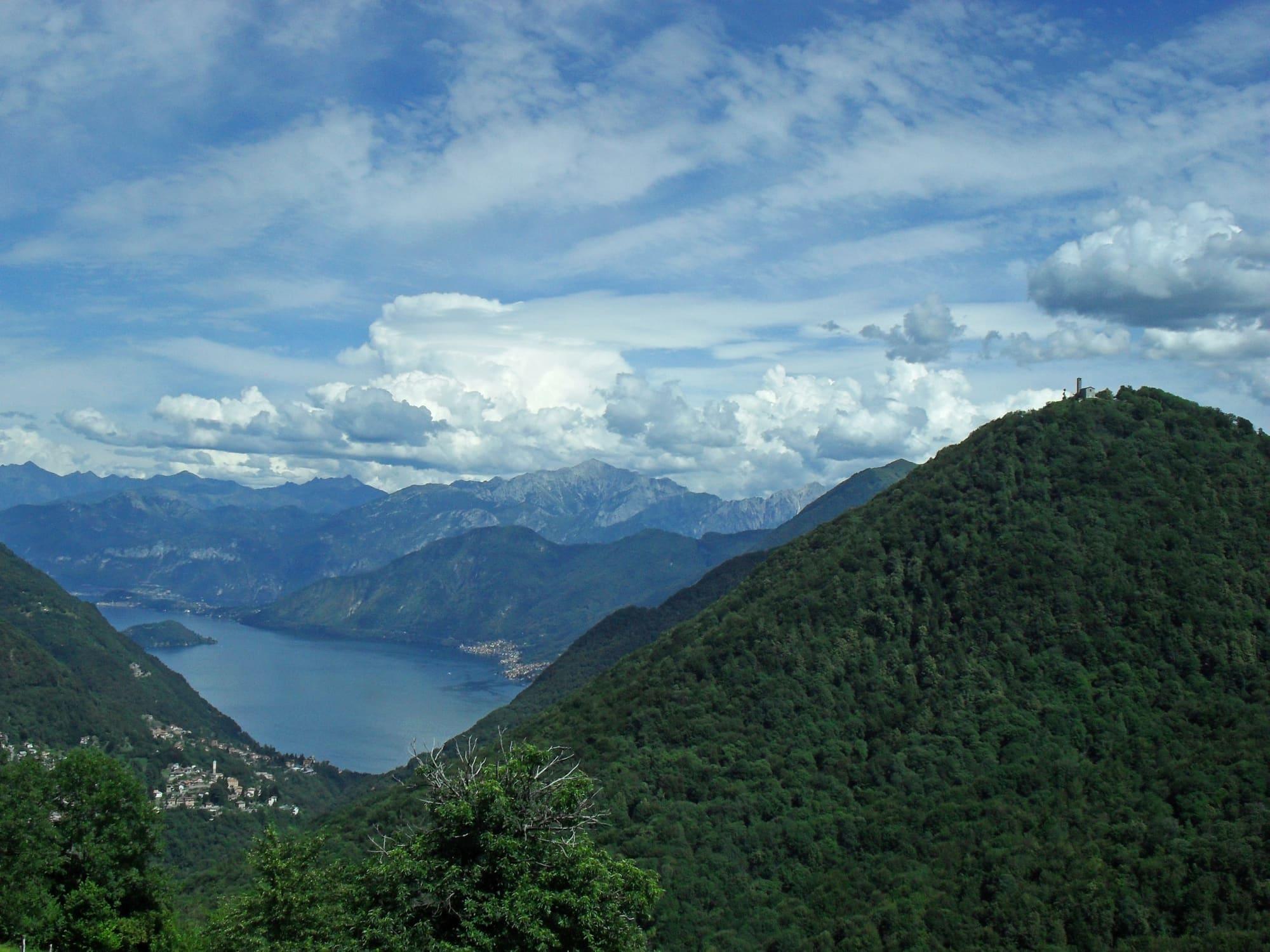
Yes: it is Monte Crocetta, at 952 metres, a viewpoint high above the lake. From Santa Maria in Martinico you climb the cobbled path towards Sant'Eufemia and at the junction for Vigero, Tegano and Crocetta take a very steep path to the right; past the former Falck penstock and a stream, a track and a concrete road lead to the huts of the Monti di Vigero, at 520 metres. A path in short zigzags through the woods, with a little tunnel under the pipeline, reaches the grassy shelf of Monte Corna, at 760 metres, and from there the ridge of the Sasso di Musso climbs steeply, though with no exposed stretches, among limestone outcrops to the cross, which only comes into view at the very end. It is 5.6 kilometres and 700 metres of climb, an hour and forty minutes up, of medium difficulty, April to November; you return the same way, and there is nowhere to eat along the route.
The market is on the first and third Thursday of the month, 7:30 to 13:30, across Piazza Paracchini, Via Tre Pievi, Via Amorati, Via Rubini and the Foresteria car park. In July and August there is also an evening market on the lakefront on Wednesdays.
What is around, and how far.
© OpenStreetMap contributors · ODbL
Typical door-to-door times.