Stories from the lake
Lake timeline
Two thousand years of the lake in order of date: from the Roman road along the western shore to the first steamboat, from the fall of the Isola Comacina to the Olginate dam. Each date leads to the story that tells it and to the place where it happened.
- Dates
- 82
- Stories
- 27
- Periods
- 6
11dates
Renaissance and foreign rule
1450–1699 · 1 date
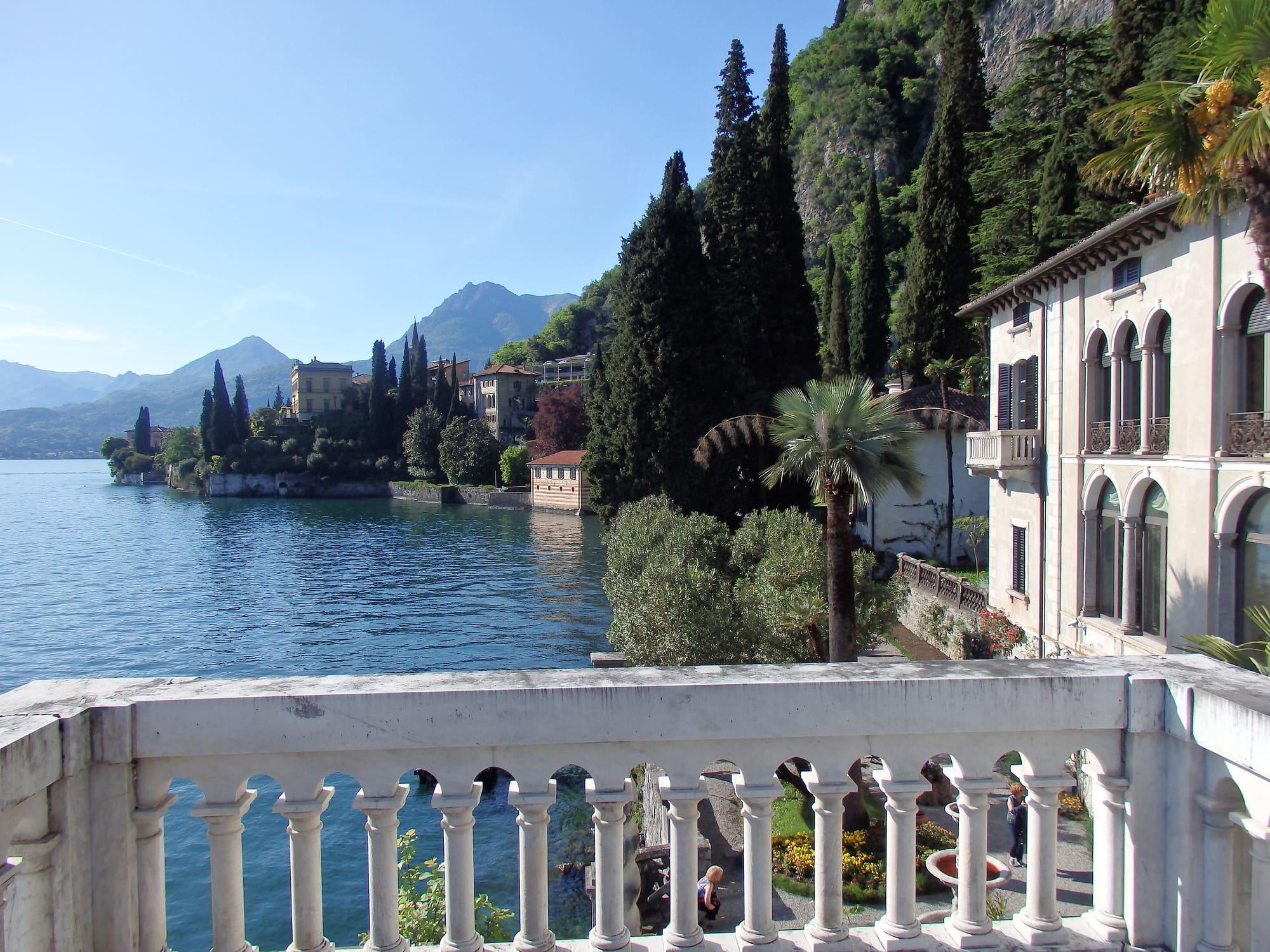
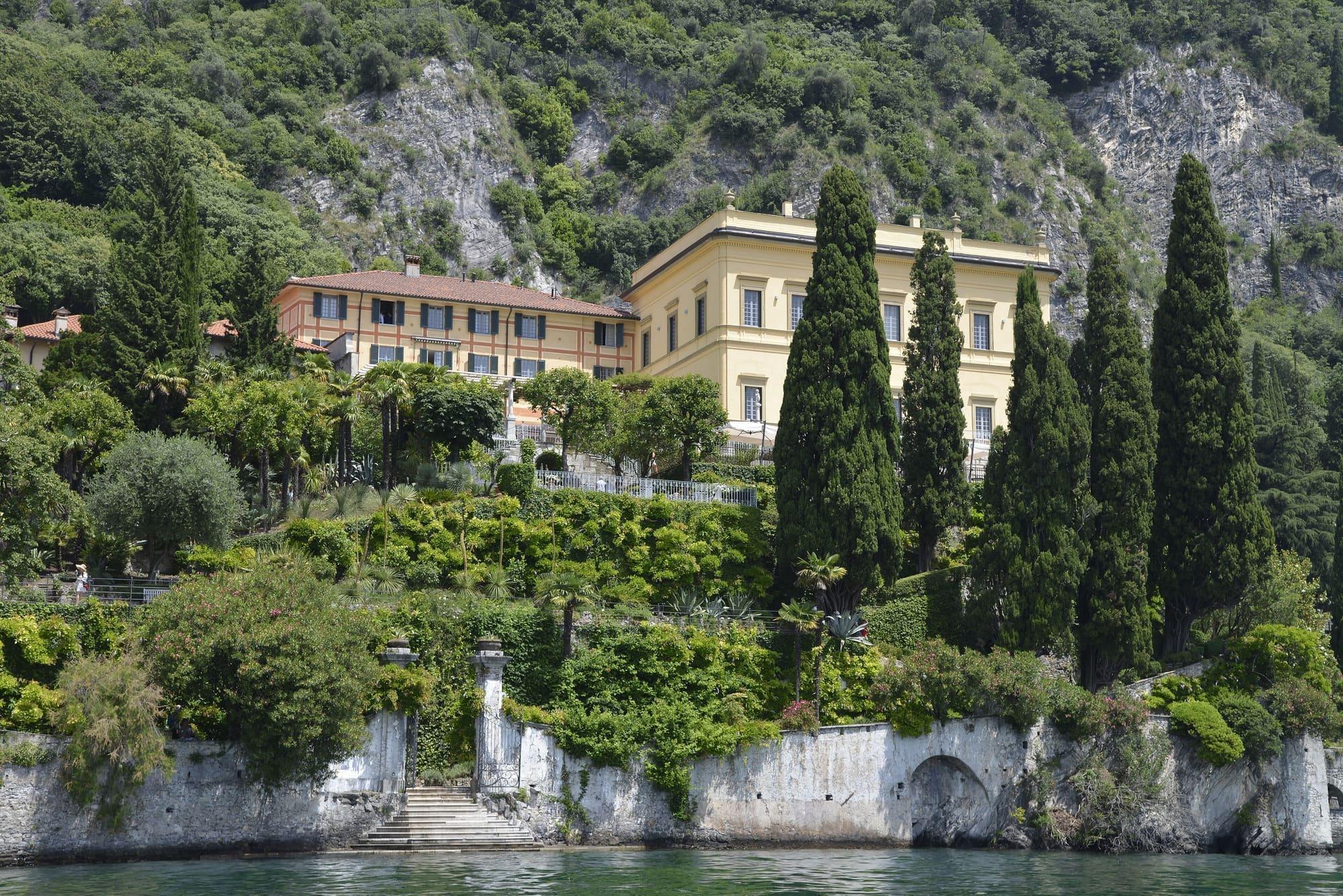
The convent at Varenna becomes a house
Carlo Borromeo, Archbishop of Milan, suppresses the Cistercian convent at Varenna, where too few nuns remain. In 1569 Paolo Mornico buys it and makes it a house: this is the origin of Villa Monastero.
Eighteenth century
1700–1799 · 1 date
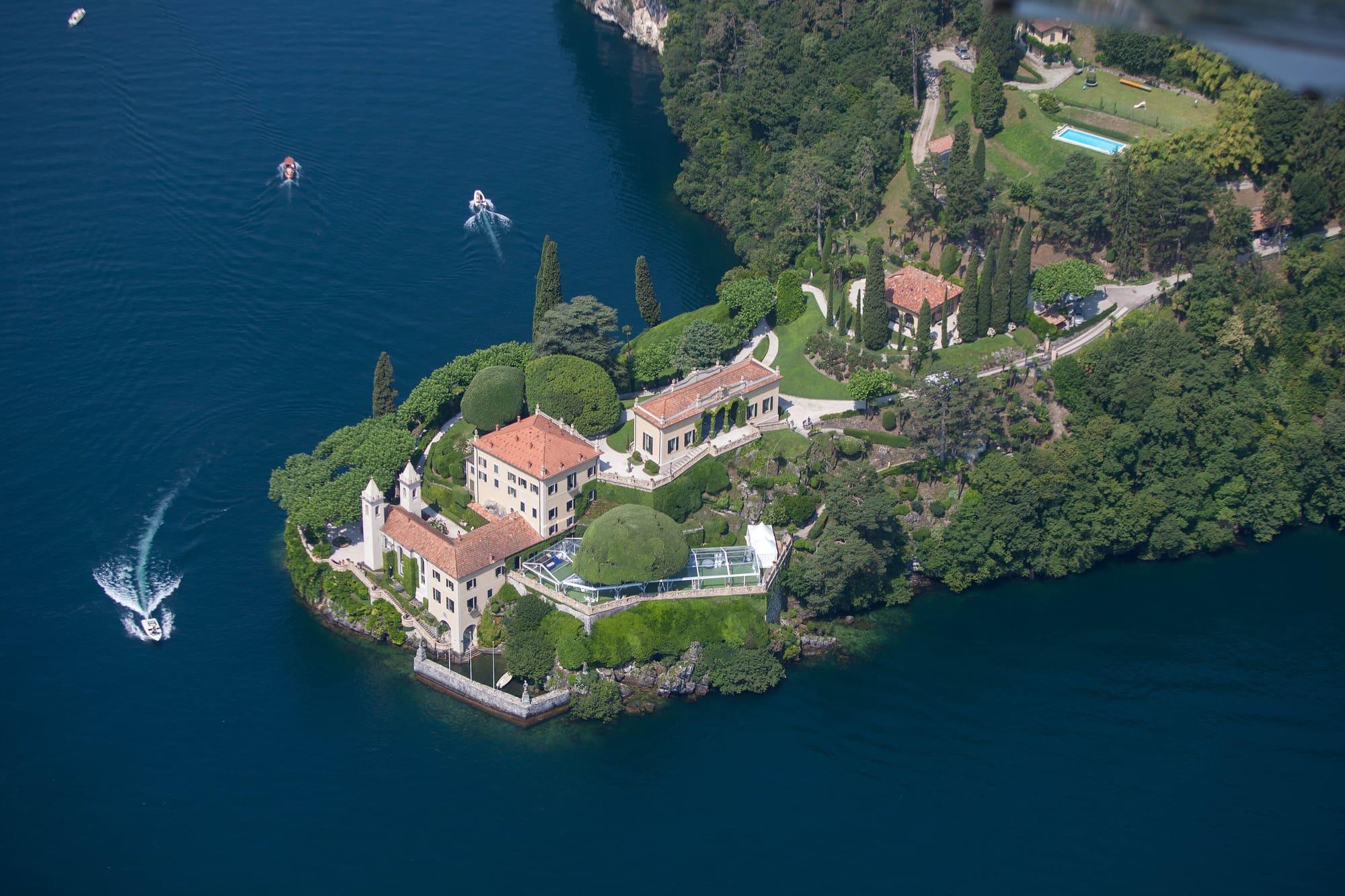
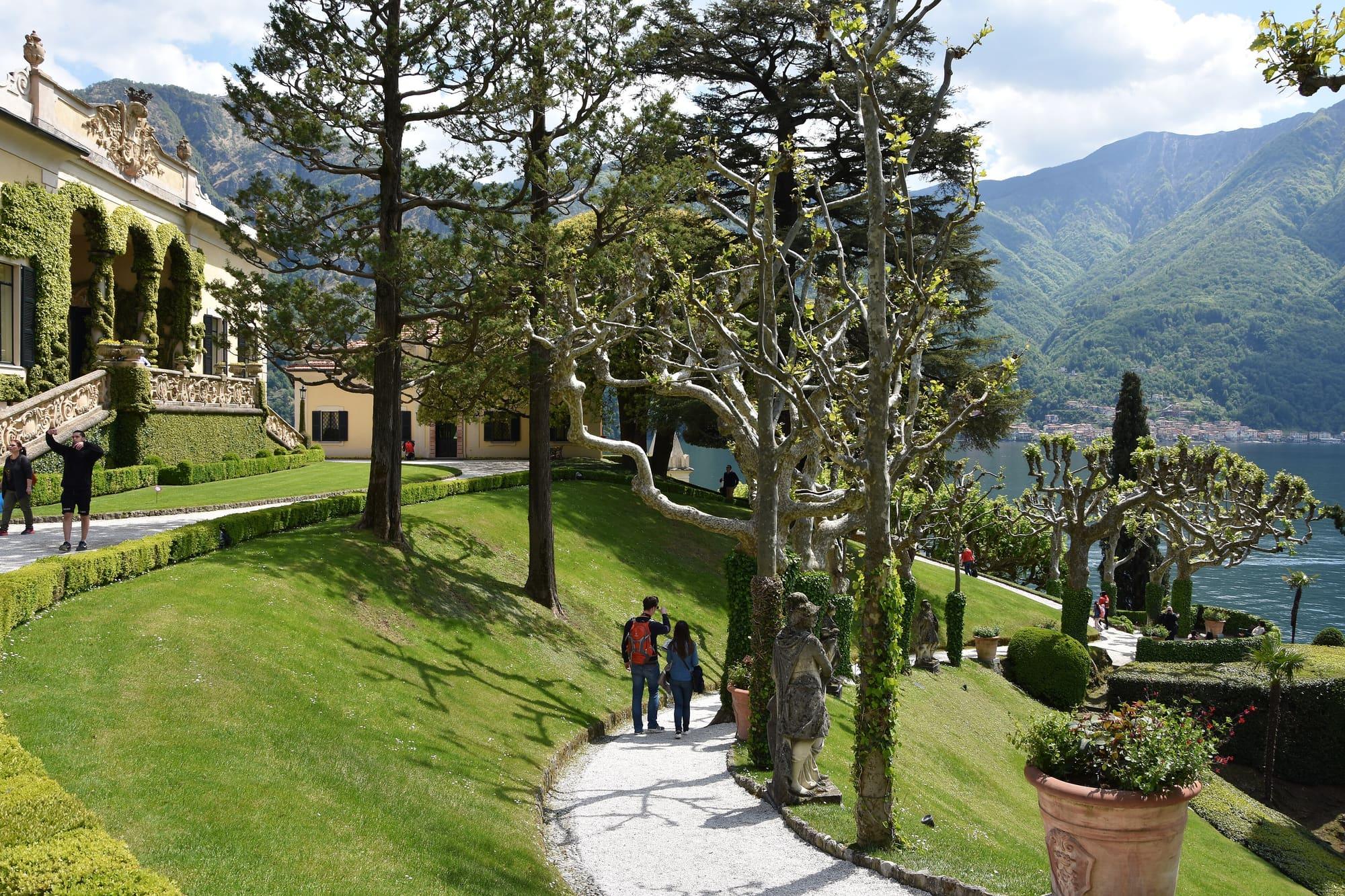
Villa del Balbianello on the Lavedo point
Villa del Balbianello is built on the remains of a Franciscan convent at the tip of the Dosso di Lavedo. As the Milanese aristocracy takes to summering on the lake, the shore fills with residences that face the water, because guests arrive by boat.
Place: Villa del BalbianelloStory: The villas and the microclimate
Nineteenth century
1800–1899 · 5 dates
1808–1810
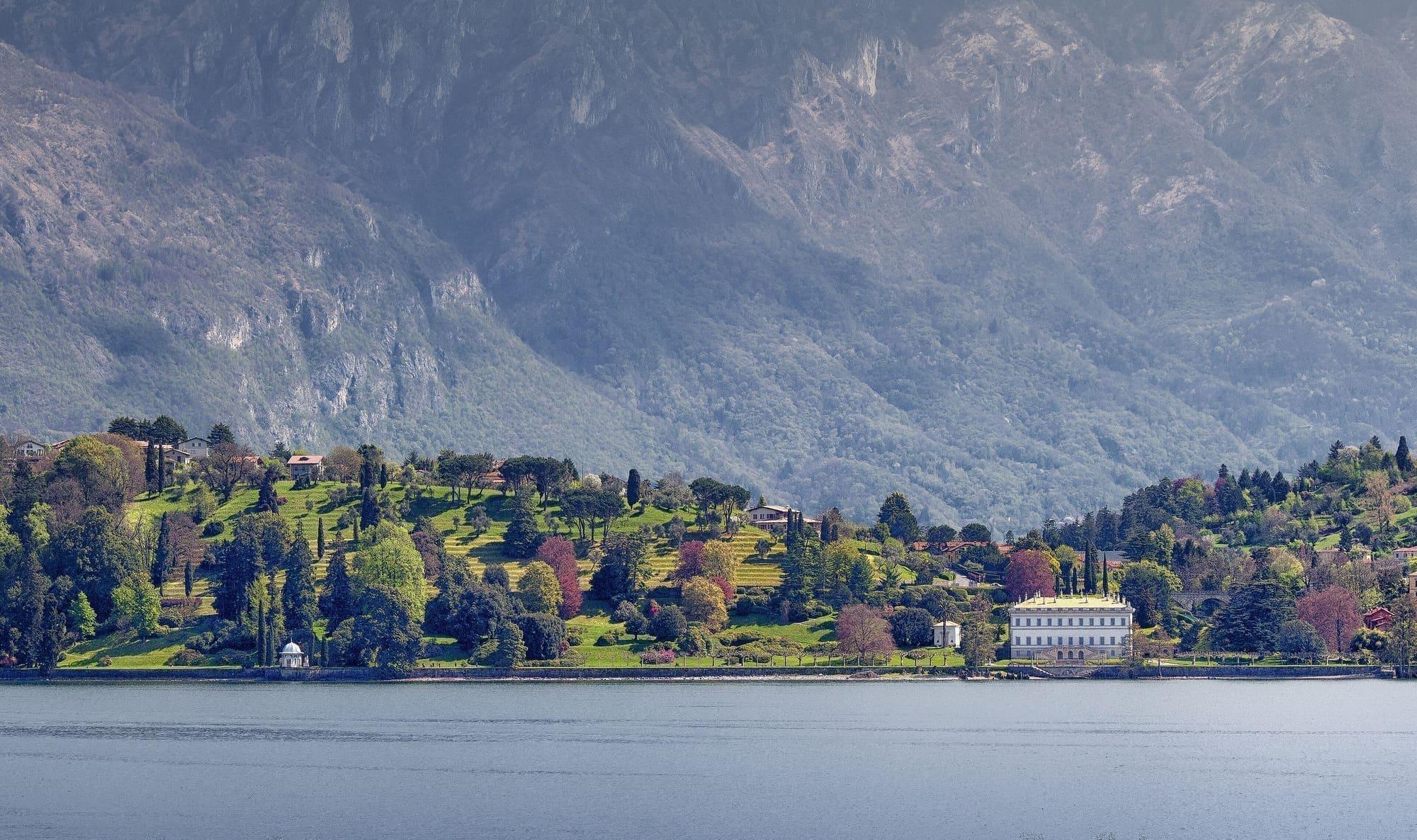
Villa Melzi at Bellagio
Francesco Melzi d'Eril, vice-president of Napoleon's Italian Republic, has a neoclassical villa built at Bellagio, with an English-style park that runs level along the water for hundreds of metres.
Place: Villa Melzi GardensStory: The villas and the microclimate
A hotel at Villa Cipressi
The Venini family opens a hotel at Villa Cipressi, in Varenna, and runs it until 1864. In the same years, around 1825, Abbondio Genazzini's inn on the shore at Bellagio becomes a proper hotel.
Place: Villa Cipressi GardensStory: The century of the grand hotels
Flaubert at Villa Sommariva
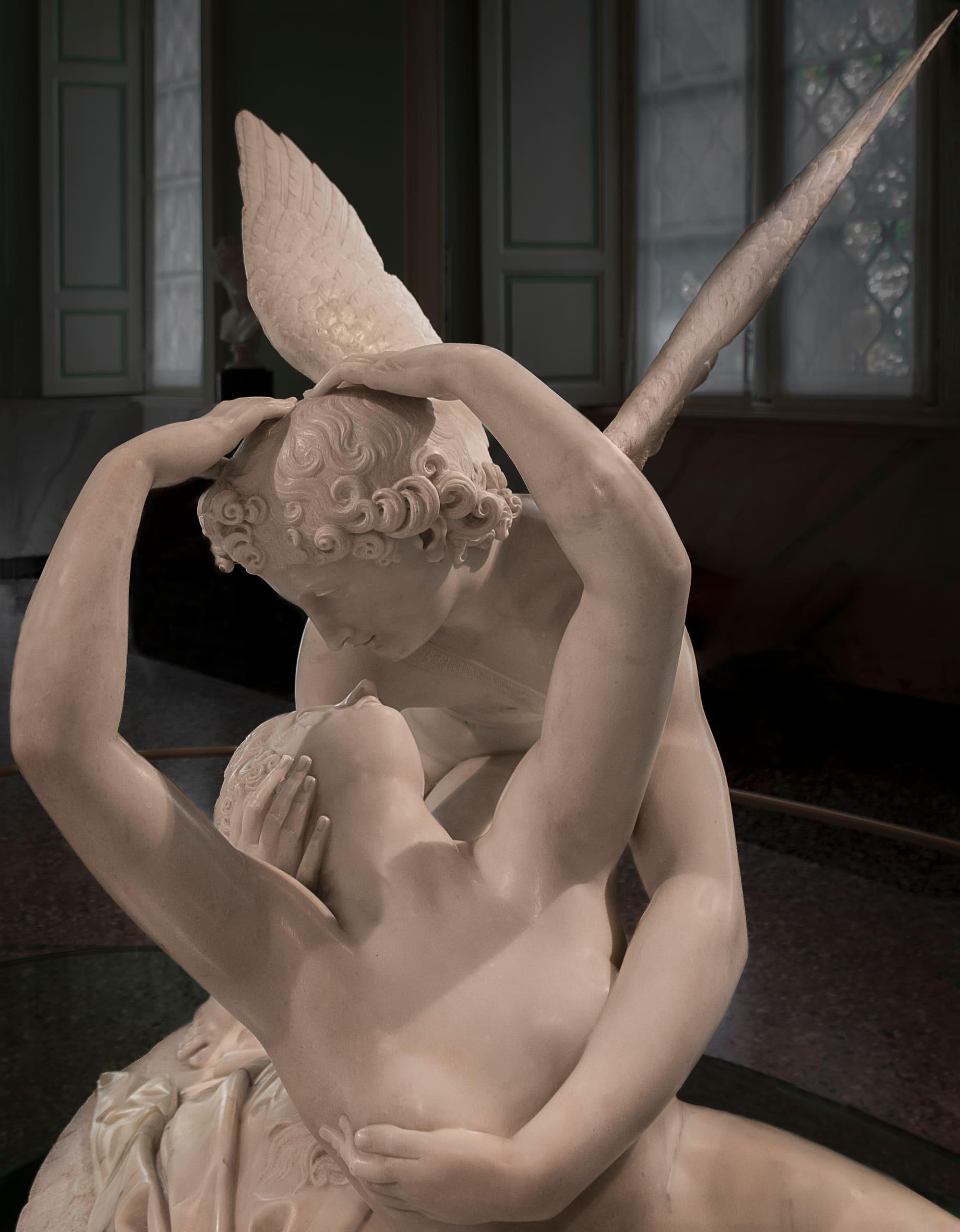
Gustave Flaubert visits the villa at Tremezzo that will later be called Carlotta. He goes back several times to look at the Cupid and Psyche, which he believes to be by Canova, and on his last visit kisses the statue; the group is attributed to Adamo Tadolini, Canova's pupil.
Villa Carlotta gets its name
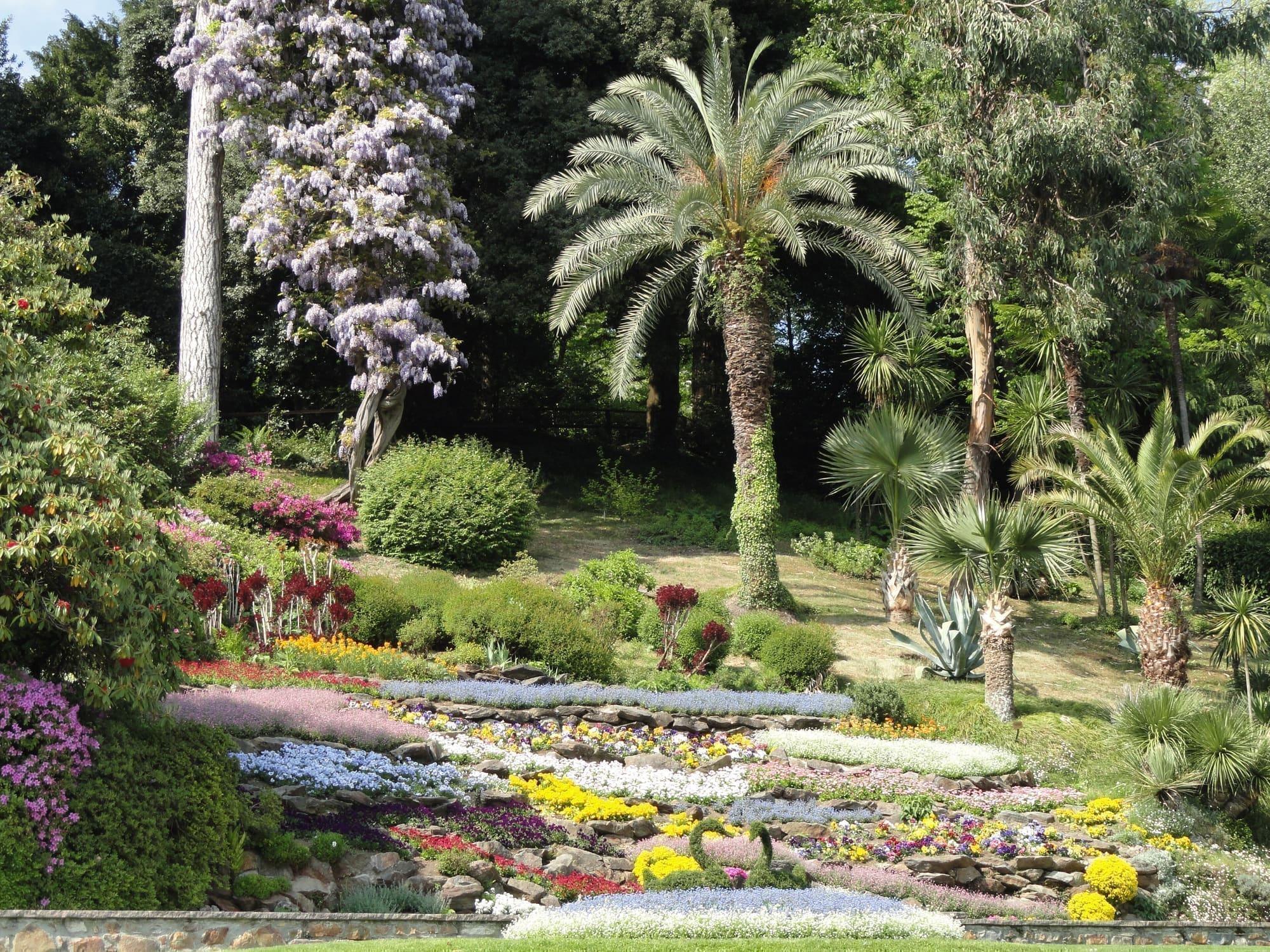
Marianne, who had bought the villa at Tremezzo in 1843, gives it to her daughter Charlotte on her marriage to Georg II of Saxe-Meiningen, and the villa takes its name from her. Its slope has acid soil, which is why the garden can grow azaleas, rhododendrons and camellias.
The publisher Ricordi's villa at Cadenabbia
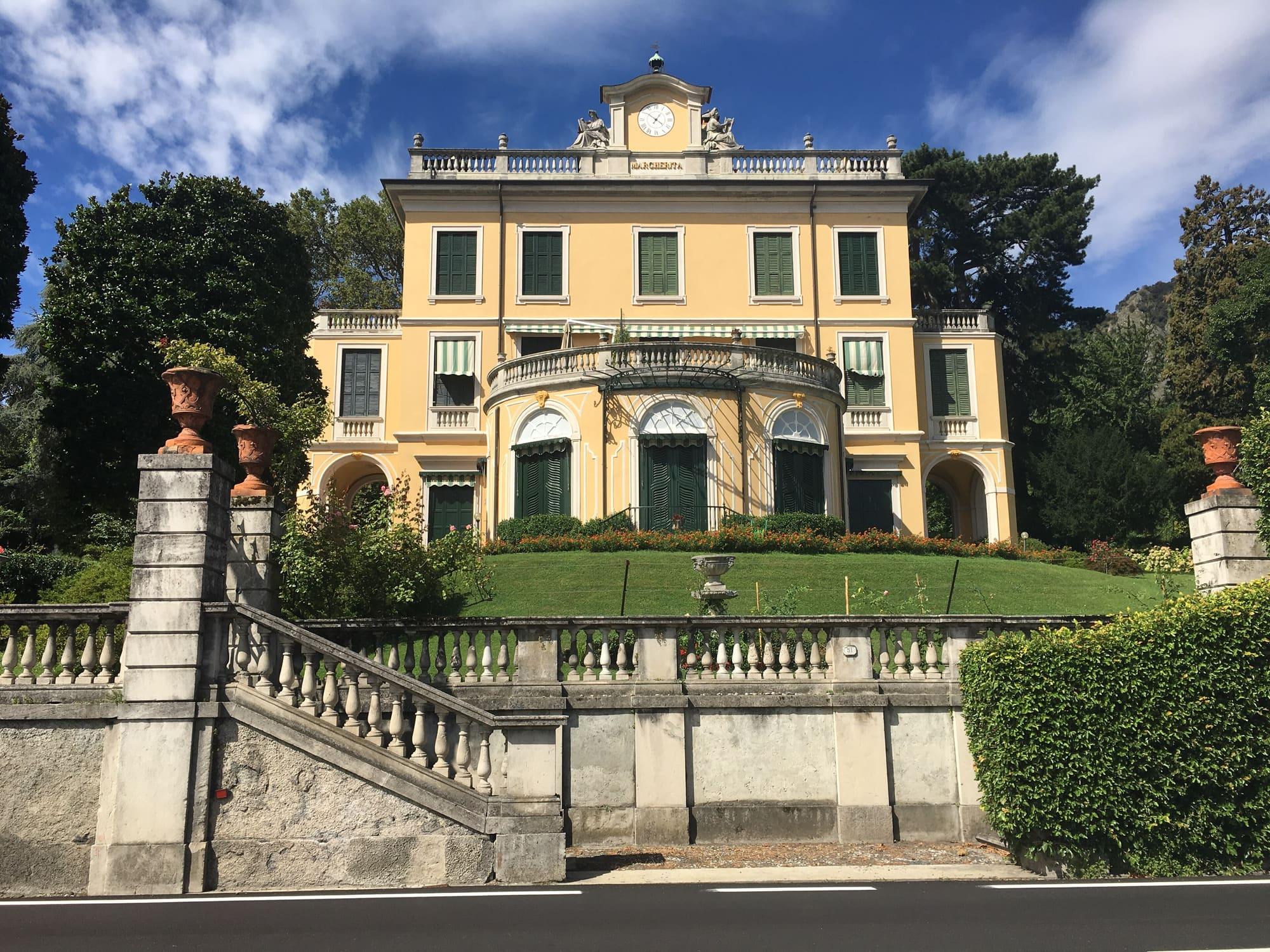
Villa Margherita is built at Cadenabbia for the music publisher Ricordi, reportedly with the proceeds of Il trovatore. Giuseppe Verdi is often a guest, and Amilcare Ponchielli starts work there on I Lituani, staged at La Scala in 1874.
Place: Villa Margherita Ricordi, CadenabbiaStory: The musicians' lake
Twentieth century
1900–1999 · 4 dates
The Grand Hotel Tremezzo
Enea Gandola opens a long Art Nouveau hotel on the shore at Tremezzo, with lifts and electric signs from the start.
Place: Grand Hotel TremezzoStory: The century of the grand hotels
Adenauer comes to Cadenabbia
On the advice of his foreign minister, Heinrich von Brentano di Tremezzo, the German chancellor Konrad Adenauer spends a holiday at Cadenabbia, and Griante makes him an honorary citizen. He will spend eighteen holidays there until 1966, from 1959 at Villa La Collina.
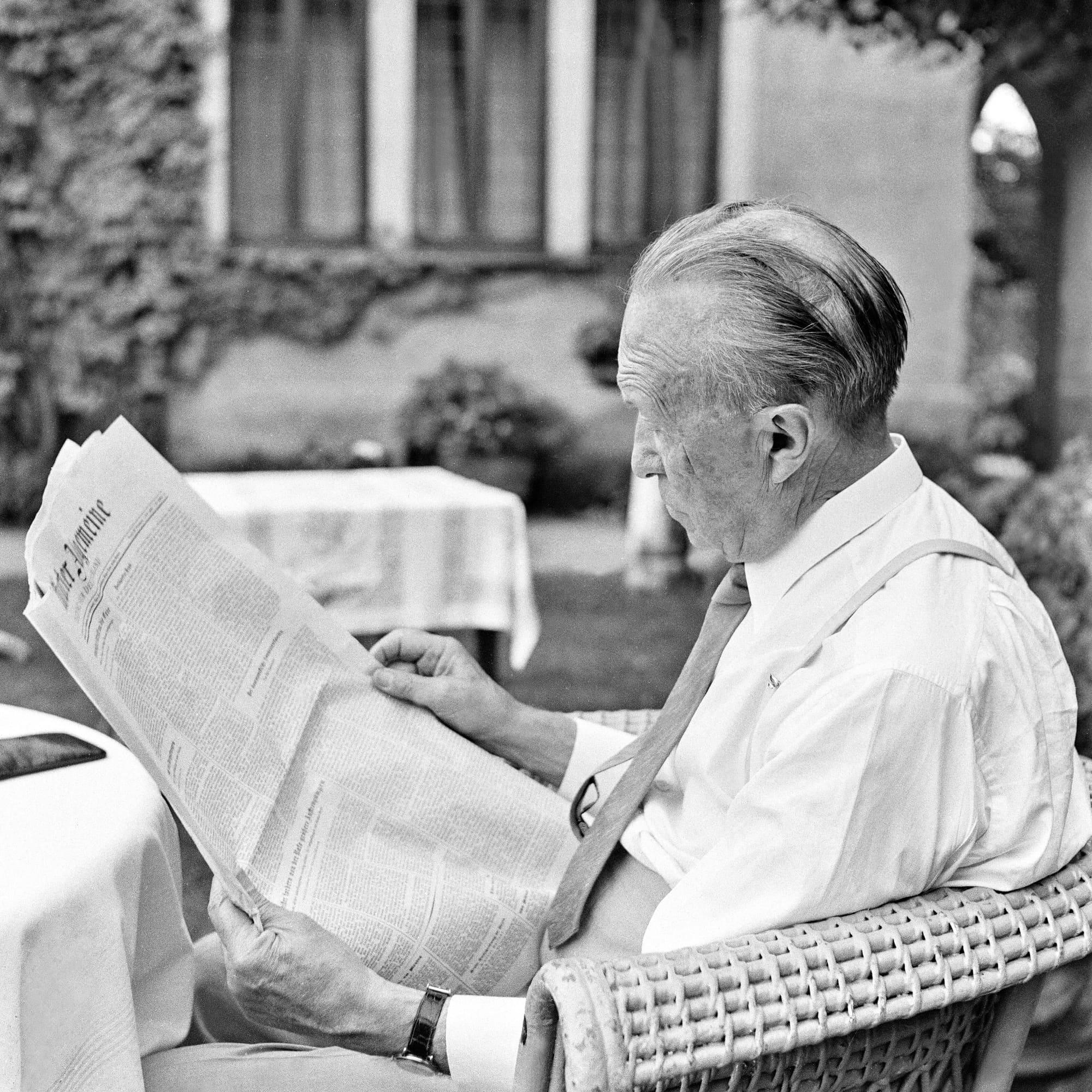
The Élysée Treaty is saved at Cadenabbia
At Cadenabbia, where Adenauer spends his holidays at Villa La Collina, the leaders of the German governing coalition meet, because ratification of the treaty with France is in danger of failing in the Bundestag. The chancellor agrees to add a preamble on the Atlantic alliance, and the treaty is saved.
Place: Villa La Collina, CadenabbiaStory: The chancellor on the lake
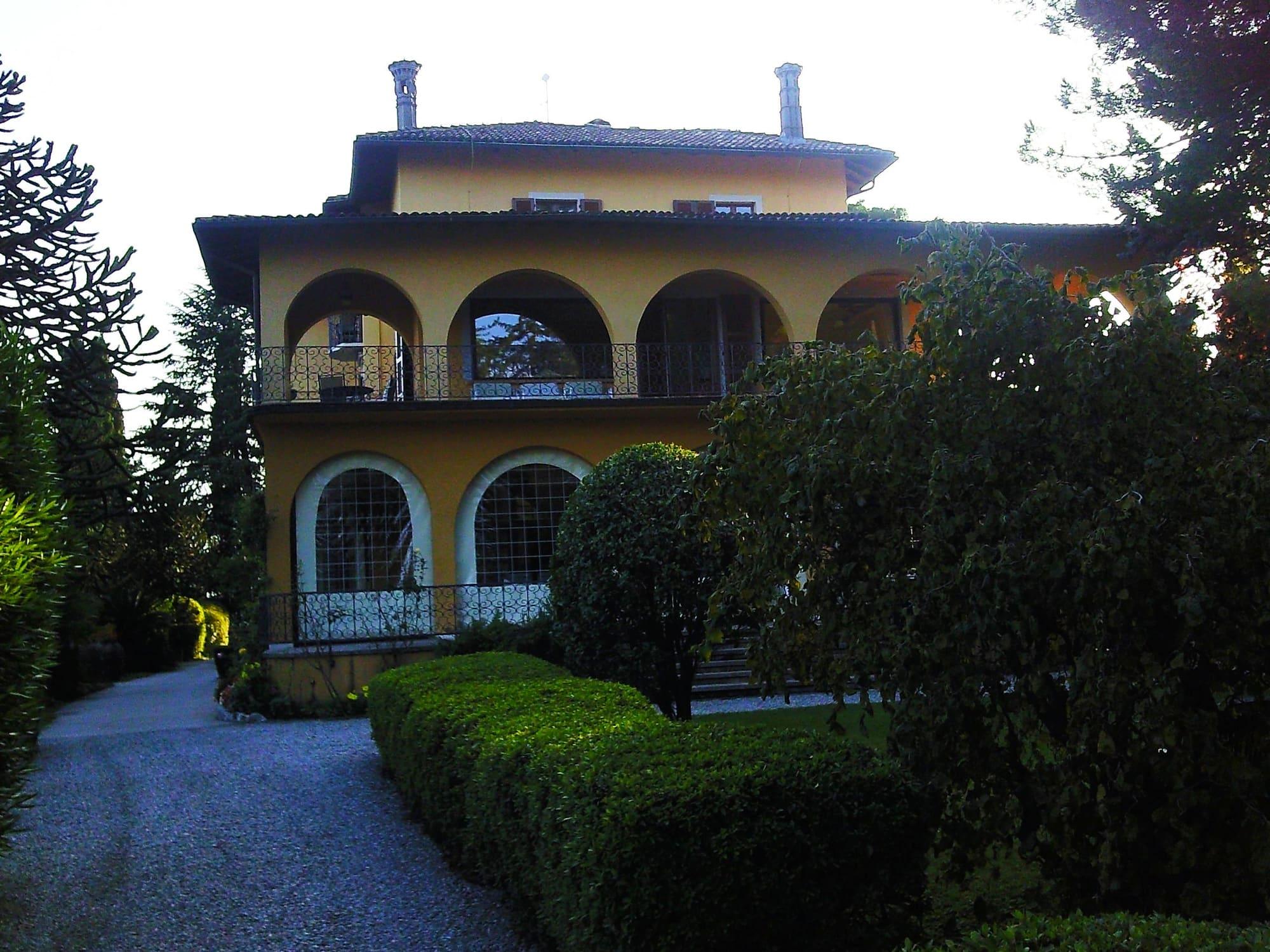
Villa del Balbianello passes to the FAI
The explorer Guido Monzino leaves the villa on the Lavedo point to the FAI, Italy's national trust, with his collections and the relics of his Everest and North Pole expeditions. The Balbianello is also a film location: ‘A Month by the Lake', ‘Star Wars: Episode II' and ‘Casino Royale' were among the films shot there.