Portrait·2 min
Stories from the lake
Stories of the lake: its trades, winds, cooking, architecture and life out of season.
31stories
Story·2 min
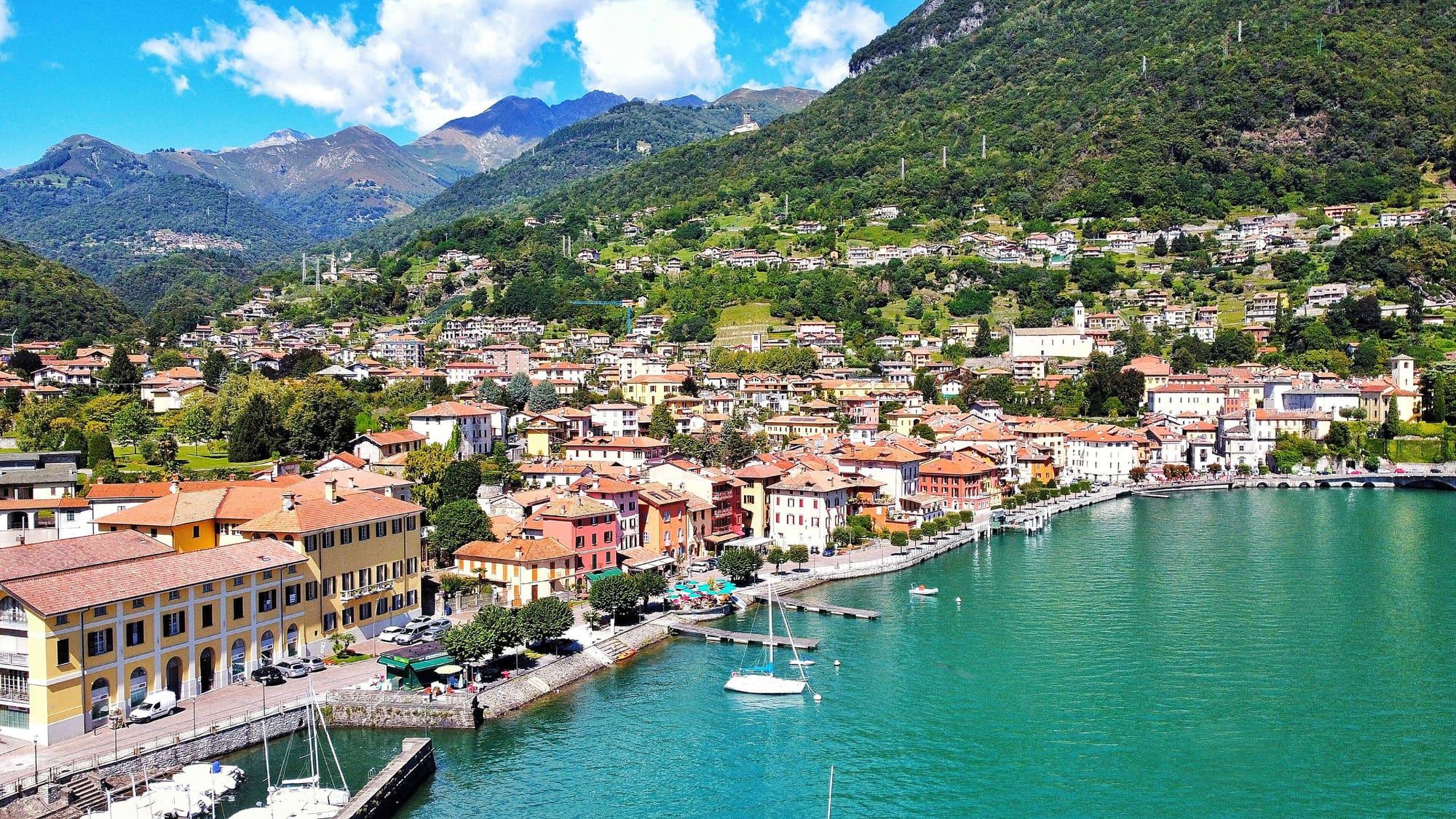
Missoltini, the fish preserved in the sun
Shad are caught in summer, dried in the sun and wind and pressed into tins with bay leaves, to be eaten in the months that follow.
Feature·2 min
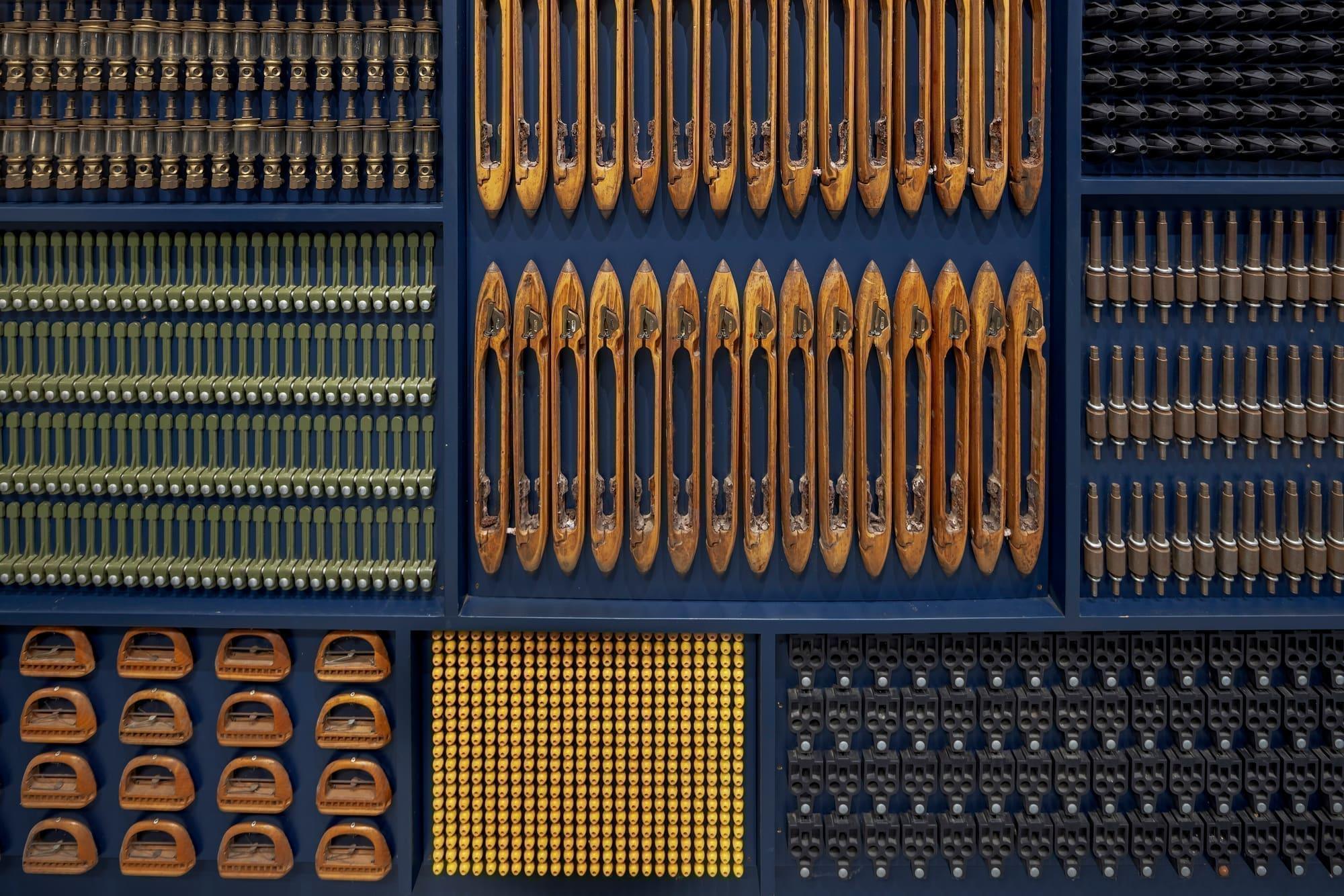
Como silk
Como has worked silk for centuries: in the district the thread that arrives from Asia is twisted, woven, dyed and printed, mostly for fashion houses.
Feature·2 min
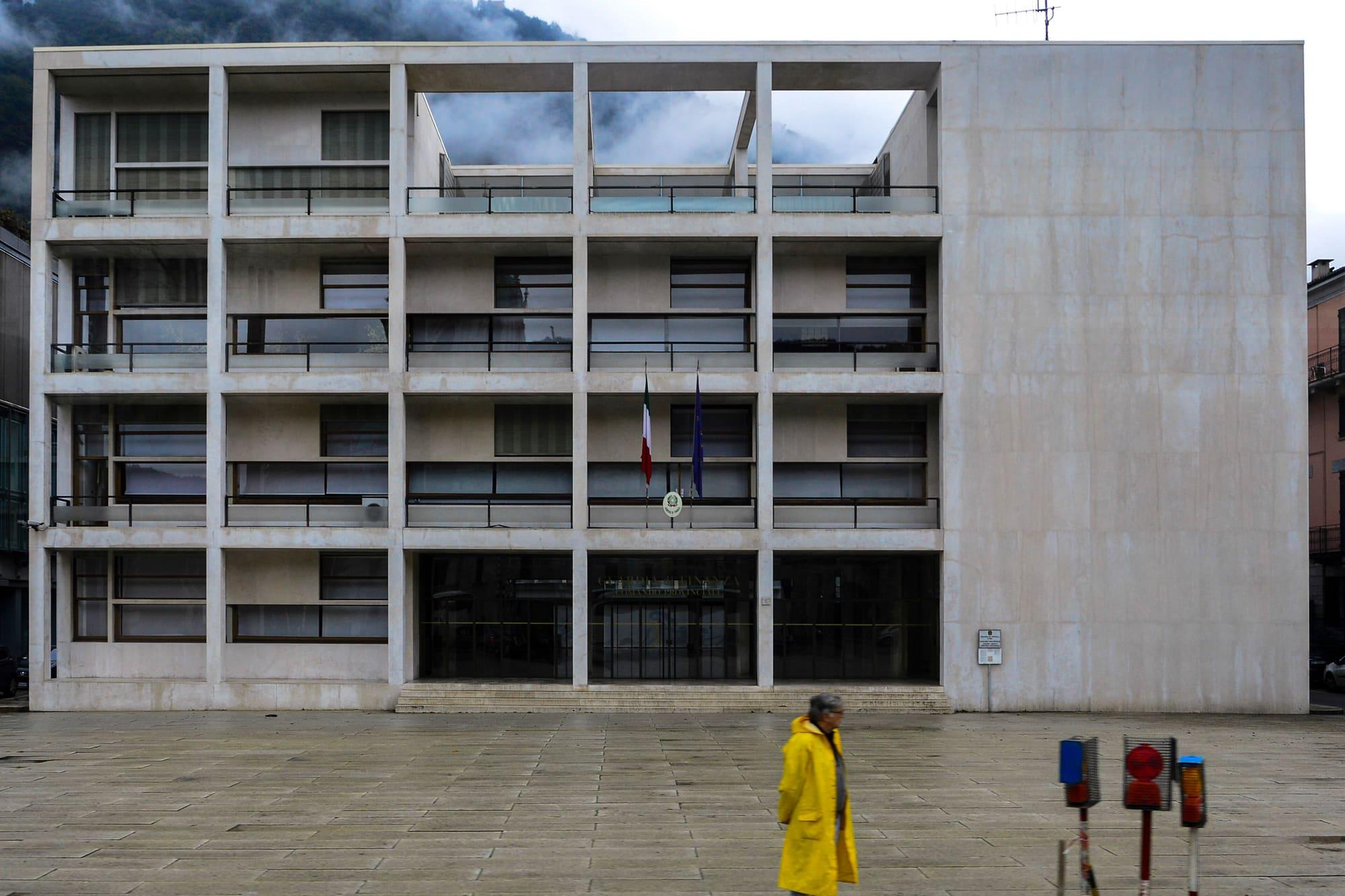
Palazzo Terragni, rationalism beside the cathedral
In 1936 Giuseppe Terragni completed the Casa del Fascio in Como, now Palazzo Terragni: a rationalist building in white marble fifty metres from the apse of the cathedral.
Story·3 min
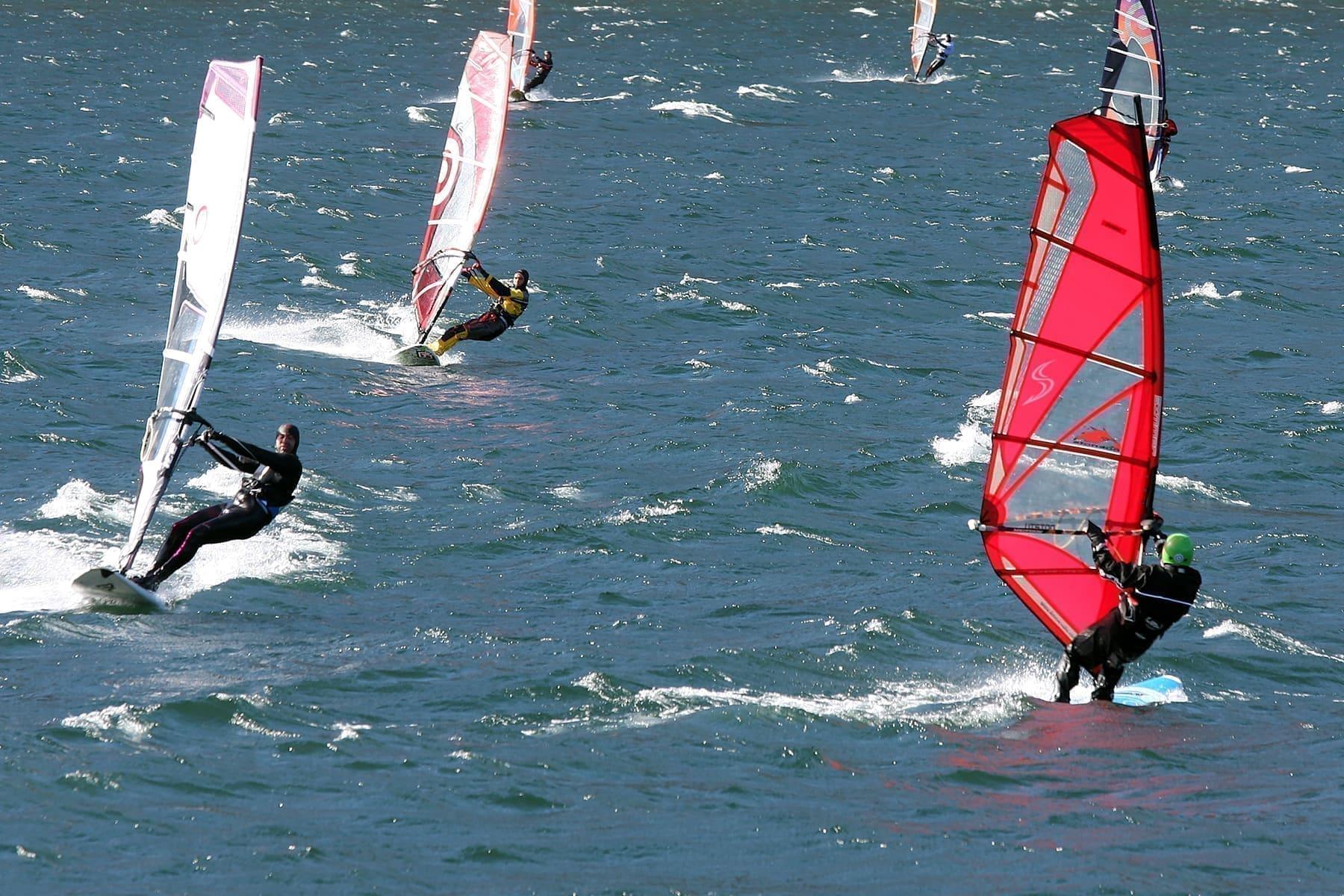
Breva and Tivano, the lake's breezes
The Tivano blows from the north in the early hours; the Breva blows up the lake from the south during the day. Their daily pattern depends on the weather and the season.
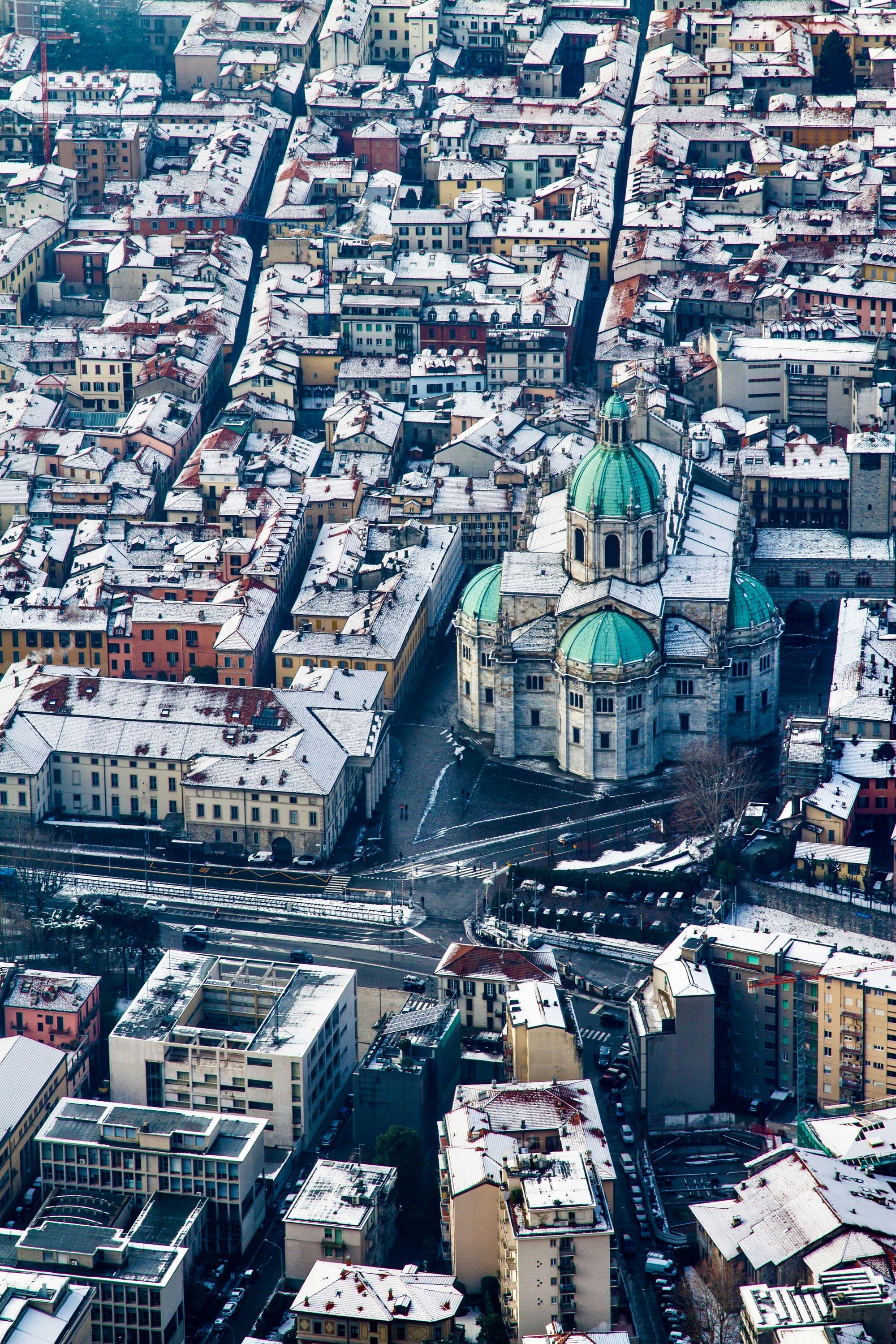
Season·3 min
Lake Como in winter
In winter the museums of Como and Lecco, the Romanesque churches and the Brunate funicular stay open, while almost all the great gardens close until spring. The centre-lake ferry runs all year, with fewer sailings.
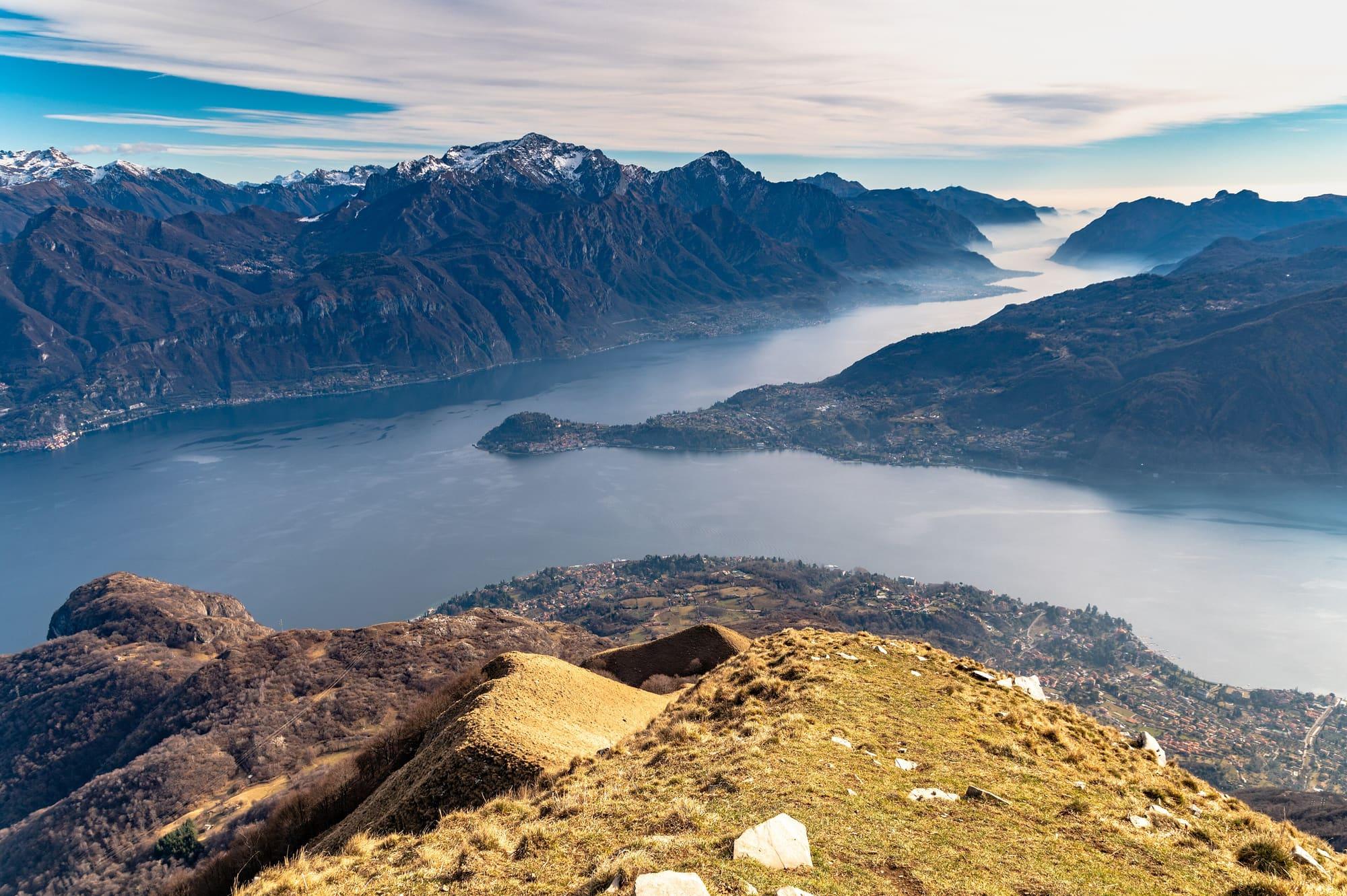
Story·4 min
Why the lake is shaped like a Y
A valley cut by ice, a massif in the middle and a branch with no outflow: the geography of Lake Como and what it means for travellers.
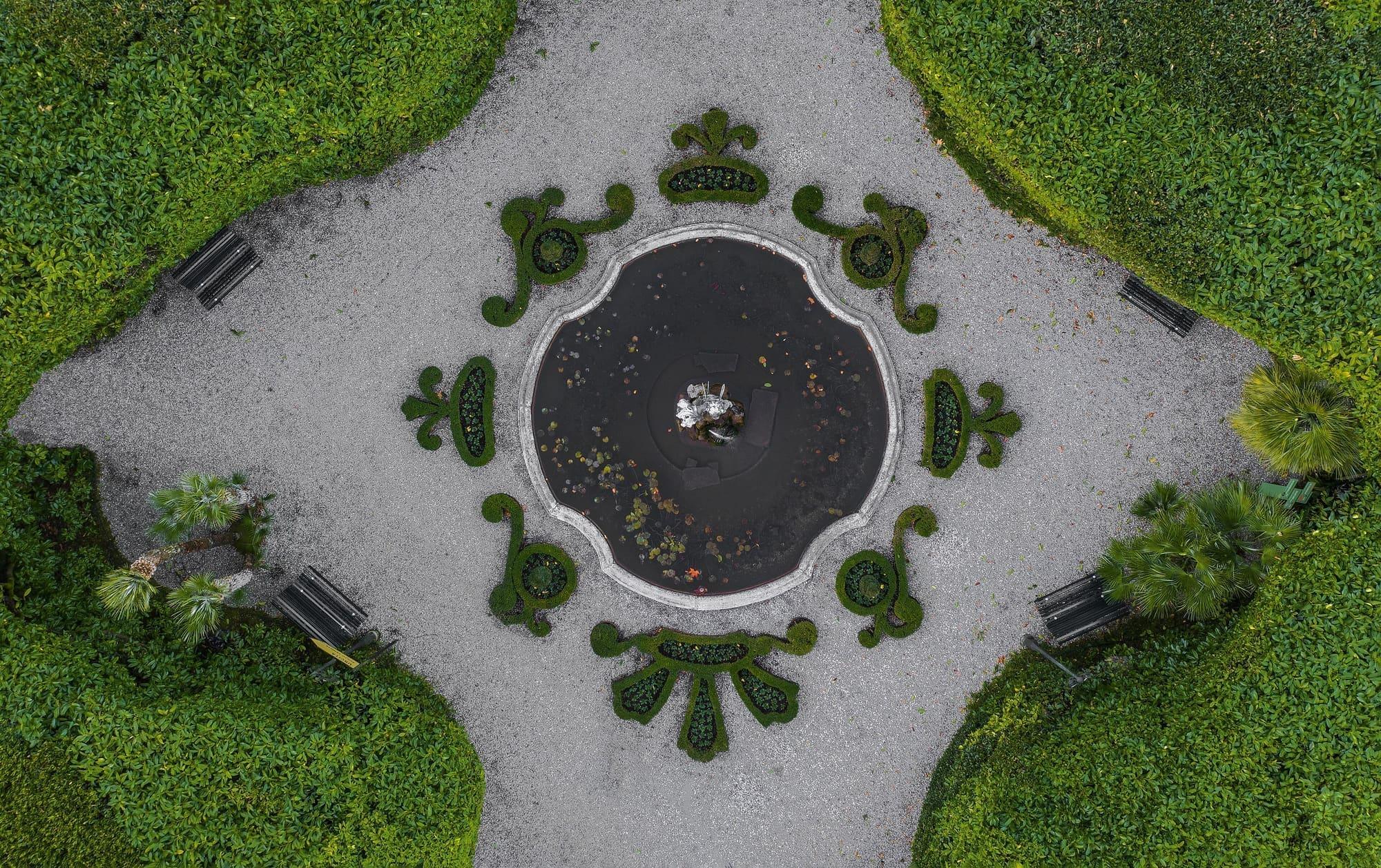
Story·5 min
The villas and the microclimate
The lake's mass of water, the relief, the exposure and the soil explain why camellias, azaleas and olive trees grow on its shores, and why the villas have their gardens there.
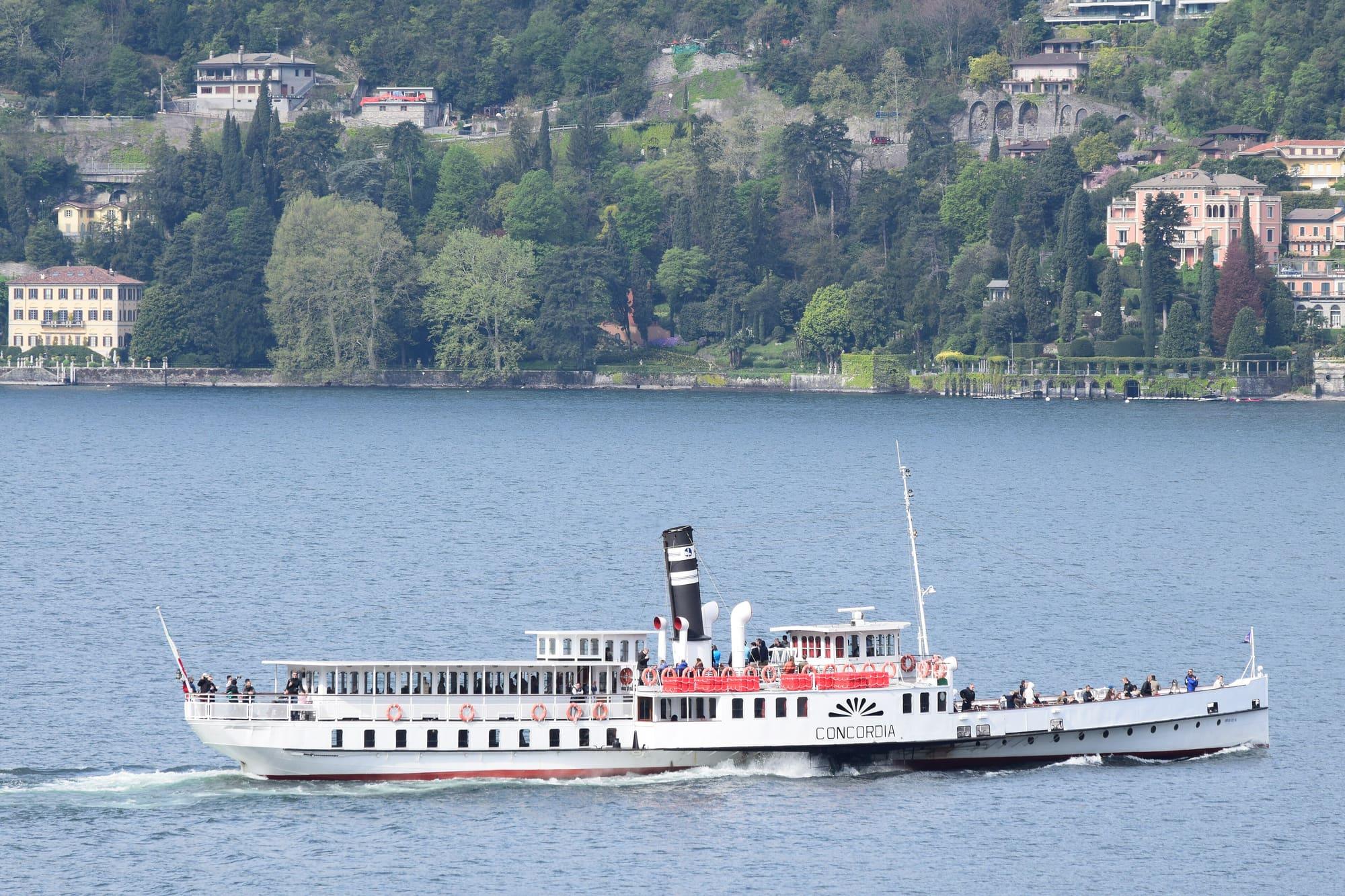
Story·4 min
Two hundred years under steam
On 16 August 1826 a twelve-horsepower paddle boat left Como for Domaso. People have travelled the lake by boat ever since, and the routes of those first services are still today's.
Feature·3 min
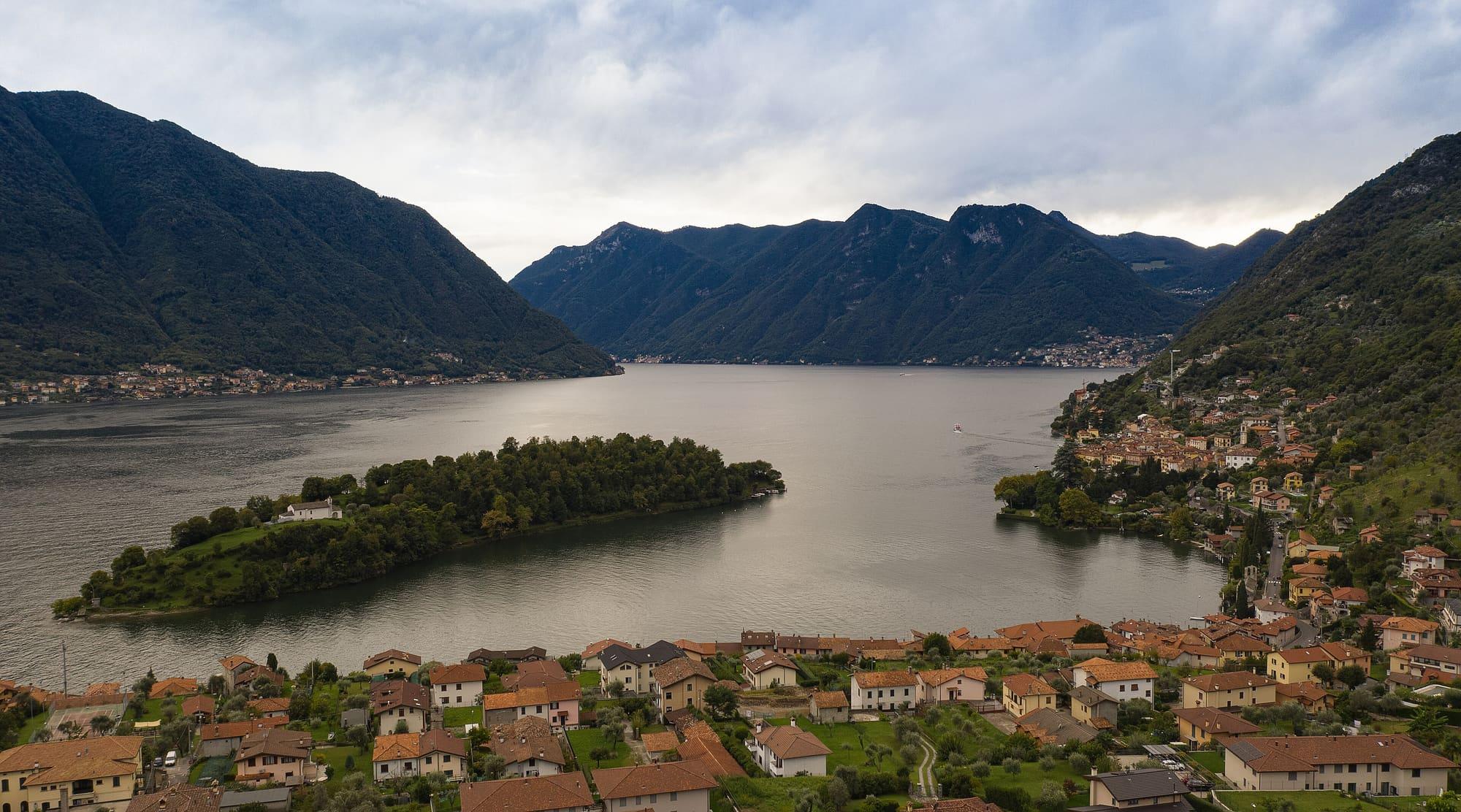
The Regina, the road of the western shore
The Regina road, from Como to the Swiss border: a route of Roman origin, a name linked to Raetia or to Queen Theodelinda, one lane each way and the Tremezzina bypass in tunnels.
Portrait·6 min
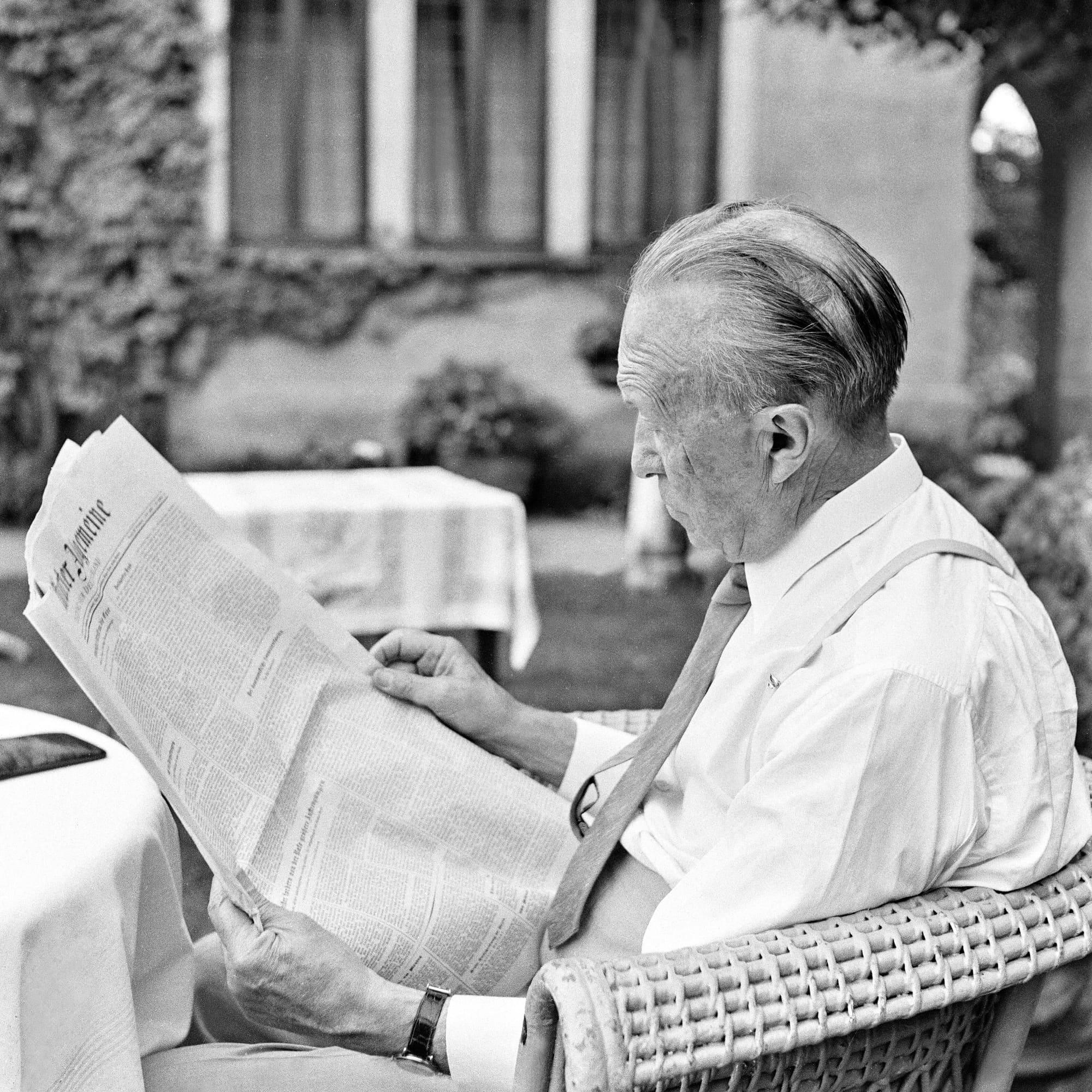
The chancellor on the lake
Between 1957 and 1966 Konrad Adenauer spent eighteen holidays at Cadenabbia. From 1959 his house was an almost empty villa on the hill, furnished from the nearby hotels: he governed from it, played bocce, and walked to Mass on Sundays.
Story·7 min
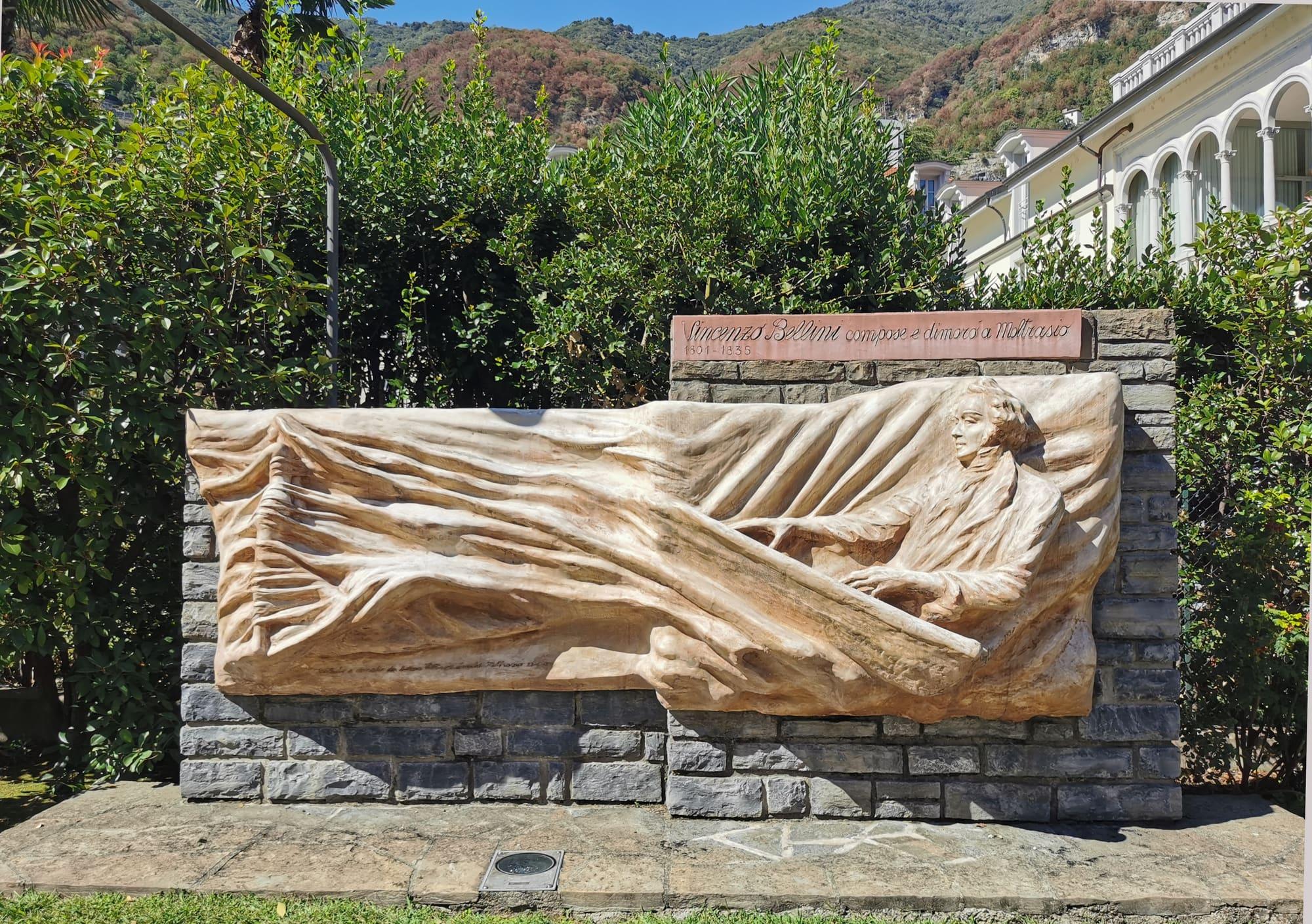
The musicians' lake
A singer whose villa looked like La Scala, a composer in love on the opposite shore, a retired ballerina and a publisher who had Verdi to stay at his villa. In the nineteenth century musicians, singers and dancers came to the Lario to rest between seasons at Milan's theatres.
Feature·5 min
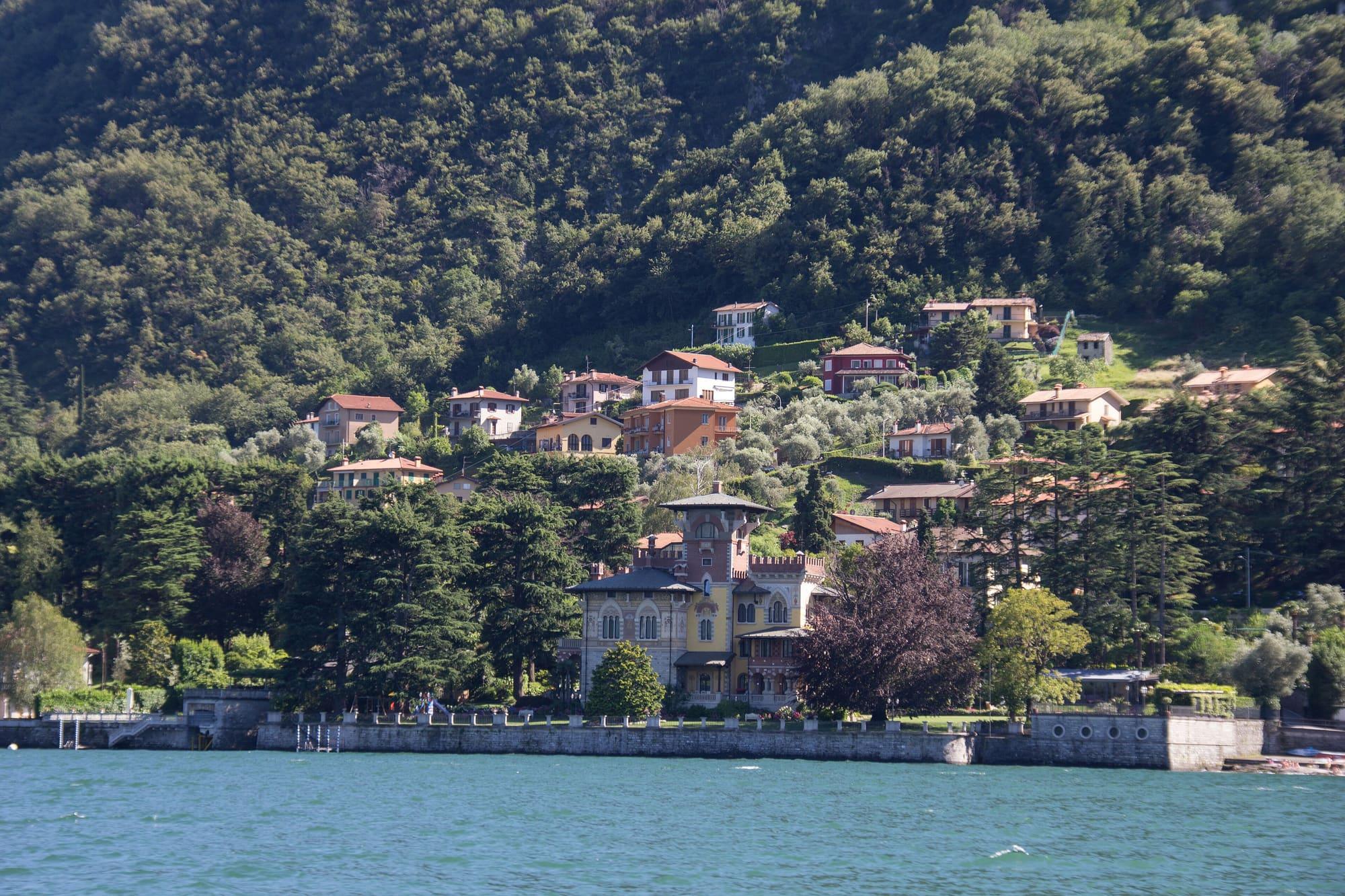
The olive coast
Oliveto Lario takes its name from the olive, and for centuries the oil of this stretch of the Lecco branch burned in the lamps on Saint Ambrose's tomb. Today it has a protected designation, rules that forbid calling it “superior”, and a path that runs through the groves.
Feature·7 min
The Cadorna Line on the Lario
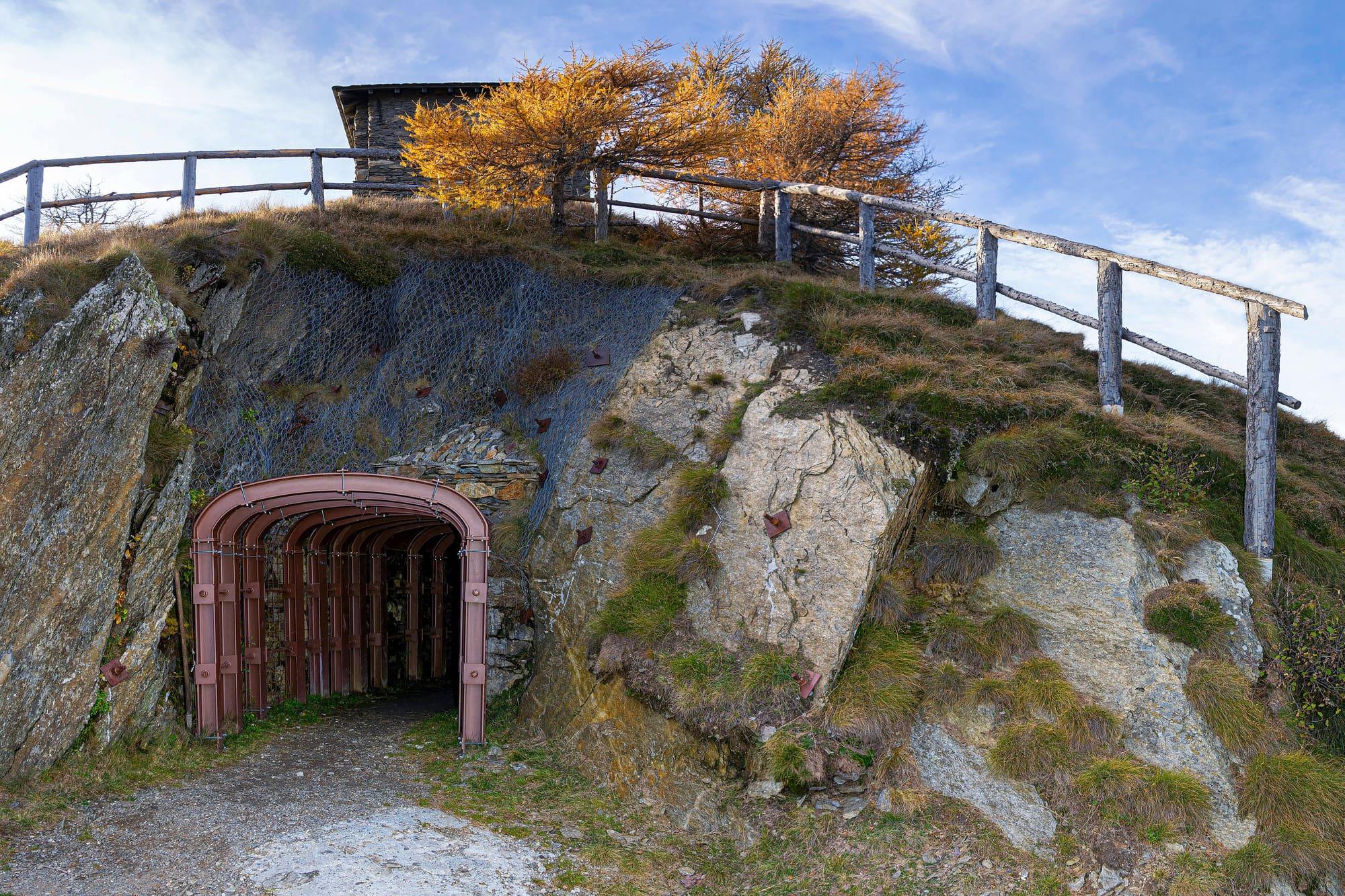
Forts, tunnels, trenches and military roads in the mountains above the lake guarded routes to the plain against a possible invasion through Switzerland. This front was not attacked during the First World War. At Colico, Forte Montecchio Nord retains its guns beneath their steel domes.
Story·8 min
The Comacine masters
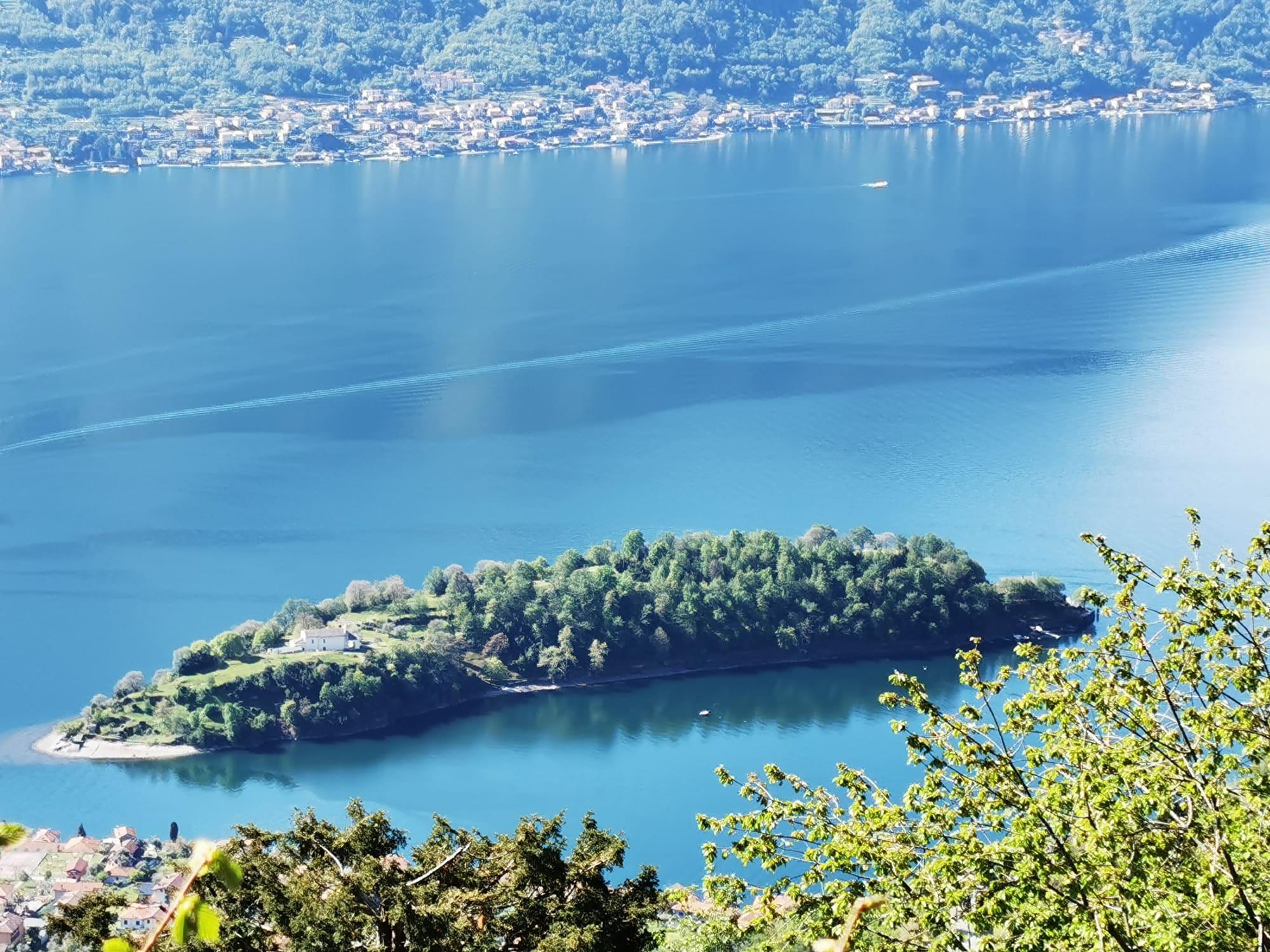
A Lombard law of 643 names the magistri commacini, and what the word means is still uncertain. On the lake stand the Romanesque churches that tradition credits to them, although for almost none of them is the builder's name known.
Story·7 min
The smugglers' lake
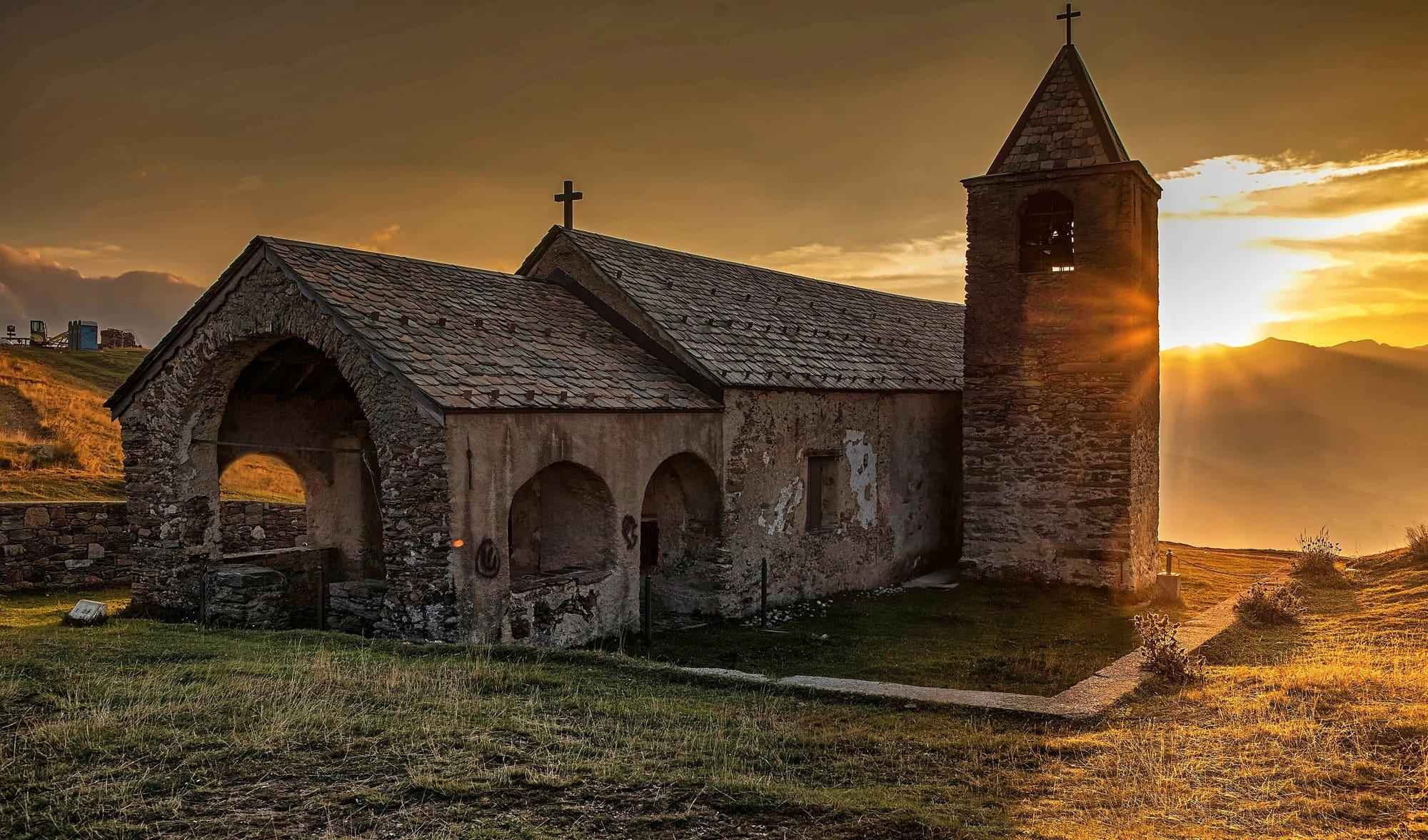
The paths between the Lario valleys and Switzerland were used by smugglers carrying tobacco, salt and coffee. Museums in Cavargna and Erbonne preserve objects from this trade and from border surveillance; some barracks have been converted into mountain huts.
Story·8 min
The two Plinys of Lake Como
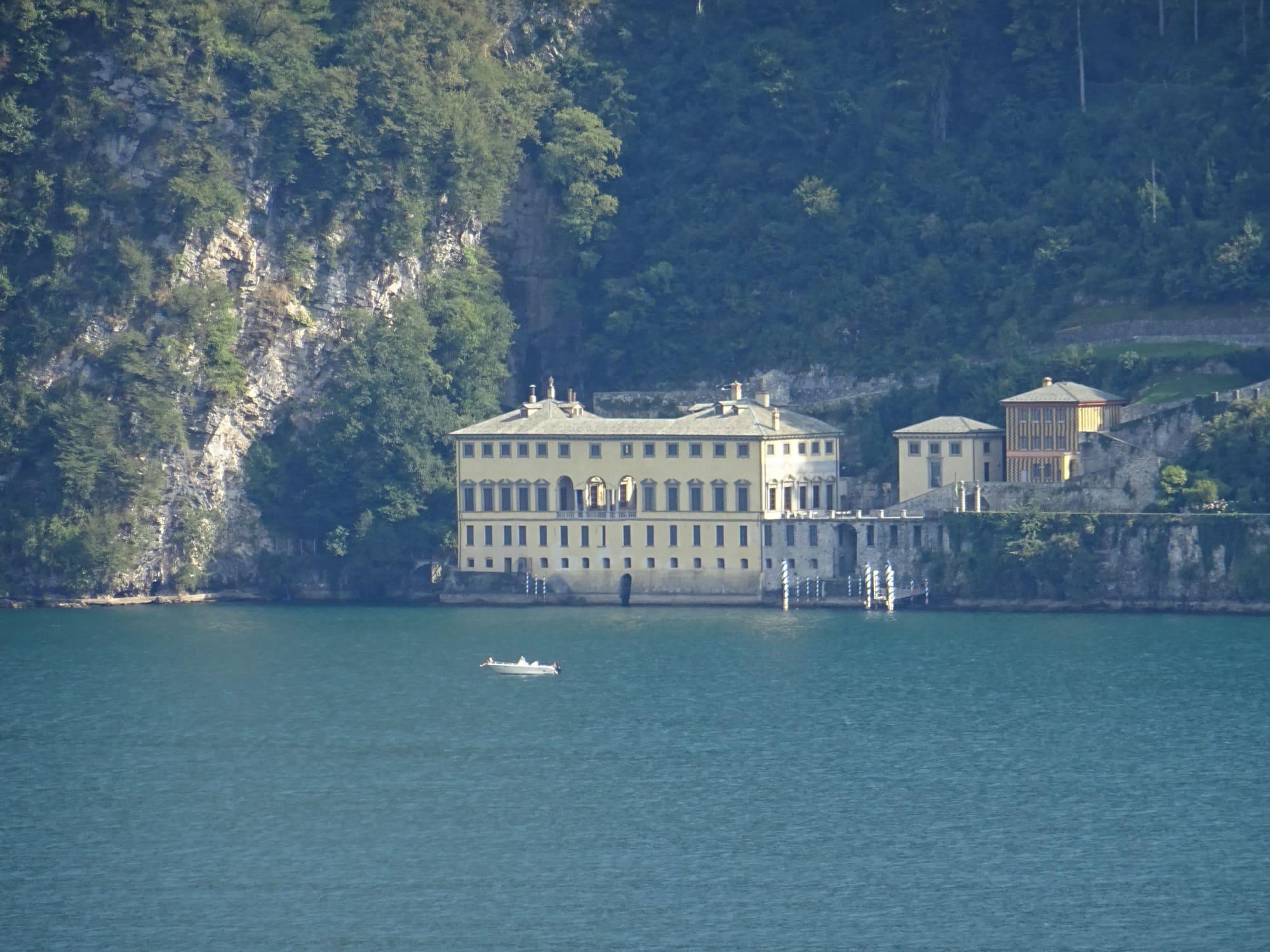
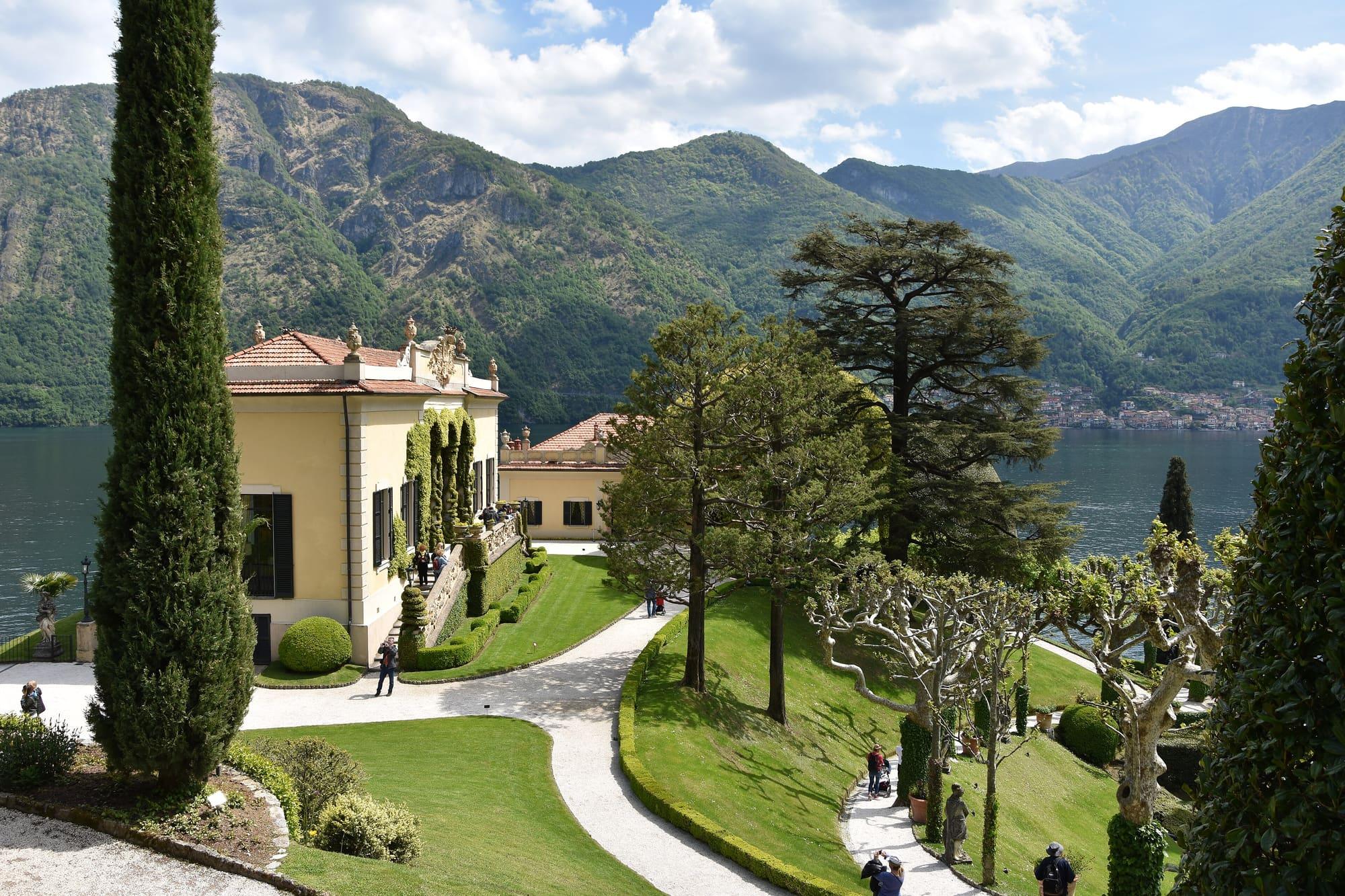
The uncle wrote an encyclopaedia and died beneath Vesuvius; the nephew told the story, and wrote about two of his villas on the lake, one on the rock and one on the water. The letters, the spring at the Pliniana and two statues on the front of the cathedral: what is known, and what tradition has added.
Story·7 min
The lake on film
Hitchcock shot the honeymoon of his first film here, Soldati brought Fogazzaro, Visconti a couple on a trip to Bellagio, George Lucas the planet Naboo. A century of filming on the lake, place by place.
Story·6 min
When the railway reached the lake
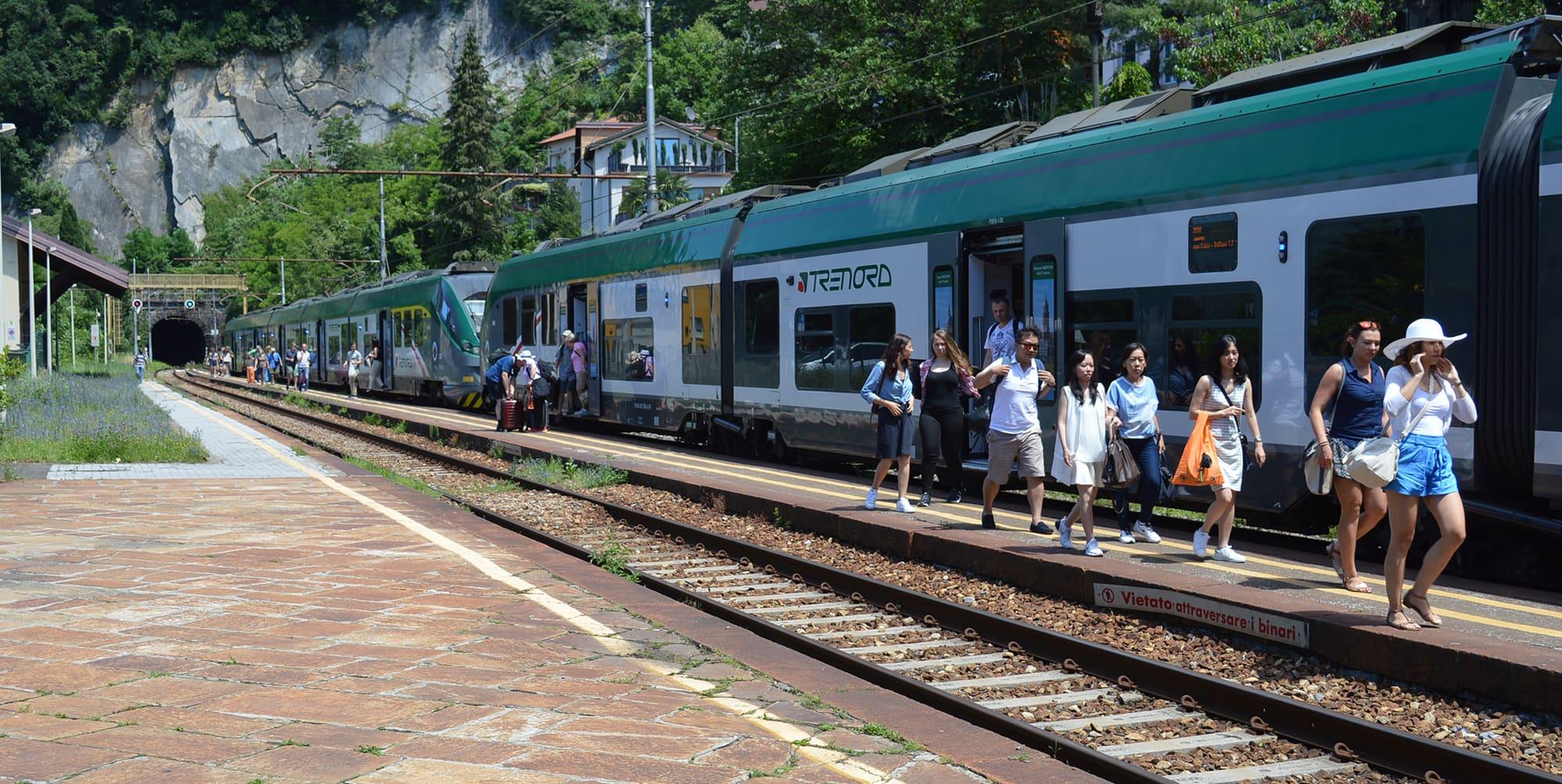
In eighteen years, between 1884 and 1902, the lake of the steamers gained a little train between Menaggio and Porlezza, a railway of tunnels along the eastern shore, a funicular and the world's first high-voltage three-phase line. The lines, the trains and what is left of them.
Story·8 min
The battery, the fire and the Tempio
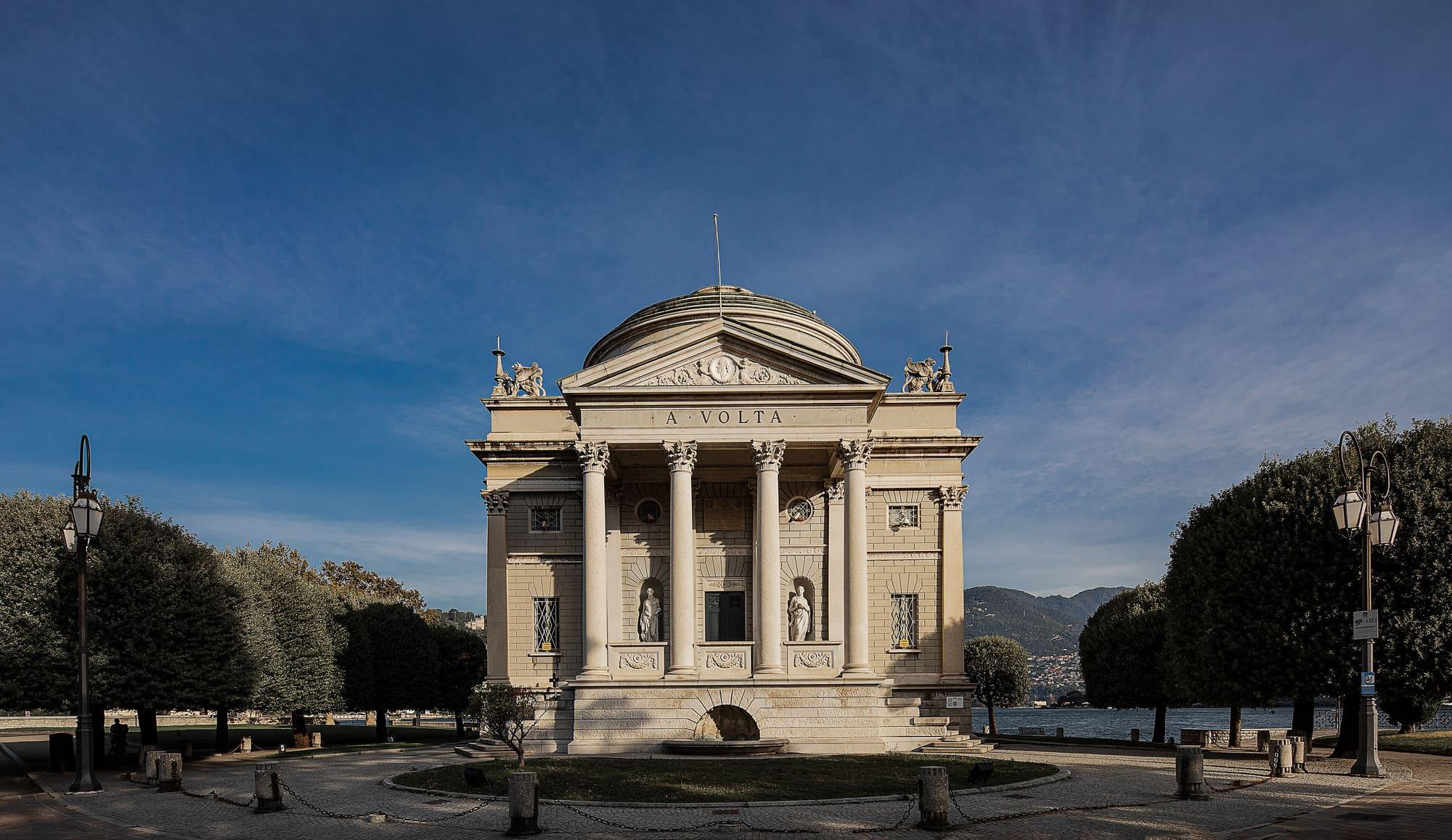
Como commemorated Alessandro Volta with the Volta Exhibition of 1899 and the events marking the centenary of his death in 1927. The Tempio Voltiano, inaugurated in 1928, holds original instruments and reconstructions associated with his research.
Story·6 min
The red sweaters of the Grignetta
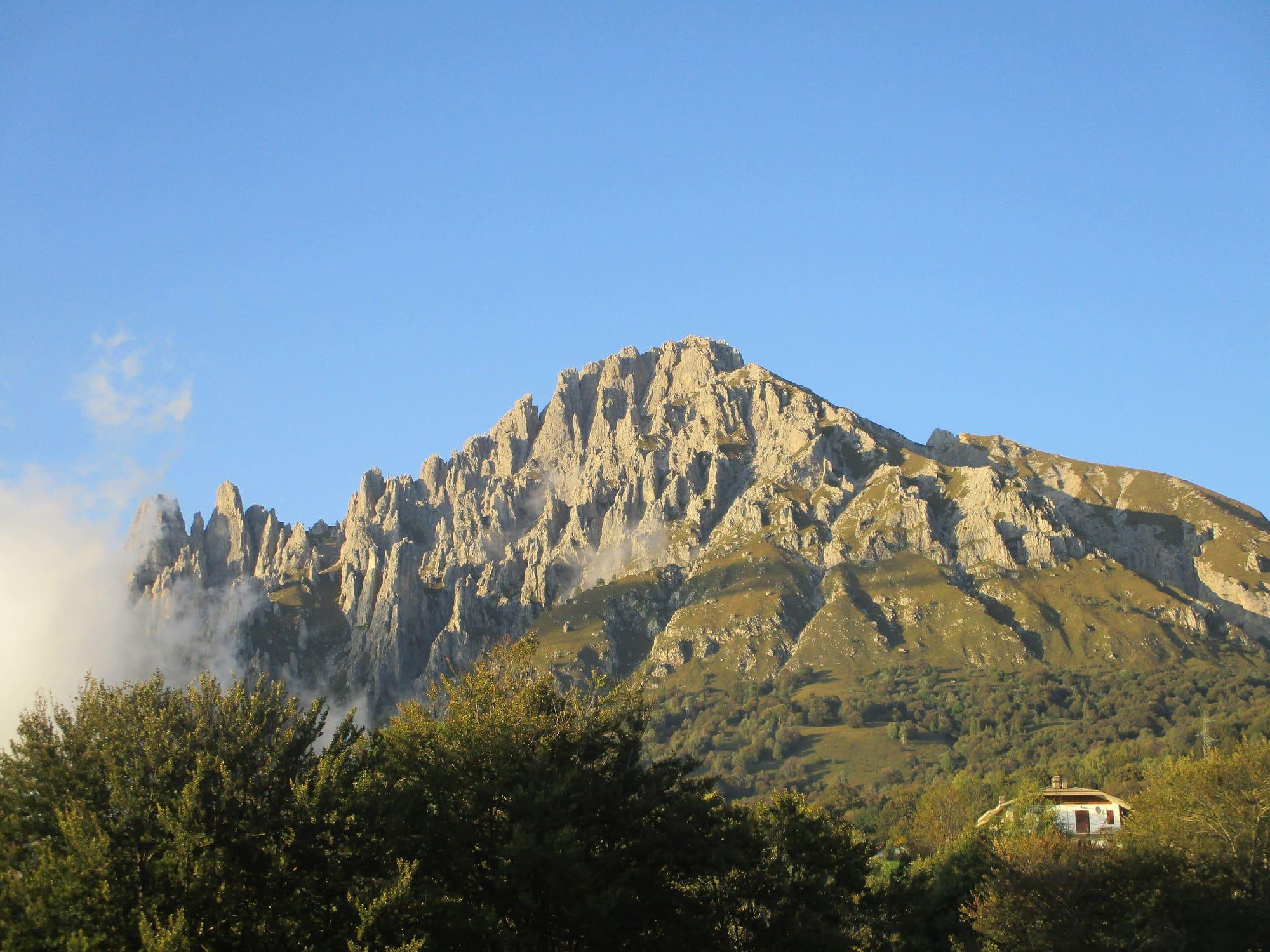
Above Lecco a mountain of towers and spires has been its climbers' school for a century: from there Riccardo Cassin set off for the great walls of the Alps, and in 1946 a group of young men founded the Ragni della Grignetta, with the red sweater and the seven-legged spider.
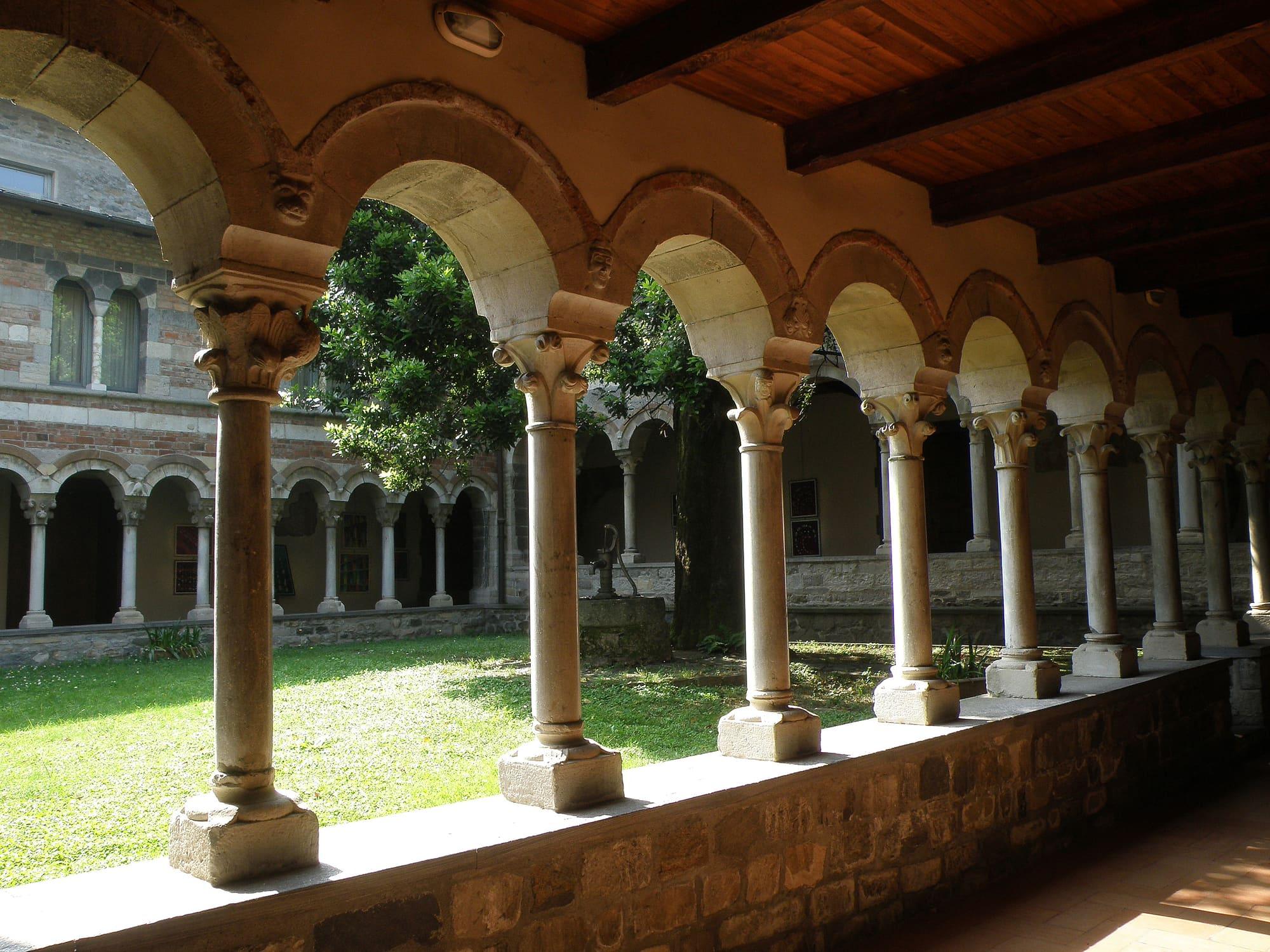
Story·8 min
The monks' lake
Benedictines on the mountain above Civate, in the Val Perlana and in Como, Cluniacs at Piona, Cistercians at Acquafredda and nuns at Varenna: for more than a thousand years the lake had its monasteries, and nearly all of them were given in commendam, fell into ruin or became villas. Only one has monks again.
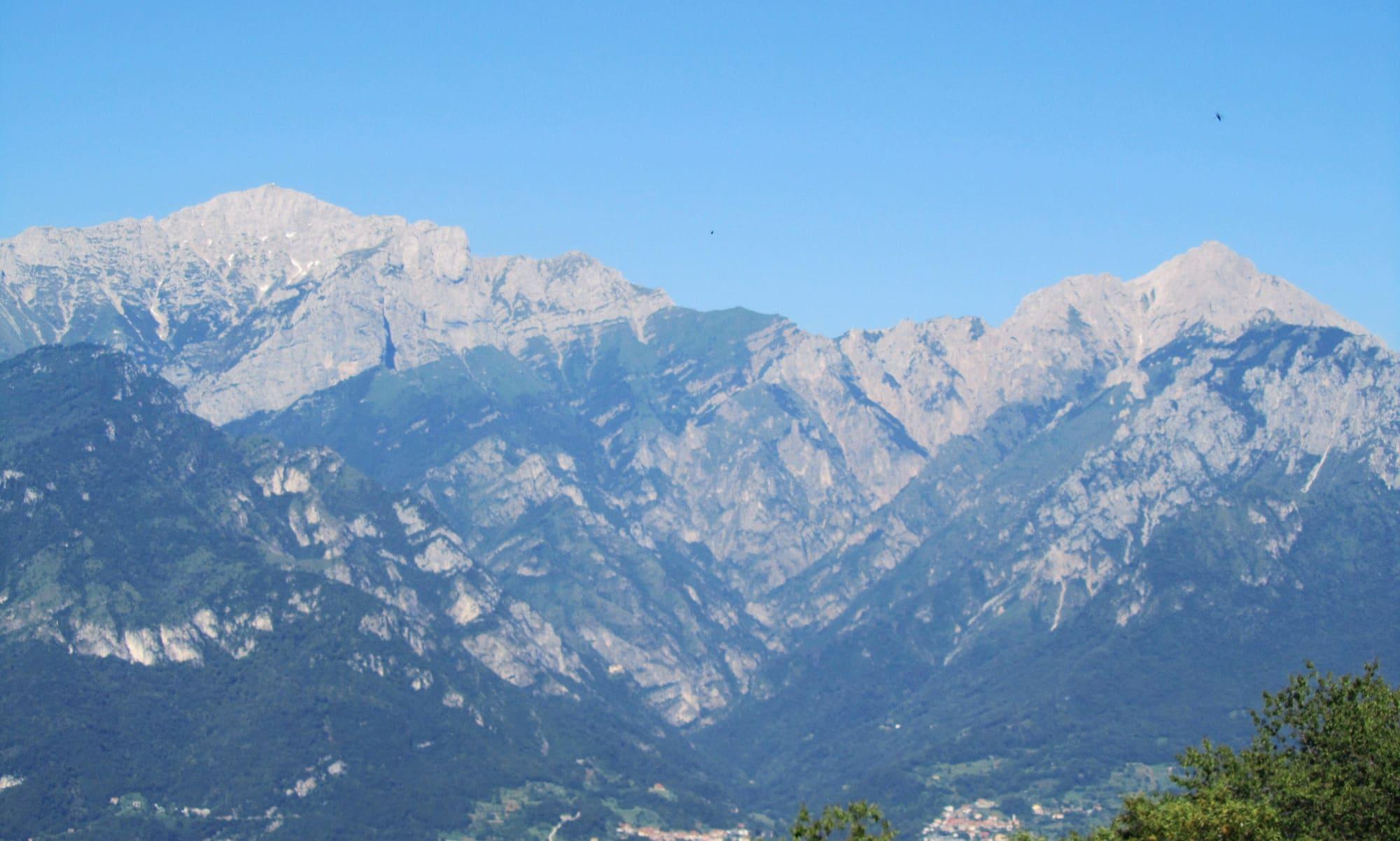
Story·7 min
Leonardo on Lake Como
A spring that rises and falls every six hours, a river that drops sheer into the lake, a hole beneath the mountain of Mandello where there is always ice: Leonardo da Vinci recorded the lake and its valleys in a few lines of the Codex Atlanticus and the Codex Leicester. What he actually wrote, and what has been attributed to him since.
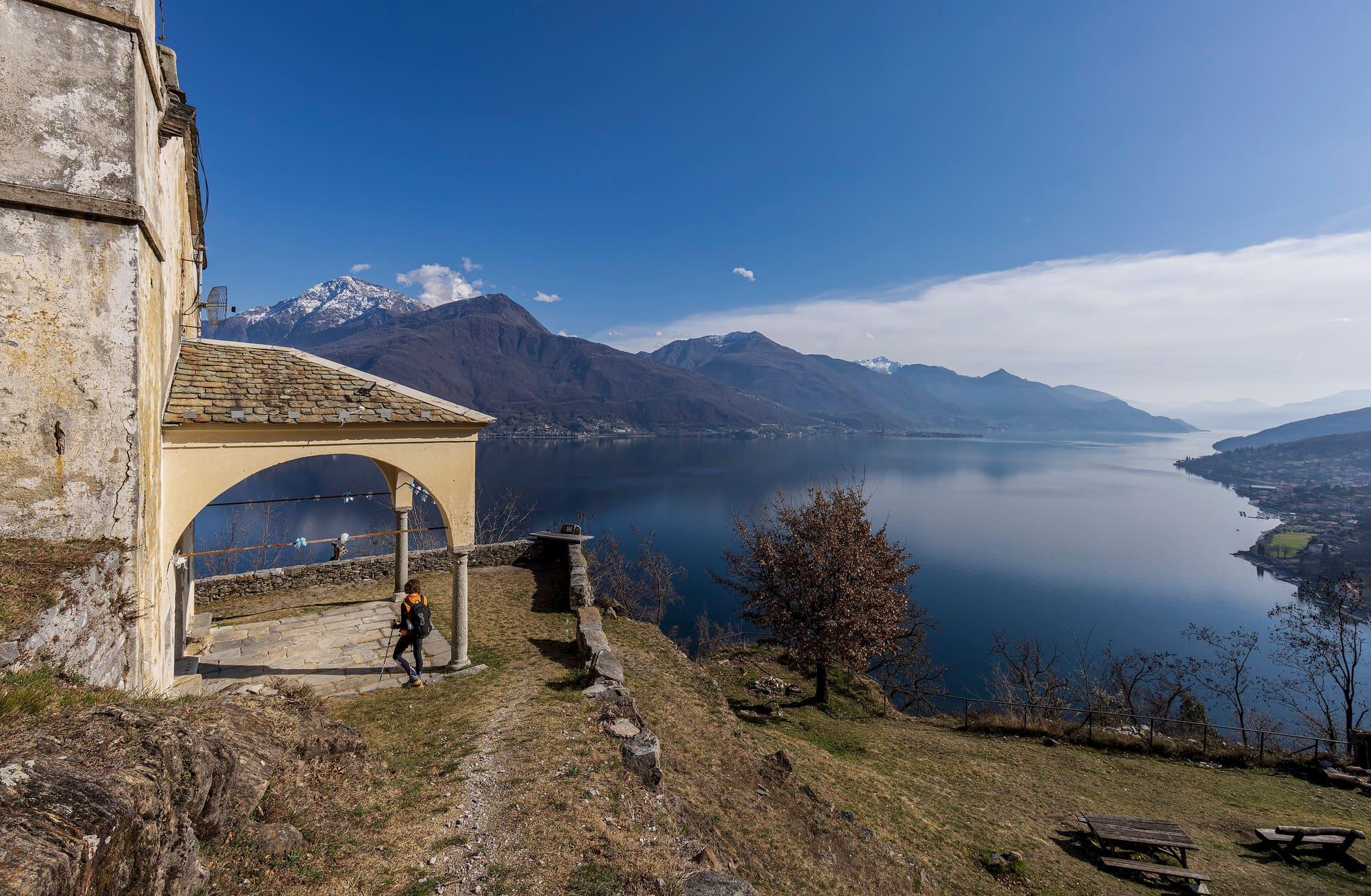
Story·8 min
The Medeghino, lord of the lake
Banished for a murder, castellan of Musso, corsair on the lake, a marquis entitled to mint coins and in the end one of the emperor's generals: for nine years Gian Giacomo Medici made the lake a small state of his own, until his castle was dismantled.
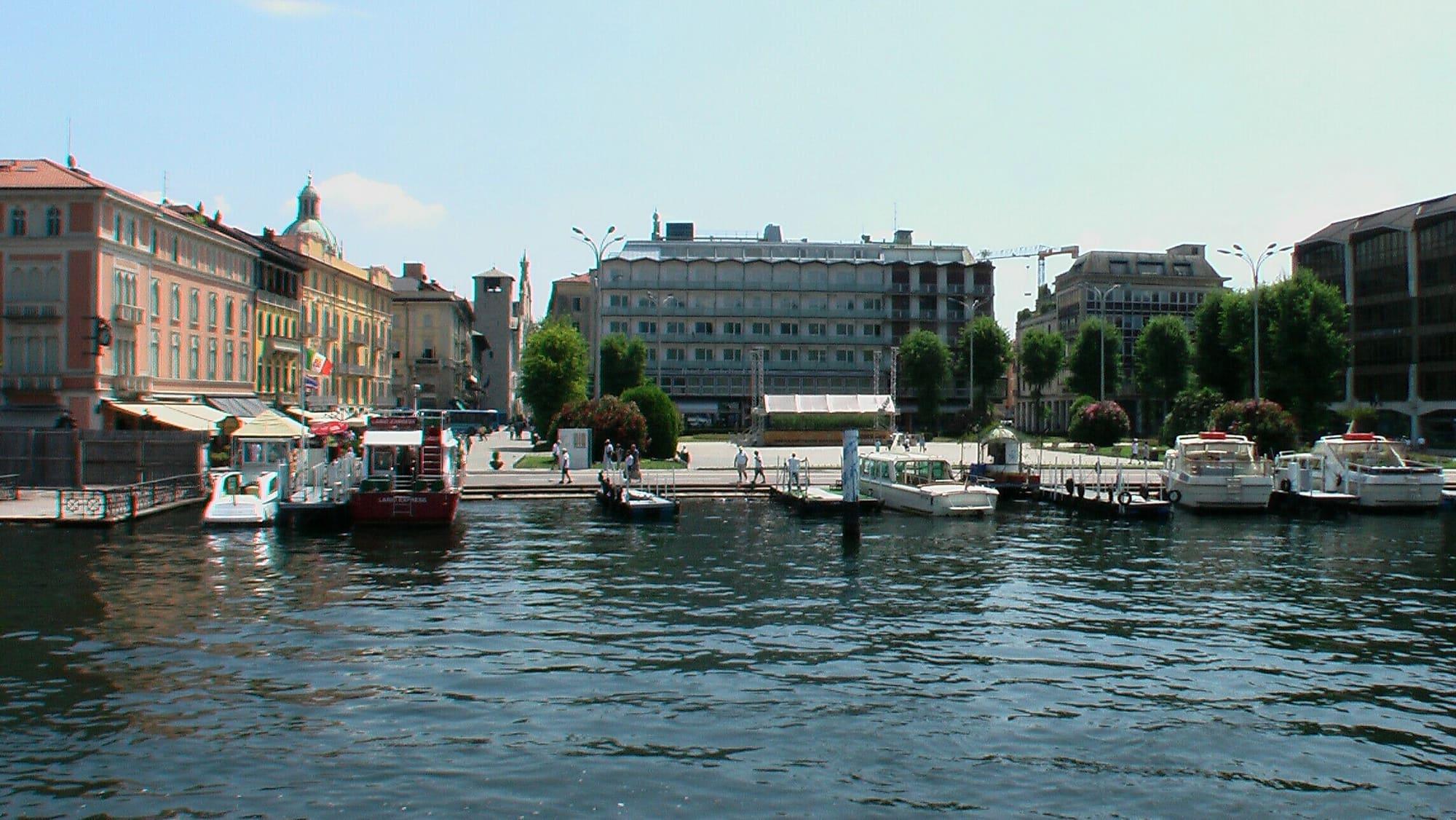
Story·6 min
When the lake comes into town
Piazza Cavour was Como's harbour, and when the lake rises the water comes back into it: the first recorded flood dates from 1431, the highest from 1868, and since 1946 a dam at Olginate has regulated how much water the Adda lets out.
Story·7 min
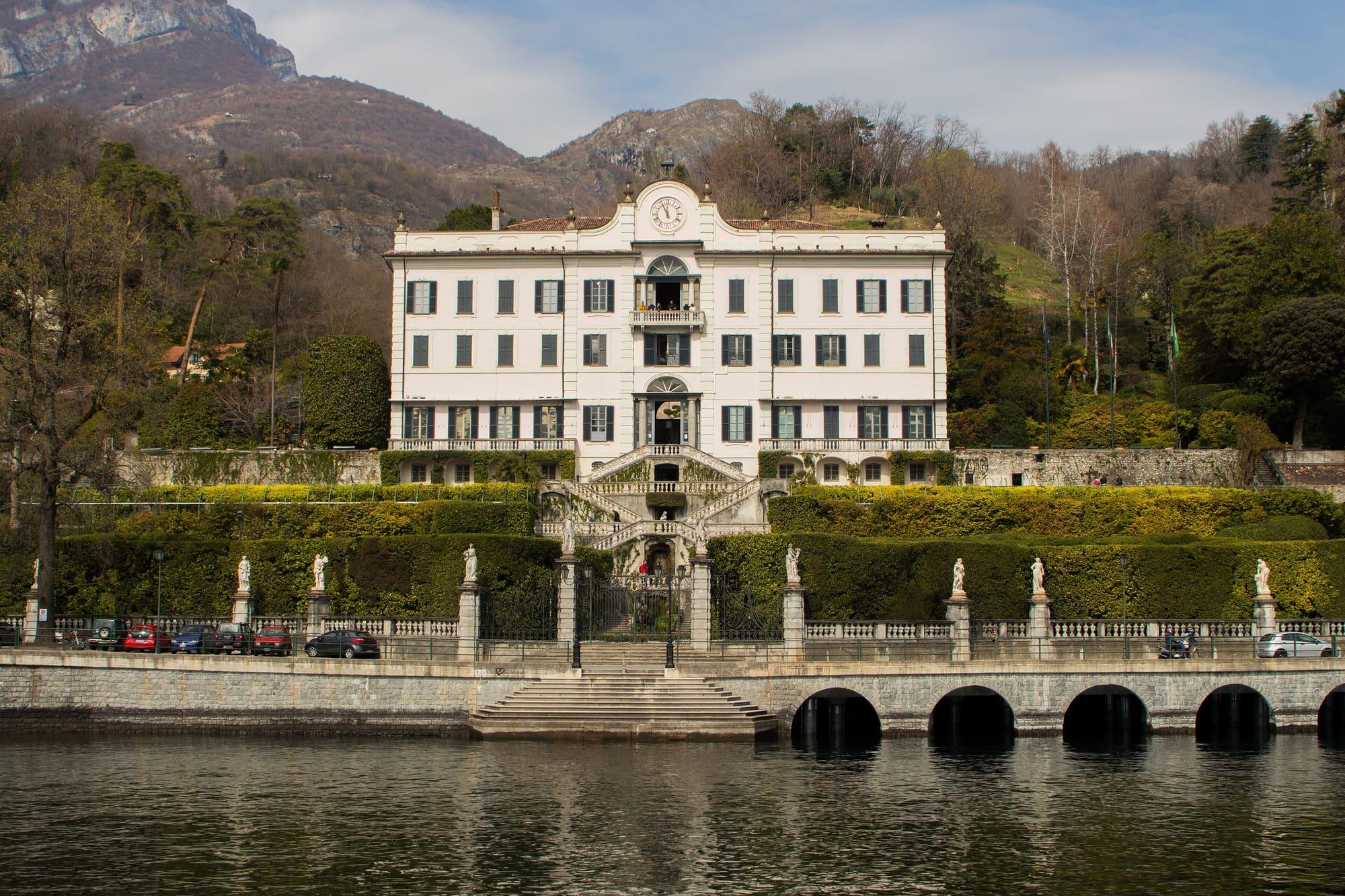
The writers' lake
Wordsworth walked through in 1790, Shelley went house-hunting at the Pliniana in 1818, Stendhal raised Fabrizio del Dongo here, Flaubert kissed a statue, Mary Shelley came back to Cadenabbia twenty-two years later and Mark Twain preferred Lake Tahoe.
Story·7 min
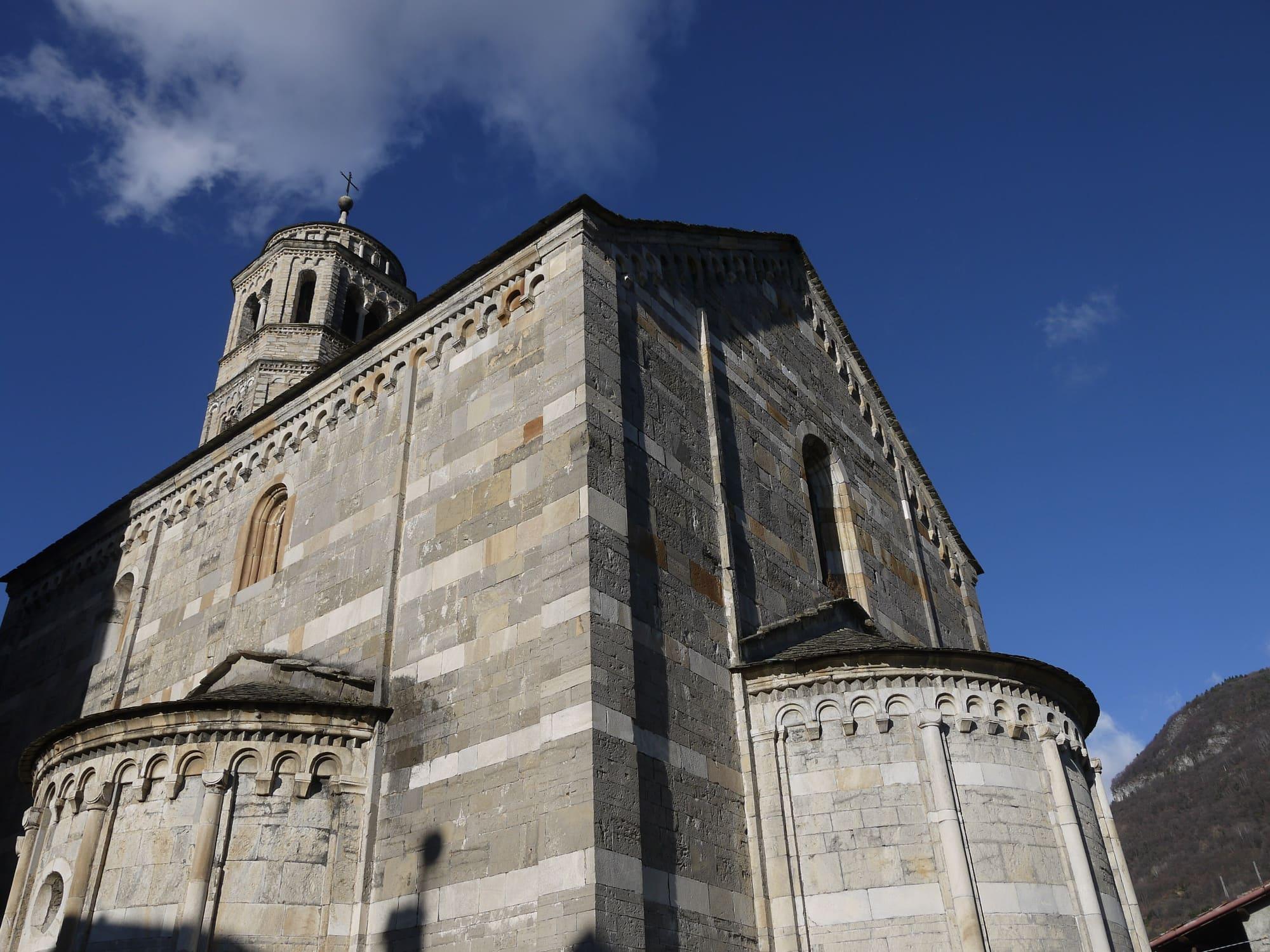
The stone of the lake
The white marble of Musso, the grey stone of Moltrasio, the black of Varenna and Olcio: the lake gave its stone to its churches and to Como Cathedral, and carried it over the water aboard the comballi. Where it was quarried, where it can still be seen and how it travelled.
Story·8 min
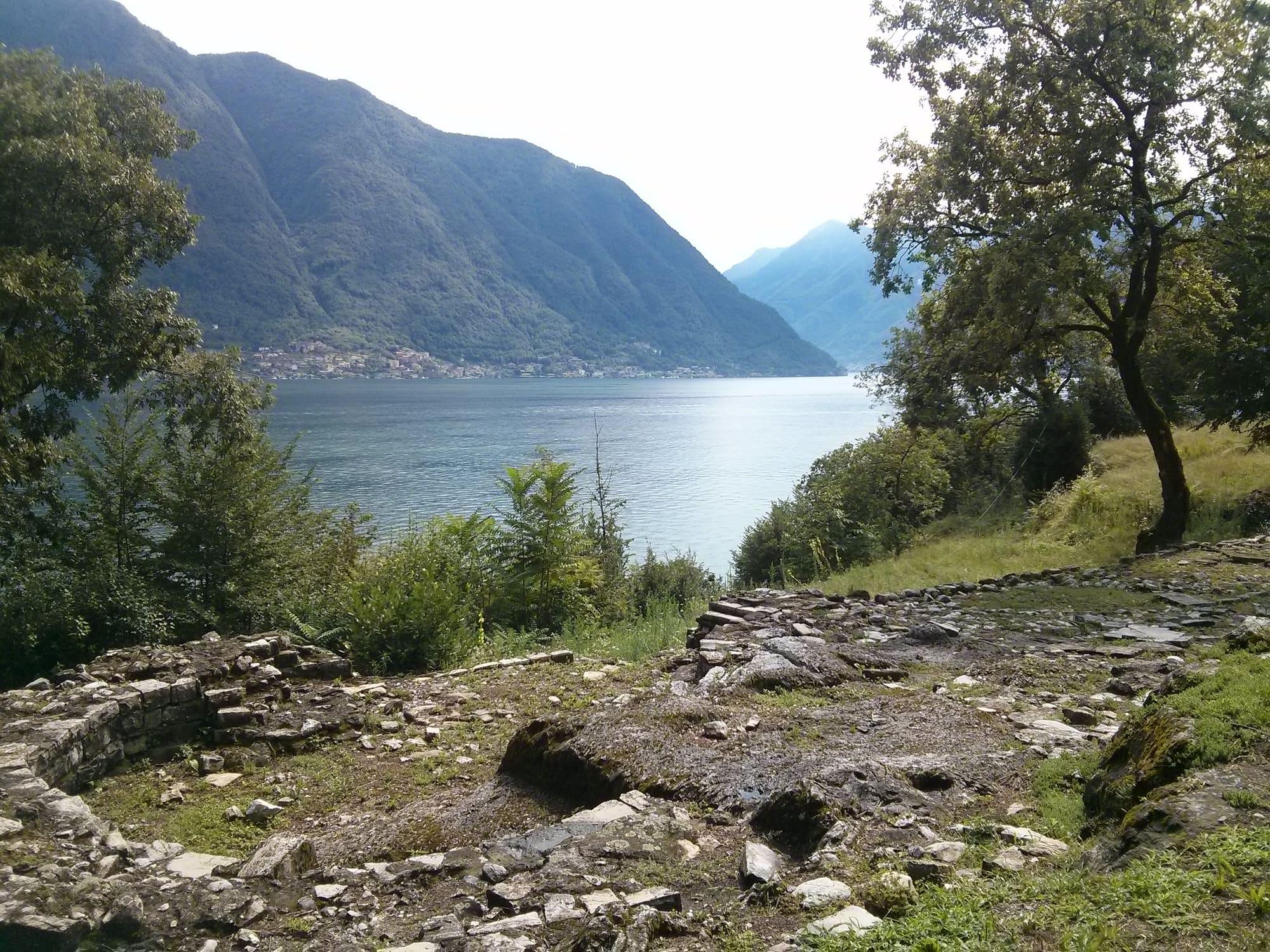
The fall of the Isola Comacina
For ten years the Isola Comacina fought alongside Milan against Como. In 1169 the people of Como, strong again under Barbarossa, razed it and threw its stones into the lake; its people fled to Varenna. A legend of a curse is associated with its destruction. The war, the destruction and what excavation has found beneath the ruins.
Story·3 min
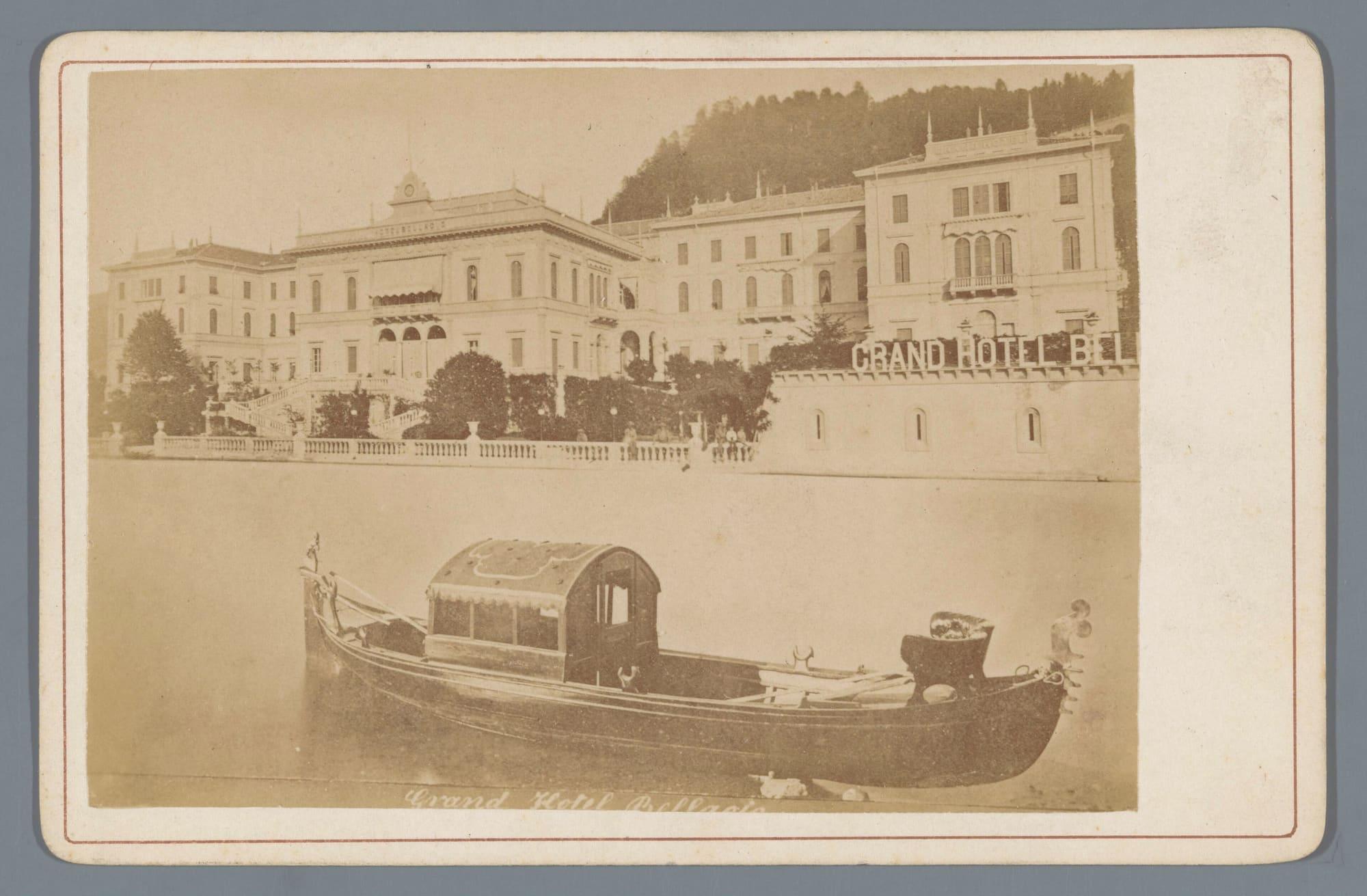
The century of the grand hotels
From the first inns of the 1820s to the grand hotels of 1873 and 1910: how Lake Como filled with hotels, and what remains of each.
Feature·2 min
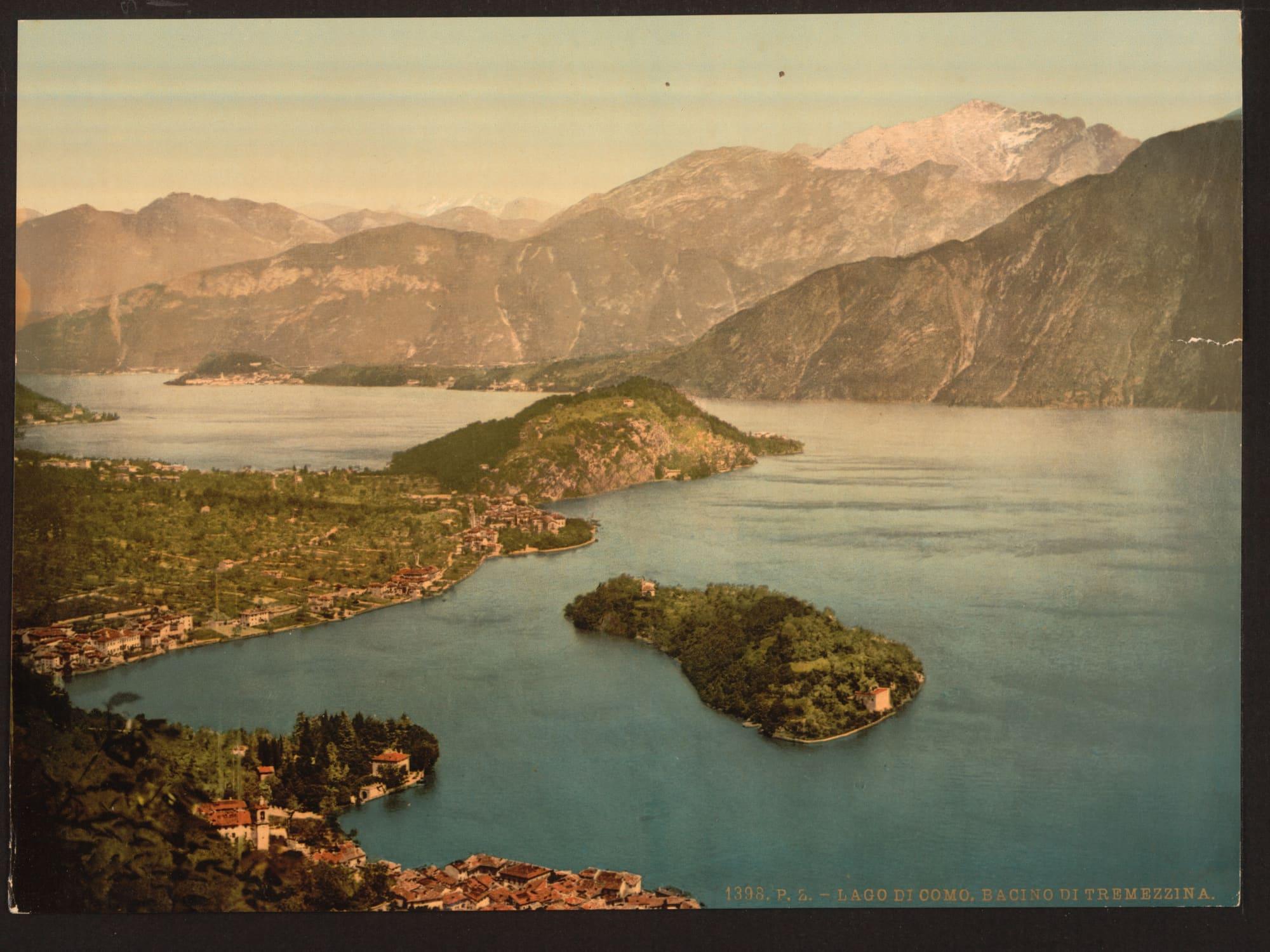
The lake in colour, around 1895
A dozen views of Lake Como printed in colour with the photochrom process in the 1890s: Bellagio, the Tremezzina, Cadenabbia, Menaggio and Como.
Feature·2 min
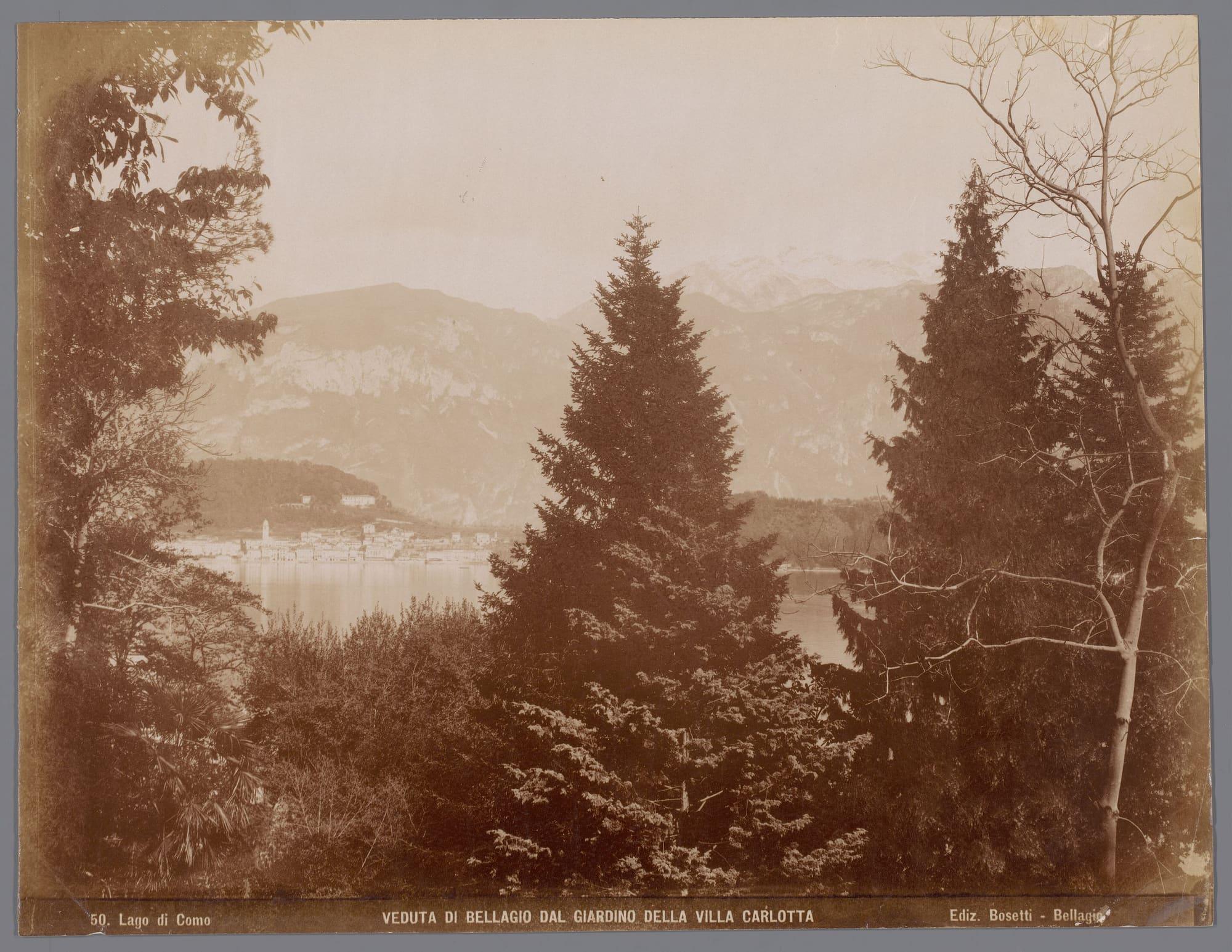
The lake's first photographers
From the 1840 lithographs made from daguerreotypes to Carlo Bosetti's albumen prints in Bellagio: sixty years of photographs of Lake Como.
All 31 entries in this list.
Follow by feedStories about the lake in Atom format, to follow with a feed reader.